

Free visual inspection and a written scope of work before any mitigation begins - photos, moisture readings, and drying logs go in your claim file
The scope we write is the scope we bill. Anything new gets shown to you, in writing, before we touch it.
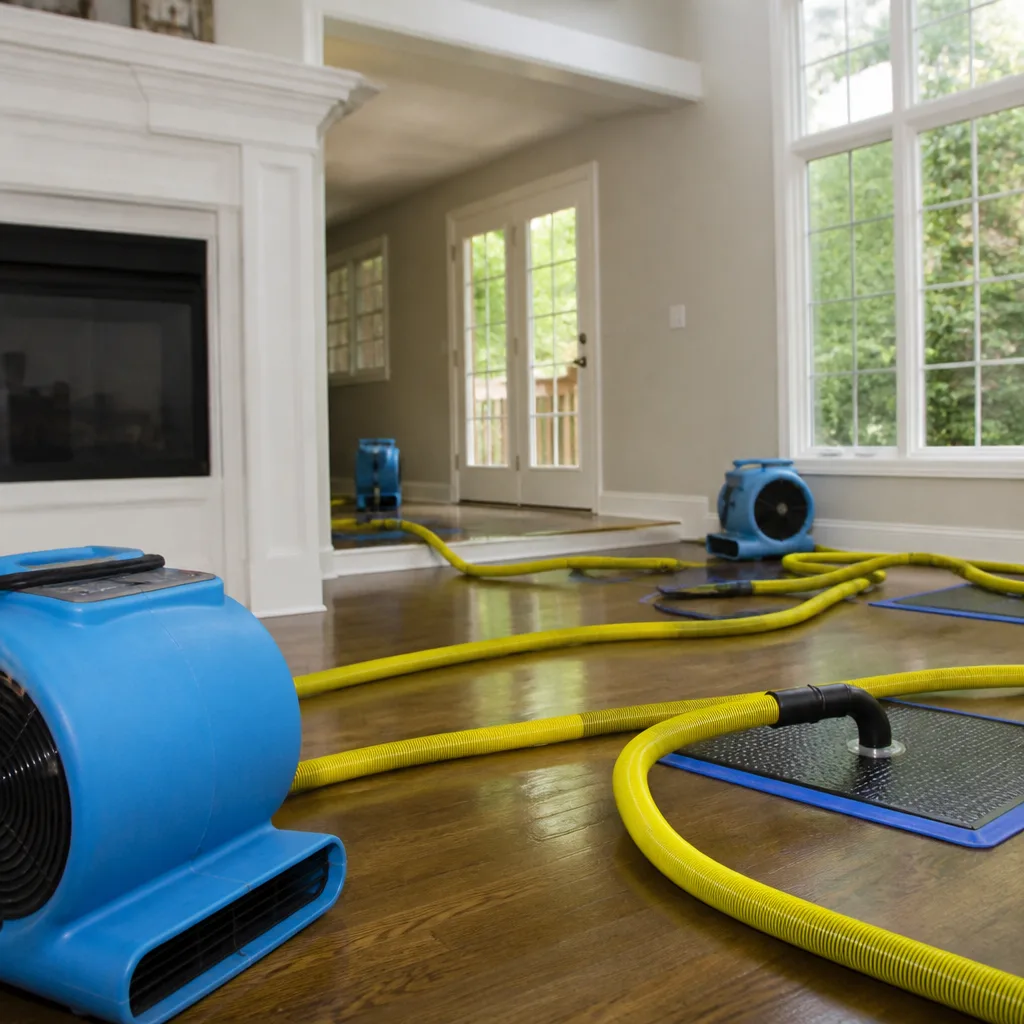
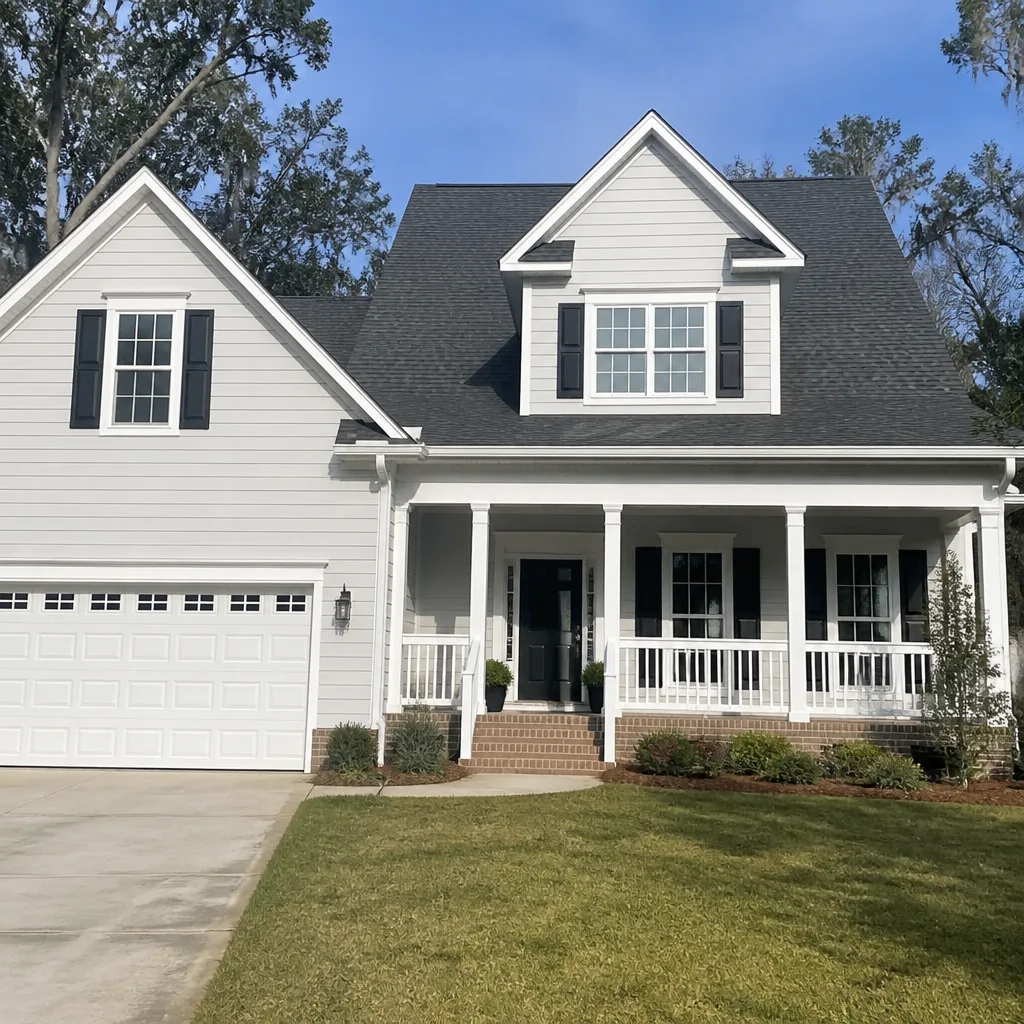
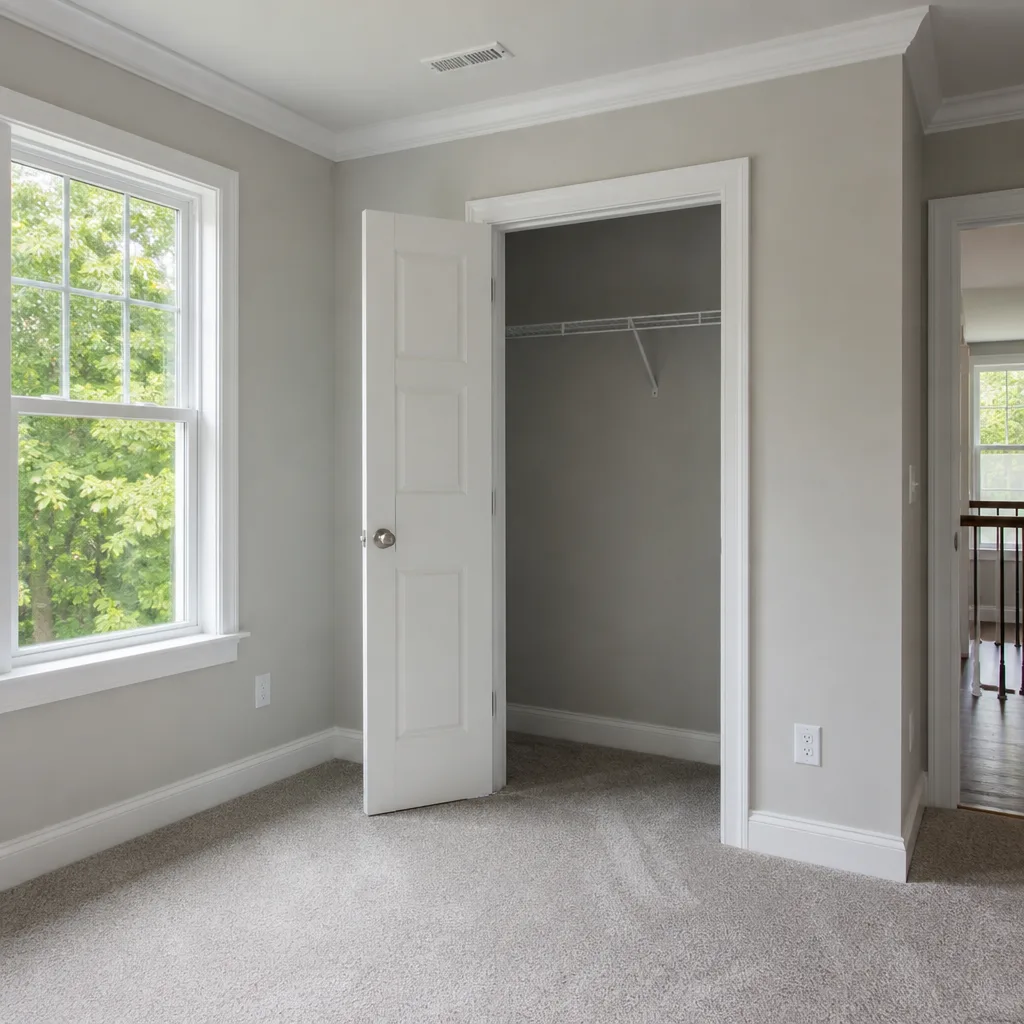
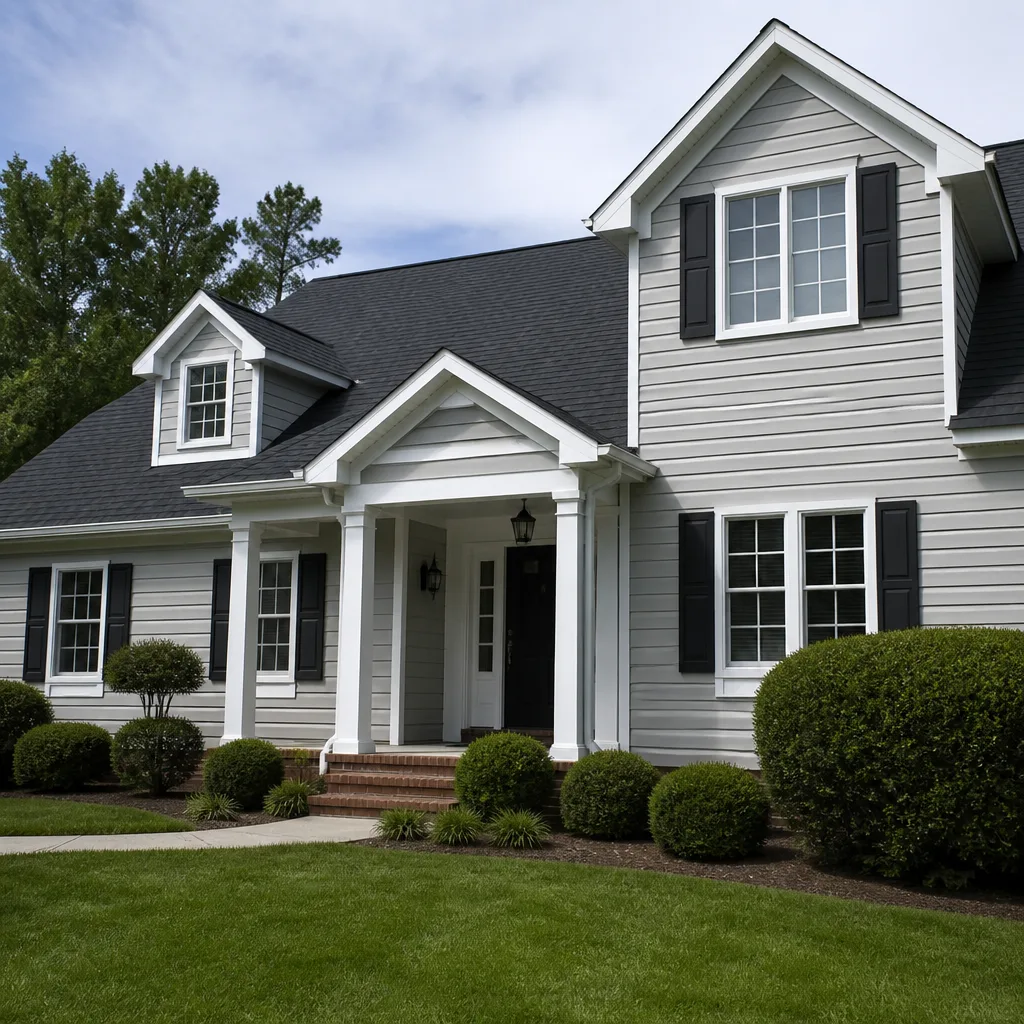
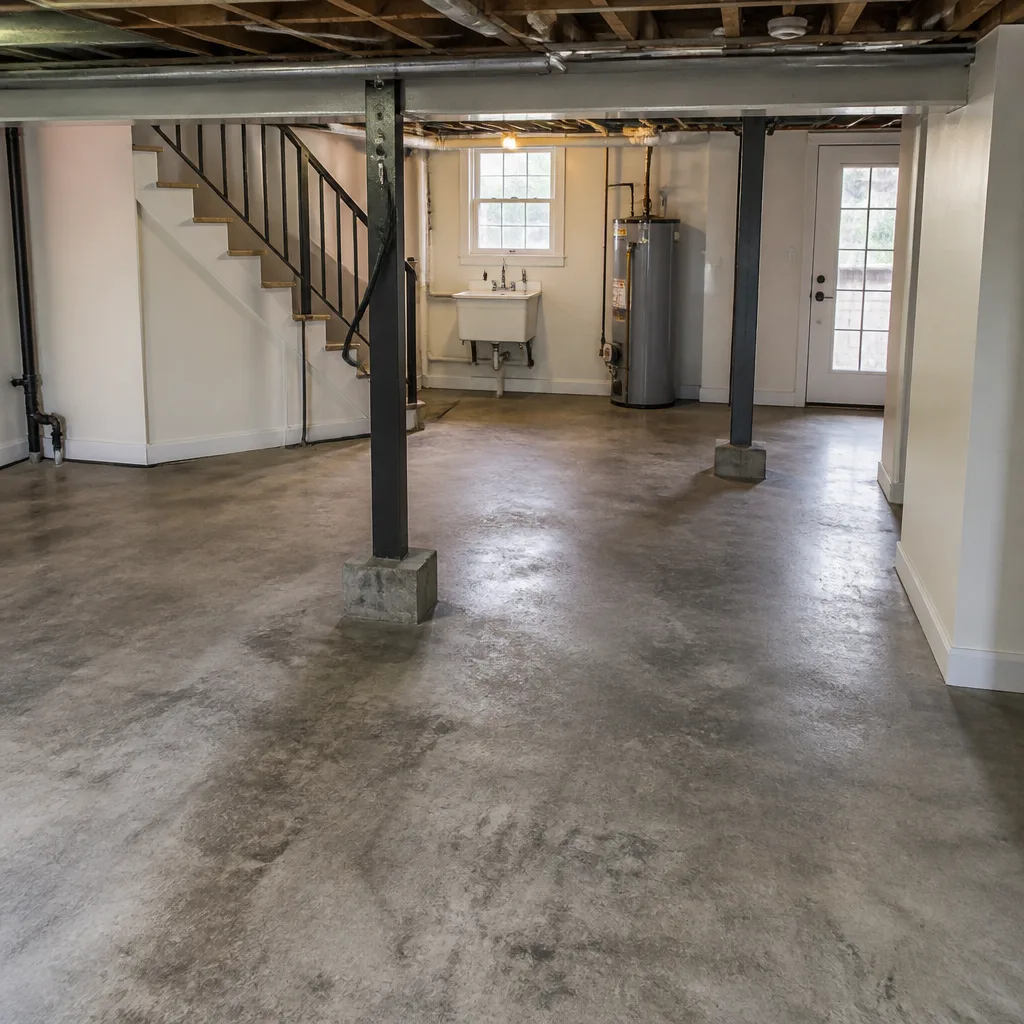
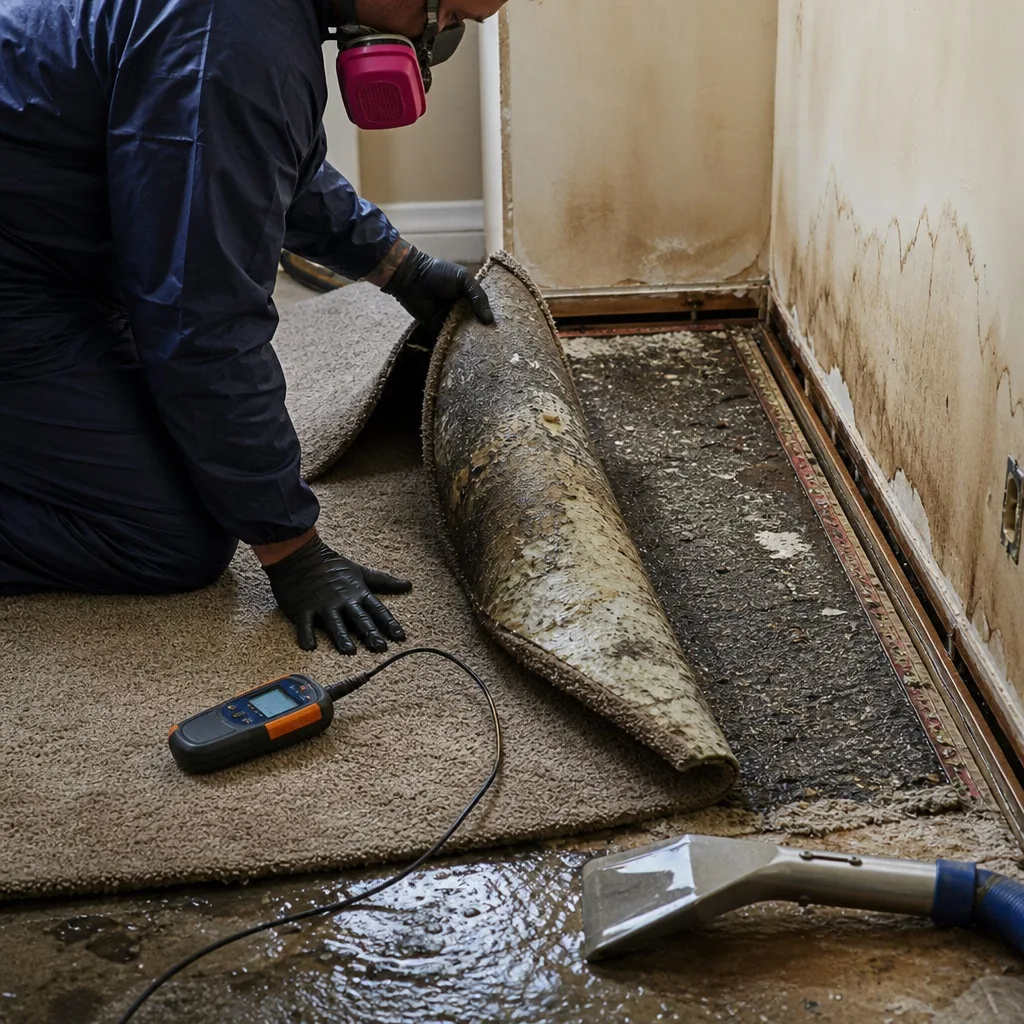
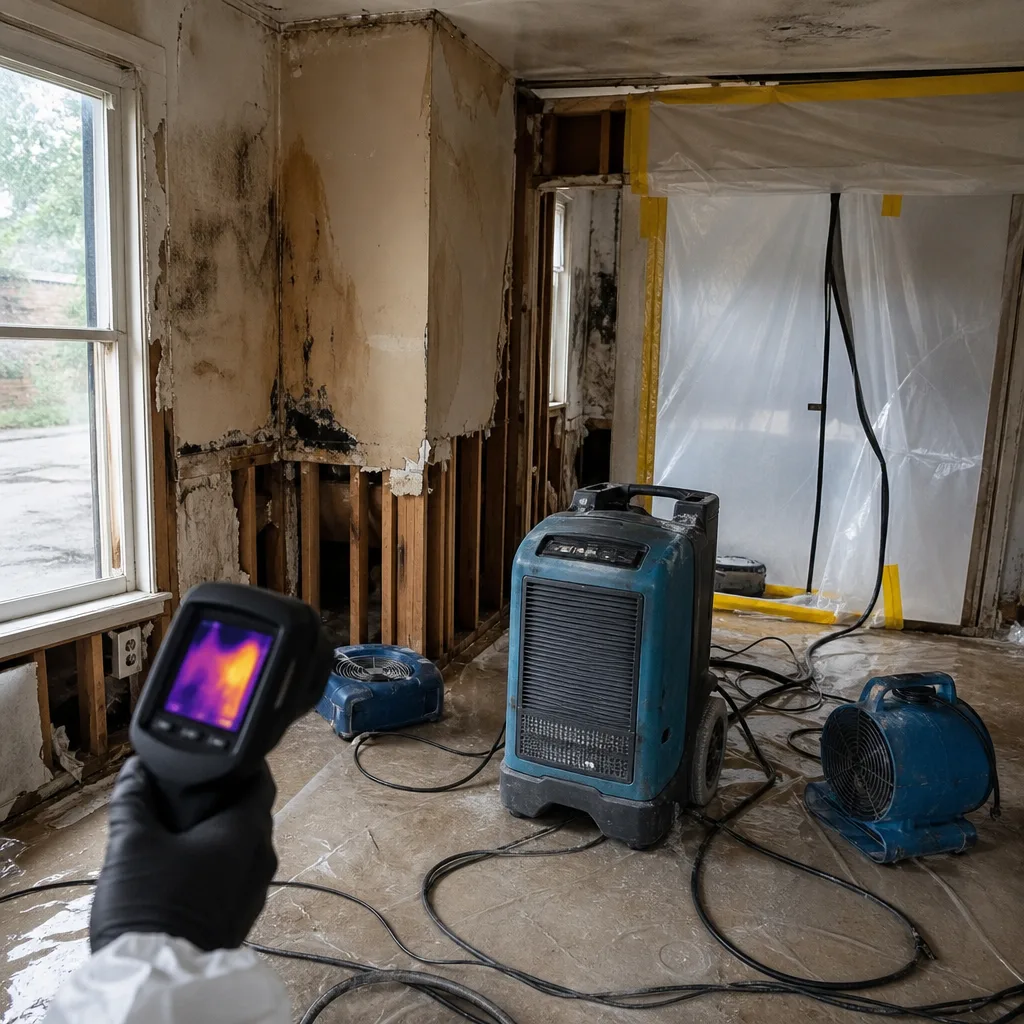 Before
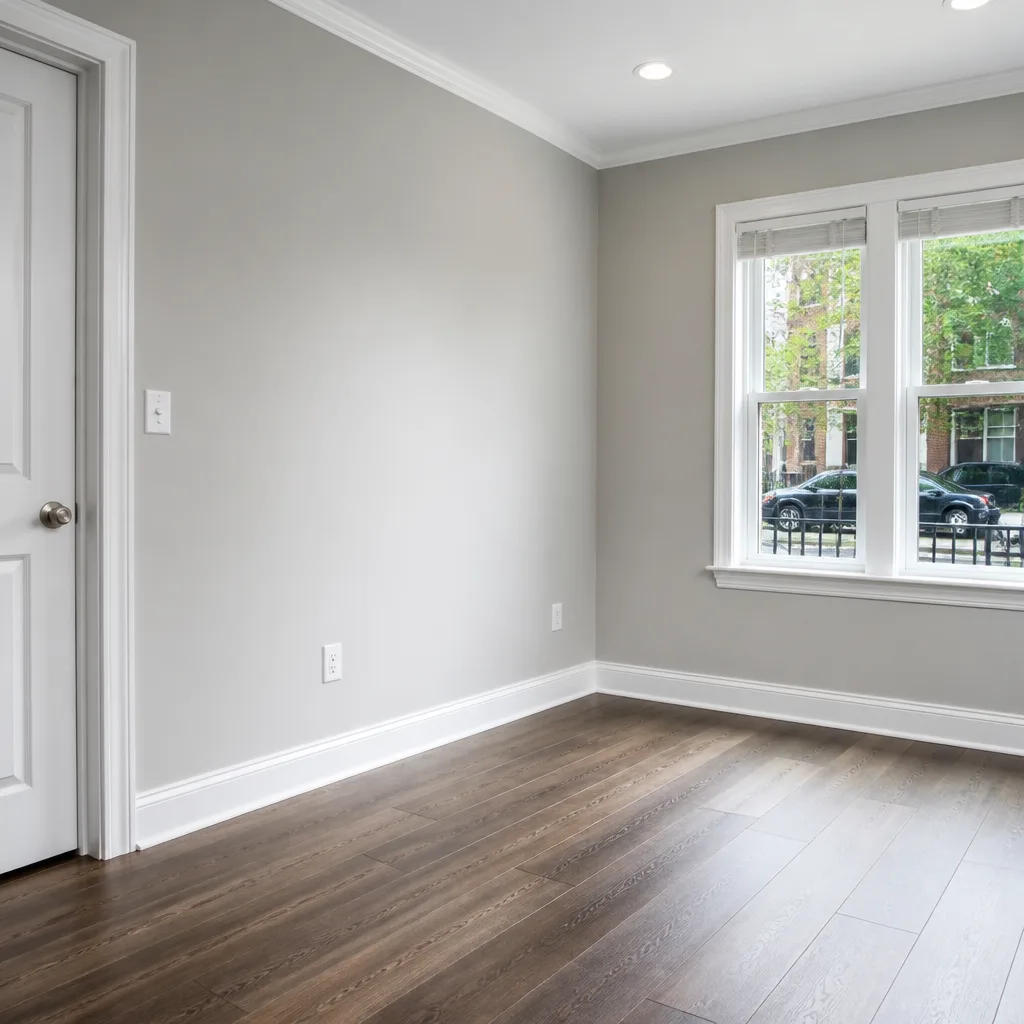 After
After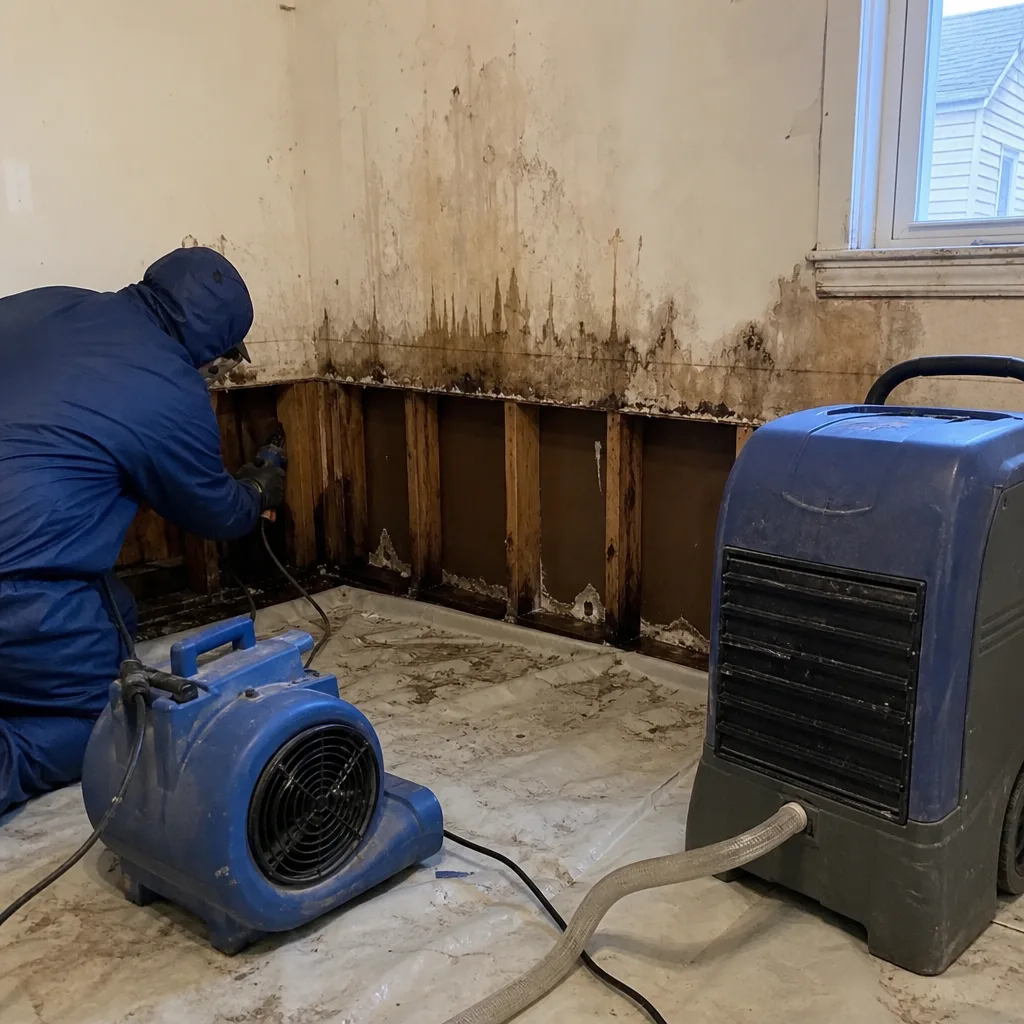 Before
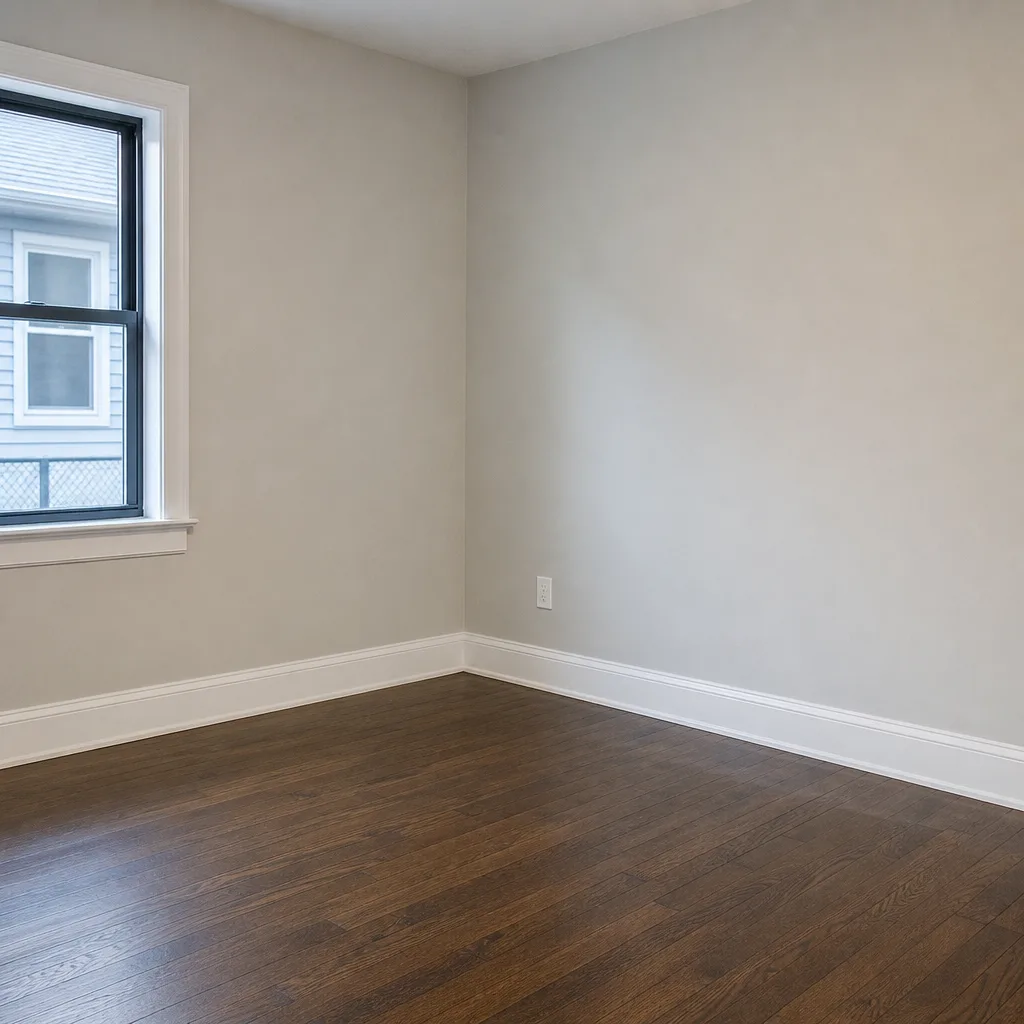 After
After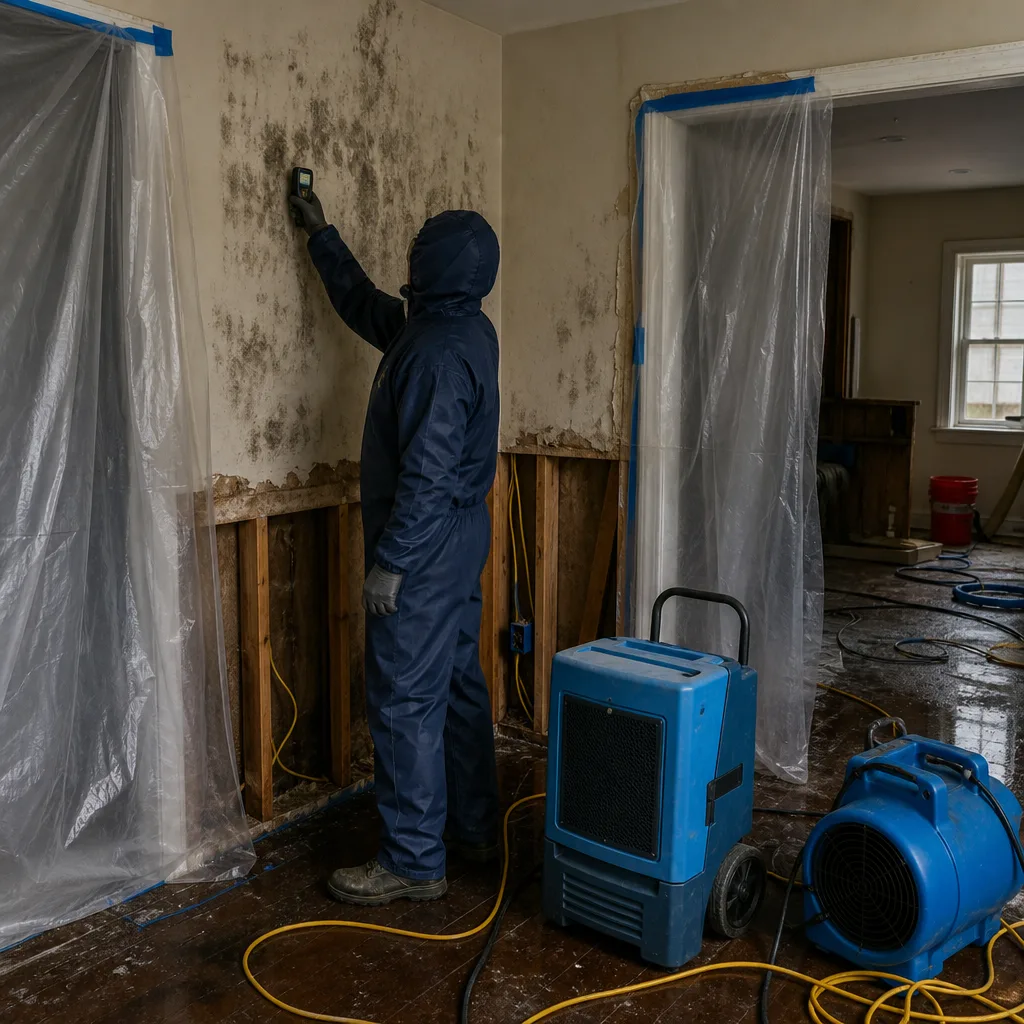 Before
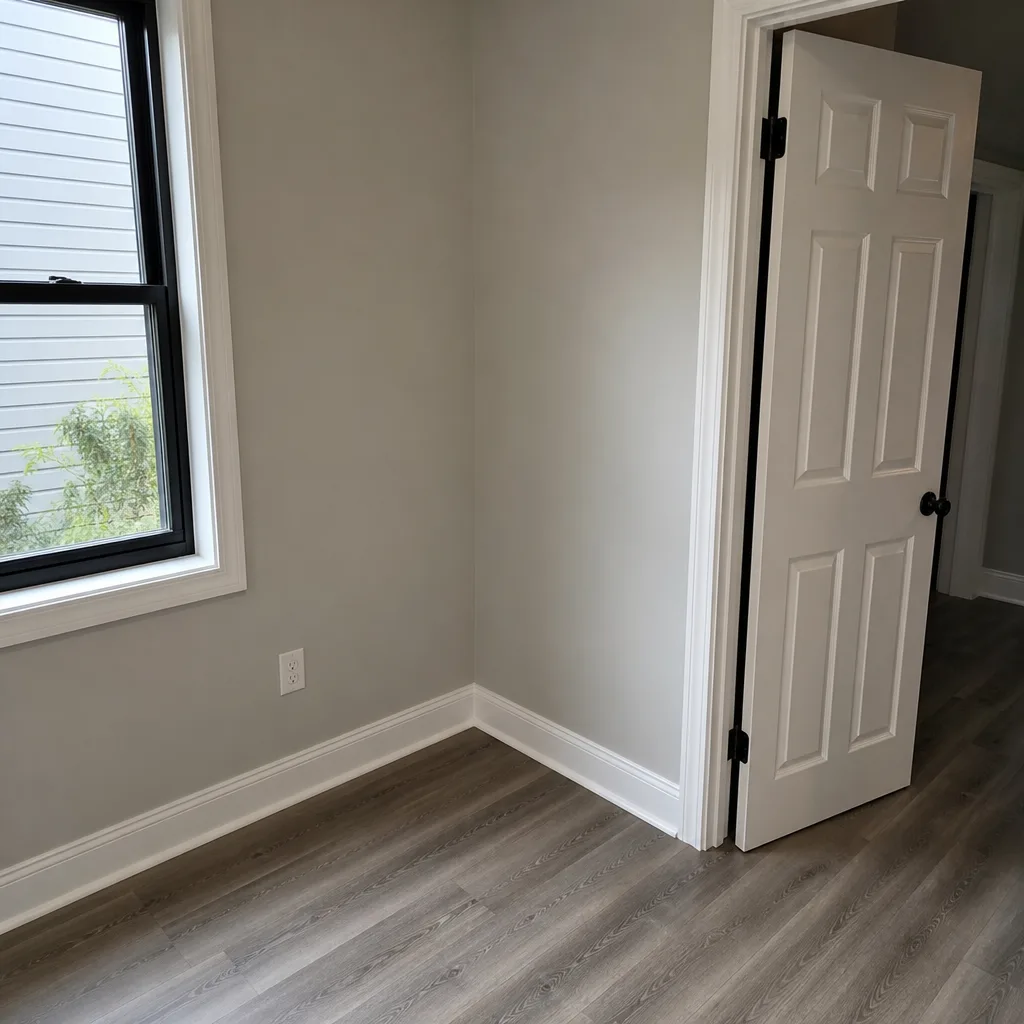 After
After24/7 Emergency Mold Remediation in Jersey City
Mold remediation in Jersey City typically runs $1,800-$4,500 for contained residential jobs, with full-structure black-water remediations reaching $8,000-$15,000. Most inspections happen same-day, and crews can be on-site in Jersey City within 45 minutes of your call to (862) 298-5256. The first hour matters because mold colonies double in mass every 24 to 48 hours under favorable conditions, and in Jersey City’s dense pre-war housing, that growth spreads through shared wall cavities before it’s visible on the surface.
Our phone is answered by a live person 24 hours a day, 7 days a week. No voicemail trees, no callbacks tomorrow. We dispatch from our New York City coordination office with crews already staged for Jersey City’s permit-only blocks and tight alley-load entries. The visual inspection is free. The written price comes before any work starts, every time, under Haven Standard, Clause 1.
Understanding Mold Remediation Severity in Jersey City Properties
Mold severity in restoration is classified by affected square footage, substrate material, and contamination source, not by color. Category 1 water sources, such as clean supply-line bursts, produce the least hazardous mold growth. Category 2, or gray water, carries chemical or biological contaminants. Category 3, black water, originates from sewage backup or storm surge, and in Jersey City, this is the reality for a significant portion of basement jobs due to the city’s aging combined sewer system and post-Sandy tidal flooding.
Containment barriers, negative air pressure, and HEPA filtration are standard for any remediation exceeding 10 square feet under IICRC S520 guidelines. Air scrubbing removes airborne spores during demolition. Clearance testing, conducted by a third-party hygienist, verifies that spore counts have returned to ambient levels before containment is removed.
Jersey City’s housing stock demands adjusted protocols. The late-1800s to early-1900s brick rowhouses that dominate neighborhoods like Van Vorst Park and Paulus Hook were built with horsehair plaster over wood lath and rubble fieldstone or brick foundations. These materials wick and hold moisture far longer than modern drywall over stud construction. A standard 3-day dry-down that works in a 2015 suburban build will leave the wood substrate wet in a Jersey City rowhouse. Moisture mapping with thermal imaging and pinless meters is non-negotiable here. Tertiary drying, the final phase where vapor pressure differentials equalize between the surface and the core of the material, takes proportionally longer when the substrate is 120-year-old timber and horsehair plaster rather than paper-faced gypsum.
Why Jersey City Property Owners Choose DryMark Restoration Jersey City
- 45-minute response commitment to any Jersey City address, with crews familiar with permit-only blocks and alley-load staging.
- 24/7 live answer - a real person picks up every call, never an automated system or voicemail queue.
- IICRC-certified crews holding WRT (Water Damage Restoration Technician), AMRT (Applied Microbial Remediation Technician), and FSRT (Fire & Smoke Restoration Technician) certifications where the loss type requires cross-training.
- Free visual inspection with moisture mapping included; you receive a written scope and price before any work begins.
- Direct insurance billing with photo-documented estimates and daily drying logs that adjusters recognize and pay without dispute.
- One team from extraction to reconstruction - no handoffs between subcontractors, no gaps in documentation.
BeforeAfterOur Mold Remediation Process
1. Inspection & Assessment
We moisture-map the full affected area with FLIR thermal imaging and Tramex pinless meters, identifying hidden water behind horsehair plaster and in rubble foundation cavities. A written scope and price are delivered before any work starts, per Haven Standard, Clause 1.
2. Containment & Stabilization
Polyethylene containment barriers seal the work zone with negative air pressure maintained by HEPA-filtered air scrubbers. In Jersey City’s tight townhome layouts, we often build containment in sections to preserve egress and minimize disruption to adjacent units.
3. Drying & Dehumidification
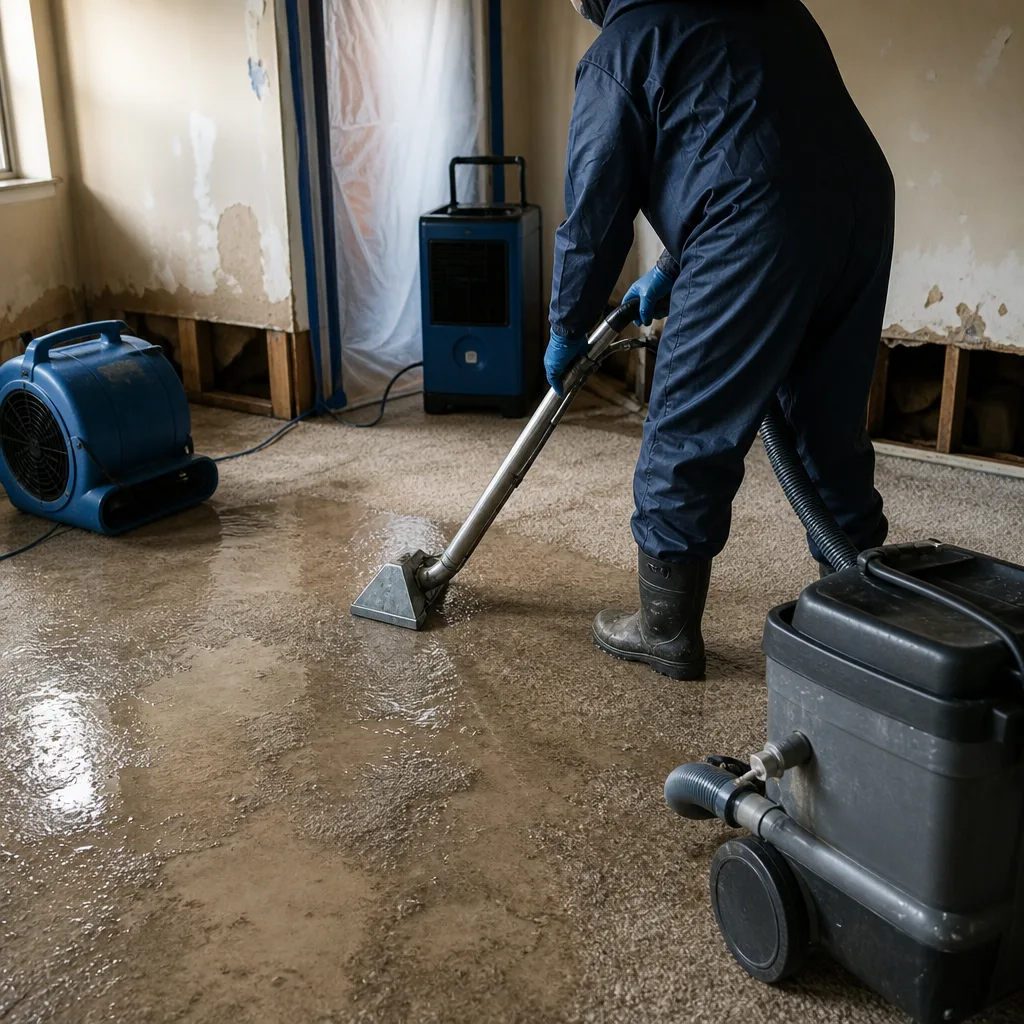
We deploy Dri-Eaz and Phoenix LGR dehumidifiers with B-Air axial air movers, adding Injectidry cavity-drying panels where horsehair plaster over lath traps moisture in wall voids. Daily psychrometric readings, logged to IICRC and RIA standards, track vapor pressure differential until the substrate stabilizes.
4. Cleaning & Sanitization
HEPA vacuuming removes settled spores from all surfaces. Antimicrobial treatment, selected by contamination class, is applied to porous and non-porous materials per IICRC S520. Category 3 losses receive full hazmat protocols with proper PPE and waste disposal.
5. Air Quality Restoration & Clearance Testing
Air scrubbers run continuously through remediation and for a prescribed period after. We recommend third-party clearance testing with spore-trap analysis before containment removal, providing documented verification that the space meets ambient air quality standards.
6. Repairs & Moisture Control
Our reconstruction team replaces removed materials with matching finishes. We install permanent moisture and humidity control solutions, including dehumidification systems and ventilation improvements, to prevent recurrence in Jersey City’s flood-vulnerable basements.
Need Emergency Mold Remediation in Jersey City Now?
Crews minutes away, answering live 24 hours a day. The sooner we start, the less it costs.
Working With Your Insurance Company
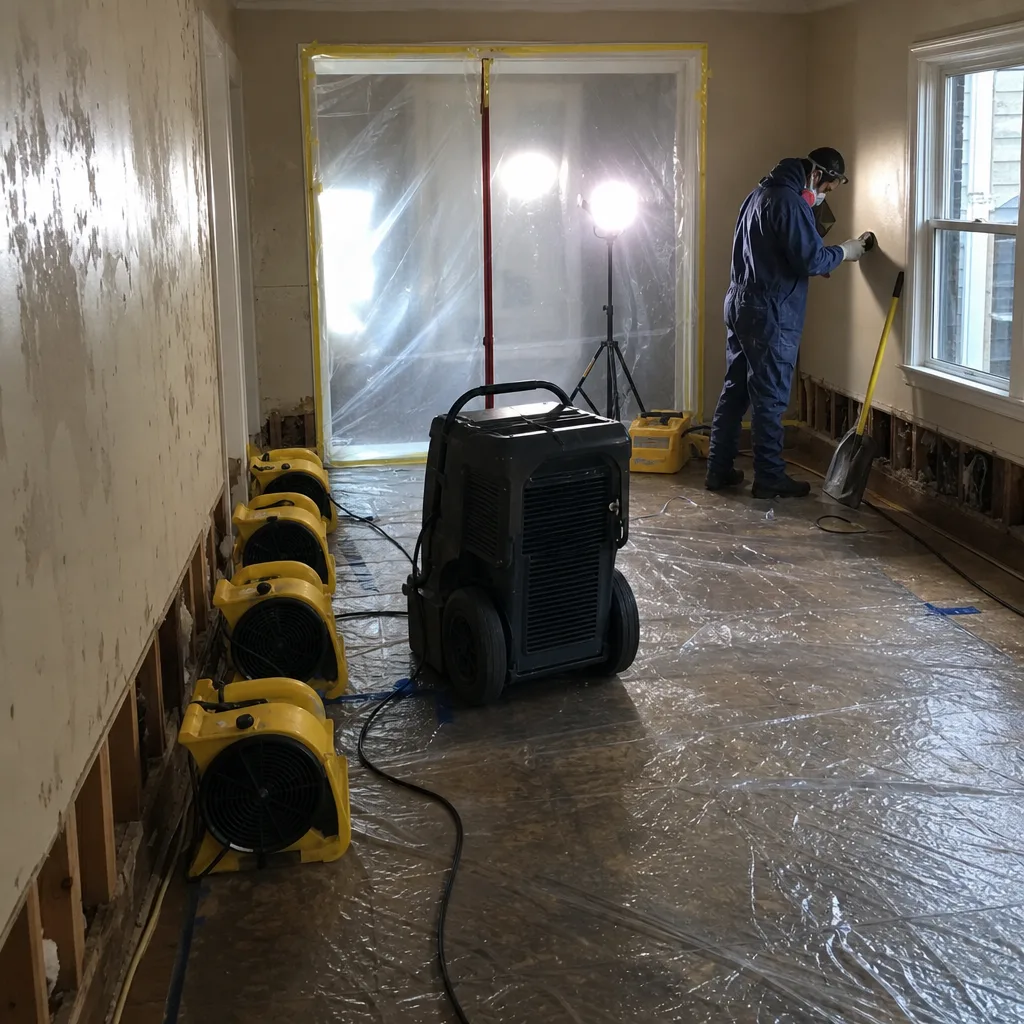
Documentation from the first hour is what turns a restoration invoice into a paid claim. Our technicians photograph every room, every surface, every moisture reading from arrival through completion. We produce industry-standard estimates in Xactimate format, the same platform used by most major carriers, and coordinate directly with your adjuster to resolve questions before they become disputes.
Jersey City’s post-Sandy flood zone remappings and elevation certificate requirements add complexity that out-of-market adjusters often miss. Our team is fluent in NFIP claim procedures and can flag when your loss may qualify for federal flood coverage versus standard homeowner’s policy coverage. The photo record, drying logs, and written scope are included as standard deliverables, never upsells.
What We Provide Your Insurer
- Thorough documentation of the loss
- Photos of all damage, room by room
- Moisture readings and drying logs
- A detailed, line-item scope of work
- Direct coordination with your carrier
Built for Jersey City’s Loss Calendar
January through March, frozen pipes burst in under-insulated pre-war rowhouses across the Heights, where ice dams back water under shingles and into wall cavities. The resulting mold often goes undetected until spring thaw reveals saturated horsehair plaster. April and May bring basement seepage as the water table rises and the combined sewer system, still operating on century-old infrastructure, backs into ground-floor units during heavy rain.
June through September, summer thunderstorms deliver flash flooding to low-lying areas. The nor’easters that define October through March funnel directly up the Hudson, producing storm surge that overwhelms Greenville and the Morris Canal basin. Since Sandy, these neighborhoods have seen repeated flooding events, and many basements have never been fully dried between incidents. Each incomplete dry-down leaves mold-friendly moisture in rubble foundations and timber sills. Our crews carry Category 3 hazmat protocols as standard equipment from October through April, not as an exception.
Mold Remediation Across Jersey City’s Neighborhoods
Jersey City is not one housing market. It is two cities, split by elevation and era, and our Mold Remediation teams route and equip accordingly.
The Heights, perched on the Palisades ridge well above flood level, loses almost entirely to frozen pipes and ice dams in winter. The pre-war rowhouses here have original horsehair plaster, minimal insulation, and fieldstone foundations that wick groundwater year-round. Remediation is slow, methodical, and cavity-focused. We stage Injectidry equipment through alley-load entries on permit-only blocks like those off Central Avenue, running power from the service panel rather than across sidewalks.
Downtown, including Paulus Hook and the Van Vorst corridor, mixes converted industrial loft buildings with dense rowhouse blocks. The lofts present open-plan mold migration across large floorplates; the rowhouses present the same plaster-and-lath challenges as the Heights, with tighter access. We were called to a multi-family rowhouse on Van Vorst Street after the homeowner found a musty smell in the ground-floor unit; moisture mapping showed the fieldstone foundation had been wicking water since a nor’easter backed the combined sewer into the basement. Our techs set containment and ran Injectidry panels against the horsehair-plaster-over-lath walls, logged daily moisture readings, and applied an antimicrobial treatment before sealing the cavity; the neighbor’s unit passed clearance testing two days later. Because the entry was a tight townhome door on a permit-only block, we staged our Dri-Eaz dehumidifiers through the alley to avoid blocking the street.
Greenville and the Morris Canal basin, south and west, sit at or near sea level between Newark Bay and the Hackensack meadowlands. These neighborhoods took Hurricane Sandy’s worst flooding and have taken repeated storm surge since. Mold remediation here is almost always post-black-water, with full hazmat containment, contents disposal, and aggressive antimicrobial treatment. Many basements have been wet multiple times; the rubble foundations never fully dried between events. We scope these jobs expecting secondary damage, pre-treating timber that would pass visual inspection but fails moisture meter verification.
The waterfront high-rises, from Newport to Exchange Place, add a third category: vertical water migration. A pipe burst on the 14th floor can cascade through a dozen units, triggering multi-party insurance disputes and requiring coordination with building management, individual unit owners, and multiple carriers simultaneously.
Specialized Mold Remediation Services We Offer in Jersey City
Mold Inspection & Testing
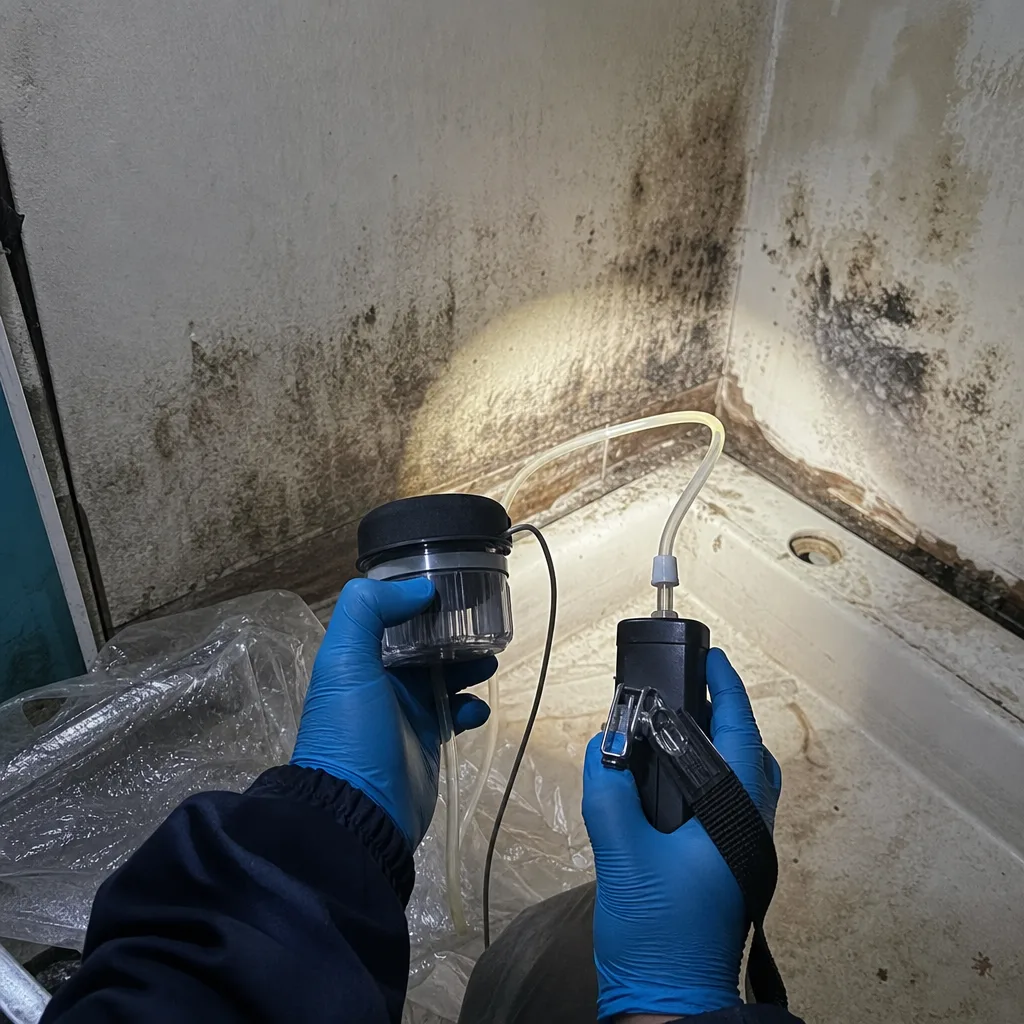
We start with moisture mapping and visual assessment, then recommend third-party air and surface sampling when clearance documentation is required for real estate transactions or insurance claims. In Jersey City’s pre-war housing, we find mold in wall cavities behind intact horsehair plaster that shows no surface discoloration; testing confirms what visual inspection cannot.
Mold Removal
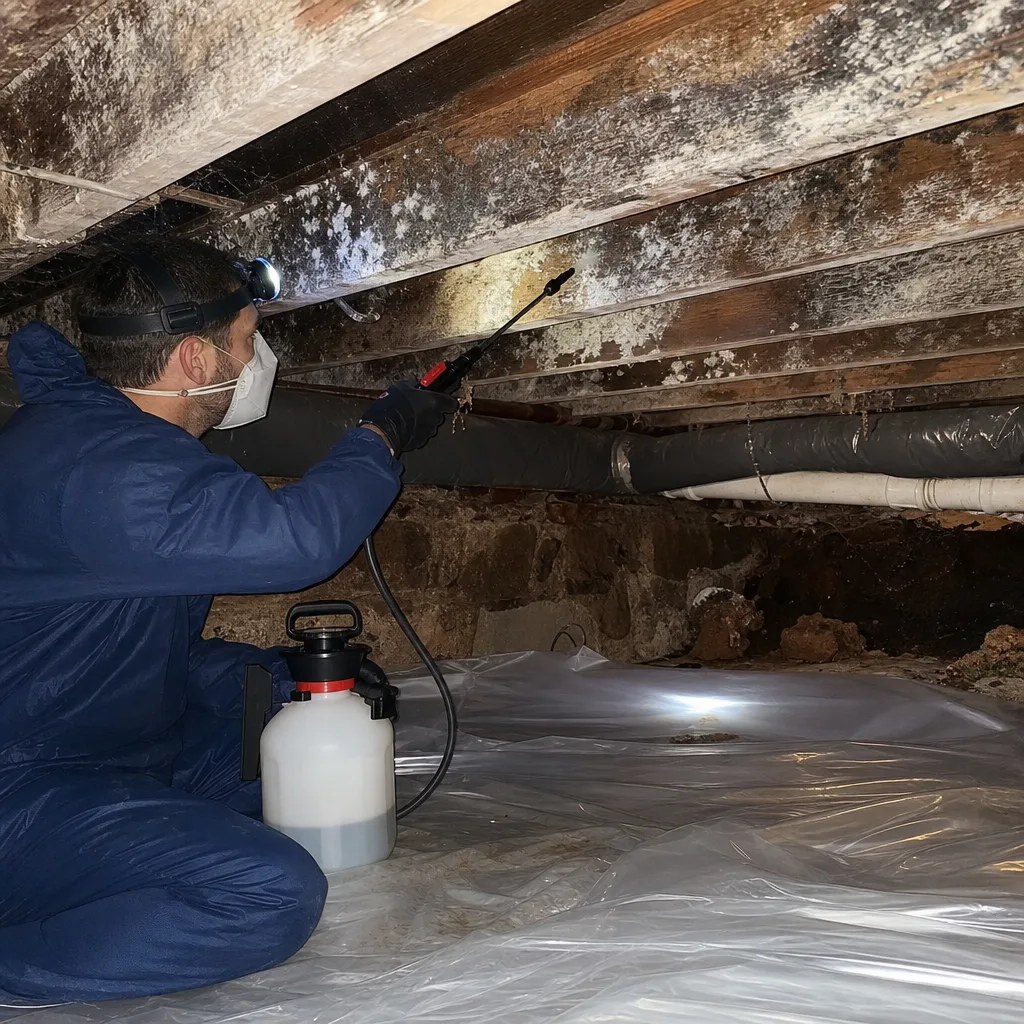
Removal follows IICRC S520 protocols: containment, negative air pressure, HEPA filtration, controlled demolition of unsalvageable materials, and antimicrobial treatment of remaining substrates. In Jersey City’s rowhouses, we often remove plaster in sections to preserve lath where possible, reducing reconstruction scope and cost.
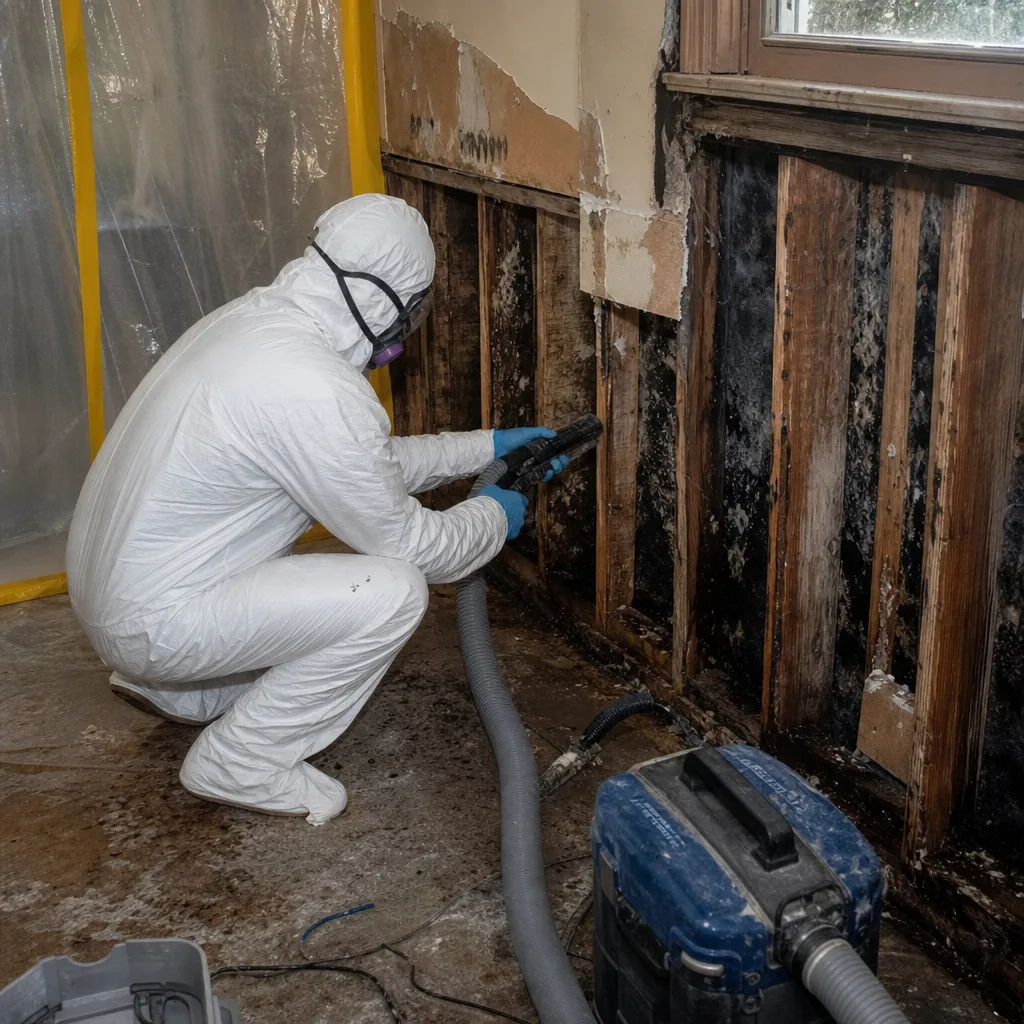
Black Mold Remediation
Stachybotrys chartarum and other toxigenic species require full respiratory protection, sealed containment, and specialized waste disposal. Jersey City’s Category 3 basement floods from combined sewer backup create ideal conditions for black mold growth; we treat these losses with the same hazmat protocols we use for sewage cleanup, documented to IFA standards.
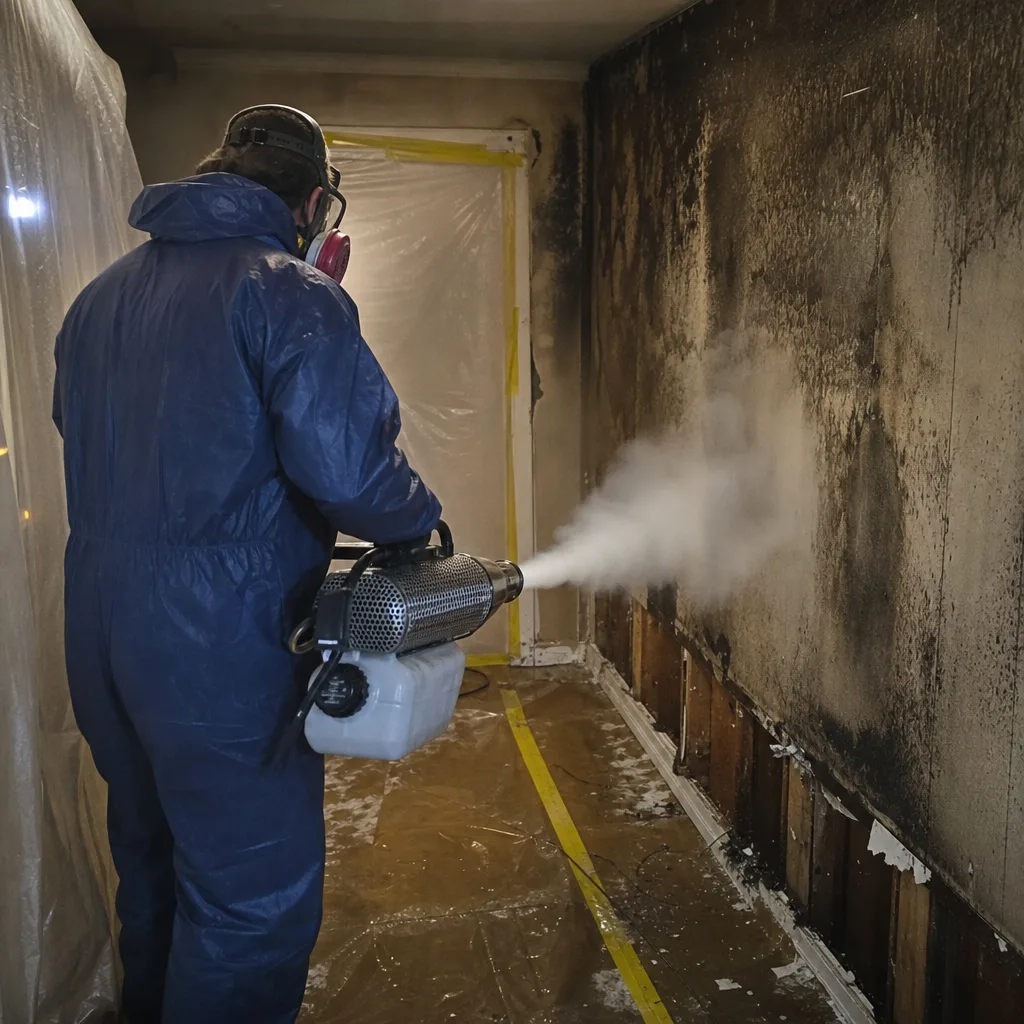
Air Quality Restoration
Post-remediation, HEPA air scrubbers run for a calculated period based on room volume and air changes per hour. We recommend third-party clearance testing with spore-trap analysis before occupants return, particularly in multi-family buildings where shared HVAC can redistribute spores between units.
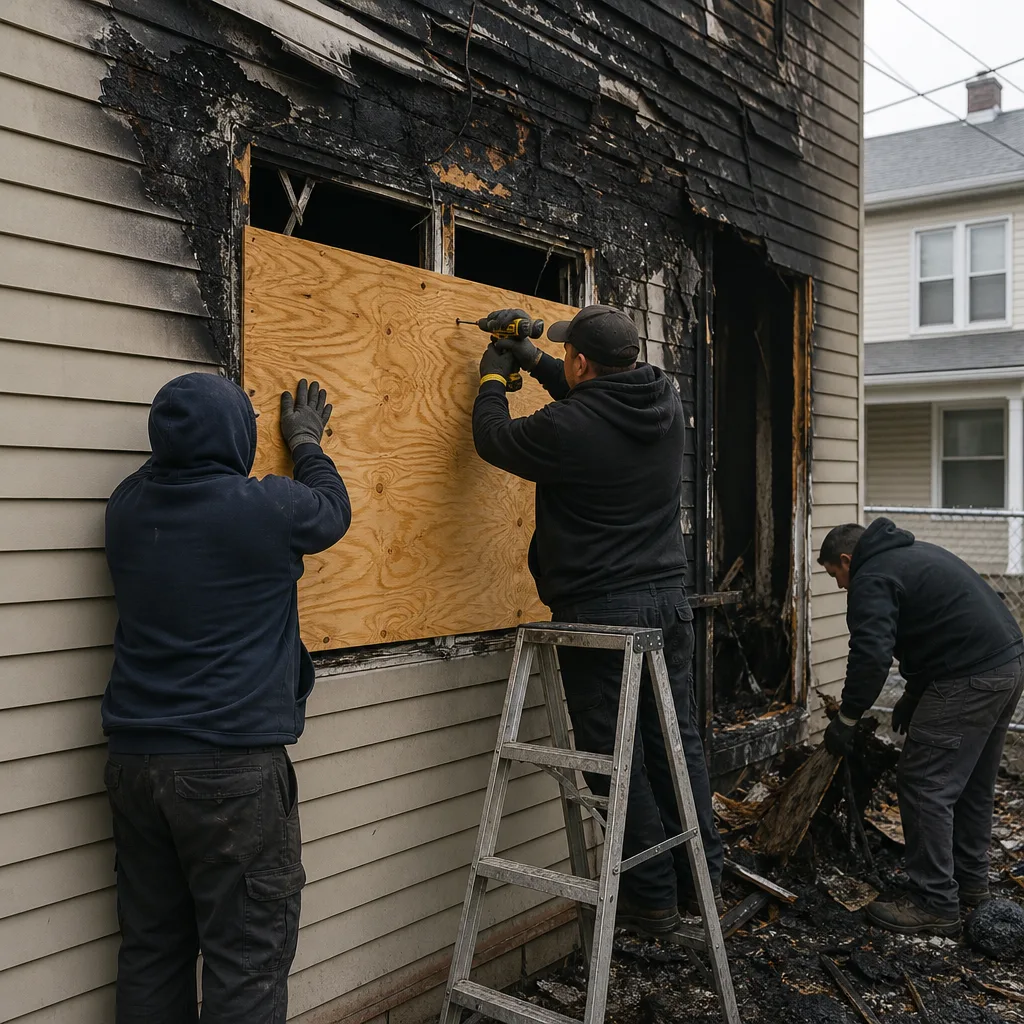
Crawl Space Treatment
Jersey City’s older rowhouses and some mid-century builds have partial crawl spaces with dirt floors and rubble piers. These spaces accumulate groundwater vapor and create chronic mold conditions. We install vapor barriers, dehumidification, and ventilation improvements as permanent moisture control solutions.
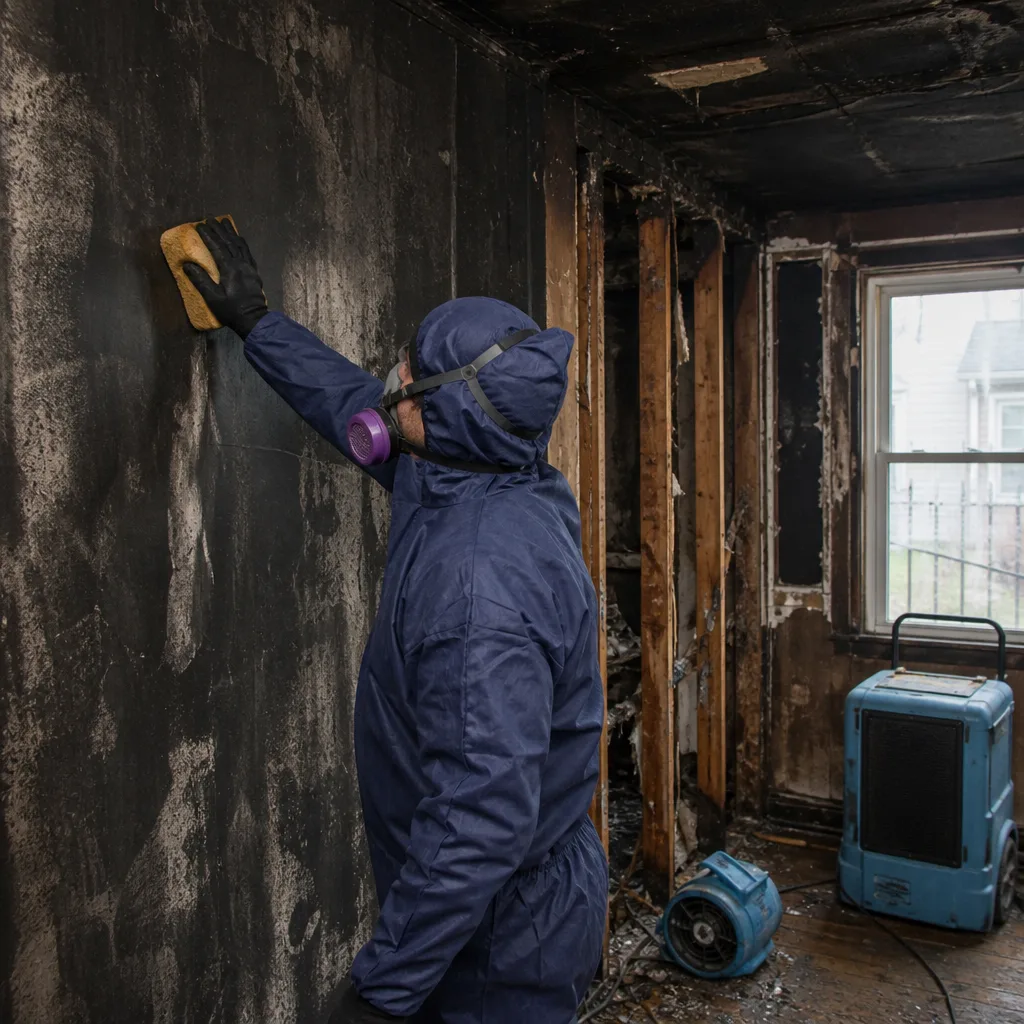
Moisture & Humidity Control
The Haven Standard requires that we address cause, not just symptom. In Jersey City’s flood-zone properties, we specify and install permanent dehumidification systems, sump pumps with battery backup, and foundation sealing to prevent recurrence. The 365-Day Done Right Promise covers our workmanship; if moisture returns due to incomplete drying, we make it right.
What happens when you call
- 1
A real person answersNo phone trees - you reach a local pro.
- 2
You get an upfront price rangeHonest numbers before anyone is dispatched.
- 3
A background-checked tech heads outLicensed & insured, dispatched right away.
- 4
You approve before work beginsNothing starts until you say go.
Mold Remediation Costs in Jersey City, NJ
A typical contained mold remediation in a Jersey City rowhouse apartment runs $1,800-$3,200. Whole-unit remediation with cavity drying and plaster removal reaches $4,500-$7,500. Full-structure black-water remediation with hazmat protocols, contents disposal, and reconstruction starts at $8,000 and can exceed $15,000 for multi-level losses in larger properties.
What moves the price: square footage affected, contamination class (Category 1 vs. Category 3), substrate material (horsehair plaster and lath removal costs more than drywall), accessibility (tight townhome entries require more labor for equipment staging), and whether reconstruction is included. Insurance typically covers mold remediation when the underlying cause is a covered peril, such as sudden pipe burst or storm damage; long-term maintenance issues, such as unresolved seepage, may be excluded.
We deliver a written price before work begins on every job, with no scope-creep additions once the crew is inside. Bring a competitor’s written estimate and we will review it at no charge. Call (862) 298-5256 to schedule your free visual inspection.
We Also Serve Cities Near Jersey City
Our crews respond throughout the immediate metro area, including Jersey City and neighboring Hoboken, where converted brownstones face similar pre-war plaster challenges; Union City, with its dense multi-family stock and combined sewer infrastructure; Harrison, where post-industrial redevelopment mixes with legacy housing; and Secaucus, with its blend of marsh-adjacent residential and commercial properties facing groundwater and flood zone issues.
Serving Jersey City, NJ - Our Local Coverage Area
We’re based in the Jersey City area and know this community well. Use the map below to see our service coverage - if you’re nearby, we can almost certainly help.
Jersey City Mold Remediation Questions, Answered
Our Jersey City basement has flooded from the combined sewer three times since Sandy - is the mold that grew a Category 3 problem?
Yes. Any mold growth resulting from sewage backup or ground-surface water intrusion is treated as Category 3 contamination under IICRC standards, regardless of how “clean” the water appeared when it receded. The combined sewer system carries raw wastewater, and even after visible water is gone, pathogens and endotoxins remain in porous materials. Full hazmat containment, antimicrobial treatment, and proper disposal are required. Call (862) 298-5256 for a free inspection and written scope.
Why does mold remediation take longer in our pre-war Jersey City rowhouse than in a newer building?
Horsehair plaster over wood lath and rubble fieldstone foundations hold moisture far longer than modern drywall over stud construction. Standard dry-down schedules assume paper-faced gypsum, which releases moisture predictably. Your walls may read dry on the surface while the wood substrate behind remains above 16% moisture content, the threshold where mold regrows. We use Injectidry cavity drying and extend tertiary drying until pinless meter readings stabilize across the full substrate depth. Call (862) 298-5256 for an inspection with moisture mapping.
Can your truck reach a townhome on a permit-only Jersey City street, or do we need to move equipment ourselves?
Our crews are equipped for Jersey City’s access constraints. We stage dehumidifiers and air movers through alley-load entries where available, use compact equipment for tight doorways, and coordinate with residents for permit-block access. You do not move equipment. We handle staging, power distribution, and egress compliance. Call (862) 298-5256 to discuss access for your specific block.
A pipe burst on the 14th floor of our waterfront high-rise and water reached our unit - who pays for the mold remediation?
Liability depends on the source of the leak, your building’s master policy, and your individual coverage. If the burst originated in a common element, the building’s policy may be primary; if in another unit, that owner’s policy may respond; your own policy covers your contents and improvements. We document the full water path, photograph all affected areas, and provide the line-item scope that adjusters need to sort coverage. We coordinate directly with all involved carriers. Call (862) 298-5256 to start documentation.
Do you do mold testing before and after remediation in Jersey City, or just remove what’s visible?
We conduct thorough visual and moisture-based assessment before remediation and recommend third-party clearance testing after. Pre-remediation air sampling is available when required for real estate transactions or insurance disputes. Post-remediation, clearance testing with spore-trap analysis verifies that airborne spore counts have returned to ambient levels before containment is removed. This documentation protects you and supports your claim. Call (862) 298-5256 to schedule.
How fast can DryMark Restoration Jersey City actually get to my property?
We commit to 45 minutes from call to on-site for Jersey City addresses, with crews staged for the city’s specific access constraints. The live dispatcher who answers at (862) 298-5256 routes the nearest available team and confirms ETA before you hang up. For Category 3 losses, hazmat-equipped crews are prioritized.
Will my insurance cover mold remediation, or is it always out of pocket?
Coverage depends on the cause. Sudden and accidental water damage from a covered peril, such as a pipe burst or storm damage, typically includes resulting mold remediation. Long-term maintenance issues, gradual seepage, or flood damage without NFIP coverage may be excluded. We review your policy, document the loss cause, and coordinate directly with your adjuster to maximize covered scope. Our photo record and drying logs support the claim. Call (862) 298-5256 for a free inspection and policy review.
What should I do in the first 30 minutes after discovering mold?
Do not disturb the area, do not run HVAC, and do not attempt DIY removal on porous materials. Disturbing mold releases spores into the air and spreads contamination. Note the location, any water source, and whether the area feels damp. Call (862) 298-5256 immediately. We will guide you through immediate containment steps and dispatch a crew for inspection and moisture mapping.
Jersey City sits between two bodies of water, the Hudson River to the east and Newark Bay and the Hackensack meadowlands to the west, leaving large portions of the city at or near sea level and vulnerable to both storm surge and tidal flooding. Hurricane Sandy caused severe, documented flood damage across low-lying neighborhoods like Greenville and the Morris Canal basin, and FEMA has since aggressively remapped flood zones here. That means damage restoration contractors must be unusually fluent in NFIP claim procedures and post-Sandy elevation certificate requirements that neighbors like Hoboken or Bayonne handle at far lower volume. Our documentation-first approach, built by a former claims adjuster, is designed for exactly this complexity.
Written by Alicia Brennan, Owner at Back to Dry Restoration, serving Jersey City since 2011.
Mold Remediation in Nearby Areas