
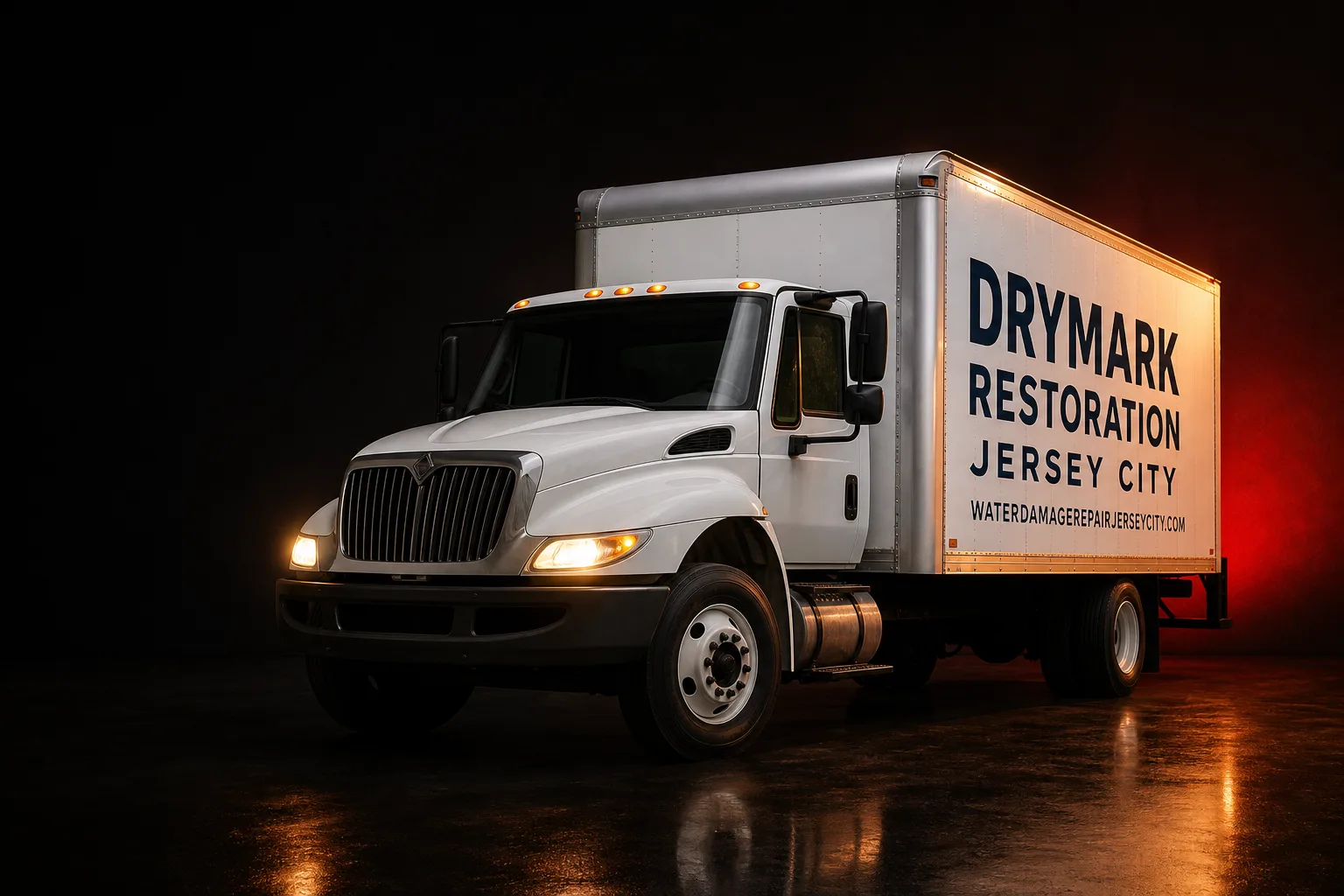
Free visual inspection and a written scope of work before any mitigation begins - photos, moisture readings, and drying logs go in your claim file
The scope we write is the scope we bill. Anything new gets shown to you, in writing, before we touch it.
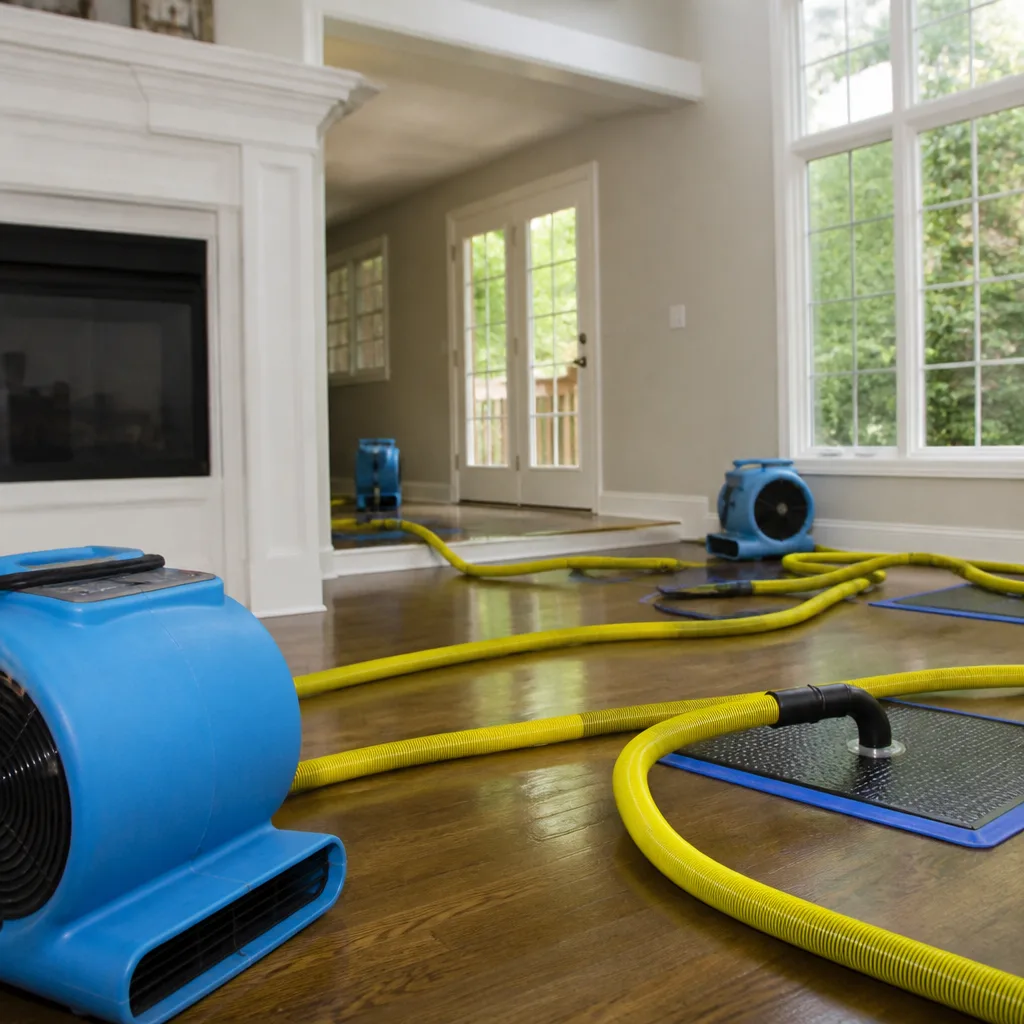
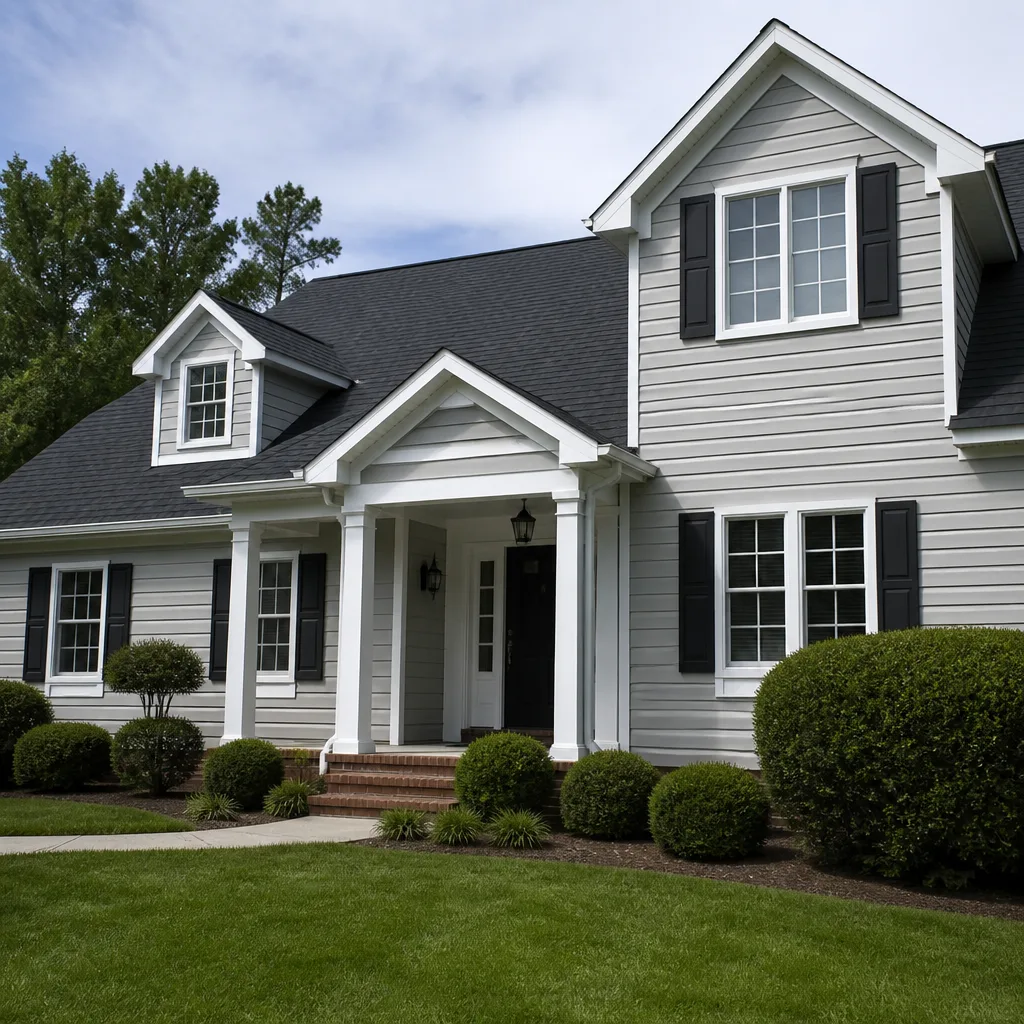
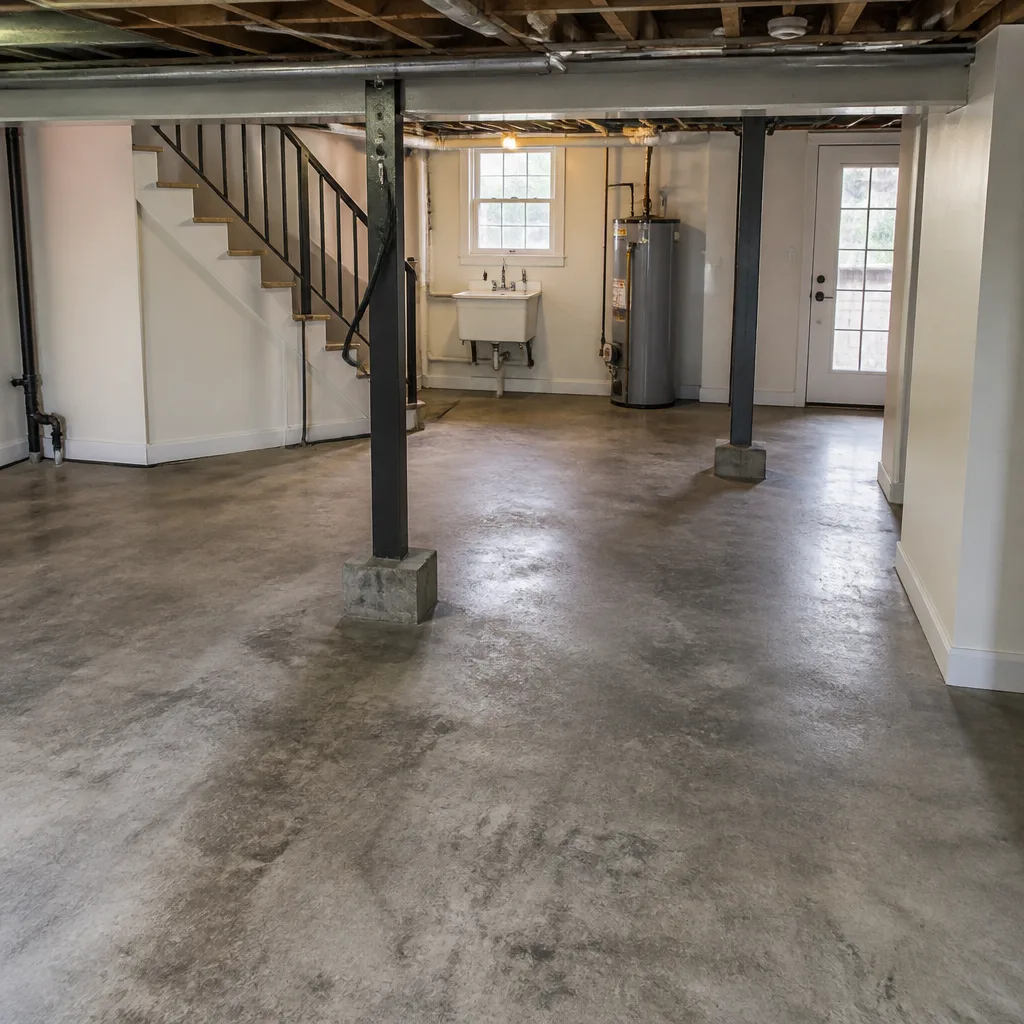
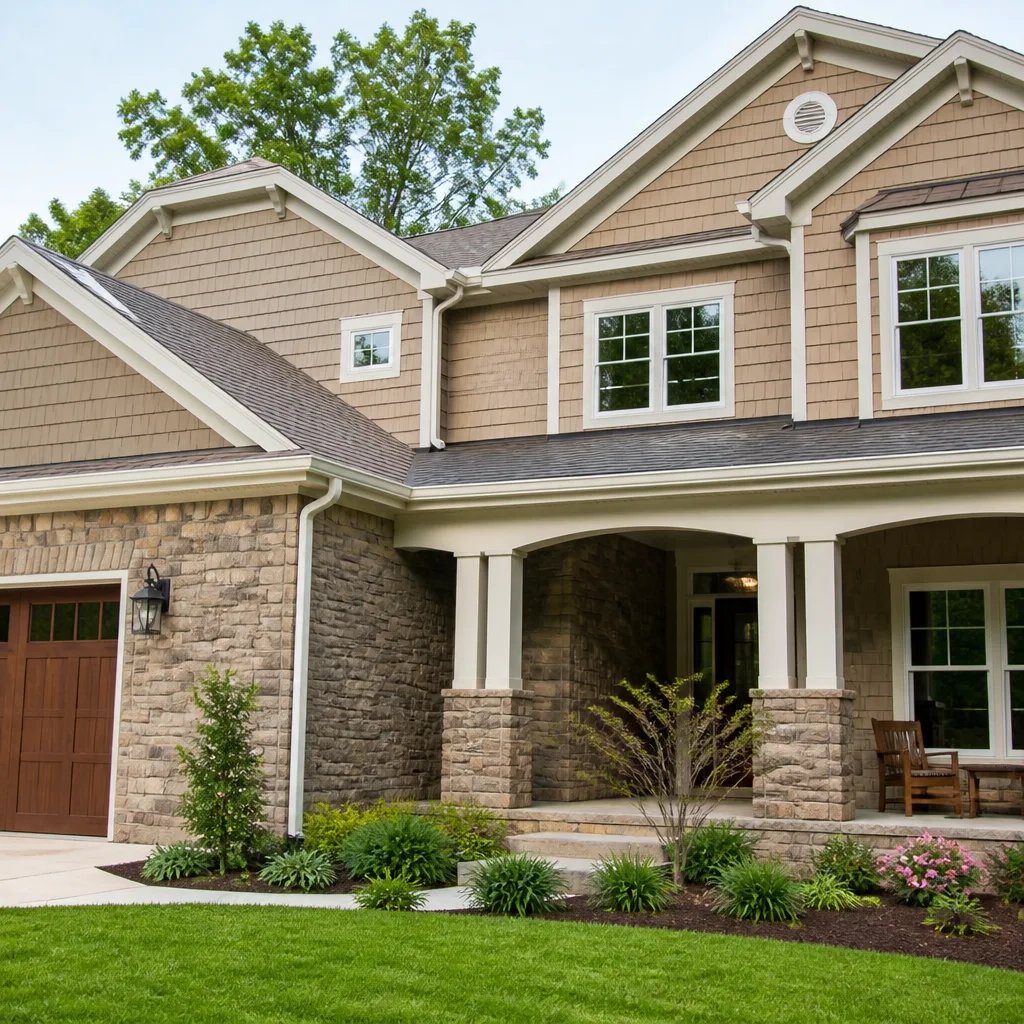
 Before
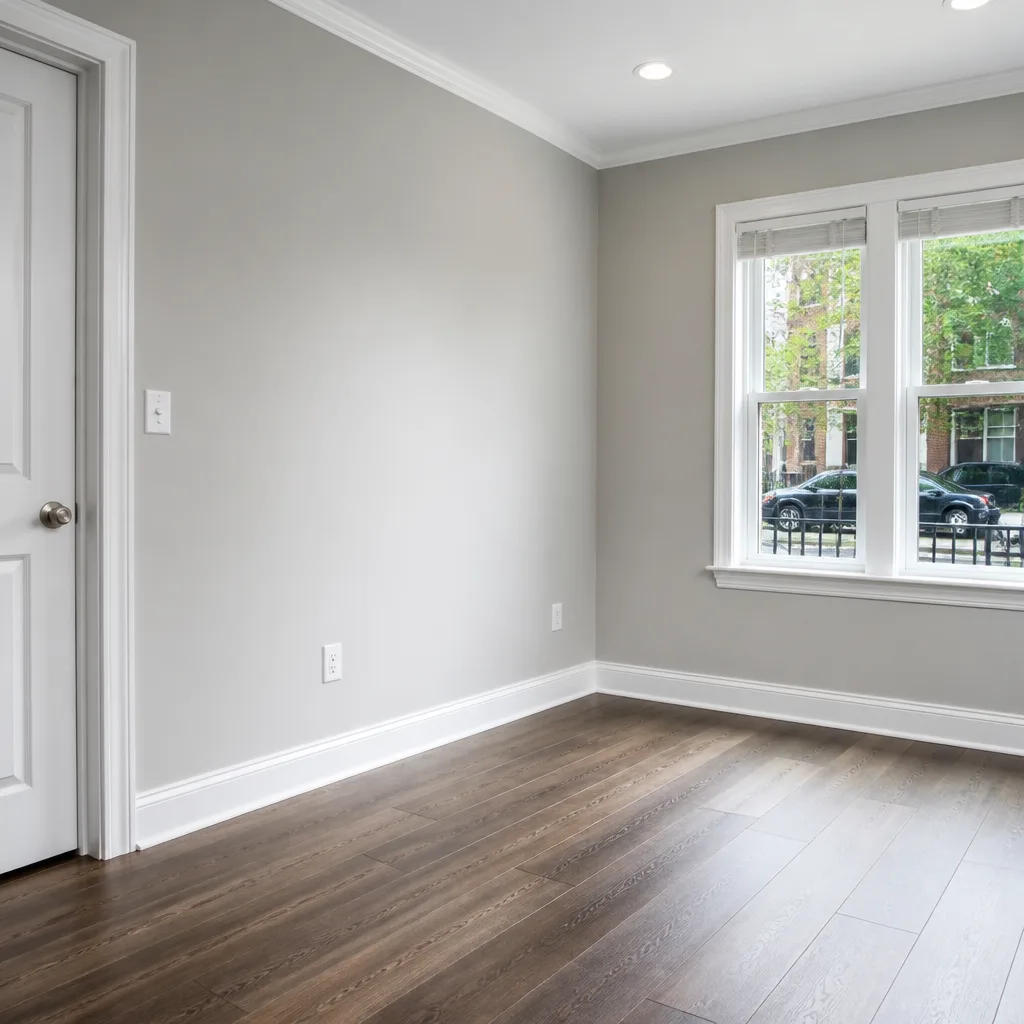 After
After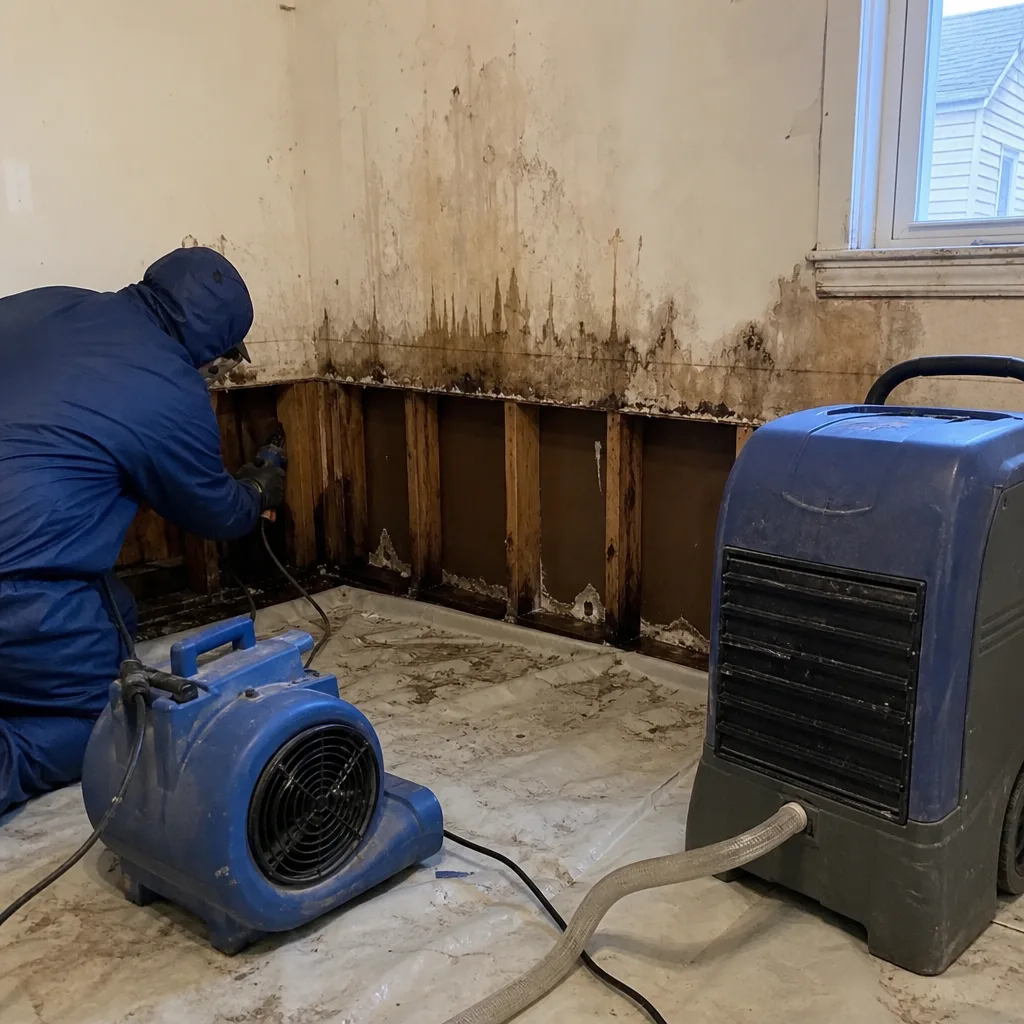 Before
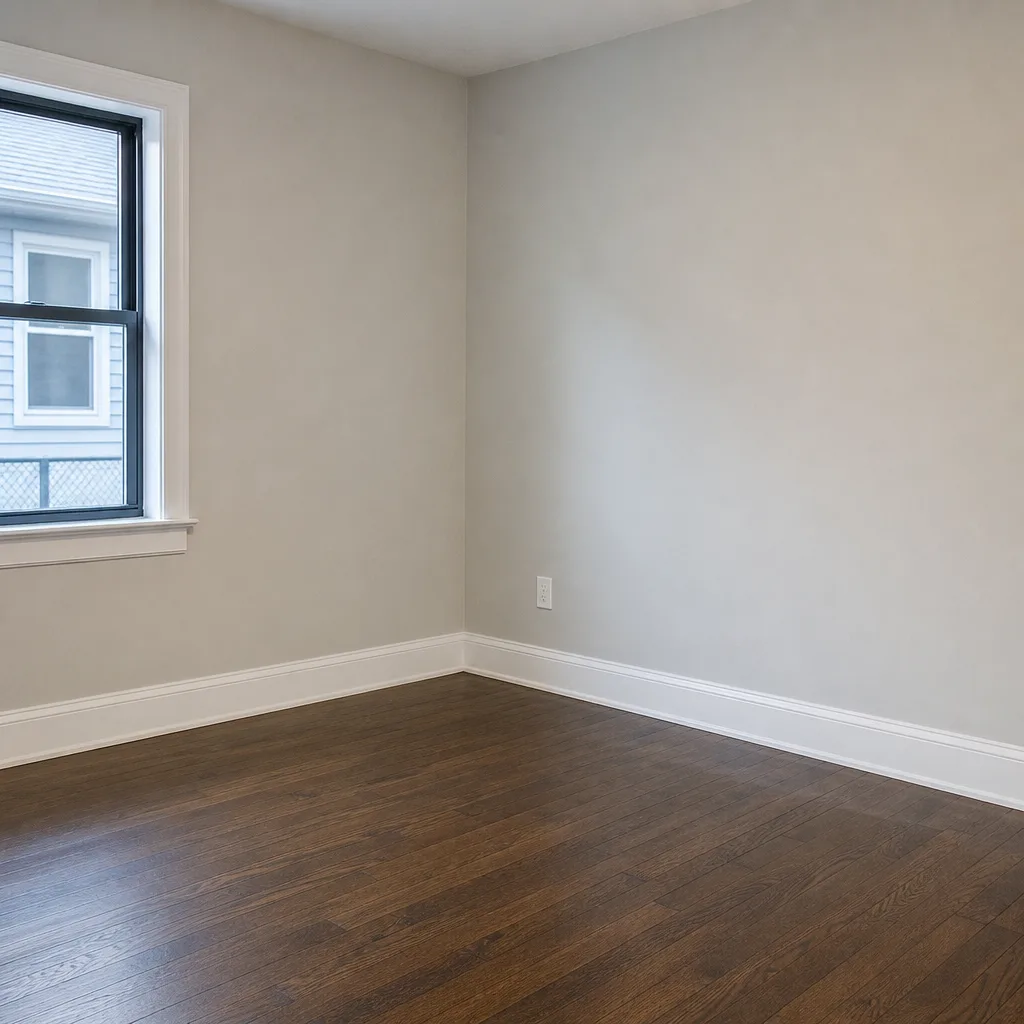 After
After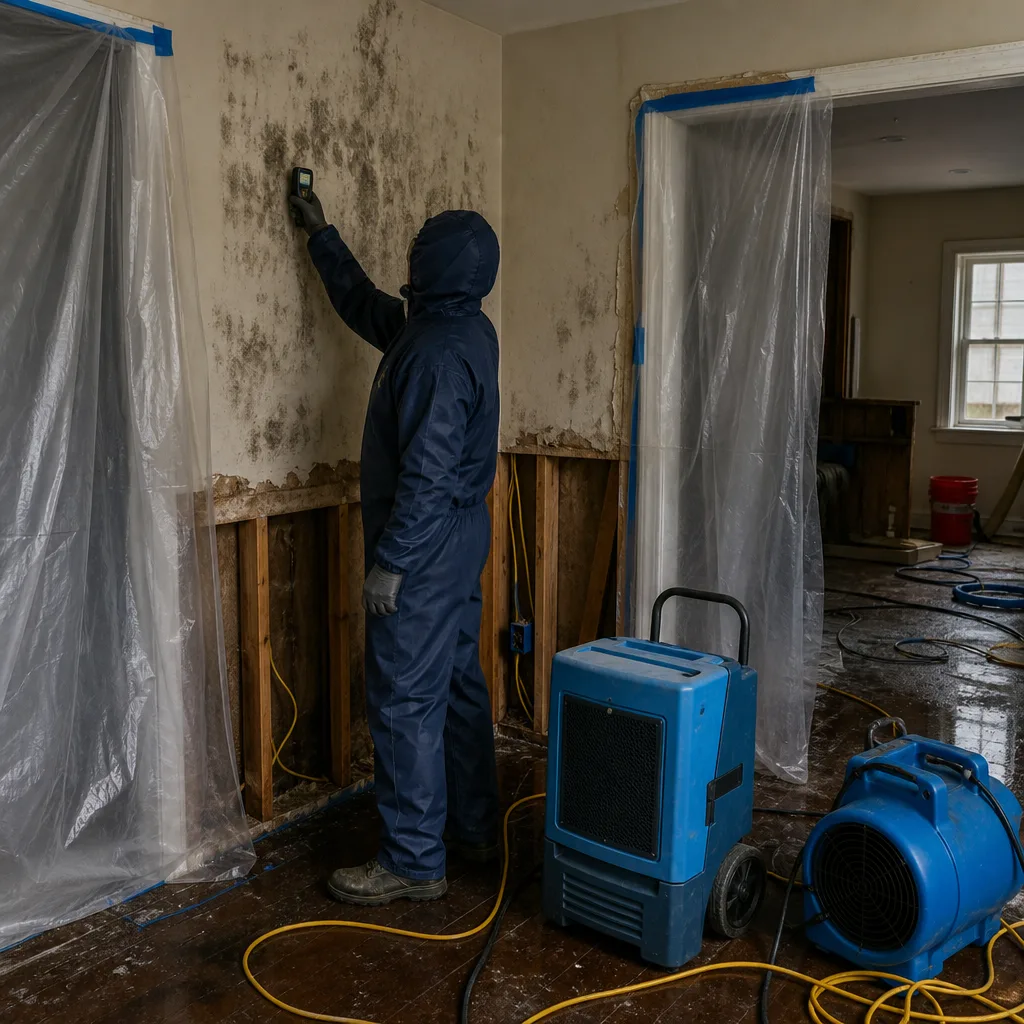 Before
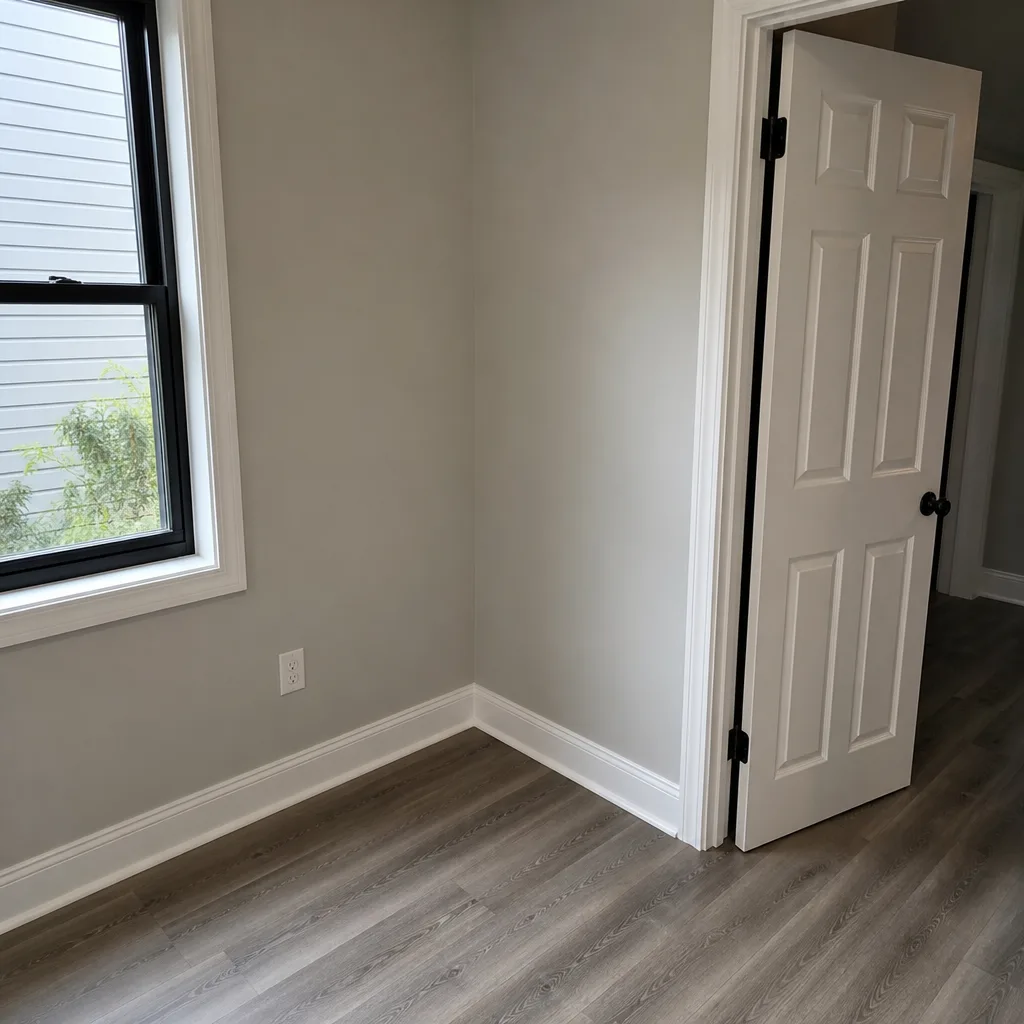 After
After24/7 Emergency Water Damage Restoration in Jersey City
Water damage in Jersey City typically costs $2,800-$7,500 for a standard residential extraction and dry-out, with category 3 black-water losses running $5,500-$12,000 due to hazmat protocols and antimicrobial treatment. Most emergencies in Jersey City require same-day response because the city’s combined sewer system and low-lying geography let water spread fast. Call (862) 298-5256 now - a live person answers, 24 hours a day, and crews are dispatched within 45 minutes across Jersey City, Hoboken, and Union City.
Our Water Damage Restoration team handles everything from frozen pipe bursts in Heights rowhouses to storm-surge flooding in Greenville basements. We arrive with moisture meters, thermal imaging, and extraction equipment already loaded. The first hour determines whether your loss stays contained or mushrooms into a secondary mold problem behind horsehair plaster and wood lathe that can take weeks to surface.
Understanding Water Damage Restoration Severity in Jersey City Properties
Water damage breaks into three categories, and Jersey City sees all three in concentrations few metro areas match. Category 1 is clean water from a broken supply line - common in waterfront high-rises where a single pipe burst on the 15th floor can cascade through a dozen units. Category 2 is gray water with chemical or biological contamination, typical of dishwasher or washing machine overflows. Category 3 is black water: sewage, ground water, or storm surge carrying pathogens. In Jersey City, category 3 dominates the low-lying neighborhoods near Newark Bay and the Morris Canal because the city’s aging combined sewer system backs raw wastewater into basements during heavy rain.
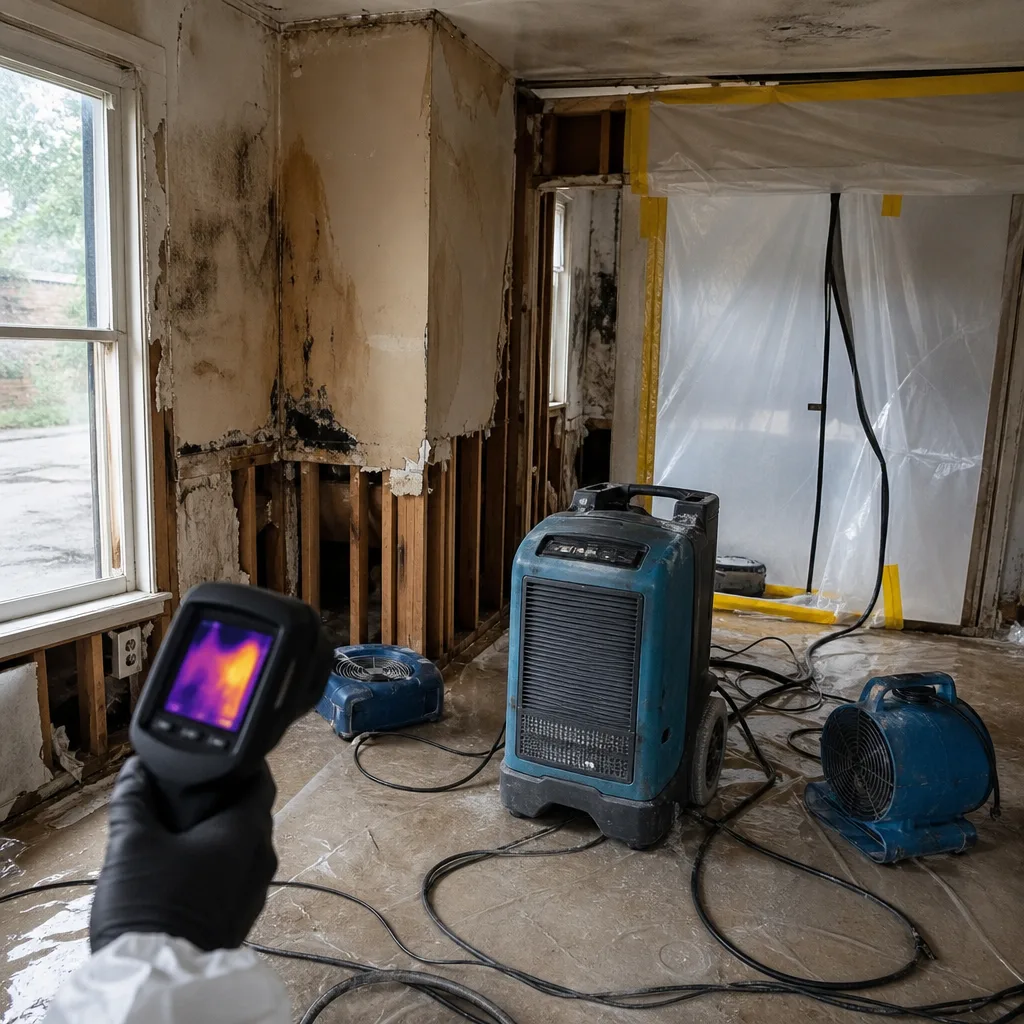
Moisture mapping is how we find what you cannot see. Thermal imaging cameras detect temperature differentials behind walls; pinless moisture meters read non-destructively across plaster and masonry; penetrating probes hit the wood framing and subfloors. Psychrometric data - temperature, relative humidity, and vapor pressure differential - tells us how fast materials can actually release moisture, not how fast we wish they would. Structural drying means lowering that moisture content to pre-loss equilibrium, verified by daily readings, not by a calendar date.
The building stock here complicates every category. Late-1800s brick rowhouses with horsehair plaster over wood lathe, shared party walls, and fieldstone rubble foundations wick and hold moisture far longer than modern drywall on steel studs. A 3-day dry-out that works in a 2015 suburban build leaves hidden saturation here. Post-2000 waterfront high-rises and converted industrial lofts present the opposite problem: steel and concrete dry fast, but a single source loss triggers multi-unit, multi-carrier disputes that stall without documented moisture mapping across floors.
Why Jersey City Property Owners Choose DryMark Restoration Jersey City
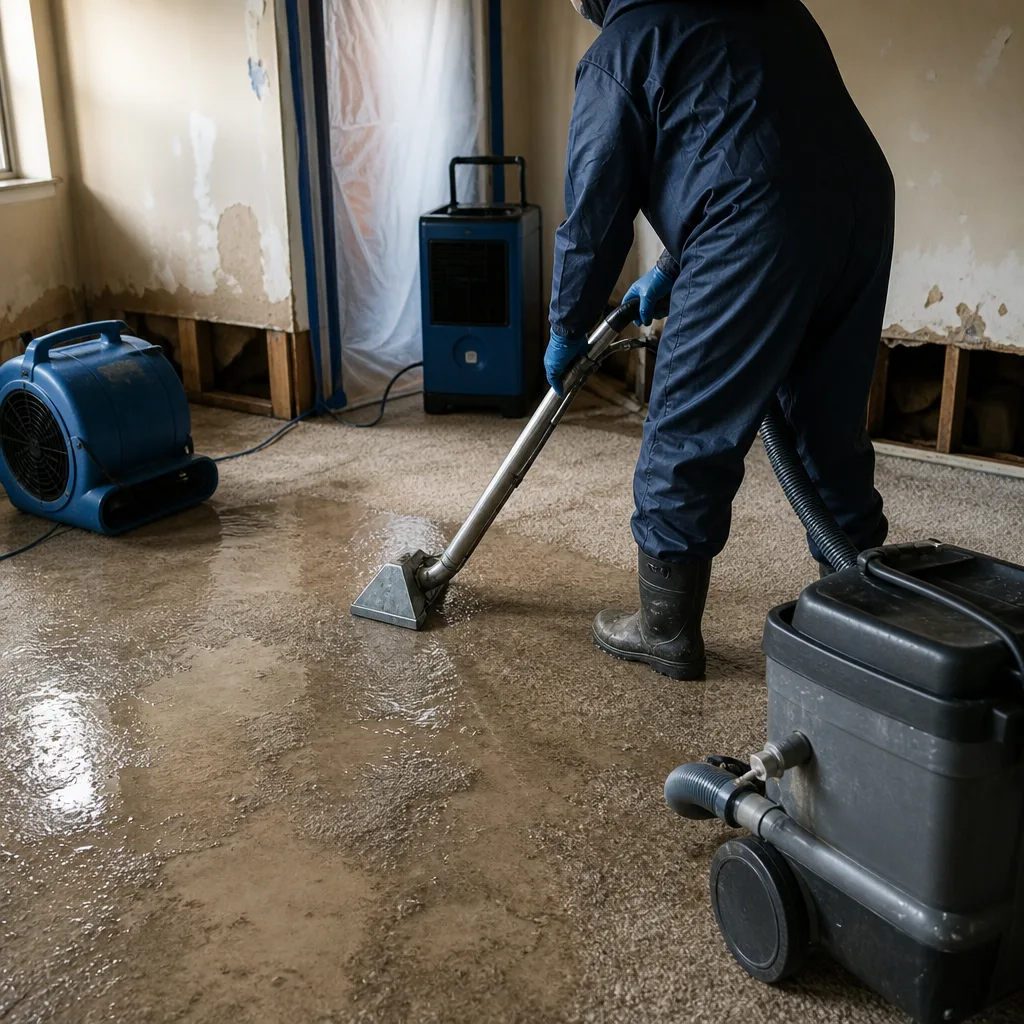
- 45-minute response commitment to any Jersey City address, because water does not wait for business hours and neither do we.
- 24/7 live answer - a real person picks up every call, never an automated menu or voicemail tree, because a flooded basement at 2 a.m. needs a voice, not a recording.
- IICRC-certified crews holding WRT (Water Damage Restoration Technician), FSRT (Fire & Smoke Restoration Technician), and AMRT (Applied Microbial Remediation Technician) credentials - the license numbers are on file and available on request.
- Free visual inspection with moisture readings and a written scope of work, no obligation, no pressure to sign before you understand what you are buying.
- Direct insurance billing with photo-documented estimates formatted to carrier standards, so your claim moves without the back-and-forth that delays payment.
- One team from extraction to reconstruction - the same crew that pumps your basement dry handles the drywall, flooring, and finish work, so nothing falls between contractors.
BeforeAfterOur Water Damage Restoration Process
1. Inspection & Assessment
We walk every affected room with thermal imaging, moisture meters, and hygrometers to map the full extent of the loss. In Jersey City rowhouses, we probe through horsehair plaster to check the wood lathe and cavity behind; in high-rises, we document moisture migration across multiple floors for building management and carrier coordination. You receive a written scope and price before any equipment runs.
2. Water Extraction & Stabilization
Truck-mounted extraction units remove standing water; submersible pumps handle deep basement flooding; weighted extraction wands pull water from carpet and pad. For category 3 losses - sewage backflow from Jersey City’s combined sewers or storm surge from Newark Bay - we establish containment zones and deploy full PPE before touching anything.
3. Structural Drying & Dehumidification
We deploy Dri-Eaz and Phoenix desiccant dehumidifiers, XPOWER and B-Air air movers, and Injectidry specialty drying systems for wall cavities and hardwood floors. Drying logs record moisture content, relative humidity, and temperature twice daily. Rowhouses with fieldstone foundations and horsehair plaster often need 5-7 days, not the 3-day standard, because the mass of historic masonry holds moisture that drywall releases in 48 hours.
4. Cleaning & Sanitization
Antimicrobial treatment applied to all affected surfaces, with HEPA air scrubbers running during application to capture airborne particles. Category 3 losses get full sanitization of structural elements - joists, studs, subfloor - not just surface wipe-down. We document every treated square foot for your claim file.
5. Moisture Verification & Clearance Documentation
No equipment comes out until moisture readings hit dry standard for each material class, documented on the drying log. For mold-suspect areas, we set clearance criteria before work starts and verify them with independent lab sampling where required. This is the documentation that turns a restoration invoice into a payable claim.
6. Repairs & Restoration
Our carpenters and finish trades replace drywall, flooring, trim, and fixtures to pre-loss condition. In Jersey City rowhouses, we match historic plaster profiles and period-appropriate trim; in waterfront lofts, we coordinate with building engineers on fire-rated assemblies and soundproofing requirements. We also offer Fire & Smoke Damage Restoration in Jersey City when those events compound water losses. The same crew that dried your house finishes it.
Need Emergency Water Damage Restoration in Jersey City Now?
Crews minutes away, answering live 24 hours a day. The sooner we start, the less it costs.
Working With Your Insurance Company
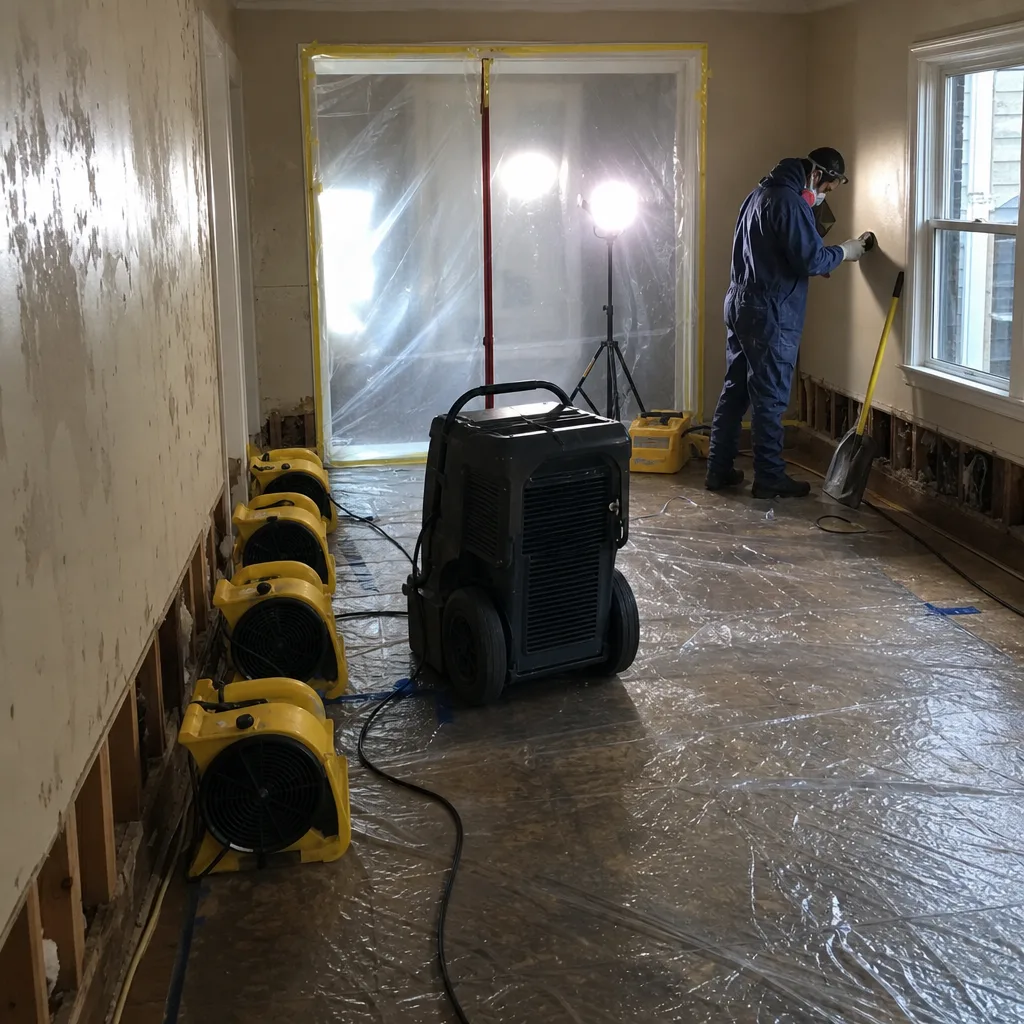
Insurance claims fail on documentation gaps. We close those gaps from the first hour. Every Jersey City job starts with photo documentation of the loss scene, moisture readings time-stamped to the visit, and a written scope with line-item pricing formatted to Xactimate or Symbility standards - the estimating platforms most carriers use. Our team speaks directly with your adjuster, submits supplemental documentation when hidden damage extends the scope, and coordinates payment so you are not floating thousands in out-of-pocket costs while the claim processes.
Jersey City’s flood zone remapping after Hurricane Sandy complicates some claims. FEMA’s updated flood maps place properties in Greenville, the Morris Canal basin, and portions of Downtown in higher-risk zones, which affects NFIP coverage requirements and elevation certificate documentation. We have handled hundreds of post-Sandy claims and understand the elevation certificate, proof of loss, and increased cost of compliance documentation that NFIP and private flood carriers require. Our estimates include the line items that flood adjusters expect to see.
What We Provide Your Insurer
- Thorough documentation of the loss
- Photos of all damage, room by room
- Moisture readings and drying logs
- A detailed, line-item scope of work
- Direct coordination with your carrier
Built for Jersey City’s Loss Calendar
January and February bring deep freezes that burst supply lines and fill ice dams in under-insulated Heights rowhouses. We see pipe bursts on Summit Avenue, Palisade Avenue, and across the Bergen-Lafayette border where 1920s plumbing meets single-digit wind chills. Spring thaw saturates the Palisades slope and pushes groundwater through fieldstone foundations in pre-war basements. May through September, thunderstorms and tropical systems dump rain faster than Jersey City’s combined sewers can carry it, producing the backflow events that define category 3 work in Greenville, Bergen-Lafayette, and the Morris Canal basin.
Fall nor’easters are the worst. They funnel up the Hudson, push storm surge against the waterfront, and overload the sewer system simultaneously. October through December, we run dual crews: one for Heights ice-dam and frozen-pipe calls, one for low-lying flood and sewage losses. The equipment mix changes with the season. Winter calls for Injectidry cavity drying and gentle heat to protect historic plaster; fall flood jobs need full hazmat extraction, antimicrobial treatment, and desiccant dehumidification sized for saturated masonry.
Water Damage Restoration Across Jersey City’s Neighborhoods
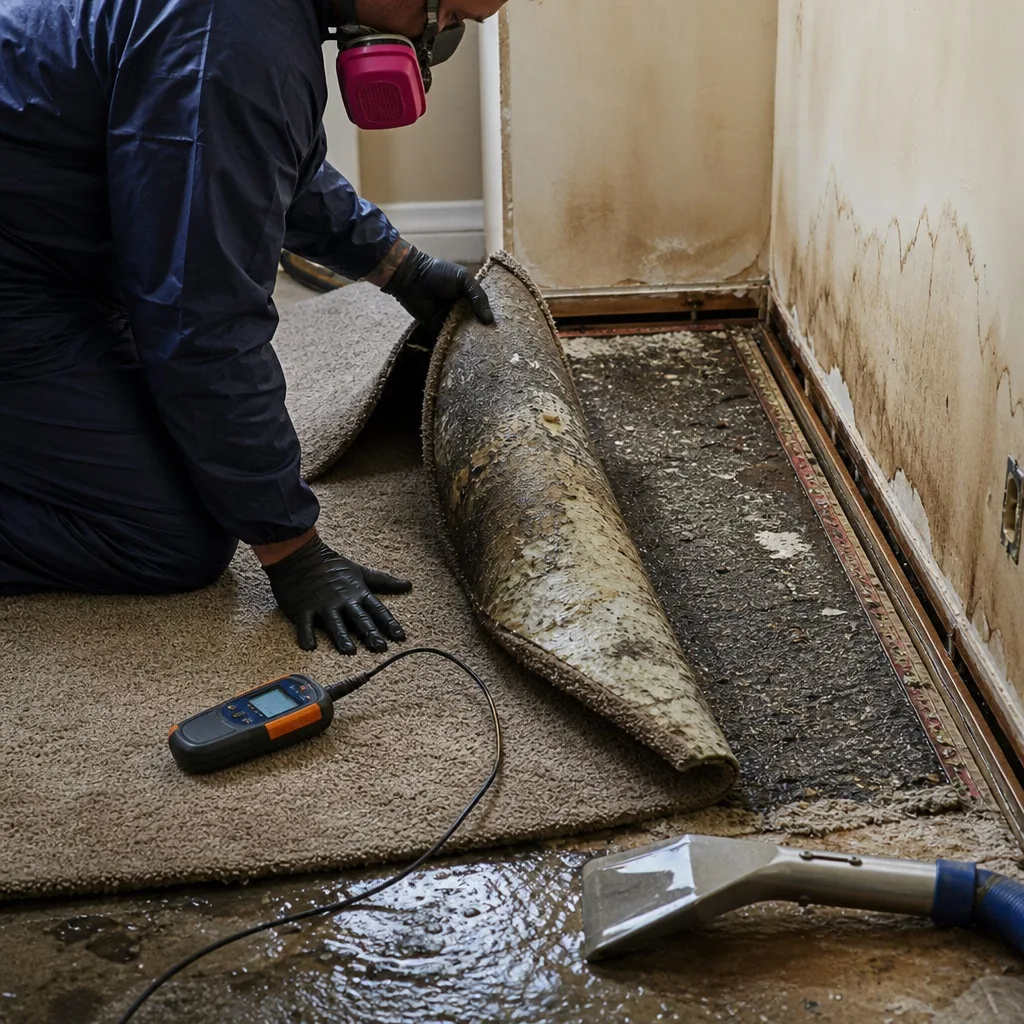
Jersey City is not one housing market. It is several, stacked vertically and horizontally, and water damage here follows those boundaries.
The Heights sits on the Palisades ridge, 150 feet above the Hudson and effectively immune to storm surge. Our calls here are frozen pipes in late-1800s rowhouses on Ogden Avenue and Webster Avenue, ice dams backing water under slate roofs, and the occasional washing machine overflow in a converted two-family. The horsehair plaster and wood lathe in these buildings demands extended drying timelines and careful moisture verification behind walls. We have dried the same Summit Avenue block three winters running.
Downtown and the Waterfront are dominated by post-2000 high-rises and converted industrial loft buildings on Warren Street, Marin Boulevard, and the Essex Street corridor. A pipe burst in a 12th-floor unit at Hudson Greene or 77 Hudson sends water through light fixtures, elevator shafts, and HVAC risers, affecting multiple floors and triggering complex multi-party claims. We moisture-map across units, coordinate with building management on common-area damage, and document each affected residence separately for its own carrier.
Greenville and the Morris Canal basin are the city’s lowest points, at or below sea level, with fieldstone foundations that have taken water in every major storm since Sandy. We handle repeat flooding on Ocean Avenue, Danforth Avenue, and the streets around Bayside Park - often in homes where previous restoration was incomplete and mold has been growing behind walls for years. These jobs are category 3 by definition: storm surge plus combined sewer backflow equals black water, full containment, and antimicrobial treatment before any drying begins.
Van Vorst Park and the Paulus Hook historic districts blend 19th-century rowhouses with newer infill. The old stock has the same plaster-and-lathe moisture retention problems as the Heights, but sits lower, closer to the Hudson surge line. We got a call from a homeowner on Van Vorst Street after a nor’easter pushed storm surge up the Hudson and the city’s combined sewer backed raw wastewater into her finished basement - a category 3 loss that soaked the horsehair plaster and fieldstone rubble foundation. Our techs set up containment, did full hazmat-protocol water extraction, applied antimicrobial treatment to the lathe and joists, and ran Dri-Eaz and Phoenix desiccant dehumidification with air movers for six days while logging moisture readings on a daily drying log for her NFIP claim. Because the townhome had a narrow alley-load door and street parking was permitted-only, we staged the trailer on the sidewalk with a pump line under the stoop and worked in a tight two-tech rotation to keep the pack-out moving without blocking the neighbors’ shared party-wall entry.
Specialized Water Damage Restoration Services We Offer in Jersey City
Emergency Water Extraction
Standing water gets worse every minute it sits. Our truck-mounted extraction systems remove thousands of gallons per hour, with submersible pumps for deep basement flooding and weighted wands for saturated carpet. In Jersey City’s tight rowhouse alleys and permitted-parking streets, we stage equipment to access without blocking traffic or shared entries.
Structural Drying & Dehumidification
We size drying systems to the actual cubic volume and material mass of your building, not to a standard formula. Historic Jersey City rowhouses with horsehair plaster and masonry foundations need longer drying cycles with lower specific humidity targets; waterfront high-rises with concrete and steel need aggressive air movement to prevent vapor pressure buildup across unit boundaries. Daily moisture logs document progress to IICRC and RIA standards.
Flood Cleanup
Flood losses in Jersey City are rarely clean water. Storm surge, combined sewer backflow, and Hudson tidal flooding produce category 3 contamination that requires full hazmat extraction, structural antimicrobial treatment, and documented disposal of porous materials. We understand NFIP claim documentation and post-Sandy elevation certificate requirements that contractors outside this market rarely handle.
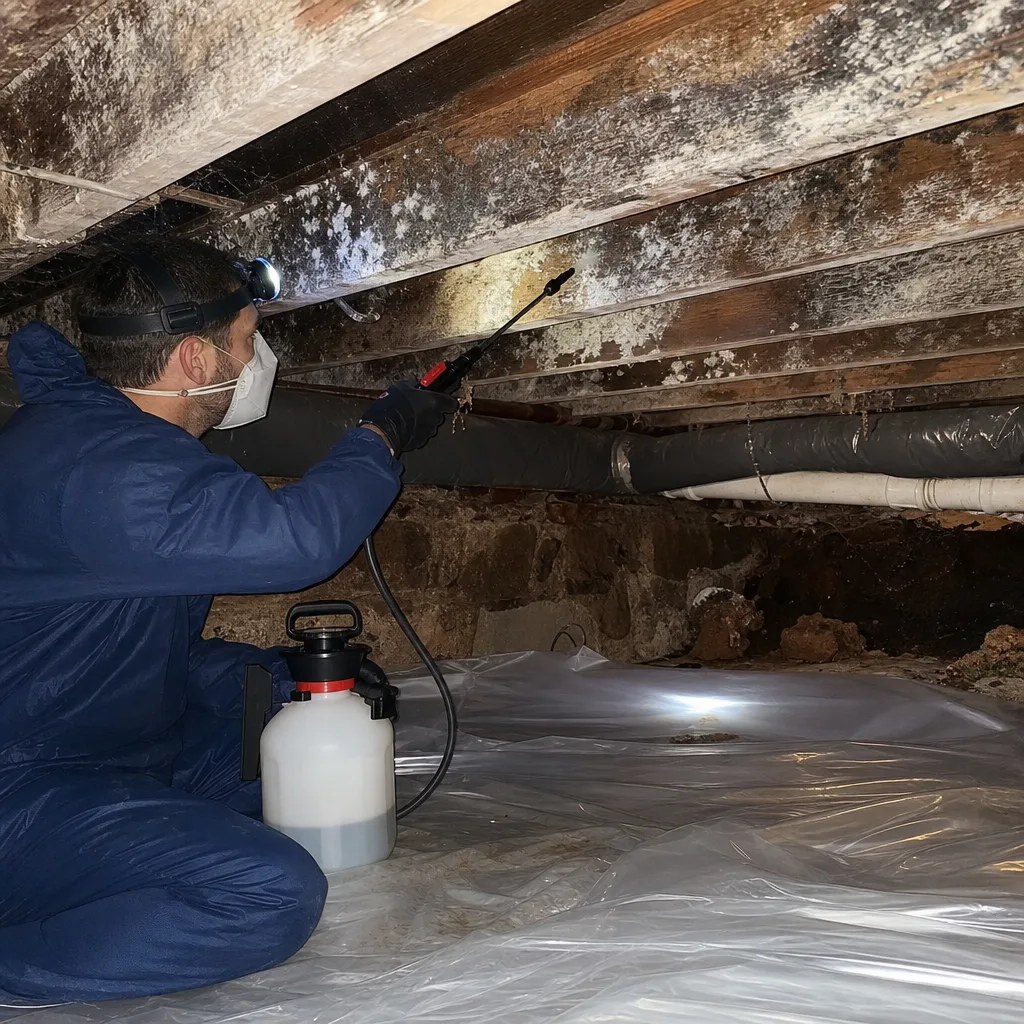
Burst Pipe Restoration
From frozen copper in Heights rowhouses to high-rise supply line failures in 30-story buildings, we extract, dry, and repair. Our plumbers replace failed sections; our restoration crew handles the water damage; one team, one scope, one warranty.
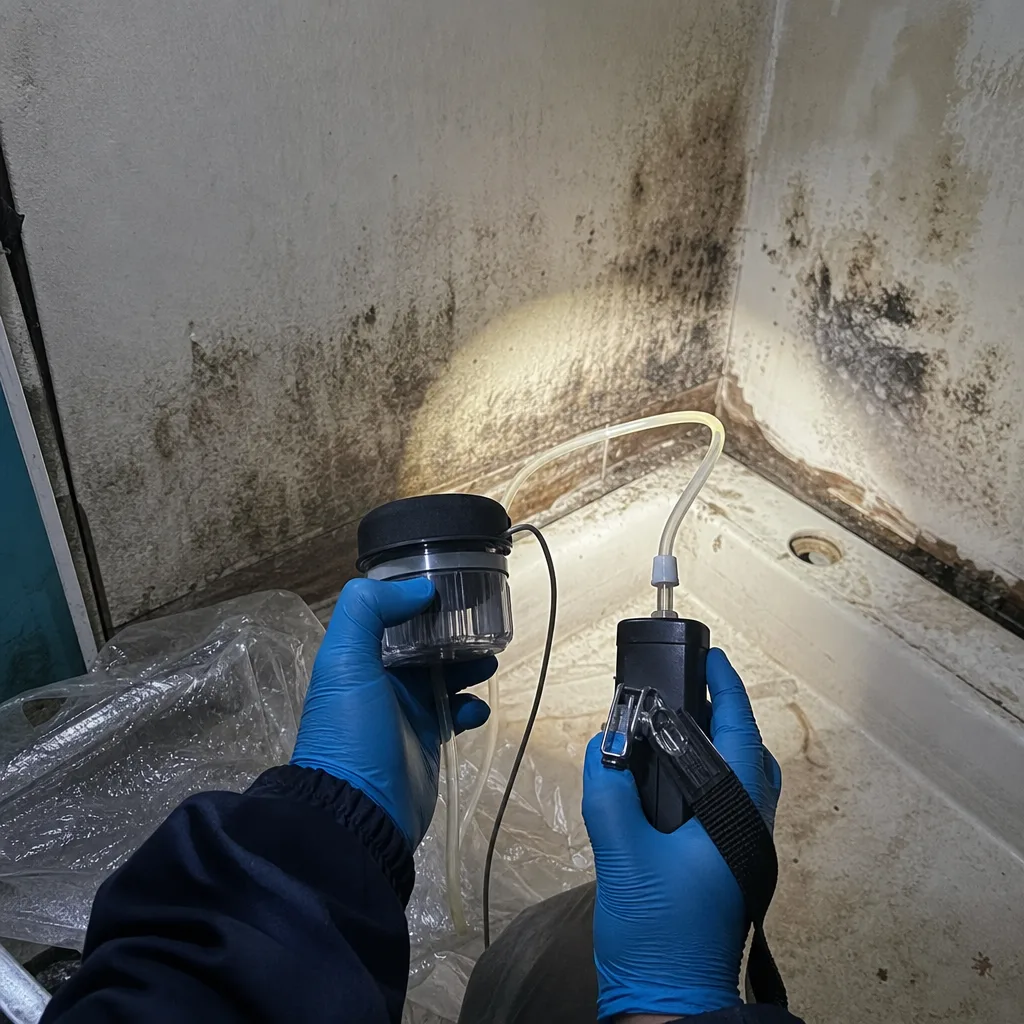
Basement Water Removal
Jersey City basements are particularly vulnerable: low elevation, aging fieldstone or rubble foundations, and combined sewer connections that back up under pressure. We pump, extract, sanitize, and dry with equipment sized for below-grade masonry, not above-grade frame construction. Every basement job includes perimeter moisture mapping to catch seepage paths that a surface dry-out misses.
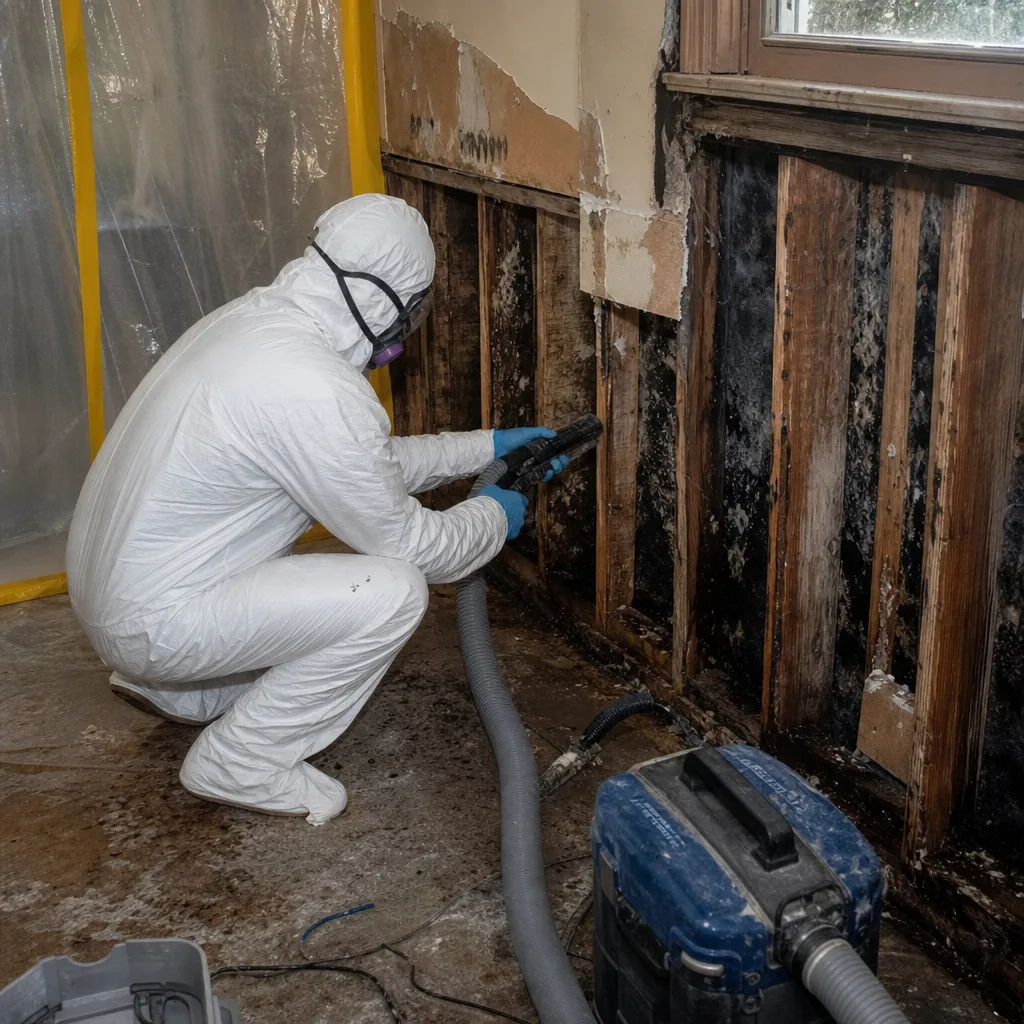
What happens when you call
- 1
A real person answersNo phone trees - you reach a local pro.
- 2
You get an upfront price rangeHonest numbers before anyone is dispatched.
- 3
A background-checked tech heads outLicensed & insured, dispatched right away.
- 4
You approve before work beginsNothing starts until you say go.
Water Damage Restoration Costs in Jersey City, NJ
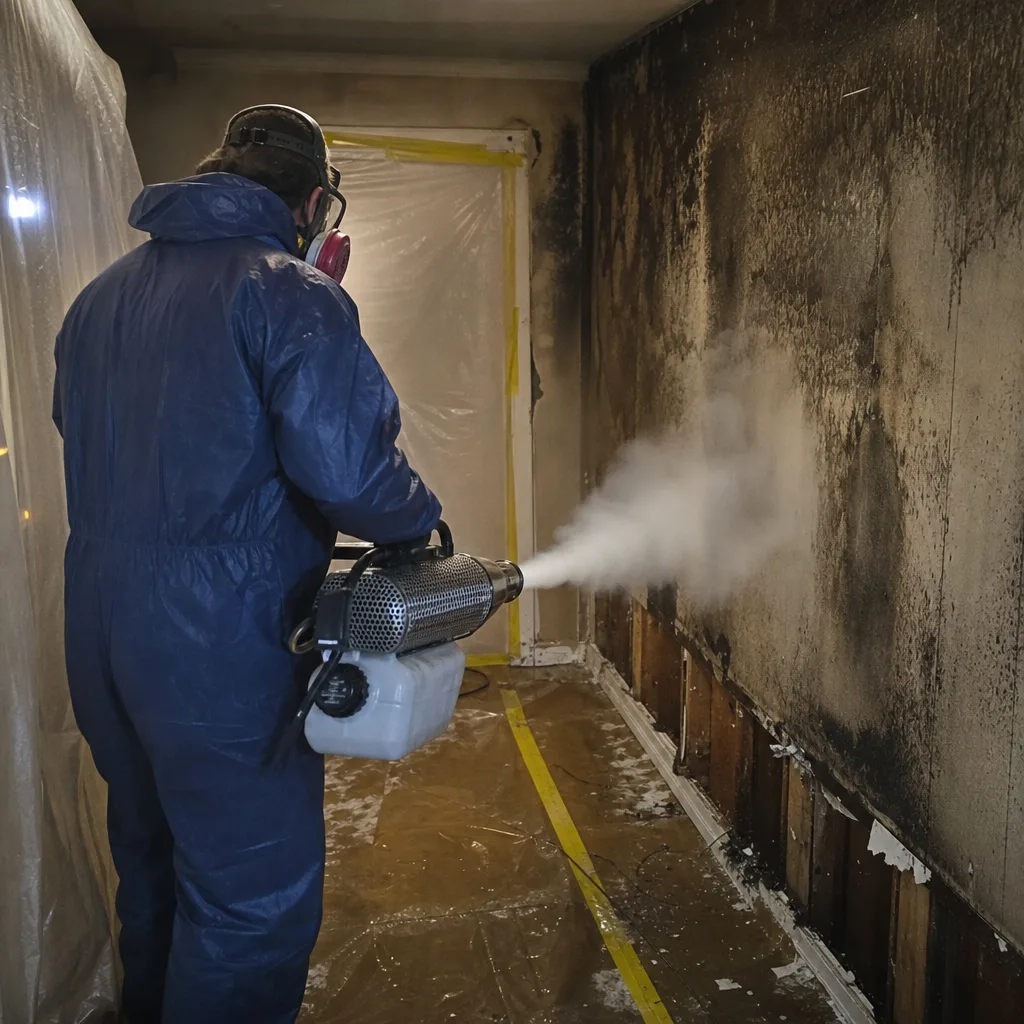
These are the price ranges we see in the Jersey City market for work performed under Haven Standard, Clause 1 - written price before work begins, every time.
| Service | Typical Range |
|---|---|
| Emergency water extraction (clean water, single room) | $800 - $2,200 |
| Structural drying & dehumidification (3-5 day cycle) | $1,500 - $4,500 |
| Category 3 flood cleanup with hazmat protocols | $5,500 - $12,000 |
| Basement water removal with antimicrobial treatment | $2,800 - $7,500 |
| Burst pipe restoration with drywall/flooring repair | $3,500 - $9,000 |
| Waterfront high-rise multi-unit coordination (per unit) | $2,200 - $6,500 |
What moves the price: category of water (clean vs. black), affected square footage, material type (plaster and lathe costs more to dry than drywall), accessibility for equipment staging, and whether mold remediation is required. Insurance typically covers sudden and accidental water damage from burst pipes, appliance failures, and storm events; gradual seepage and maintenance-related losses are usually excluded. We review your policy, document the cause of loss, and build the estimate to maximize covered scope. Call (862) 298-5256 for a free inspection and written price - Haven Standard, Clause 1.
We Also Serve Cities Near Jersey City
Our crews respond from the New York City office to Jersey City and the surrounding communities: Hoboken, where basement flooding from the Hudson follows the same surge patterns; Union City, with its own concentration of pre-war multi-family buildings and aging infrastructure; Harrison, where Passaic River flooding and industrial redevelopment create mixed-loss environments; and Secaucus, with commercial and residential properties vulnerable to Meadowlands drainage and highway-adjacent storm water. Same documentation standards, same written price guarantee, same live-answer dispatch.
Serving Jersey City, NJ - Our Local Coverage Area
We’re based in the Jersey City area and know this community well. Use the map below to see our service coverage - if you’re nearby, we can almost certainly help.
Jersey City Water Damage Restoration Questions, Answered
My Jersey City basement flooded during a heavy rain event and the water smells like sewage - is that a normal water damage job?
No. Sewage odor means category 3 black water, which requires full hazmat protocols, not standard water extraction. Jersey City’s combined sewer system backs raw wastewater into basements during heavy rain, especially in low-lying neighborhoods like Greenville and the Morris Canal basin. We establish containment, deploy PPE, extract under hazmat protocols, apply antimicrobial treatment to structural elements, and document everything for your health department and insurance carrier. Call (862) 298-5256 - we will assess the contamination level and give you a written scope before any work starts.
How long does structural drying take for a pre-war Jersey City rowhouse versus a modern waterfront high-rise?
A pre-war rowhouse with horsehair plaster over wood lathe and a fieldstone or rubble foundation typically needs 5-7 days of controlled drying, sometimes longer, because historic masonry and plaster hold moisture far longer than modern materials. A waterfront high-rise with concrete, steel, and drywall can often reach dry standard in 3-4 days. The difference is mass and permeability: plaster wicks and retains; drywall releases. We verify with daily moisture readings and do not pull equipment until materials hit their specific dry standard, not a calendar date. Call (862) 298-5256 for a timeline specific to your building.
details>
We moisture-map every affected unit independently, document each with separate photo records and drying logs, and coordinate with building management on common-area damage. Each unit gets its own scope and estimate for its own carrier. Without this separation, multi-party claims stall in dispute. We have handled this scenario in Jersey City waterfront buildings multiple times; the key is documentation that keeps each claim distinct and defensible. Call (862) 298-5256 and we will walk the building with thermal imaging to map the full extent.
Our Heights rowhouse has ice-dam leaks every winter. Can you fix the water damage and stop it from recurring?
We dry and restore the water damage every time, but ice dams are a ventilation and insulation problem, not a restoration problem. We will document the moisture path, repair affected plaster and framing, and refer you to qualified roofing contractors for permanent ice-dam prevention. Our focus is getting your walls dry and verified, with a written warranty on our work. For the underlying cause, we will show you exactly where the warm air is escaping and let you decide on next steps. Call (862) 298-5256 for a free inspection of this winter’s damage.
Does Jersey City’s flood zone remapping affect how you document my water damage claim?
Yes. FEMA’s post-Sandy flood zone remapping placed many Jersey City properties in higher-risk categories, which affects NFIP coverage requirements, elevation certificate documentation, and the Increased Cost of Compliance (ICC) benefits available for mitigation. We document flood losses to NFIP standards, include elevation certificate references in our estimates, and coordinate with flood adjusters who expect specific line items and proof-of-loss formatting. Standard water damage documentation will not suffice for a flood claim here. Call (862) 298-5256 - we have handled hundreds of post-Sandy claims and understand the documentation requirements.
How fast can someone actually get here?
Our response commitment is 45 minutes to any Jersey City address, 24 hours a day, 7 days a week. A live person answers every call; no voicemail, no callback queues. Crews are staged for the Jersey City area and carry extraction equipment, moisture meters, and thermal imaging on every truck. The first hour after water intrusion is when damage spreads fastest through capillary action in plaster and wicking into framing. Call (862) 298-5256 - we are already moving.
Will my insurance cover this, or am I paying out of pocket?
Sudden and accidental water damage from burst pipes, appliance failures, and storm events is typically covered under standard homeowners policies. Gradual seepage, maintenance neglect, and flood damage from rising water require separate flood coverage. We review your policy, document the cause of loss with photos and moisture readings, and build our estimate to carrier standards so your claim processes without dispute. Direct billing is available with most major carriers. Call (862) 298-5256 - we will review your coverage and give you a written scope before any work begins.
Do I really need full remediation, or can I just clean it up myself?
Category 1 clean water in a small, accessible area with immediate extraction can sometimes be handled without professional help. Anything beyond that - category 2 or 3 contamination, water behind walls, saturated insulation, or moisture in structural cavities - requires professional drying and documentation. Jersey City’s historic building stock makes DIY especially risky: horsehair plaster hides moisture for weeks, shared party walls transfer damp to neighboring units, and fieldstone foundations wick water upward long after surface water is gone. Mold begins in 48-72 hours. We offer free inspections with moisture readings so you can make an informed decision. Call (862) 298-5256.
Back to Dry Restoration, led by Alicia Brennan, has operated under The Haven Standard since 2011. Every job is quoted in writing before work begins, documented with a photo record on every visit, and covered by the 365-Day Done Right Promise. Our Water Damage Restoration team serves Jersey City with the documentation-first approach that turns restoration invoices into payable claims. Call (862) 298-5256 for a free inspection and written price - estimates are free, and Haven Standard, Clause 1 applies to every job we take.
Written by Alicia Brennan, Owner at Back to Dry Restoration, serving Jersey City since 2011.