
Free visual inspection and a written scope of work before any mitigation begins - photos, moisture readings, and drying logs go in your claim file
The scope we write is the scope we bill. Anything new gets shown to you, in writing, before we touch it.
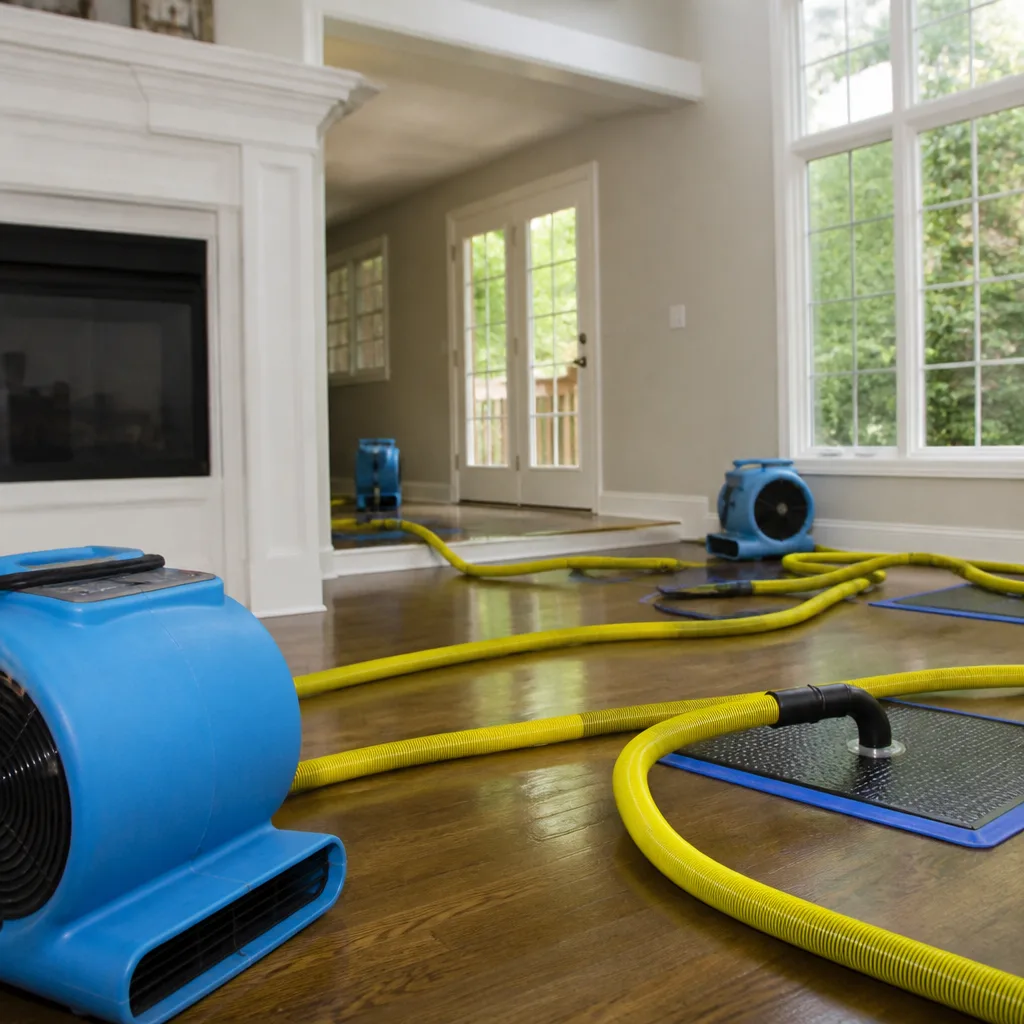
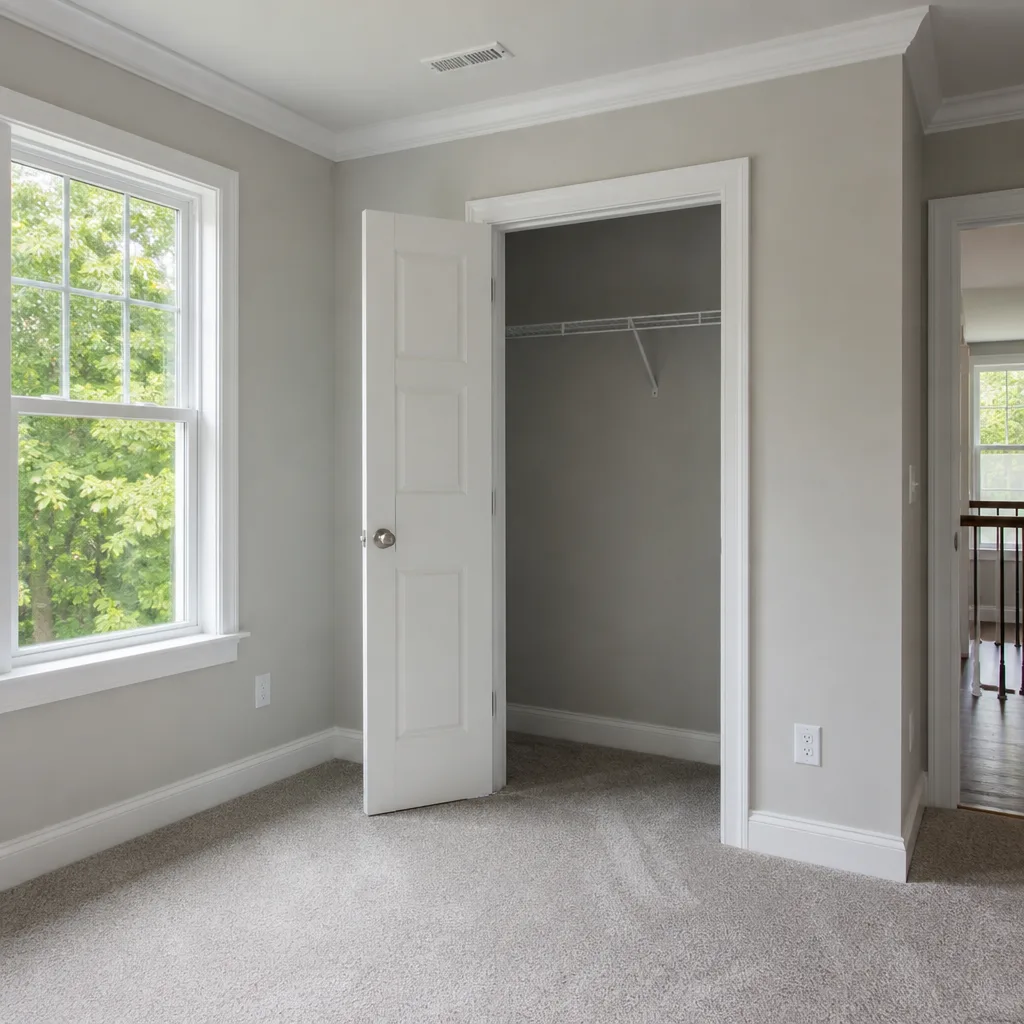
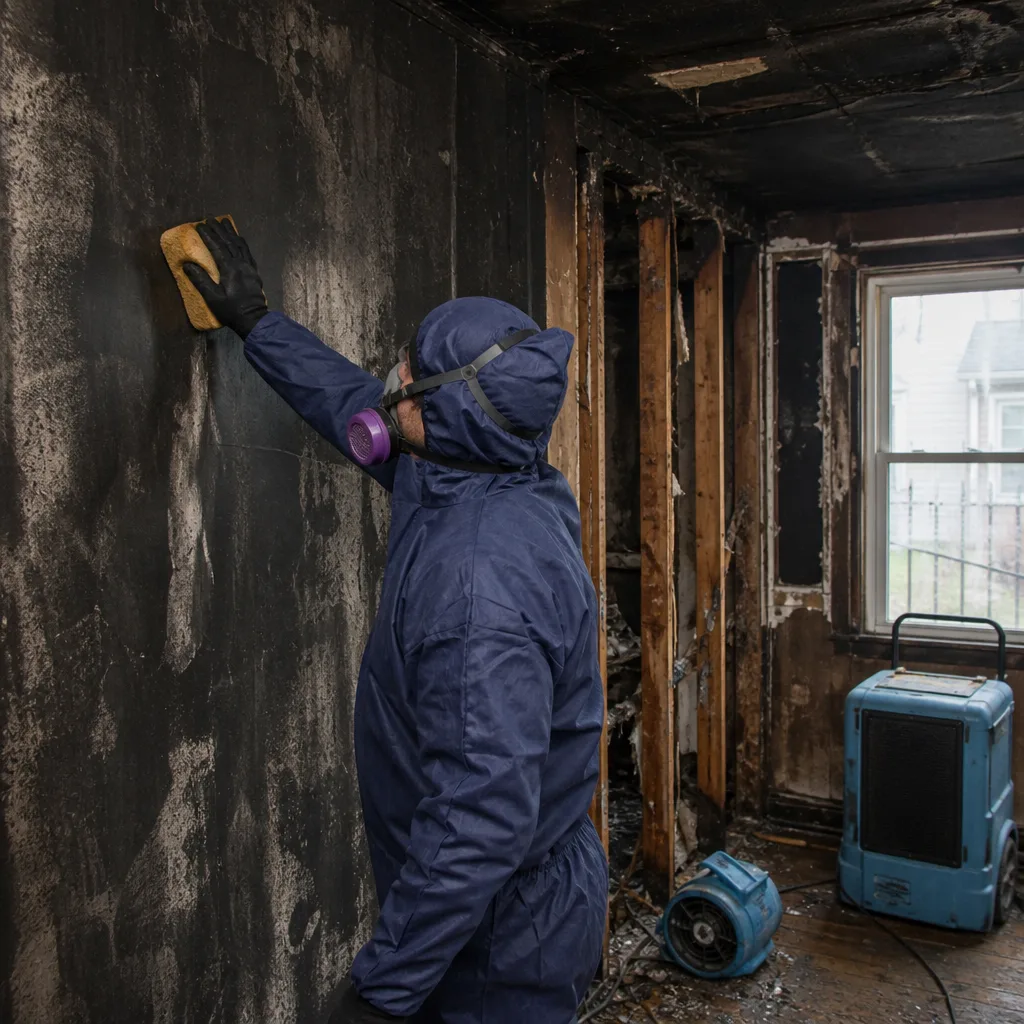
 Before
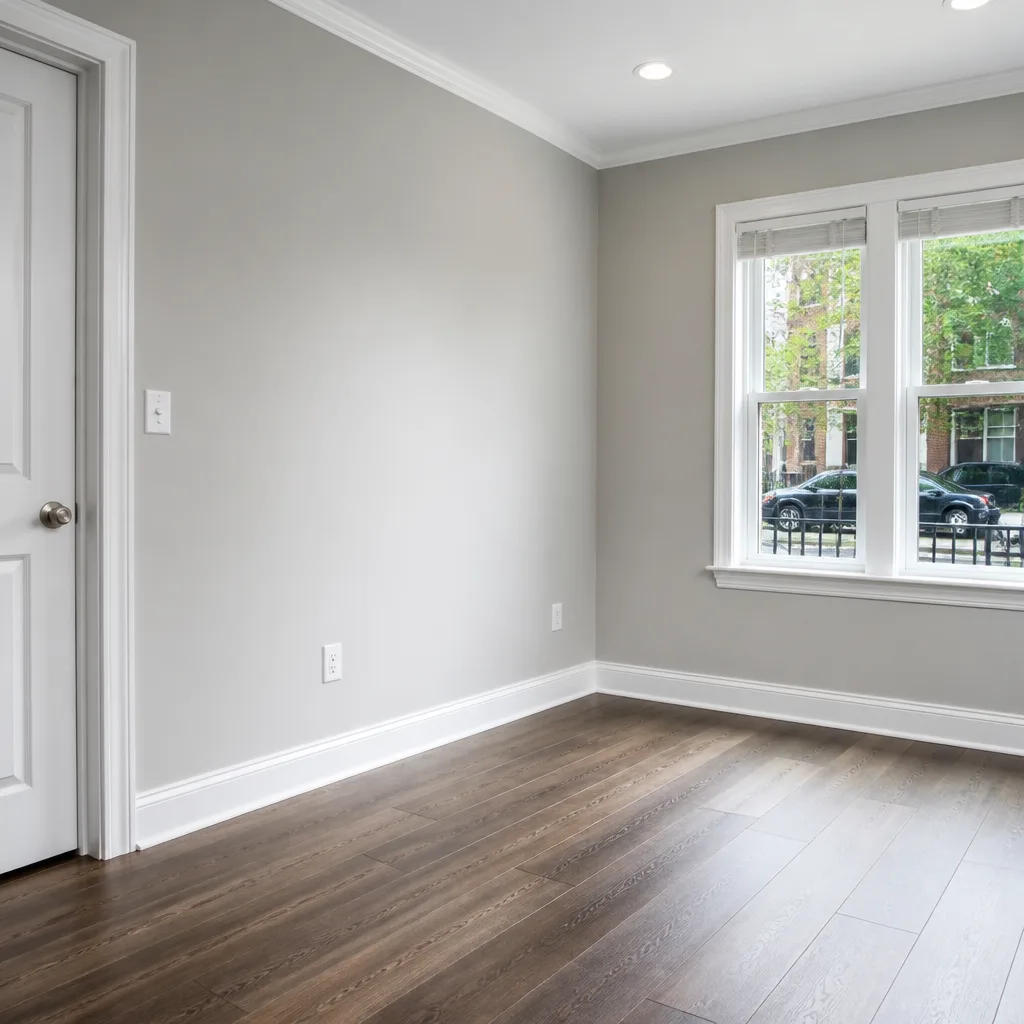 After
After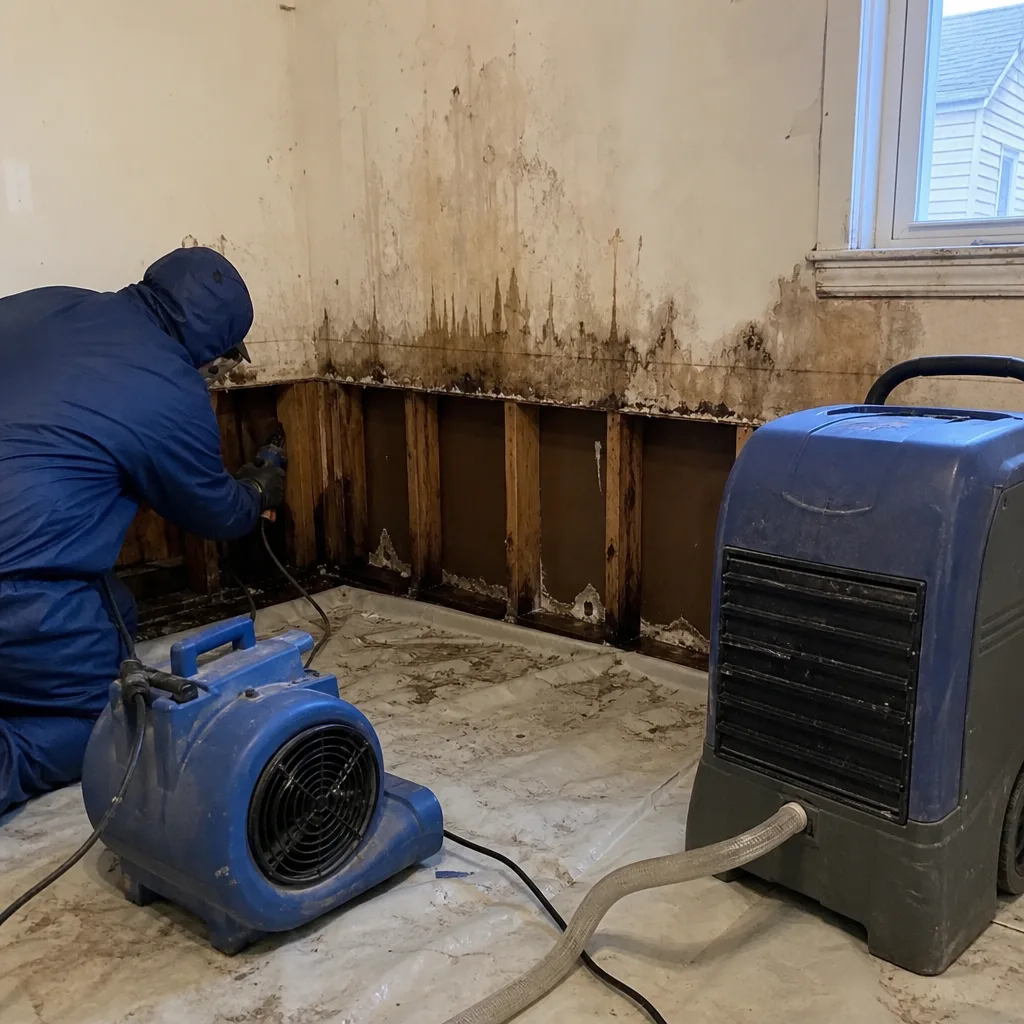 Before
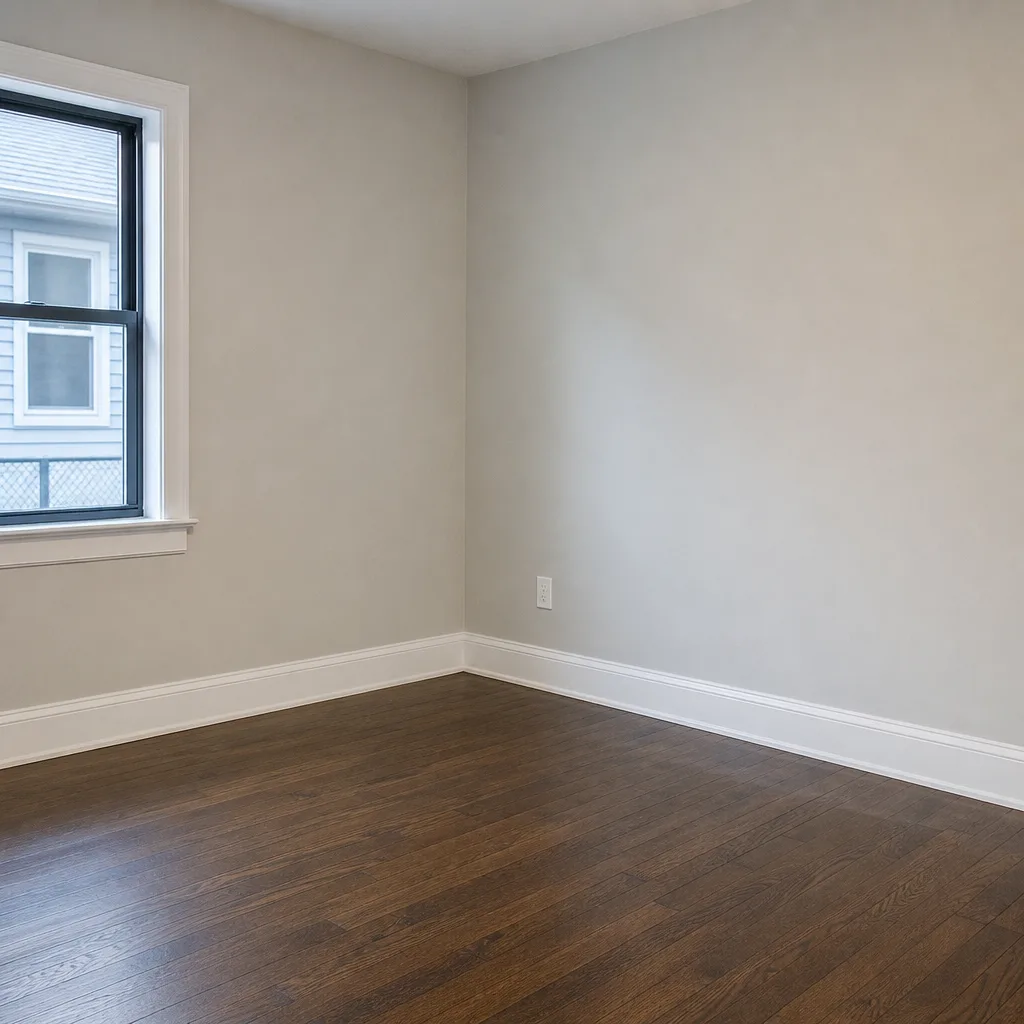 After
After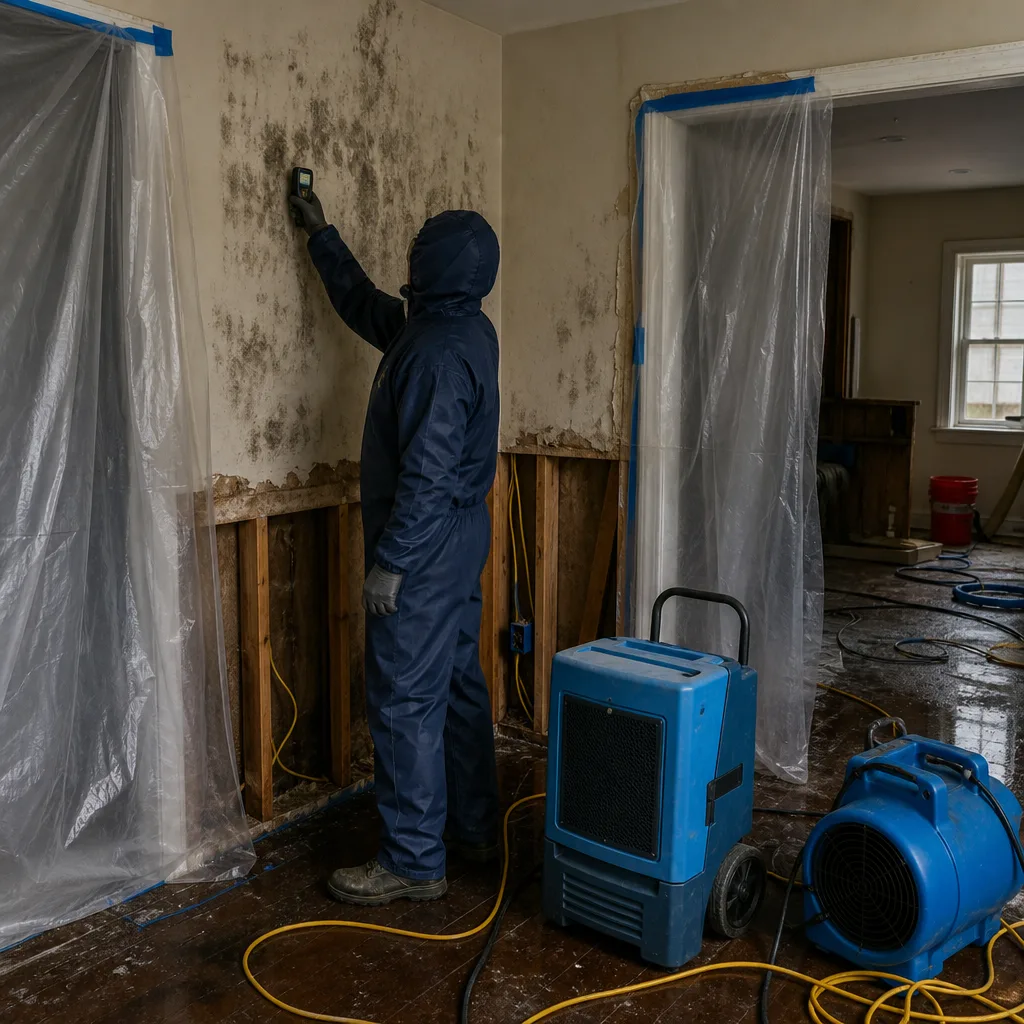 Before
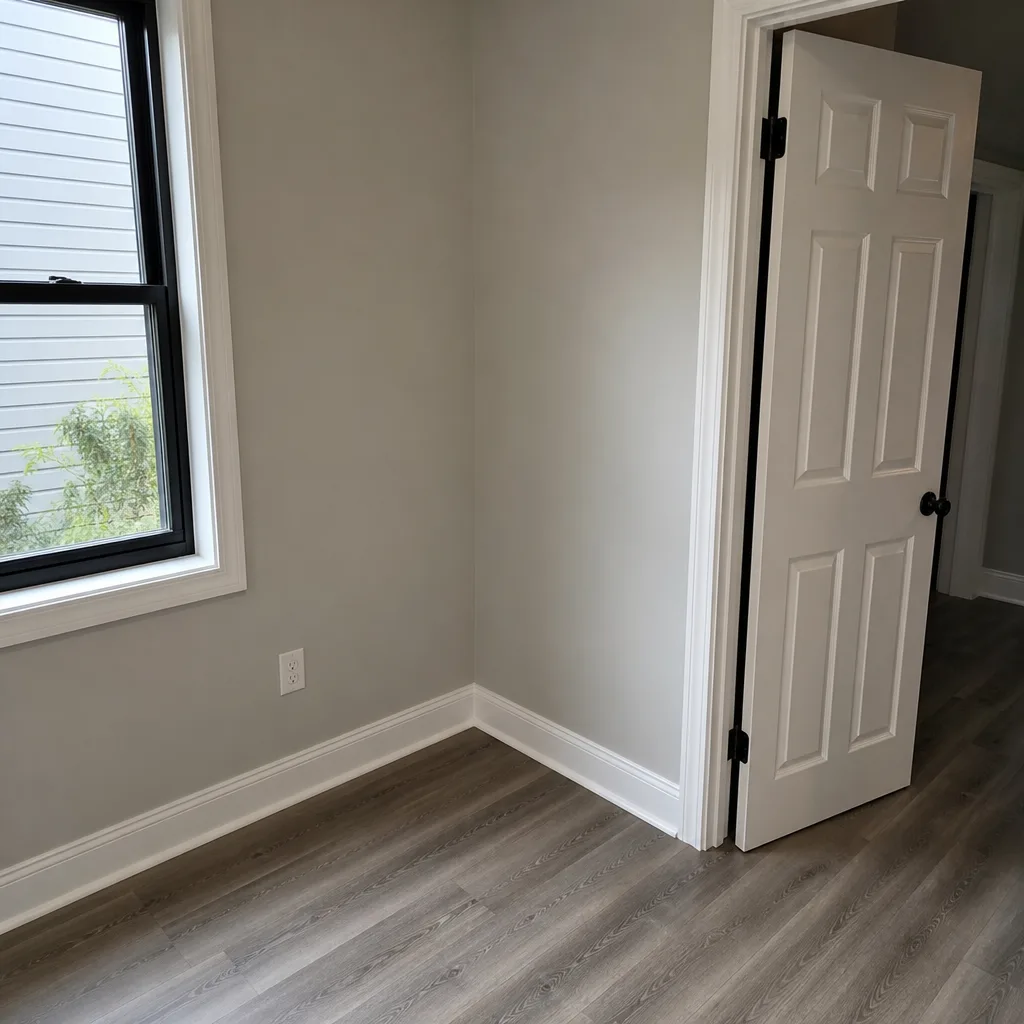 After
After24/7 Emergency Mold Remediation in Hoboken
Mold remediation in Hoboken typically costs $2,800-$7,500 for contained residential jobs and $8,000-$18,000 for whole-unit or multi-unit row house projects requiring full containment and antimicrobial treatment. Most jobs begin same day once a written scope is signed. Call (862) 298-5256 now - we answer live, 24 hours a day, with no voicemail trees, and crews are minutes from Hoboken’s central bowl, the waterfront blocks, and the uptown neighborhoods.
The first hour after water intrusion determines whether you’re looking at structural drying or full mold remediation. In Hoboken’s dense attached housing, moisture migrates laterally through shared brick party walls within hours, not days. Combined sewer backflow during heavy rain adds biological contamination that forces Category 3 protocols. Waiting means containment boundaries expand, affected square footage multiplies, and your insurer questions why secondary damage wasn’t mitigated promptly.
We provide a free visual inspection, document every room with photos before any equipment runs, and deliver a written price before work starts - Haven Standard, Clause 1. No exceptions.
Understanding Mold Remediation Severity in Hoboken Properties
Mold severity in Hoboken maps directly to two local conditions: the bowl topography that traps floodwater and the combined sewer system that contaminates it. Category 1 clean water from a burst supply line above Washington Street becomes Category 3 black water below Observer Highway when sewer backflow enters the equation. The distinction changes everything: clean water allows in-place drying; black water requires removal of porous materials, full containment with negative air pressure, and HEPA air scrubbing to 0.3 micron.
Hoboken’s building stock compounds the problem. These 1880-1925 brick row houses and walkup apartments share unreinforced masonry party walls with no vapor barrier. Moisture wicks laterally at rates we measure in inches per hour during active flooding. A job that presents as a single-unit basement flood on Willow Avenue often reveals three affected units once we run thermal imaging and borescope the cavities. Tertiary drying - the final phase where we drop vapor pressure differential to prevent rebound humidity - takes longer in Hoboken because brick releases stored moisture slowly.
Our crews classify every Hoboken job by contamination level, affected square footage, and structural material classification before writing scope. Psychrometric data - temperature, relative humidity, and specific humidity readings - drives equipment placement. We don’t guess. We measure, log daily, and adjust.
Why Hoboken Property Owners Choose DryMark Restoration Jersey City
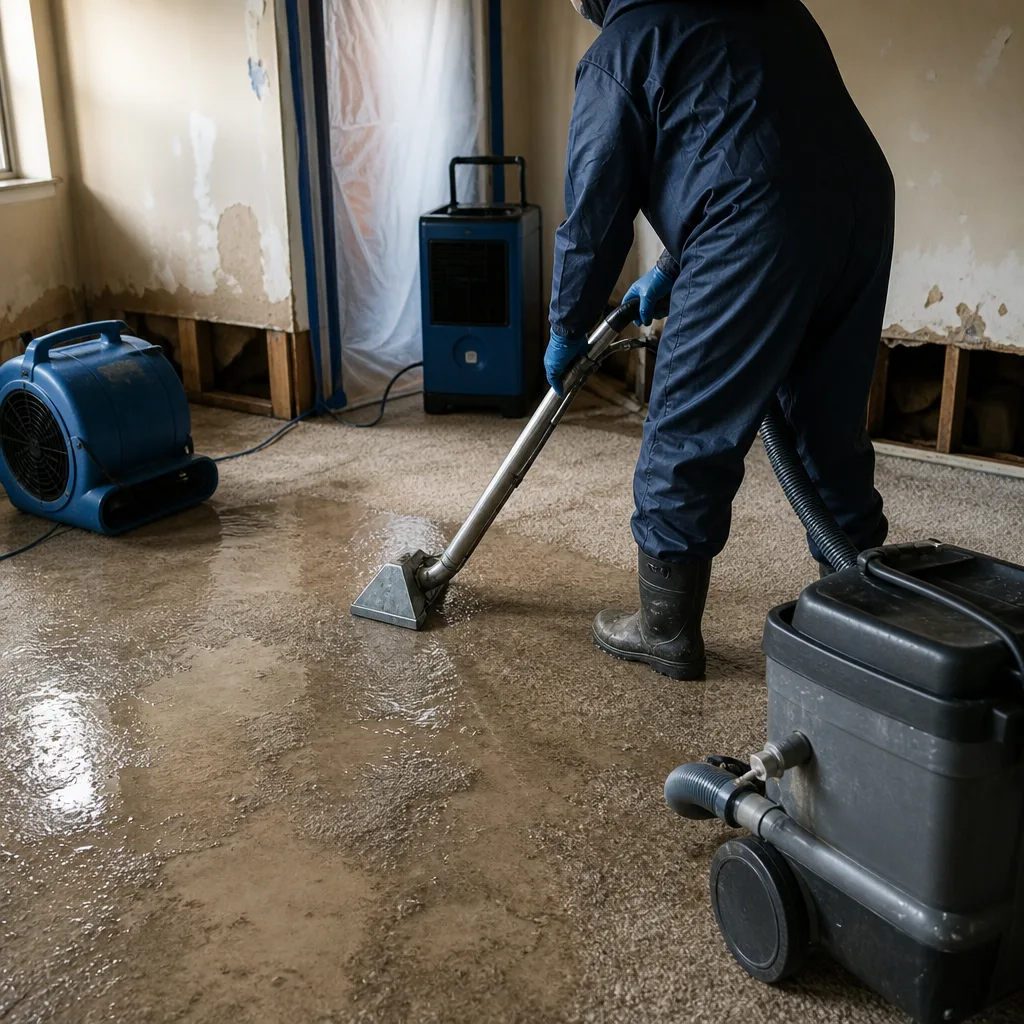
- 45-minute response commitment to any Hoboken address, with crews pre-staging PPE and antimicrobial agents before arrival in the central bowl where combined sewer backflow is predictable.
- 24/7 live answer by a real person, never an automated system - emergency lines ring to our dispatch office with no voicemail trees, no next-business-day callbacks while water is still moving.
- IICRC-certified crews holding WRT (Water Damage Restoration Technician), AMRT (Applied Microbial Remediation Technician), and FSRT (Fire & Smoke Restoration Technician) credentials, with license numbers documented on every job file.
- Free visual inspection with moisture mapping and photo documentation before any scope is written or price is quoted.
- Direct insurance billing with adjuster coordination from first contact - we produce the drying logs, photo records, and line-item scopes that turn restoration invoices into payable claims.
- One team from microbial remediation through reconstruction, so no handoff gaps where moisture gets missed or warranty responsibility gets disputed between vendors.
BeforeAfterOur Mold Remediation Process
1. Inspection & Assessment
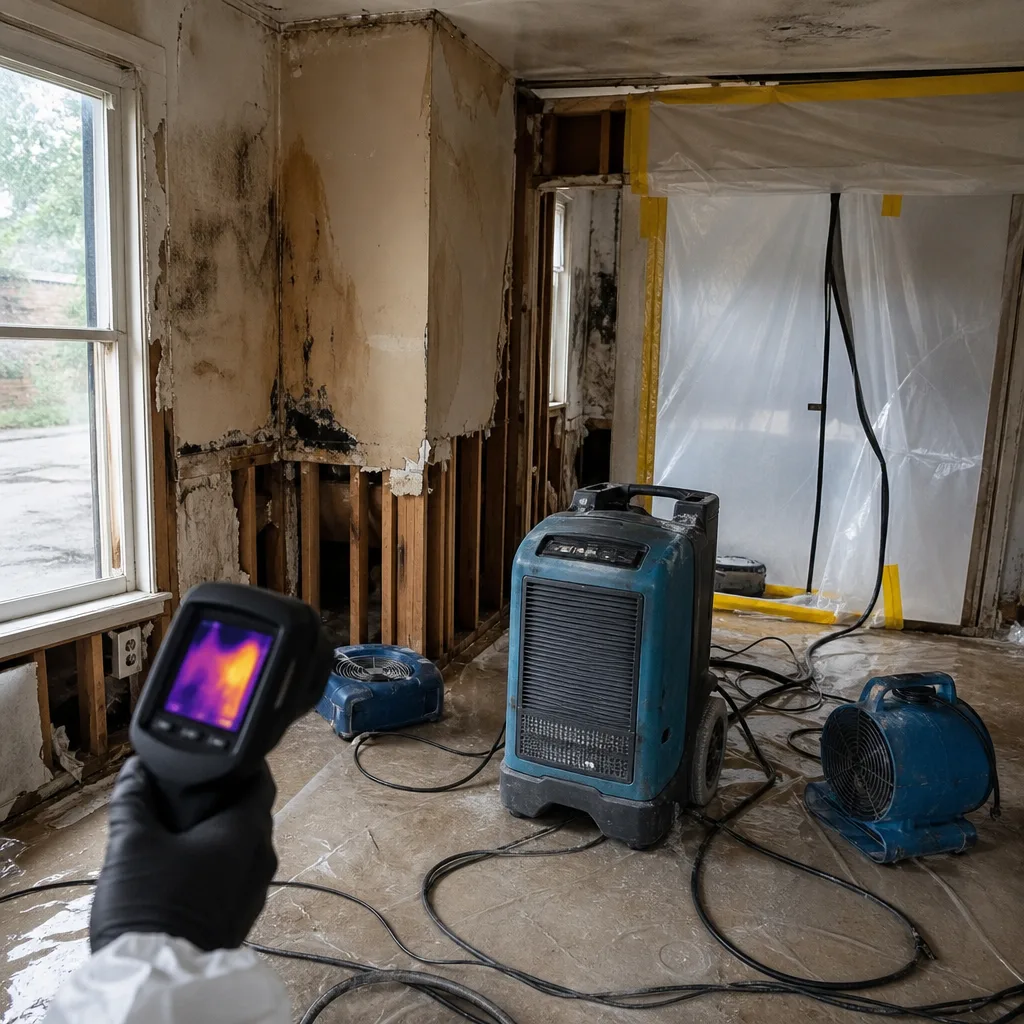
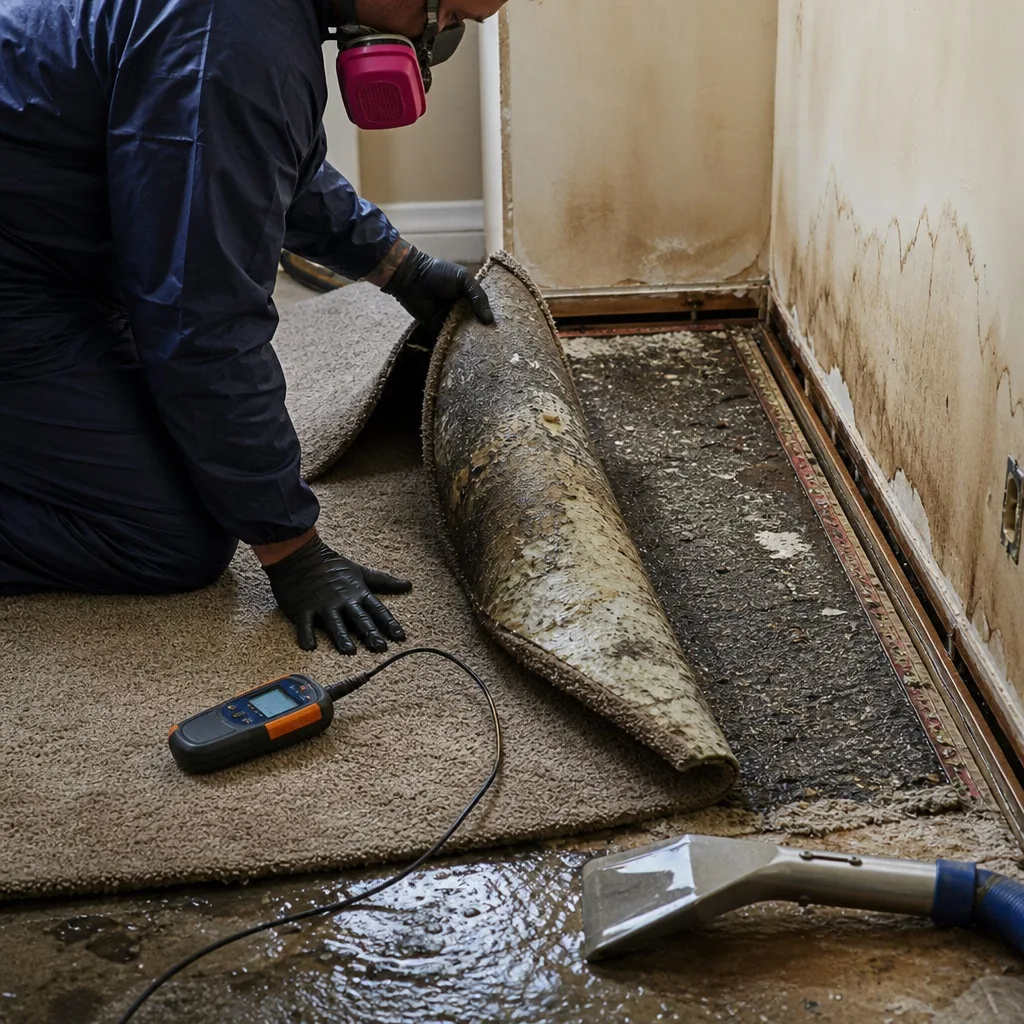
We map moisture with thermal imaging and penetrating hygrometers, classify contamination per IICRC S520 standards, and identify lateral wicking paths through shared brick walls. Every reading is logged. Every photo is timestamped. The written scope we produce becomes your insurance documentation and our work order.
2. Containment & Stabilization
Category 3 jobs in Hoboken’s bowl get polyethylene containment with negative air pressure before demolition begins. We seal HVAC returns, install HEPA air scrubbers rated at 500+ CFM, and establish clean-to-dirty airflow patterns. This isn’t optional here - combined sewer backflow carries fecal coliform, and airborne spore loads during demolition can colonize unaffected units through shared ductwork.
3. Drying & Dehumidification
We deploy Dri-Eaz and Phoenix LGR dehumidifiers with XPOWER and B-Air axial air movers positioned for laminar airflow across wet surfaces. In Hoboken’s masonry construction, we run Injectidry systems to deliver dry air into wall cavities without removing intact plaster. Daily moisture logs track specific humidity until we hit target equilibrium - typically 30-50% RH for 48 consecutive hours.
4. Cleaning & Sanitization
All removed materials are bagged in containment and disposed per NJDEP solid waste regulations. Surfaces get HEPA vacuuming followed by antimicrobial treatment registered for Category 3 biological contamination. We don’t use consumer-grade products here; the concentration and dwell time are specified to the job’s contamination class, not guessed.
5. Black Mold Remediation & Air Quality Restoration
When Stachybotrys or other toxigenic species are present - common in Hoboken’s chronically damp basement units - we extend HEPA air scrubbing, add activated carbon filtration for mycotoxin adsorption, and run post-remediation air sampling through a third-party lab before clearance. Air quality restoration means the space is safe to occupy, not just visibly clean.
6. Repairs & Moisture Control
We rebuild with moisture-resistant materials where code allows, install vapor barriers in crawl spaces, and specify permanent dehumidification or drainage improvements. Every job closes with a written warranty: our 365-Day Done Right Promise under The Haven Standard. If it’s not done right, we make it right.
Need Emergency Mold Remediation in Hoboken Now?
Crews minutes away, answering live 24 hours a day. The sooner we start, the less it costs.
Working With Your Insurance Company
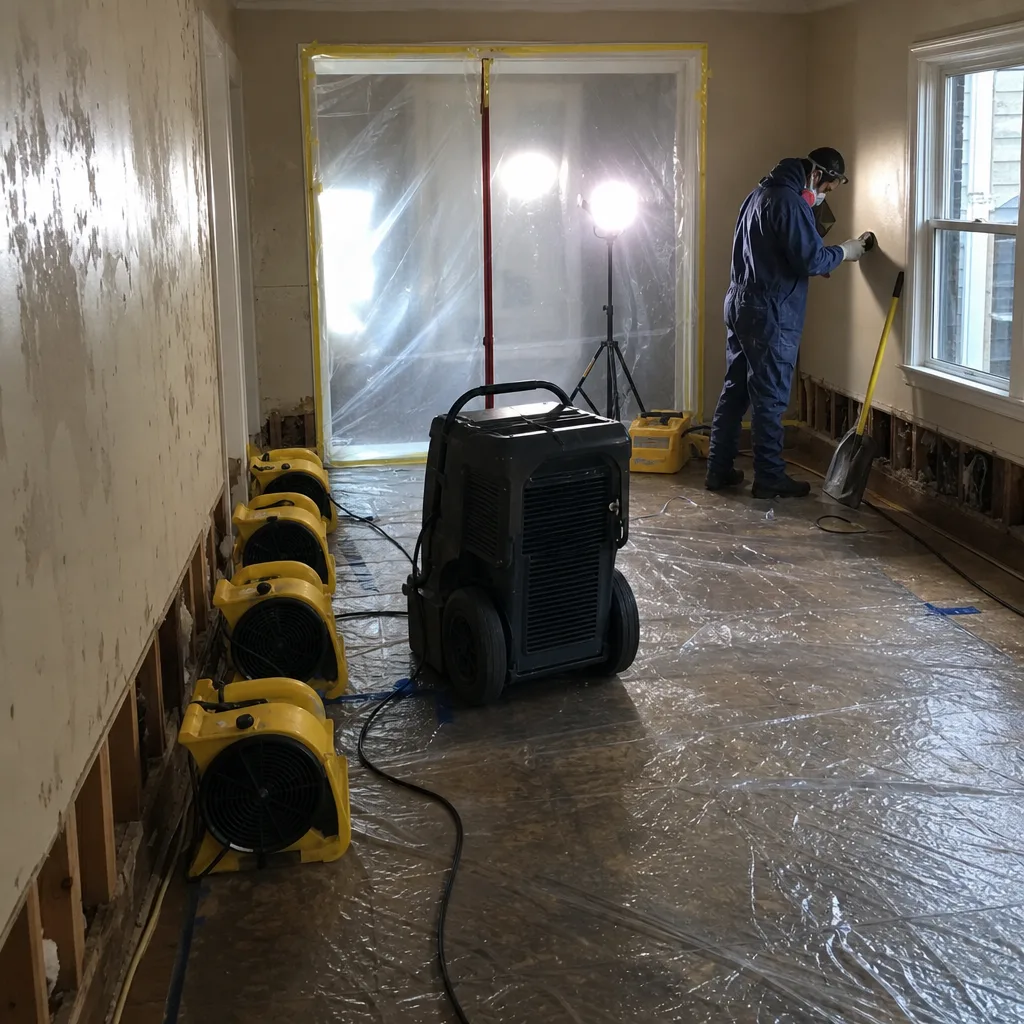
Insurance coverage for mold in Hoboken hinges on documentation quality. Adjusters deny claims when causation is unclear, when drying logs are missing, or when scope creep suggests the contractor padded the job. We solve this from minute one: photo documentation on every visit, moisture readings with equipment serial numbers, daily drying logs signed by the technician, and a detailed line-item scope written before any work starts.
Our estimates follow industry-standard pricing databases. We communicate directly with your adjuster, provide supplemental documentation when hidden damage extends scope, and never ask you to pay out of pocket for covered line items while waiting for carrier approval. For Hoboken condo owners, we coordinate with building management and individual unit policies simultaneously - a common complexity in attached row house buildings with master policies and HO-6 endorsements.
What We Provide Your Insurer
- Thorough documentation of the loss
- Photos of all damage, room by room
- Moisture readings and drying logs
- A detailed, line-item scope of work
- Direct coordination with your carrier
Built for Hoboken’s Loss Calendar
Hoboken’s mold season runs year-round, but the pattern is predictable. January deep freezes burst supply lines in unheated basement utility rooms; when thaw follows, water finds every crack in century-old mortar. Spring thunderstorm season brings the heaviest combined sewer overflow events - May through July, we see the most Category 3 basement floods requiring full mold remediation, not just drying. Summer humidity peaks in August, pushing already-moist masonry above 60% RH and triggering hidden mold in cavities that dried incompletely in spring.
September through November is nor’easter season, and Hoboken’s bowl topography makes this the busiest period. Hudson tidal surge stacks on rainfall, the combined sewer system backs up, and properties that flooded in spring flood again. Many of our Hoboken clients are repeat customers - not because we failed, but because the city’s infrastructure fails them predictably. We maintain equipment staging near Observer Highway and the PATH corridor from September 1 through Thanksgiving.
December brings frozen downspouts and ice dam backups on flat roofs common in 1920s walkups. By then, we’re also responding to mold discovered during pre-holiday inspections - the musty smell a tenant finally reports, the staining behind a radiator that’s been growing since August.
Mold Remediation Across Hoboken’s Neighborhoods
The waterfront blocks east of Sinatra Drive present a distinct profile: newer construction with better drainage but direct exposure to Hudson tidal surge. Mold here usually follows wind-driven rain through window seals or bulkhead failures, not sewer backflow. We see more Category 2 gray water and less biological contamination. The buildings have individual HVAC systems, so containment is simpler but lateral migration through slab connections still demands full moisture mapping.
Washington Street and the blocks immediately west form Hoboken’s commercial spine with residential above. Mixed-use buildings complicate access - we coordinate with retail tenants, building supers, and sometimes the Hoboken Business Improvement District for street-level equipment staging. Mold in these properties often hides above drop ceilings in ground-floor commercial spaces, discovered when a tenant reports a persistent odor.
The central bowl around Observer Highway, the PATH station, and the blocks between Washington and Willow is where our field vignette repeats. After a nor’easter pushed Hudson tidal surge through the combined sewer, we got a call from a 1900s brick walkup near Observer Highway where the basement had taken on sewage-laced backflow. Our techs pre-staged PPE and an antimicrobial treatment before moisture mapping showed the contamination had wicked two feet up the shared party wall. We built containment, pulled the saturated drywall, and ran Dri-Eaz dehumidification with Phoenix air movers to dry the structural cavity - a straightforward extraction in Weehawken, but a Category 3 biohazard protocol here.
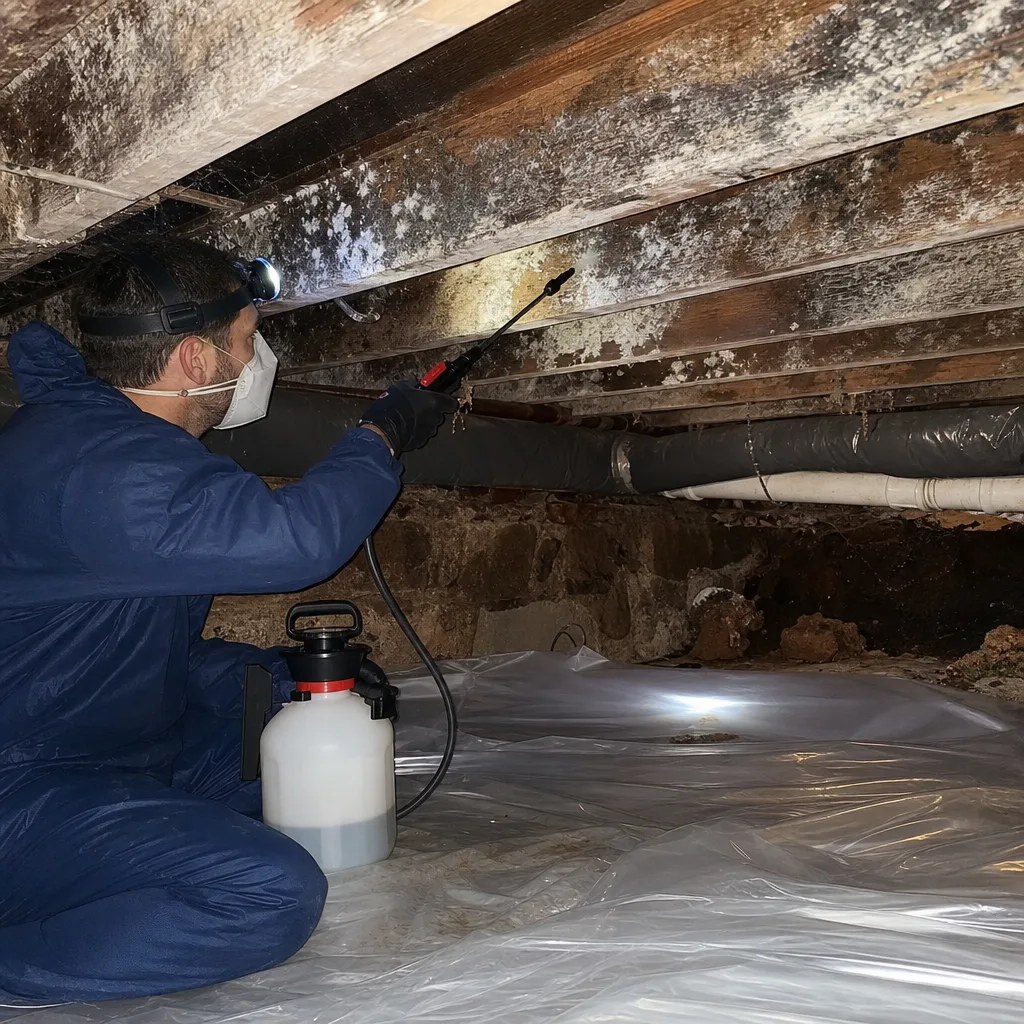
Uptown Hoboken, north of 14th Street toward Weehawken, sits slightly higher and drains marginally better. Mold here follows chronic humidity in unfinished basements and crawl spaces more than acute flooding. We specialize in crawl space treatment and permanent moisture control in this zone, installing vapor barriers and dedicated dehumidification systems that prevent recurrence.
Specialized Mold Remediation Services We Offer in Hoboken
Mold Inspection & Testing
We start with moisture mapping and air sampling, not guesswork. In Hoboken’s shared-wall buildings, we inspect adjacent units even when no visible mold is reported - lateral wicking through party walls means the source unit and the affected unit are often different. Our Mold Remediation team documents every reading to IICRC and RIA standards.
Mold Removal
Removal means controlled demolition within containment, HEPA vacuuming, and antimicrobial treatment of remaining structural materials. In Hoboken’s dense housing, we coordinate with multiple owners or tenants when party walls are involved. Skipping a full scope across all affected units leaves mold a bridge back into the dried side.
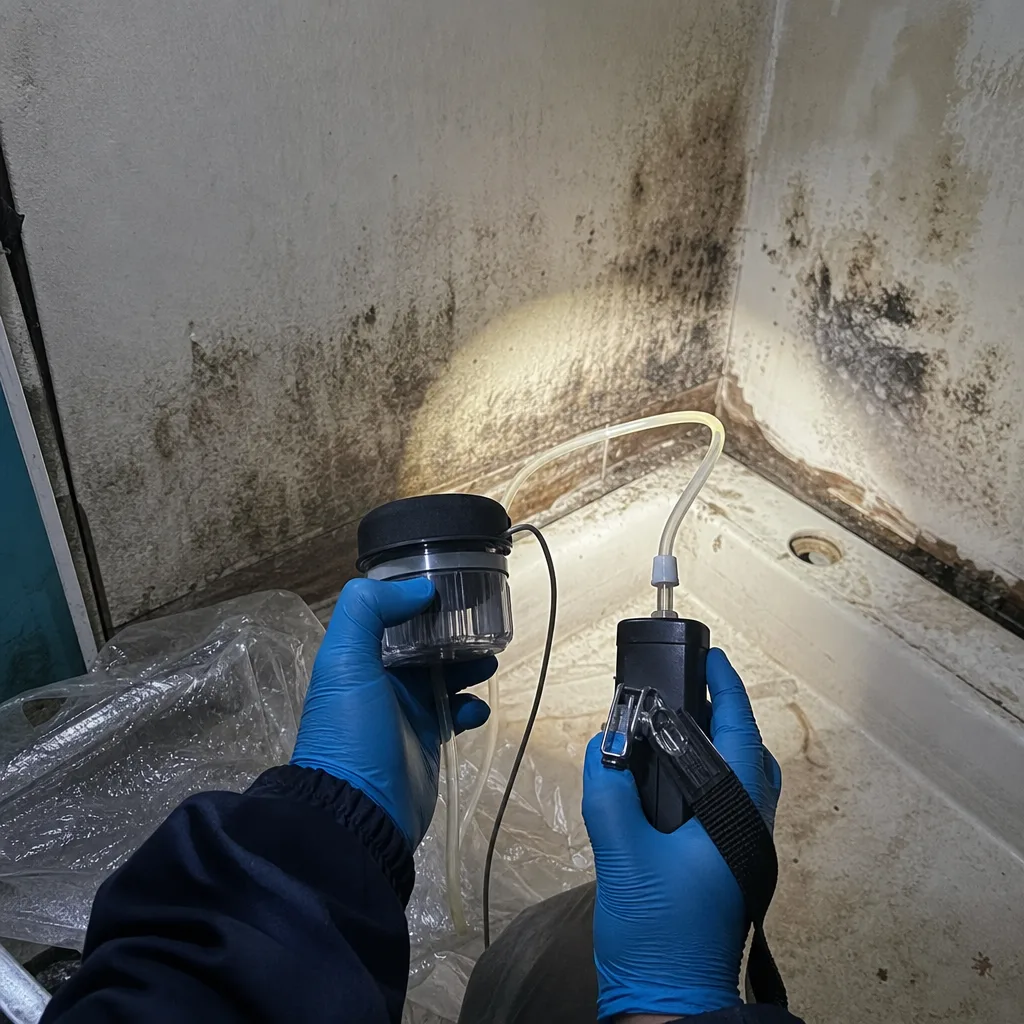
Black Mold Remediation
Stachybotrys and other toxigenic species require extended air scrubbing with activated carbon stage, surface removal rather than cleaning of porous materials, and third-party clearance testing. Hoboken’s Category 3 floods create ideal conditions for black mold in basement cavities; we treat every bowl-area job as a potential biological hazard until testing proves otherwise.
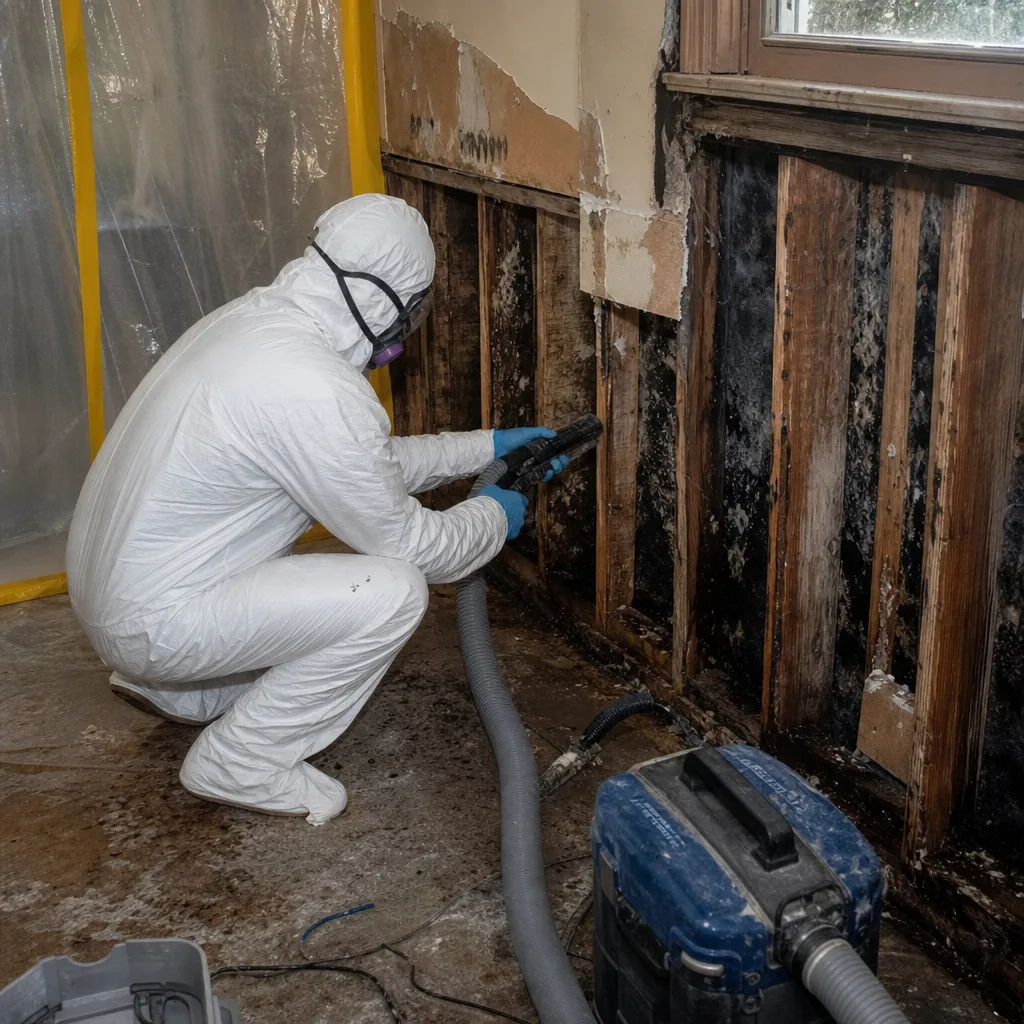
Air Quality Restoration
Post-remediation, we run continuous HEPA filtration until airborne spore counts match outdoor baseline. For Hoboken apartments with shared ventilation, we verify clean air in adjacent units too. Occupancy clearance requires documented evidence, not technician judgment.
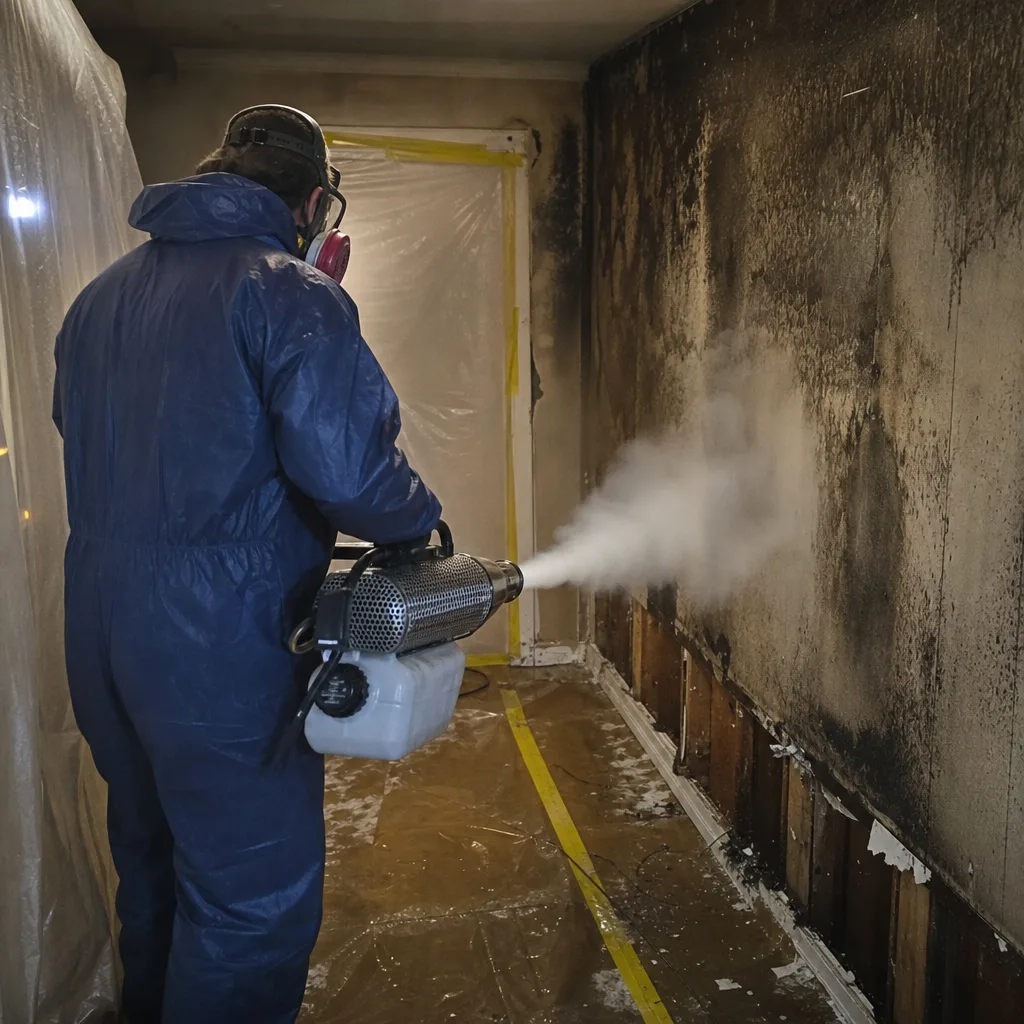
Crawl Space Treatment
Uptown Hoboken’s older homes and commercial buildings with crawl spaces suffer chronic moisture accumulation. We install vapor barriers, seal foundation vents, and specify dedicated dehumidification sized to the cubic volume. Without this, mold returns regardless of how well the initial remediation was performed.
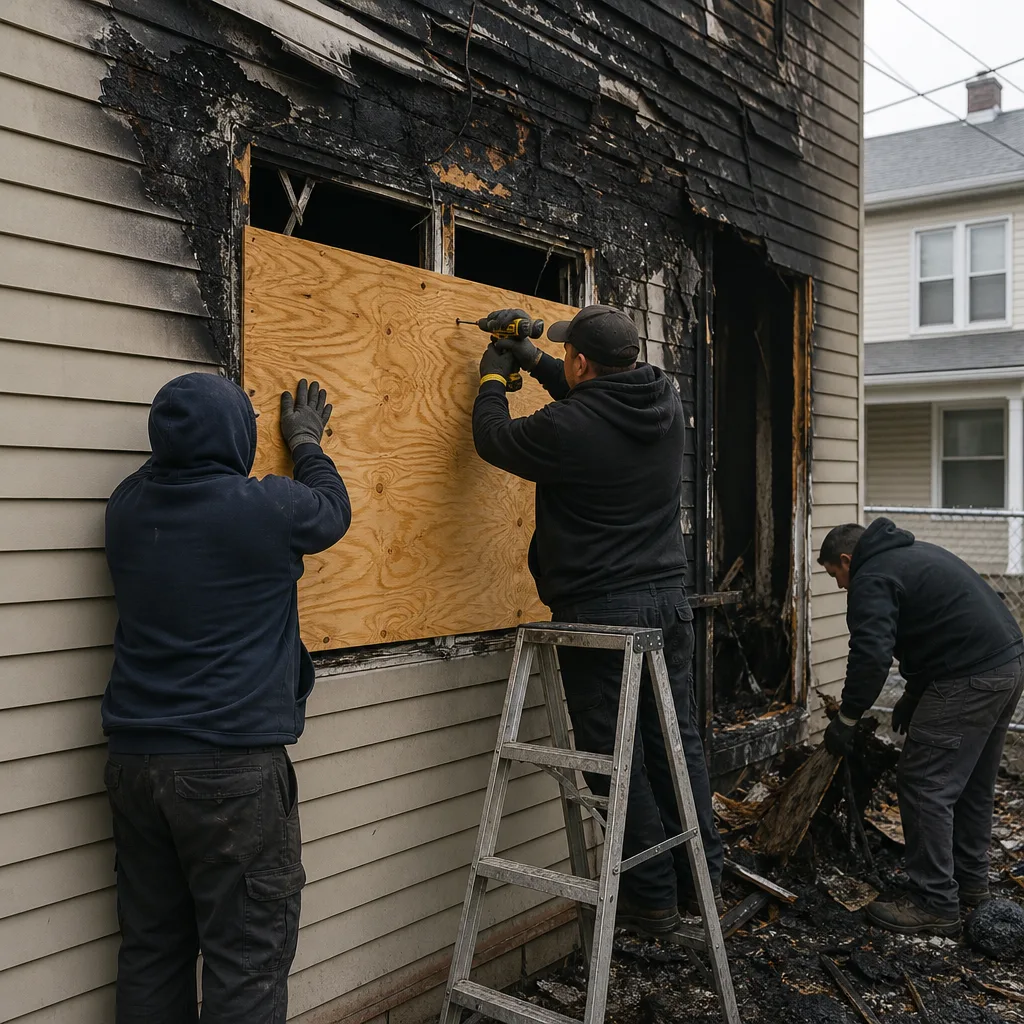
Moisture & Humidity Control
Permanent control is the only prevention in Hoboken’s climate. We specify equipment by load calculation - not rule-of-thumb - and warranty the installation under The Haven Standard. For properties with repeat flood history, we coordinate with waterproofing contractors on drainage improvements.
What happens when you call
- 1
A real person answersNo phone trees - you reach a local pro.
- 2
You get an upfront price rangeHonest numbers before anyone is dispatched.
- 3
A background-checked tech heads outLicensed & insured, dispatched right away.
- 4
You approve before work beginsNothing starts until you say go.
Mold Remediation Costs in Hoboken, NJ
A typical contained mold remediation in Hoboken - single room, Category 1 or 2 water source, no structural removal beyond drywall - runs $2,800-$4,500. Jobs requiring full containment for Category 3 biological contamination, with removal of plaster, lathe, and insulation from shared party walls, range $6,500-$12,000. Whole-unit or multi-unit row house projects with third-party air quality restoration and clearance testing can reach $15,000-$18,000.
What moves the price: contamination class (clean water vs. sewer backflow), affected square footage, whether lateral wicking into adjacent units expands scope, and whether structural materials can be dried in place or must be removed. Insurance typically covers mold remediation when it results from a sudden, documented water loss - burst pipe, storm intrusion, or sewer backup with applicable endorsement. Long-term humidity damage without a triggering event is usually excluded.
We don’t quote by phone. Every job gets a free visual inspection, moisture mapping, and written scope with firm pricing before any work starts - Haven Standard, Clause 1. Bring a competitor’s written estimate; we’ll provide a free second opinion.
We Also Serve Cities Near Hoboken
Our crews respond throughout Hudson County from our Hoboken service area, including Union City to the north with its similar dense row house stock, Jersey City to the south and west where building ages and flood patterns vary by neighborhood, Secaucus with its commercial and marsh-adjacent residential exposure, and Kearny with its mix of industrial-era housing and newer construction. Each city gets the same documentation-first approach, adjusted to local conditions.
Serving Hoboken, NJ - Our Local Coverage Area
We’re based in the Hoboken area and know this community well. Use the map below to see our service coverage - if you’re nearby, we can almost certainly help.
Hoboken Mold Remediation Questions, Answered
Why does mold in Hoboken basements often require black mold remediation instead of a standard dry-out?
Because Hoboken’s combined sewer system backs up into the same bowl that holds floodwater, so mold jobs in the low center routinely start as Category 3 black-water events, forcing full containment and removal rather than a dry-out a few blocks up the hill. Standard drying assumes clean water; sewer backflow carries biological contamination that penetrates porous materials beyond surface cleaning. We test for fecal coliform and treat accordingly. Call (862) 298-5256 for inspection and written scope.
How fast does mold start after a flood in a Hoboken row house?
Mold colonization begins in 24-48 hours on organic surfaces with moisture content above 20% and relative humidity sustained above 60%. In Hoboken’s brick row houses, shared party walls wick moisture laterally within hours, so the clock starts immediately, not when visible water appears. Our 45-minute response commitment exists because of this timeline. Call (862) 298-5256 - we answer live 24/7.
Does my Hoboken flood insurance or condo association cover mold remediation after a sewer backup?
Coverage depends on your policy endorsements and the master policy for condo buildings. Standard flood insurance through NFIP covers mold remediation up to policy limits if the mold is directly caused by a covered flood event. Sewer backup requires a specific endorsement on most HO-3 policies. Condo master policies typically cover common elements; your HO-6 covers your unit’s interior. We document causation and coordinate directly with your adjuster to establish coverage. Call (862) 298-5256 - we’ll review your situation at no charge.
Will opening windows after a Hoboken storm help dry my apartment and stop mold?
Usually not, and often it makes things worse. Hoboken’s summer humidity averages 70%+, and opening windows introduces moisture-laden air into a wet structure. In winter, cold outdoor air drops surface temperatures below dew point, causing condensation on interior walls. Controlled drying requires dehumidification, not ventilation. We use psychrometric calculations to determine when outdoor conditions actually help. Call (862) 298-5256 for proper moisture control.
If my neighbor’s unit flooded, can mold spread into mine through the shared brick wall?
Yes, and it happens faster than most property owners expect. Hoboken’s 1880-1925 brick party walls have no vapor barrier; moisture wicks laterally at measurable rates, and airborne spores migrate through gaps in mortar, electrical penetrations, and baseboard voids. We always inspect adjacent units when a shared wall is involved, and we coordinate multi-unit scopes to prevent recontamination. Call (862) 298-5256 - we’ll assess the full affected area.
How long does mold remediation take in a typical Hoboken apartment?
Contained single-room jobs: 3-5 days including drying and air scrubbing. Category 3 jobs with full containment, removal, and reconstruction: 7-14 days. Multi-unit row house projects with third-party clearance testing: 2-3 weeks. Timeline depends on contamination class, material removal requirements, and whether adjacent units expand scope. We provide a written schedule with the scope. Call (862) 298-5256 for your specific timeline.
Can we stay in the home during mold remediation?
For contained Category 1 or 2 jobs in a single room, often yes, with containment separating the work area. For Category 3 biological contamination, whole-unit jobs, or when toxigenic species are present, we recommend temporary relocation until clearance testing confirms safe airborne levels. We specify this in the written scope before work starts, not as a surprise mid-job. Call (862) 298-5256 to discuss your situation.
What certifications should a mold remediation company have in New Jersey?
IICRC AMRT (Applied Microbial Remediation Technician) is the core credential for mold work. WRT (Water Damage Restoration Technician) ensures proper moisture control. New Jersey requires no state license specifically for mold remediation, but reputable contractors carry general liability and pollution liability insurance, and technicians should be background-checked and documented. Our crews hold AMRT, WRT, and FSRT certifications; all work follows IICRC S520, RIA, and IFA guidelines. Call (862) 298-5256 to verify credentials.
Call (862) 298-5256 for emergency mold remediation in Hoboken. We answer live 24 hours a day, provide free visual inspections with documented moisture readings, and deliver a written price before any work starts - Haven Standard, Clause 1. Every job carries our 365-Day Done Right Promise backed by The Haven Standard.
Written by Alicia Brennan, Owner at Back to Dry Restoration, serving Hoboken since 2011.
Mold Remediation in Nearby Areas