Free visual inspection and a written scope of work before any mitigation begins - photos, moisture readings, and drying logs go in your claim file
The scope we write is the scope we bill. Anything new gets shown to you, in writing, before we touch it.
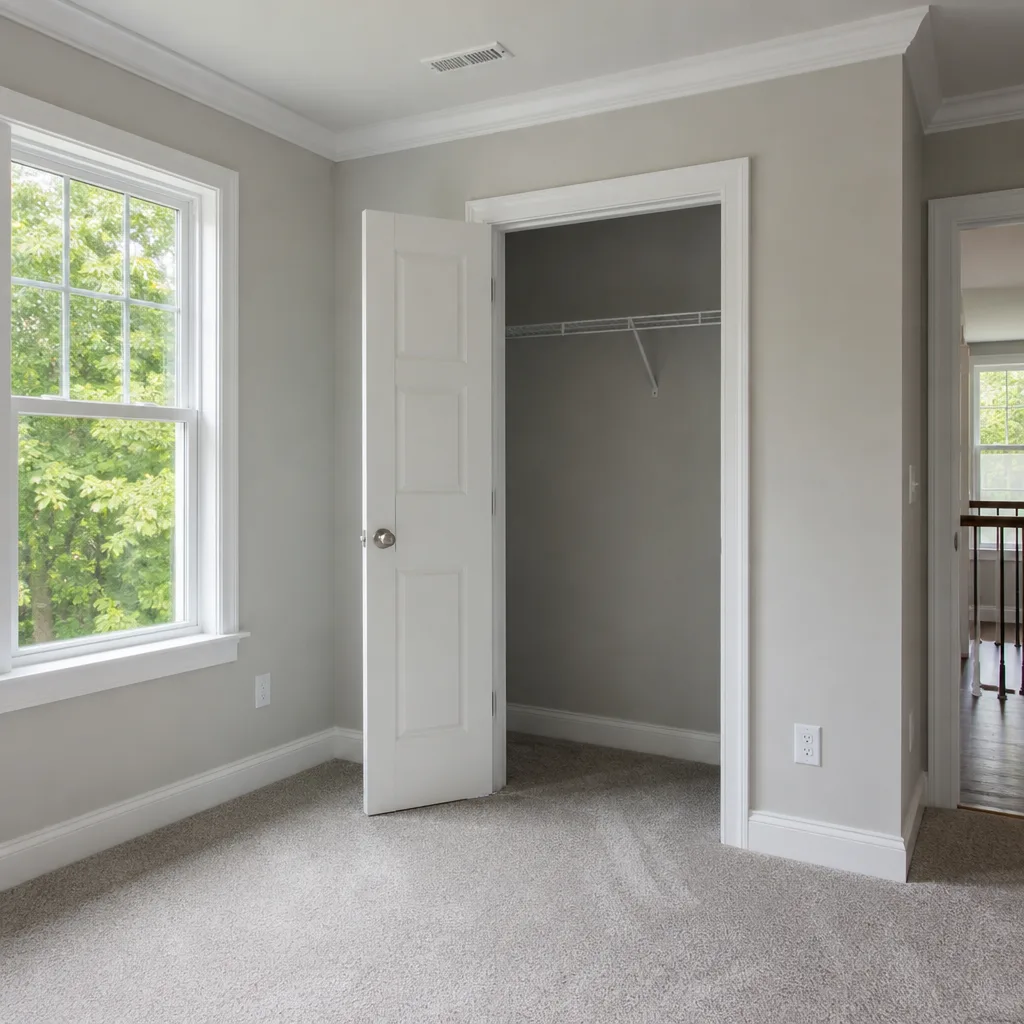
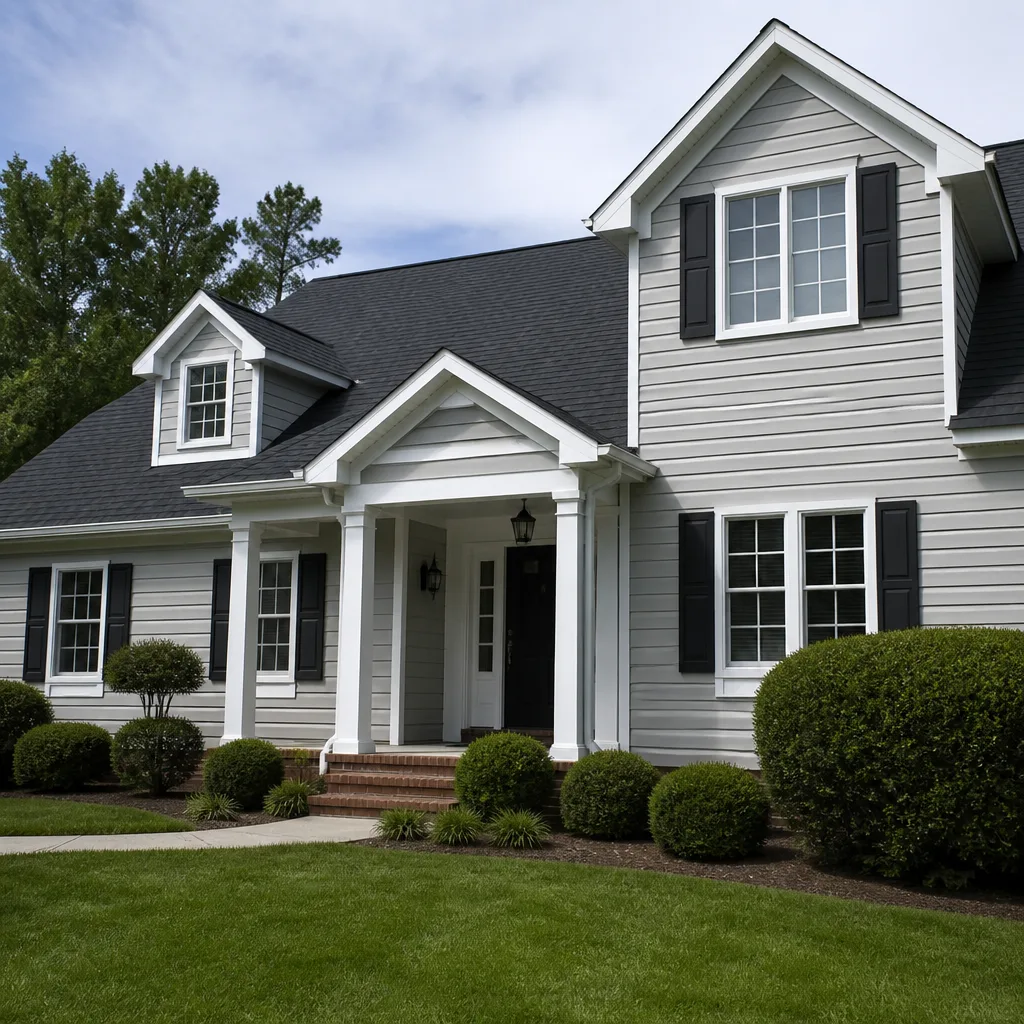
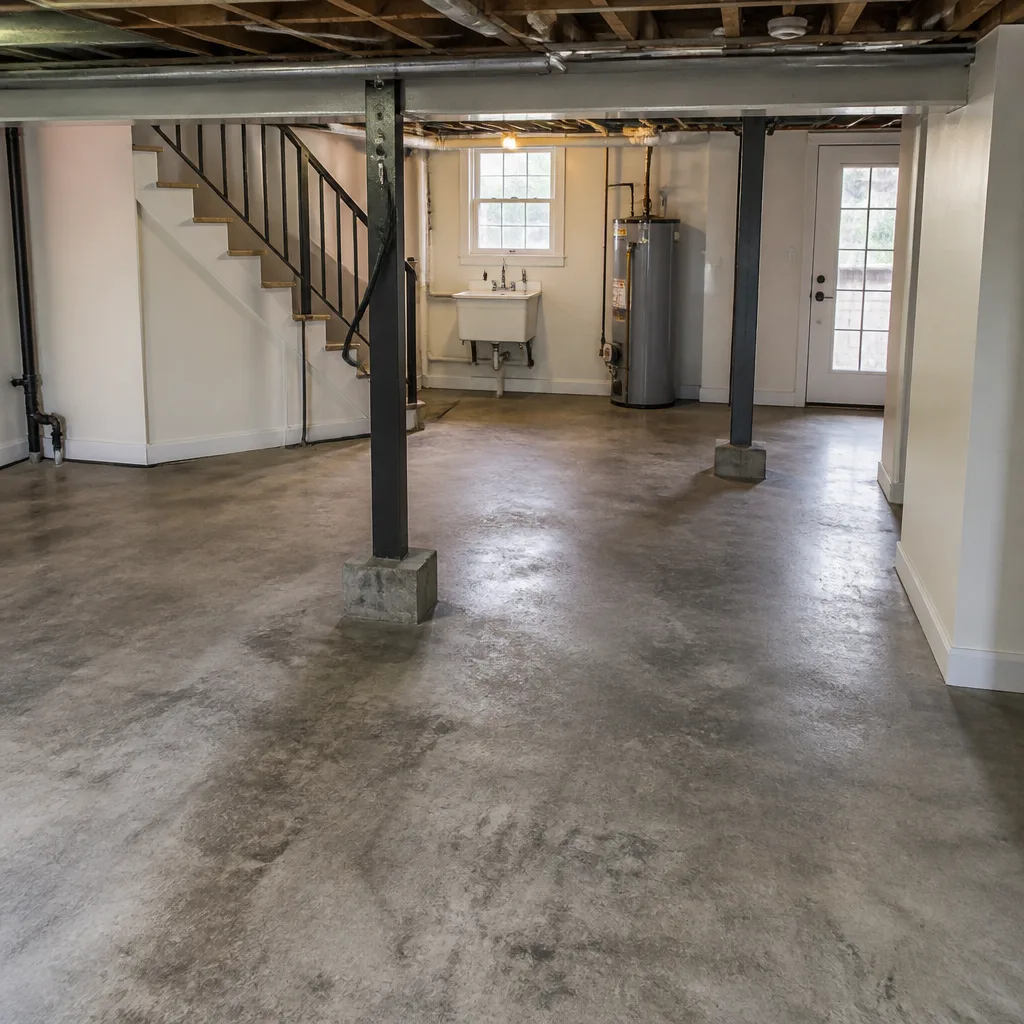
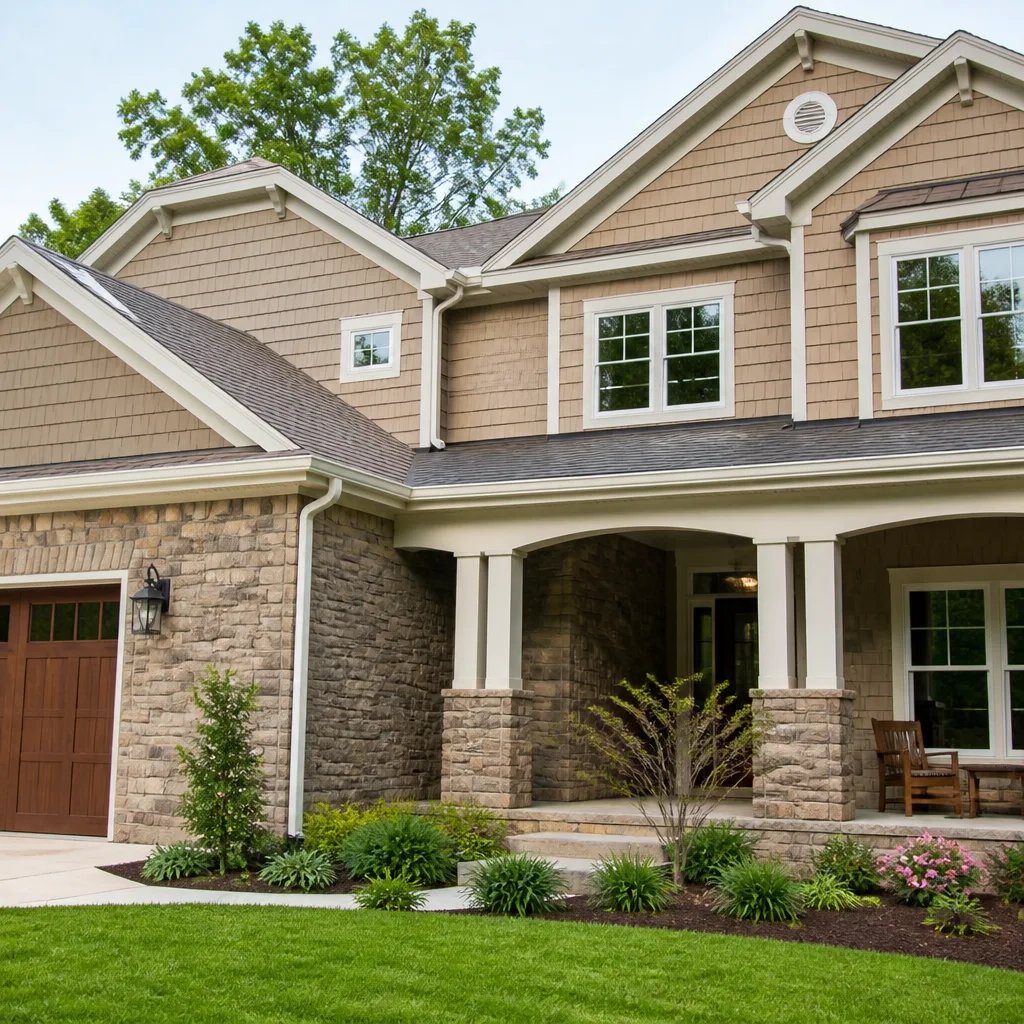
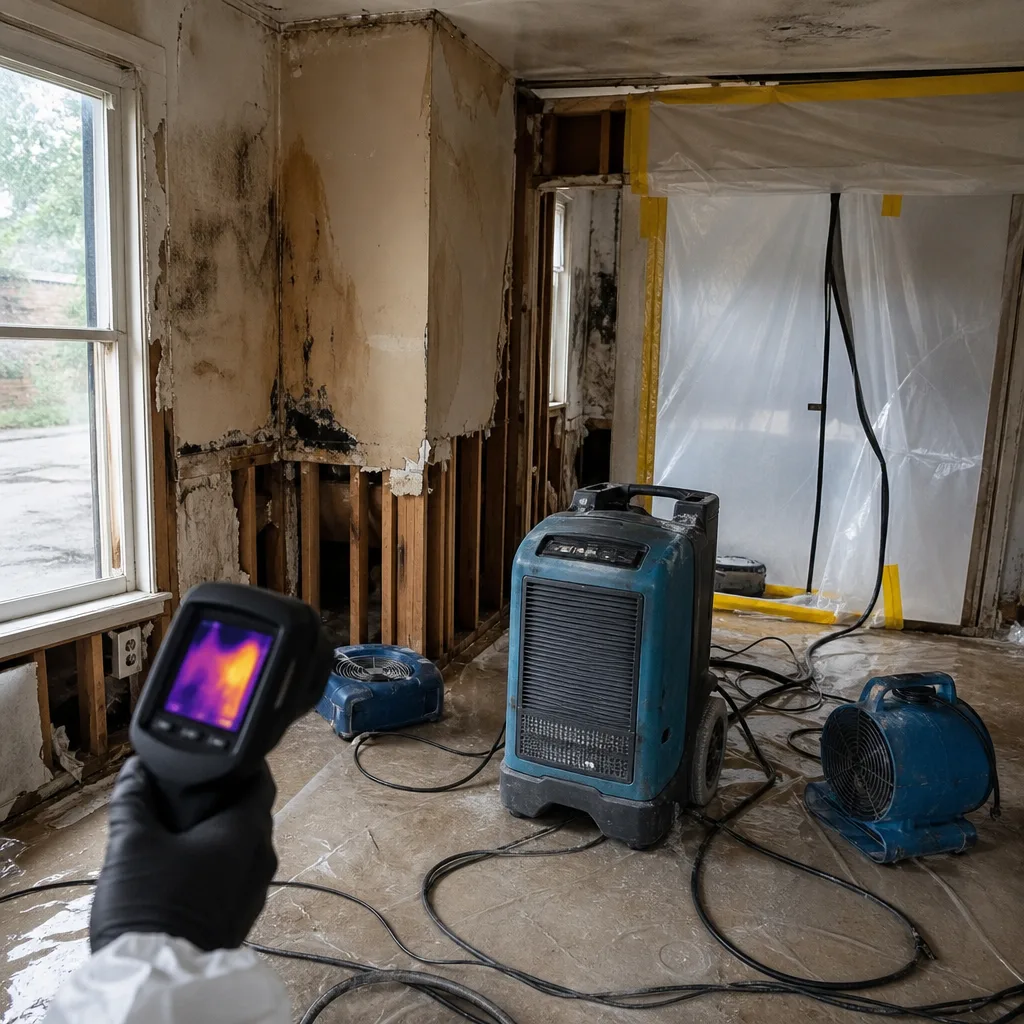 Before
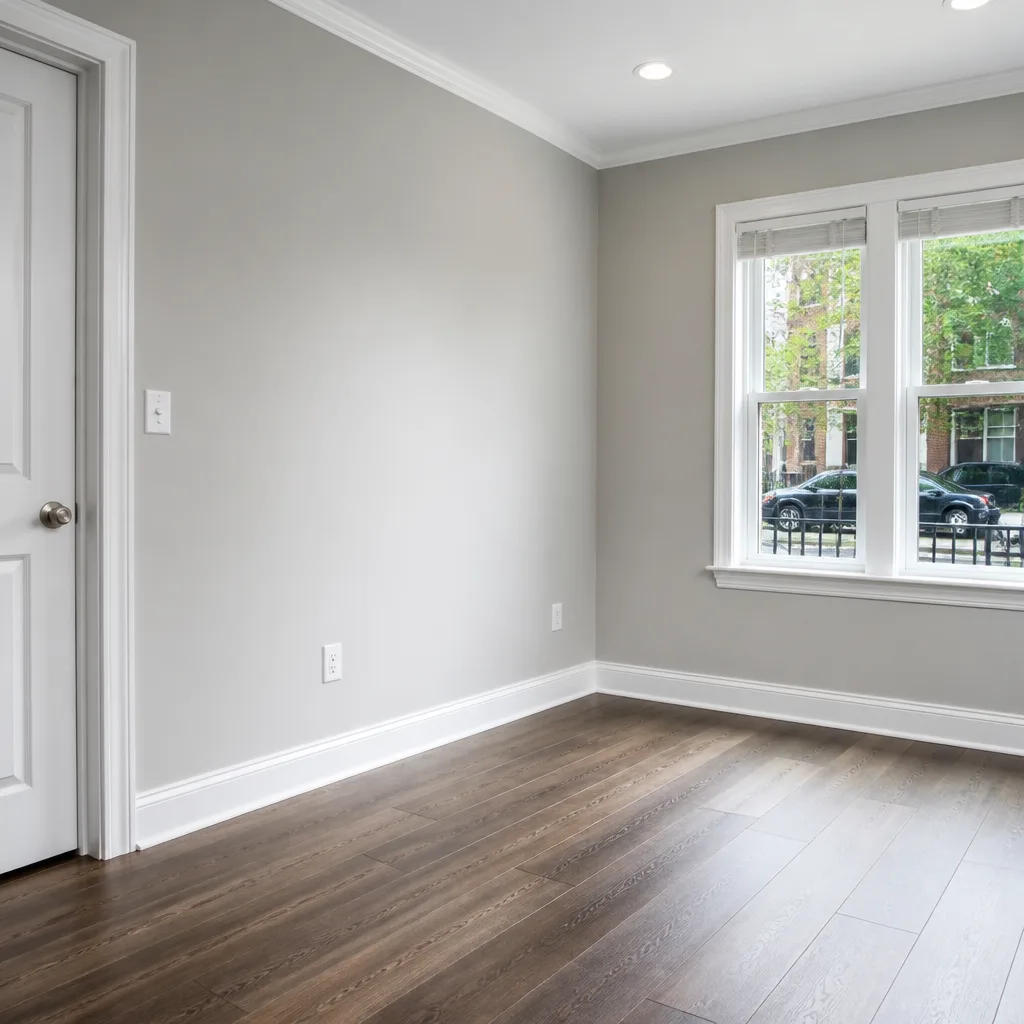 After
After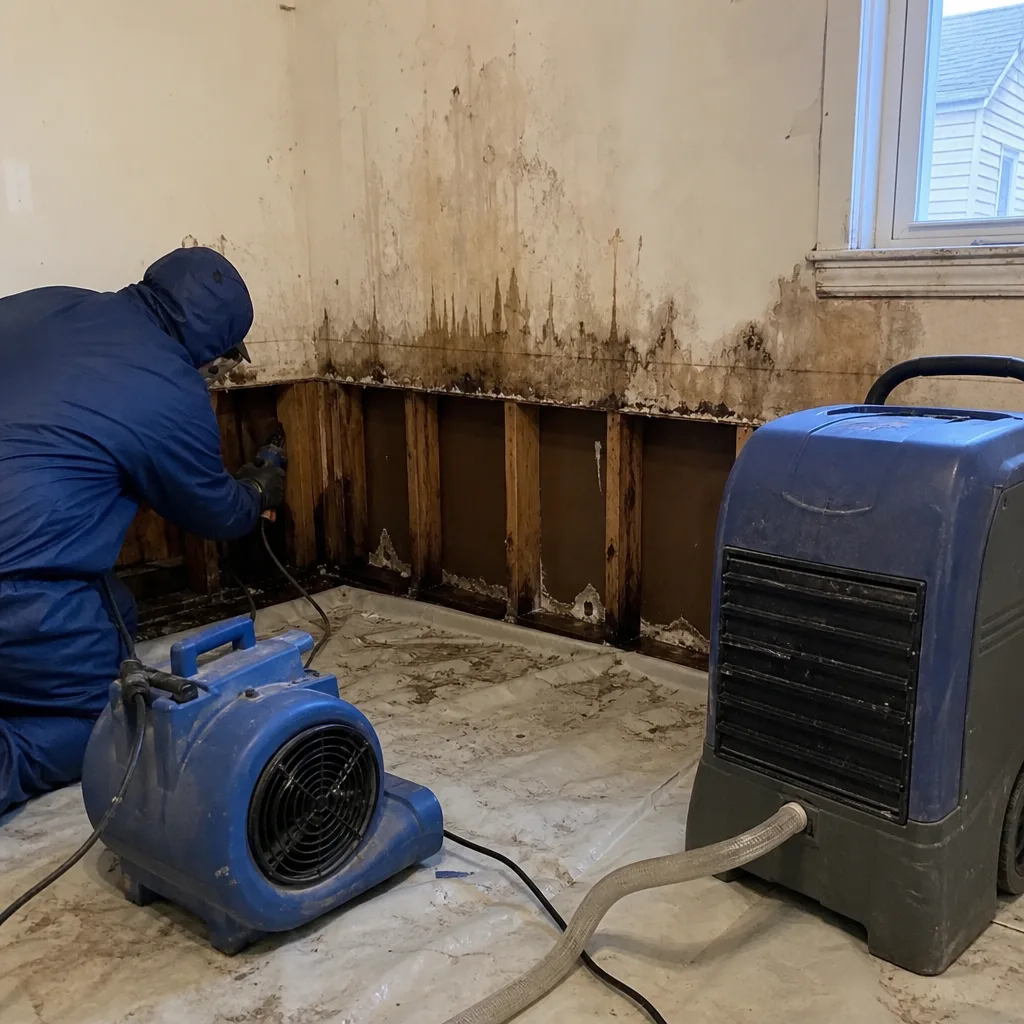 Before
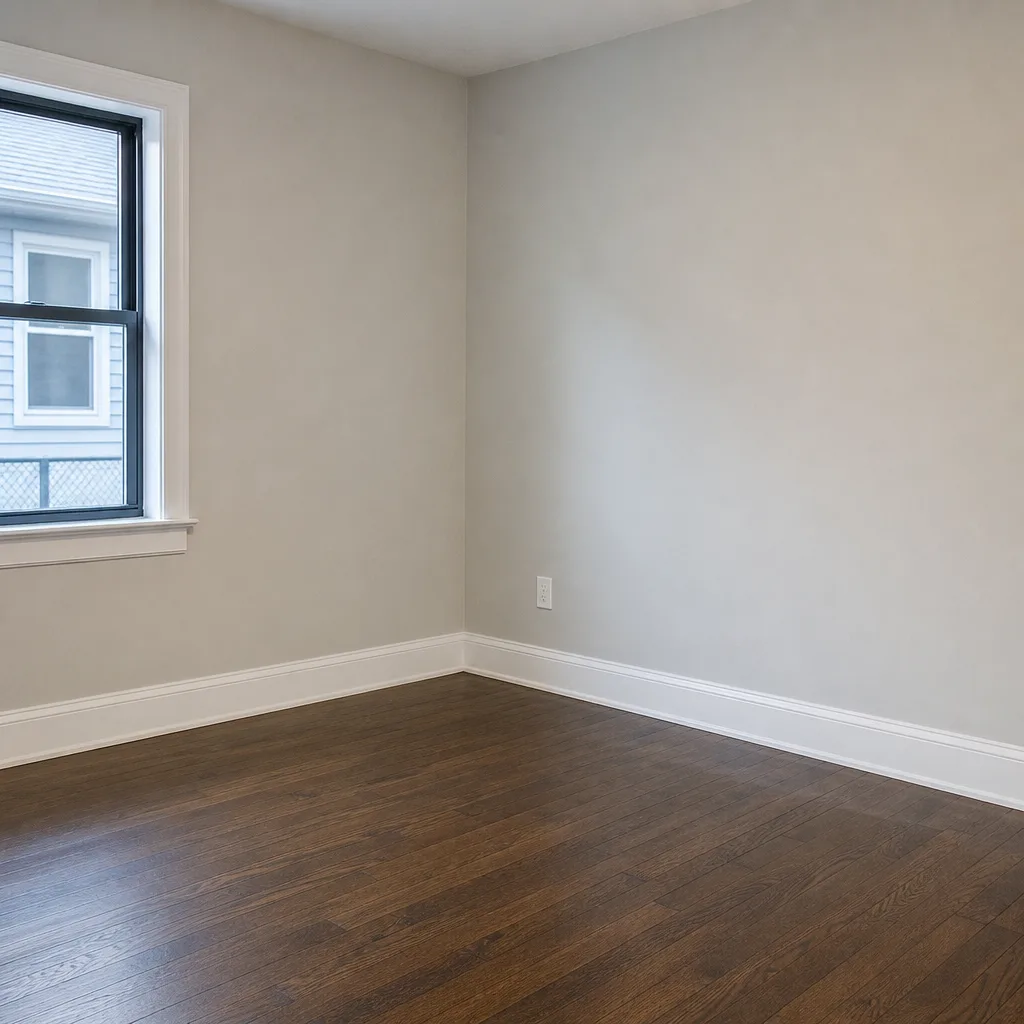 After
After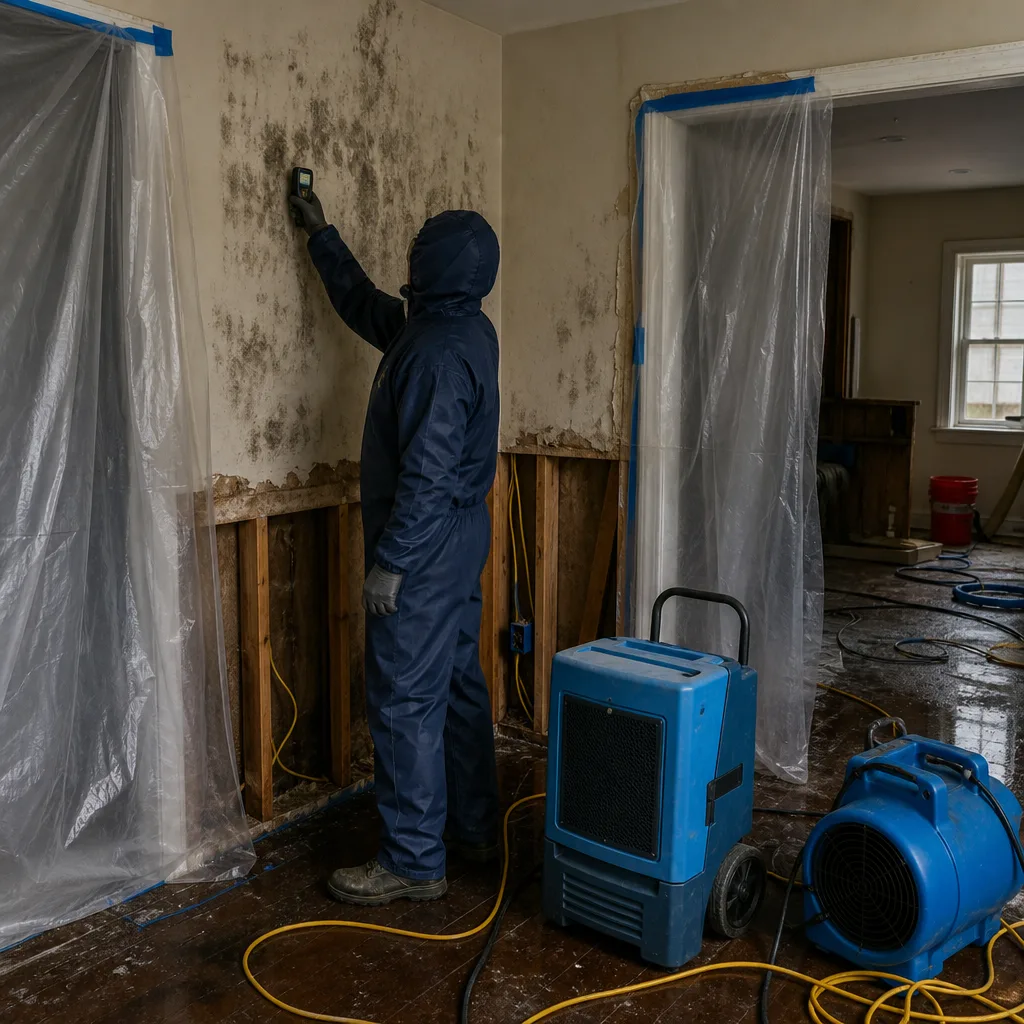 Before
 After
After24/7 Emergency Mold Remediation in Harrison
Mold remediation in Harrison, NJ typically runs $2,800-$8,500 for a standard basement or crawl space, with Category 3 black-water flood jobs starting higher due to removal, PPE, and documented disposal requirements. Most Harrison properties need containment and air scrubbing within 24-48 hours of water intrusion to prevent colonization. Call (862) 298-5256 now; we answer live, 24 hours a day, 7 days a week, and our crews are dispatched from our metro-area coordination office with Harrison response routes already mapped.
The first hour matters because mold spores activate within 24-72 hours of moisture contact, but in Harrison’s early-1900s brick row homes with below-grade finished basements, that timeline compresses. Original mortar joints wick water slowly, then hold it. By the time you smell mustiness, the colony is established behind baseboards and inside wall cavities. Our Mold Remediation team starts with a free visual inspection, moisture mapping, and a written scope before any work begins - Haven Standard, Clause 1.
Understanding Mold Remediation Severity in Harrison Properties
We classify every Harrison mold loss by contamination level, water category, and affected material class. Category 1 water - a clean supply line break - rarely stays Category 1 in a Harrison basement. The combined storm-sewer system surcharges during Passaic River crests, introducing sewage, chemicals, and pathogens. That shifts the job to Category 3 black water, which changes everything: porous materials like drywall, insulation, and carpet pad must be removed and documented for disposal, not dried in place.
Containment barriers of 6-mil polyethylene isolate the work zone. Negative air pressure, maintained by HEPA-filtered air scrubbers, prevents cross-contamination to occupied spaces. We log psychrometric data - temperature, relative humidity, and vapor pressure differential - to prove the drying environment is controlled, not guessed. Tertiary drying targets the bound moisture in structural materials that primary air movers cannot reach.
Harrison’s housing stock compounds the challenge. Two- and three-family brick row homes built between 1900 and 1930 have plaster-over-lath walls, balloon framing, and crawl spaces with dirt floors and stone foundations. These assemblies trap moisture differently than modern platform framing. A moisture meter reading of 16% on pine framing might be acceptable in new construction; in Harrison’s old-growth timber, it signals active wicking from deteriorated mortar joints.
Why Harrison Property Owners Choose DryMark Restoration Jersey City
- 45-minute response commitment to Harrison properties from our metro-area dispatch, with crews staged for Passaic River corridor routes.
- 24/7 live answer - a real person, never an automated system or voicemail tree, on every call at (862) 298-5256.
- IICRC-certified crews holding WRT (Water Damage Restoration Technician), AMRT (Applied Microbial Remediation Technician), and FSRT (Fire & Smoke Restoration Technician) credentials.
- Free visual inspection with moisture mapping and photo documentation before any scope or price is discussed.
- Direct insurance billing with adjuster coordination, daily drying logs, and line-item estimates that carriers recognize and pay.
- One team from microbial remediation through reconstruction - no handoffs to unknown subcontractors, no gaps in documentation.
BeforeAfterOur Mold Remediation Process
1. Inspection & Assessment
We arrive with thermal imaging cameras, penetrating and non-penetrating moisture meters, and hygrometers. In Harrison, we pay particular attention to original mortar joints, legacy waterproofing patches, and the transition zones where brick meets concrete slab - these are where moisture hides and mold follows.
2. Containment & Stabilization
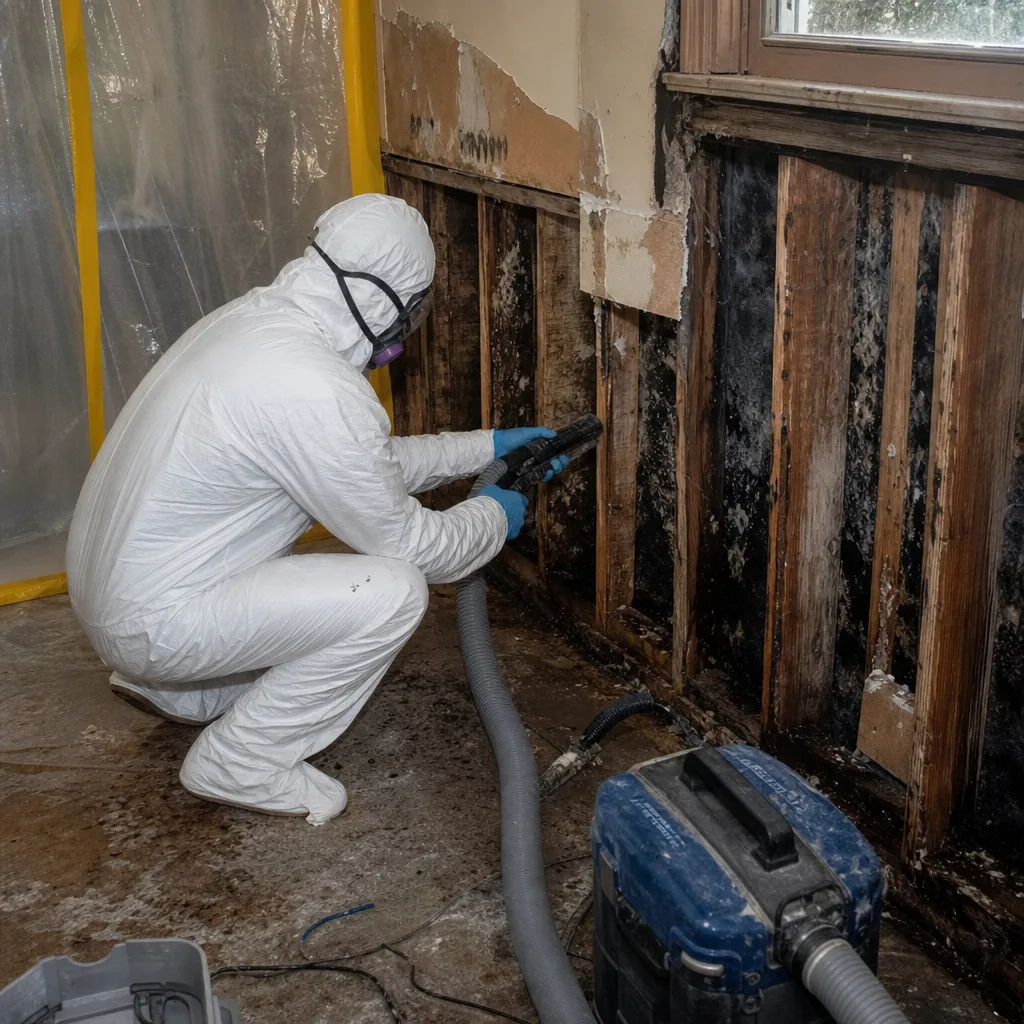
6-mil poly barriers seal the work zone. Negative air machines with HEPA filtration run continuously. For Category 3 losses, our technicians wear full PPE including respirators, and all removed materials are bagged, labeled, and documented for regulated disposal.
3. Drying & Dehumidification
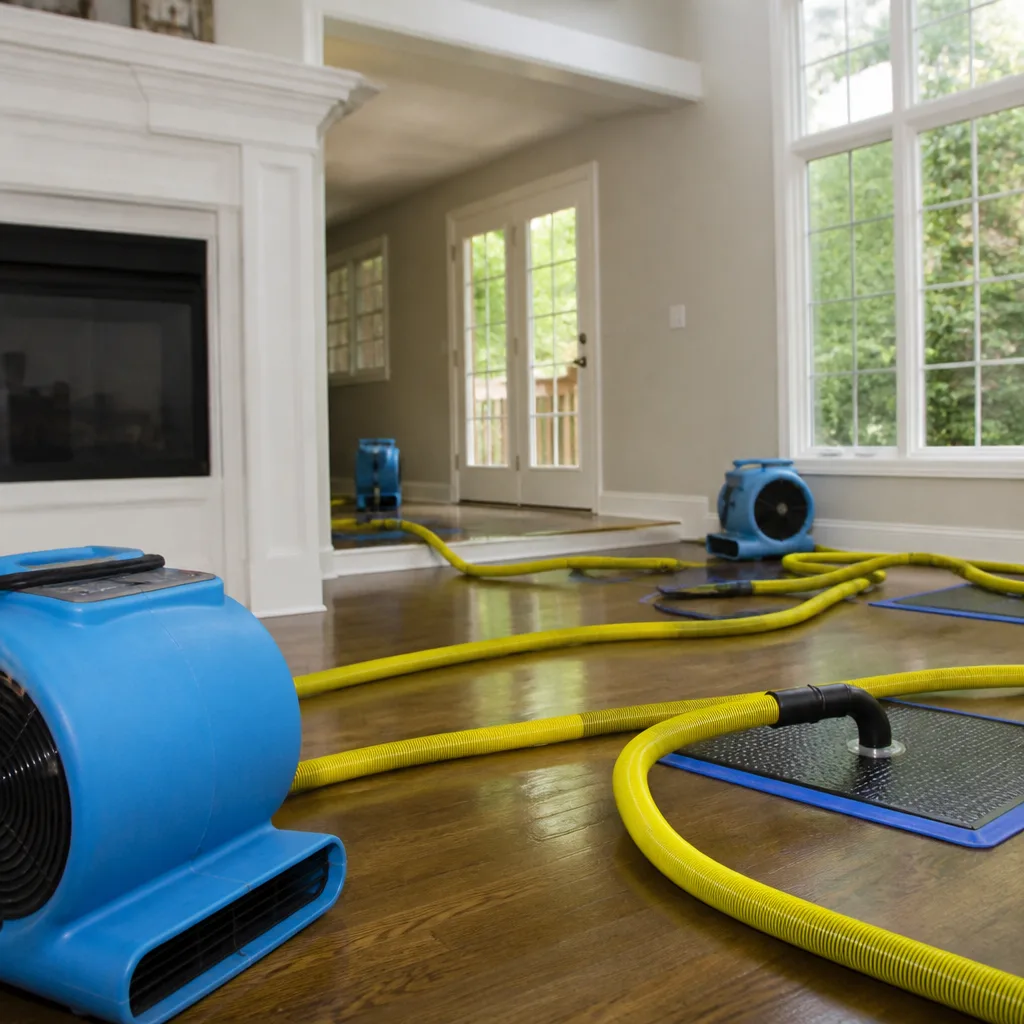
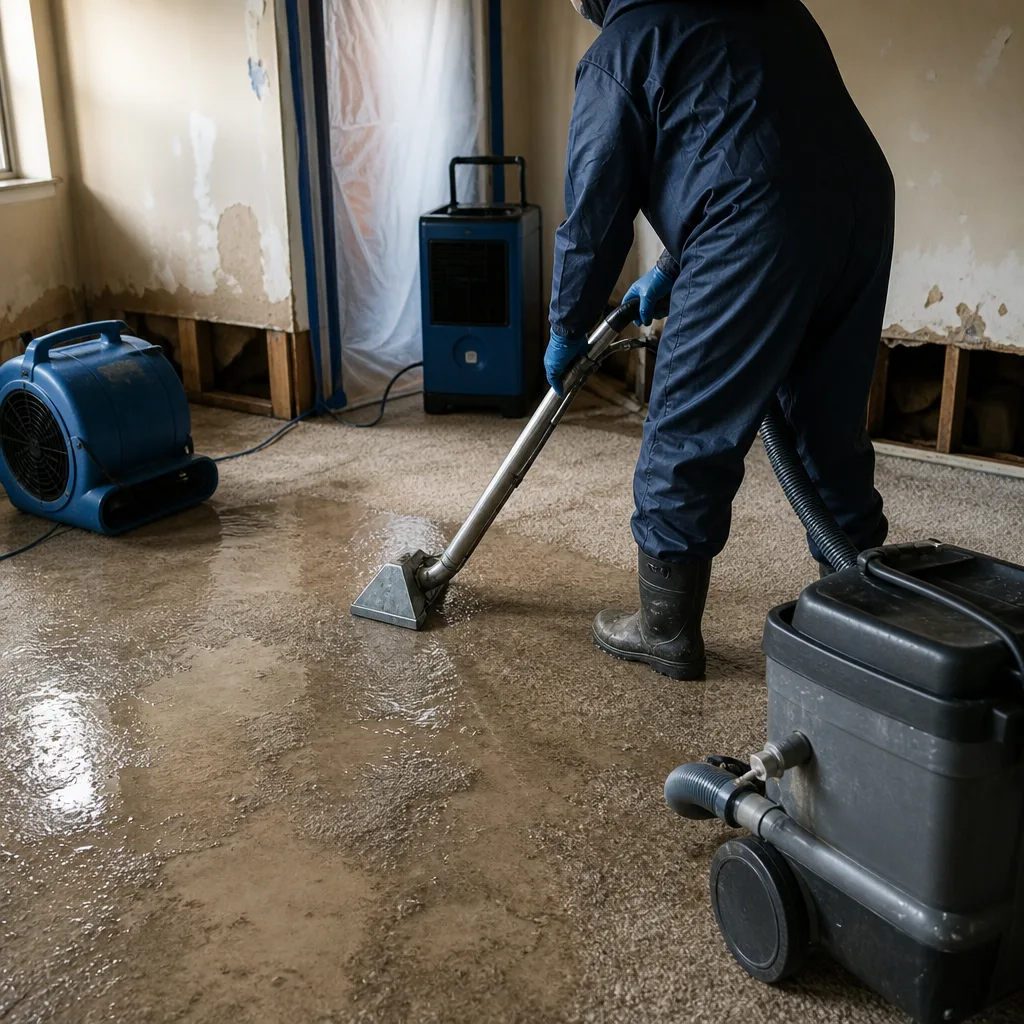
We deploy Dri-Eaz and Phoenix LGR dehumidifiers, XPOWER and B-Air air movers, and Injectidry systems for wall-cavity drying. Daily moisture logs track specific materials - framing, subfloor, masonry - until readings stabilize within IICRC drying standards. In Harrison, this often takes longer than the calendar suggests because river-saturated masonry wicks for days.
4. Cleaning & Sanitization
HEPA vacuuming removes settled spores. Antimicrobial treatment, selected for the material class and contamination level, addresses remaining biological load. We document application rates and dwell times for the adjuster’s file.
5. Air Quality Restoration & Clearance
Air scrubbers run through remediation and beyond. Post-remediation, we recommend third-party clearance testing: air samples compared to outdoor baselines, surface sampling where indicated. No clearance, no rebuild - that’s how we prevent the callback.
6. Repairs & Restoration
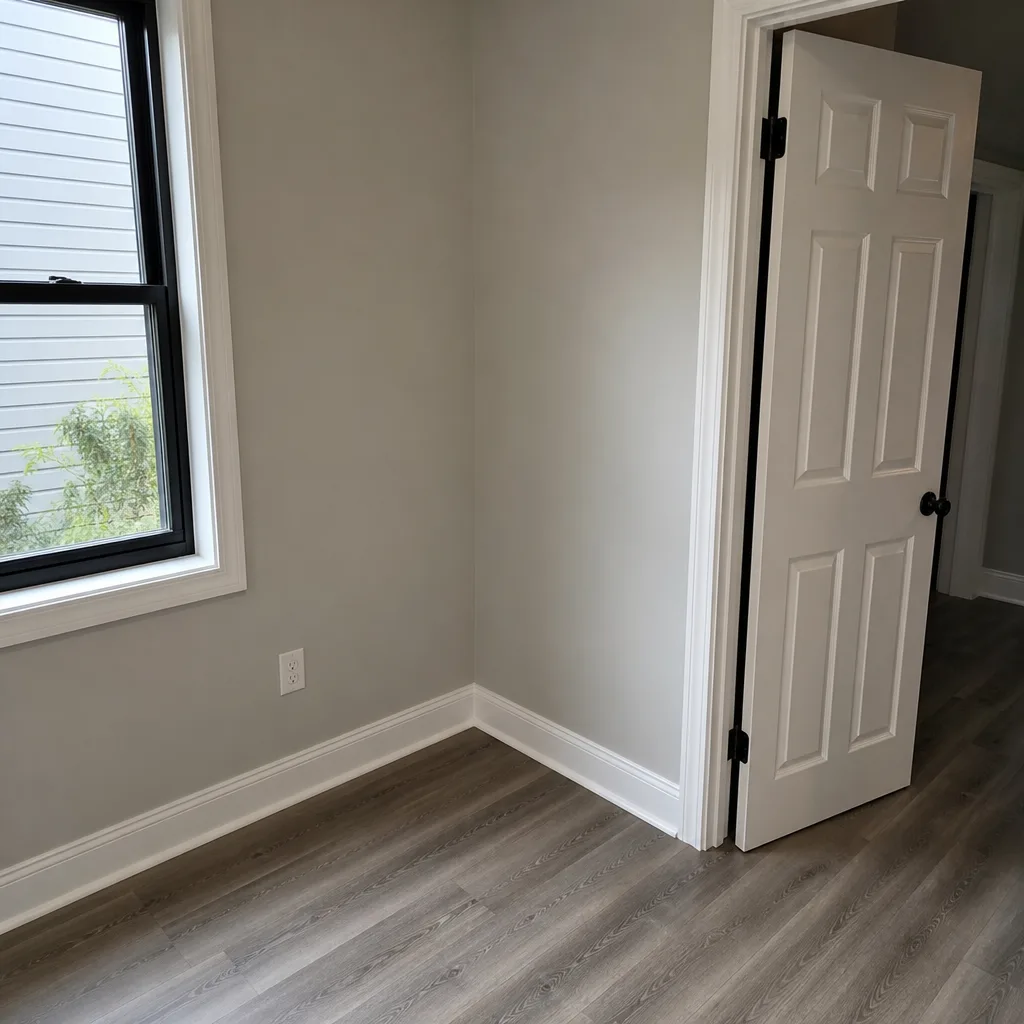
Once moisture readings and clearance testing confirm the environment is stable, we scope reconstruction: drywall, insulation, flooring, trim. A written price before work begins, every time. Haven Standard, Clause 1.
Need Emergency Mold Remediation in Harrison Now?
Crews minutes away, answering live 24 hours a day. The sooner we start, the less it costs.
Working With Your Insurance Company
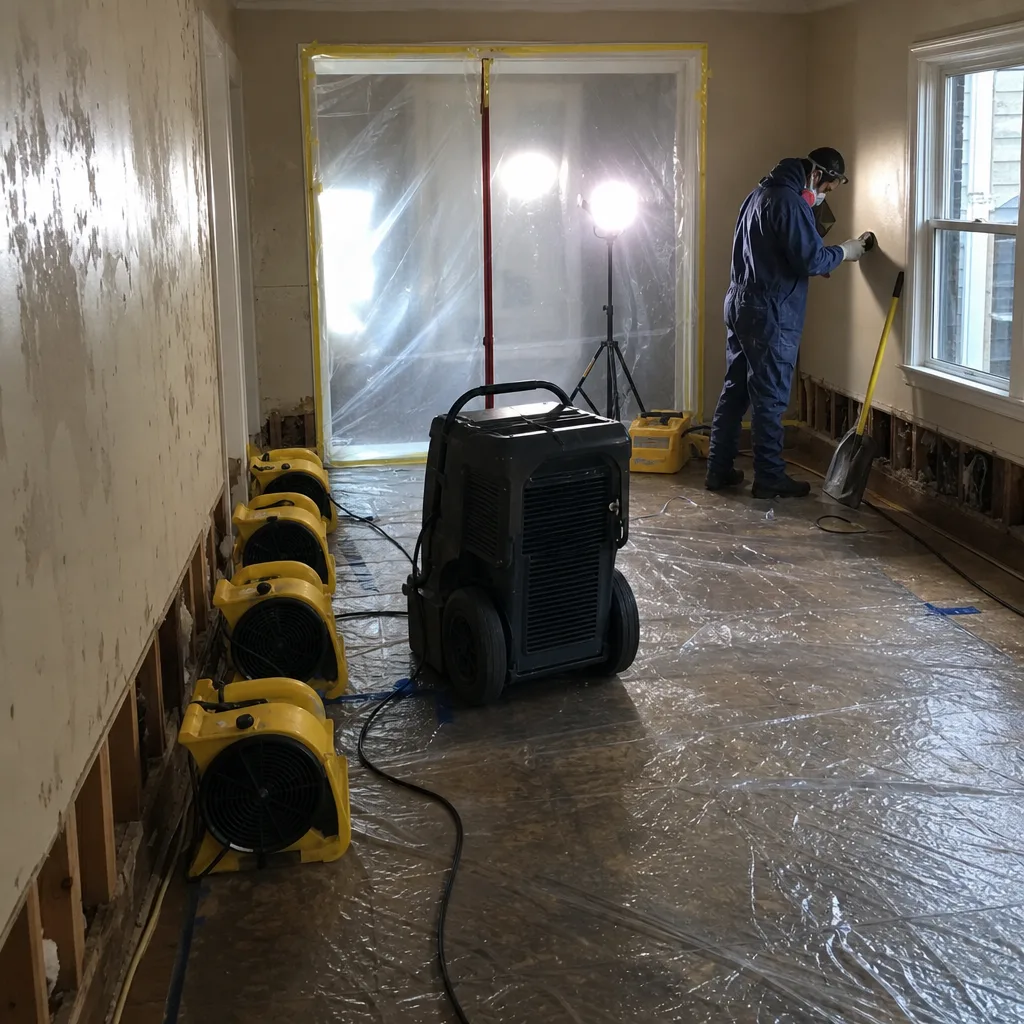
Insurance claims fail on documentation gaps. We close those gaps from the first hour. Every Harrison job produces a photo record, room by room, with timestamps. Moisture readings are logged daily on standardized forms that adjusters recognize. Our estimates follow industry-standard pricing databases. When we say direct adjuster coordination, we mean our project manager takes the adjuster’s call, walks the loss by video if needed, and defends the scope line by line.
The Haven Standard requires this. Alicia Brennan built Back to Dry Restoration in 2011 after years as a claims adjuster watching homeowners lose coverage because their restoration contractor’s paperwork was incomplete or late. We do not repeat that mistake.
What We Provide Your Insurer
- Thorough documentation of the loss
- Photos of all damage, room by room
- Moisture readings and drying logs
- A detailed, line-item scope of work
- Direct coordination with your carrier
Built for Harrison’s Loss Calendar
January deep freezes burst supply lines in uninsulated Harrison basements, especially in two-family conversions where the second unit’s plumbing was added decades after original construction. Spring thaw brings Passaic River rise and basement seepage through deteriorated mortar. Summer thunderstorms hit fast but the river’s slow crest is the real threat - days of standing water, not hours, which pushes every flooded basement into extended drying and elevated mold risk.
Fall nor’easters compound the pattern. By October, Harrison’s combined sewer system has accumulated a season of debris. A storm surge on top of a high river stage overwhelms it. The basement that took water in March takes it again in November, often with sewage this time. Winter freeze-thaw cycles keep working on the brick exteriors even between flood events, opening new infiltration paths that let moisture in without any dramatic weather.
This is not occasional emergency work in Harrison. It is a recurring cycle tied to a specific geography. Our crews know the rhythm. Our documentation reflects it.
Mold Remediation Across Harrison’s Neighborhoods
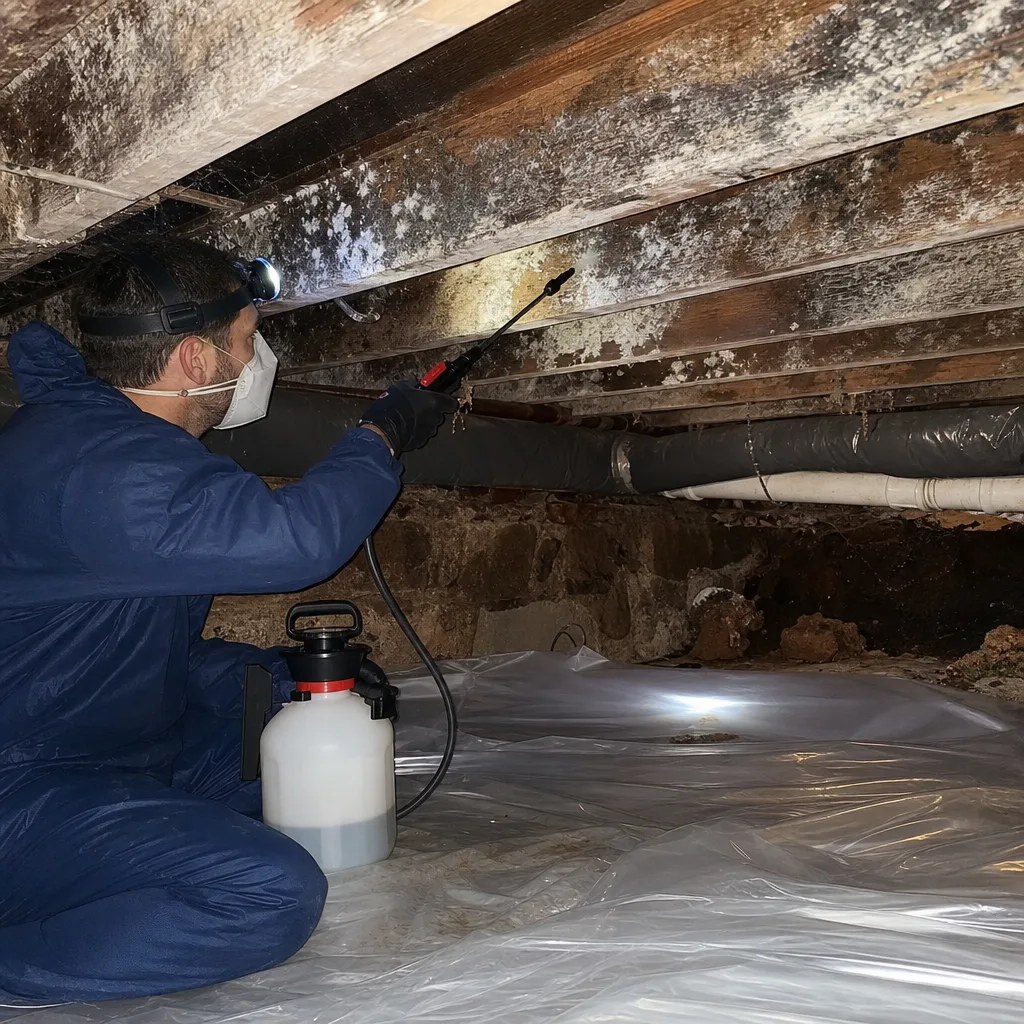
Properties near the Passaic River waterfront, from Frank E. Rodgers Boulevard South toward the riverbank, face the highest frequency of Category 3 losses. The two- and three-family brick row homes here, many built before 1920, have been wet multiple times. Mold returns in the same wall cavities because the masonry never fully dries between events. We treat these jobs with full containment, extended drying protocols, and aggressive documentation for repeat-loss underwriting reviews.
The East Newark border area, where Harrison meets Kearny along the river’s bend, sees similar patterns with an added complication: older clay sewer laterals that collapse or belly, creating chronic moisture intrusion even when the river is low. Our moisture mapping in this corridor often reveals hidden plumbing failures behind what the owner assumed was “just river water.”
The central Harrison corridor along Harrison Avenue and Frank E. Rodgers Boulevard North has more mixed-use and commercial-residential buildings. Mold here frequently follows roof leaks in flat-roofed structures with aging parapet walls, or HVAC condensate drainage failures in converted upper-floor apartments. The approach differs: smaller containment, targeted air scrubbing, and coordination with building maintenance for systemic fixes.
West Harrison, toward the NJ Transit corridor and the Turnpike, includes some of the town’s newer construction - 1960s and later single-family and small multifamily buildings. These have different failure modes: slab-on-grade moisture vapor transmission, crawl space humidity, and the occasional sump pump failure. Mold remediation here often centers on vapor barrier installation and dehumidification as much as removal.
Specialized Mold Remediation Services We Offer in Harrison
Mold Inspection & Testing
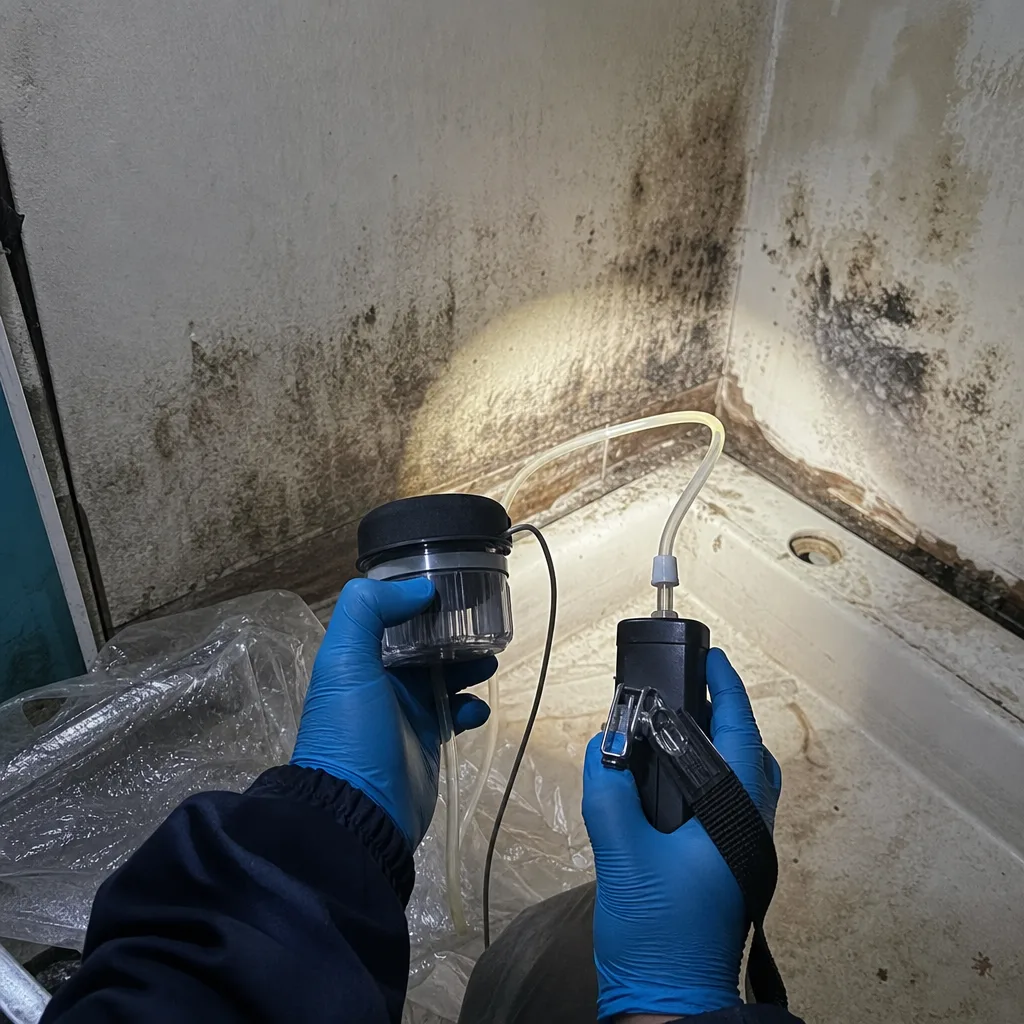
We start with visual assessment, moisture mapping, and thermal imaging. Air and surface sampling goes to independent laboratories when clearance documentation is required. In Harrison, we also inspect for the hidden moisture sources that drive repeat mold: failed waterproofing, cracked sewer laterals, and the freeze-thaw mortar damage that lets water in between floods.
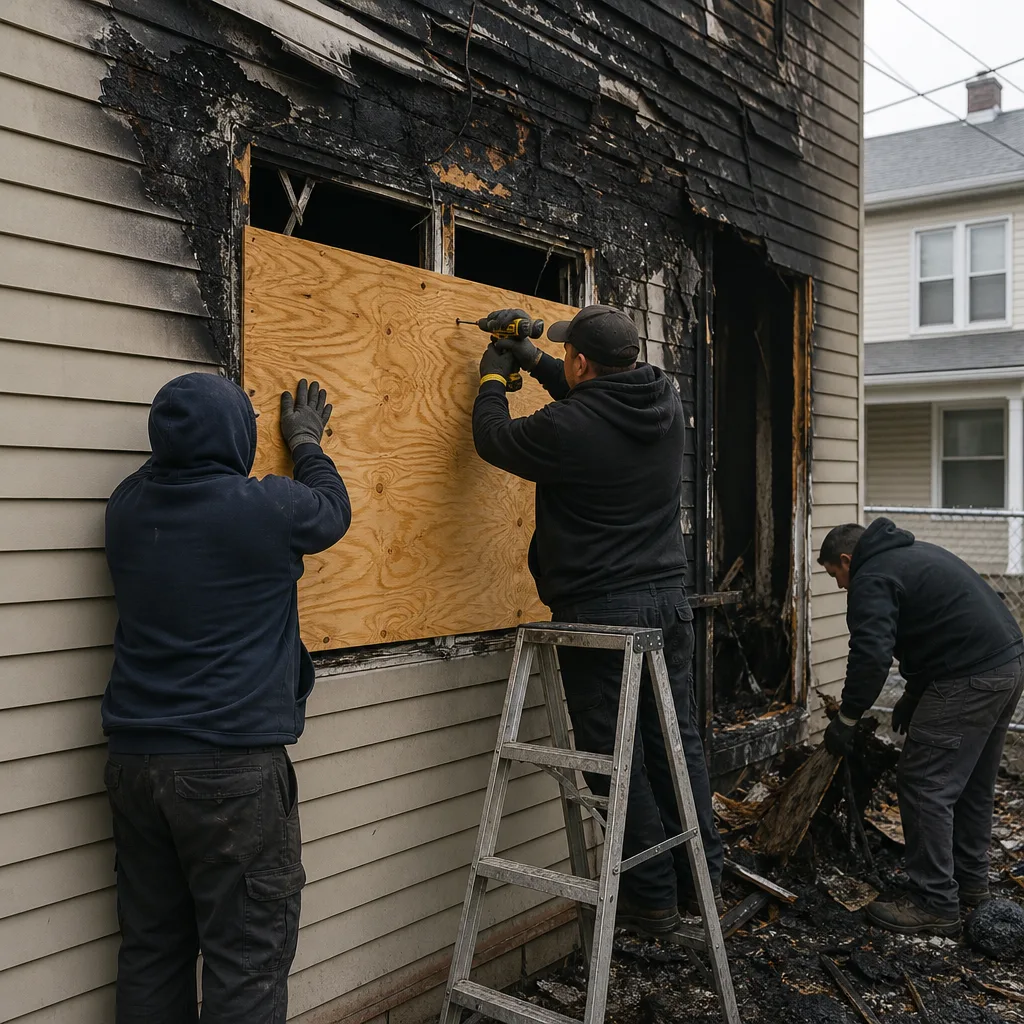
Mold Removal
Removal follows containment, negative air, and material classification. Contaminated porous materials come out. Semi-porous and non-porous materials are HEPA-vacuumed, treated, and sealed where indicated. Every bag is documented for disposal. On a two-family brick row home a few blocks off the Passaic in Harrison’s East Newark border area, our tech found 18 inches of river-and-sewer backwater in a finished below-grade basement after a multi-day crest. We ran water extraction, applied antimicrobial treatment to the wetted framing, and set Dri-Eaz and Phoenix air movers plus dehumidification inside containment while moisture mapping showed readings still climbing in the original mortar joints of the foundation wall. Because the loss was Category 3, all contaminated drywall came out and we logged daily drying logs for the adjuster before any rebuild scope of work was approved.
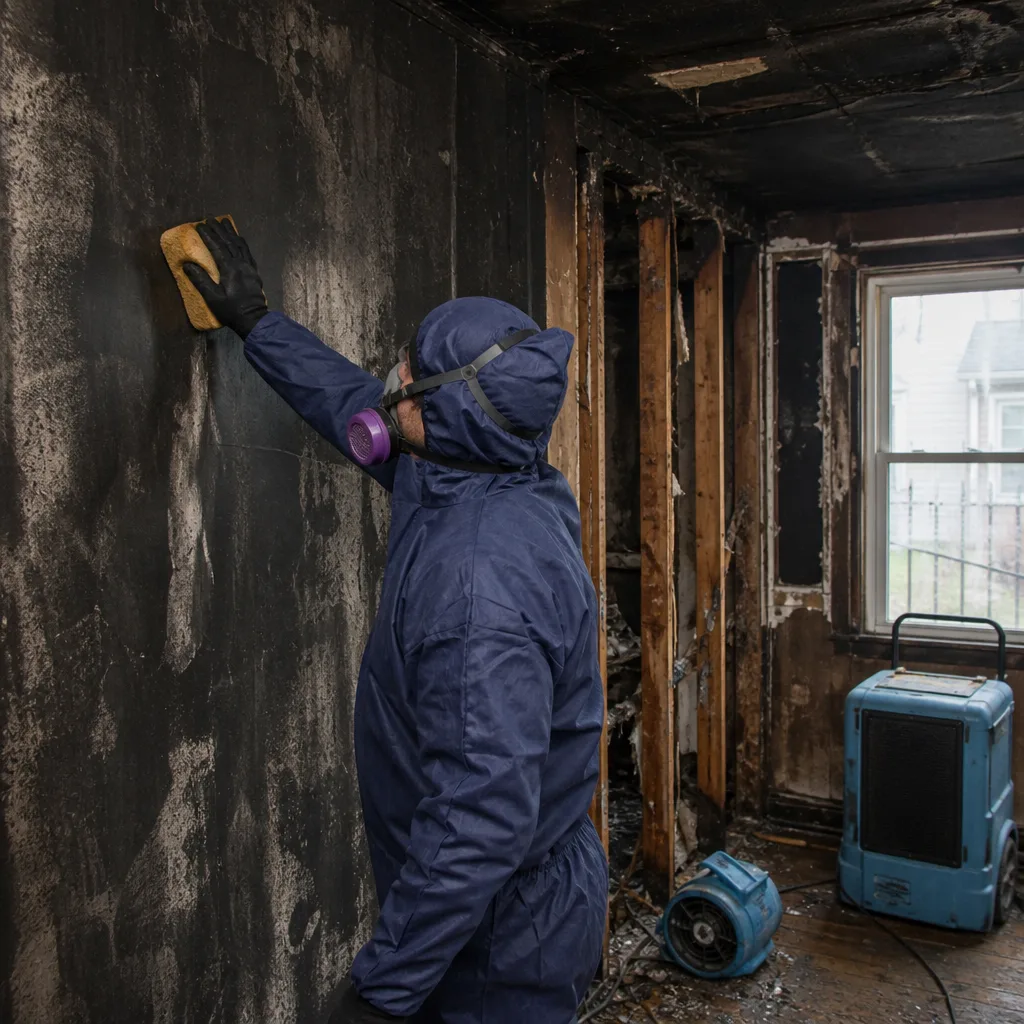
Black Mold Remediation
Stachybotrys chartarum and other toxigenic species require enhanced PPE, strict containment, and documented disposal. We do not disturb visible colonization without these controls. Harrison’s Category 3 flood history means black mold often grows on cellulose debris left behind by previous, incomplete cleanups - another reason we remove, not just dry, after sewage-contaminated flooding.
Air Quality Restoration
HEPA air scrubbers run at 4-6 air changes per hour within containment. Post-remediation, we compare indoor spore counts to outdoor baselines. In Harrison’s older buildings with balloon framing and shared wall cavities, air quality restoration often requires extending scrubber runtime and sealing hidden chase ways.
Crawl Space Treatment
Harrison’s older homes with dirt-floor crawl spaces suffer from ground moisture vapor, especially after Passaic River flooding raises the local water table. We install vapor barriers, dehumidify to 50% relative humidity or below, and treat structural members. Without this, first-floor mold follows.
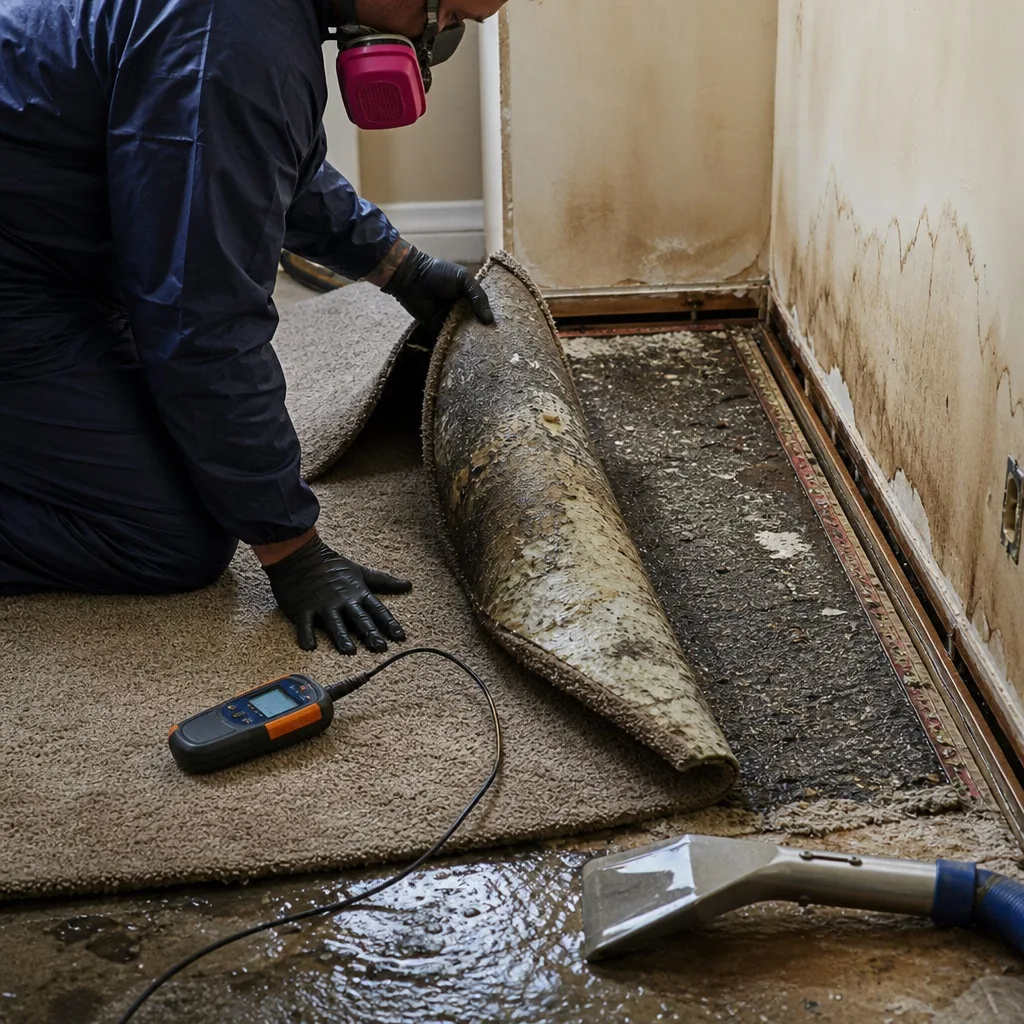
Moisture & Humidity Control
Remediation fails if the moisture source persists. We identify and document the source - failed sump, cracked lateral, deteriorated mortar, or condensation - and specify the control measure. Our drying logs prove the environment is stable before we sign off. That is how the 365-Day Done Right Promise is honored.
What happens when you call
- 1
A real person answersNo phone trees - you reach a local pro.
- 2
You get an upfront price rangeHonest numbers before anyone is dispatched.
- 3
A background-checked tech heads outLicensed & insured, dispatched right away.
- 4
You approve before work beginsNothing starts until you say go.
Mold Remediation Costs in Harrison, NJ
A typical mold inspection and limited remediation in Harrison runs $2,800-$4,500. Moderate basement or crawl space remediation, with containment, air scrubbing, and removal of contaminated materials, ranges $4,500-$8,500. Extensive Category 3 black-water flood jobs with full basement gut, PPE, documented disposal, and extended drying can reach $12,000-$18,000. These Harrison ranges run 15-25% above neighboring Kearny or Belleville because the combined sewer surcharge makes nearly every flood loss Category 3, with corresponding removal and disposal requirements.
What moves the price: square footage of affected area, contamination level (Category 1 vs. 3), accessibility (crawl space vs. finished basement), and whether the job requires third-party clearance testing. Insurance typically covers mold remediation that follows a covered water loss, but policies vary on mold caps and secondary damage exclusions. We review your coverage with you and coordinate directly with your adjuster. Free Second Opinion on any competitor’s written estimate - bring it to us.
We Also Serve Cities Near Harrison
Our crews respond throughout the Passaic River corridor and Hudson County: Harrison, Kearny, Newark, Jersey City, and Secaucus. Each city has its own loss patterns and building stock, and our documentation is tailored to the adjuster expectations in each market.
Serving Harrison, NJ - Our Local Coverage Area
We’re based in the Harrison area and know this community well. Use the map below to see our service coverage - if you’re nearby, we can almost certainly help.
Harrison Mold Remediation Questions, Answered
Why is mold remediation in Harrison treated as a Category 3 black-water job more often than in other towns?
Because Harrison’s combined storm-sewer system surcharges simultaneously with Passaic River crests, so floodwater entering basements carries sewage, chemicals, and pathogens. IICRC Category 3 classification requires removal of porous materials, full PPE, and documented disposal - not drying in place. Call (862) 298-5256 for a free inspection and written scope.
How fast does mold grow after a Harrison flood?
Mold colonization begins 24-72 hours after water contact, but in Harrison’s old brick row homes with wicking mortar joints, the timeline extends because moisture lingers. The Passaic’s slow, multi-day crests keep masonry saturated longer than a typical rainstorm. We recommend assessment within 24 hours of any basement water intrusion. Call (862) 298-5256.
Do old brick row homes near the Passaic need different mold remediation than newer construction?
Yes. Early-1900s brick row homes have plaster-over-lath walls, balloon framing with continuous cavities, and stone or brick foundations that wick and hold moisture. Containment must address hidden chase ways. Drying targets old-growth timber at different moisture content thresholds than modern lumber. Our crews document these material-specific readings for the adjuster.
Can you dry out a flooded Harrison basement without tearing out drywall?
Only if the water is Category 1 clean water, the drywall is unaffected above the water line, and moisture readings confirm the cavity is drying within 72 hours. In Harrison, most flooded basements are Category 3 due to combined sewer surcharge, which requires removal of porous materials including drywall and insulation. We test and document before recommending removal. Call (862) 298-5256 for assessment.
What equipment do you use for mold remediation and drying in Harrison?
We deploy Dri-Eaz and Phoenix LGR dehumidifiers, XPOWER and B-Air air movers, Injectidry cavity-drying systems, HEPA air scrubbers, and thermal imaging cameras. All equipment is documented in daily drying logs with serial numbers, placement diagrams, and psychrometric readings - the documentation that turns restoration invoices into payable insurance claims.
Will my insurance cover mold remediation in Harrison?
Most homeowner policies cover mold remediation that results from a covered water loss, but many impose dollar caps or exclude mold from long-term maintenance issues. We review your policy, document the loss origin, and coordinate directly with your adjuster. Our line-item estimates follow industry-standard pricing databases that carriers recognize. Call (862) 298-5256 to discuss your specific coverage.
How long does mold remediation take in Harrison?
Typical remediation runs 3-7 days for moderate basement jobs, with extended drying in Harrison due to masonry saturation from river flooding. We do not remove equipment on a calendar schedule; we remove it when moisture readings stabilize within IICRC standards and documentation supports the decision. Reconstruction follows separately, scoped and priced in writing.
Can my family stay in the home during mold remediation?
For contained basement or crawl space work with negative air pressure and HEPA scrubbing, occupants often remain upstairs. For extensive Category 3 jobs, whole-house air quality concerns, or immunocompromised residents, we recommend temporary relocation. We discuss this during the initial inspection and document the decision for the adjuster’s file. Call (862) 298-5256 to review your situation.
Written by Alicia Brennan, Owner at Back to Dry Restoration, serving Harrison since 2011.
Mold Remediation in Nearby Areas