
Last updated September 22, 2026
Free visual inspection and a written scope of work before any mitigation begins - photos, moisture readings, and drying logs go in your claim file
The scope we write is the scope we bill. Anything new gets shown to you, in writing, before we touch it.
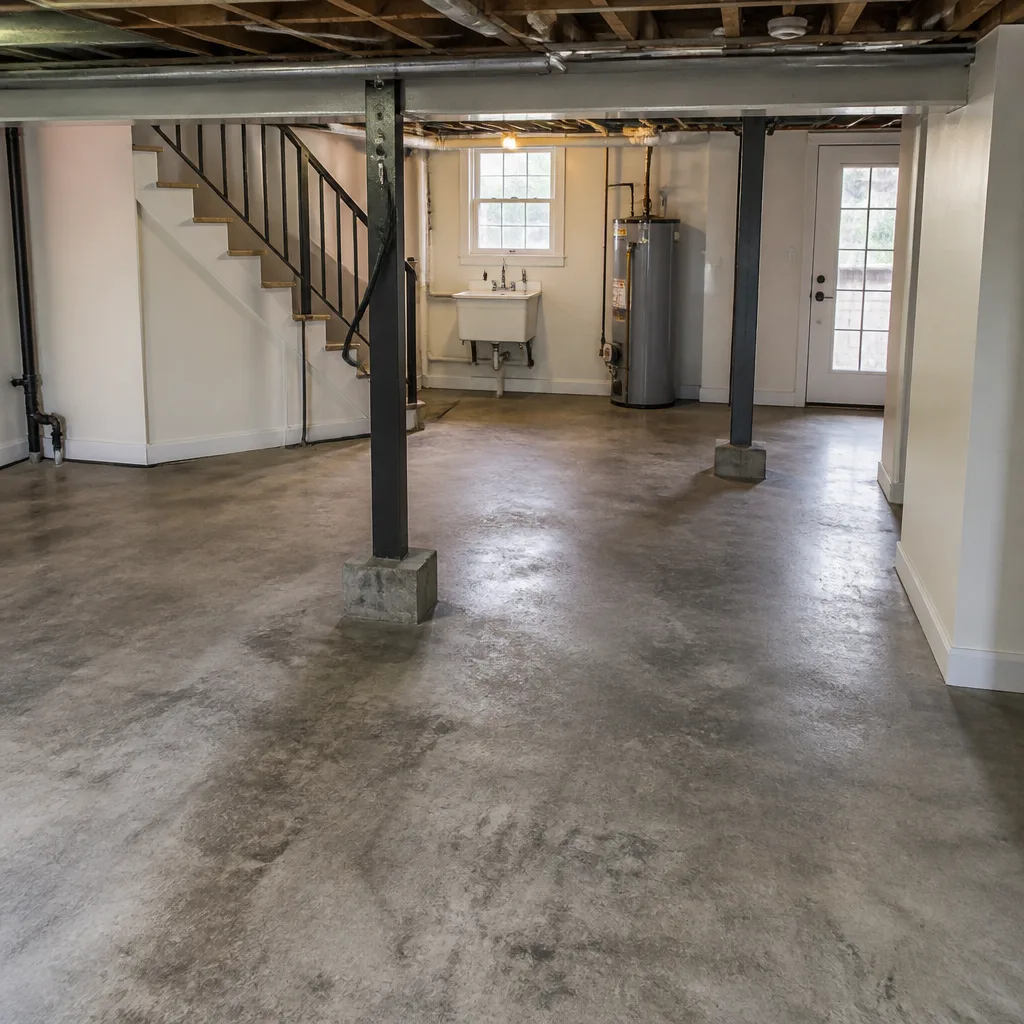
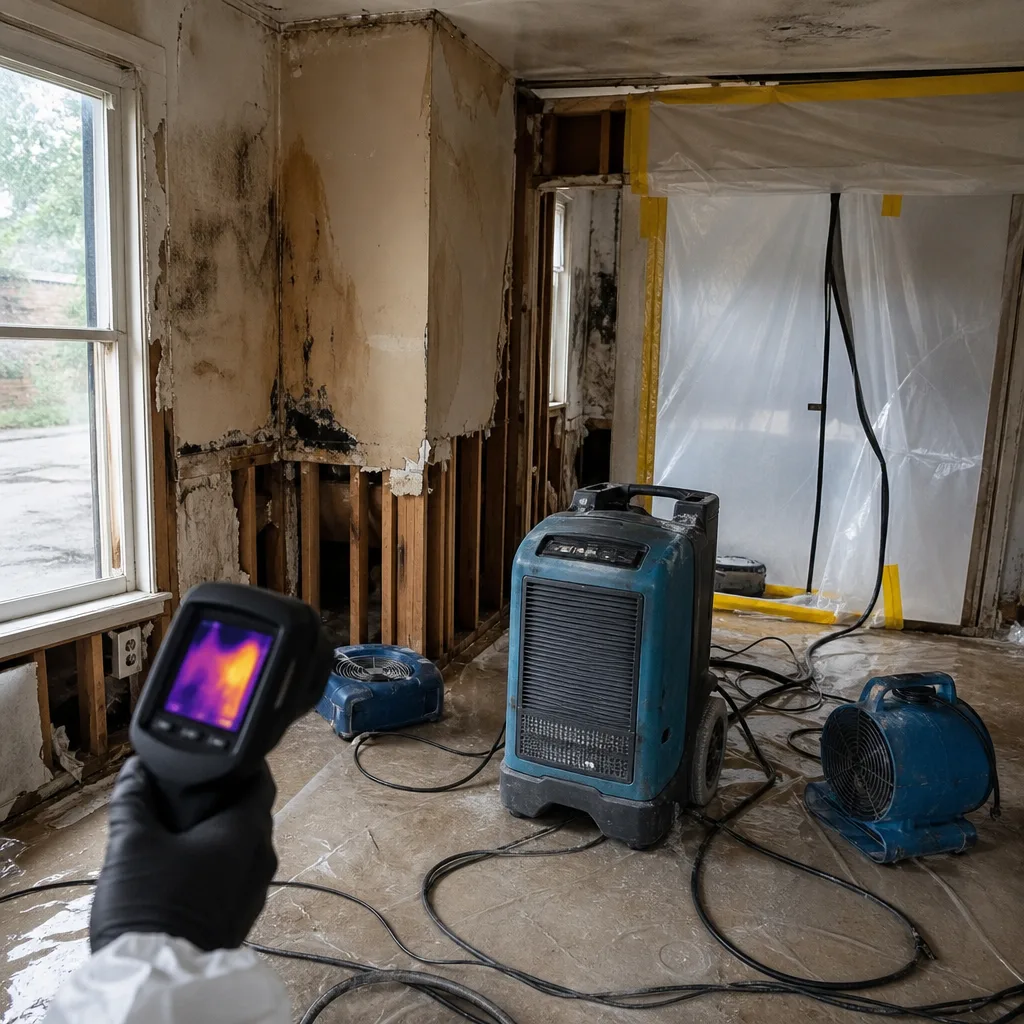 Before
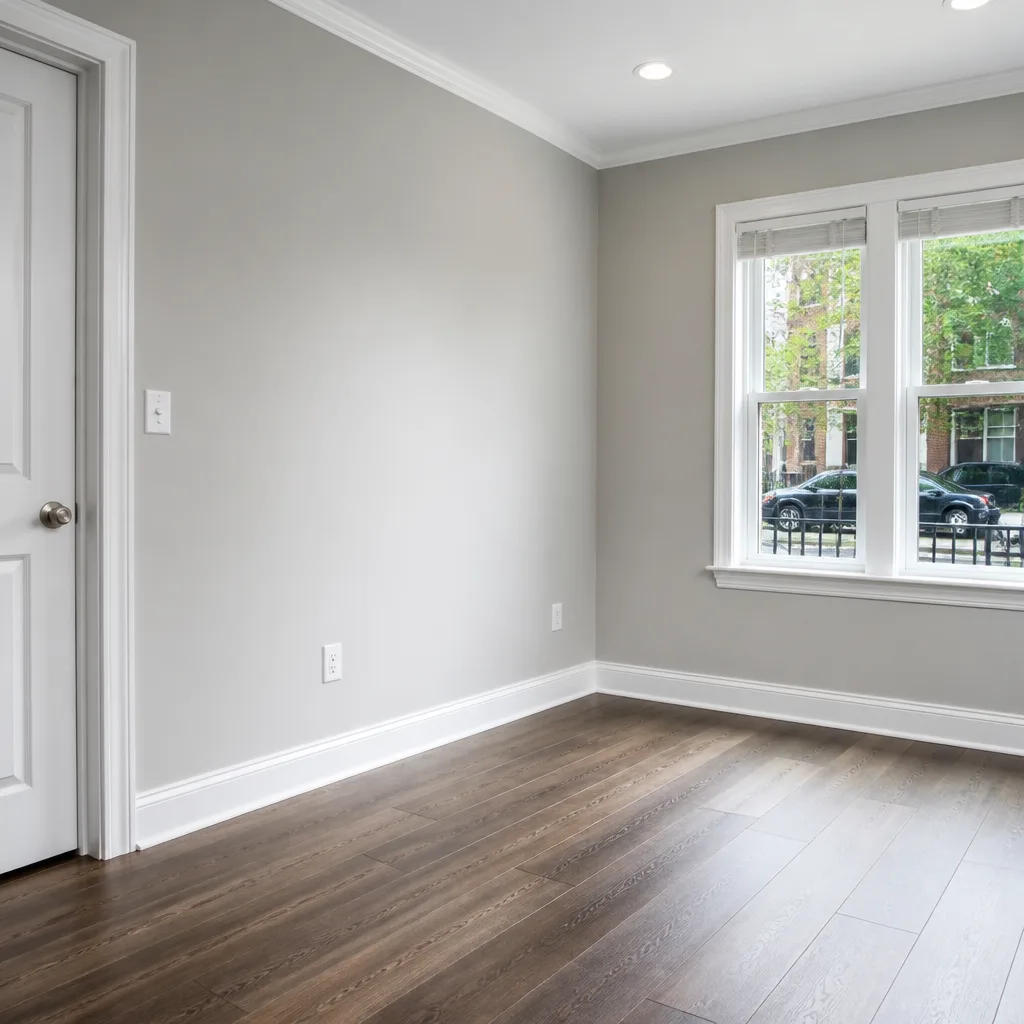 After
After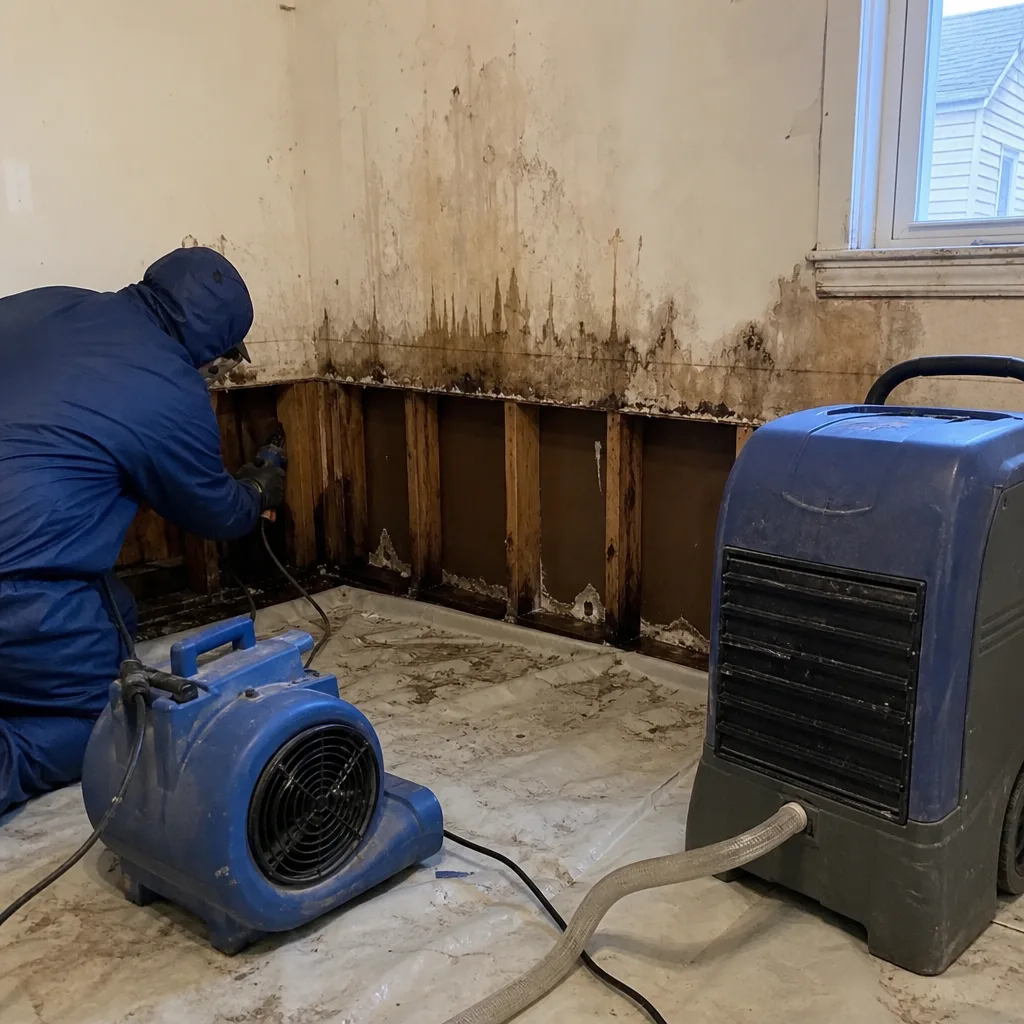 Before
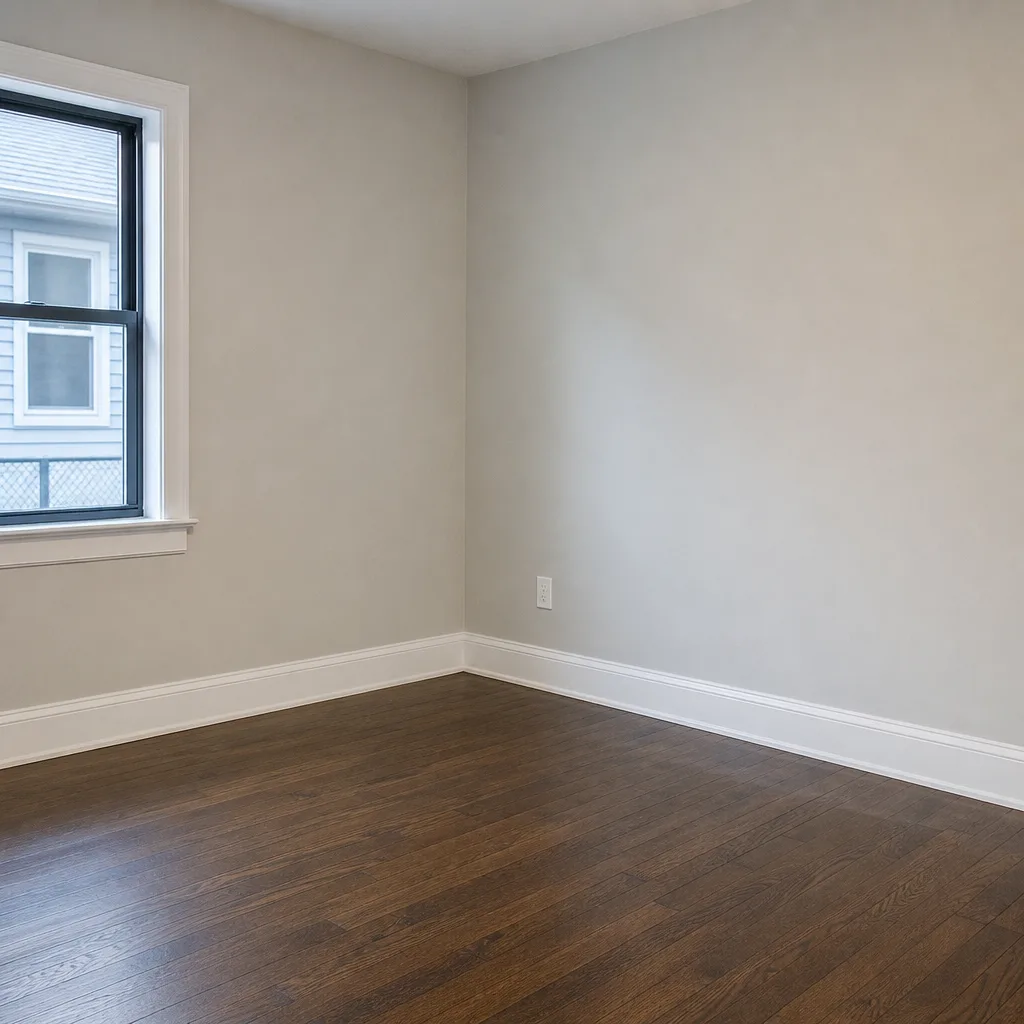 After
After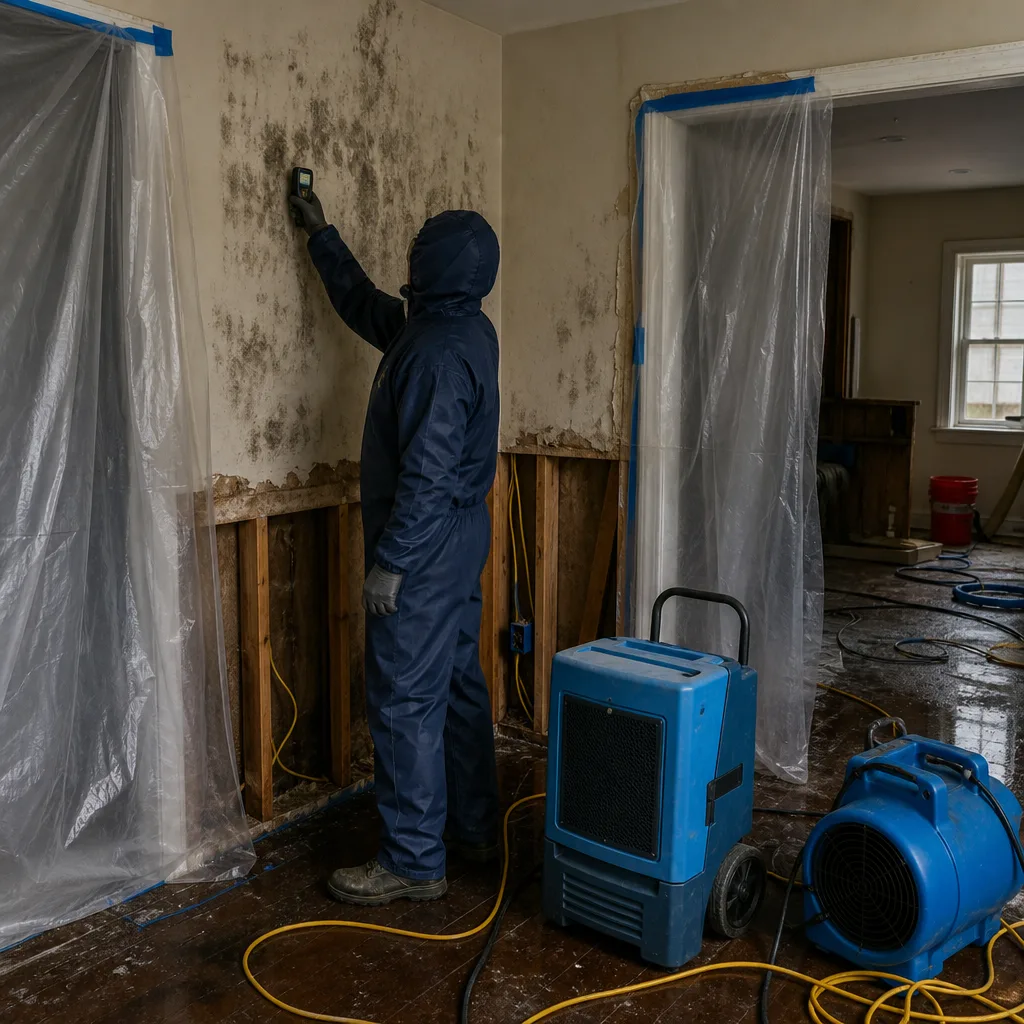 Before
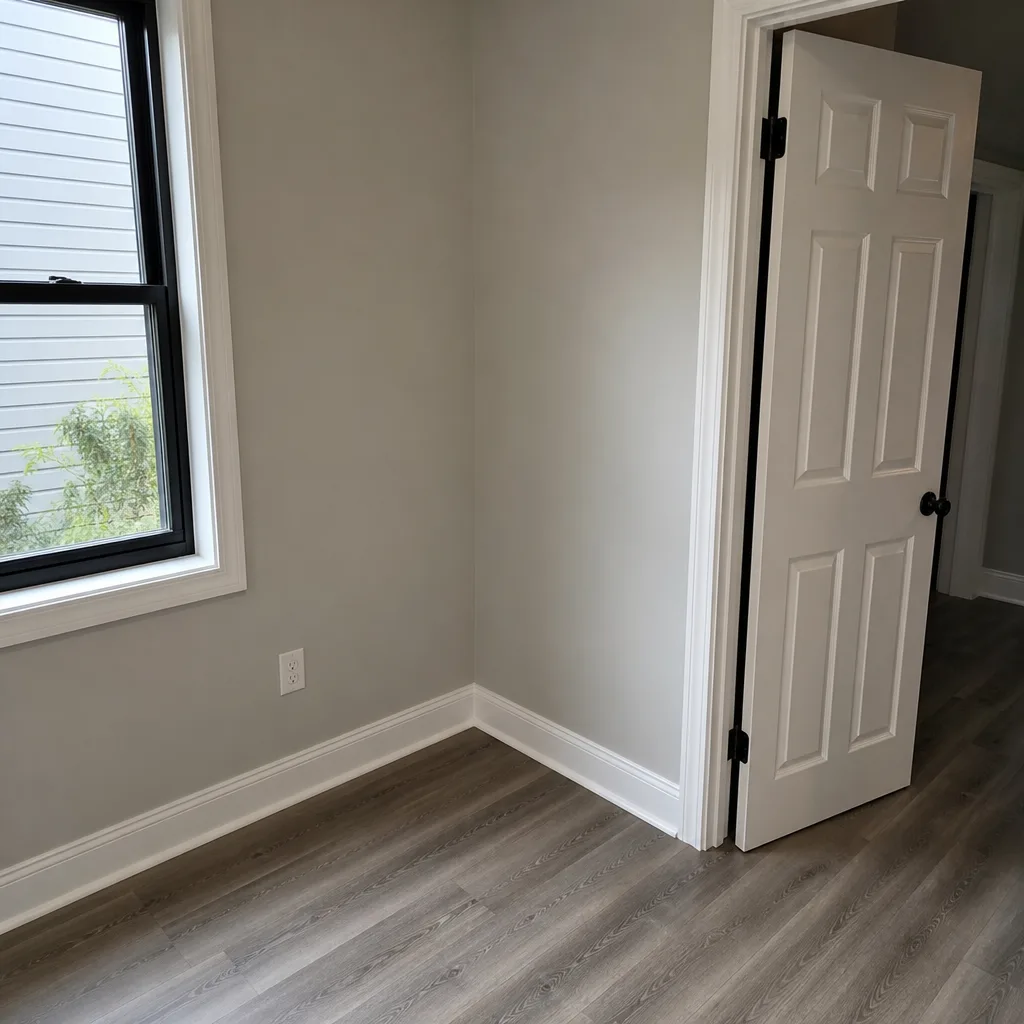 After
AfterDamage Restoration Cost Breakdown: The Jersey City Homeowner’s Reference for 2026
The most common reason a Jersey City homeowner receives less than their contractor’s invoice from an insurer isn’t a bad policy - it’s an invoice that stated totals without the line-item structure that Xactimate, the software 80% of New Jersey adjusters use, requires to approve a payment. We’ve reviewed competitor estimates that listed a single figure like “$8,500 for water damage” with no breakdown of labor unit costs, equipment days, or disposal categories. Those invoices sit in pending status for weeks while adjusters request supplements that delay your rebuild. This guide - along with our Damage Restoration Warning Signs: A Jersey City Homeowner’s Reference Guide - teaches you to read a restoration estimate the way an adjuster does: checking each line item for documentation that justifies the number or reveals where padding hides.
Quick Answer
Water damage restoration in Jersey City typically ranges from $3,200 for a contained single-room dry-out to $18,000+ for a multi-floor loss with category 3 water and structural drying. The final cost depends on four documented variables: affected square footage, water contamination category, material permeability (what got wet), and the number of drying days required to reach established drying goals. Every legitimate estimate should show these as separate line items, not a single bundled price.
Table of Contents
- Why Line Items Matter More Than the Bottom Dollar
- The Jersey City Cost Drivers National Guides Ignore
- How to Read a Restoration Estimate Line by Line
- Verifying Xactimate Pricing in Your Contractor’s Estimate
- Supplemental Billing: Legitimate Tool or Red Flag?
- Realistic Cost Matrix: Three Common Jersey City Loss Types
- The Documentation Checklist Every Homeowner Should Demand
- Common Mistakes to Avoid
- When to Call a Professional
- Frequently Asked Questions
BeforeAfterWhy Line Items Matter More Than the Bottom Dollar
An adjuster’s job is to verify that each charge on a restoration invoice corresponds to work that was both necessary and properly documented. Xactimate, the pricing database used by most New Jersey insurance carriers, assigns specific unit costs to hundreds of restoration tasks: removing a square foot of wet drywall, placing a low-grain refrigerant dehumidifier for one day, HEPA vacuuming a linear foot of contaminated baseboard. When a contractor submits a lump-sum invoice, the adjuster has no way to match those charges against Xactimate’s line-item database. The claim stalls.
We’ve seen this delay claims by 6-14 weeks in Jersey City, particularly in the Historic Downtown and Paulus Hook neighborhoods where pre-war building stock complicates standard pricing assumptions. A brownstone with plaster-and-lath walls doesn’t dry like a Newport condo with steel studs and gyp board. Xactimate has separate line items for each. If your contractor doesn’t know the difference, or doesn’t document which material was affected, the adjuster defaults to the cheaper category and your payout shrinks.
The line-item structure also protects you from scope creep. Haven Standard, Clause 1 requires a written price before work begins, and that price must be itemized so you can see what you’re paying for. When a contractor adds charges mid-job for “additional drying” or “unexpected contamination,” you can check the original scope against the new line items. No documentation, no justification.
Three elements belong in every legitimate estimate:
- Labor unit costs - priced per hour or per square foot, with the crew size and skill level noted (general labor vs. certified water damage restoration technician).
- Equipment days - each dehumidifier, air mover, and air scrubber listed individually with daily rates and estimated deployment duration.
- Disposal and handling - separate lines for demolition debris, contaminated materials requiring special handling, and HEPA-filtered waste from pre-1978 structures with lead paint risk.
Missing any of these categories is a signal to request clarification before signing. The water damage restoration process in Jersey City follows IICRC S500 standards, and proper documentation to those standards is what turns a disputed invoice into a paid claim.
The Jersey City Cost Drivers National Guides Ignore
National cost averages for water damage restoration fail in Jersey City for three predictable reasons: labor requirements on multi-unit properties, municipal disposal regulations, and building-age factors that trigger federal environmental rules.
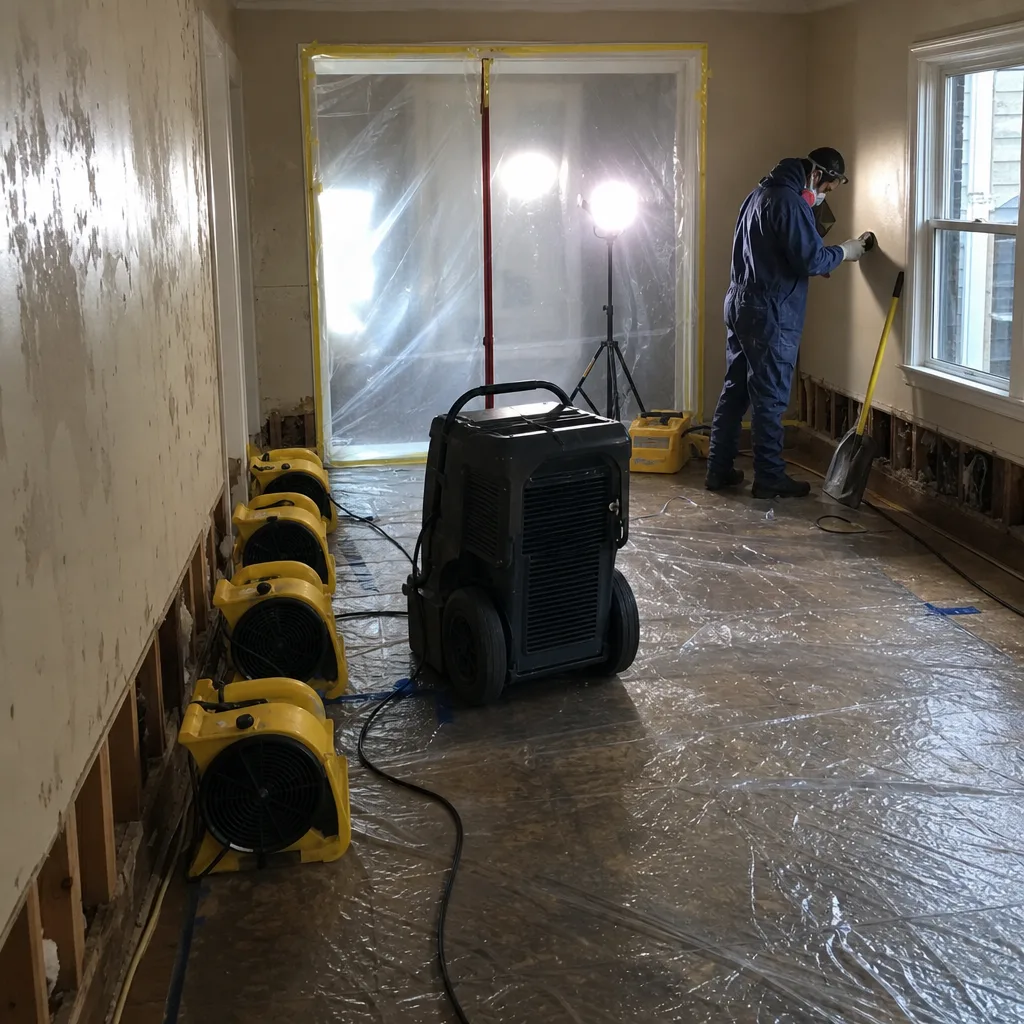
Union labor requirements on multi-unit properties. In Jersey City buildings with four or more dwelling units, or any property covered by a project labor agreement, restoration work may require union labor for demolition and reconstruction phases. This adds 25-40% to labor unit costs compared with single-family residential rates. Xactimate’s New Jersey price list includes a “union labor” modifier, but many contractors apply standard residential pricing and then bill the difference as a supplement - or absorb the cost and cut corners on drying documentation. Neither approach serves the homeowner. The correct practice is to identify the labor requirement during initial scoping and price it into the original estimate.
Dumpster permit fees. Jersey City requires permits for dumpsters placed on public streets or sidewalks, which includes most restoration jobs in dense neighborhoods like Hamilton Park, Van Vorst Park, and the Village. The permit runs $75-$150 for up to 30 days, with extensions at additional cost. Some contractors roll this into “overhead and profit” rather than listing it separately, which inflates that percentage beyond the standard 10% for overhead plus 10% for profit that Xactimate calculates. Ask to see the permit receipt.
HEPA disposal surcharges for pre-1978 buildings. Federal RRP (Renovation, Repair, and Painting) rules require lead-safe practices when disturbing painted surfaces in pre-1978 housing. In Jersey City, where much of the housing stock in Bergen-Lafayette, McGinley Square, and the Heights predates 1978, this isn’t occasional - it’s routine. HEPA-filtered containment, specialized disposal bags, and certified worker time add $1.50-$3.00 per square foot to demolition costs. Contractors who don’t account for this in their initial scope either violate federal law or surprise you with a supplement later.
Climate factors matter too. Jersey City’s position on the Hudson River with a humid subtropical climate means summer drying jobs require more dehumidification capacity than equivalent losses in drier inland markets. We’ve measured ambient humidity in Jersey City basements at 78-85% RH during July and August, versus the 60-65% typical of central New Jersey. That difference adds equipment days. A contractor pricing from a national template won’t capture it.
How to Read a Restoration Estimate Line by Line
Restoration estimates use trade vocabulary that obscures meaning if you don’t know what each term represents in labor, materials, and time. Here’s how to read the major categories.
Demo (demolition). This covers removal of unsalvageable materials: wet drywall, saturated insulation, delaminated flooring, compromised plaster. The line item should specify square footage or linear footage, material type, and disposal classification. “Demo 120 sq ft gyp board, 2′ flood cut, RRP lead-safe practices” is a properly scoped line. “Demo - $1,800” is not. In Jersey City pre-war buildings, check that plaster demo is priced separately from drywall - plaster removal requires different tools, more labor hours, and often lath disposal that gyp board doesn’t.
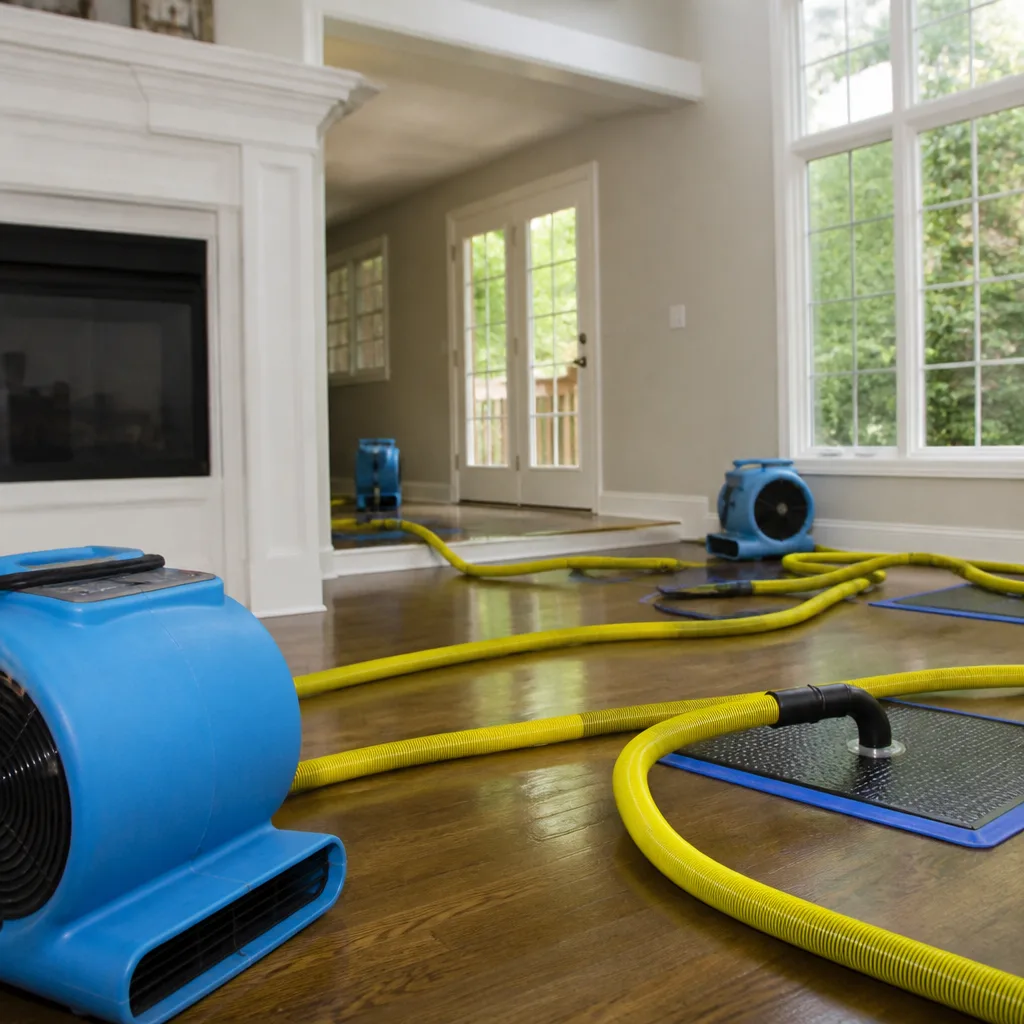
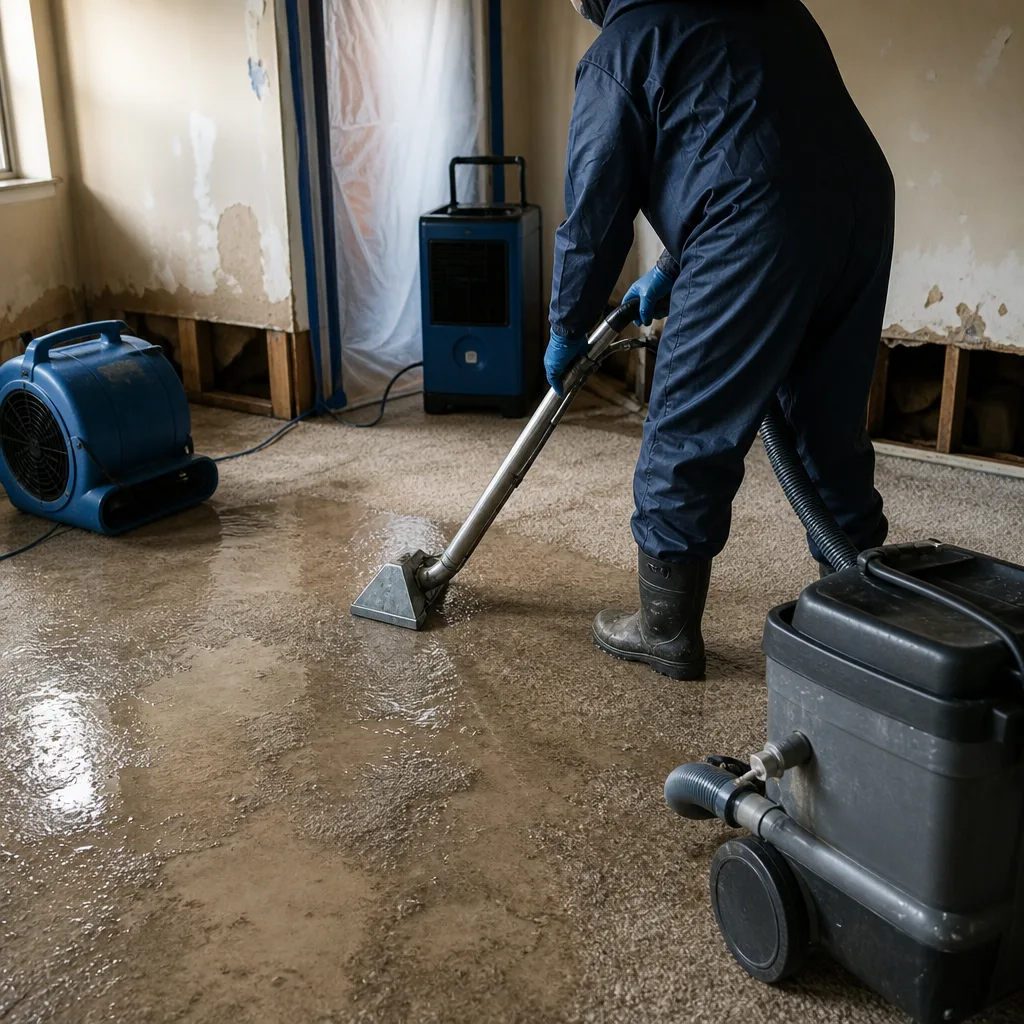
Structural drying. This is the equipment-intensive phase: air movers, dehumidifiers, and sometimes specialized systems like Injectidry cavity drying mats or Phoenix 200 HT dehumidifiers for dense materials. Each piece of equipment should appear as a separate line item with a daily rate and estimated days on site. “4 x Phoenix LGR dehu @ $45/day x 5 days” is transparent. “Drying equipment - $1,200” is not. Ask for the psychrometric data - the daily moisture readings and humidity calculations - that justify the equipment count and duration. Without this documentation, an adjuster can challenge whether the drying days were necessary.
Contents manipulation. When water affects furnished rooms, contents must be moved, protected, or packed out. This category includes packing materials, labor hours for moving, and storage if needed. In Jersey City’s smaller condo units, where there’s often no unaffected room to shift furniture into, contents manipulation costs run higher than in suburban homes with spare rooms. The estimate should note whether contents are being moved within the unit, to a storage pod, or to an offsite facility.
Overhead and profit (O&P). Xactimate applies 10% overhead plus 10% profit to trades where the contractor manages multiple subcontractors or performs significant project coordination. On straightforward water mitigation with no rebuild, O&P may not apply - or may apply only to certain line items. Some contractors add O&P to every job indiscriminately. Ask which trades justify the charge and whether your job scope meets the threshold.
Contingency. A legitimate contingency line (typically 5-10% of the subtotal) covers unforeseen conditions discovered after work begins: hidden mold behind cabinets, asbestos in old tile, structural rot under flooring. It should require your written approval to deploy, with documentation of what was found. A contractor who spends contingency without notifying you is violating basic project management standards.
Verifying Xactimate Pricing in Your Contractor’s Estimate
Xactimate releases price lists by geographic region, updated quarterly. The New Jersey price list covers Jersey City under the “Newark/Jersey City” metropolitan area code. Here’s how to verify that your contractor is using current regional pricing rather than a templated national figure.
- Request the Xactimate reference number. Every line item in an Xactimate estimate carries a code (e.g., WTR DRY for water damage drying). A contractor using the software can provide these codes on request.
- Check the price list date. Xactimate price lists show effective dates. New Jersey’s list for Q1 2026 took effect January 1. If your contractor’s estimate references a 2024 or 2025 price list, the labor and material rates may be outdated - usually lower than current, which benefits the contractor if they’re billing you directly, but hurts you if you’re seeking insurance reimbursement at current rates.
- Verify the geographic adjustment. Within the New Jersey price list, some materials carry location modifiers. Lumber and gyp board prices in Jersey City track closer to New York metro rates than to southern New Jersey. A contractor using statewide averages may understate material costs by 8-15%.
- Compare equipment rates to regional norms. Xactimate sets daily rates for dehumidifiers and air movers by region. In the Newark/Jersey City area, standard LGR dehumidifier rates run $38-$52 per day depending on capacity class. Rates significantly above or below this range suggest custom pricing that may not pass adjuster review.
We document every estimate to Xactimate 2026 Q1 pricing and provide the reference codes on request. The DryMark Restoration Jersey City home page lists our documentation standards, which include this pricing transparency as standard practice, not an add-on service.
Supplemental Billing: Legitimate Tool or Red Flag?
Supplemental billing occurs when a contractor submits additional charges after the initial estimate, usually after discovering conditions that weren’t visible during the first inspection. It’s common in restoration. It’s also the most abused practice in the industry. See our DIY vs Professional Damage Restoration: The Jersey City Homeowner’s Decision Guide for how to evaluate whether a low initial estimate signals intentional under-scoping.
Legitimate supplements happen when:
- Demolition reveals hidden mold or asbestos that couldn’t be detected during initial moisture mapping
- Structural drying requires extension because materials (dense plaster, multiple layers of flooring) release moisture more slowly than estimated
- Insurance scope changes - for example, when an adjuster initially approves only mitigation but later authorizes reconstruction
Illegitimate supplements signal a contractor who under-scoped intentionally to win the job, then adds charges once you’re committed. Red flags include:
- Supplements for conditions that should have been obvious during initial inspection (visible mold on baseboards, saturated subfloor accessible from a basement ceiling)
- Supplements that add equipment days without documenting why drying goals weren’t met on schedule
- Supplements presented as “required” without your prior written approval
- Multiple supplements on a straightforward job - one or two may be normal, four or five suggests systematic under-scoping
In Jersey City, where pre-war construction hides surprises behind every wall, some supplementing is inevitable. The difference is documentation. A legitimate supplement includes photos of what was found, moisture readings showing why additional drying was needed, and a revised scope with your signature. Haven Standard, Clause 1 applies to supplements too: a written price before additional work begins, every time.
We’ve seen competitors in the Jersey City market submit initial estimates 30-40% below documented costs, win the job, then issue supplements that bring the final invoice above our original written scope. Homeowners who compare estimates on bottom-line price alone - without checking whether each contractor scoped the same work - fall into this trap. The lowest initial estimate is often the most expensive final invoice.
Realistic Cost Matrix: Three Common Jersey City Loss Types
These ranges reflect Jersey City market conditions in 2026, using Xactimate Q1 pricing for the Newark/Jersey City metro area. Every range assumes proper documentation, standard material types, and no extraordinary access constraints. Your actual loss may vary based on the documented variables noted.
Scenario 1: Basement Water Intrusion (Foundation Seepage or Sump Pump Failure)
| Category | Typical Range | Key Variables |
|---|---|---|
| Initial inspection & moisture mapping | $350-$500 | Finished vs. unfinished basement; number of affected rooms |
| Demo (flooring, drywall, insulation) | $1,800-$4,500 | Material type; flood cut height; RRP/lead-safe requirements |
| Structural drying (equipment & labor) | $2,200-$5,800 | Square footage; humidity conditions; drying days to goal |
| Contents manipulation | $400-$1,200 | Amount of stored material; on-site vs. pack-out storage |
| Disposal & dumpster | $600-$1,400 | Permit requirements; contaminated vs. standard debris |
| Subtotal mitigation | $5,350-$13,400 | |
| Reconstruction (if not separately contracted) | $3,500-$9,000 | Finish quality; matching existing trim/molding; permit needs |
Jersey City-specific note: Basements in the Heights and Journal Square areas often have stone or rubble foundations with no dampproofing, leading to chronic seepage that complicates drying goals. We’ve documented vapor pressure differentials of 15-20 mmHg in these foundations during summer months, requiring extended dehumidification compared with poured-concrete foundations in newer construction.
Scenario 2: Upstairs Leak Through Ceiling (Bathroom or Kitchen Supply Line)
| Category | Typical Range | Key Variables |
|---|---|---|
| Initial inspection & moisture mapping | $350-$500 | Multi-floor tracing; thermal imaging to find migration paths |
| Demo (ceiling, walls, flooring on affected levels) | $2,200-$6,000 | Plaster vs. drywall; decorative molding; multiple floor levels |
| Structural drying | $2,800-$7,200 | Cavity drying needs; Injectidry or similar system for ceiling voids |
| Contents manipulation | $600-$1,800 | Furniture protection; electronics; artwork in affected rooms |
| Disposal & dumpster | $500-$1,200 | Street permit; volume of plaster debris if pre-war building |
| Subtotal mitigation | $6,450-$16,700 | |
| Reconstruction | $4,500-$12,000 | Matching existing ceiling texture; custom trim replication |
Jersey City-specific note: In Downtown and Paulus Hook brownstones, we’ve found that water from upper-floor leaks migrates laterally through party walls, affecting adjacent units. Proper moisture mapping must include those walls, and estimates should note whether access to neighboring units is required. This affects both scope and timeline.
Scenario 3: Lateral Sewer Backup (Category 3 Water)
| Category | Typical Range | Key Variables |
|---|---|---|
| Initial inspection & contamination assessment | $450-$650 | Extent of contamination; HVAC system involvement |
| Demo (all affected porous materials) | $2,800-$7,500 | Category 3 requires removal of saturated porous materials per IICRC S500 |
| Structural cleaning & disinfection | $1,800-$4,200 | EPA-registered disinfectants; HEPA air scrubbing during work |
| Structural drying | $2,200-$5,500 | Non-porous materials only; extended drying with antimicrobial treatment |
| Contents evaluation & disposal | $800-$2,400 | Salvage vs. dispose decisions; inventory documentation for claim |
| Disposal & dumpster (biohazard handling) | $900-$2,000 | Medical waste disposal requirements; specialized transport |
| Subtotal mitigation | $8,950-$22,250 | |
| Reconstruction | $4,000-$11,000 | Code upgrades if triggered; material matching |
Jersey City-specific note: Lateral sewer backups in older neighborhoods with combined sewer systems (much of the city built before 1950) are increasingly common during heavy rain events. The city has ongoing sewer separation work, but properties in Bergen-Lafayette and Greenville remain at elevated risk. Category 3 water losses require more extensive documentation for insurance approval, including pre- and post-cleaning ATP (adenosine triphosphate) testing to verify sanitization. We include this as standard documentation, not an upsell.
The Documentation Checklist Every Homeowner Should Demand
Documentation is the difference between a paid claim and a disputed invoice. We’ve built our practice around this principle since 2011. For Damage Restoration Permits, Codes & Inspections in NJ: What You Need to Know, see our dedicated guide. Here’s what you should receive, without asking, from any restoration contractor in Jersey City.
- Written scope before work begins. Haven Standard, Clause 1. Every task, every material, every labor hour estimated - in writing, with your signature required before equipment is placed.
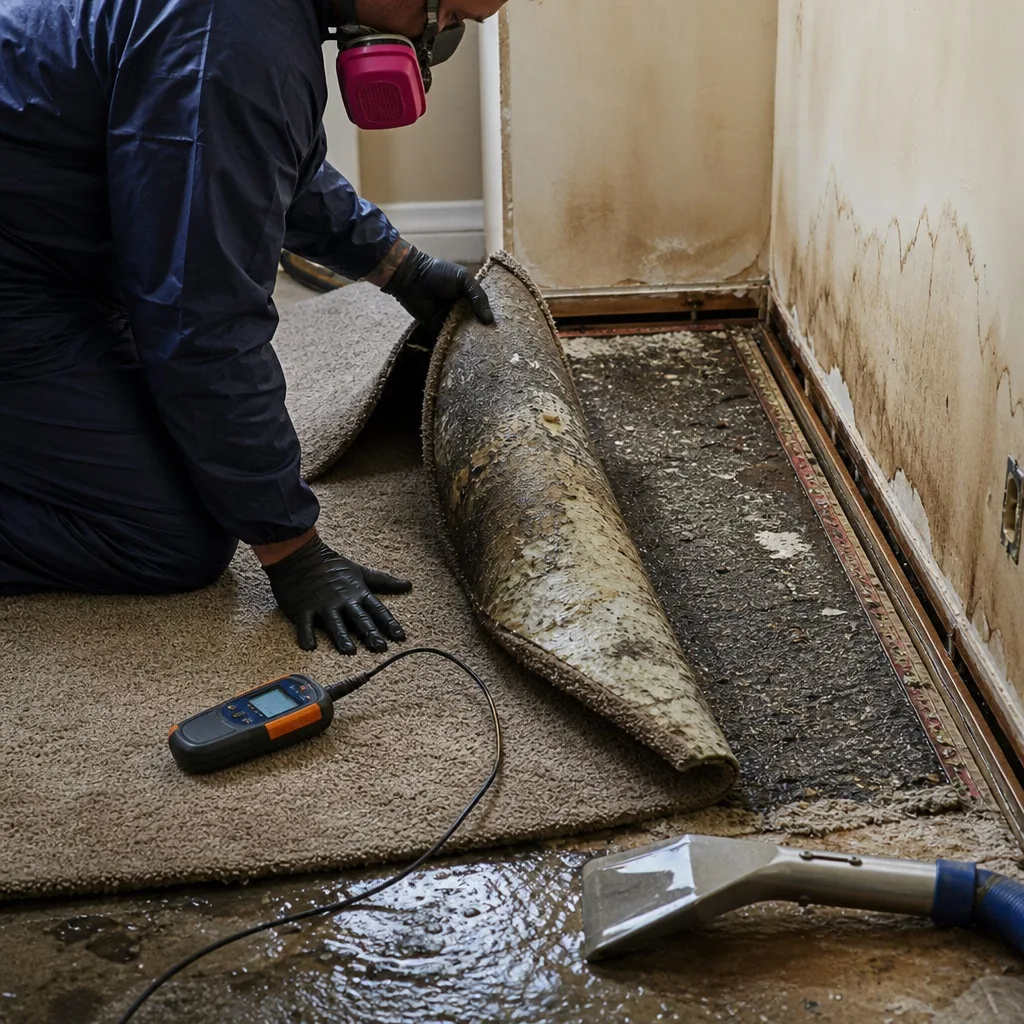
- Daily moisture logs. Psychrometric data: temperature, relative humidity, and specific humidity readings for each affected room, taken with calibrated meters, recorded daily until drying goals are met. These logs prove that equipment days were necessary.
- Photo record on every visit. Date-stamped, geotagged, uploaded to a shared folder you can access. Not a few phone snapshots - a systematic record of affected areas, equipment placement, moisture readings, and post-drying condition. We deliver this as a standard report, not an add-on.
- Equipment inventory with serial numbers. Which dehumidifiers, air movers, and air scrubbers were placed, where, and for how many days. This prevents billing for equipment that was never on site.
- Waste disposal receipts. For jobs with significant debris, especially RRP-regulated waste or biohazard materials, the contractor should provide copies of disposal facility receipts showing weight and waste classification.
- 365-Day Done Right Promise. A signed warranty, not a verbal assurance. If moisture returns, if odors persist, if reconstruction fails - we return and make it right. The Haven Standard, in writing.
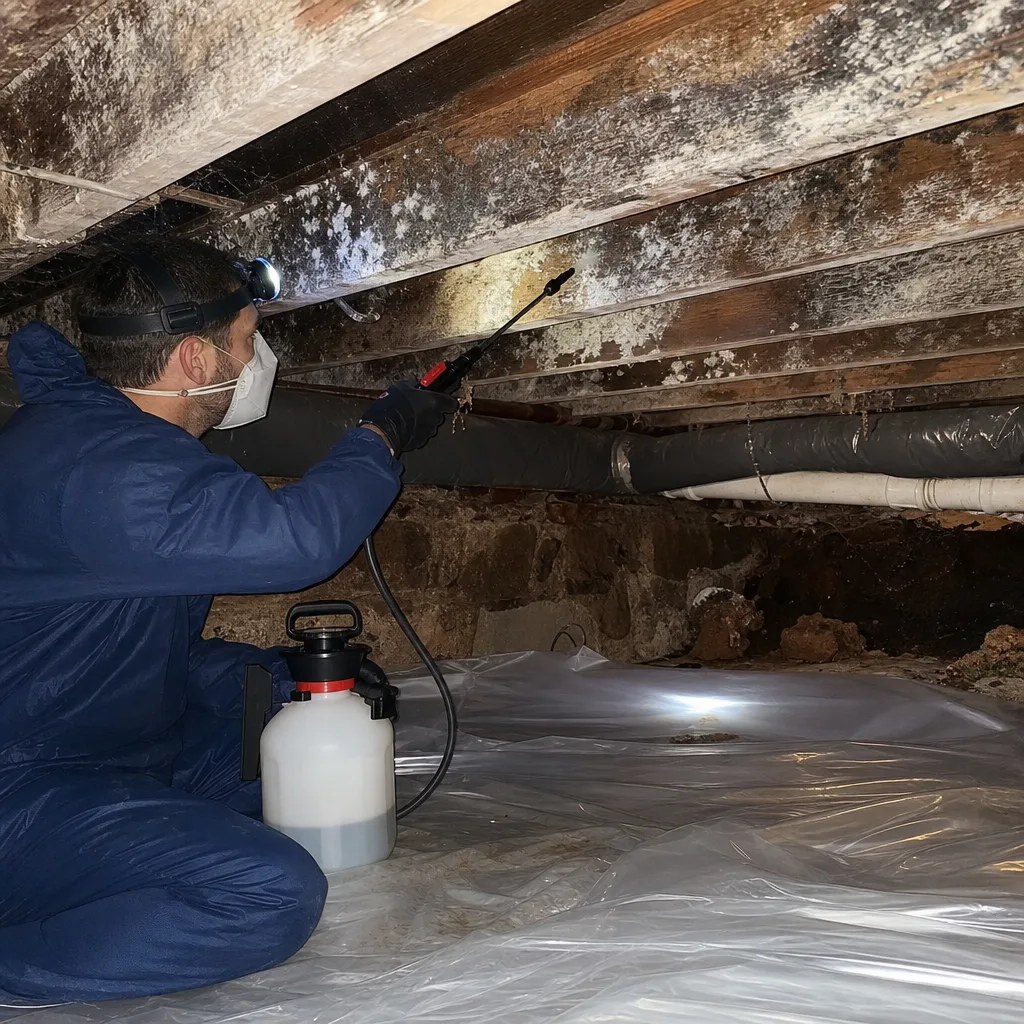
The mold remediation process in Jersey City requires additional documentation: pre-remediation air sampling, containment negative-pressure logs, and post-remediation verification. These are standard on our jobs, not optional upgrades.
Common Mistakes to Avoid
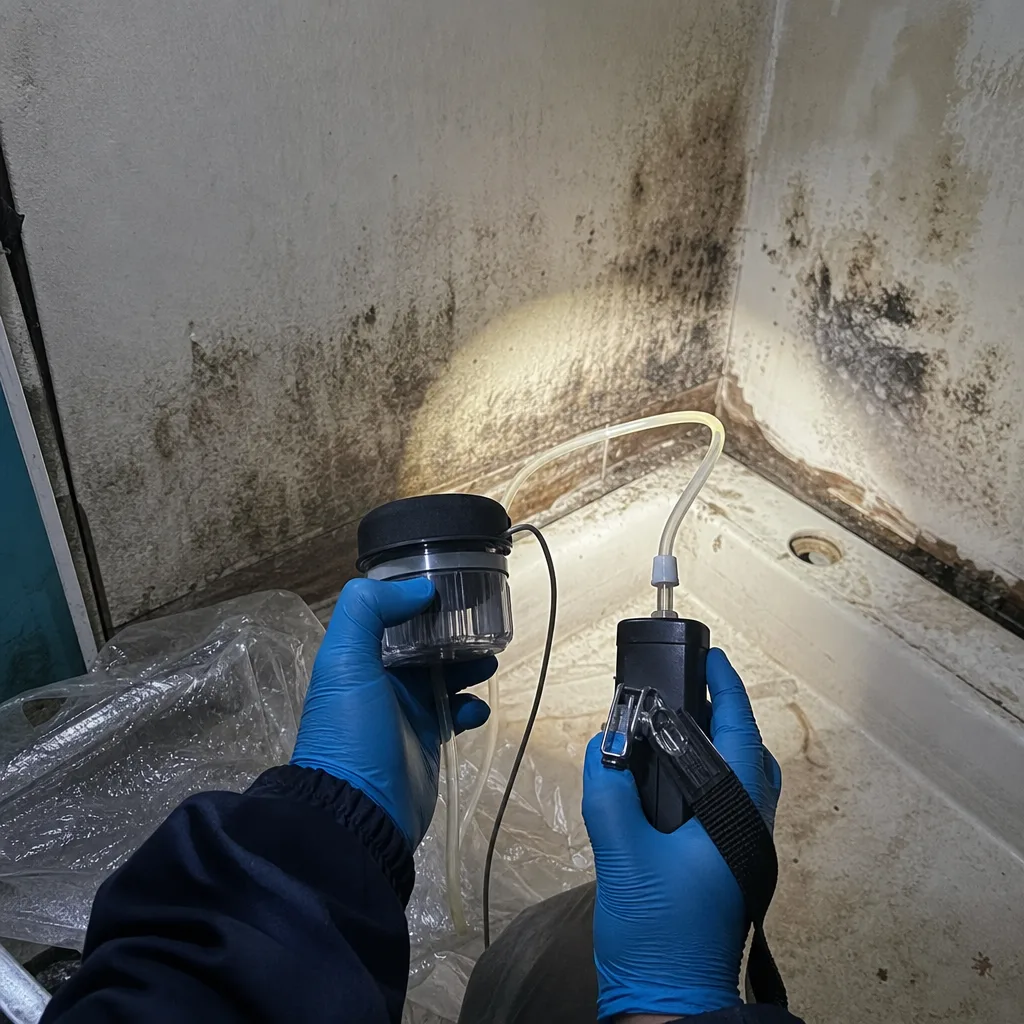
- Accepting a phone estimate without site inspection. No contractor can scope water damage accurately from photos alone. Moisture migrates in ways visible damage doesn’t reveal. We don’t provide estimates without moisture mapping - anyone who does is guessing, and their final invoice will reflect that.
- Choosing the lowest bid without comparing line items. A $4,500 estimate that omits contents manipulation and dumpster permits becomes a $7,200 invoice with supplements. Compare scopes, not totals.
- Waiting for insurance approval before starting mitigation. In Jersey City’s humid climate, mold growth begins on wet drywall within 48-72 hours. Most policies cover reasonable emergency mitigation; document everything and seek reimbursement. Delaying for approval often turns a $5,000 water loss into a $15,000 mold remediation.
- Not asking about lead-safe practices on pre-1978 properties. Federal law requires it. A contractor who doesn’t mention RRP may be planning to ignore it, exposing you to liability, or planning to add it as a surprise supplement.
- Ignoring the equipment count on the estimate. Three air movers in a 400-square-foot basement with 8-foot ceilings won’t achieve the air changes per hour that IICRC standards require. Under-equipped drying extends timelines and risks secondary damage.
- Failing to get the supplemental billing policy in writing. Under what conditions can the contractor add charges? What documentation is required? What’s your approval threshold? If these aren’t defined, you’re vulnerable to open-ended billing.
When to Call a Professional
Call for professional assessment when water affects more than a small, contained area you can dry with household fans; when the water source is a sewer backup, washing machine overflow, or any category 2 or 3 contamination; when water has been standing for more than a few hours; or when you smell mustiness but can’t locate the source. In Jersey City’s older housing stock, hidden leaks in galvanized supply lines and cast-iron drains are common - surface drying won’t address moisture trapped in wall cavities.
DryMark Restoration Jersey City offers free estimates in Jersey City - call (862) 298-5256. Every estimate includes moisture mapping, a written scope with line-item pricing, and documentation of what we found. No voicemail on emergency lines: a live person answers 24 hours a day, 7 days a week.
Frequently Asked Questions
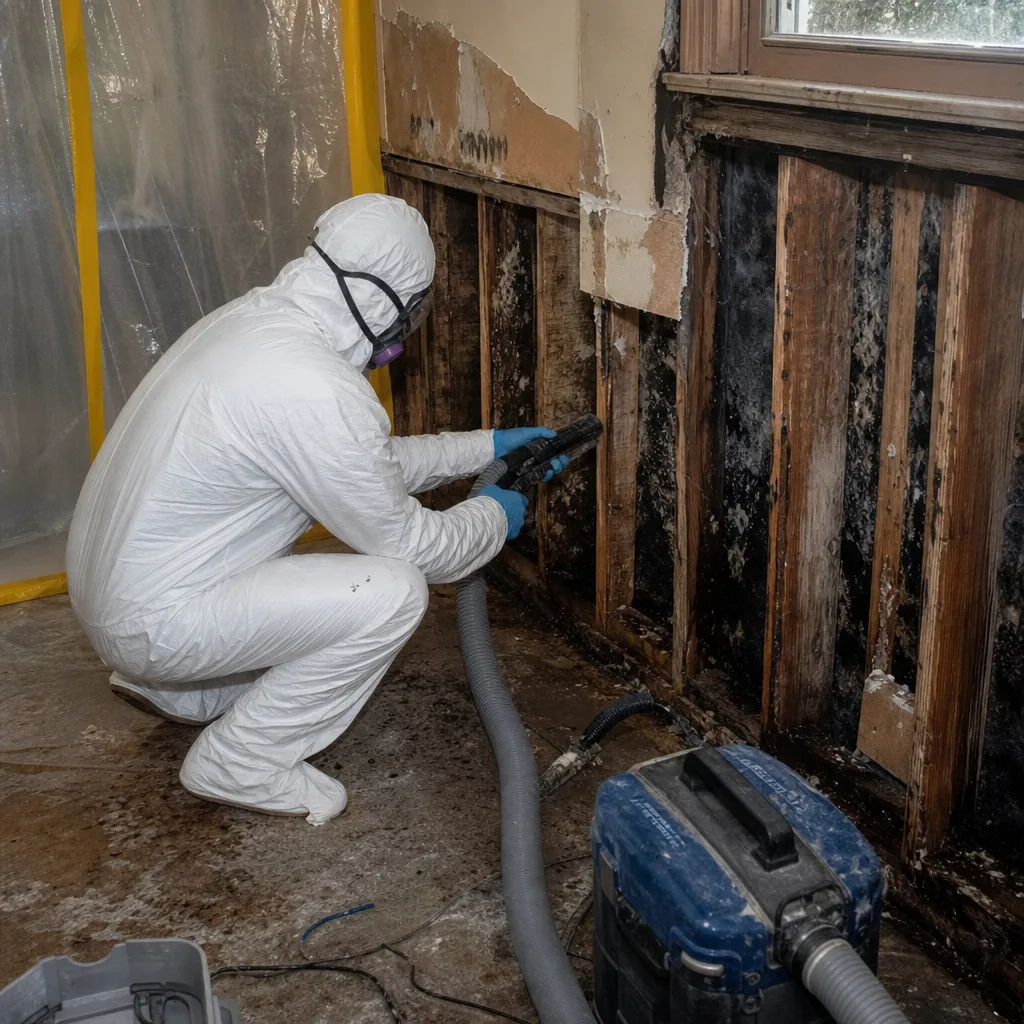
Single-room drying typically runs $3,200-$5,500, while multi-floor losses with category 3 water range from $12,000 to $22,000+ depending on square footage, material types, and drying days required. The most accurate way to determine your cost is a documented moisture inspection with line-item scoping - call (862) 298-5256 for a free estimate with written pricing before any work begins.
Most Jersey City homeowners policies cover sudden and accidental water damage, but coverage limits and deductibles vary. The key factor is documentation: insurers pay claims with line-item estimates that match Xactimate pricing and include daily moisture logs, photo records, and waste disposal receipts. Lump-sum invoices without this structure are routinely reduced or denied. We document to IICRC, RIA, and IFA standards and coordinate directly with adjusters to present claims in the format they expect.
For active water losses, same-day response is standard for water damage restoration in Jersey City - water continues causing damage until extraction and drying begin. For fire and smoke damage, or situations with structural compromise, response within 2-4 hours is typical. Reconstruction and non-emergency work is scheduled after written scope approval, not dispatched for same-day start. Our emergency line has live coverage 24 hours a day, 7 days a week with no voicemail.
Category 1 water (clean supply line) affecting less than 24 square feet of non-porous materials can sometimes be handled by a homeowner with proper drying equipment. Category 2 or 3 water, any mold growth, fire or smoke damage, or water affecting wall cavities, insulation, or structural materials requires professional remediation. In Jersey City’s pre-war buildings, what appears surface-level often conceals extensive hidden damage in lath-and-plaster walls or balloon framing. We offer free second opinions on any competitor’s written estimate if you want verification of a recommended scope.
Both. You’re the policyholder and must authorize all work. A professional contractor handles the technical documentation - moisture logs, photo records, line-item estimates in Xactimate format - and communicates directly with your adjuster to answer questions about scope and pricing. We provide the documentation package that supports your claim; you maintain control of all approvals. Direct adjuster coordination is standard on our jobs, not a premium service.
Category 3 water is grossly contaminated, including sewage backups, flooding from rivers or seawater, and water that has stood long enough to support bacterial growth. IICRC S500 standards require removal of all porous materials that contacted the water, professional cleaning and disinfection of non-porous surfaces, and HEPA air scrubbing during work. This adds demolition, disposal, and documentation costs compared with category 1 (clean) water. In Jersey City, combined sewer overflows during heavy rain make category 3 losses more common than in areas with separated storm and sanitary systems.
The Bottom Line
Restoration costs in Jersey City aren’t mysterious - they’re the sum of documented labor, equipment, materials, and disposal, each with a line-item justification that an adjuster can verify against Xactimate. The homeowner who understands these categories can read any estimate with confidence, spot under-scoping that leads to surprise supplements, and demand the documentation that turns a disputed invoice into a paid claim. The lowest initial price rarely produces the lowest final cost. The most thoroughly documented scope almost always does. For more guides & resources on navigating restoration claims, visit our blog. For a free estimate with written line-item pricing before any work begins, call DryMark Restoration Jersey City at (862) 298-5256.
Written by Alicia Brennan, Owner at DryMark Restoration Jersey City, serving Jersey City since 2011.