
Last updated September 22, 2026
Free visual inspection and a written scope of work before any mitigation begins - photos, moisture readings, and drying logs go in your claim file
The scope we write is the scope we bill. Anything new gets shown to you, in writing, before we touch it.
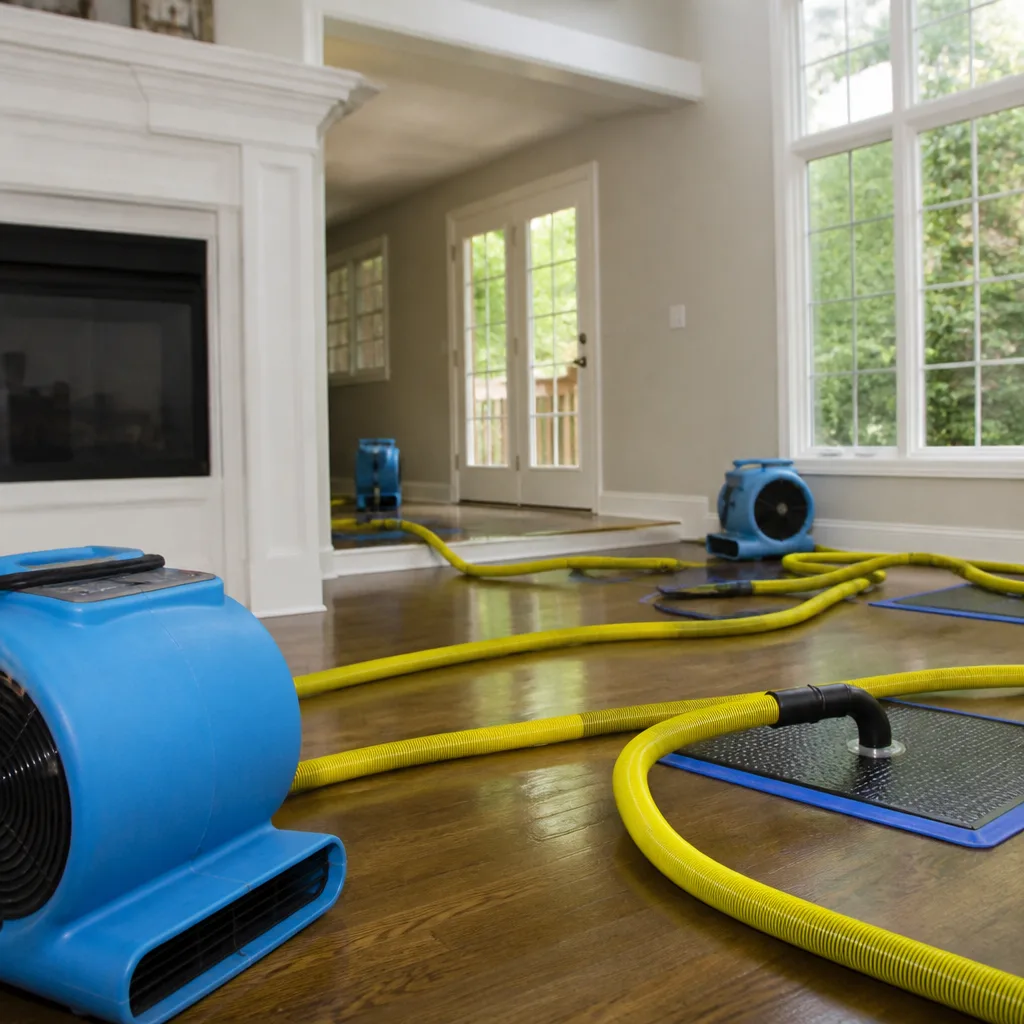
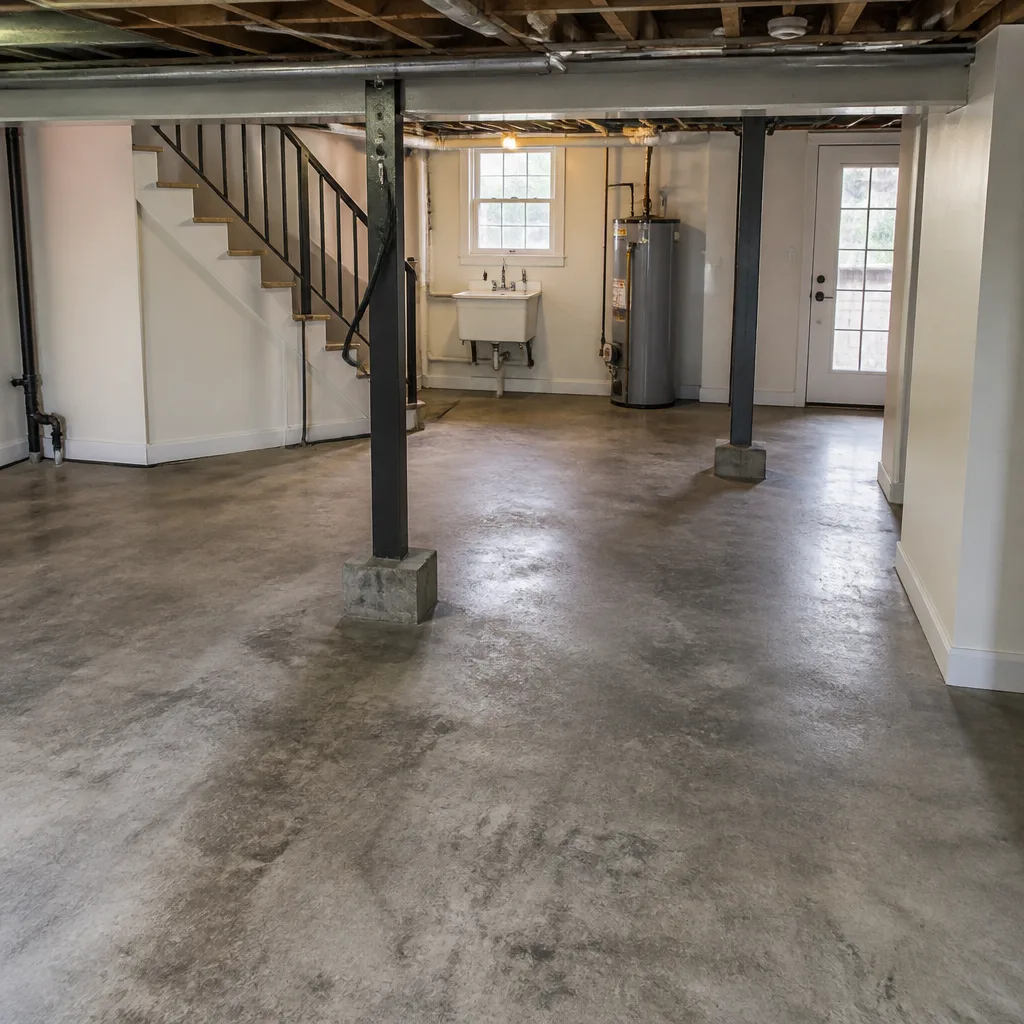

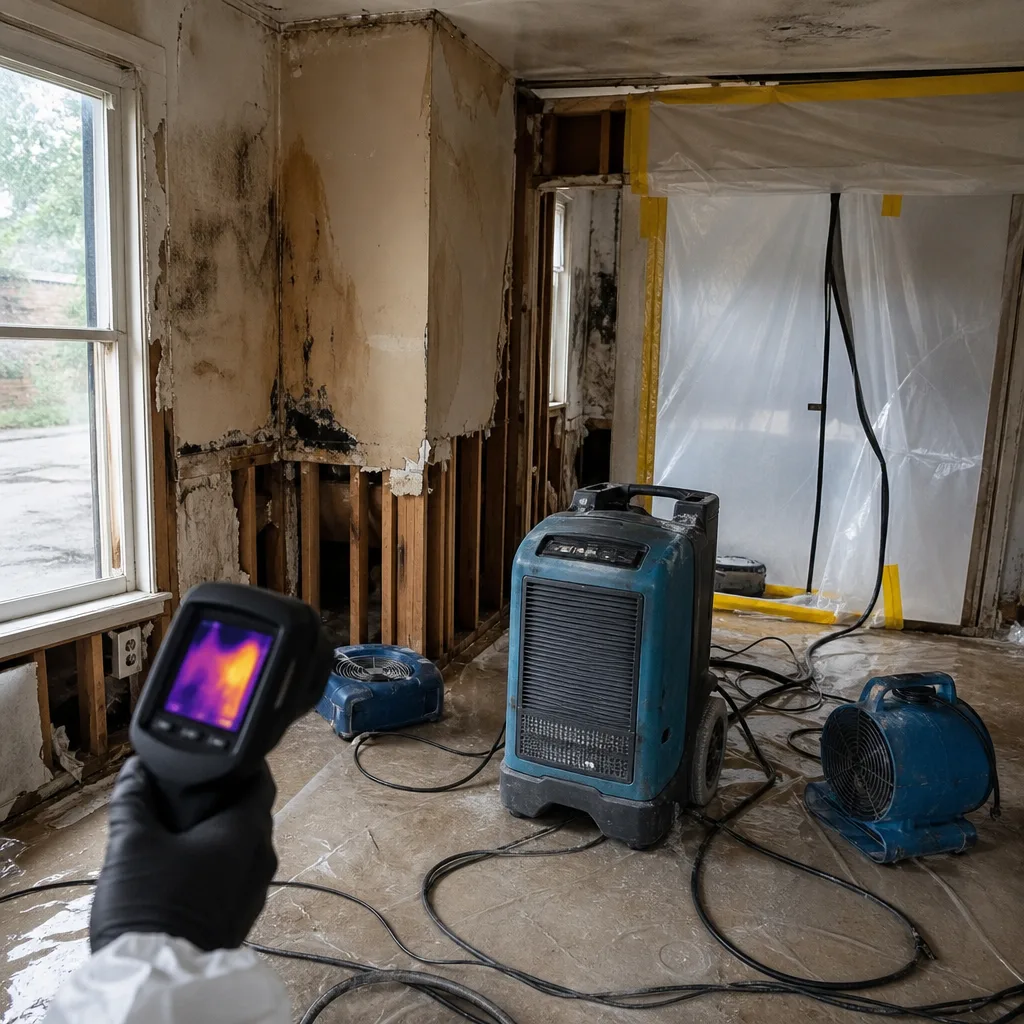 Before
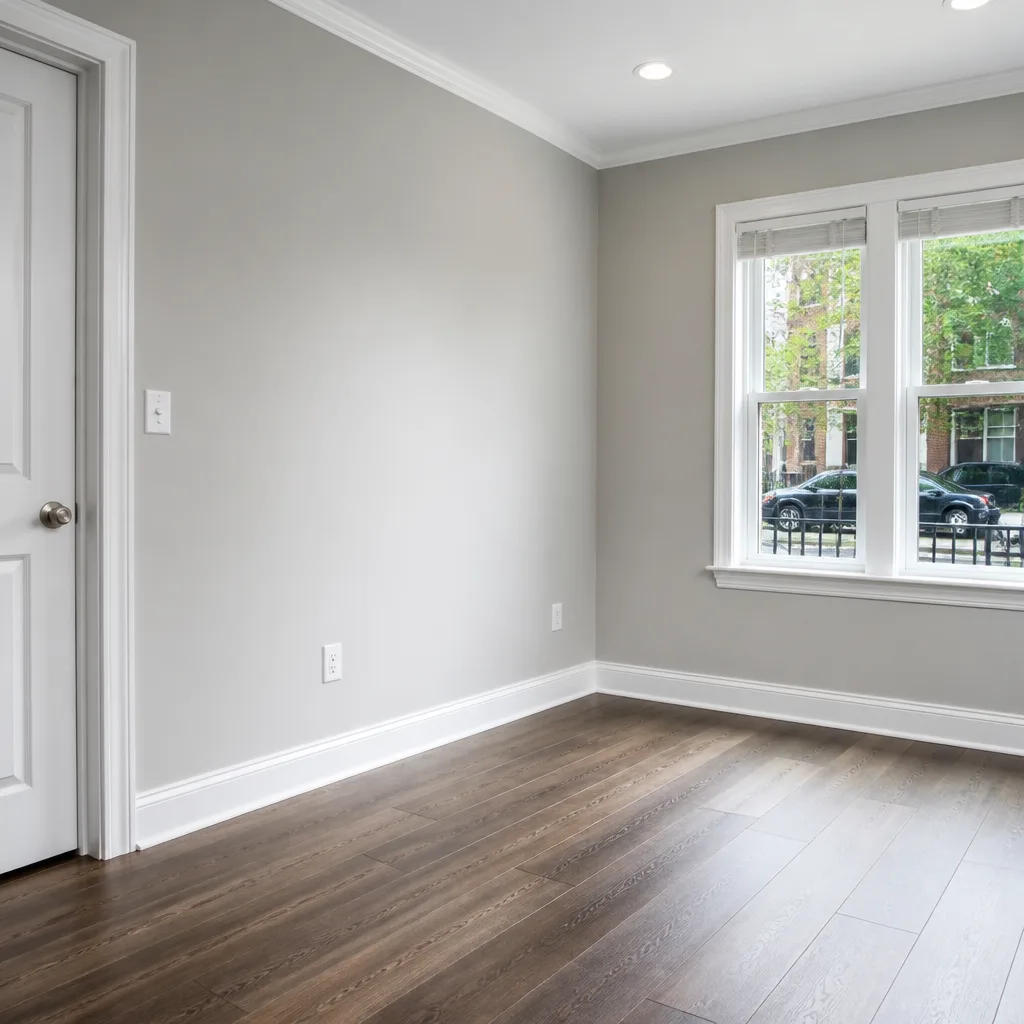 After
After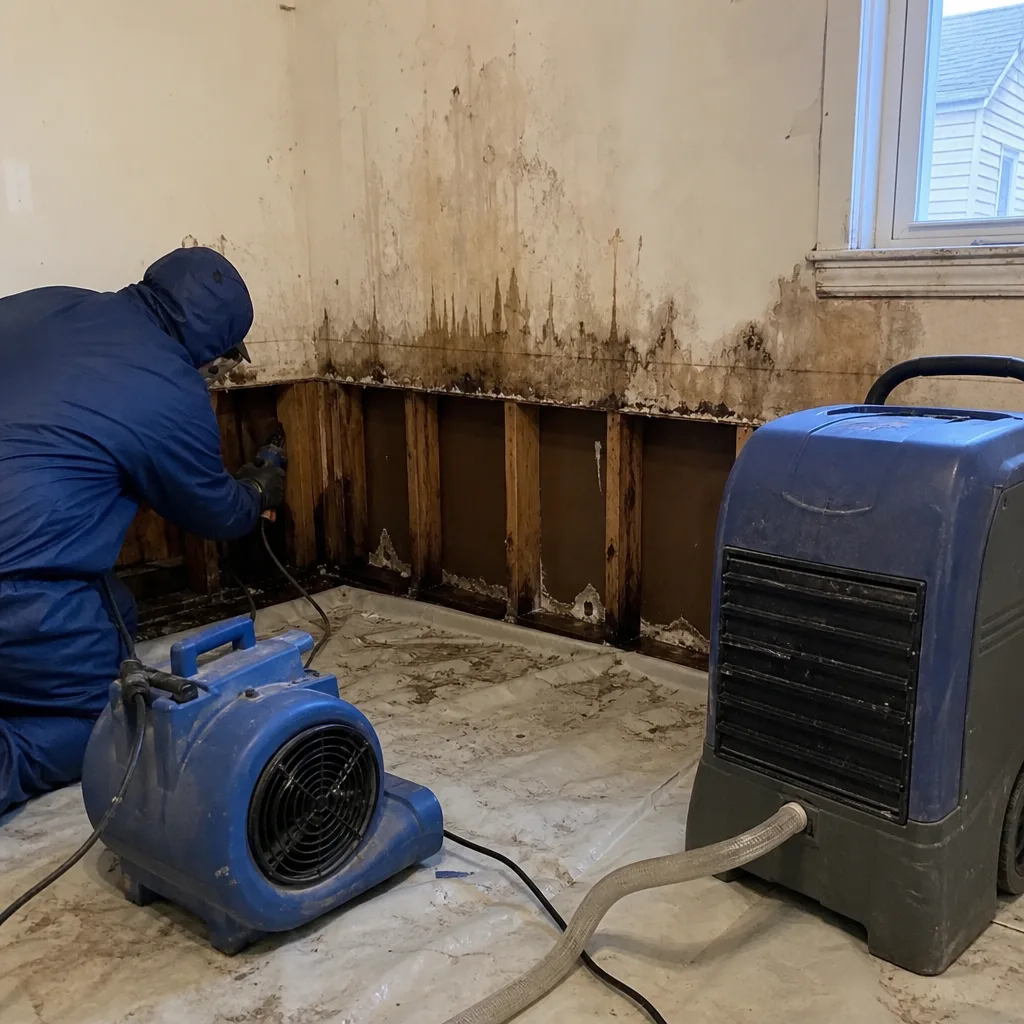 Before
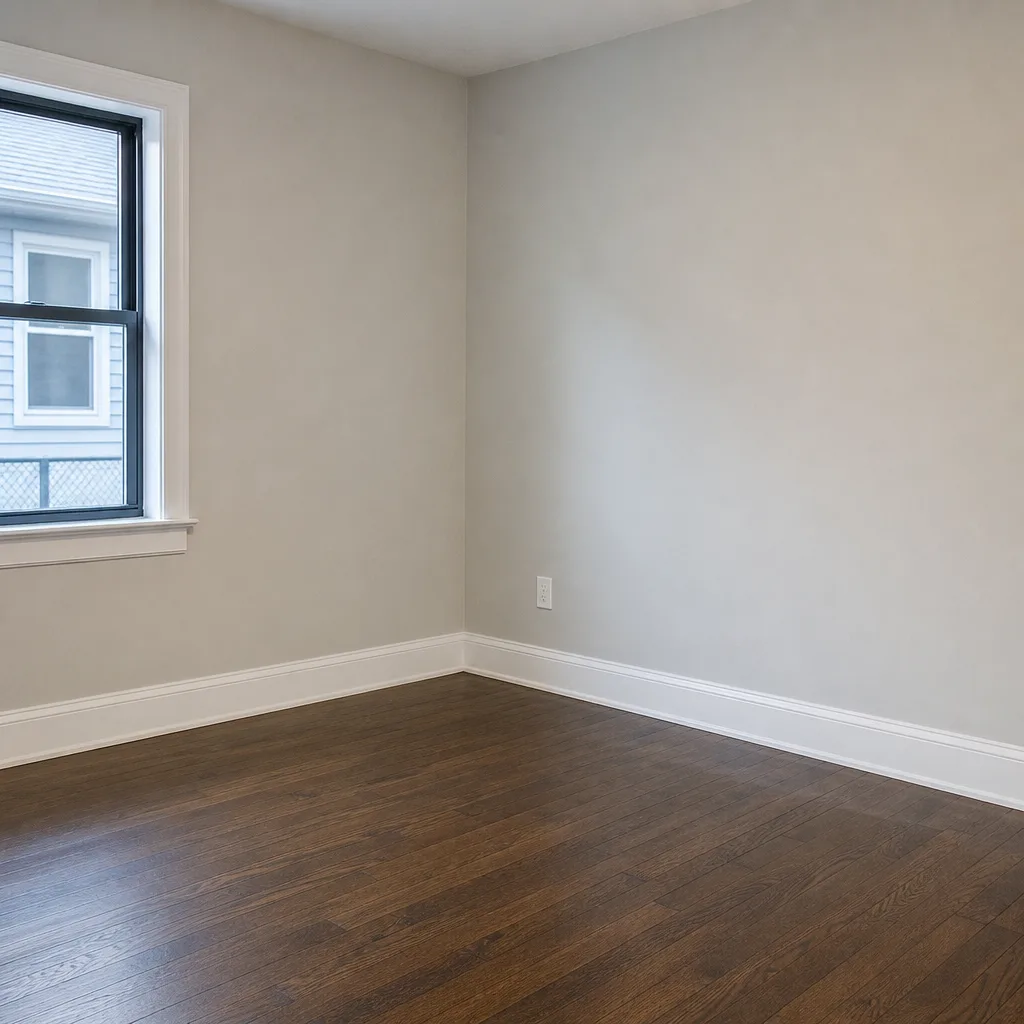 After
After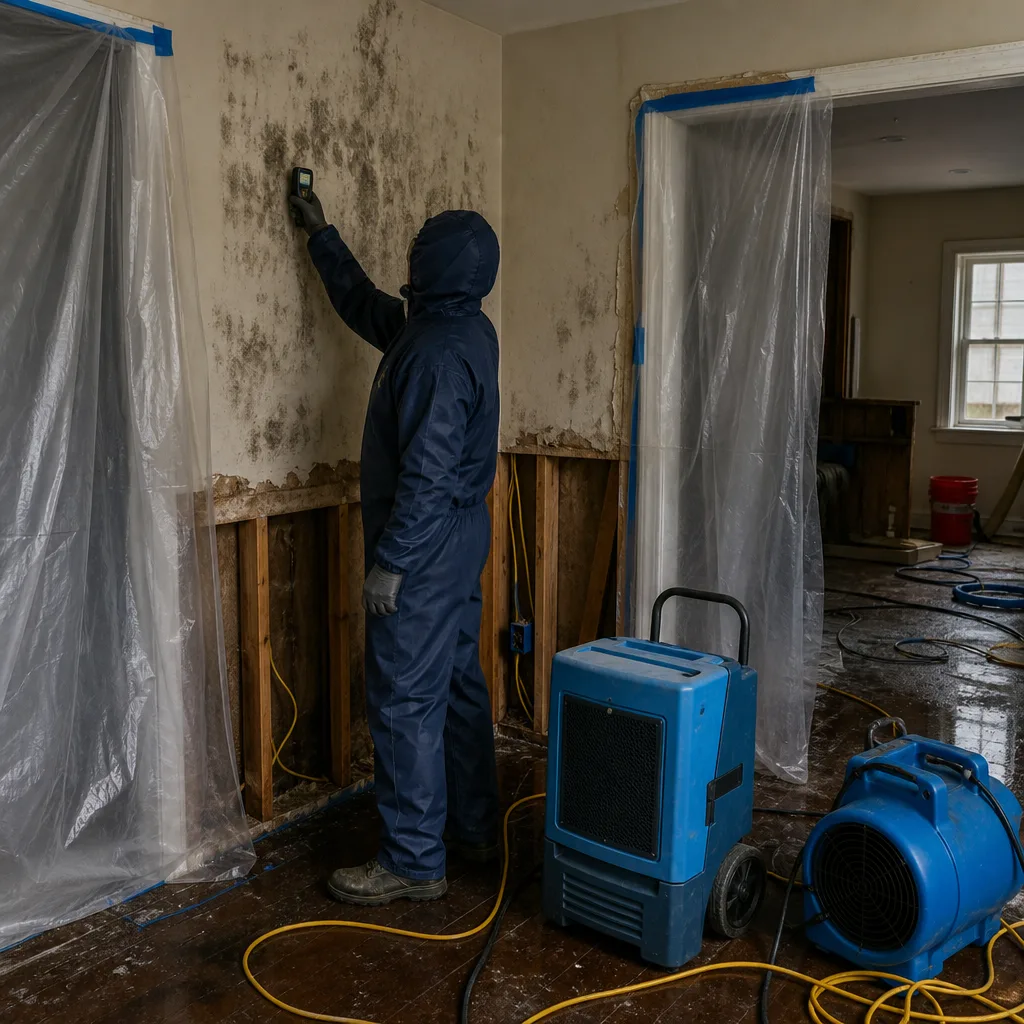 Before
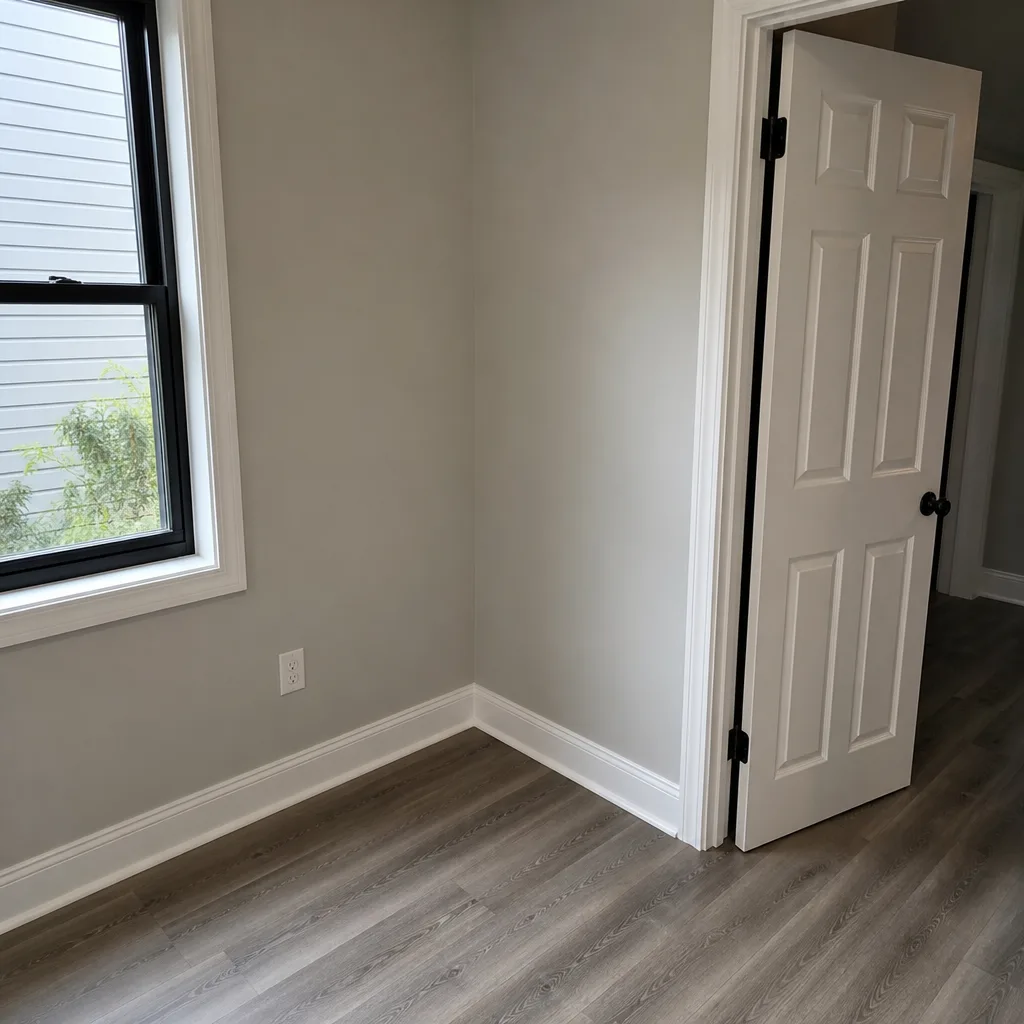 After
AfterDIY vs Professional Damage Restoration: The Jersey City Homeowner’s Decision Guide
Last spring, a homeowner in the Heights ran three box fans in their flooded basement for four days before calling anyone. When mold appeared two weeks later, their insurer denied the remediation claim. The adjuster’s reason: an unverifiable drying period with no moisture logs, no photo record, and no documentation to prove when the water arrived or when it left. The homeowner’s DIY response didn’t just fail to fix the problem - it erased the evidence their policy required to pay for the fix, a scenario our How to Hire a Damage Restoration Contractor in Jersey City: A Step-by-Step Guide helps you avoid. In Jersey City’s dense housing stock, where water travels through shared walls and mold spores move through century-old framing, the question isn’t whether you can handle the work. It’s whether your insurer will pay for what comes after.
Quick Answer
Most Jersey City homeowners can safely perform initial mitigation - stopping the source, photographing damage, moving contents - but professional documentation is required for any water damage that affects porous materials, shared building assemblies, or areas larger than a single appliance footprint. DIY drying without professional-grade moisture logging and photo documentation creates gaps in your insurance record that can void coverage for subsequent mold, structural, or secondary damage claims.
Table of Contents
- Why DIY Work Can Destroy Your Insurance Claim
- The Claim-Safe DIY Actions Every Homeowner Should Know
- Which Jersey City Loss Types Allow DIY Response
- Professional Moisture Thresholds vs Consumer Readings
- New Jersey’s Duty to Mitigate: What the Law Actually Requires
- How to Document DIY Mitigation as Evidence
- When Professional Documentation Is Non-Negotiable
- Cost Reality: DIY Savings vs Claim Denial Risk
BeforeAfterWhy DIY Work Can Destroy Your Insurance Claim
Insurance policies in New Jersey contain a cooperation clause and a duty to mitigate. The first means you must document the loss in a way the insurer can verify. The second means you must take reasonable steps to prevent further damage - but those steps must themselves be documentable. When you perform work that leaves no record, you haven’t mitigated; you’ve created an evidentiary void.
We’ve reviewed thousands of claims files since 2011, and the pattern is consistent. Homeowners who run consumer fans, discard wet materials, or apply cleaning agents before documentation destroy three critical claim elements:
- Origin verification: Insurers need to establish when water intrusion began. Without dated moisture readings and photo records, they can argue the damage predated the claimed event.
- Drying verification: Policies cover mold remediation only when mold results from a covered water loss that was properly dried. A basement that “felt dry” to the homeowner but remained above 16% wood moisture content will grow mold. Without logs, the insurer can claim the mold was pre-existing or caused by incomplete mitigation.
- Scope verification: When you remove wet drywall or insulation without photo inventory, you eliminate the evidence needed to justify replacement costs. The adjuster sees a repaired wall, not a water-damaged one.
In Jersey City’s historic districts, particularly around Van Vorst Park and Paulus Hook, many buildings have been modified across decades. Original plaster lurks behind drywall. Shared drainage systems connect multiple units. A water loss in these structures almost always involves assemblies that cross property lines or contain materials no longer in production. DIY demolition here doesn’t just risk your claim; it can expose you to liability for damage in neighboring units where your documentation gap becomes their coverage problem.
The Water Damage Restoration in Jersey City page details how professional documentation chains work from first response through final billing. The key distinction: every action produces a timestamped record that an adjuster can follow.
The Claim-Safe DIY Actions Every Homeowner Should Know
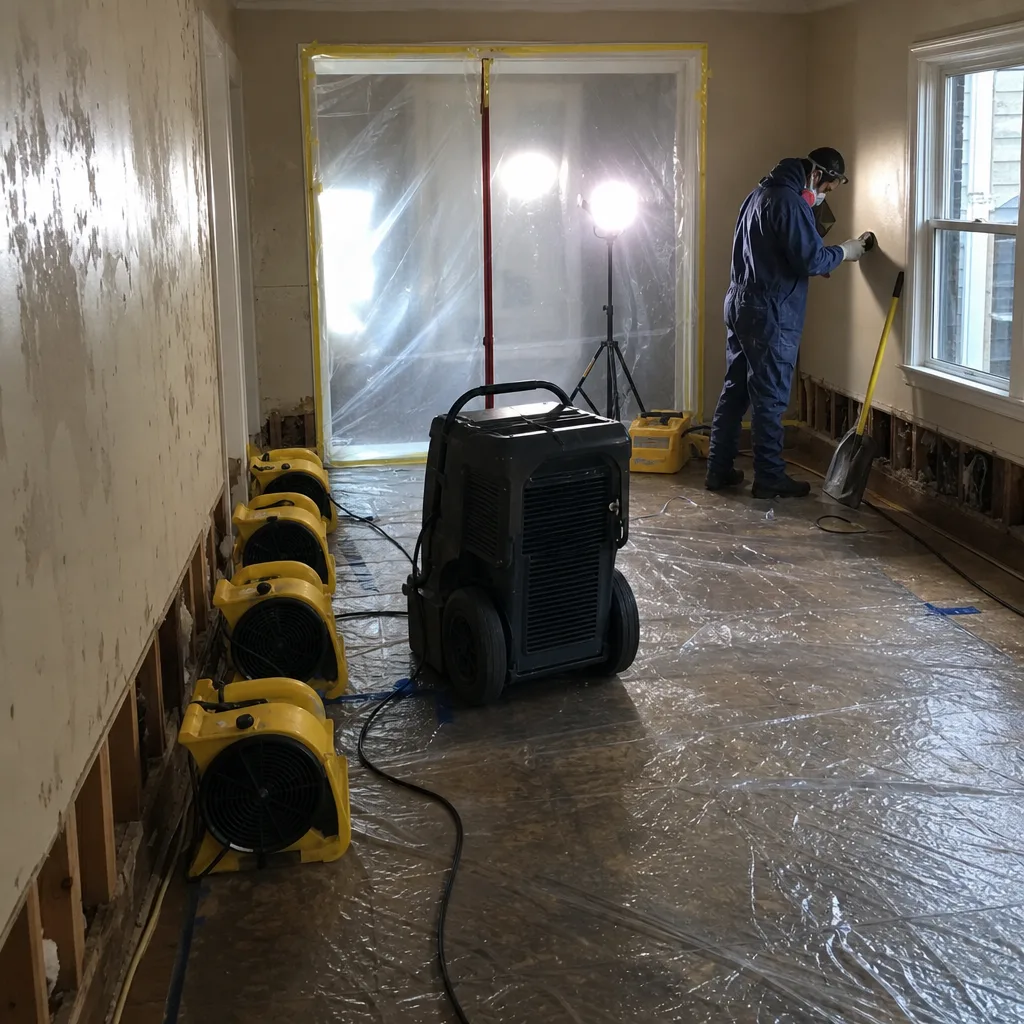
Not all homeowner response harms a claim. Specific actions are not only safe but expected by insurers. The distinction lies in whether an action creates evidence or erases it.
Claim-Safe Actions (Do These Immediately)
- Stop the water source. Shut off the supply valve, appliance valve, or main if necessary. Note the time. Photograph the valve position before and after.
- Photograph everything before touching it. Wide shots showing room context, medium shots showing water lines on walls or furniture, close-ups of damage to specific items. Include timestamps by enabling camera metadata or photographing a phone showing the time.
- Move contents to dry areas. Document item condition with photos before moving. Create a written list: item, location moved from, visible condition, time moved.
- Remove standing water you can safely access. Wet-dry vacuums and mopping are fine for accessible, uncontaminated water. Do not enter standing water that contacts electrical outlets, panels, or wiring. Do not enter water of unknown origin - category classification determines safety protocols.
- Contact your insurer and document the call. Note representative name, time, claim number assigned, and any instructions given.
Claim-Compromising Actions (Avoid These)
- Running consumer fans without professional moisture assessment. Fans accelerate evaporation but do not verify drying. Surface dryness masks elevated moisture in subfloors, wall cavities, and insulation. Worse, improper airflow can drive moisture into unaffected areas.
- Discarding any material without photo inventory. Every removed item is a lost data point. Insurers require evidence of damage to approve replacement.
- Applying bleach, antimicrobial agents, or sealants before testing. These alter surfaces and can interfere with mold assessment, potentially voiding coverage for remediation that would otherwise be approved.
- Removing baseboards, drywall, or flooring to “help air circulate.” Demolition without documentation destroys the evidence of how far water traveled. In Jersey City’s row houses and converted brownstones, water migration patterns are often non-intuitive - wicking upward through plaster, traveling along steel beam channels, pooling in sub-basements three floors below the source.
The DryMark Restoration Jersey City home page explains our documentation protocol, which begins with these same claim-safe actions performed by our technicians and recorded to IICRC standards.
Which Jersey City Loss Types Allow DIY Response
Geography and building type in Jersey City create specific loss profiles, which we cover in our Seasonal Damage Restoration Care for Jersey City: Year-Round Homeowner’s Guide. Some genuinely permit limited DIY response. Others require professional documentation regardless of visible scope.
Appropriate for Informed DIY (With Documentation)
Single appliance leak on concrete slab, no adjacent wall contact: A dishwasher or washing machine leak contained to a concrete basement floor, with water stopped within hours, no wall wicking visible, and no shared building assemblies affected. Document with photos, note appliance model and failure type, run a dehumidifier if available, and obtain a consumer moisture meter reading at 24 and 48 hours. If readings plateau above 4% for concrete or any elevated reading for adjacent baseplates, escalate to professional assessment.
Minor roof leak with immediate containment: A small, identified roof leak during rain, with bucket placement and immediate tarping by a roofing contractor. The restoration component here is minimal; the key is documenting the leak path, containment measures, and any interior staining before it dries or is cleaned.
Never Appropriate for DIY Documentation
Any water contacting porous materials in buildings with shared assemblies: This describes most Jersey City housing. Downtown high-rises, Hoboken-bordering brownstones, and Journal Square pre-war buildings all share structural or utility elements. Water in these environments travels unpredictably and creates liability exposure beyond your unit.
Any Category 2 or 3 water: Gray water (dishwasher, washing machine with detergent, sump backup) and black water (sewage, flooding from outside, seawater in hurricane events) require professional handling for health reasons and documentation for coverage reasons. Jersey City’s combined sewer system, particularly in older neighborhoods, means basement flooding often carries contaminants even when water appears clear.
Any fire or smoke damage: Smoke residues are chemically complex, and improper cleaning can set residues permanently or drive them deeper into porous materials. More critically, fire claims require extensive documentation of pre-loss condition, affected inventory, and restoration scope that homeowners cannot self-generate to adjuster standards.
The Fire & Smoke Damage Restoration in Jersey City page details the documentation requirements specific to fire claims, which differ substantially from water protocols.
Professional Moisture Thresholds vs Consumer Readings
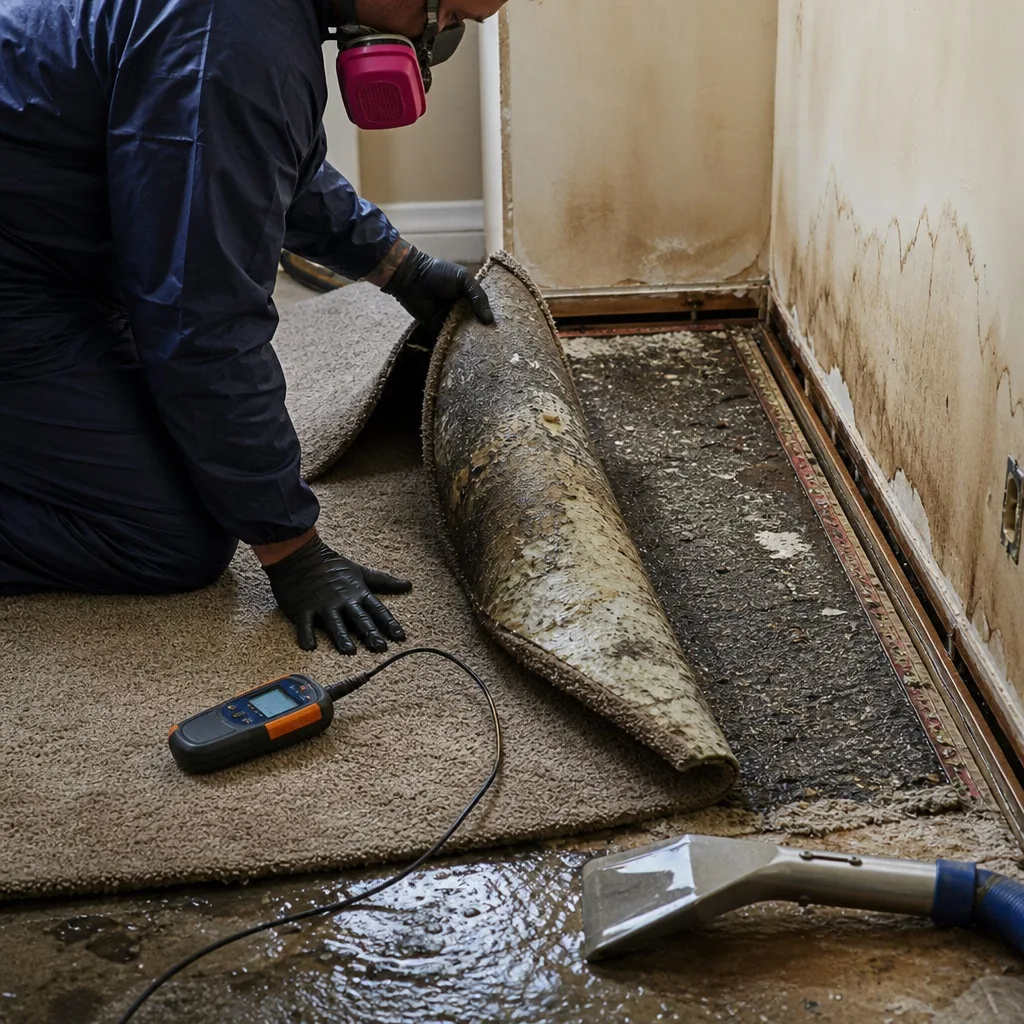
This is where most DIY efforts fail silently. A structure can feel dry, look dry, and register “dry” on a consumer moisture meter while remaining far above the thresholds that prevent microbial growth.
The IICRC S500 Standard and Reference Guide for Professional Water Damage Restoration establishes specific moisture content targets:
- Wood structural materials: Must return to within 4 percentage points of the established dry standard for that species and location. In Jersey City’s humid summer climate, this typically means 10-12% moisture content, not the 16% a consumer meter might read as “low.”
- Drywall: Must read below 0.5% above dry standard, typically 5-7% moisture content by weight. Surface readings miss core saturation.
- Concrete: Must reach 4% or below moisture content for flooring installation, though restoration drying targets may be higher depending on finish materials.
Professional restoration meters use pin-type penetration readings, radio frequency scanning, and thermo-hygrometric calculations to assess moisture in materials and the air. Consumer meters typically measure surface conductivity only. A pinless meter held against drywall will read the surface paper, not the core, and will not detect moisture in the stud cavity behind.
More critically, professional drying is documented through psychrometric data - temperature, relative humidity, and vapor pressure differential recorded at intervals and plotted against drying goals. This produces the daily drying logs that insurers require to confirm mitigation was performed to standard. A homeowner with a consumer meter has a single data point, uncalibrated, with no atmospheric context.
We’ve seen Jersey City homeowners present consumer meter readings of “12%” for oak flooring in August, when the equilibrium moisture content for that material in our climate zone is actually 10.5-11.5%. The reading wasn’t wrong; the interpretation was. The floor was still 1-2% above target, enough to support mold growth in the subfloor gap where the meter couldn’t reach.
Equipment matters here. Professional drying systems from Dri-Eaz, Phoenix, and XPOWER generate airflow volumes and dehumidification capacity measured in pints per day at specific conditions. A consumer dehumidifier rated for “50 pints” may achieve that only at 80°F and 60% RH, conditions rarely present in a water-damaged Jersey City basement in March. Professional equipment is specified to perform at lower temperatures and higher humidities - the actual conditions of most local losses.
New Jersey’s Duty to Mitigate: What the Law Actually Requires
New Jersey insurance regulations, particularly N.J.A.C. 11:1-54 and related Department of Banking and Insurance guidance, impose a duty of mitigation on policyholders. The policy language typically states that the insured must take “reasonable steps” to protect property from further damage. What constitutes “reasonable” has been tested in New Jersey courts, and the standard is documentable, not merely attempted.
The critical distinction: mitigation efforts must be provable. A homeowner who runs fans and “tries to dry things out” has attempted mitigation. A homeowner who produces a written log of actions, timestamped photos, and moisture readings has documented mitigation. When claims disputes reach appraisal or litigation, New Jersey courts have consistently favored documented efforts over claimed efforts.
In Jersey City’s insurance market, where many homeowners carry HO-3 or HO-5 policies with specific mold sublimits and mitigation requirements, this documentation gap can be catastrophic. A standard Jersey City policy might cap mold coverage at $10,000 with the condition that mold resulted from a covered water loss that was “properly mitigated.” Without professional documentation, the insurer can argue the water was not properly mitigated, shifting the mold remediation cost entirely to the homeowner.
New Jersey’s comparative negligence framework also affects this analysis. If a homeowner’s DIY mitigation is found to have exacerbated damage - for example, by driving moisture into previously dry areas with improper fan placement - the insurer may reduce the claim payment proportionally. Professional mitigation carries errors and omissions coverage that absorbs this risk. DIY mitigation places it squarely on the homeowner.
How to Document DIY Mitigation as Evidence
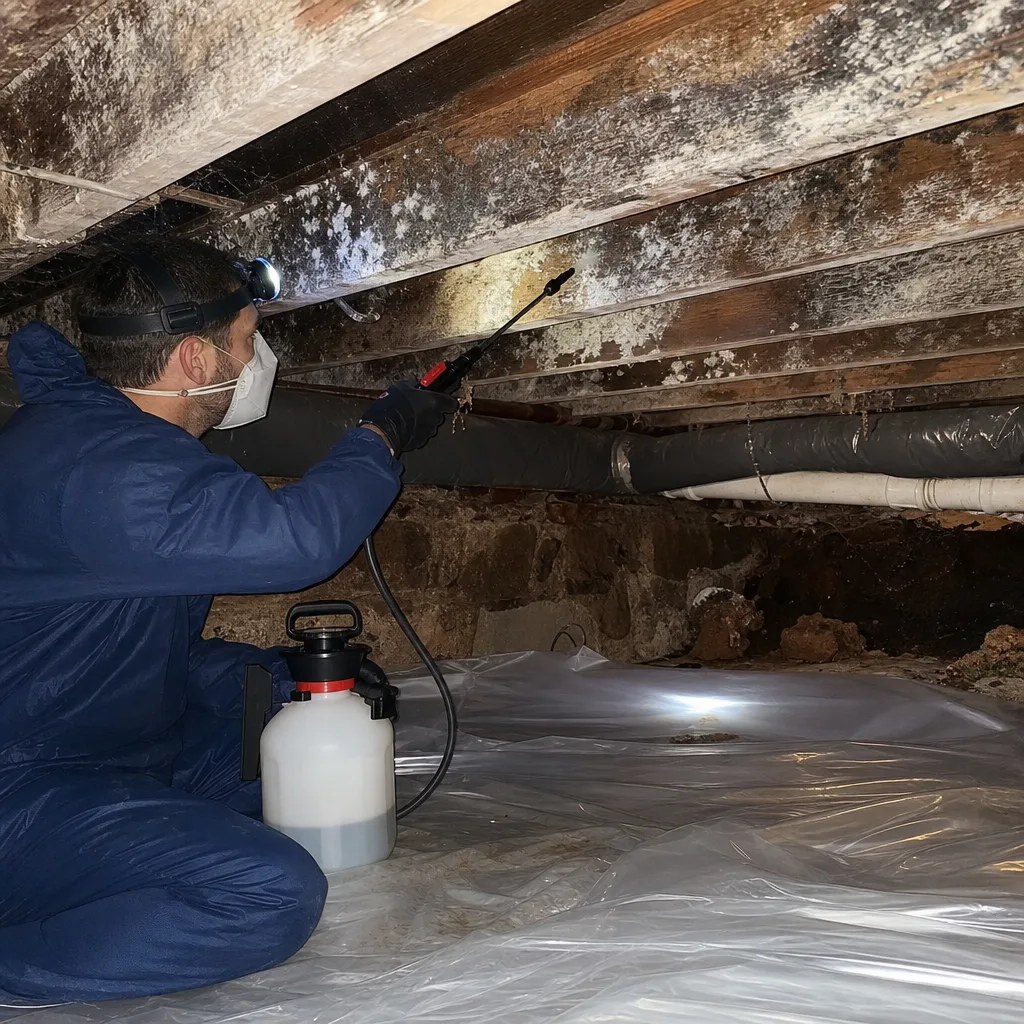
If you choose to perform initial mitigation before professional arrival, you can strengthen rather than weaken your claim by treating your own actions as evidence production. Our Water Damage Restoration Maintenance Checklist for Jersey City Homeowners offers additional guidance. Here’s the protocol:
- Create a written incident log. Time, date, source of water, actions taken, weather conditions. Update every 2-4 hours during active response.
- Photograph with purpose. Every photo needs context: wide shot showing room and orientation, medium shot showing damage extent, close-up showing material condition. Include a reference object for scale. Photograph your mitigation actions in progress - fans running, water being extracted, dehumidifier display readings.
- Record device specifications. If you use a moisture meter, note the manufacturer, model, measurement mode (pin or pinless), and calibration date if known. Consumer meter readings are admissible if the device is identified; anonymous readings are not.
- Preserve physical evidence. Do not discard damaged materials until photographed, measured, and inventoried. If disposal is necessary for safety (contaminated materials, structural hazard), photograph extensively first and retain samples where possible.
- Correspond in writing. Email your insurer with updates rather than relying on phone calls alone. Create a paper trail of every communication.
- Obtain a professional assessment promptly. Even if you believe the situation is controlled, a professional moisture assessment within 24-48 hours creates the baseline documentation that validates your initial response. The cost of this assessment is typically recoverable as part of the claim.
The goal is not to perform professional-grade documentation - that’s not possible without training and equipment. The goal is to produce a record that a professional can later validate, supplement, and present to an adjuster as continuous documentation rather than a gap filled by assertion.
When Professional Documentation Is Non-Negotiable
Certain loss characteristics make professional involvement mandatory regardless of the homeowner’s skill, equipment, or confidence. These are not judgments about capability; they are structural requirements of the insurance and building systems.
Shared Building Assemblies
Jersey City’s housing stock includes thousands of multi-family buildings where water, smoke, or mold affects common elements. A leak in a Downtown condo’s bathroom may involve the building’s cast iron stack, affecting units below. A fire in a Journal Square duplex may involve shared HVAC ductwork. In these cases, individual unit documentation is insufficient; building-wide assessment by a restoration firm with multi-unit claim experience is required to allocate coverage and responsibility.
Mold of Any Visible Extent
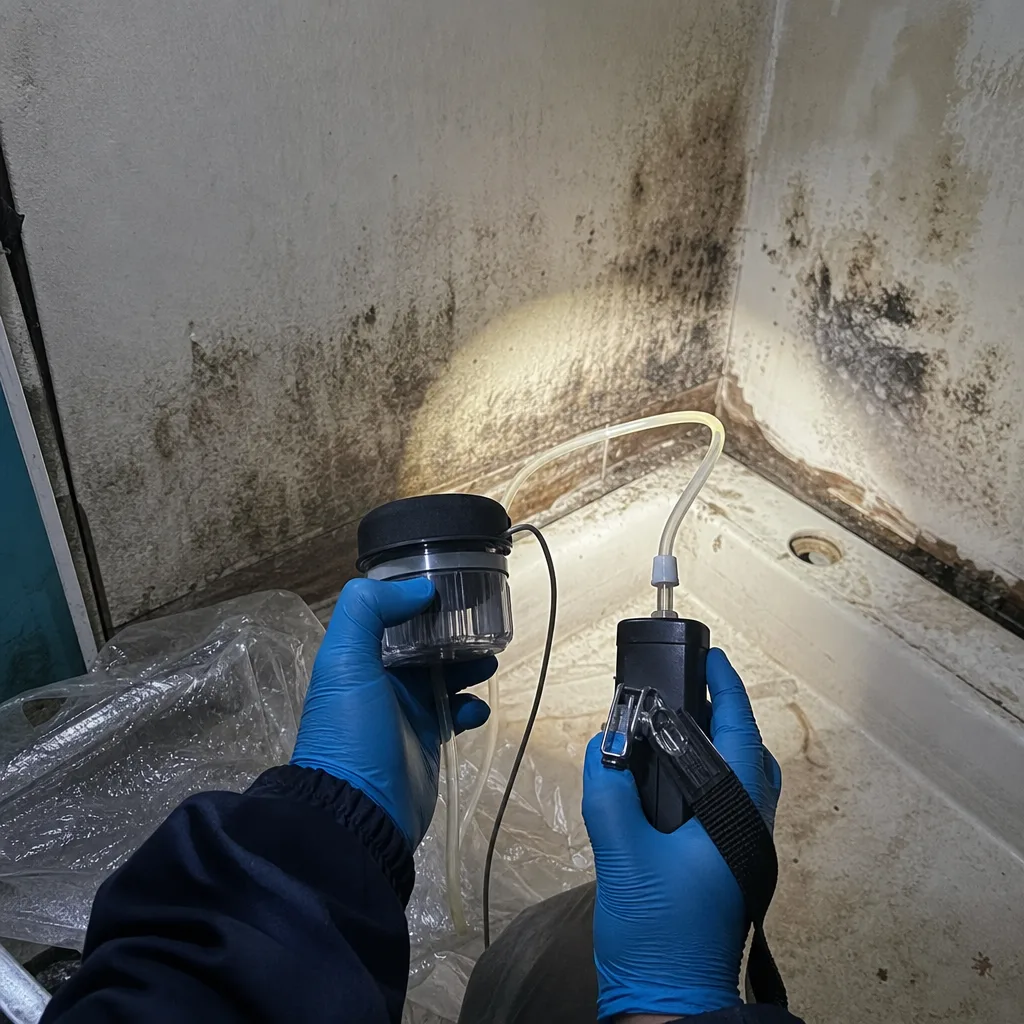
New Jersey’s mold remediation licensing requirements and the state’s strict landlord-tenant mold disclosure laws create documentation requirements beyond insurance. Even a small visible patch requires assessment of hidden growth, air quality sampling, and remediation protocol documentation. DIY cleaning of visible mold without this assessment violates the documentation chain and can expose homeowners to liability if occupants later claim health effects.
The Mold Remediation in Jersey City page details the specific documentation requirements for mold claims in our market, including the air sampling protocols that insurers increasingly require.
Any Loss with Potential Coverage Dispute
If your policy has a mold sublimit, a water damage exclusion for certain sources, or any other limitation that might affect coverage, professional documentation from the first hour protects your position. Adjusters review claims with an eye toward applicable exclusions. A professionally documented drying log, with moisture readings, equipment placement diagrams, and daily psychrometric data, makes it harder for an insurer to invoke those exclusions successfully.
HVAC and Mechanical Systems
Smoke, water, or mold affecting heating, ventilation, or air conditioning systems requires specialized cleaning and documentation. These systems distribute contaminants throughout a building, and improper cleaning can spread rather than remove them. Documentation of pre-cleaning contamination levels, cleaning methods, and post-cleaning verification is required for both insurance and health compliance.
Cost Reality: DIY Savings vs Claim Denial Risk
The financial analysis of DIY versus professional restoration must include claim consequences, not just out-of-pocket costs.
| Scenario | DIY Out-of-Pocket | Professional with Documentation | DIY with Subsequent Claim Denial |
|---|---|---|---|
| Minor appliance leak, concrete floor, no wall contact | $200-400 (fans, dehumidifier rental, moisture meter) | $800-1,500 (assessment, limited drying, documentation) | $200-400 initial + $3,000-8,000 uncovered mold remediation |
| Basement flooding, finished walls, Category 1 water | $500-1,200 (equipment, materials, potential mold treatment) | $2,500-5,500 (full drying, selective demolition, documentation) | $500-1,200 initial + $8,000-25,000 uncovered reconstruction |
| Fire/smoke damage, single room | Not safely DIY-performable | $4,000-12,000 (cleaning, odor removal, documentation for contents) | Attempted DIY cleaning can permanently set residues, increasing professional restoration cost by 30-50% |
These Jersey City market ranges reflect our experience since 2011. The critical variable is not the initial cost difference but the conditional cost: what happens if the DIY effort fails or compromises the claim. In our experience, approximately 40% of DIY water mitigation efforts in Jersey City require subsequent professional intervention, and of those, roughly one-third encounter claims complications directly attributable to the initial unrecorded response.
The Haven Standard, Clause 1 addresses this directly: a written price before work begins, every time. This eliminates the uncertainty that drives homeowners toward DIY in the first place. You know the professional cost before committing, and that cost includes the documentation that protects your claim.
Common Mistakes to Avoid
- Assuming “dry to the touch” means structurally dry. In Jersey City’s humid climate, surface evaporation happens quickly while subsurface moisture persists. This is the most common DIY failure mode we encounter.
- Discarding wet materials to “prevent mold.” Without photo inventory and moisture readings, removed materials become unprovable losses. The adjuster sees a repair, not a covered peril.
- Using bleach on mold before professional assessment. Bleach alters surface chemistry, can drive mold deeper into porous materials, and eliminates the evidence needed for remediation coverage. In New Jersey’s regulated mold environment, this can void both insurance and landlord-tenant compliance.
- Running fans without dehumidification. Evaporation without humidity control increases airborne moisture, potentially condensing on cooler surfaces and creating secondary damage in previously dry areas. We’ve seen this in Jersey City’s older buildings where uninsulated exterior walls create cold surfaces.
- Waiting to “see if it dries on its own.” The 24-48 hour window for mold germination is well-established. Waiting eliminates the rapid response documentation that insurers expect and that effective mitigation requires.
- Failing to identify water category. Clear water from a supply line becomes Category 2 or 3 if it contacts building materials, soil, or unknown contaminants. Jersey City’s aging infrastructure and combined sewers mean basement water should always be treated as potentially contaminated until tested.
- Not notifying the insurer promptly. New Jersey policies typically require “prompt” or “immediate” notice. Delayed notice combined with DIY mitigation creates a compound documentation problem: the insurer questions both the loss timing and the response adequacy.
When to Call a Professional
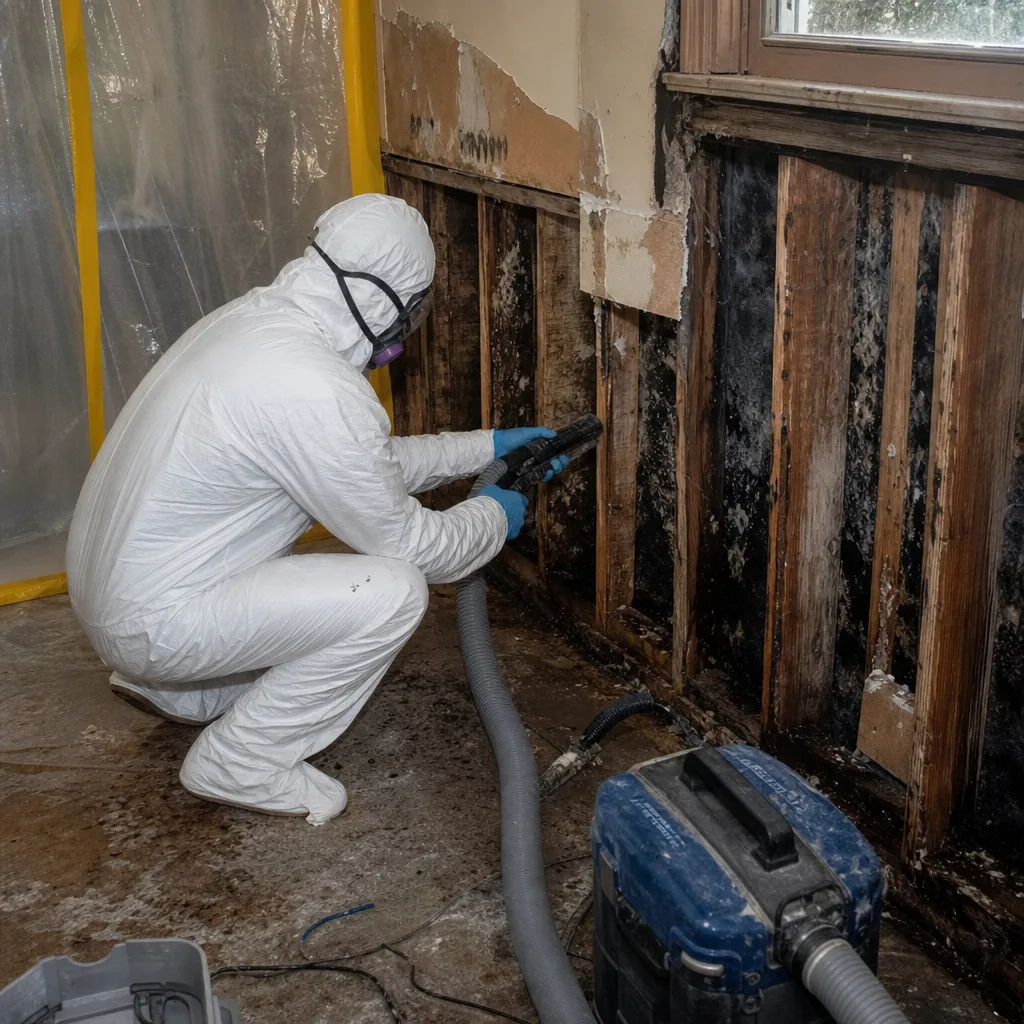
Call a professional restoration company when water affects any porous material, when the source or category is unknown, when the loss involves shared building elements, when mold is visible or suspected, or when your policy has any limitation that could affect coverage. In Jersey City’s building environment, this describes the majority of losses.
DryMark Restoration Jersey City offers free estimates in Jersey City - call (862) 298-5256. For more guides & resources, visit our blog. Every estimate includes a written scope and price before any work begins, per Haven Standard, Clause 1. We also provide a Free Second Opinion on any competitor’s written estimate, reviewing their scope against IICRC standards and your policy requirements.
Frequently Asked Questions
They may, but your claim becomes harder to prove. The insurer can question whether damage occurred during the covered event or resulted from inadequate DIY response. Professional documentation from the point of engagement can sometimes rehabilitate a compromised claim, but gaps in the early record often reduce the payable scope. Call (862) 298-5256 for a free assessment of your documentation status.
Our live dispatch answers every call, 24 hours a day, 7 days a week, with no voicemail trees. Emergency response teams typically arrive within 60-90 minutes in Jersey City proper, including the Heights, Downtown, Journal Square, and Greenville. Response time for non-emergency assessments is typically same-day or next-business-day by appointment.
That depends on what “it” is and what your policy requires. Surface mold on a non-porous material in a fully dried environment may be cleanable with proper PPE and documentation. Hidden mold, mold on porous materials, or mold in a building with occupancy concerns requires professional remediation under New Jersey’s regulatory framework. The cost of professional assessment is typically recoverable; the cost of discovering you needed it after self-cleaning is not.
We do, as part of our standard documentation package. Our daily drying logs, photo records, and written scopes are formatted for direct adjuster review. We coordinate site visits, respond to documentation requests, and provide the technical data that supports claim payment. This is included in every job, not sold as an add-on service.
Capacity and documentation. Professional units from B-Air, XPOWER, and Injectidry systems move significantly more air and extract significantly more moisture at the low temperatures common in Jersey City water losses. More importantly, professional equipment placement is calculated based on psychrometric data and documented in drying logs that insurers accept as proof of proper mitigation. Consumer equipment produces no such record.
You can strengthen your position significantly by following the documentation protocol in this guide, but you cannot produce professional-grade psychrometric logs or calibrated moisture readings without training and equipment. The optimal approach is to perform claim-safe initial actions with thorough documentation, then engage a professional for assessment and baseline readings within 24 hours. This creates a continuous record rather than a gap.
The Bottom Line
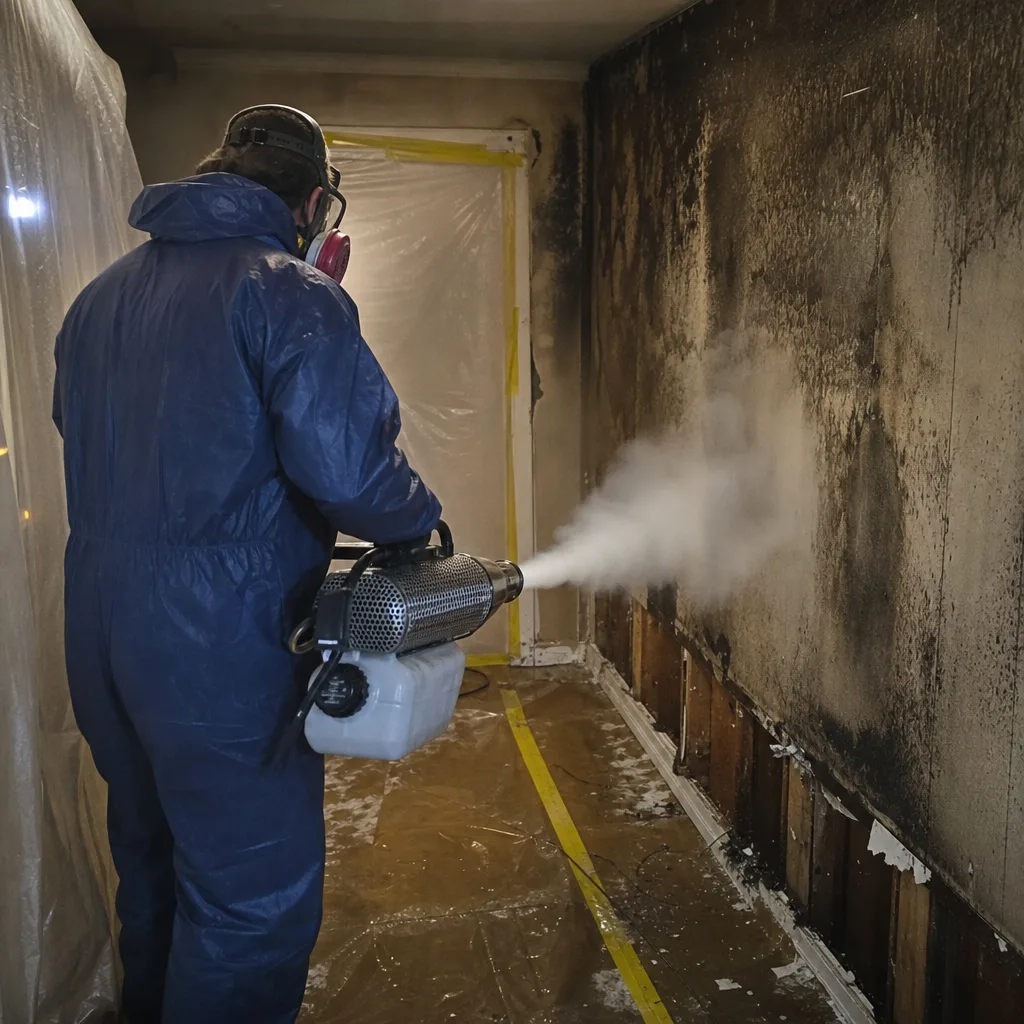
The DIY versus professional restoration question in Jersey City is ultimately a documentation question. Initial mitigation by an informed homeowner - stopping water, photographing damage, moving contents - protects property and supports claims when properly recorded. Drying, demolition, mold treatment, or any work that alters the physical evidence without professional documentation creates the gaps that insurers use to deny or reduce claims.
Professional restoration is not primarily about equipment or labor. It is about producing the written record - moisture logs, photo documentation, drying equipment placement diagrams, and written scopes - that transforms a restoration invoice into a payable insurance claim. In Jersey City’s dense, historic, and largely shared building stock, that record protects not just your coverage but your liability exposure to neighbors and future occupants.
Since 2011, we’ve restored over 12,000 homes with a written price before work started and a documented record when the crew left. The Haven Standard requires it. Your policy likely requires something similar, even if the language doesn’t name it directly.
Call (862) 298-5256 for a free estimate, or bring a competitor’s written estimate for our Free Second Opinion. We’ll review their scope against IICRC standards and your documentation needs - no charge, no obligation.
Written by Alicia Brennan, Owner at DryMark Restoration Jersey City, serving Jersey City since 2011.