
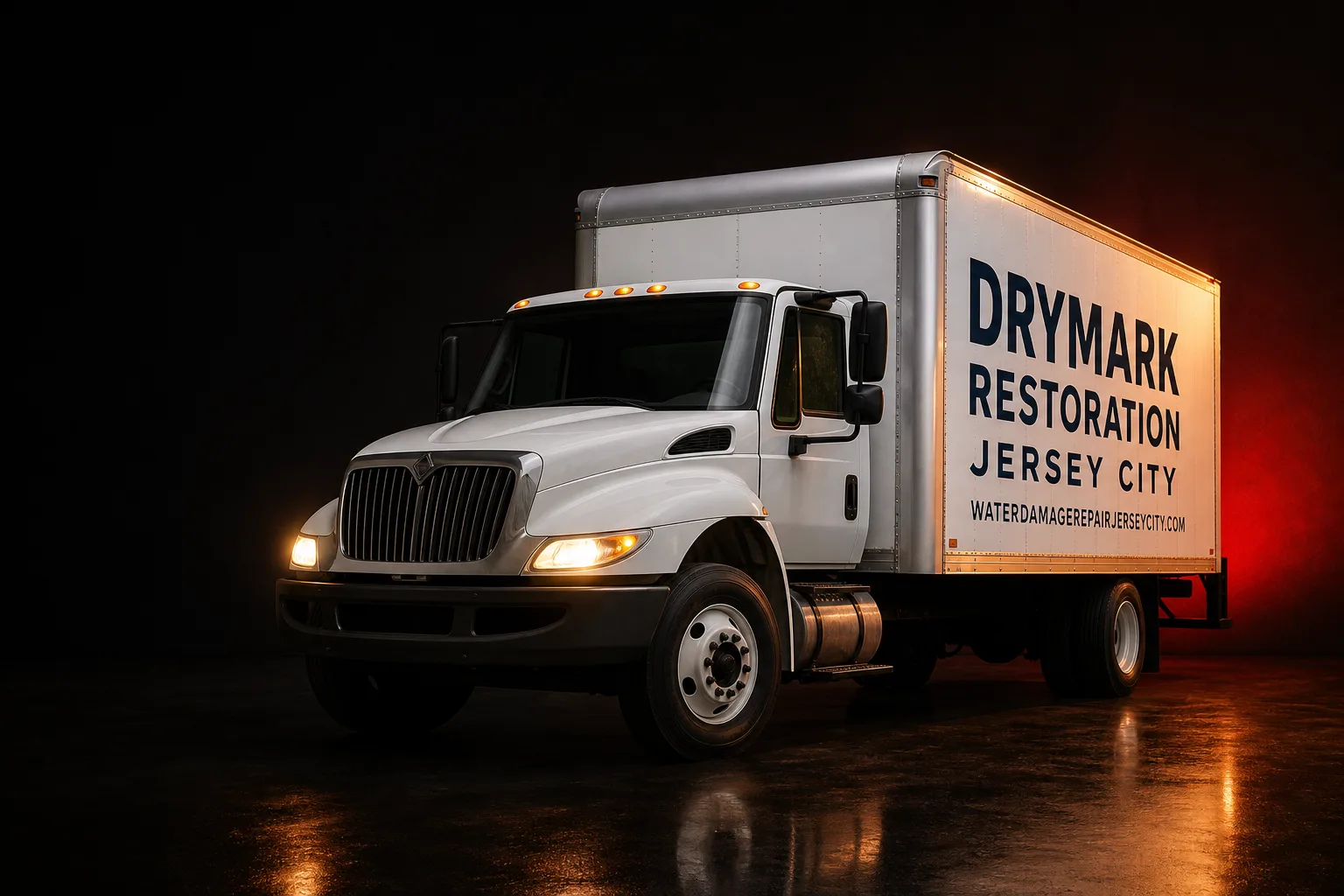
Free visual inspection and a written scope of work before any mitigation begins - photos, moisture readings, and drying logs go in your claim file
The scope we write is the scope we bill. Anything new gets shown to you, in writing, before we touch it.
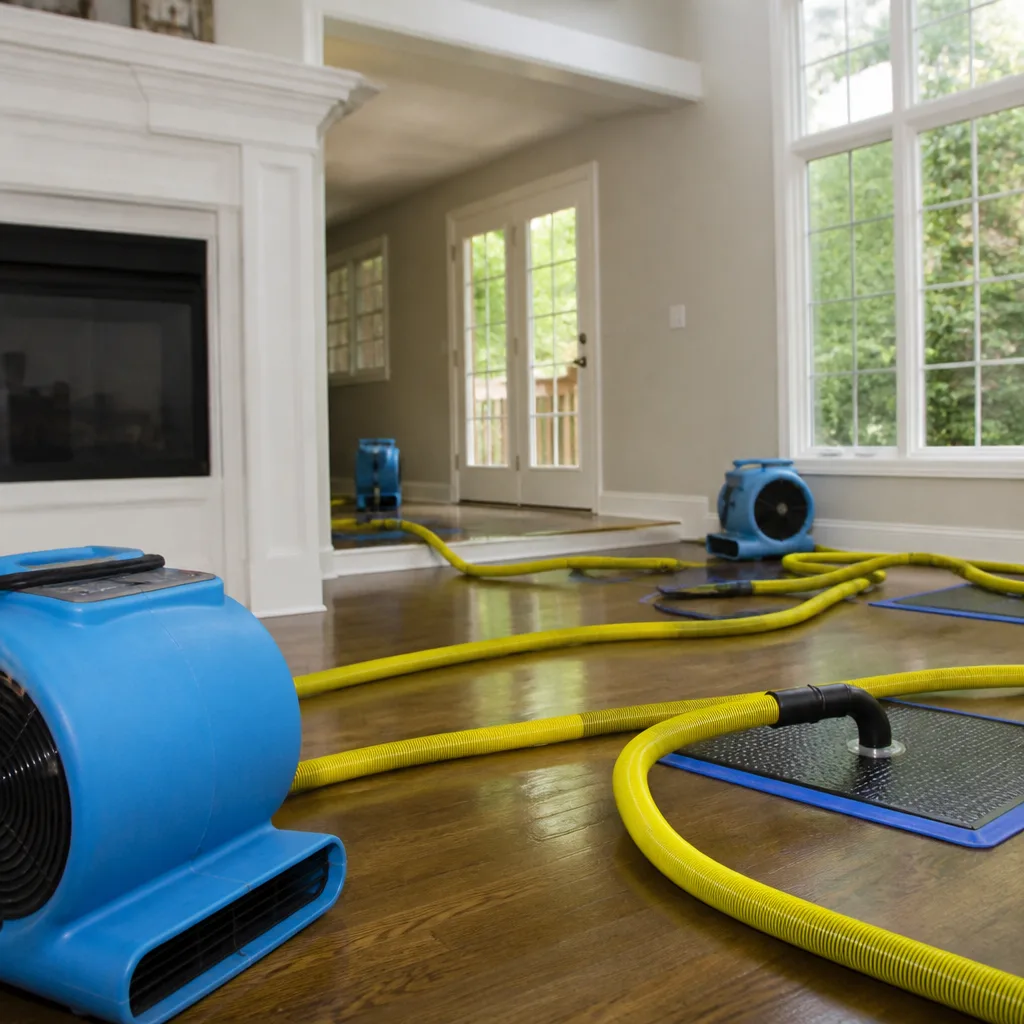
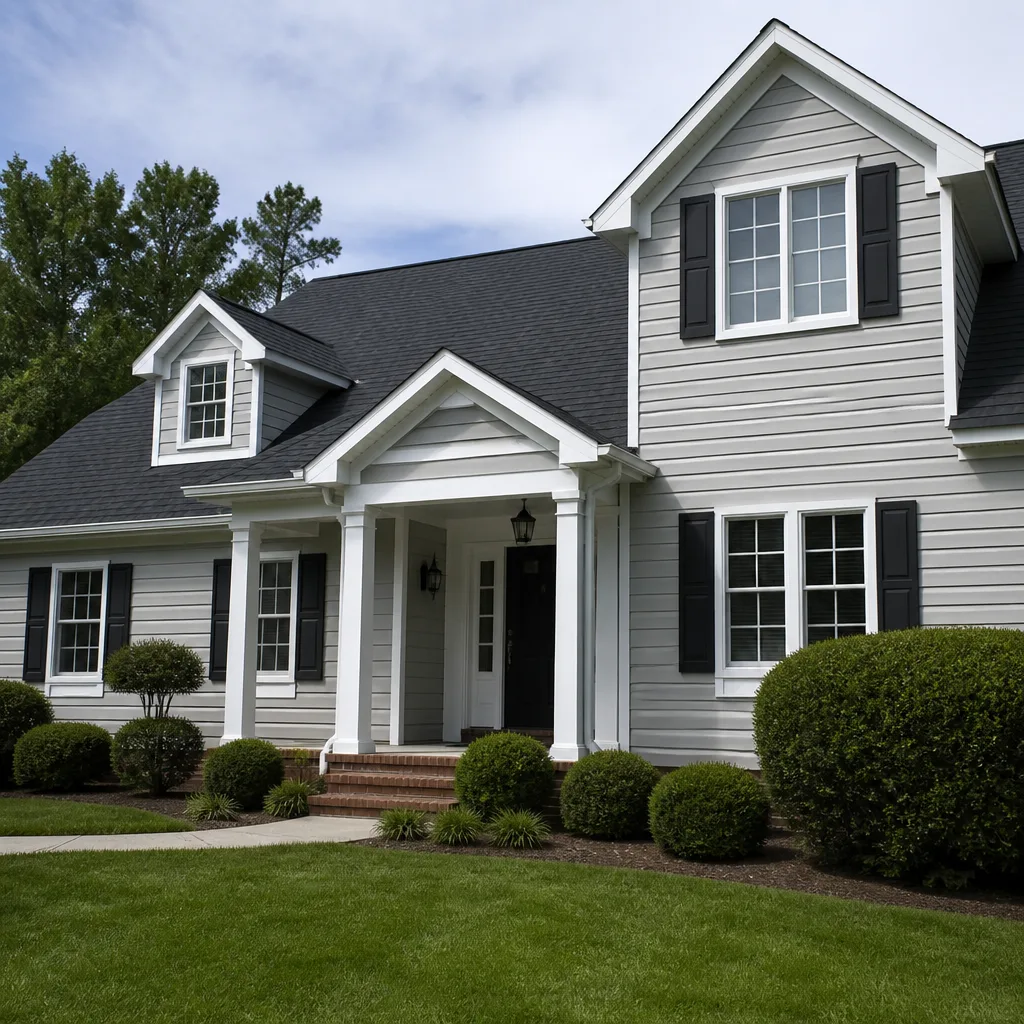
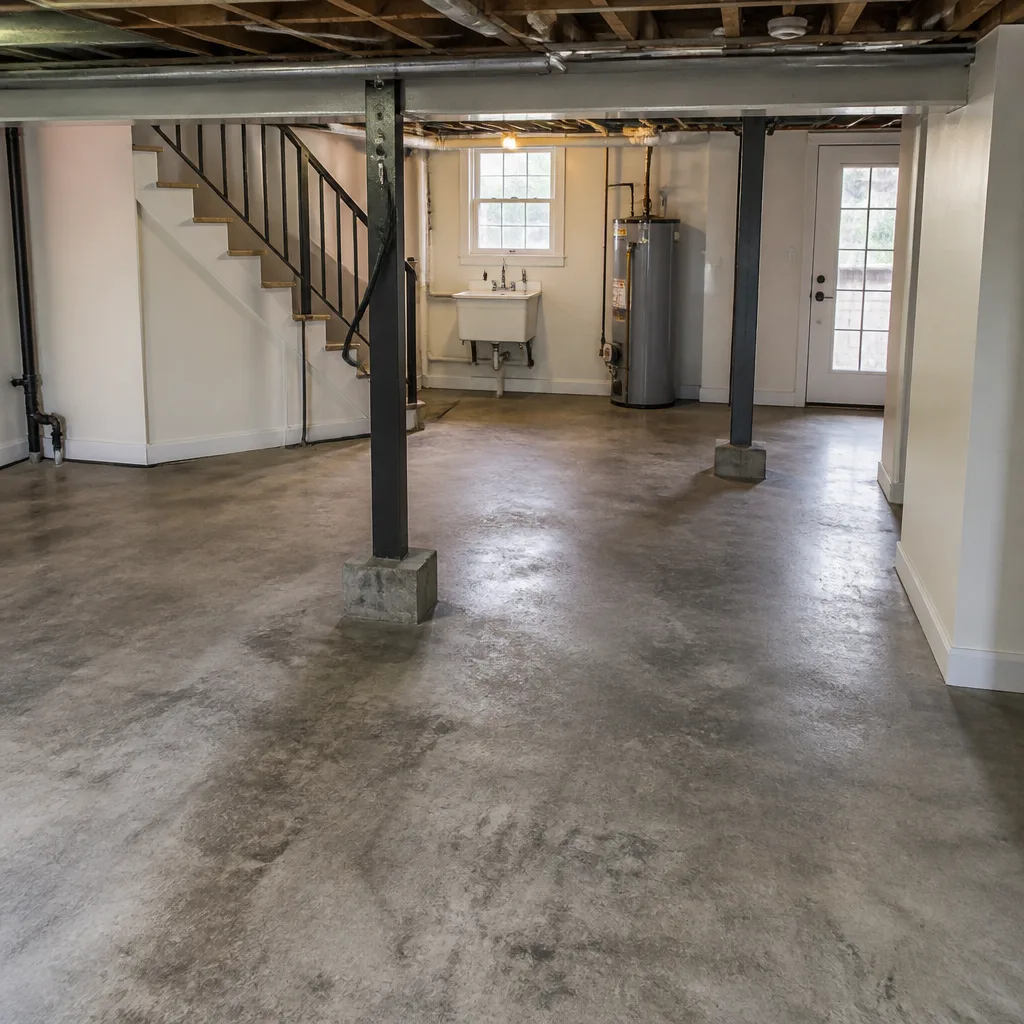
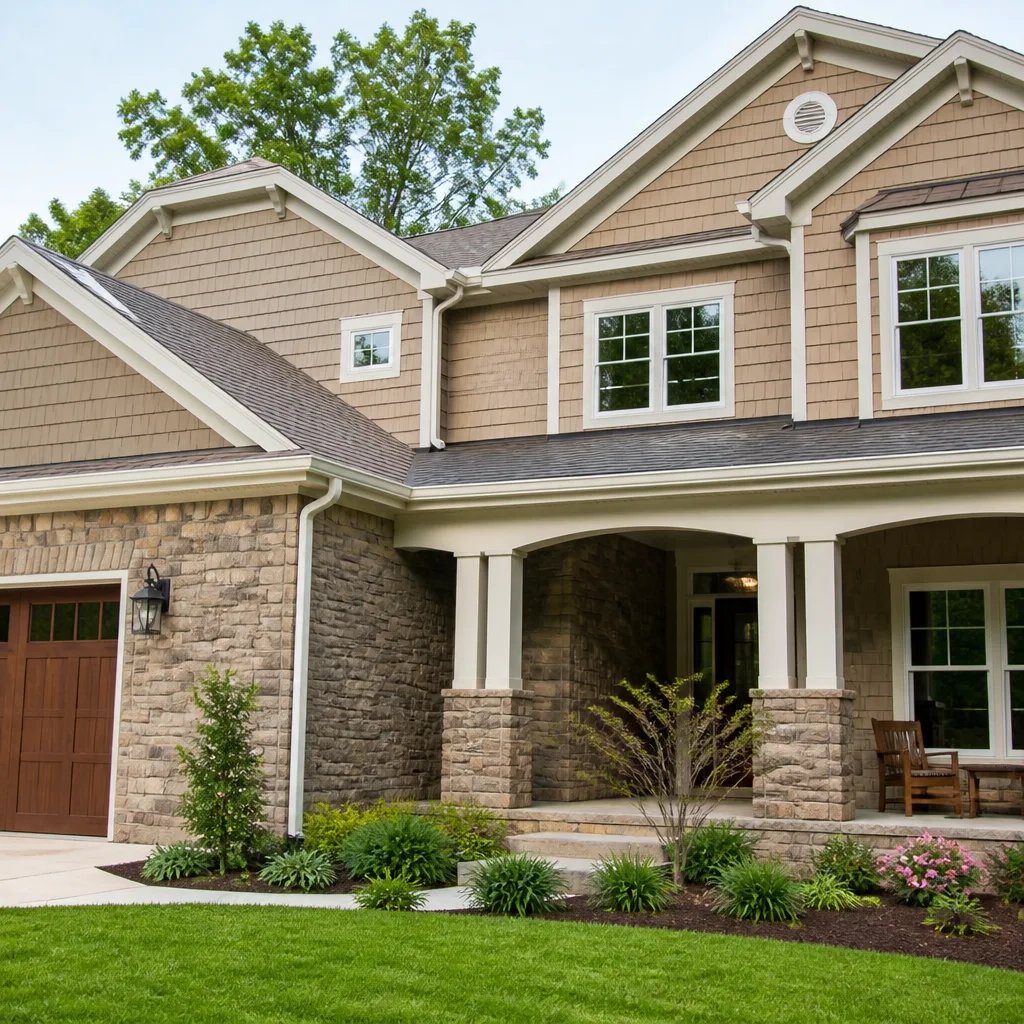
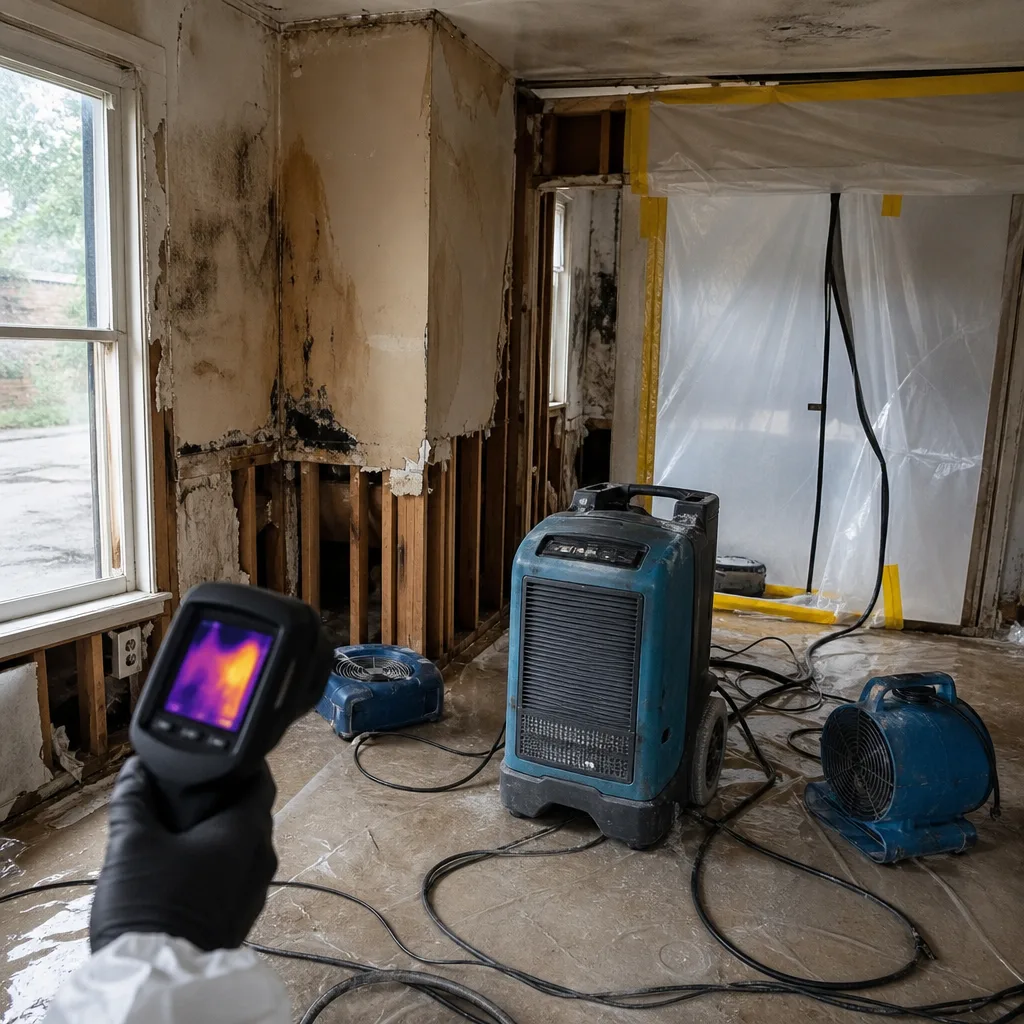 Before
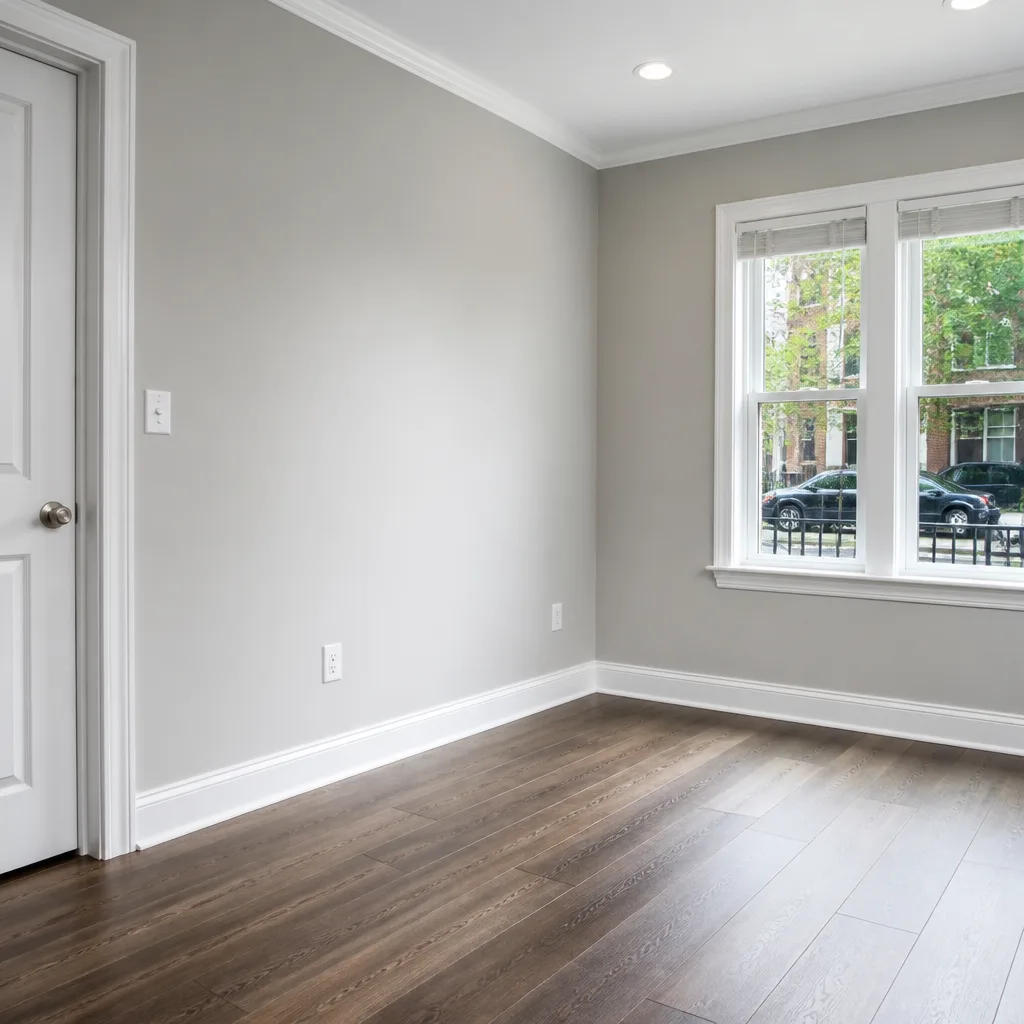 After
After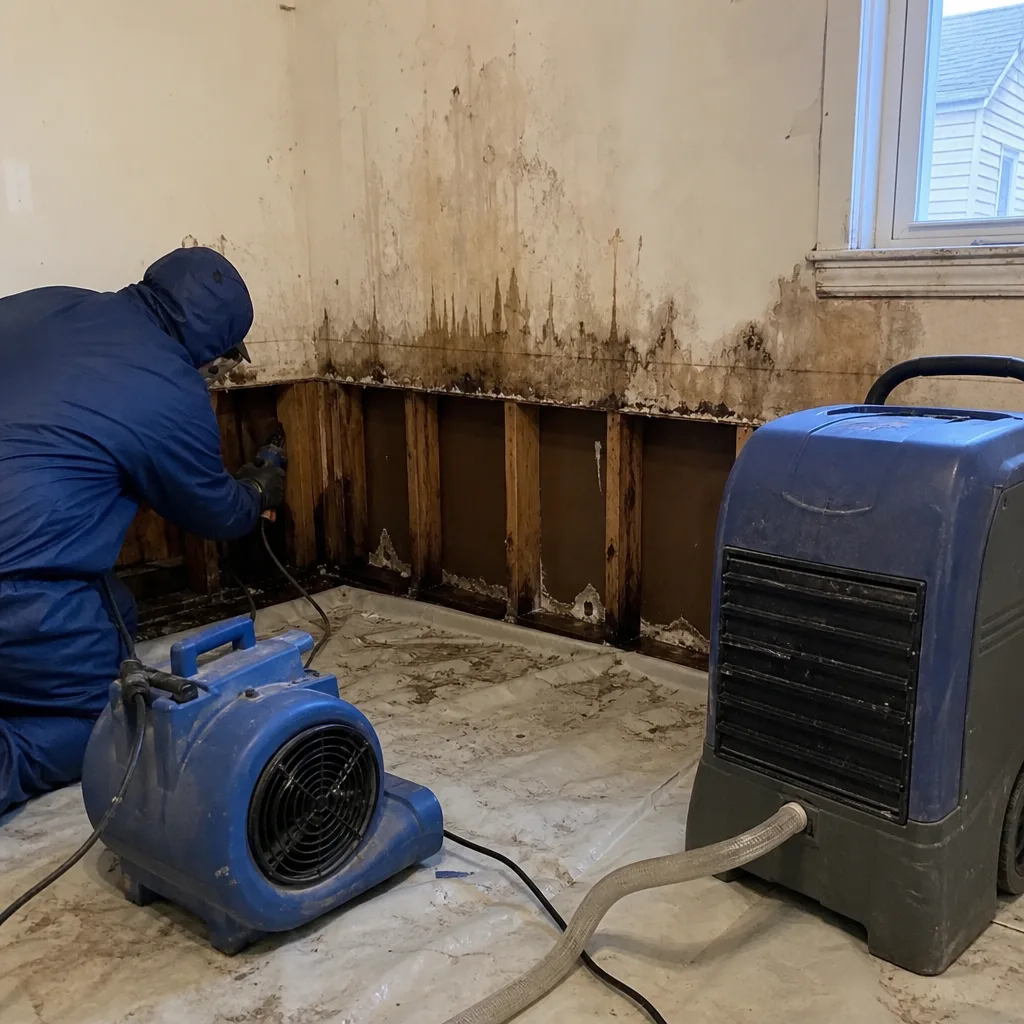 Before
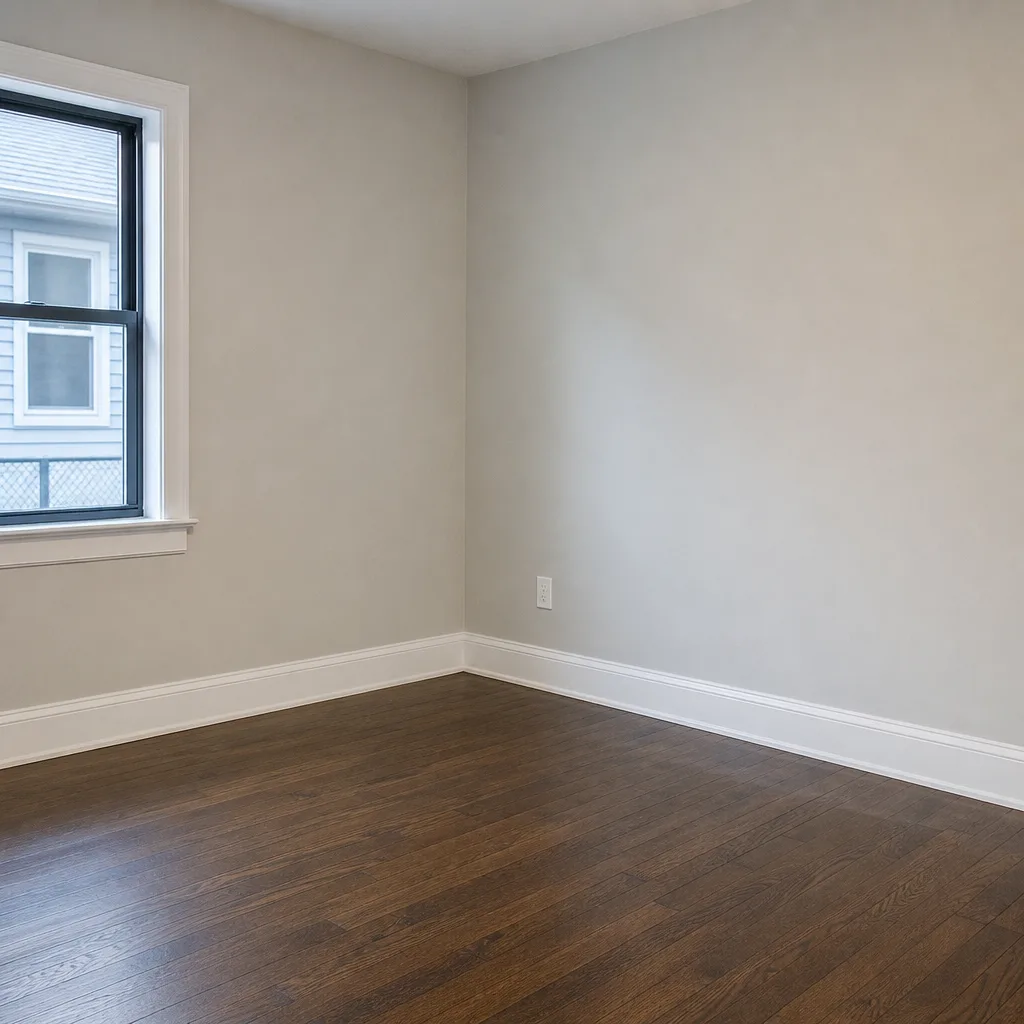 After
After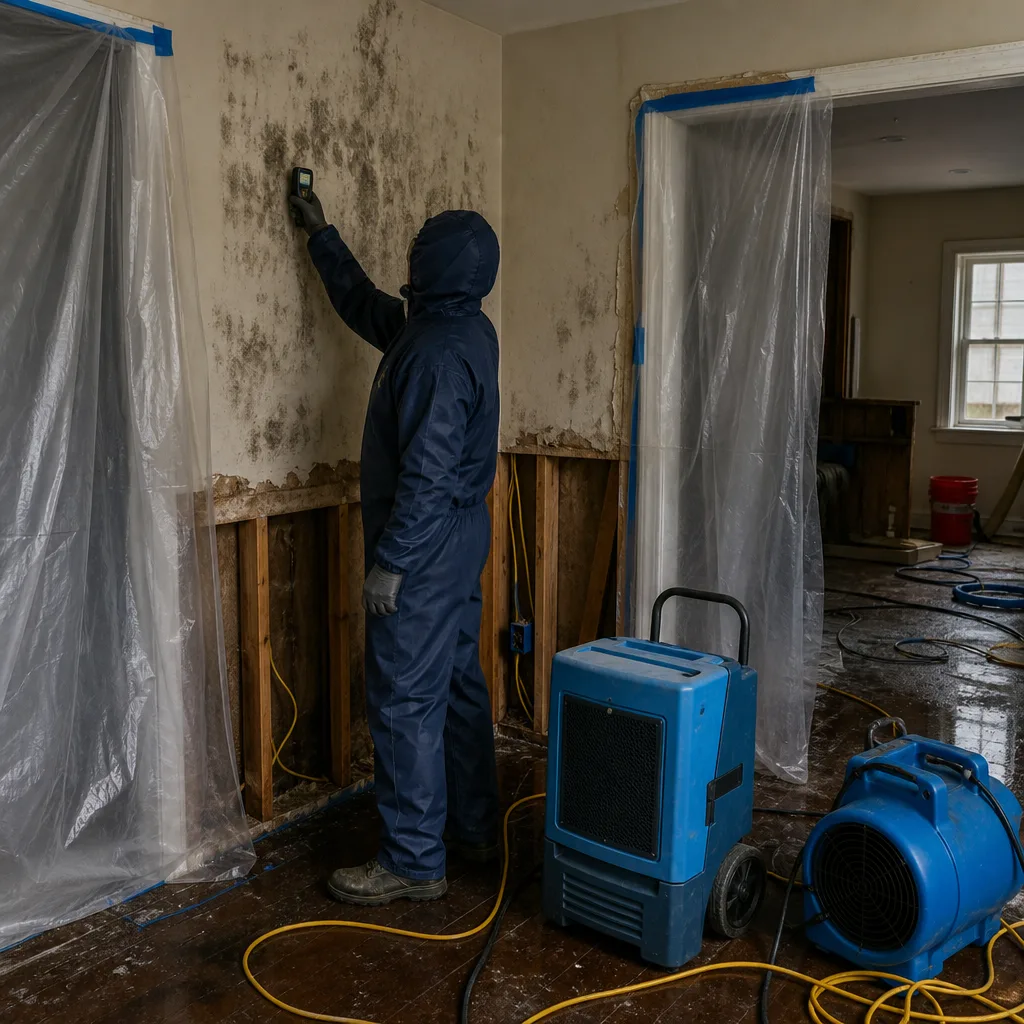 Before
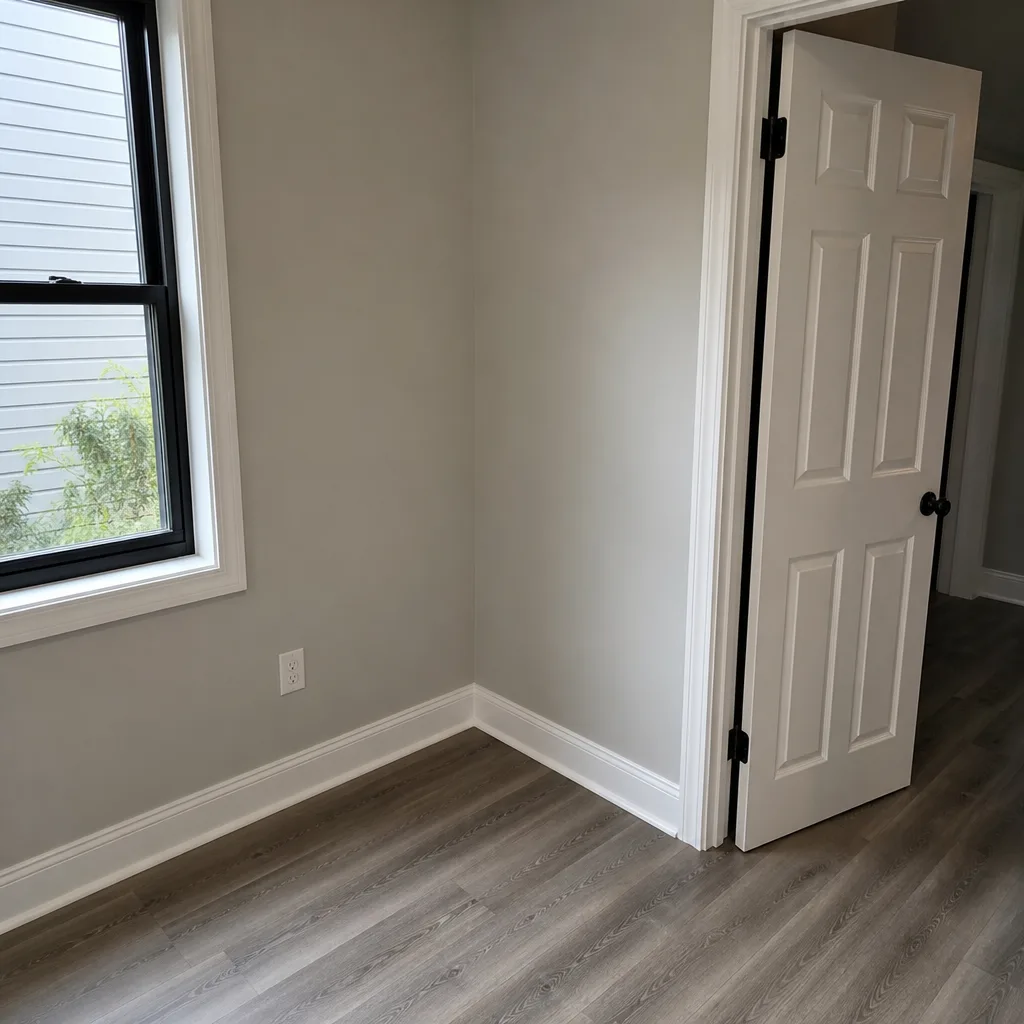 After
After24/7 Emergency Water Damage Restoration in Williamsburg
Water damage restoration in Williamsburg typically runs $2,800-$6,500 for a standard residential drying job, with emergency extraction starting around $1,200 and full reconstruction reaching $15,000+ for converted loft spaces with concealed damage. Most Williamsburg properties need same-day response because water moves fast through old masonry and shared building systems. Call (862) 298-5256 now and a live person will answer, dispatch a crew, and start the documentation your insurer will need. Our Williamsburg teams carry moisture meters, thermal imaging, and extraction gear in every truck, and we do not charge for the initial visual inspection.
The first hour determines whether you’re looking at drying and drywall repair or a full gut with mold remediation. In Williamsburg’s 1880s-1920s brick tenements, a burst pipe on the top floor can cascade through four units in under 30 minutes. In converted Kent Avenue lofts, water hides in ceiling voids for weeks before surfacing. Either way, standing water starts Category 1 clean water degrading to Category 2 in 24-48 hours, and mold colonizes wet drywall in that same window. We answer live 24 hours a day, 7 days a week because voicemail costs you the drying window.
Understanding Water Damage Restoration Severity in Williamsburg Properties
Water damage severity is classified by contamination level and structural impact, not by how wet the carpet looks. Category 1 water is clean supply-line water. Category 2 contains significant contamination, think dishwasher discharge or a sump pump failure. Category 3 is grossly contaminated, sewage or floodwater carrying pathogens. Williamsburg’s building stock creates unusual crossover: a roof leak in a Kent Avenue loft starts as Category 1, but when it sits in a ceiling void above old industrial debris for two weeks, it becomes Category 2 by the time it surfaces. We test and classify on arrival, document the category in writing, and adjust the protocol accordingly.
Moisture mapping uses thermal imaging and non-penetrating meters to find water that hasn’t surfaced yet. Psychrometric data, temperature, relative humidity, and vapor pressure differential, tells us whether the air can still absorb moisture from wet materials or whether we’ve hit equilibrium and need to change the drying plan. In Williamsburg’s converted warehouses, industrial concrete slabs with no vapor barrier wick groundwater upward indefinitely; standard residential drying assumptions fail here because the moisture source doesn’t shut off. Our crews calculate grain depression and specific humidity to set equipment capacity, not guess based on room size.
Structural drying in tenement walkups means accounting for shared plaster-and-lath walls that hold three times the moisture of modern drywall, and plaster doesn’t release it quickly. Tertiary drying, the final phase where hidden moisture equalizes with dry air, takes longer in these buildings. We log readings daily and do not remove equipment until the structure hits IICRC-dry standards, not just “feels dry.”
Why Williamsburg Property Owners Choose DryMark Restoration Jersey City
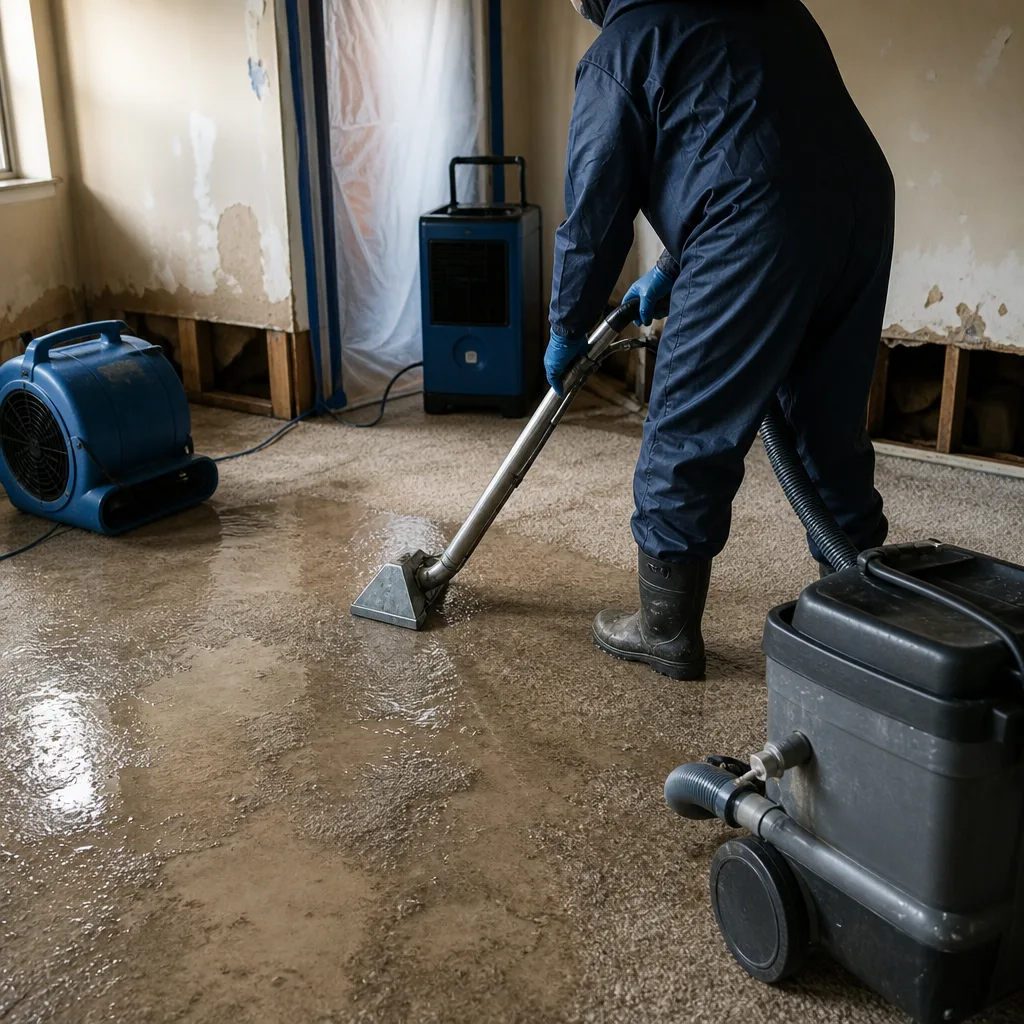
- 45-minute response commitment to Williamsburg from our New York City dispatch office, with crews already staged for Brooklyn crossings.
- 24/7 live answer by a real person, never an automated system or voicemail tree, because water doesn’t wait for business hours.
- IICRC-certified crews holding WRT (Water Damage Restoration Technician) and AMRT (Applied Microbial Remediation Technician) credentials, with license numbers provided on request.
- Free visual inspection with moisture readings and a written scope, no obligation and no pressure to start same-day.
- Direct insurance billing with photo-documented estimates formatted to carrier standards, plus direct adjuster coordination on every claim.
- One team from extraction through reconstruction, no handoffs between contractors who each blame the next for what got missed.
BeforeAfterOur Water Damage Restoration Process
1. Inspection & Assessment
We arrive with thermal imaging cameras, penetrating and non-penetrating moisture meters, and hygrometers. In Williamsburg lofts, we specifically check ceiling voids and wall cavities for hidden migration. You get a written scope with line-item pricing before any work begins, Haven Standard, Clause 1.
2. Water Extraction & Stabilization
Truck-mounted extraction units remove standing water; portable units handle tight spaces in tenement walkups. We identify and stop the source, whether that’s a burst supply line, roof drain failure, or groundwater intrusion through old masonry. Category 3 losses get full containment before extraction starts.
3. Structural Drying & Dehumidification
We deploy Dri-Eaz and Phoenix dehumidifiers sized to the moisture load, plus XPOWER air movers positioned for laminar airflow across wet surfaces. In loft voids, Injectidry panel systems force dry air into cavities that conventional equipment cannot reach. Daily moisture logs track progress.
4. Cleaning & Sanitization
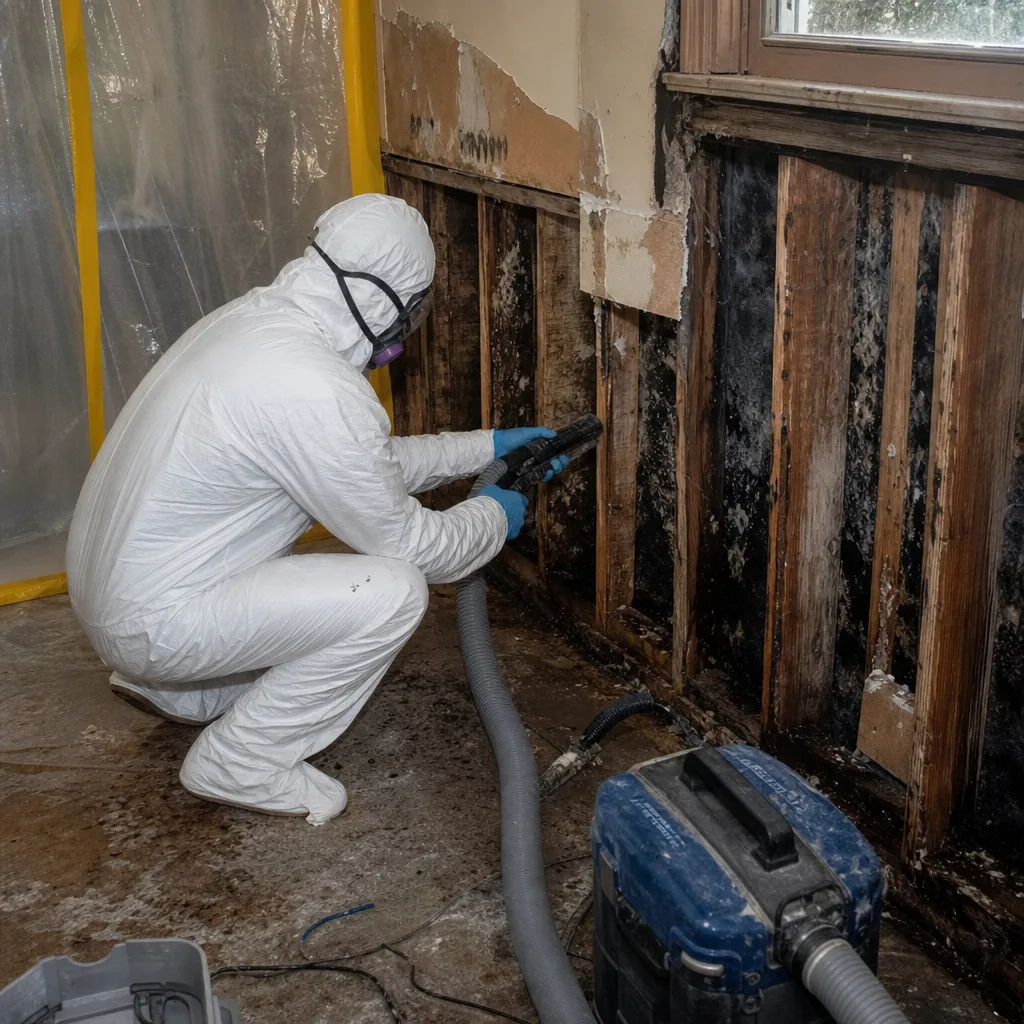
Category 2 and 3 losses get antimicrobial treatment to affected surfaces and HEPA air scrubbing to capture airborne particles. In Williamsburg’s older buildings, we clean plaster, brick, and original wood elements where possible rather than defaulting to removal.
5. Mold Assessment & Preventive Treatment
Any moisture event lasting more than 48 hours triggers mold concern. We inspect concealed spaces with borescopes, collect air and surface samples when indicated, and apply preventive treatment in voids where drying was delayed. Documentation goes to your insurer and your file.
6. Repairs & Restoration
We rebuild to pre-loss condition: drywall, flooring, trim, paint, and any damaged systems. Our crew handles the full reconstruction, so you’re not coordinating a separate contractor. The 365-Day Done Right Promise covers all work under The Haven Standard.
Need Emergency Water Damage Restoration in Williamsburg Now?
Crews minutes away, answering live 24 hours a day. The sooner we start, the less it costs.
Working With Your Insurance Company
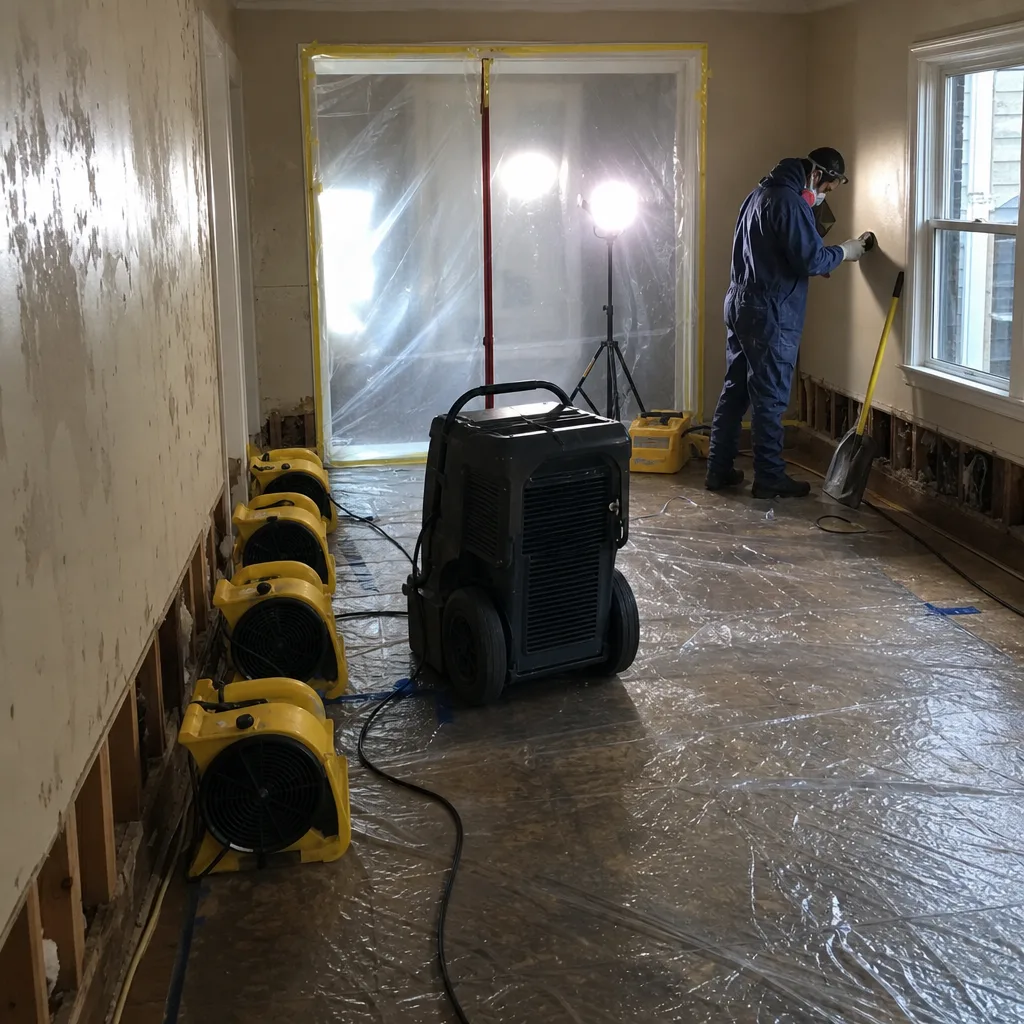
Insurance claims fail for two reasons: insufficient documentation and scope disputes. We prevent both. From the first hour on site, we photograph every room, every material, every moisture reading. Our estimates follow Xactimate or Symbility formats that adjusters recognize, and we coordinate directly with your carrier’s representative rather than handing you a bill to fight alone.
Williamsburg’s converted industrial buildings create specific documentation challenges. A standard adjuster may see wet drywall and authorize $3,000 for drying and repair. We document the ceiling void path, the industrial concrete moisture load, the potential for hidden mold 20 feet from the visible stain, and the need for Injectidry cavity drying, not just surface air movers. That documentation turns a denied supplement into an approved scope.
We also provide direct NFIP claim coordination for waterfront properties in FEMA Flood Zone AE. Flood insurance uses different adjusters, different forms, and different timelines than standard homeowner’s coverage. Our experience with Sandy-era claims in this neighborhood means we know the documentation standards that get flood losses paid.
What We Provide Your Insurer
- Thorough documentation of the loss
- Photos of all damage, room by room
- Moisture readings and drying logs
- A detailed, line-item scope of work
- Direct coordination with your carrier
Built for Williamsburg’s Loss Calendar
January deep freezes split copper supply lines in unheated tenement crawlspaces and exterior walls. The 1880s-1920s buildings on Bedford Avenue and South 4th Street have minimal insulation; when temperatures drop below 15°F for 48 hours, we see burst pipe clusters across multiple units in the same stack. Spring thaw brings basement seepage through old masonry foundations, particularly in buildings below grade on the east side of the neighborhood. Summer thunderstorms overwhelm flat-roof drains on converted warehouses; a single clogged drain can send thousands of gallons into a top-floor loft. Fall nor’easters and hurricane remnants push East River storm surge against waterfront buildings, and while Sandy was the benchmark event, lesser surges still penetrate basements and ground-floor commercial spaces along Kent Avenue and the North Side.
Year-round, the shared plumbing stacks in tenement walkups create chain-reaction losses. One owner’s negligence, a radiator valve left open during a cold snap, a washing machine hose that splits, sends water through floors and walls that were never designed as barriers. We scope the full vertical path, not just the unit with the visible damage.
Water Damage Restoration Across Williamsburg’s Neighborhoods
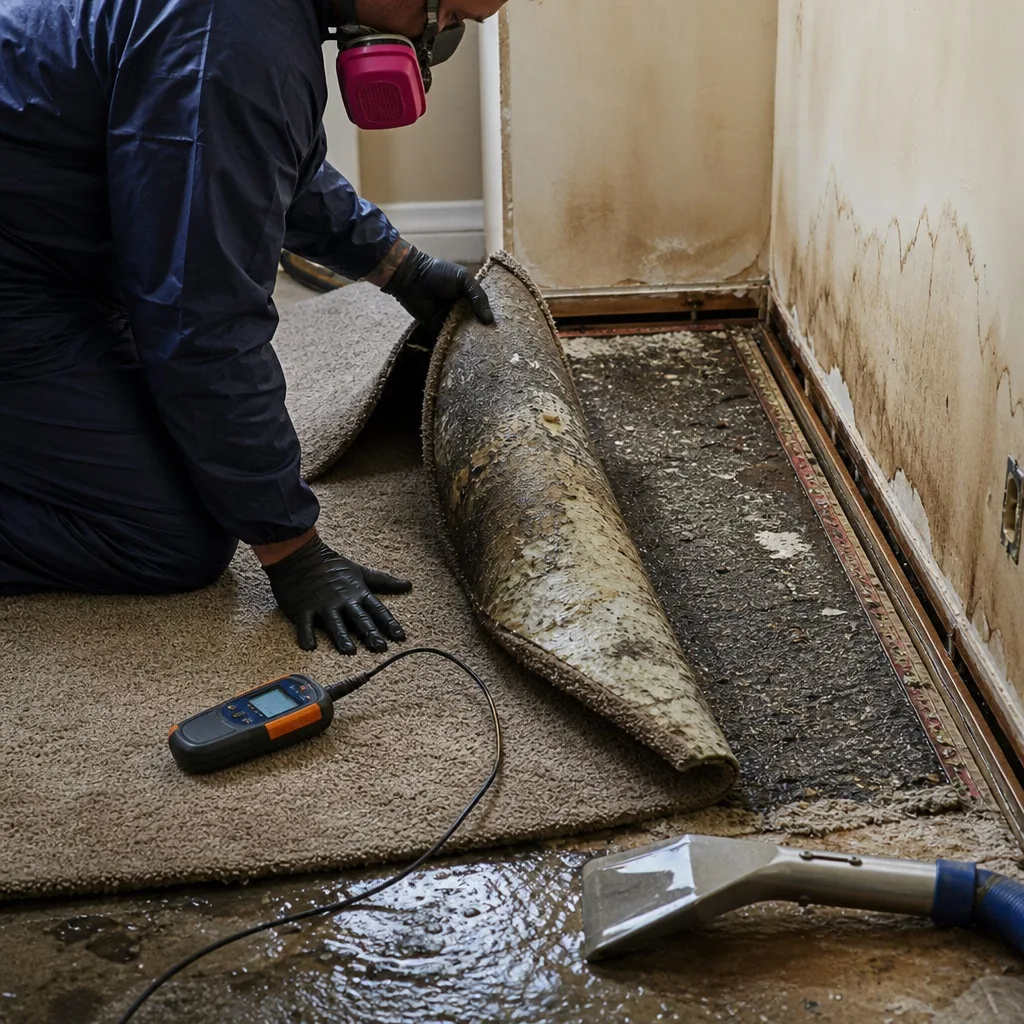
Our crews know the building types by block, and that knowledge changes how we respond.
North Side and Kent Avenue corridor: Converted factory and warehouse lofts with 14-foot ceilings, polished concrete over original slabs, and those critical ceiling voids. We bring Injectidry equipment on every call because visible damage is rarely the full damage. The waterfront blocks from North 14th Street to the Navy Yard sit in FEMA Flood Zone AE; flood losses here need NFIP documentation from hour one.
South Side and Hasidic Williamsburg: Dense 5-6 story brick tenements from the 1880s-1920s with shared plumbing stacks, plaster-and-lath walls, and minimal electrical capacity for drying equipment. We calculate power load before setting gear and coordinate with building management for stack access when multiple units are affected.
East Williamsburg and the industrial fringe: Mixed-use buildings with ground-floor commercial and residential above, often with aging flat roofs and parapet walls that fail in wind-driven rain. Roof leaks here travel laterally along steel beams before dropping, so we inspect the full beam run, not just the spot below the stain.
Bedford Avenue corridor: Newer condominium construction with modern plumbing but tight wall cavities and engineered floor systems that trap moisture. We use borescopes and remote cameras to inspect these cavities without destructive opening when possible.
Specialized Water Damage Restoration Services We Offer in Williamsburg
Emergency Water Extraction
Standing water removal within the hour, using truck-mounted and portable extraction systems sized to the space. In Williamsburg lofts with 2,000+ square feet of open plan, we deploy multiple portable units simultaneously rather than waiting for a single truck mount to cover the distance. Call (862) 298-5256 for immediate dispatch.
Structural Drying & Dehumidification
Industrial-grade Dri-Eaz and Phoenix dehumidifiers with air movers positioned for optimal airflow patterns. In tenements with plaster walls, we extend drying time and monitor daily until the substrate, not just the surface, hits IICRC-dry. The drying log becomes part of your insurance documentation.
Flood Cleanup
Groundwater and storm surge losses in FEMA Zone AE require Category 3 protocols: full PPE, antimicrobial treatment, and disposal of porous materials that contacted floodwater. We coordinate NFIP claims directly and document to FEMA standards.
Burst Pipe Restoration
From emergency shutoff and extraction through pipe repair referral and full reconstruction. In shared-stack buildings, we scope and document damage in all affected units, not just the one that called.
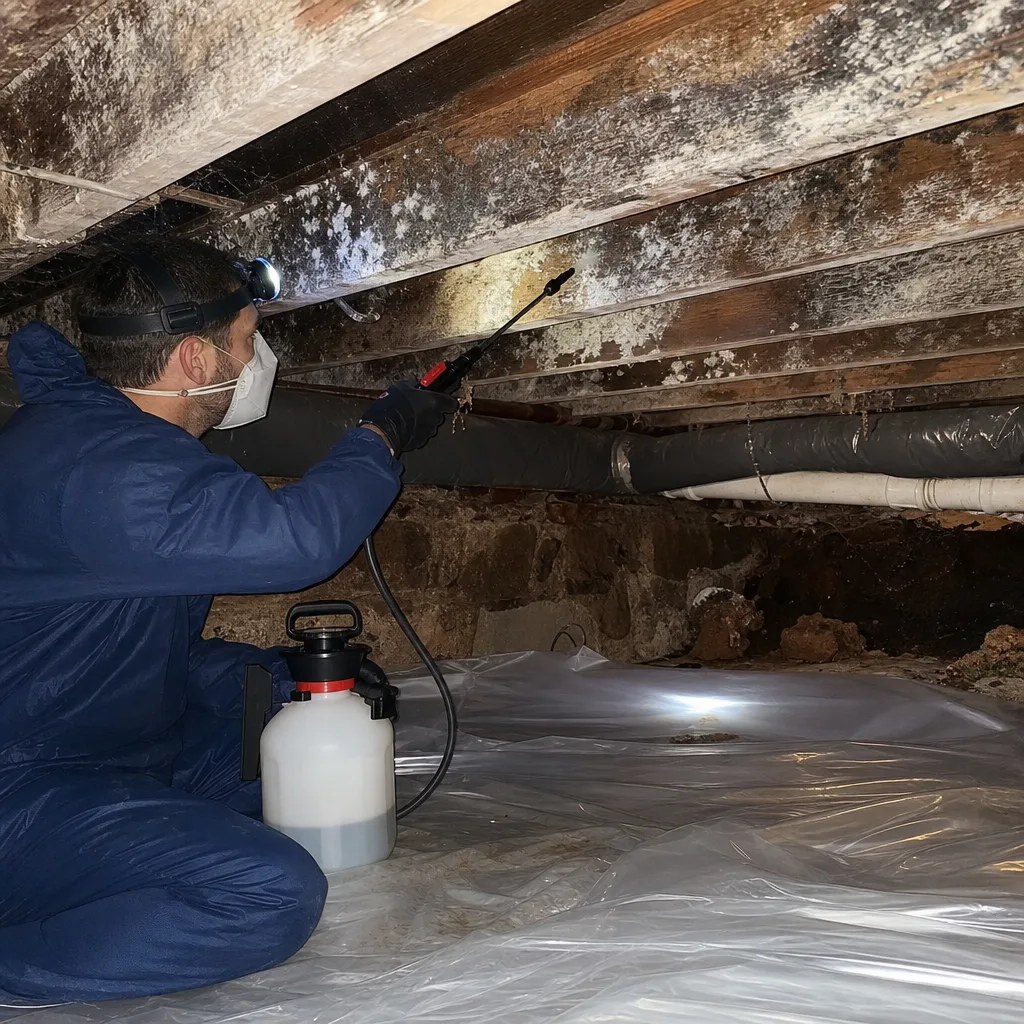
Basement Water Removal
Submersible pumps, extraction, and drying for below-grade spaces with chronic seepage or acute flooding. We address the moisture source, whether that’s failed waterproofing, foundation cracks, or hydrostatic pressure.
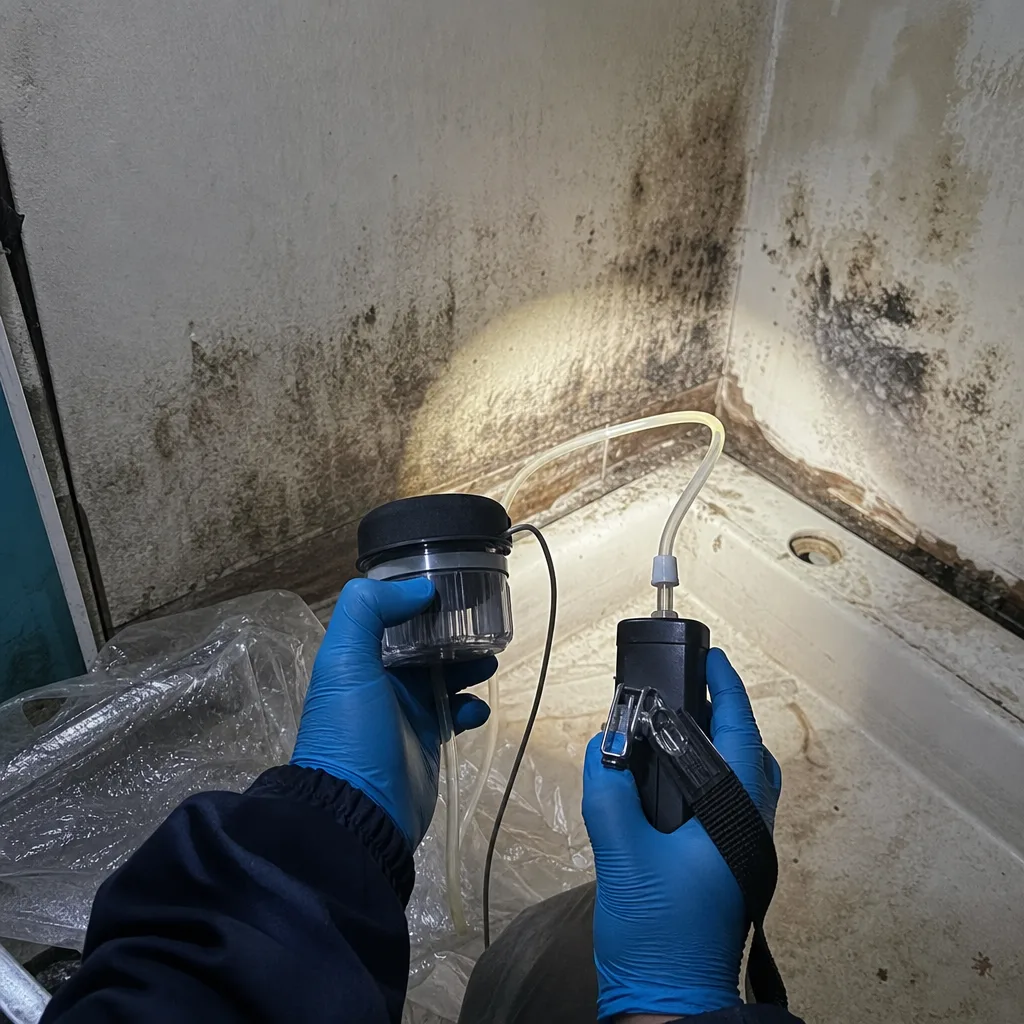
Ceiling & Roof Leak Water Damage
Our most-called specialty in Williamsburg. We trace the actual leak path, open concealed voids, dry the full affected area, and rebuild to match. At a converted warehouse loft on Kent Avenue, a roof drain leak sent water through the ceiling void and it surfaced as a stain 25 feet away near the bedroom wall; our crew used moisture mapping and readings to trace the path back to the roof penetration, opened the void, extracted the trapped Category 2 water, set Injectidry panels and XPOWER air movers inside the cavity for structural drying, applied antimicrobial treatment, and rebuilt the drywall to the pre-loss condition while logging every dehumidification reading for the drying logs.
What happens when you call
- 1
A real person answersNo phone trees - you reach a local pro.
- 2
You get an upfront price rangeHonest numbers before anyone is dispatched.
- 3
A background-checked tech heads outLicensed & insured, dispatched right away.
- 4
You approve before work beginsNothing starts until you say go.
Water Damage Restoration Costs in Williamsburg, NY
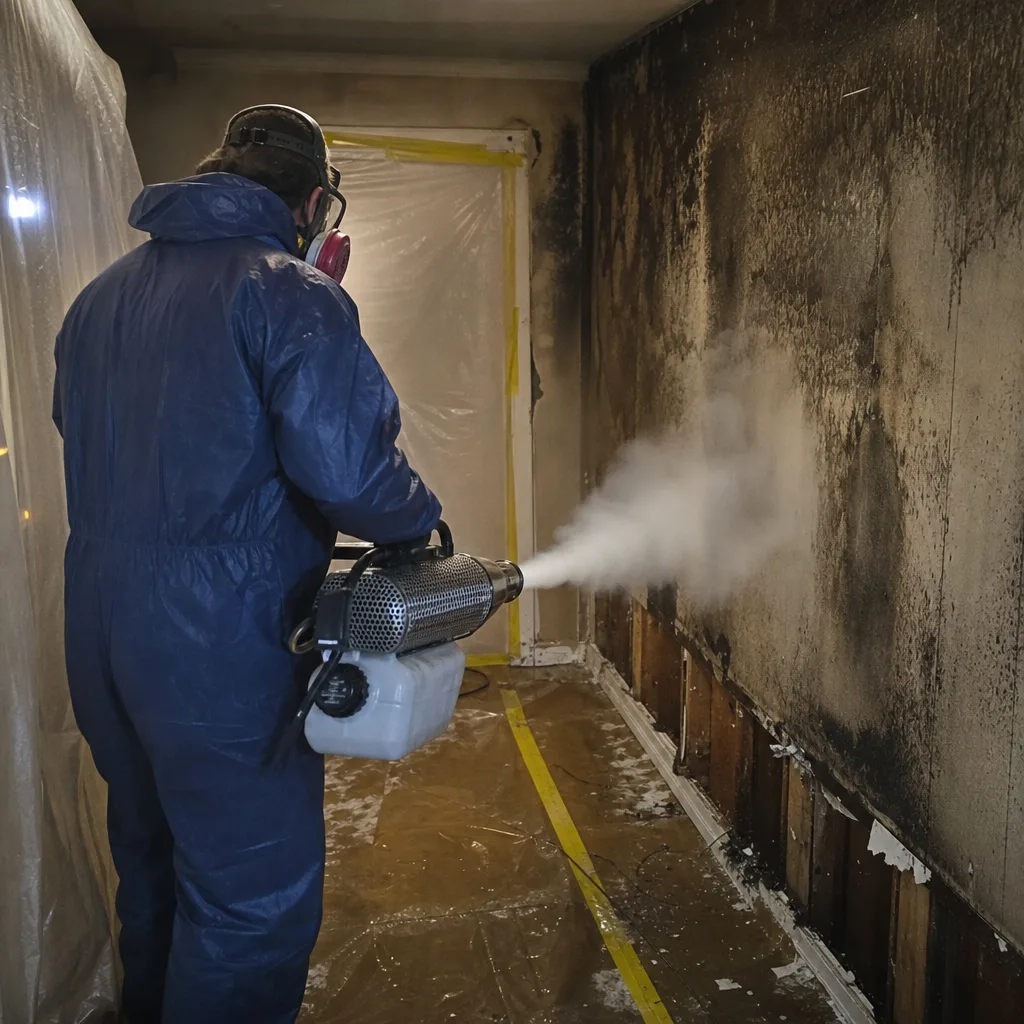
Emergency water extraction in Williamsburg typically runs $1,200-$2,400 for a standard residential space, with larger loft spaces reaching $3,000-$4,500 due to square footage and equipment count. Structural drying and dehumidification adds $1,500-$3,500 for a typical 3-5 day dry cycle; extended drying in plaster-wall tenements or concrete-slab lofts runs $4,000-$6,500. Full reconstruction, drywall, flooring, paint, trim, after a significant loss ranges $8,000-$15,000 for residential units and $15,000-$35,000 for large lofts with custom finishes.
What moves the price: concealed damage in ceiling voids (adds $2,000-$5,000 for cavity drying and access), Category 3 contamination (adds 30-50% for PPE, disposal, and antimicrobial treatment), and multiple affected units in shared-stack buildings (each unit needs separate documentation and scope). Insurance typically covers sudden and accidental water damage from burst pipes, appliance failures, and storm intrusion; gradual leaks and maintenance issues are usually excluded. We provide a written scope with firm pricing before any work begins, Haven Standard, Clause 1, and we offer a Free Second Opinion on any competitor’s written estimate.
We Also Serve Cities Near Williamsburg
Our New York City dispatch office coordinates crews across the metro area. We respond to Water Damage Restoration in Williamsburg and surrounding neighborhoods including the Financial District’s high-rise water losses, Brooklyn Heights’ historic brownstone flooding, Midtown Manhattan’s commercial building pipe breaks, and Murray Hill’s pre-war apartment water damage. Each area gets the same documentation-first protocol and written-price guarantee.
Williamsburg Water Damage Restoration Questions, Answered
Why does water damage in a Kent Avenue loft show up so far from the leak?
HVAC ductwork and ceiling voids between the original industrial concrete slab and the new drywall ceiling create hidden channels where water travels laterally for 20-30 feet before surfacing. Our moisture mapping traces the actual path back to the source. Call (862) 298-5256 for a free inspection with thermal imaging.
How fast do we need to act on wet drywall in Williamsburg?
Mold colonizes wet drywall in 24-48 hours, and industrial concrete and brick in converted lofts extend that moisture window by wicking water away from the surface where you can see it. We recommend same-day assessment for any visible water or stain. Call (862) 298-5256 for immediate dispatch.
Can a burst pipe in an 1880s tenement walkup affect more than one apartment?
Yes. Shared plumbing stacks and minimal floor/wall separation mean water cascades vertically through multiple units within minutes. We scope the full stack and document damage in every affected unit for your building’s insurer and individual carriers. Call (862) 298-5256 for emergency containment.
What does Category 1, 2, or 3 water mean for our loft restoration?
Category 1 is clean supply water. Category 2 contains contamination from dishwashers, sump pumps, or time-degraded clean water. Category 3 is sewage or floodwater with pathogens. In Williamsburg lofts, Category 1 leaks often become Category 2 when they sit in ceiling voids with old industrial debris. We test and classify on arrival, document the category in writing, and adjust the protocol. Call (862) 298-5256 for assessment.
Do Williamsburg waterfront buildings need different water damage protocols?
Yes. FEMA Flood Zone AE properties need NFIP-specific documentation, Category 3 protocols for storm surge, and coordination with flood adjusters who use different forms and timelines than standard homeowner’s carriers. We handle this documentation routinely. Call (862) 298-5256 for flood-loss response.
How long does structural drying take in a Williamsburg building?
Standard drywall construction dries in 3-5 days. Plaster-and-lath tenement walls need 5-8 days. Industrial concrete slab lofts with no vapor barrier may need 7-10 days plus ongoing moisture monitoring because the slab continues wicking groundwater. We log daily readings and do not remove equipment until the structure hits IICRC-dry standards. Call (862) 298-5256 for a timeline estimate.
Can we stay in the home during water damage restoration?
For contained, single-room Category 1 losses, usually yes. For Category 2 or 3 contamination, multi-unit losses, or when drying equipment noise and dehumidifier heat make the space unlivable, we recommend temporary relocation. We tell you honestly at inspection, not after work starts. Call (862) 298-5256 to discuss your situation.
What certifications do your Williamsburg crews hold?
Our technicians hold IICRC WRT (Water Damage Restoration Technician) and AMRT (Applied Microbial Remediation Technician) certifications, with license numbers provided on request. All work is documented to IICRC, RIA, and IFA standards. Call (862) 298-5256 to verify credentials before scheduling.
Serving Williamsburg, NY - Our Local Coverage Area
We’re based in the Williamsburg area and know this community well. Use the map below to see our service coverage - if you’re nearby, we can almost certainly help.
Call DryMark Restoration Jersey City for Water Damage Restoration in Williamsburg
Water damage in Williamsburg hides in places generic contractors do not know to look: ceiling voids in converted lofts, shared stacks in tenement walkups, wicking concrete with no vapor barrier. Our Water Damage Restoration crews trace the full path, document every reading, and deliver a written price before any work begins. Live answer 24 hours a day at (862) 298-5256. Free visual inspection. Free Second Opinion on any competitor’s written estimate. The 365-Day Done Right Promise, backed by The Haven Standard, on every job.
Written by Alicia Brennan, Owner at DryMark Restoration Jersey City, serving Williamsburg since 2011.