
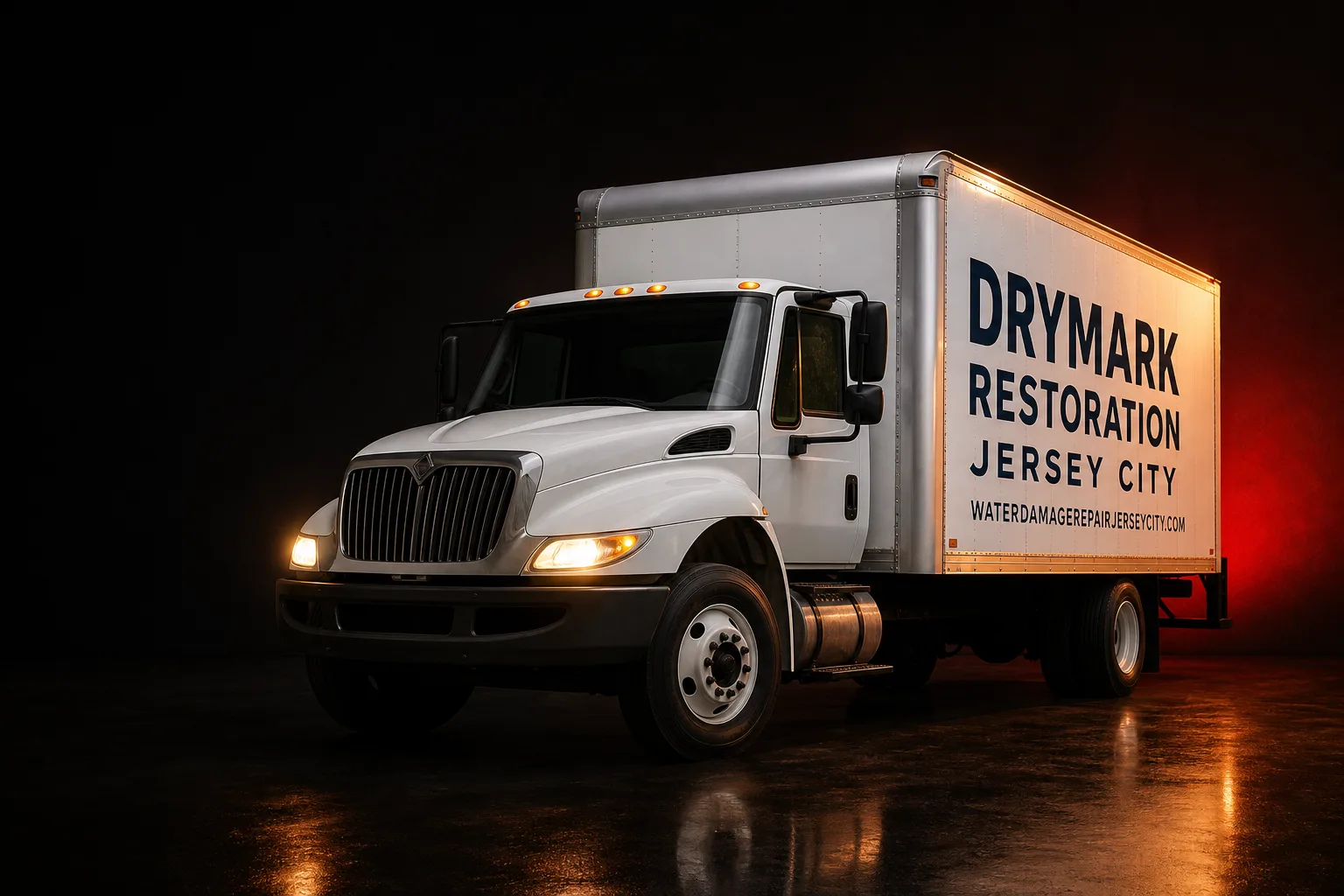
Free visual inspection and a written scope of work before any mitigation begins - photos, moisture readings, and drying logs go in your claim file
The scope we write is the scope we bill. Anything new gets shown to you, in writing, before we touch it.
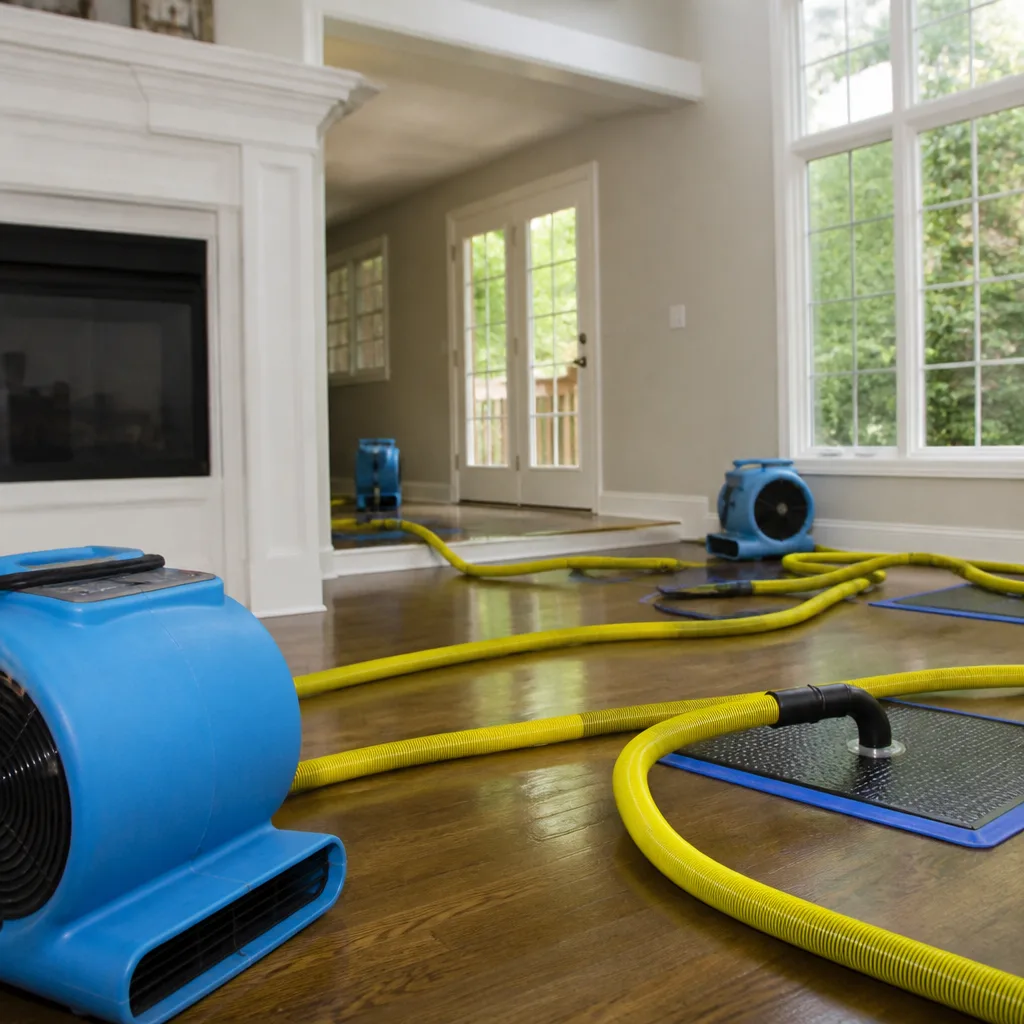
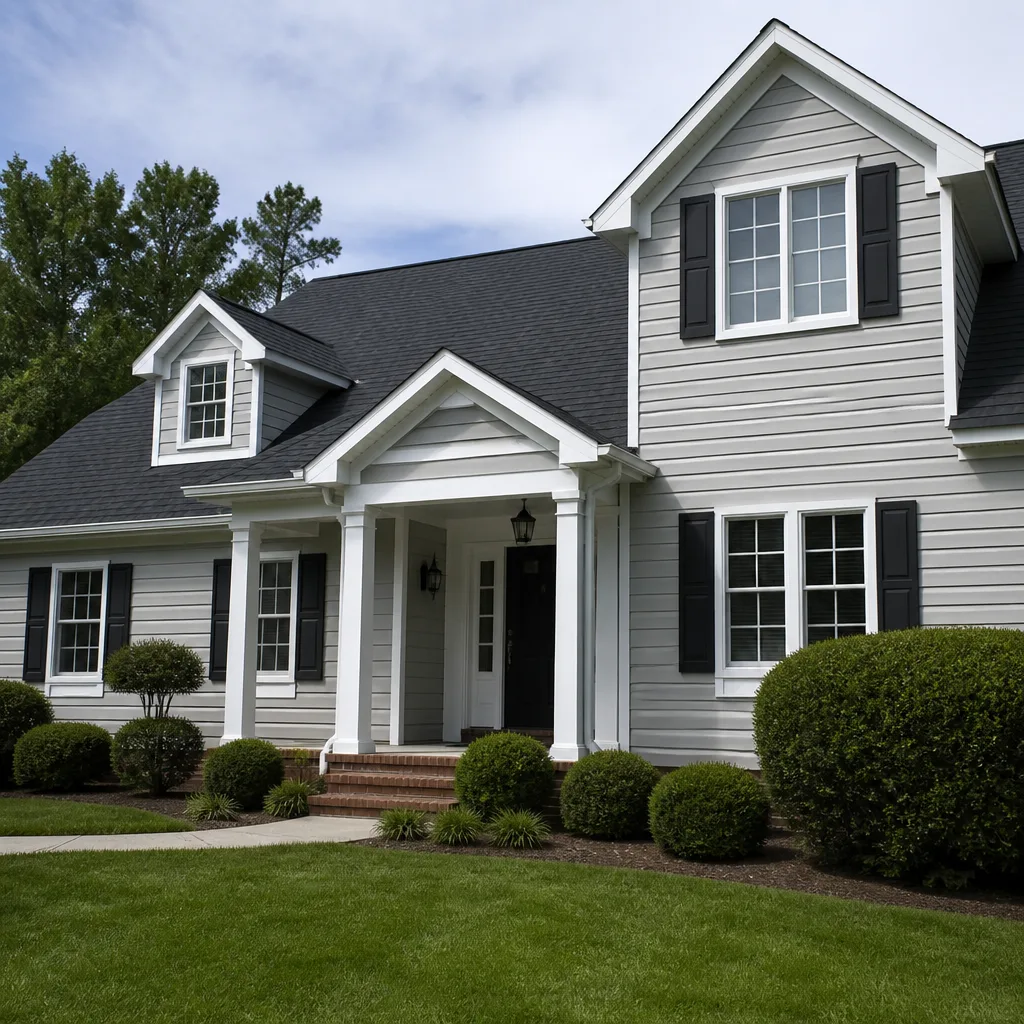
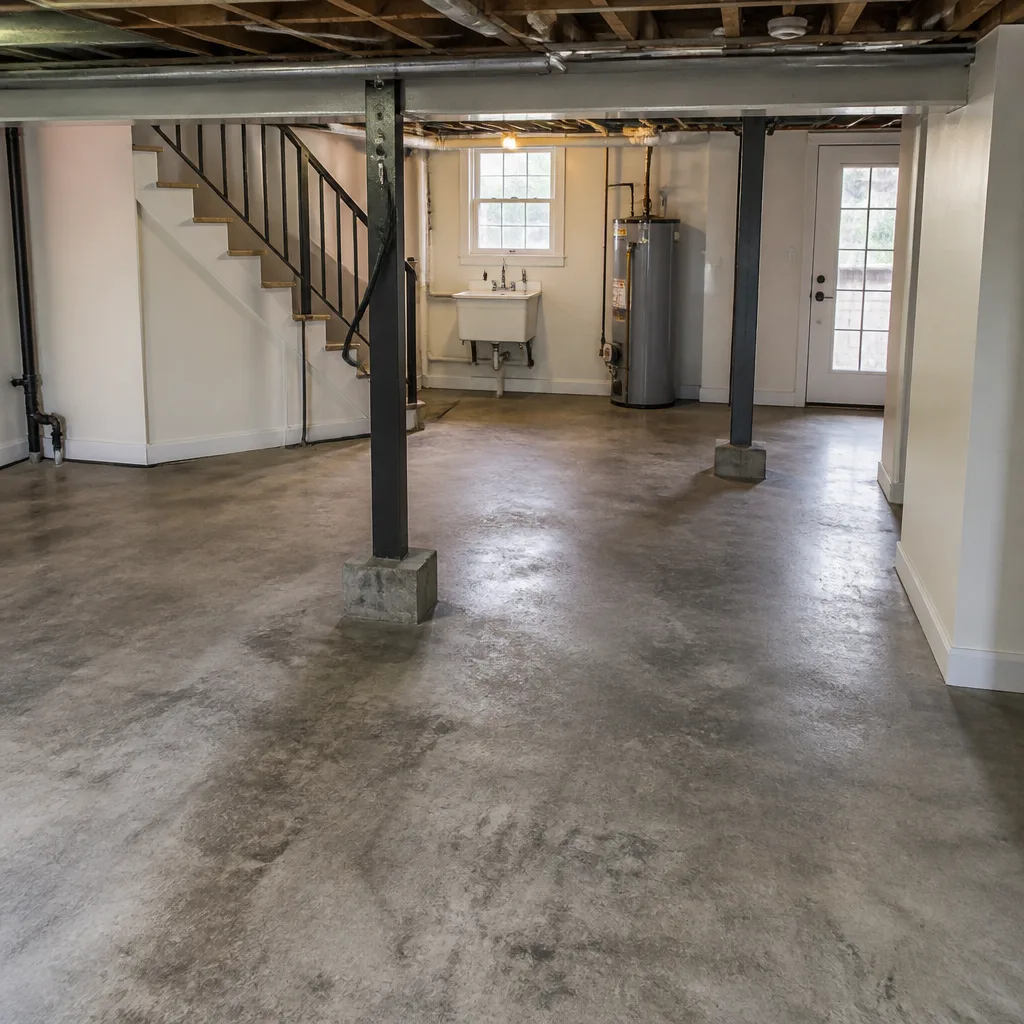
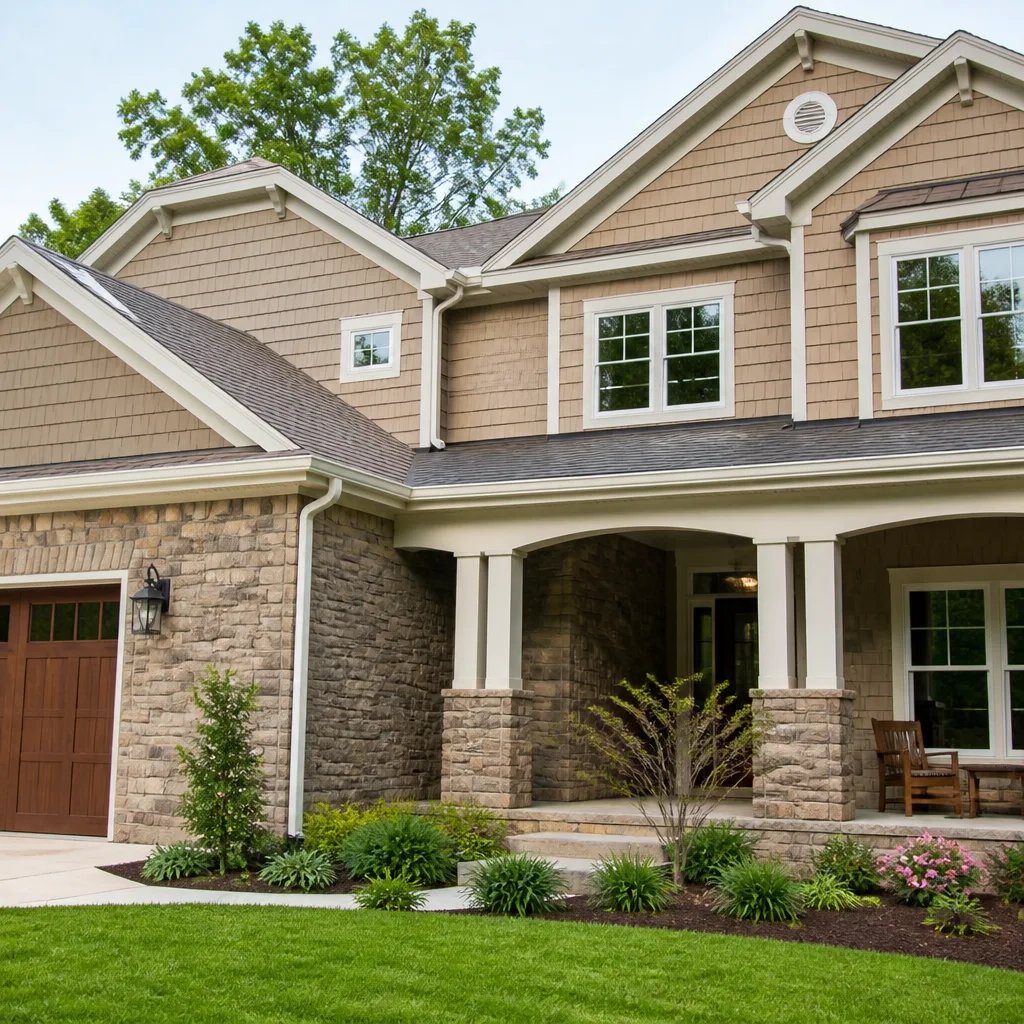
 Before
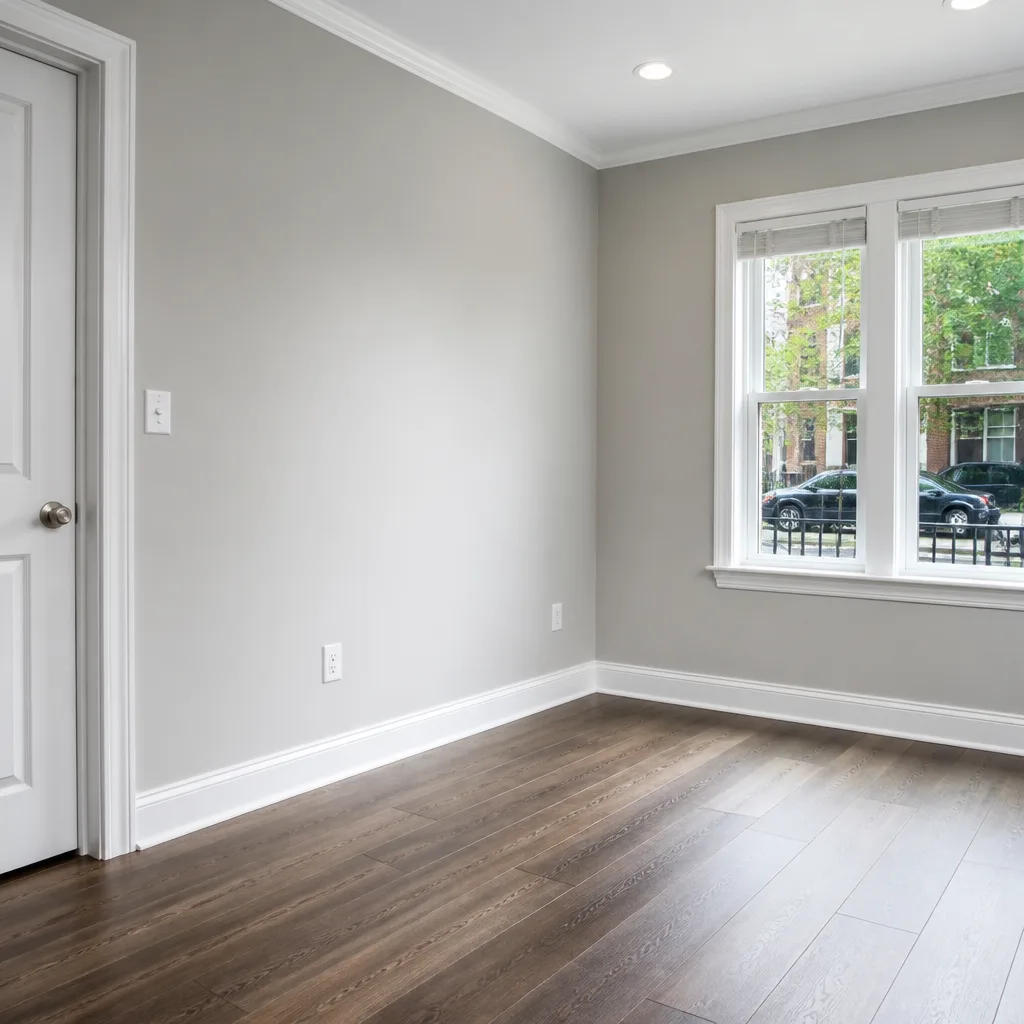 After
After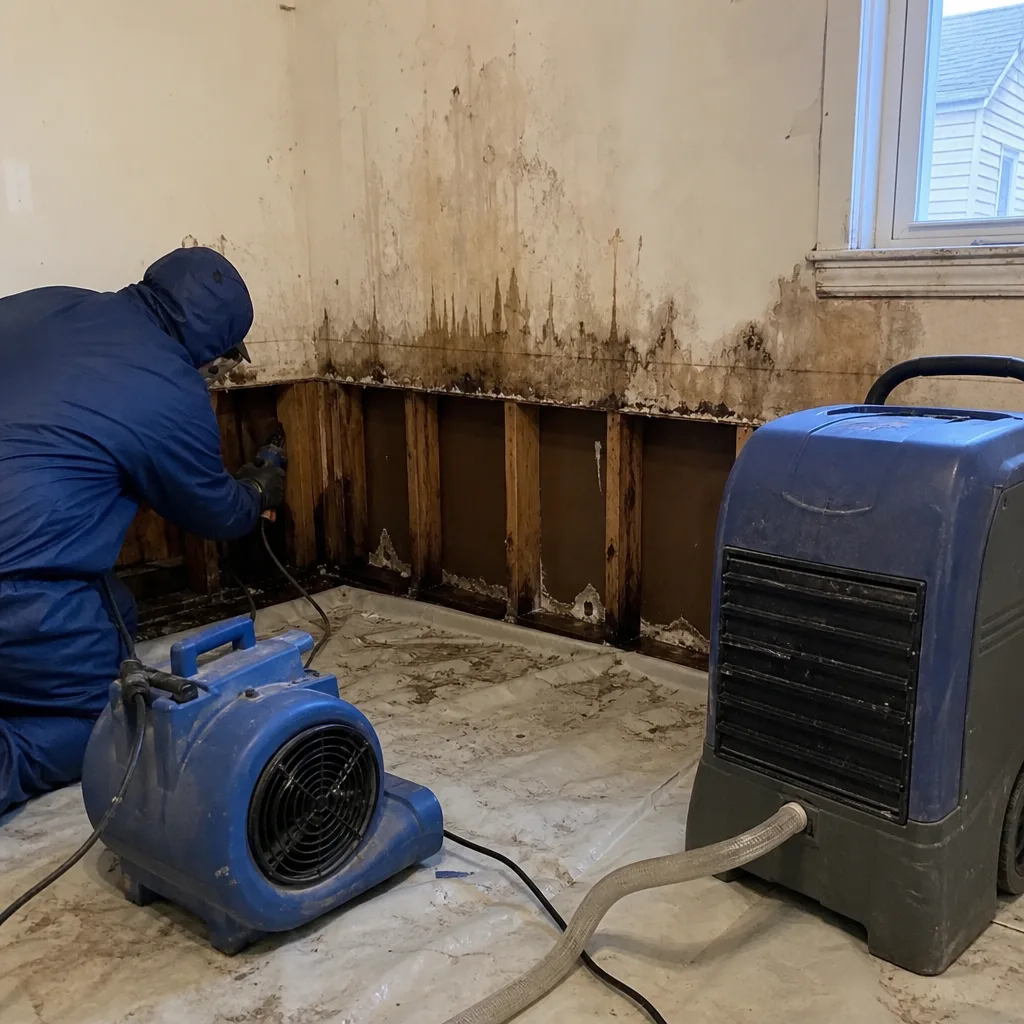 Before
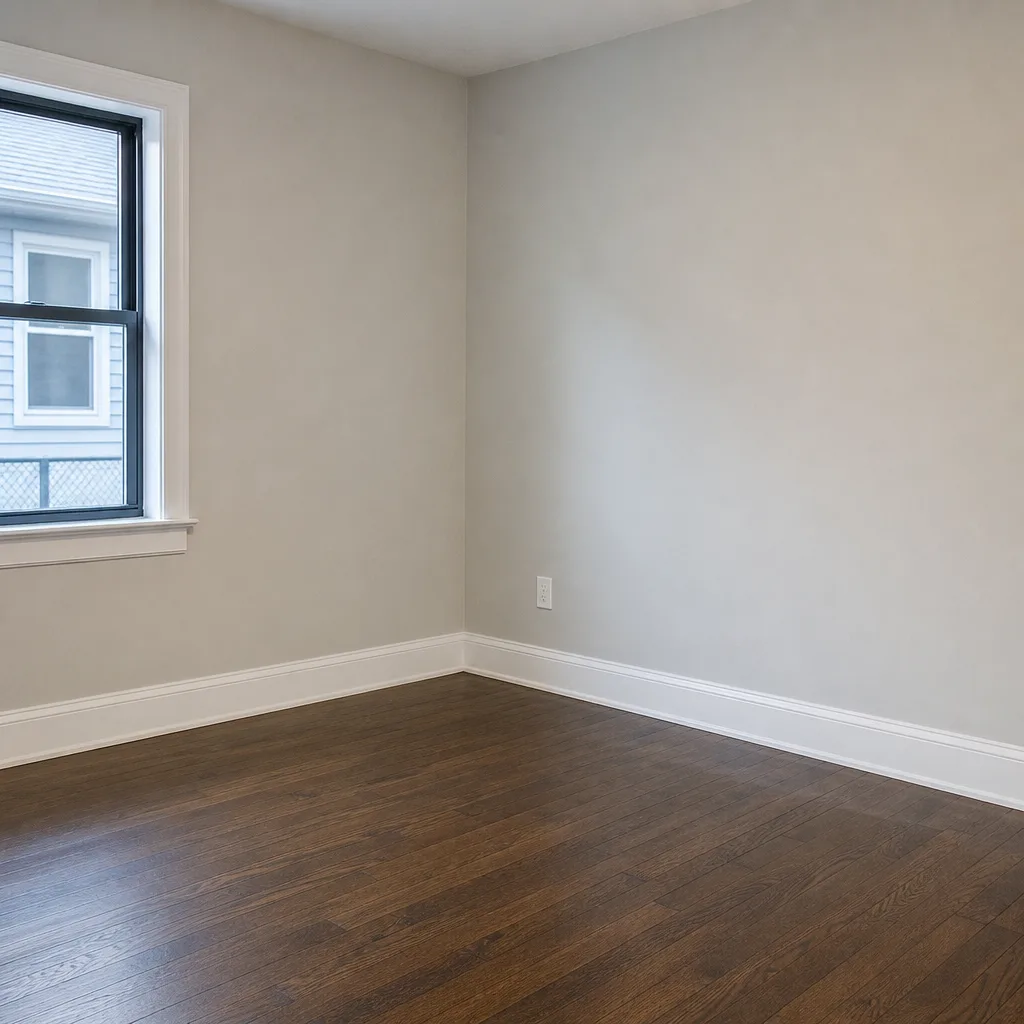 After
After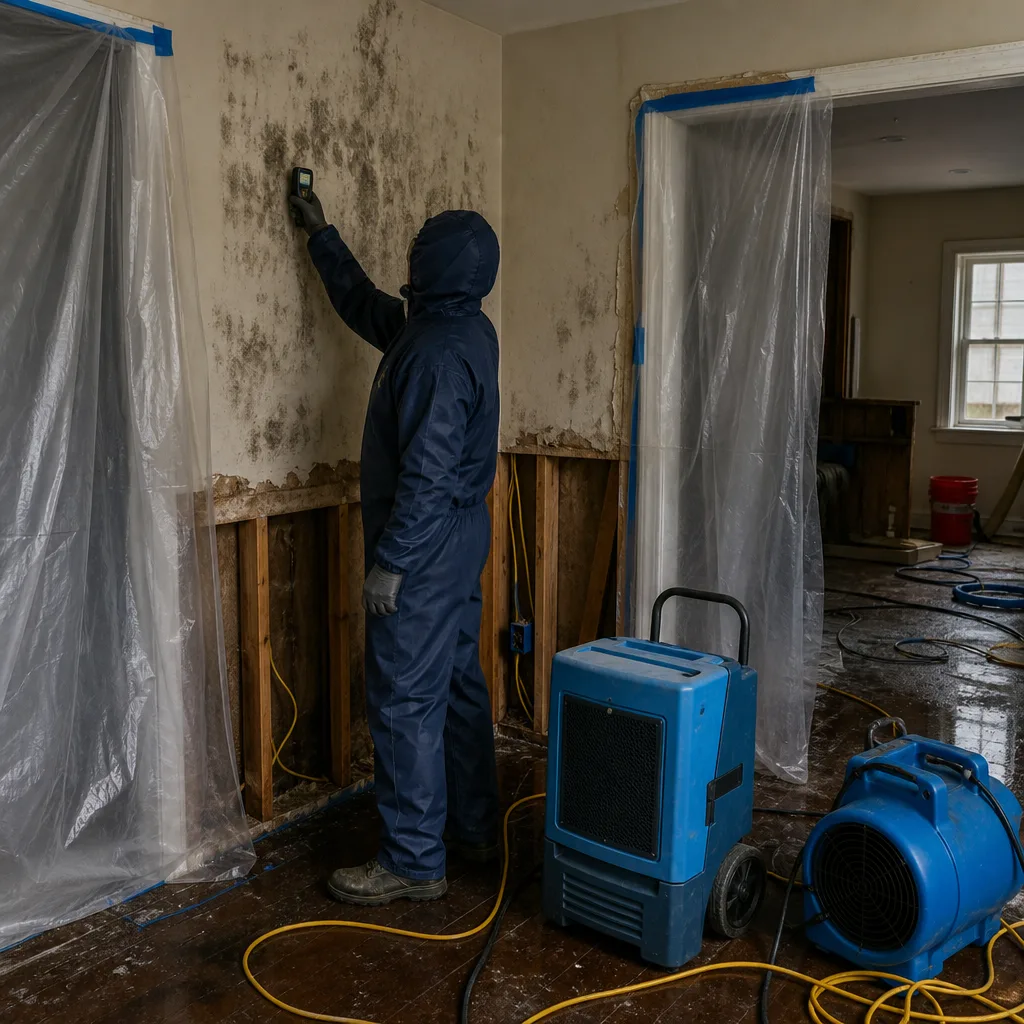 Before
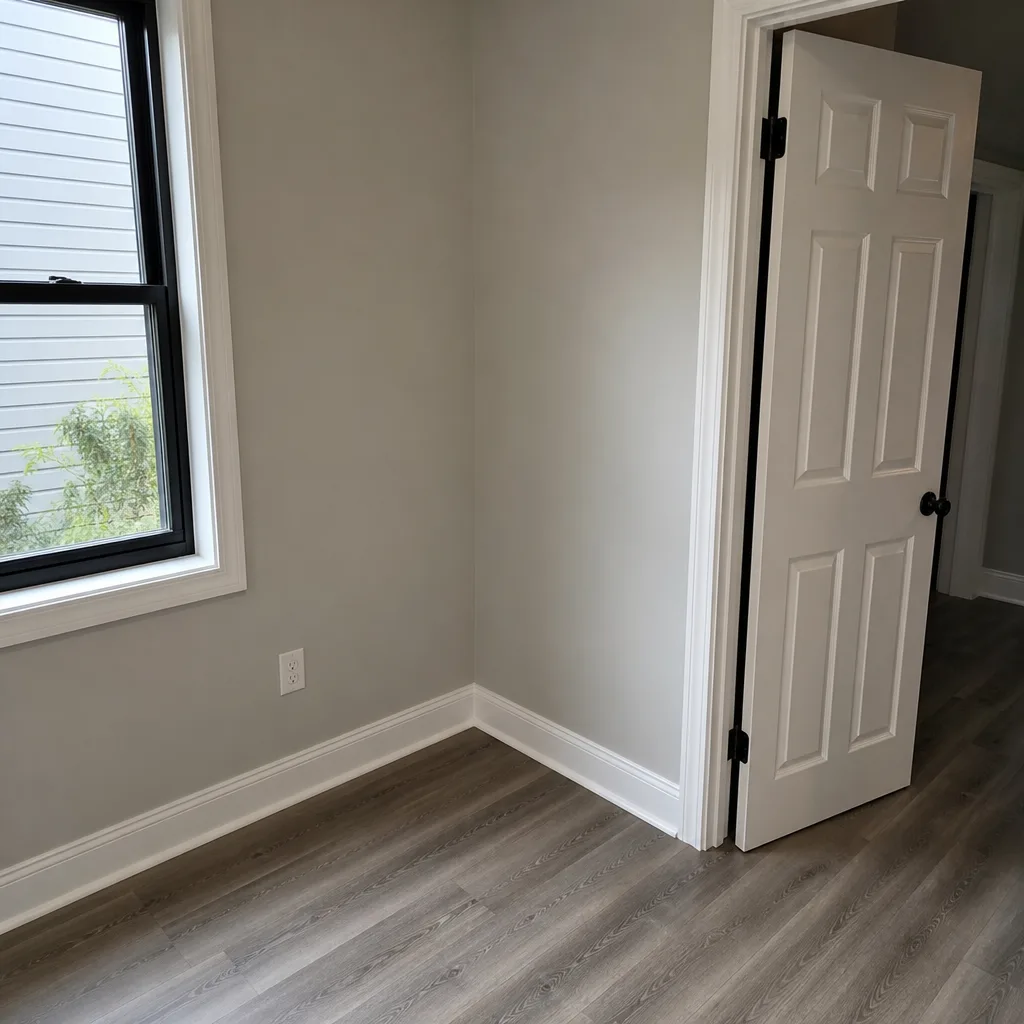 After
After24/7 Emergency Water Damage Restoration in Financial District
Water damage restoration in Financial District typically costs $3,200-$8,500 for a standard residential unit, with sub-basement mechanical-space emergencies running $15,000-$45,000 depending on how many below-grade levels are affected. Most extraction and stabilization calls in the Financial District are handled same-day, with crews arriving within 45 minutes of your call to (862) 298-5256. Our dispatch and scheduling are coordinated from our New York City office, and crews serve Financial District locally around the clock.
The first hour determines whether a water event stays a mitigation job or becomes a reconstruction project. In Financial District buildings, water travels vertically through pipe chases and elevator shafts that were never designed for modern residential use, reaching sub-basements three to five levels below grade where mechanical systems often sit at or below sea level. A live person answers every call, 24 hours a day, 7 days a week - no voicemail trees, no next-business-day callbacks while water is still moving through your building.
Understanding Water Damage Restoration Severity in Financial District Properties
Water damage in Financial District properties follows the IICRC’s category system, but the local building stock bends every rule. Category 1 water - clean supply-line breaks - becomes Category 2 or 3 within hours when it picks up contaminants from century-old pipe chases, oil residues in converted boiler rooms, or sewage from compromised building drains. Our crews carry WRT (Water Damage Restoration Technician) and ASD (Applied Structural Drying) certifications and document every moisture reading to IICRC standards.
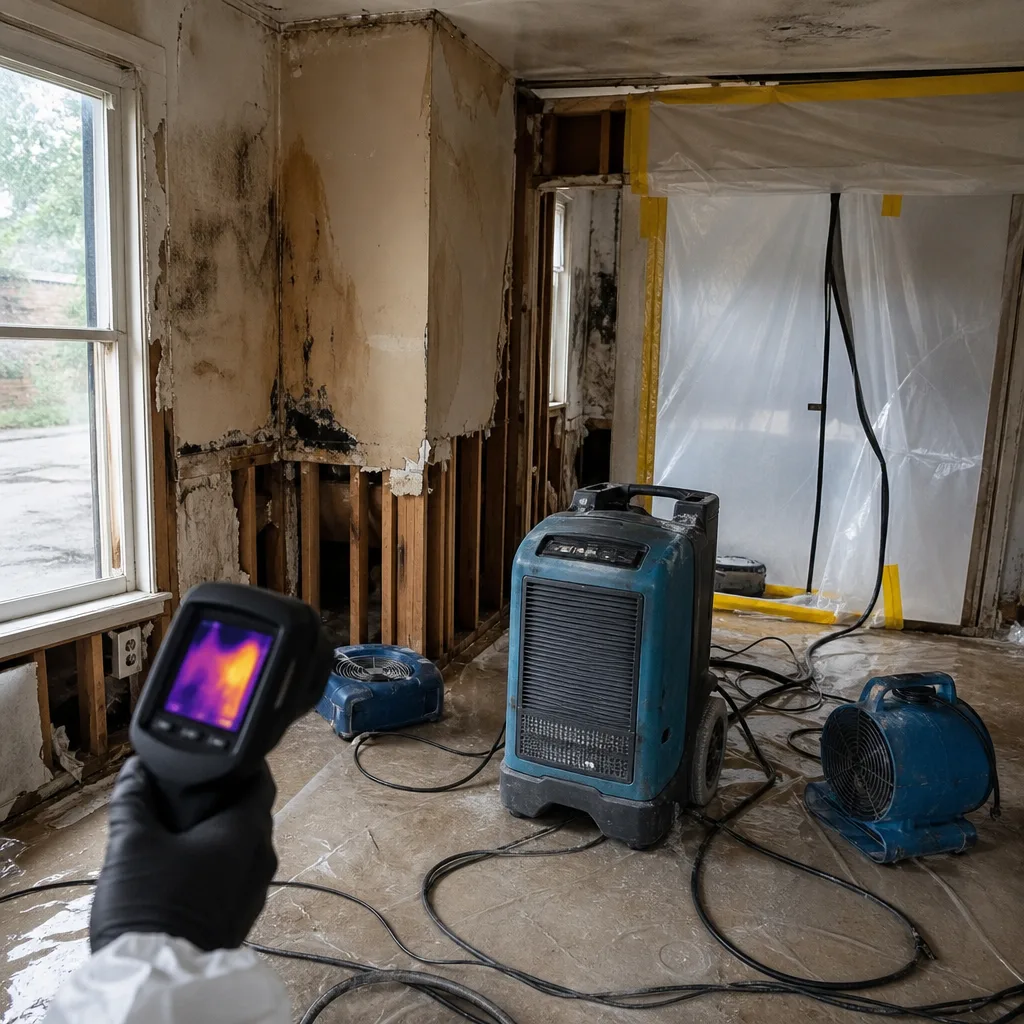
Moisture mapping with thermal imaging and pinless meters is non-negotiable here. The pre-war commercial high-rises that dominate Financial District residential stock - largely 1900s-1950s construction, many of them landmarked - were built with masonry walls that wick water laterally across multiple units and concrete slabs that hold moisture for weeks. Psychrometric data, which tracks temperature, relative humidity, and vapor pressure differential, tells us when materials are actually dry, not just surface-dry. Tertiary drying, the final phase where we target bound moisture in dense materials, often runs 30-40% longer in Financial District’s thick masonry and concrete construction than in standard wood-frame buildings.
Why Financial District Property Owners Choose DryMark Restoration Jersey City
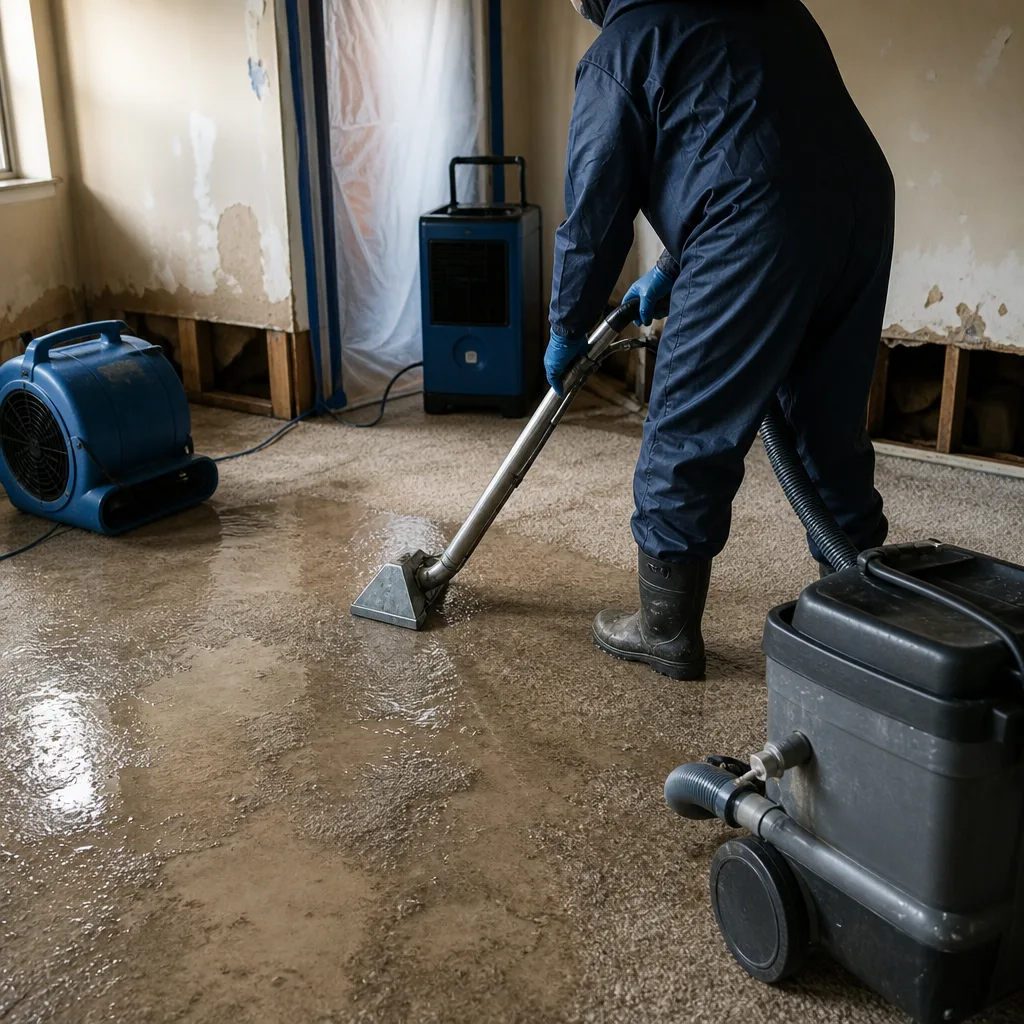
- 45-minute response commitment to Financial District addresses - our crews know the local street grid and building access protocols, so we’re not figuring out loading dock locations while water spreads.
- 24/7 live answer - a real person, never an automated system or voicemail tree, picks up every call to (862) 298-5256 within three rings.
- IICRC-certified crews - our technicians hold WRT, ASD, and AMRT (Applied Microbial Remediation Technician) certifications, with license numbers documented on every job file.
- Free visual inspection - we arrive, assess, and provide a written scope with a firm price before any equipment is unloaded or work begins.
- Direct insurance billing - we coordinate with your adjuster directly, providing the photo documentation and drying logs that turn restoration invoices into payable claims.
- One team from extraction to reconstruction - the same crew that pumps your sub-basement handles the rebuild, so nothing gets lost in handoffs.
BeforeAfterOur Water Damage Restoration Process
1. Inspection & Assessment
We arrive with thermal imaging cameras, pin and pinless moisture meters, and hygrometers to map the full extent of water migration. In Financial District buildings, this means checking three to five sub-basement levels, auditing mechanical room elevations, and probing behind any post-Sandy drywall patches for latent moisture or mold. You receive a written scope and firm price before we start - Haven Standard, Clause 1.
2. Extraction & Stabilization
Truck-mounted extraction units and portable flood pumper systems remove standing water from floors, carpets, and subflooring. For sub-basement mechanical spaces, we deploy submersible pumps and set up containment barriers to isolate flooded electrical or elevator equipment rooms. Speed matters: every hour of standing water in a Financial District sub-basement increases the risk of a full-building shutdown.
3. Drying & Dehumidification
We deploy Phoenix LGR dehumidifiers, Dri-Eaz air movers, and Injectidry specialty drying systems to establish controlled airflow and vapor pressure differential across affected materials. Daily moisture logs track psychrometric readings until materials reach their dry standard. In Financial District’s dense masonry and concrete, this phase often extends 7-14 days versus 3-5 days in wood-frame construction.
4. Cleaning & Sanitization
All affected surfaces receive antimicrobial treatment to Category 1, 2, or 3 protocol. HEPA air scrubbers run continuously during this phase to capture airborne particulates. In Financial District’s converted towers, we pay special attention to oil-contaminated water from legacy mechanical spaces and any sewage cross-contamination from aging building drains.
5. Mold Assessment & Remediation
Post-Sandy drywall patches in Financial District buildings frequently hide latent mold that activates within 24-72 hours of new moisture exposure. We probe behind visible repairs, collect air and surface samples where indicated, and run HEPA-contained remediation if colonization is found. AMRT-certified technicians handle all microbial work to IICRC S520 standards.
6. Repairs & Restoration
Our reconstruction crew replaces drywall, flooring, trim, and mechanical finishes to pre-loss condition. For landmarked Financial District buildings, we source period-appropriate materials and coordinate with LPC (Landmarks Preservation Commission) filing requirements when exterior or common-area work is involved. The 365-Day Done Right Promise covers all work under The Haven Standard.
Need Emergency Water Damage Restoration in Financial District Now?
Crews minutes away, answering live 24 hours a day. The sooner we start, the less it costs.
Working With Your Insurance Company
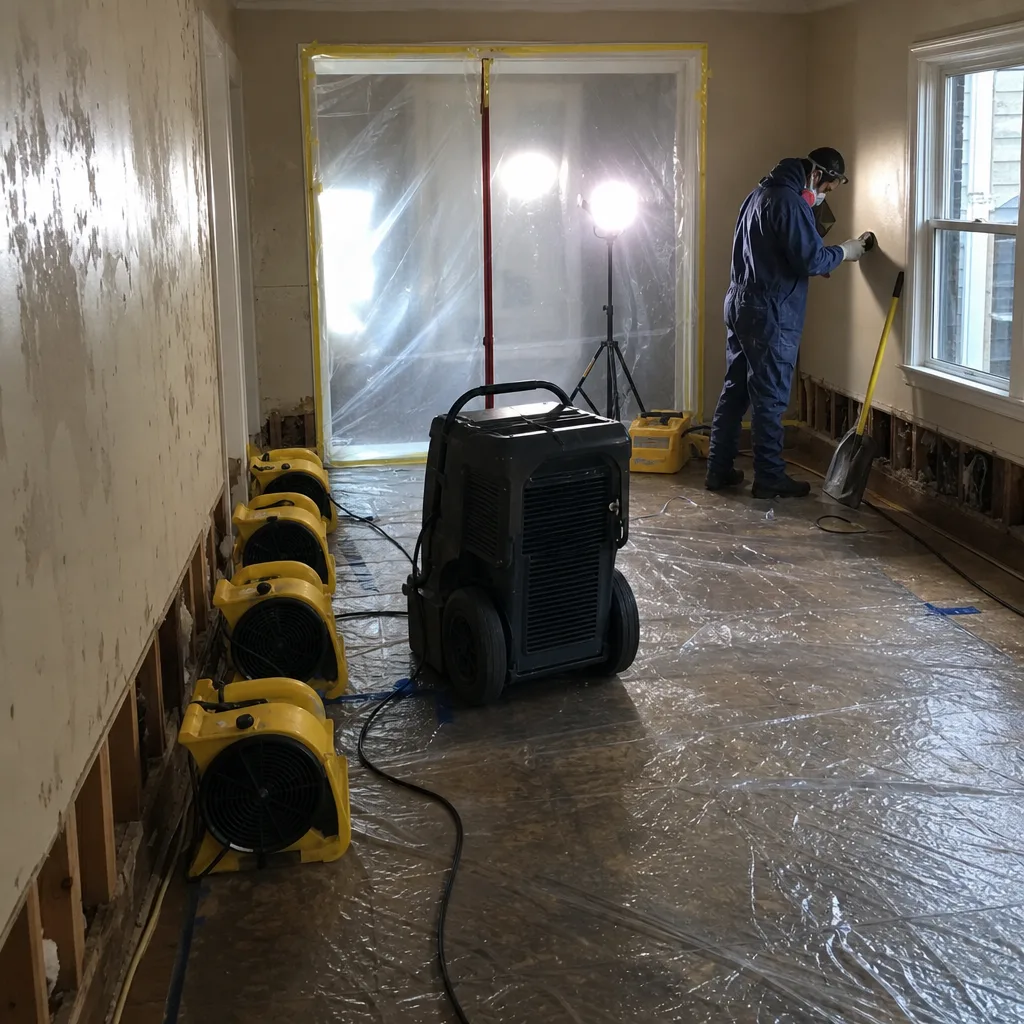
Insurance claims succeed or fail on documentation. Our founder built this company in 2011 after seeing how many legitimate homeowner claims were denied for lack of proper records. From the first hour on your Financial District property, we photograph every affected room, record moisture readings on every surface, and maintain daily drying logs that show exactly what dried, when, and to what standard.
We write estimates to Xactimate and Symbility industry standards, the same platforms your adjuster uses, and we communicate directly with your carrier to resolve line-item questions before they become disputes. Our Water Damage Restoration team has handled claims for every major insurer in the New York metro market. If you’ve already received a competitor’s estimate, our Free Second Opinion service reviews it at no charge - Haven Standard, Clause 7.
What We Provide Your Insurer
- Thorough documentation of the loss
- Photos of all damage, room by room
- Moisture readings and drying logs
- A detailed, line-item scope of work
- Direct coordination with your carrier
Built for Financial District’s Loss Calendar
January deep freezes burst supply lines in Financial District’s converted towers with particular severity. Many of these buildings have exposed risers in exterior walls that were never insulated for residential occupancy, and a single overnight freeze can split copper on the 20th floor and flood fifteen units below. Spring thaw brings basement seepage through foundation walls that pre-date modern waterproofing; summer thunderstorms overwhelm aging roof drains on flat commercial roofs that were never designed to handle the intensity of current rainfall patterns.
Fall nor’easters are the existential threat. Financial District’s peninsula geography, flanked by the Hudson River, East River, and New York Harbor, puts storm surge from even moderate coastal storms into ground-floor retail, parking decks, and utility corridors. The ambient humidity from surrounding open water accelerates mold colonization timelines after any water event, compressing the safe remediation window from 72 hours to 48 or less. Hurricane Sandy proved what moderate storm surge does here; every restoration plan we write for Financial District accounts for repeat flooding in the same building systems.
Water Damage Restoration Across Financial District’s Neighborhoods
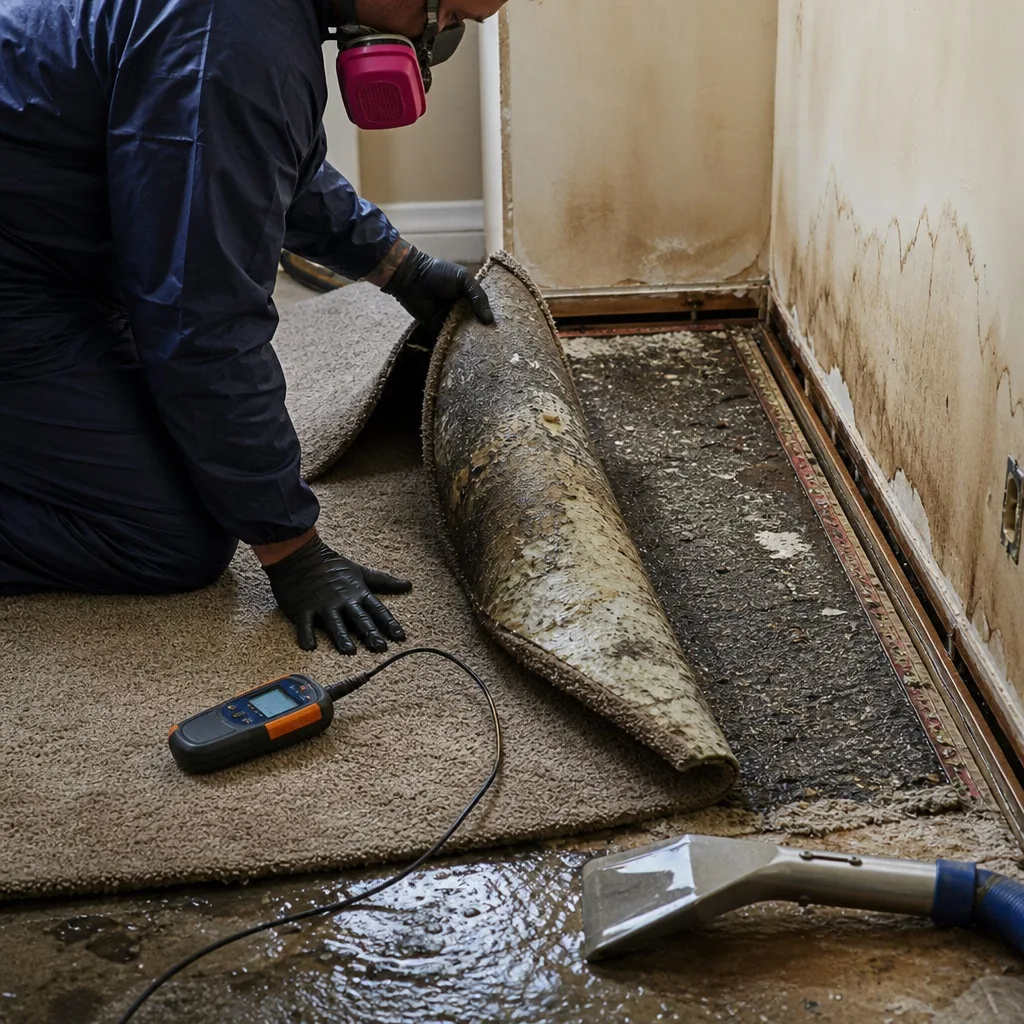
Our crews respond throughout the Financial District corridor, and each sub-area presents distinct challenges. Around Bowling Green and the Battery, the oldest converted commercial buildings - many dating to the 1900s-1920s - have the deepest sub-basements and the most complex mechanical-space layouts. We’ve extracted water from five-level below-grade systems near Whitehall Terminal where original elevator machinery and 1960s-era electrical switchgear remain in flood-vulnerable vaults.
Along Wall Street and Broad Street, landmarked towers with active trading floors or residential lobbies require coordinated access through security protocols that unfamiliar crews fumble. Our teams carry pre-registered credentials for major Financial District buildings and understand after-hours loading dock procedures. Near South Street Seaport, the combination of tidal flooding risk and tourist-foot-traffic buildings means water events often hit mixed-use properties with retail, residential, and hospitality components in the same structure.
On Stone Street and the surrounding historic district, narrow streets limit equipment staging, so we pre-position portable extraction and drying units rather than relying solely on truck-mounted systems. Every response route in Financial District accounts for the neighborhood’s security infrastructure, traffic patterns, and building-specific access requirements.
Specialized Water Damage Restoration Services We Offer in Financial District
Emergency Water Extraction
Standing water in a Financial District sub-basement is an electrical and structural emergency, not a cleanup job. Our truck-mounted and portable extraction systems remove water from floors, elevators, and mechanical pits while our crew audits switchgear elevations and coordinates with building engineers on safe power-down procedures.
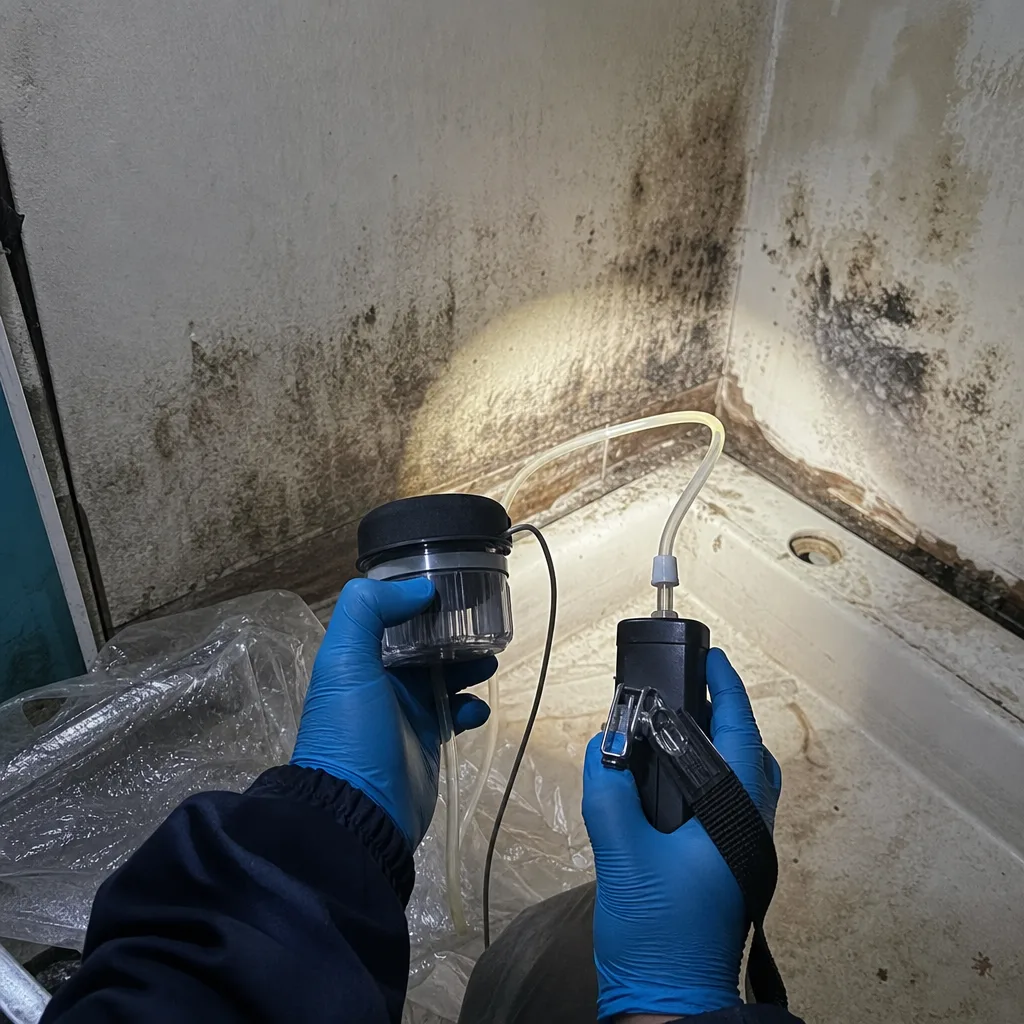
Structural Drying & Dehumidification
Financial District’s masonry and concrete construction demands longer drying cycles with higher-capacity equipment. We deploy Phoenix and Dri-Eaz LGR dehumidifiers sized to the cubic volume of affected space, not just the square footage, and we document daily psychrometric readings until materials reach their established dry standard.
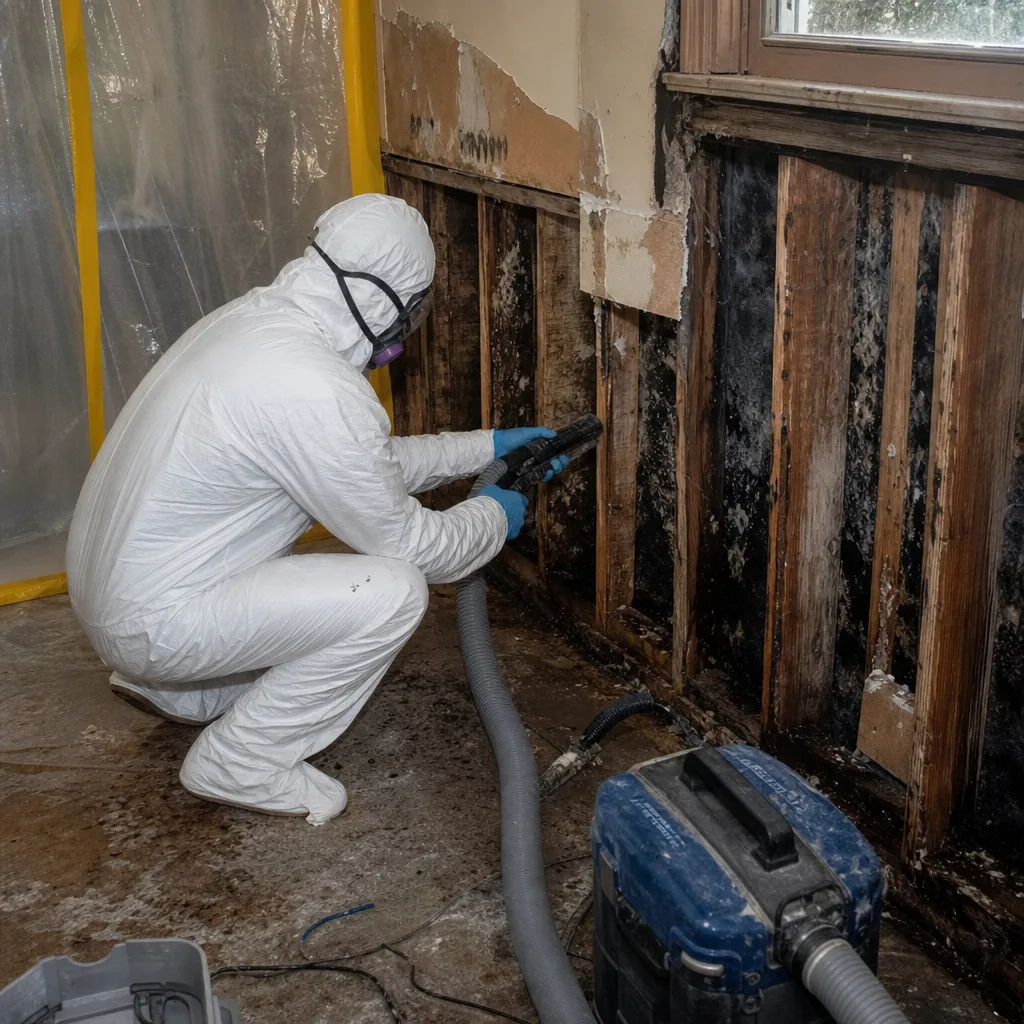
Flood Cleanup
FEMA Zone AE flood events in Financial District require Category 3 protocol from the outset: full personal protective equipment, antimicrobial treatment, and disposal of porous materials that contact contaminated water. We coordinate with building management and, when required, NYC Department of Buildings on flood-damage assessments.
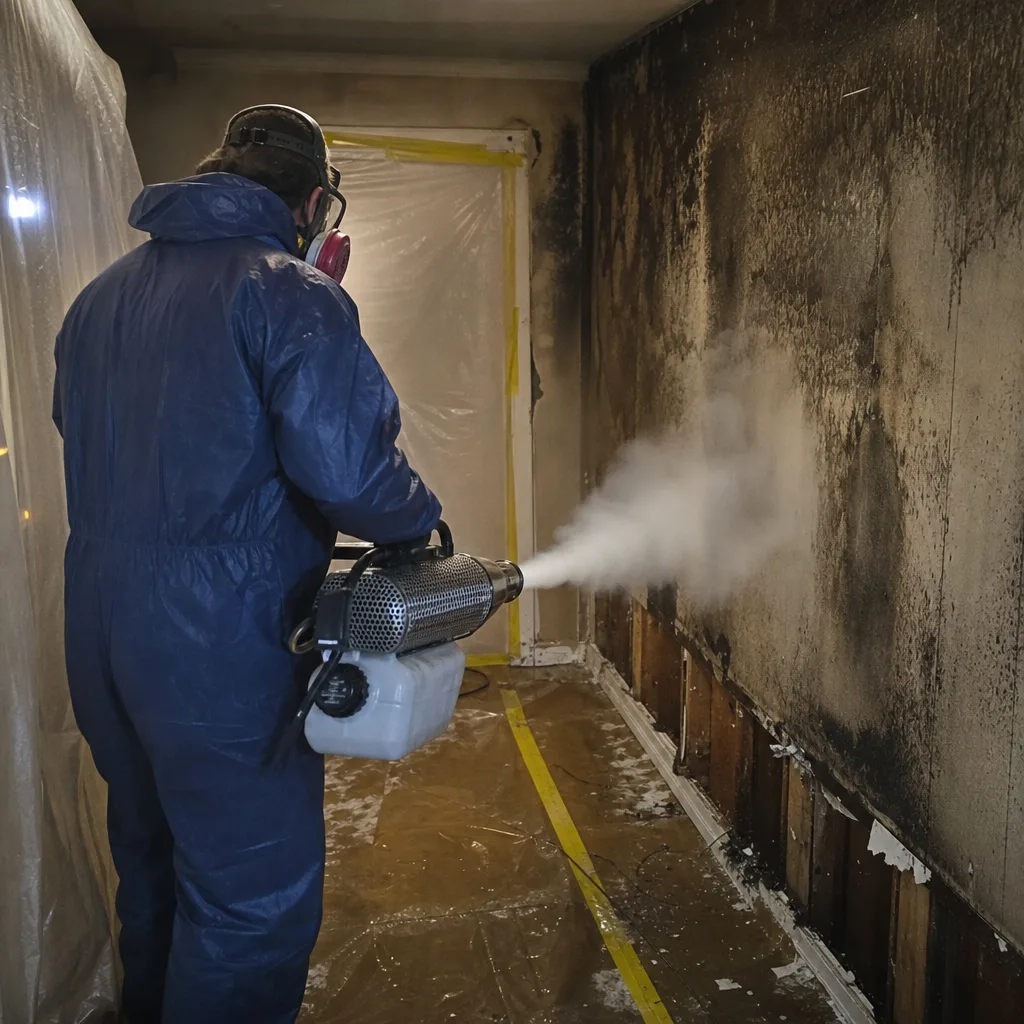
Burst Pipe Restoration
Vertical pipe chases in converted Financial District towers allow water to migrate across dozens of units. Our moisture mapping traces the full path of migration, and our written scope addresses every affected space - not just where water was visible on arrival.
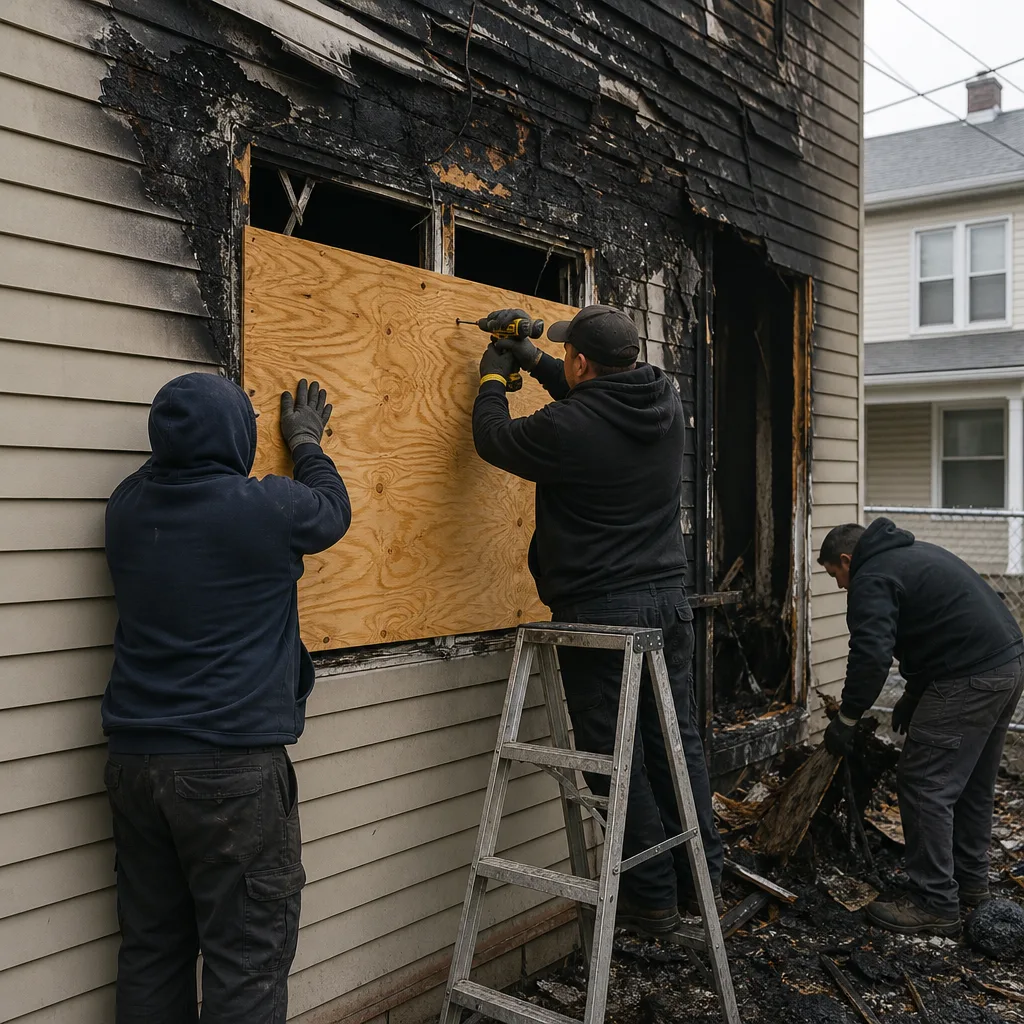
Basement Water Removal
Financial District basements are sub-basements, often three to five levels deep, with mechanical equipment that a standard residential crew is not equipped to handle. We pump, extract, and dry these spaces while documenting every step for your insurer and your building’s engineer.
What happens when you call
- 1
A real person answersNo phone trees - you reach a local pro.
- 2
You get an upfront price rangeHonest numbers before anyone is dispatched.
- 3
A background-checked tech heads outLicensed & insured, dispatched right away.
- 4
You approve before work beginsNothing starts until you say go.
Water Damage Restoration Costs in Financial District, NY
A typical single-unit water extraction and drying job in Financial District runs $3,200-$8,500, depending on how many rooms are affected and whether water reached the subfloor or wall cavities. Sub-basement mechanical-space emergencies, which require containment, extended drying, and coordination with building engineers, typically range $15,000-$45,000. Burst pipe scenarios with multi-floor migration fall in the middle: $8,500-$22,000 for extraction, drying, and initial repairs.
What moves the price: the number of below-grade levels affected, whether mechanical equipment requires specialized handling, the presence of Category 3 contamination, and whether latent mold behind prior repairs must be addressed. Insurance typically covers sudden and accidental water damage from burst pipes or storm events; gradual leaks and maintenance-related issues are often excluded. We provide a written price before any work begins - Haven Standard, Clause 1 - and our Free Second Opinion service reviews any competitor’s estimate at no charge. Call (862) 298-5256 for your exact scope.
We Also Serve Cities Near Financial District
Our crews respond throughout lower Manhattan and across the East River. We regularly handle Water Damage Restoration in Financial District and adjacent areas including Brooklyn Heights, with its similar pre-war co-op stock and basement flooding patterns; Midtown Manhattan, where high-rise water events require comparable vertical-migration expertise; Murray Hill, with its mix of pre-war and post-war residential buildings; and Williamsburg, where converted industrial lofts present their own mechanical-space challenges. Dispatch and scheduling are coordinated from our New York City office for all locations.
Serving Financial District, NY - Our Local Coverage Area
We’re based in the Financial District area and know this community well. Use the map below to see our service coverage - if you’re nearby, we can almost certainly help.
Financial District Water Damage Restoration Questions, Answered
How quickly can mold start growing after a water leak in a Financial District high-rise?
Mold colonization can begin within 24-48 hours in Financial District buildings, faster than the 72-hour rule of thumb used in drier inland climates. The ambient humidity from surrounding open water accelerates spore germination, and post-Sandy drywall patches often contain latent mold that activates almost immediately upon new moisture exposure. Call (862) 298-5256 for immediate moisture mapping and containment.
Why does water damage in a Financial District basement take longer to dry than in other Manhattan neighborhoods?
Financial District “basements” are typically three to five levels of sub-basement in pre-war commercial construction, with thick concrete walls and slabs that hold bound moisture for weeks. The masonry construction wicks water laterally across large areas, and mechanical equipment in these spaces requires careful containment and monitoring. Drying cycles of 10-14 days are common here versus 3-5 days in wood-frame buildings uptown.
What should I do if my FiDi building has a burst pipe that floods a sub-basement mechanical room?
Evacuate the area, notify building management immediately, and call (862) 298-5256. Do not enter flooded mechanical spaces - submerged electrical equipment creates electrocution risk, and elevator pit flooding can compromise safety systems. Our crew audits mechanical room elevations on arrival and coordinates with your building engineer on safe power-down and extraction procedures.
Can you tell if there is hidden mold behind drywall from Hurricane Sandy that was never properly remediated?
Yes. Our moisture mapping with thermal imaging and pinless meters detects temperature differentials and moisture anomalies behind finished surfaces. We also probe suspect areas with borescope inspection and collect air and surface samples where indicated. In Financial District buildings, we assume prior Sandy remediation layers may be present and investigate accordingly on every job. Call (862) 298-5256 for assessment.
Does a water damage claim in a landmarked Financial District building require special handling?
Yes. Landmark designation affects material selection, contractor licensing, and sometimes permitting for work visible from the street or in common areas. We source period-appropriate materials and coordinate LPC filing requirements when needed. Our documentation package includes photographs and scope details that satisfy both insurance adjusters and landmarks review, if applicable.
How does your 365-Day Done Right Promise work for Financial District water damage jobs?
If any aspect of our drying, remediation, or reconstruction fails within 365 days, we return and make it right at no additional cost - Haven Standard, Clause 12. This is a written guarantee, not a verbal assurance, and it applies to every job we complete in Financial District. The warranty transfers to subsequent owners if you sell.
Will my insurance cover water damage restoration in my Financial District condo or co-op?
Insurance coverage for water damage in Financial District condos and co-ops depends on the source of the water and your specific policy. Sudden and accidental events like burst pipes or storm damage are typically covered; gradual leaks and maintenance issues often are not. We document the loss from the first hour, write to Xactimate standards, and coordinate directly with your adjuster to maximize your claim’s success. Call (862) 298-5256 to discuss your specific situation.
What makes DryMark Restoration Jersey City different from national franchise water damage companies in Financial District?
We are independently owned and operated under The Haven Standard, not a franchise. Every job gets a written price before work begins, a photo record on every visit, and direct adjuster coordination by a team that knows Financial District’s building stock - not a rotating cast of technicians reading addresses for the first time. Our 12,000+ documented restorations since 2011 and our Free Second Opinion service exist because our founder, a former claims adjuster, built this company to fix the documentation gap that denies homeowners their claims.
Water damage in Financial District is not a standard residential dry-out. The converted pre-war towers, deep sub-basements, and Sandy-era remediation layers create a mechanical-space emergency discipline that requires specific expertise, specific equipment, and documentation that holds up to insurance scrutiny. Our crews arrive with both.
Written by Alicia Brennan, Owner at Back to Dry Restoration, serving Financial District since 2011.
Water Damage Restoration in Nearby Areas