
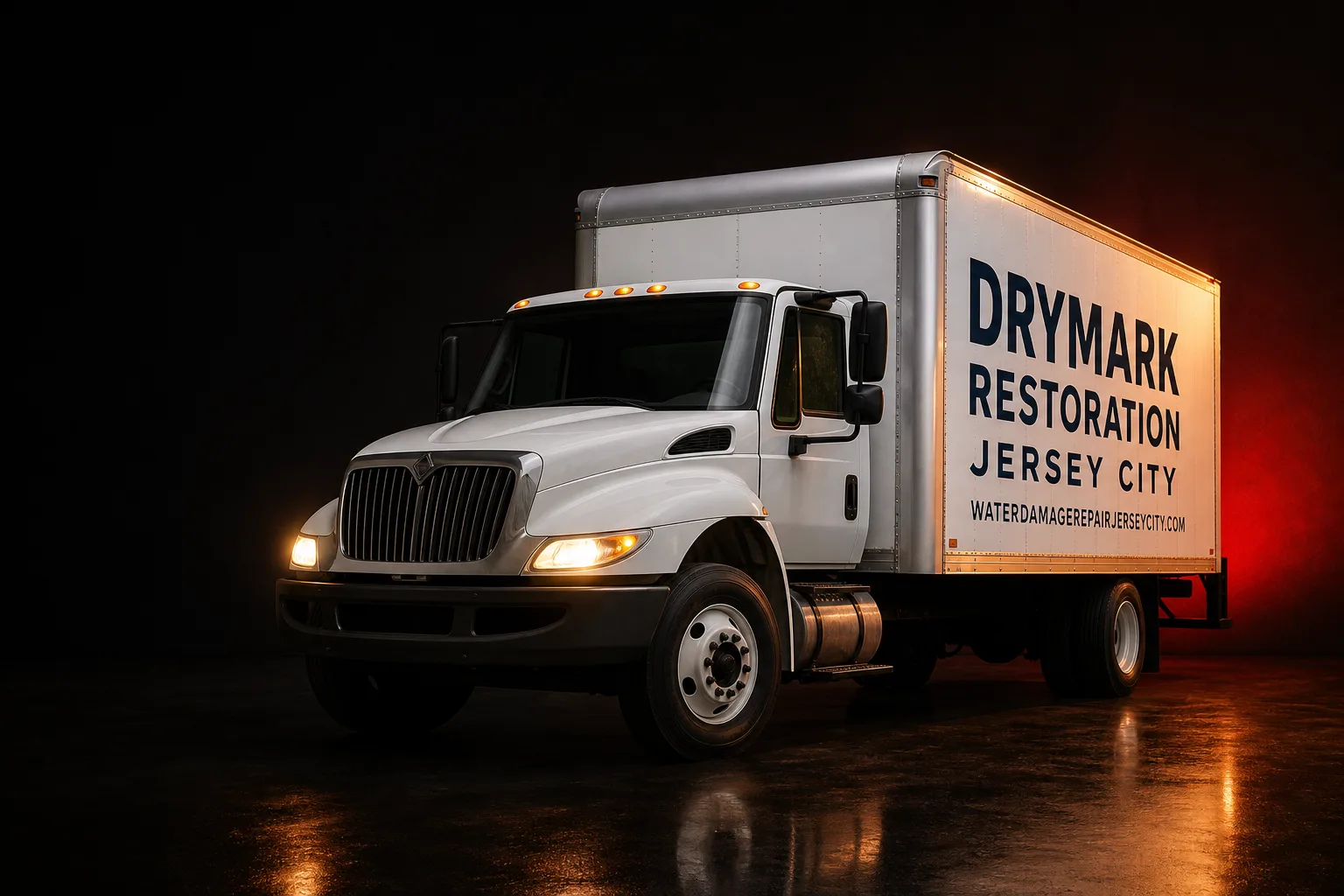
Free visual inspection and a written scope of work before any mitigation begins - photos, moisture readings, and drying logs go in your claim file
The scope we write is the scope we bill. Anything new gets shown to you, in writing, before we touch it.
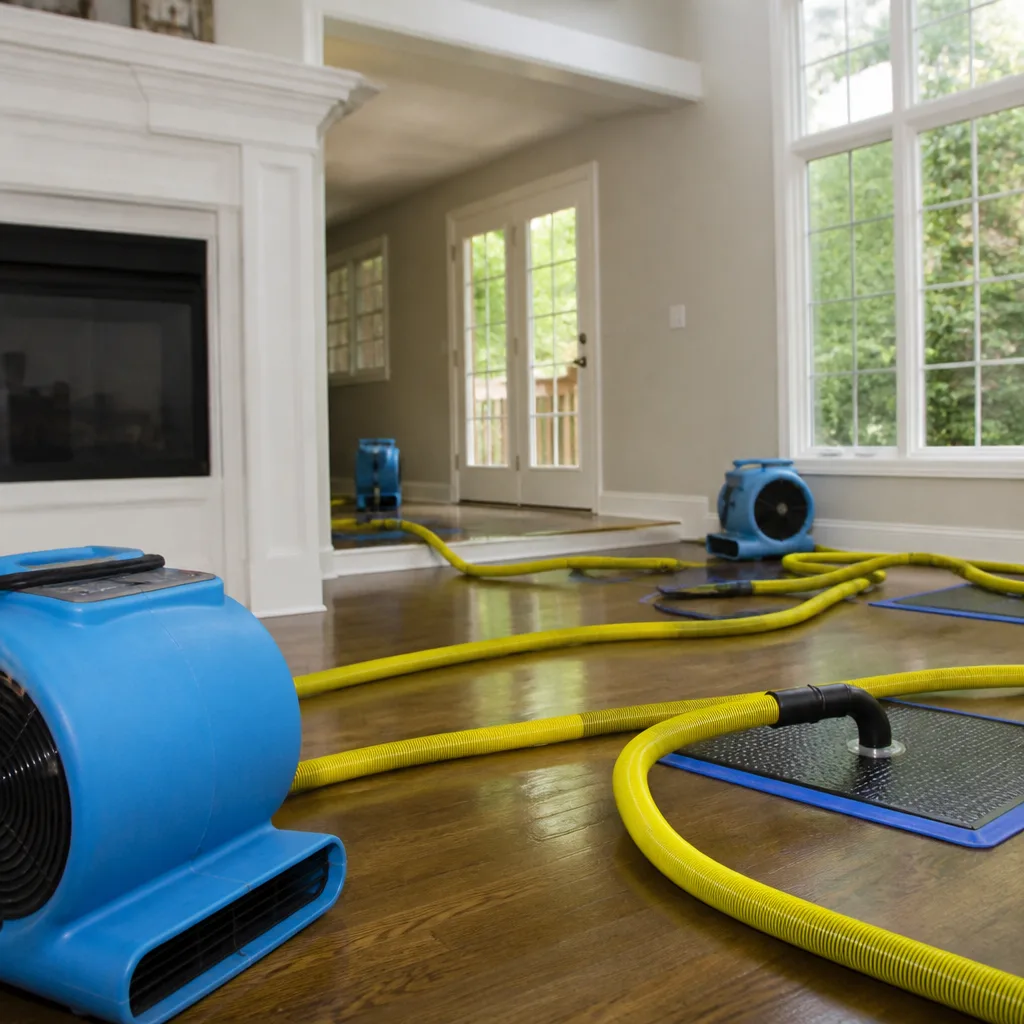
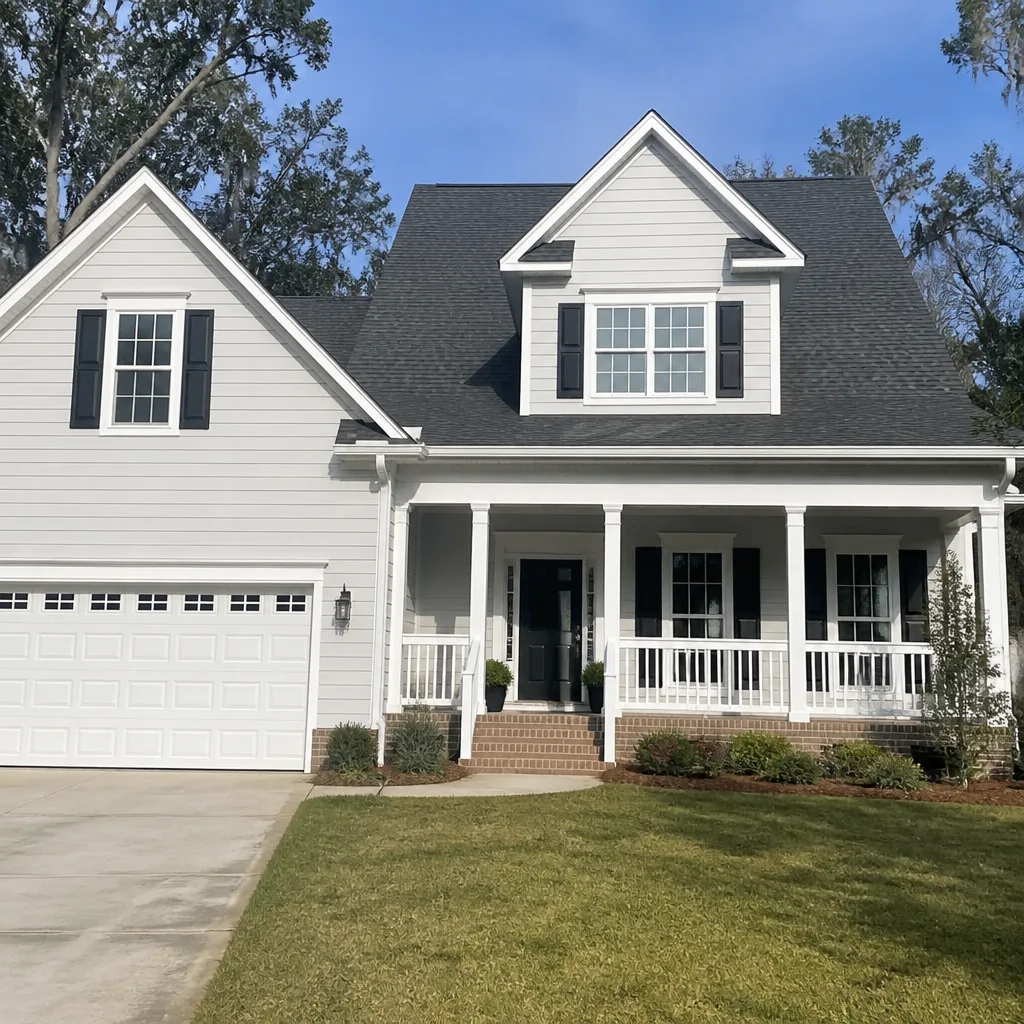
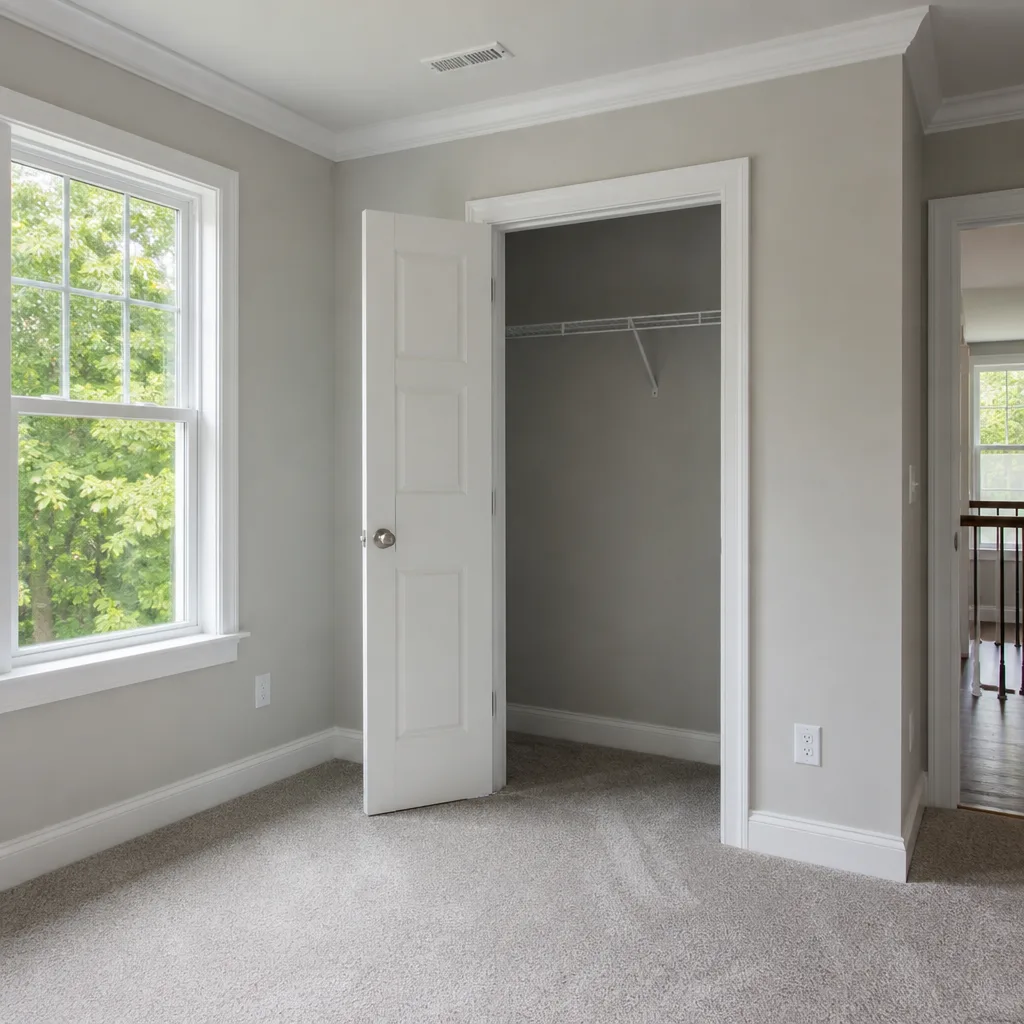
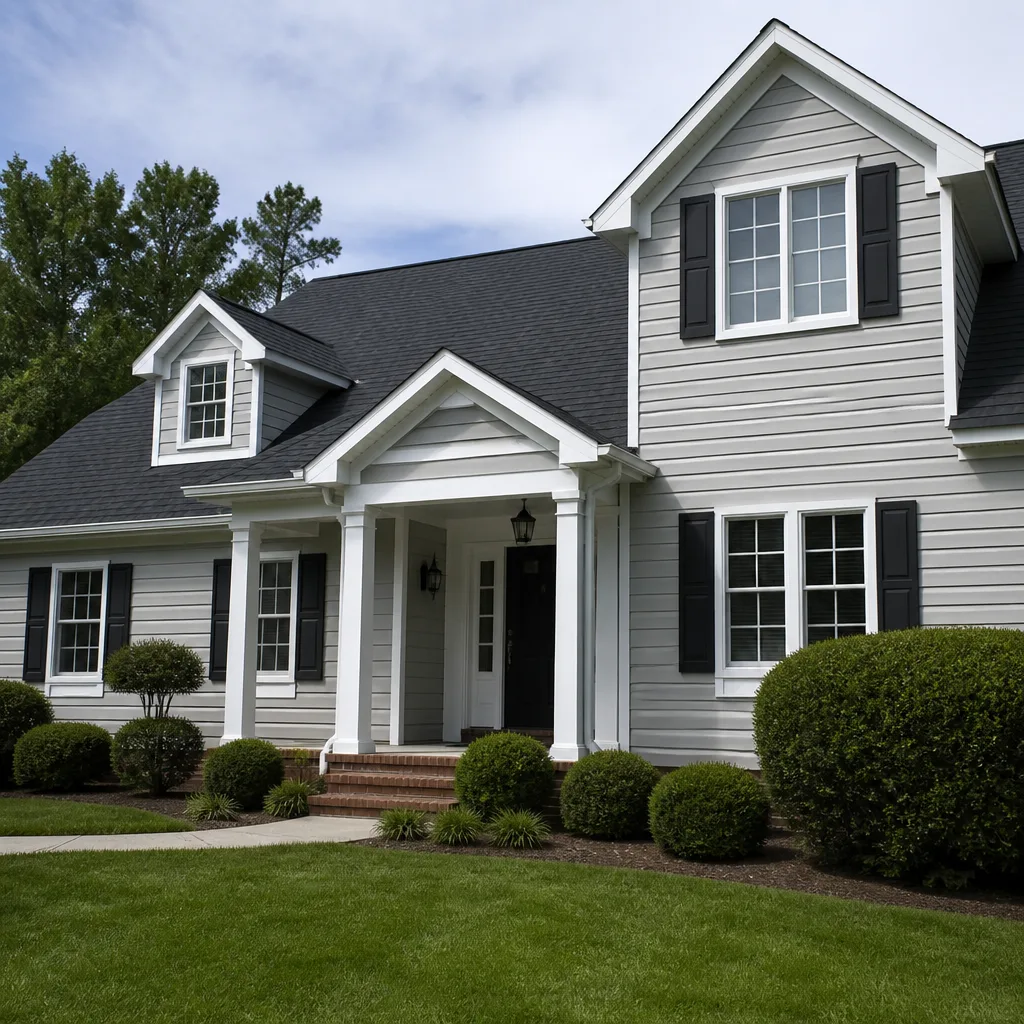
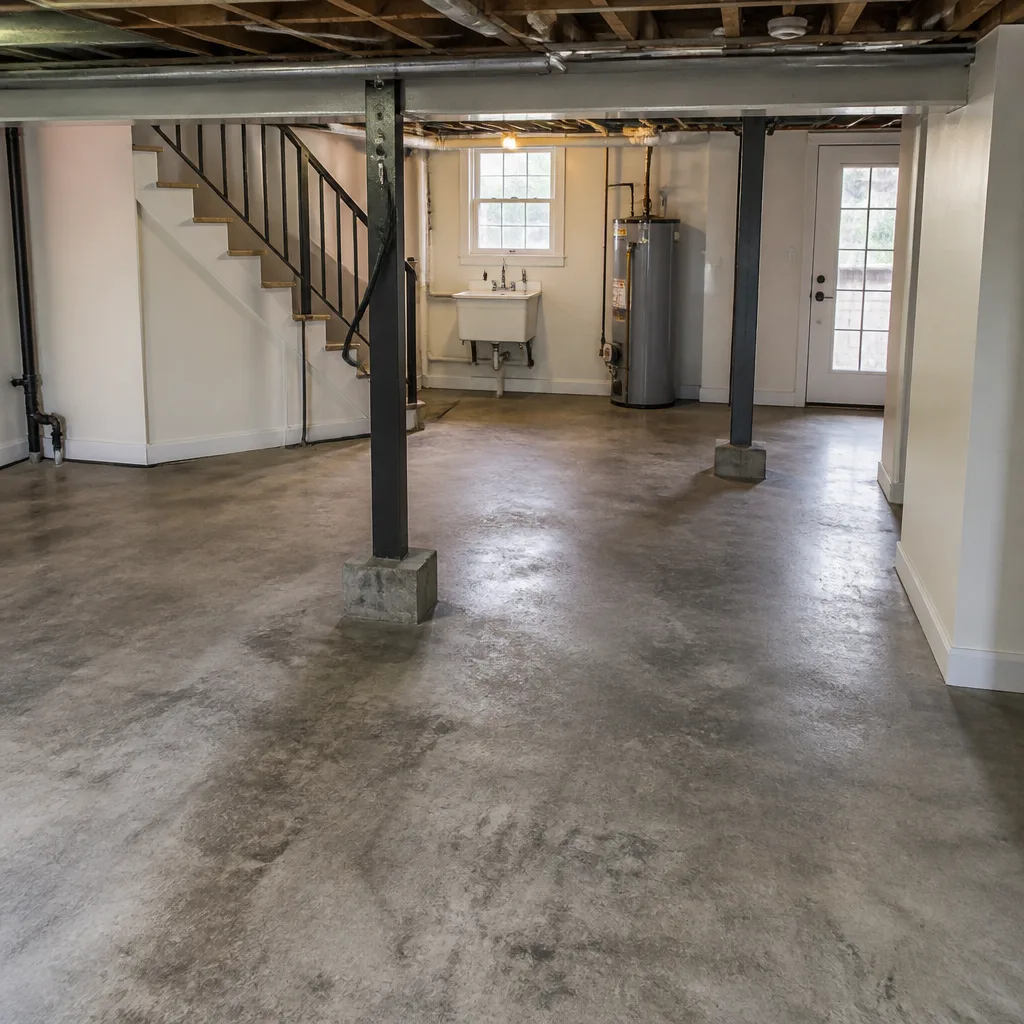
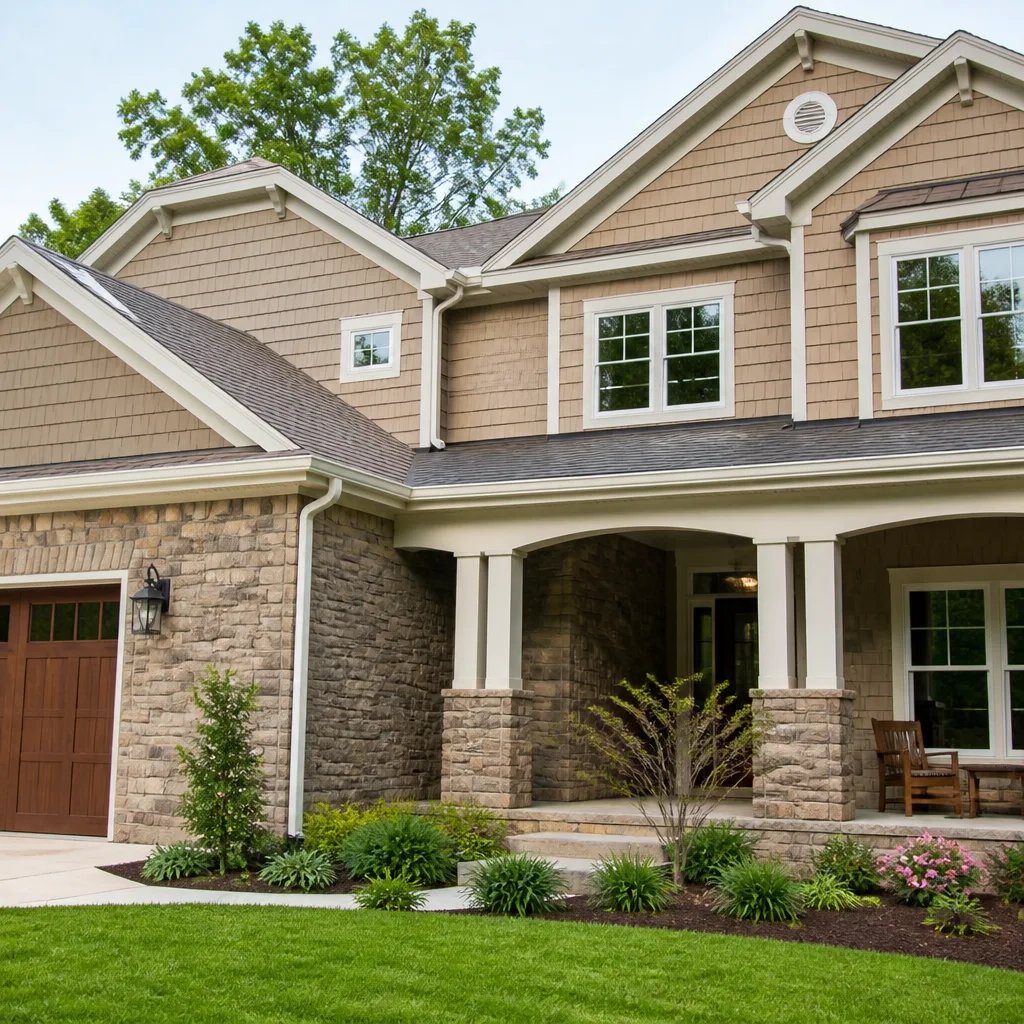
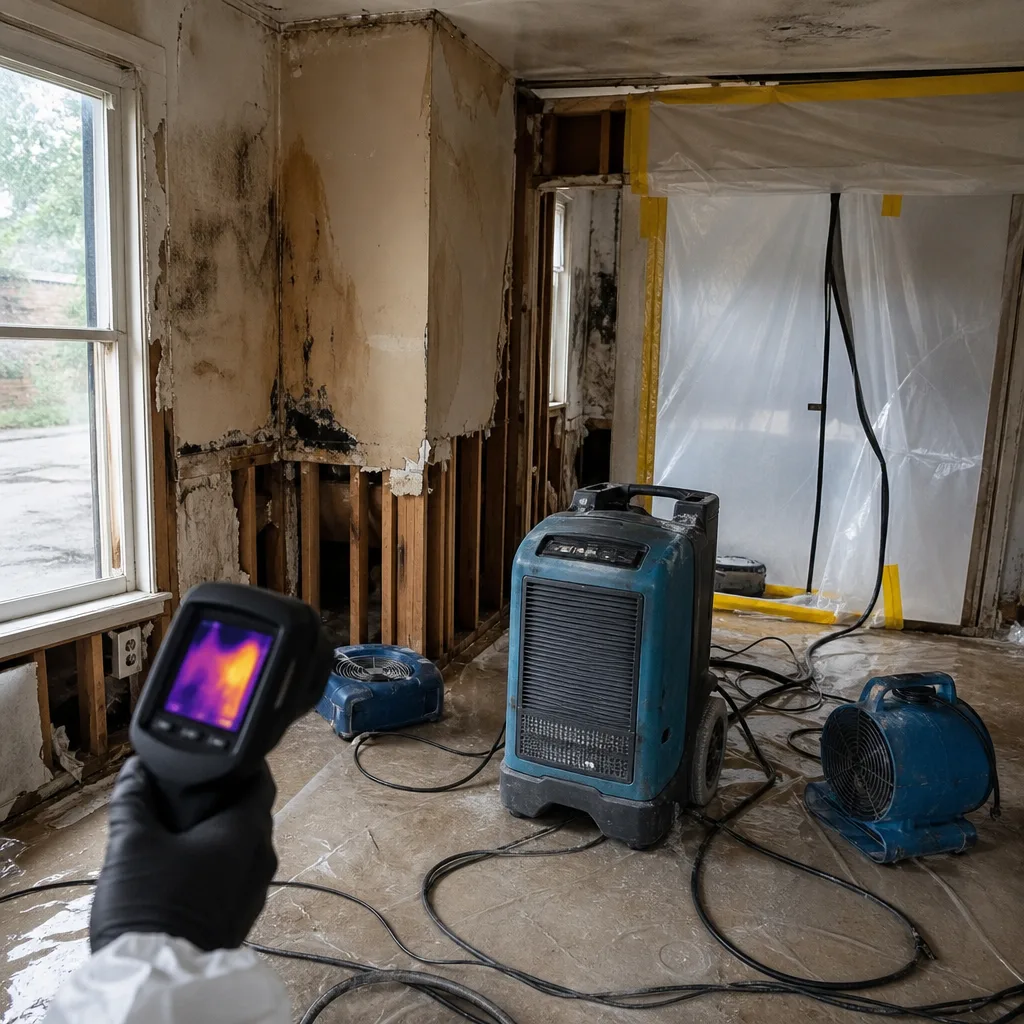 Before
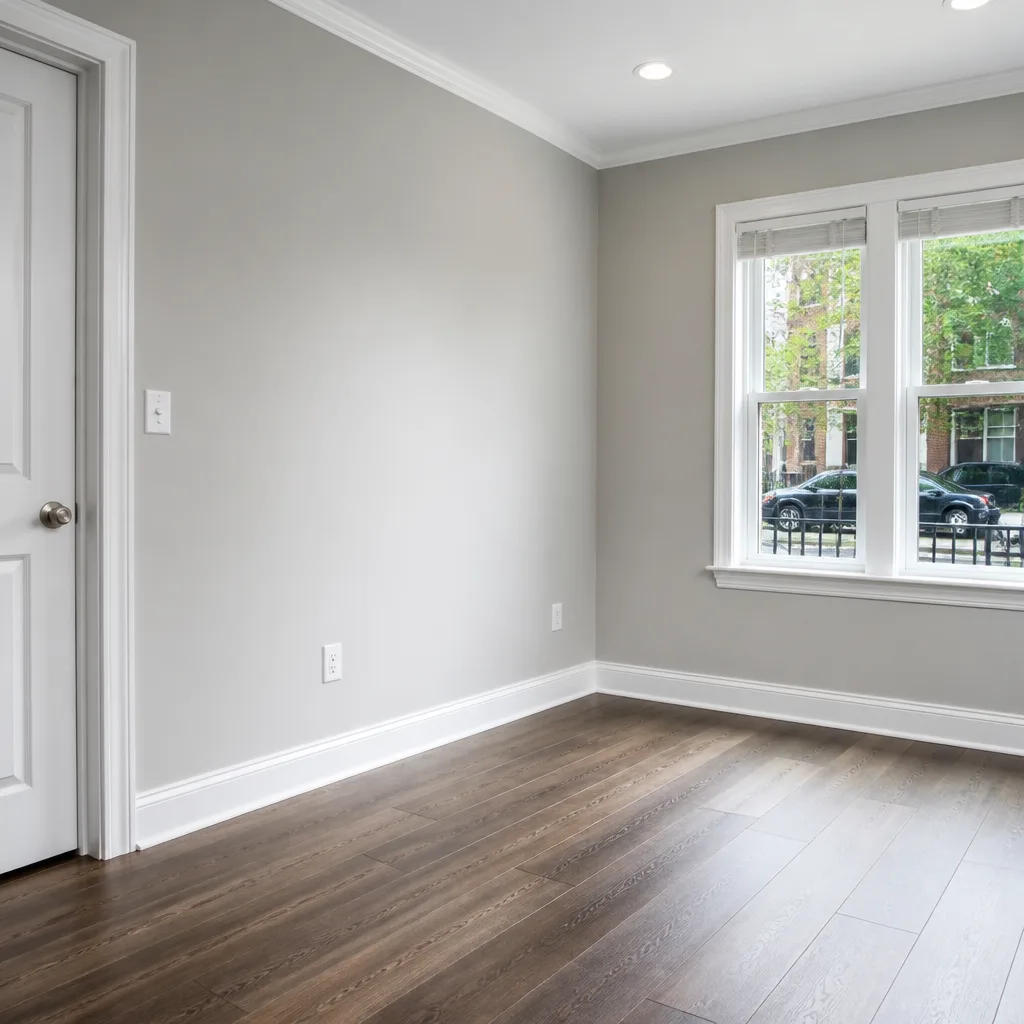 After
After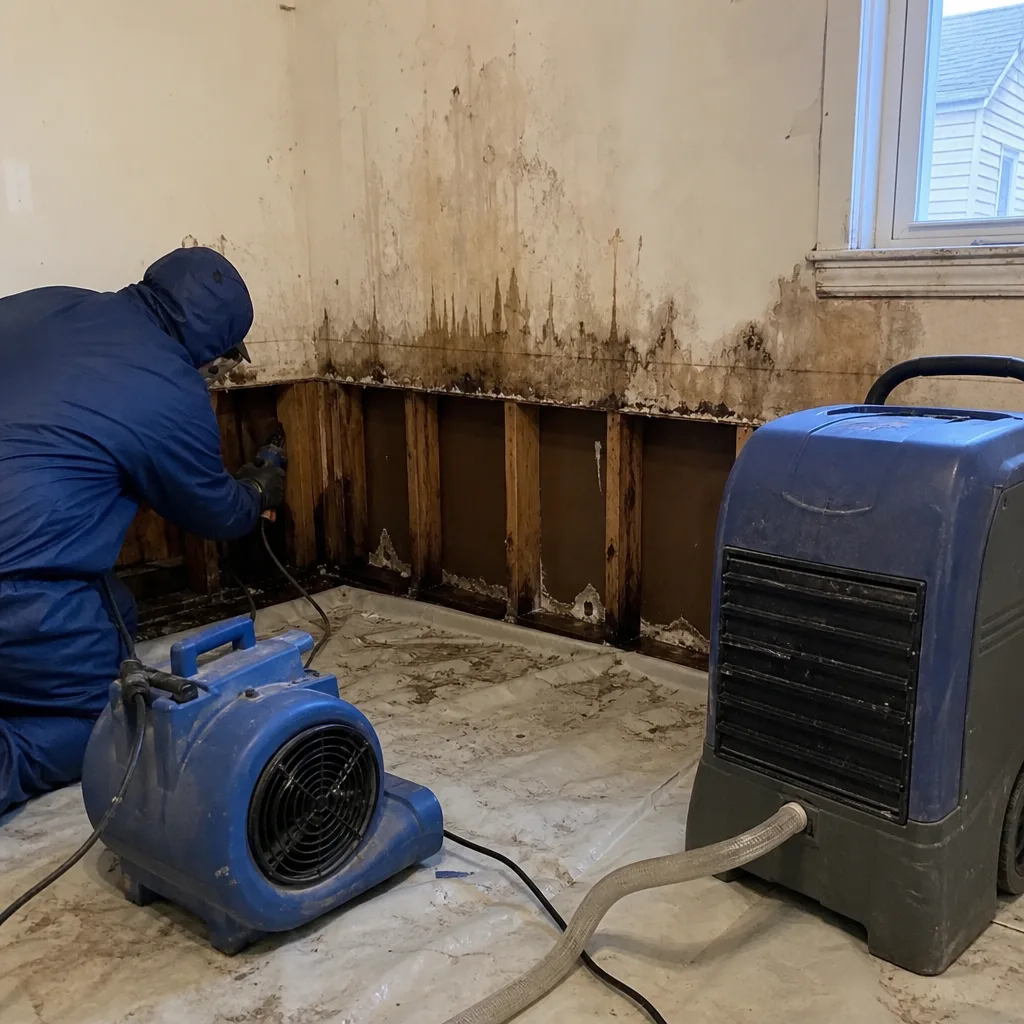 Before
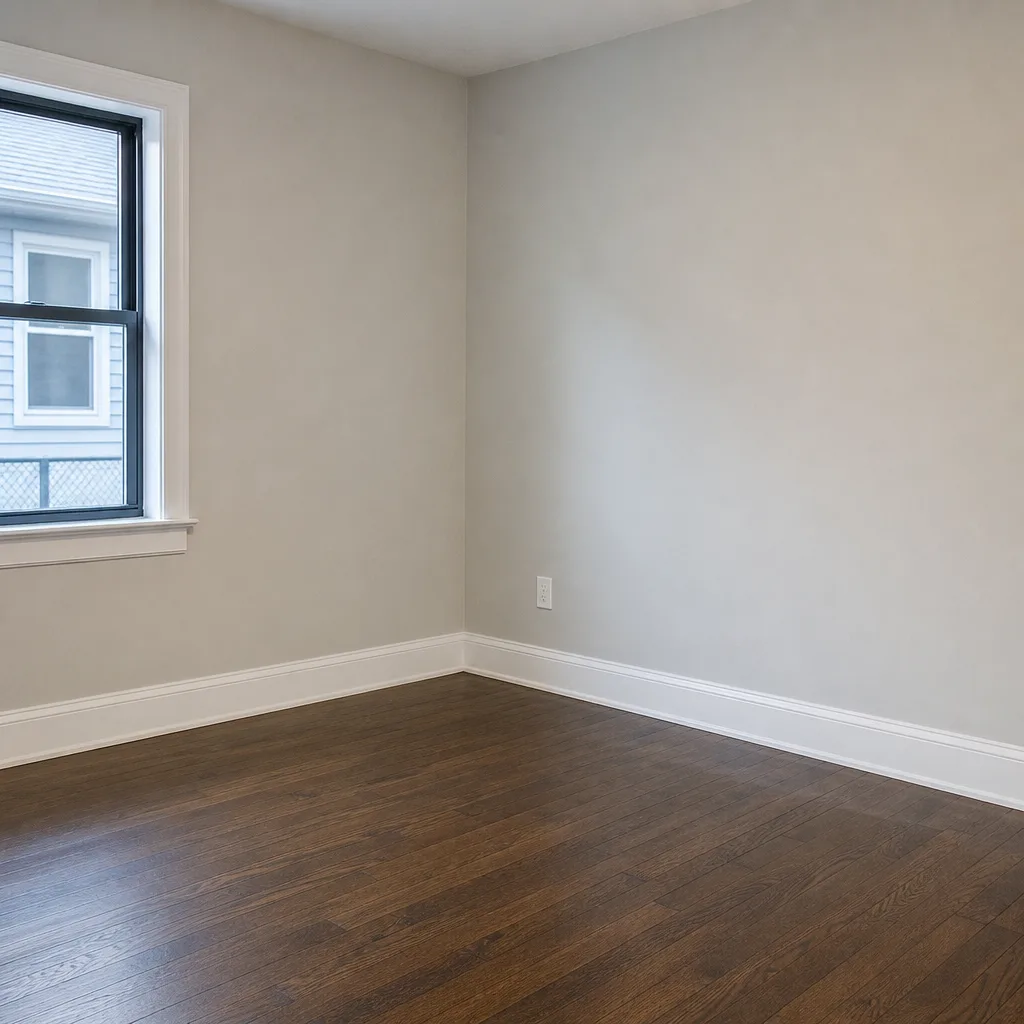 After
After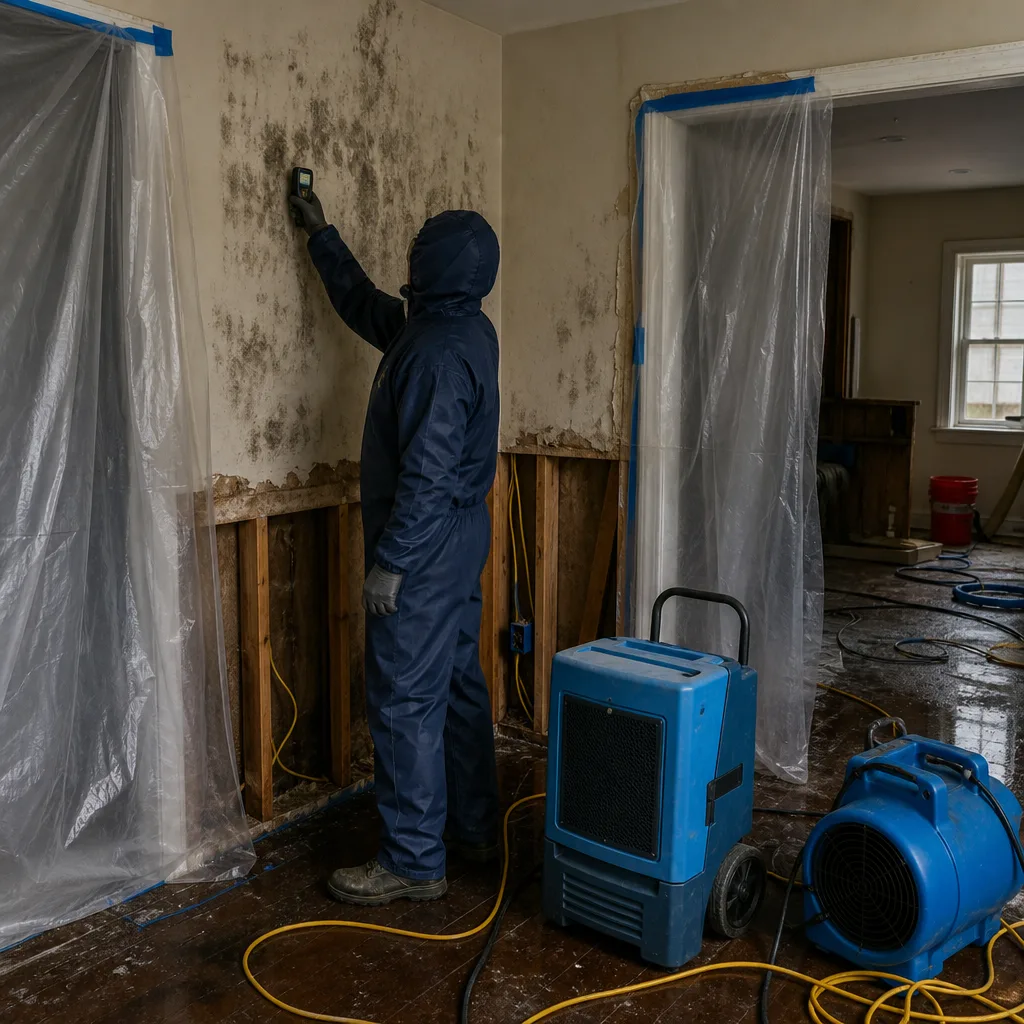 Before
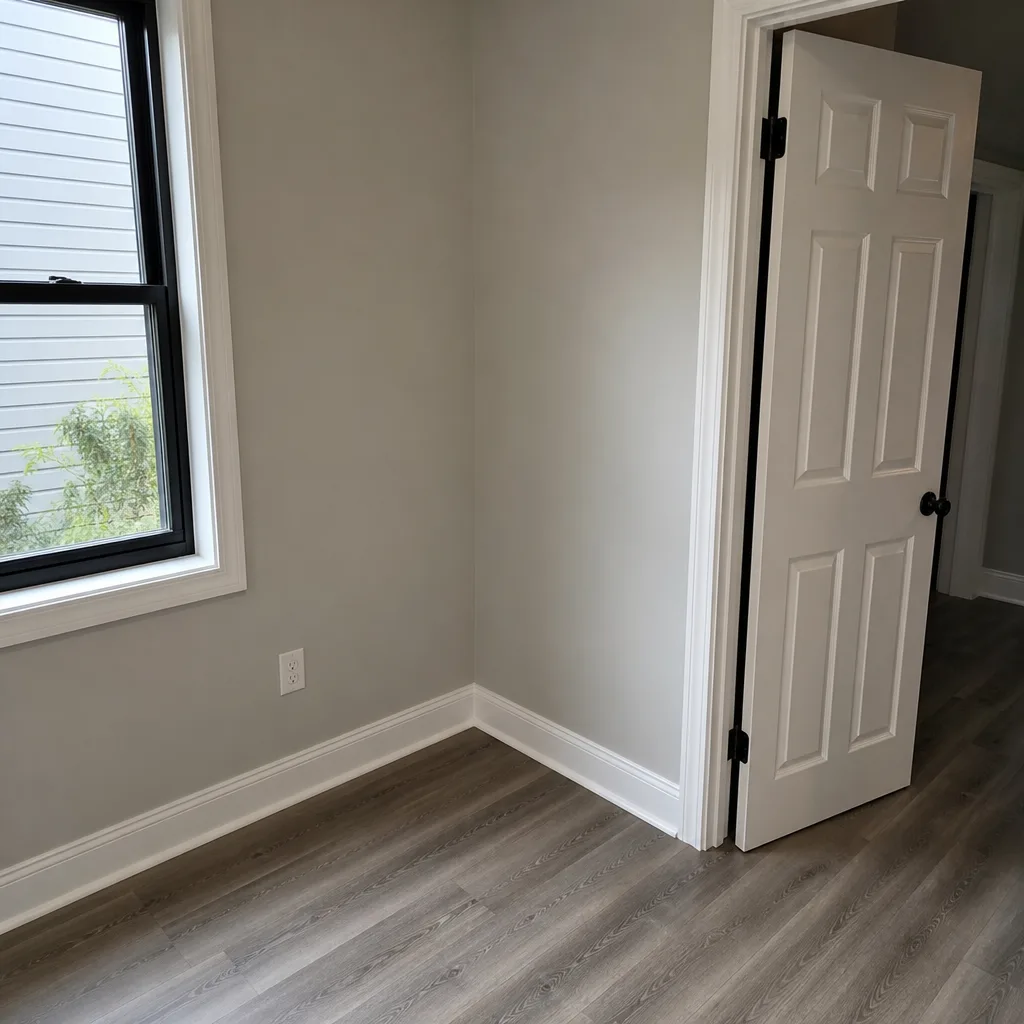 After
After24/7 Emergency Fire & Smoke Damage Restoration in Williamsburg
A fire in your Williamsburg home or loft starts two problems at once: the visible burn damage and the invisible smoke migration that spreads through walls, voids, and ductwork while you wait. Our crews answer live at (862) 298-5256, 24 hours a day, with no voicemail trees. We dispatch within the Williamsburg area for a free visual inspection, and we bring thermal imaging and moisture meters on the first visit because the water used to extinguish the fire is already damaging what the flames missed. The first hour determines whether smoke residue sets permanently into drywall and whether Category 2 or 3 extinguishment water becomes a mold colony inside your walls. We document everything from arrival so your insurer sees the full picture, not a disputed invoice six months later.
Understanding Fire & Smoke Damage Restoration Severity in Williamsburg Properties
Fire damage in Williamsburg follows the neighborhood’s split personality: 1880s-1920s brick tenement walkups on the North Side with shared party walls and plumbing chases, and converted industrial lofts along Kent Avenue with original concrete slabs, high ceilings, and HVAC ductwork threaded through ceiling voids that were never designed for residential use. Soot residue types tell us the story: dry smoke from fast-burning, high-heat fires leaves powdery, easily smeared particles; wet smoke from slow, oxygen-starved burns produces sticky, acidic residue that etches metal and discolors finishes; protein residue from kitchen fires is nearly invisible but carries a rancid odor that penetrates porous materials. Smoke migration, driven by temperature differential and pressure, travels through those Kent Avenue ceiling voids 20-30 feet from the burn origin, surfacing in bedrooms and bathrooms that never saw flame. In tenement walkups, party-wall chases and shared stacks carry smoke vertically between floors. The Haven Standard requires us to trace every migration path before we set containment, because treating only the burn room guarantees callbacks.
Why Williamsburg Property Owners Choose DryMark Restoration Jersey City
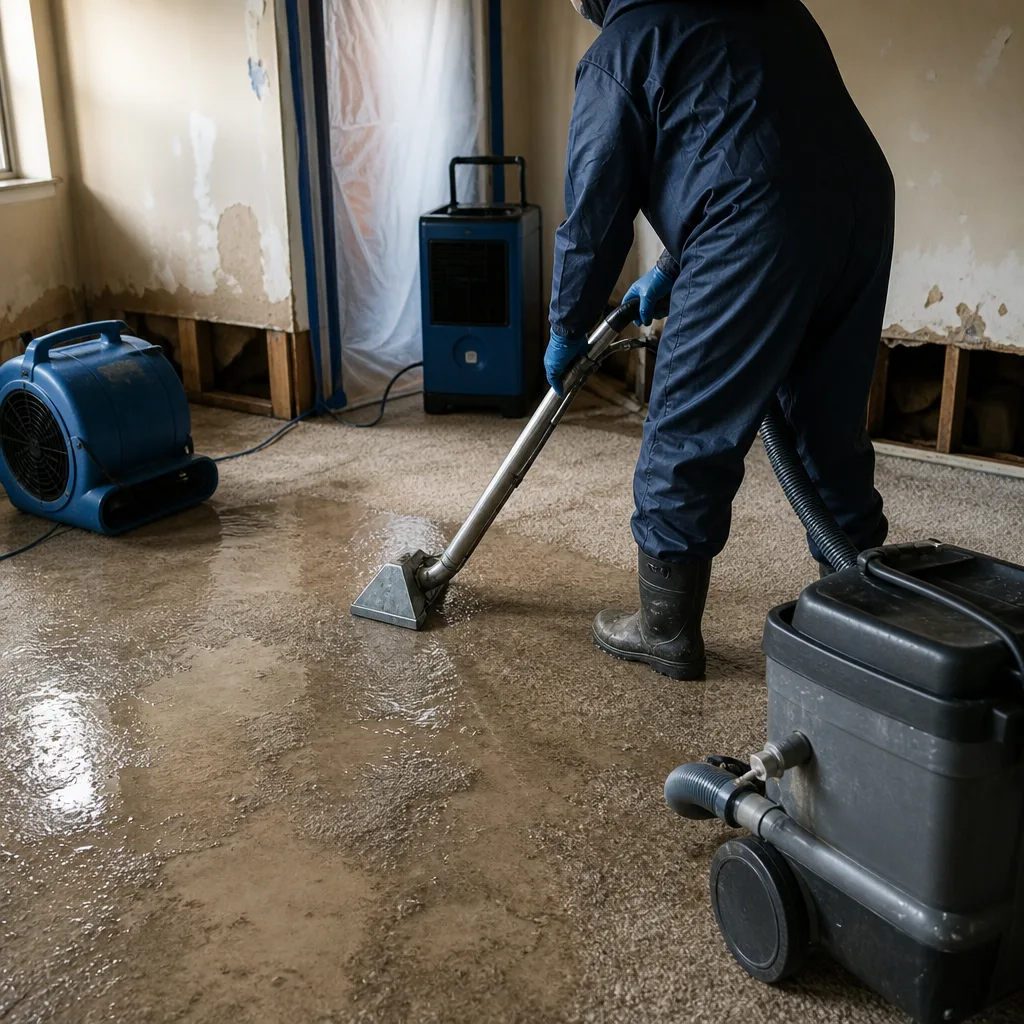
- 45-minute response commitment to Williamsburg addresses, with crews staged for the East River corridor and North Side tenement blocks.
- 24/7 live answer - a real person picks up every call, never an automated system routing you to tomorrow’s callback queue.
- IICRC-certified crews holding FSRT (Fire and Smoke Restoration Technician) and WRT (Water Damage Restoration Technician) credentials, with license numbers documented on every job file.
- Free visual inspection with thermal imaging and moisture mapping included, producing a written scope before any work begins.
- Direct insurance billing with photo-documented drying logs and room-by-room moisture readings that turn restoration invoices into payable claims.
- One team from emergency board-up through structural fire repair, so your scope doesn’t get lost in handoffs between contractors.
BeforeAfterOur Fire & Smoke Damage Restoration Process
1. Inspection & Assessment
We arrive with thermal imaging cameras, hygrometers, and moisture meters to map both visible burn damage and hidden smoke migration. In Williamsburg loft conversions, we trace ceiling voids above original industrial slabs and inspect HVAC duct runs for soot travel - the residue you smell two rooms away started here. Every finding is photo-documented before any equipment is placed.
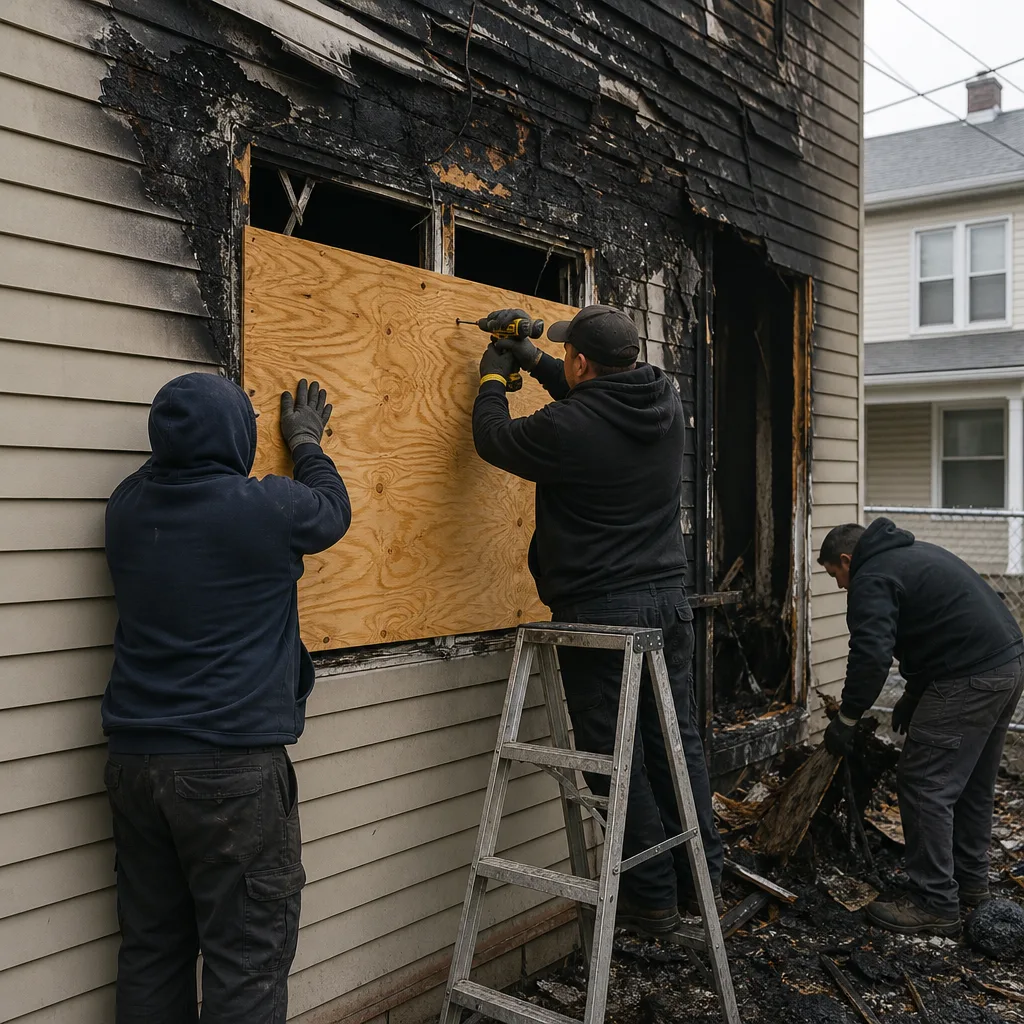
2. Emergency Board-Up & Stabilization
Burned windows, compromised roofs, and breached exterior walls get temporary protection to stop weather intrusion and secure the property. We tarp roof damage and board openings same-day, documenting pre-loss condition for your carrier with timestamped photos.
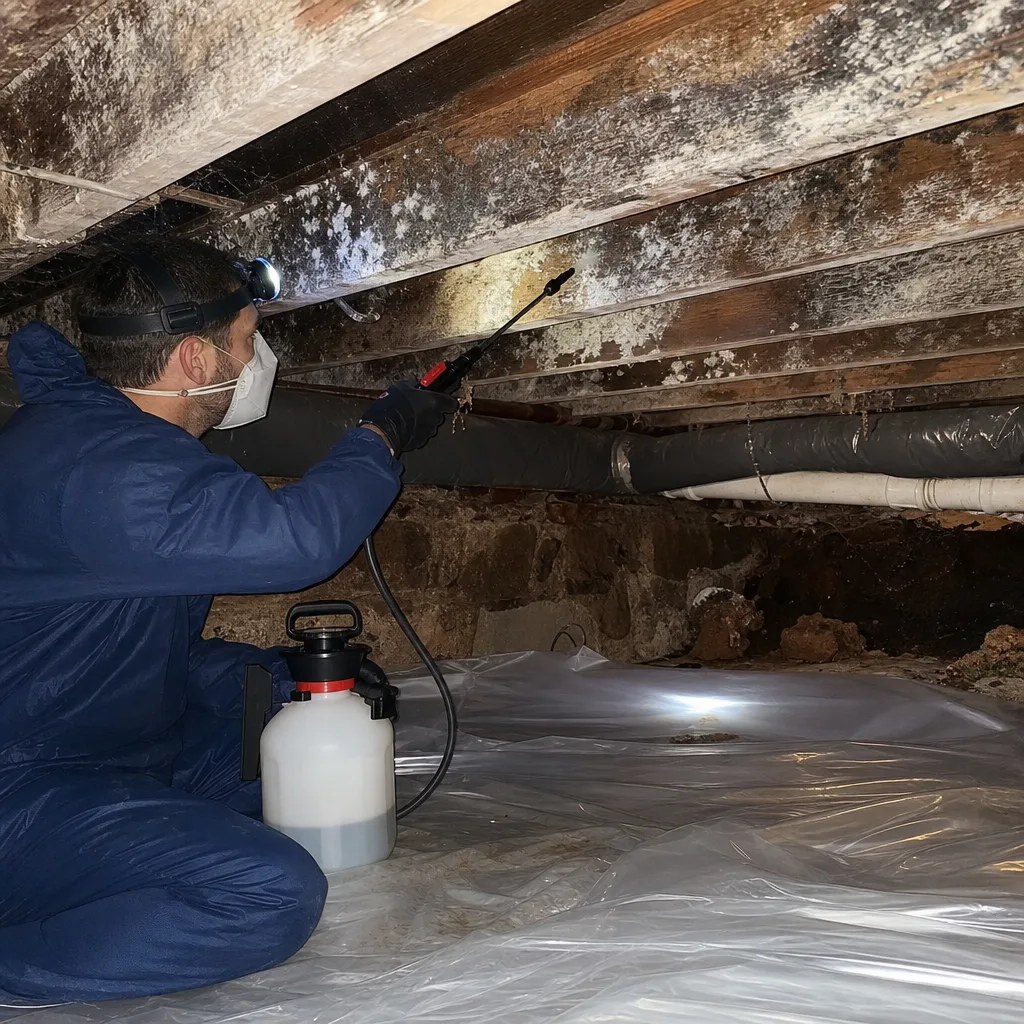
3. Water Extraction & Structural Drying
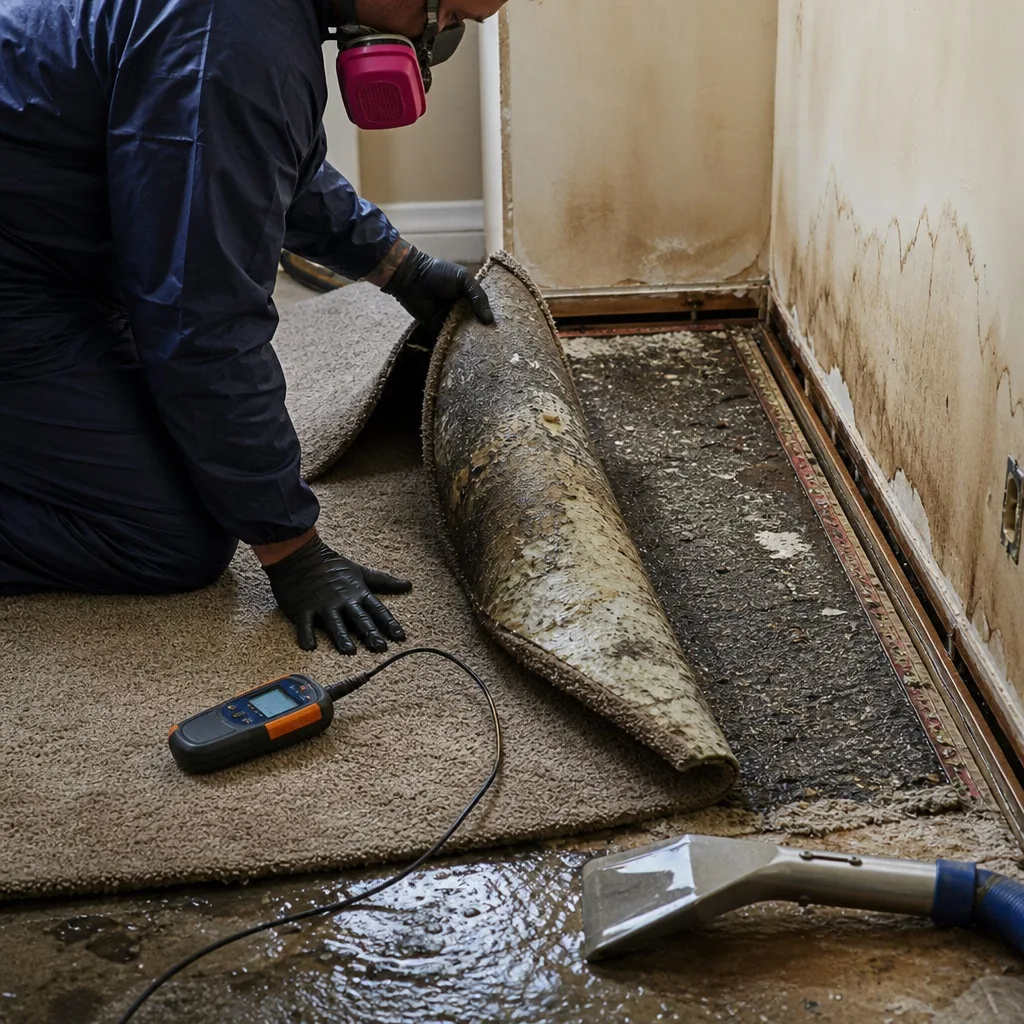
Extinguishment water is Category 2 or 3 depending on what it contacted, and it soaks into drywall, subfloors, and insulation within hours. We deploy Dri-Eaz and Phoenix dehumidifiers, XPOWER air movers, and Injectidry cavity-drying systems to establish vapor pressure differential and pull moisture from wall cavities. Daily moisture logs track every room to IICRC standards.
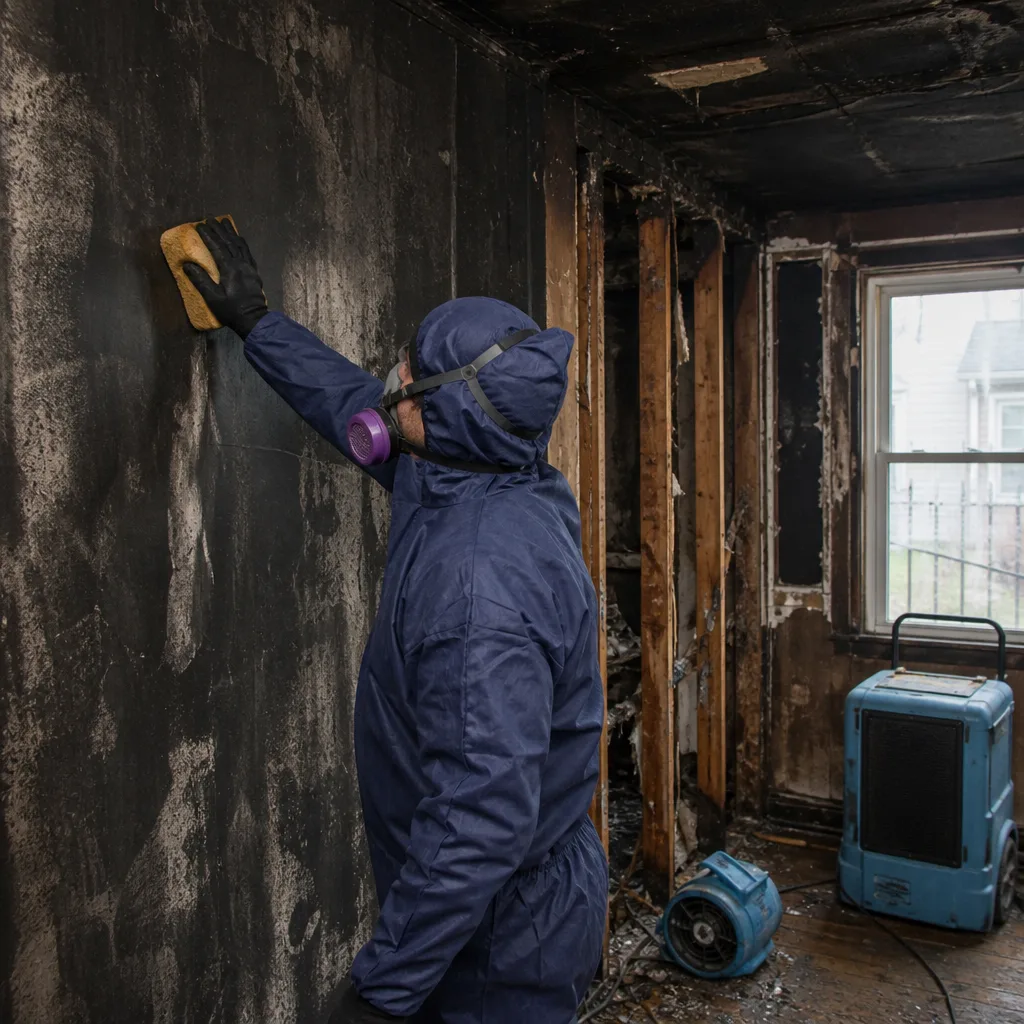
4. Smoke & Soot Removal
Dry, wet, and protein soot residues each demand specific cleaning chemistry and agitation methods. We HEPA-vacuum loose particles first, then apply solvent-based or water-based cleaners matched to the residue type and substrate - unfinished wood in original loft structures requires different treatment than sealed modern finishes.
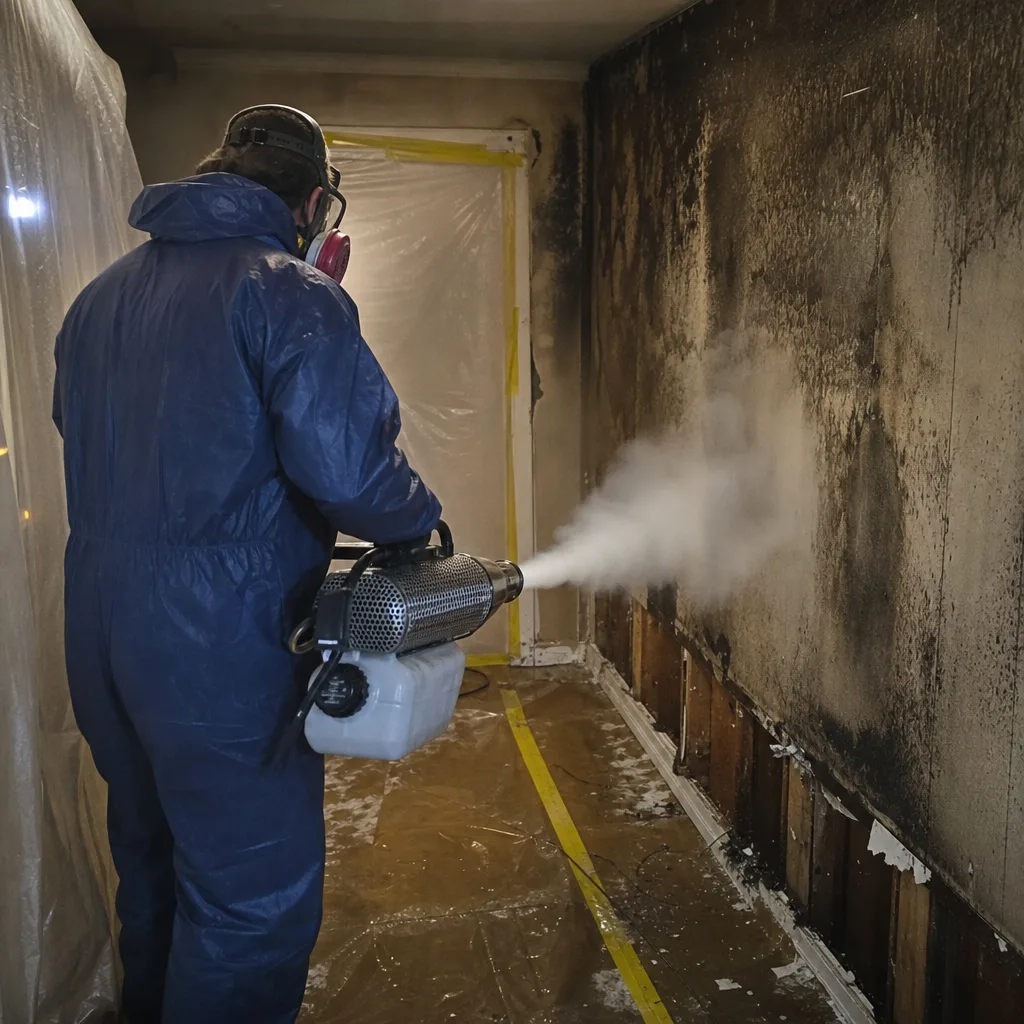
5. Odor Removal & Deodorization
Surface cleaning doesn’t reach smoke particles embedded in porous materials. We deploy thermal fogging to penetrate voids and ductwork, ozone treatment for unoccupied spaces, and hydroxyl generators for occupied areas - each documented with before-and-after air quality readings. In Williamsburg’s converted lofts, we run treatment through the original ceiling voids where smoke traveled, not just the burn room.
6. Structural Fire Repair & Reconstruction
Charred framing, compromised drywall, and damaged finishes are removed and replaced to pre-loss condition. Our written scope, agreed before work starts under Haven Standard, Clause 1, specifies every material and line item. The 365-Day Done Right Promise covers the completed work.
Need Emergency Fire & Smoke Damage Restoration in Williamsburg Now?
Crews minutes away, answering live 24 hours a day. The sooner we start, the less it costs.
Working With Your Insurance Company
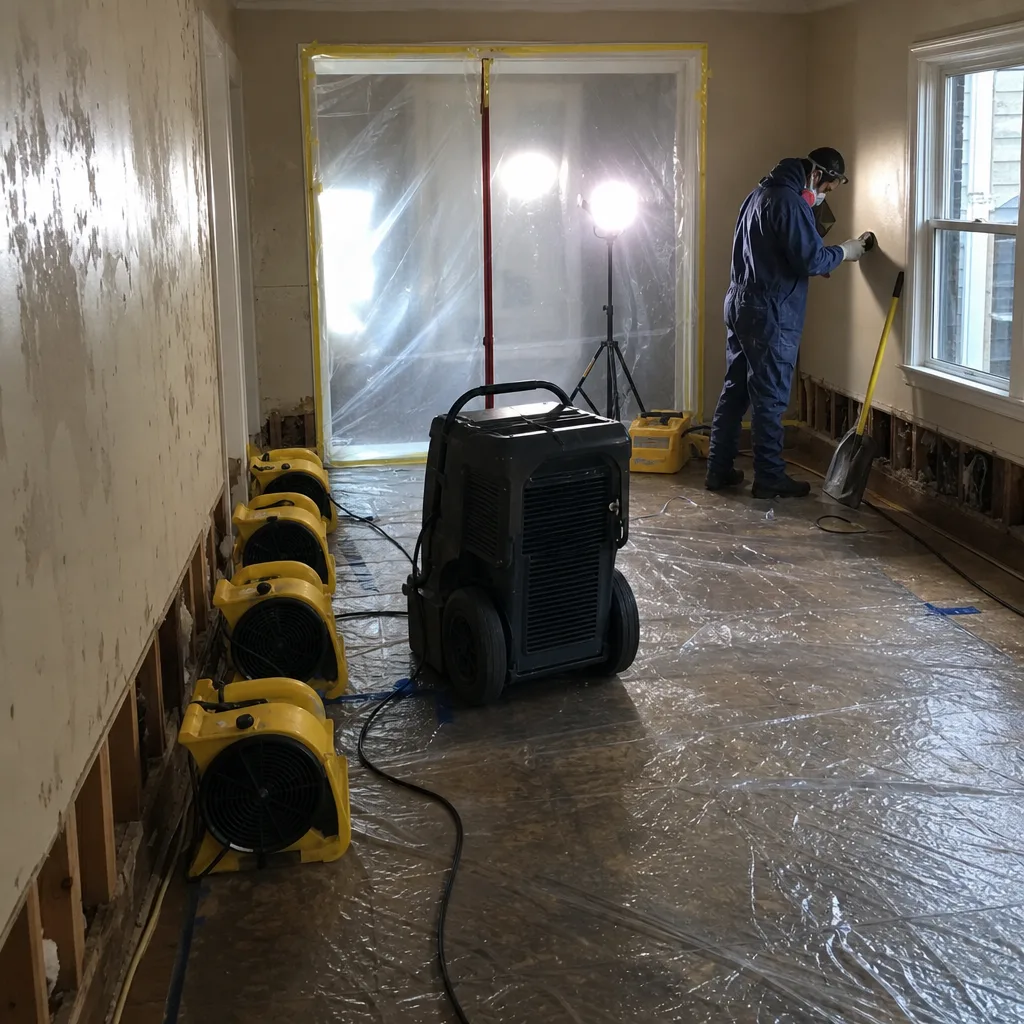
Fire claims fail when documentation gaps let adjusters dispute the scope. We close those gaps from the first hour. Our techs shoot room-by-room photos of all damage, record moisture readings on every visit, and maintain daily drying logs that satisfy IICRC, RIA, and IFA documentation standards. We write line-item scopes in industry-standard estimate formats your adjuster recognizes, and we coordinate directly with your carrier to answer questions before they become denials. Alicia Brennan built Back to Dry in 2011 after seeing how many homeowners lost legitimate claims to sloppy paperwork - our process exists so that doesn’t happen to you.
What We Provide Your Insurer
- Thorough documentation of the loss
- Photos of all damage, room by room
- Moisture readings and drying logs
- A detailed, line-item scope of work
- Direct coordination with your carrier
Built for Williamsburg’s Loss Calendar
Williamsburg’s fire season runs on interior life, not weather. January deep freezes strain aging electrical systems in 1920s tenements, with space heaters and overloaded circuits sparking fires in buildings never upgraded for modern loads. Spring and fall see kitchen fires spike as residents cook more at home in converted lofts with commercial-grade ranges installed in residential spaces with inadequate ventilation. Summer brings rooftop and terrace grill fires on Kent Avenue buildings, with wind off the East River pushing embers into open windows. The real variable is water: every fire here is also a water damage job, because FDNY suppression soaks original plaster, modern drywall, and the voids between industrial slabs. In FEMA Flood Zone AE blocks, a fire in a waterfront building may also trigger NFIP claim coordination if groundwater wicking compounds the extinguishment damage. Our crews carry both fire restoration and water damage protocols on every Williamsburg dispatch.
Fire & Smoke Damage Restoration Across Williamsburg’s Neighborhoods
North Side tenements between Bedford Avenue and the waterfront - dense 5-6 story brick walkups with shared plumbing stacks and party-wall chases - see smoke travel vertically between units through gaps that predate modern firestopping. We inspect the full stack, not just the fire floor. The Williamsburg waterfront corridor along Kent Avenue and North 3rd Street presents our most complex calls: converted factory and warehouse lofts with original concrete slabs, high ceilings, and HVAC ductwork run through ceiling voids that channel smoke and soot far from any burn origin. South Side blocks near Broadway and Union Avenue mix older frame houses and newer construction, with fire damage patterns that depend on whether the property has been gut-renovated or retains original lath-and-plaster. East Williamsburg, edging toward Bushwick, holds industrial buildings still in transition - live-work spaces with mixed occupancy that complicate both emergency access and insurance claim classification. Our Fire & Smoke Damage Restoration team maps response routes to each zone, with equipment staged for both tenement stack investigations and loft void forensics.
Specialized Fire & Smoke Damage Restoration Services We Offer in Williamsburg
Fire Damage Cleanup
We remove charred debris, damaged finishes, and compromised structural elements, sorting contents for salvage versus total loss. In Williamsburg lofts, we document original industrial features - exposed brick, timber beams, cast-iron columns - that may be restorable versus require replacement, with photos that support your claim’s historic-finish line items.
Smoke & Soot Removal
Our FSRT-certified techs identify dry, wet, and protein residue types, then apply matched cleaning chemistry with HEPA containment to prevent cross-contamination. In Kent Avenue conversions, we extend inspection to ceiling voids and duct chases where smoke traveled invisibly - the difference between one treatment and three callbacks.
Odor Removal & Deodorization
Thermal fogging penetrates porous materials and voids where smoke particles settled; hydroxyl generators allow safe occupancy during treatment. We verify results with air sampling, not guesswork, and we treat the full migration path - including neighboring units that caught secondary odor - not just the burn room.
Contents Cleaning & Pack-Out
Salvageable items are inventoried, photographed, and transported to our facility for ultrasonic, dry-cleaning, or ozone treatment depending on material and residue type. Non-salvageable items are documented with replacement-cost research for your adjuster. In Williamsburg’s tight loft spaces, pack-out often clears the room we need to work.
Emergency Board-Up & Tarping
Broken windows, compromised roofs, and breached walls get same-day protection with weatherproof materials and security hardware. We photograph pre-loss condition before we board, so your carrier can’t dispute that the damage preceded our arrival.
Structural Fire Repair
From drywall replacement to reframing charred structural members, we rebuild to pre-loss condition with written scopes and permit coordination. In Williamsburg’s converted industrial buildings, we navigate DOB requirements for occupancy changes and structural modifications that original construction never anticipated.
What happens when you call
- 1
A real person answersNo phone trees - you reach a local pro.
- 2
You get an upfront price rangeHonest numbers before anyone is dispatched.
- 3
A background-checked tech heads outLicensed & insured, dispatched right away.
- 4
You approve before work beginsNothing starts until you say go.
Fire & Smoke Damage Restoration Costs in Williamsburg, NY
Fire restoration pricing in Williamsburg reflects the neighborhood’s building complexity, not just square footage. A contained kitchen fire in a modern South Side condo typically runs $3,200-$7,500 for smoke and soot removal, deodorization, and limited drywall replacement. A loft fire along Kent Avenue with void migration through ceiling chases and ductwork runs $8,500-$18,000, with demolition scope to expose and treat hidden runs adding significantly. Full-structure fires with structural compromise start at $25,000 and scale with reconstruction scope. Emergency board-up and tarping: $800-$2,400. Contents pack-out and cleaning: $1,500-$6,000 depending on inventory. What moves the price: extent of smoke migration (void inspection adds labor), water damage from suppression (Category 2/3 extraction and drying), and whether hazardous materials (lead, asbestos) are present in pre-1978 buildings. Insurance typically covers direct fire and smoke damage plus reasonable mitigation; our written scope, delivered before work starts under Haven Standard, Clause 1, specifies what’s covered and what requires separate authorization. Call (862) 298-5256 for a free inspection and exact written price - estimates are free, and we provide a Free Second Opinion on any competitor’s written estimate.
We Also Serve Cities Near Williamsburg
Our crews respond throughout the immediate metro area from our New York City office, with regular dispatch to Financial District high-rises with commercial-grade suppression systems, Brooklyn Heights brownstones with original plaster and horsehair lath, Midtown Manhattan mixed-use buildings with complex occupancy classifications, and Murray Hill pre-war apartments with aging electrical infrastructure.
Serving Williamsburg, NY - Our Local Coverage Area
We’re based in the Williamsburg area and know this community well. Use the map below to see our service coverage - if you’re nearby, we can almost certainly help.
Williamsburg Fire & Smoke Damage Restoration Questions, Answered
A small fire in my Williamsburg loft, but I smell smoke in a room two doors down - why?
Smoke traveled through the ceiling void between the original industrial concrete slab and your newer drywall ceiling, a path common in Kent Avenue corridor conversions. Our techs trace these voids with thermal imaging and borescope inspection, then set containment and treat the full duct chase, not just the burn room. Call (862) 298-5256 and we’ll map the migration path during our free inspection.
Do you have to open walls in a Kent Avenue loft conversion after a fire?
We open only what’s necessary to inspect and treat smoke migration paths, and we document pre-loss condition first so your insurer sees why each opening was required. In Kent Avenue lofts, ceiling voids above industrial slabs almost always need inspection because smoke and soot travel invisibly there for weeks. Our written scope specifies every opening before we cut.
How soon after a kitchen fire should we start drying the water from extinguishment?
Within 24 hours, and preferably the same day. Extinguishment water is Category 2 or 3 depending on what it contacted, and drywall in Williamsburg’s humid summer climate can host mold colonies in 48-72 hours. We bring Dri-Eaz and Phoenix dehumidifiers, XPOWER air movers, and Injectidry cavity systems on the first visit to establish drying before secondary damage starts. Call (862) 298-5256 for immediate dispatch.
Can you coordinate with our insurance on a fire loss in a converted Williamsburg warehouse?
Yes - we write line-item scopes in industry-standard formats, provide room-by-room photo documentation, and coordinate directly with your adjuster. Converted warehouse claims often involve occupancy-classification questions and historic-finish line items that require detailed documentation; our daily logs and moisture readings answer those questions before they’re asked. Haven Standard, Clause 1: your written price before work starts.
Why does fire restoration in Williamsburg involve flood-zone paperwork?
Waterfront blocks along the East River sit in FEMA Flood Zone AE, and Hurricane Sandy proved storm surge can penetrate several blocks inland. When fire suppression water combines with groundwater wicking through old masonry foundations, or when a fire occurs during a flood event, NFIP claim coordination may be required. We document water source and migration path to support whichever claim structure applies. Call (862) 298-5256 and we’ll sort the documentation.
How fast can your crew actually get to Williamsburg?
We commit to 45 minutes for Williamsburg addresses, with crews staged for both the North Side tenement blocks and the Kent Avenue waterfront corridor. A real person answers at (862) 298-5256, 24 hours a day, and we dispatch with thermal imaging, moisture meters, and HEPA containment on the first truck.
Can we stay in the home during fire restoration?
Sometimes, for limited-scope jobs with hydroxyl generator deodorization and no structural compromise. For fires with void migration, extensive demolition, or ozone treatment, temporary relocation is safer and more effective. We tell you which category applies during our free inspection, with no pressure to decide before you see the written scope.
What certifications do your fire restoration techs hold?
Our lead techs hold IICRC FSRT (Fire and Smoke Restoration Technician) and WRT (Water Damage Restoration Technician) credentials, with license numbers documented on every job file. All work follows IICRC, RIA, and IFA standards, producing the daily moisture logs and drying documentation that insurers expect. Alicia Brennan founded Back to Dry in 2011 specifically to close the documentation gap that costs homeowners their claims.
Ready for a written price before any work starts? Call (862) 298-5256 for 24/7 live answer and free inspection. We serve Williamsburg and surrounding neighborhoods with documented, insurance-ready fire and smoke damage restoration.
Written by Alicia Brennan, Owner at Back to Dry Restoration, serving Williamsburg since 2011 under The Haven Standard.
Fire & Smoke Damage Restoration in Nearby Areas