
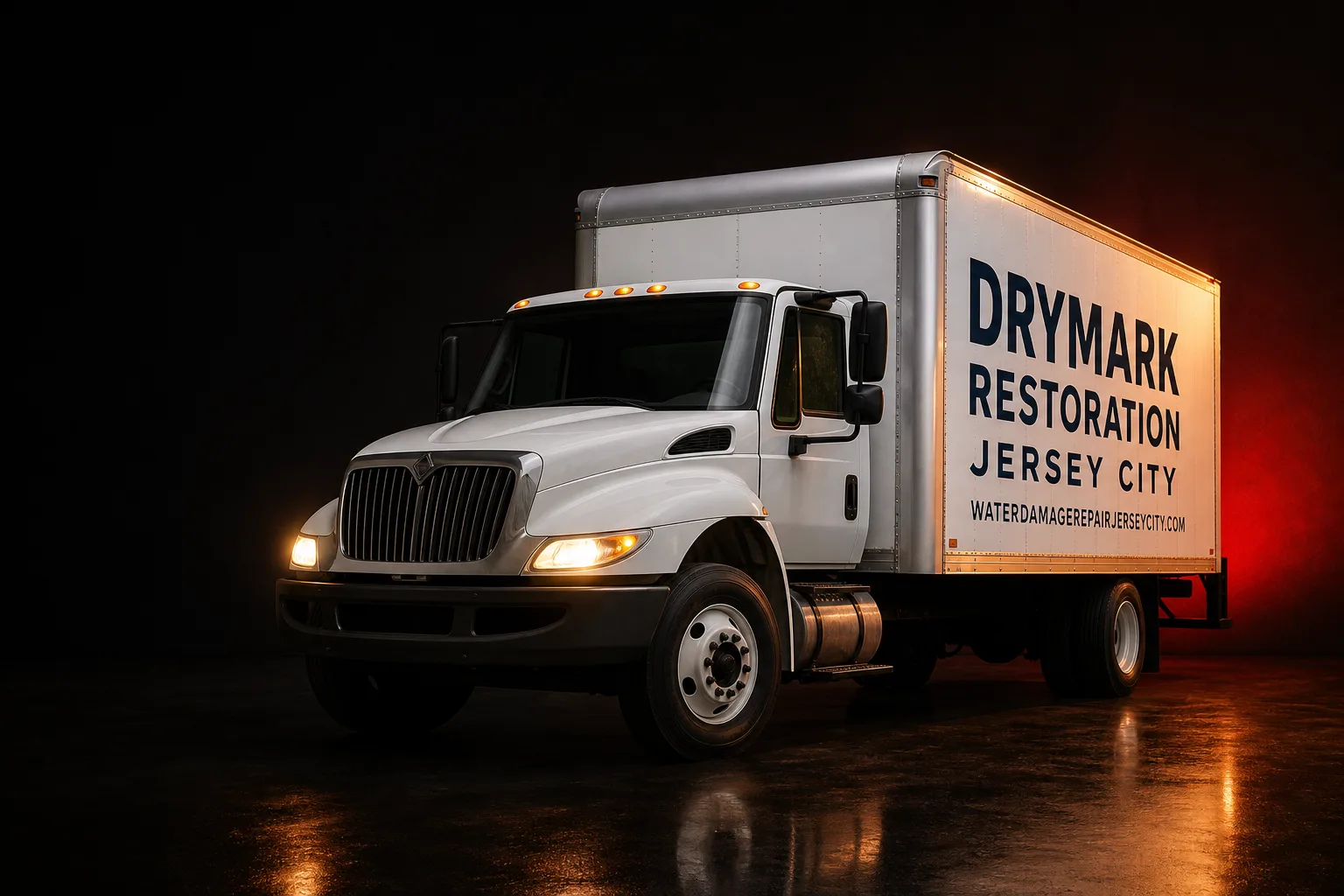
Free visual inspection and a written scope of work before any mitigation begins - photos, moisture readings, and drying logs go in your claim file
The scope we write is the scope we bill. Anything new gets shown to you, in writing, before we touch it.
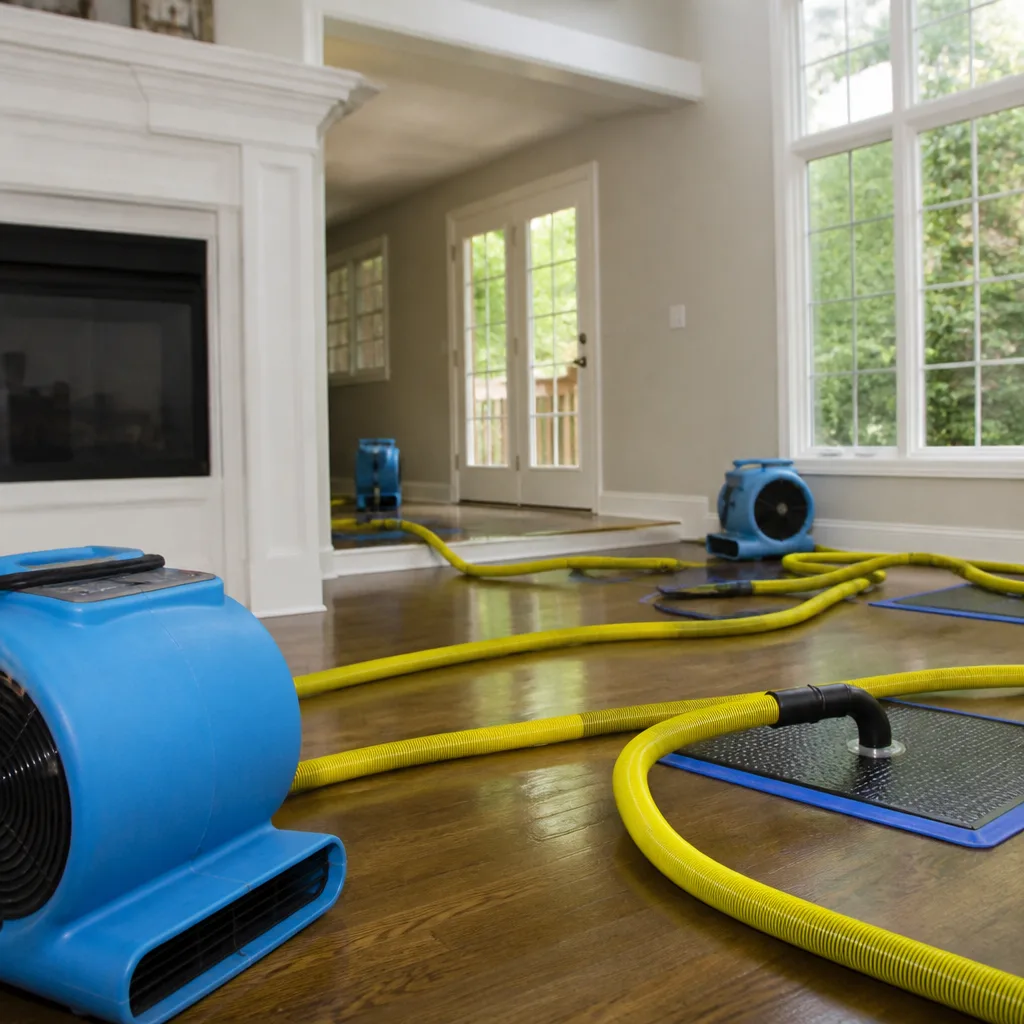
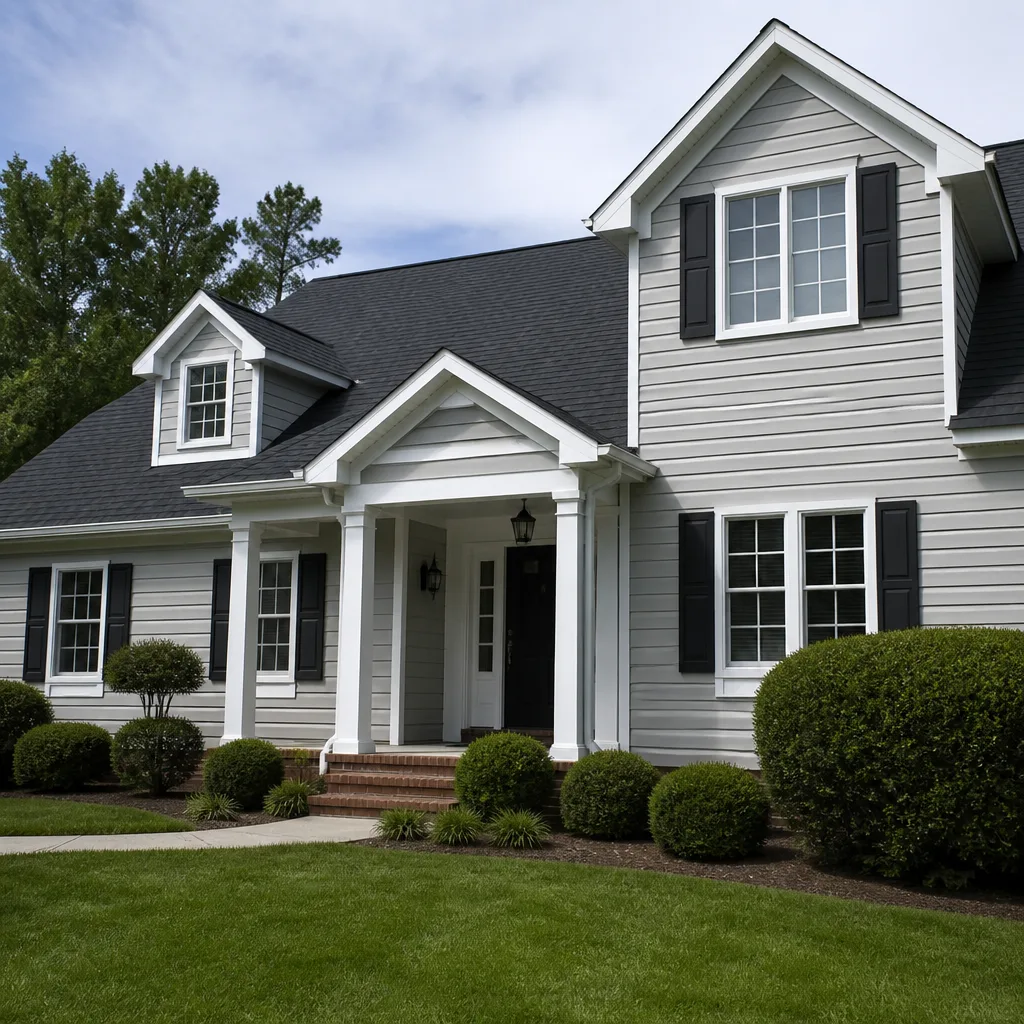
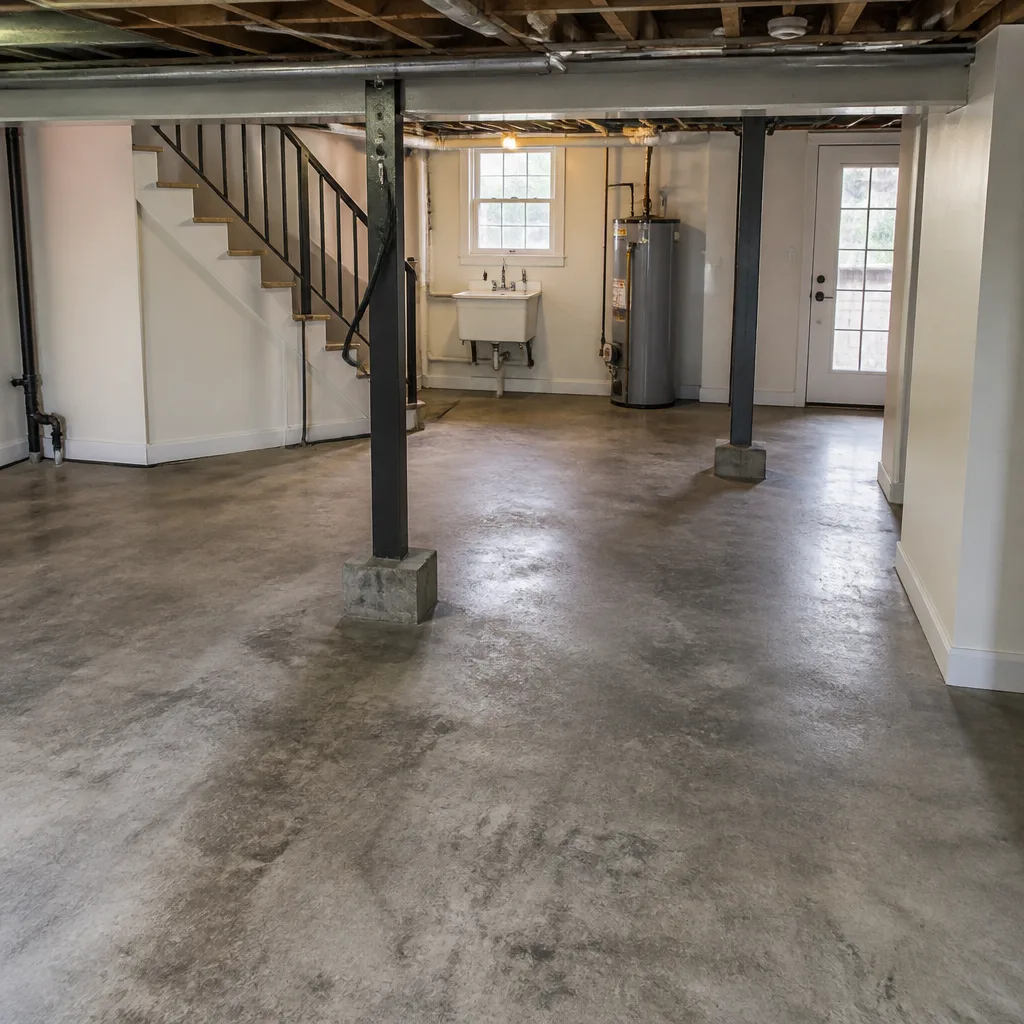
 Before
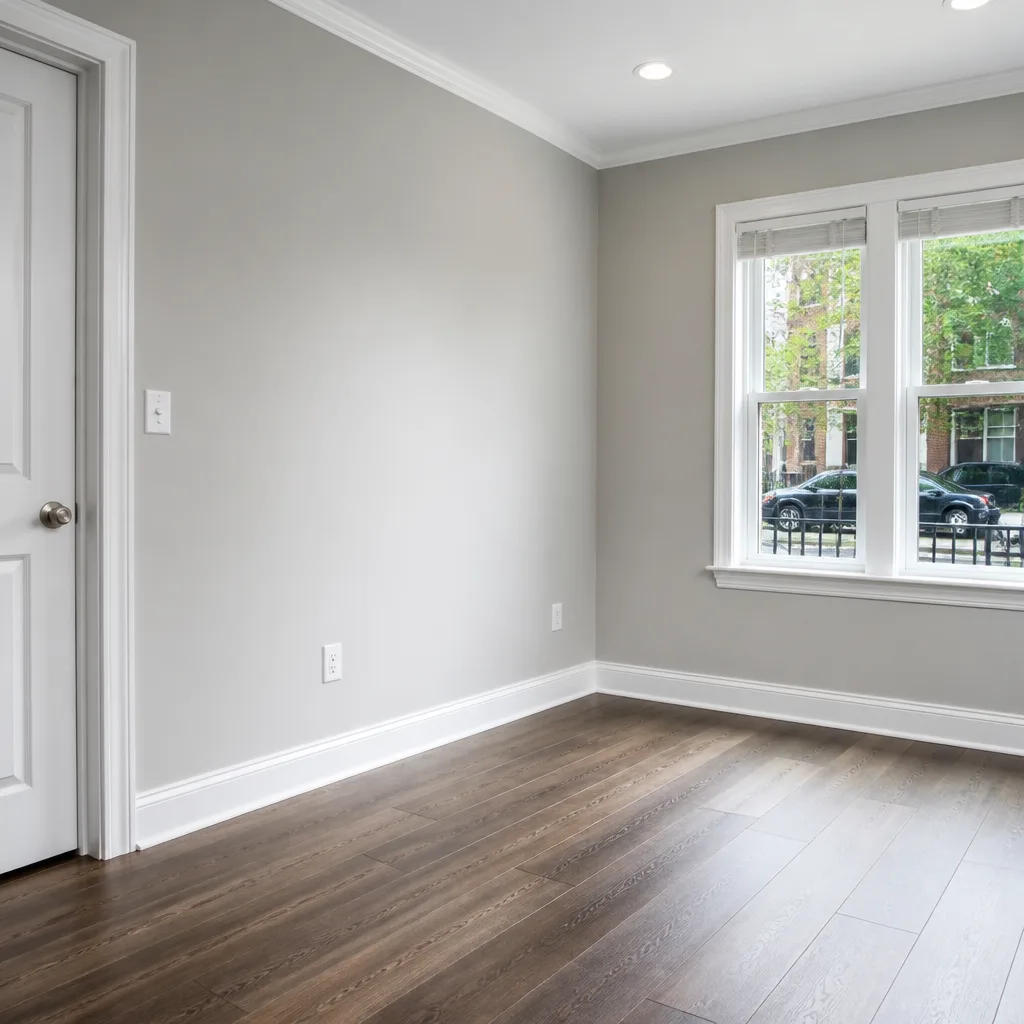 After
After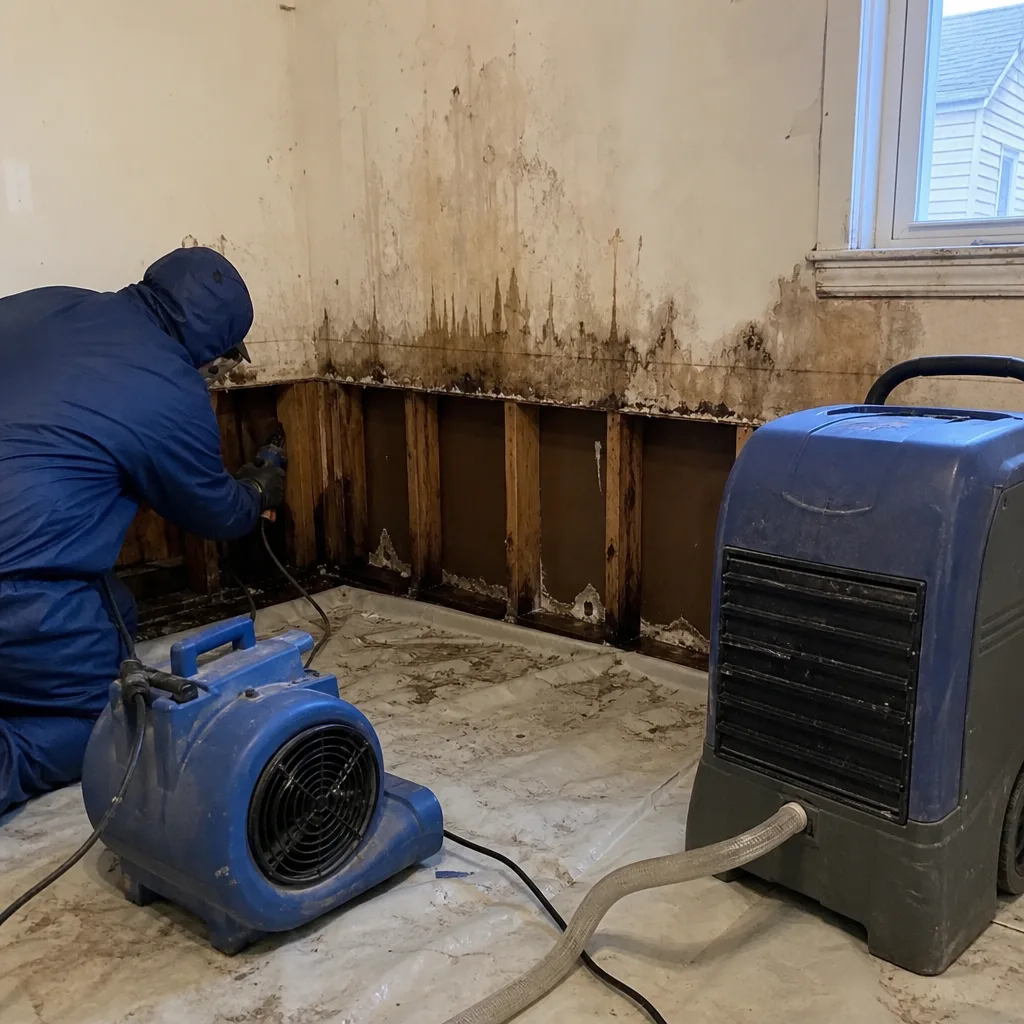 Before
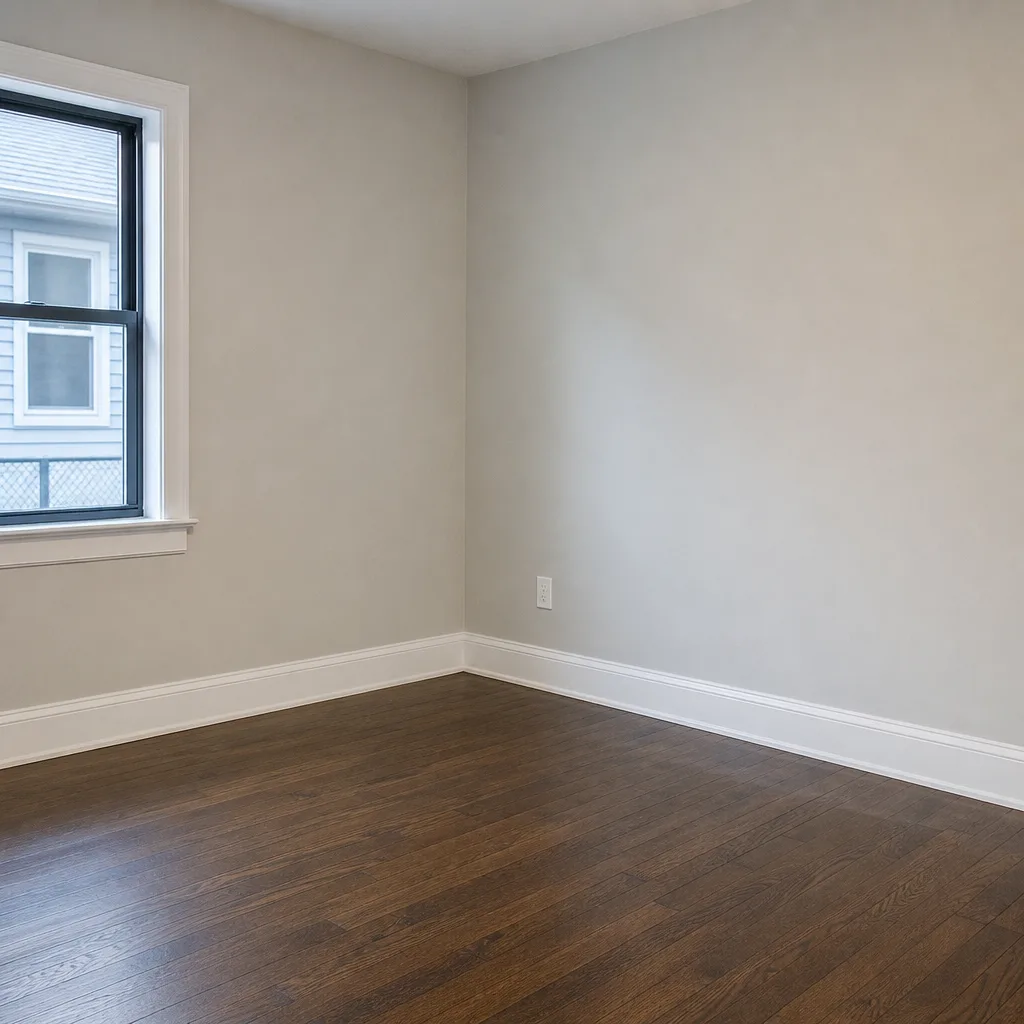 After
After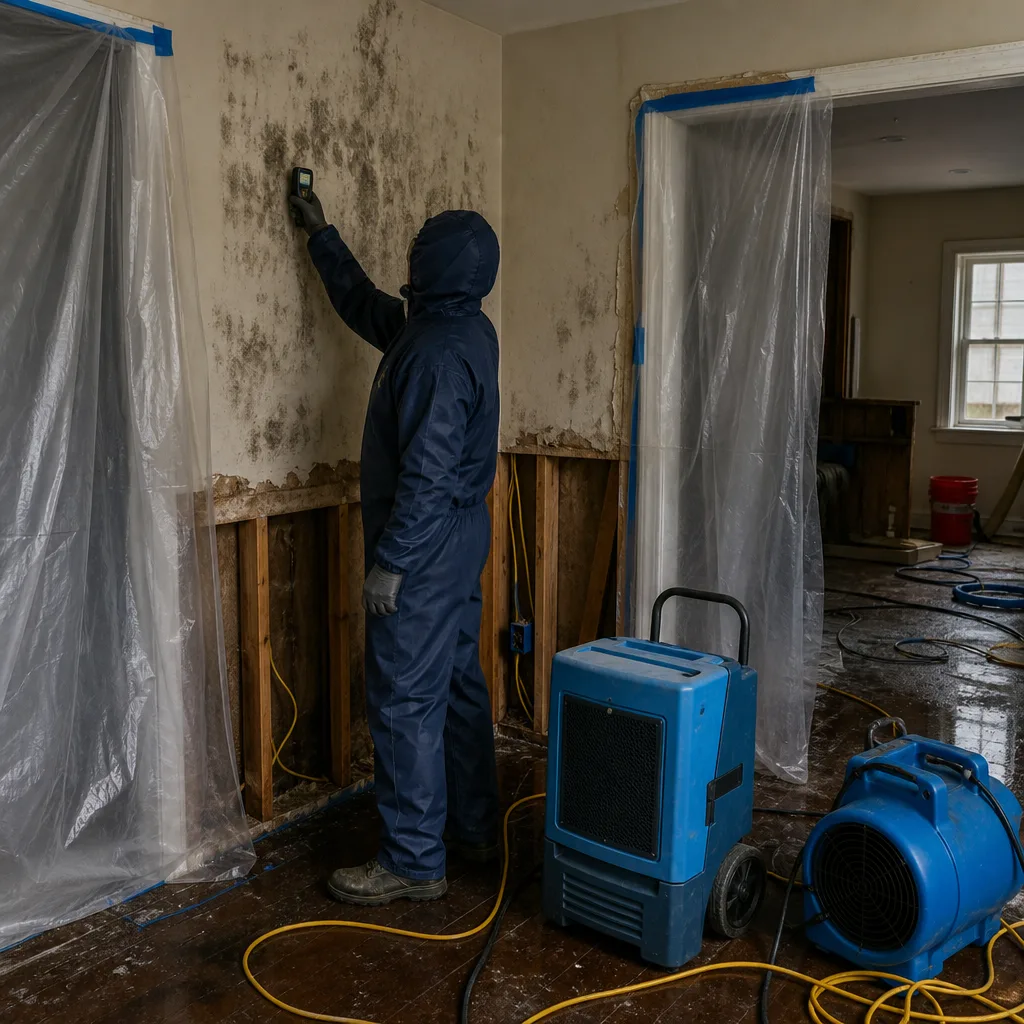 Before
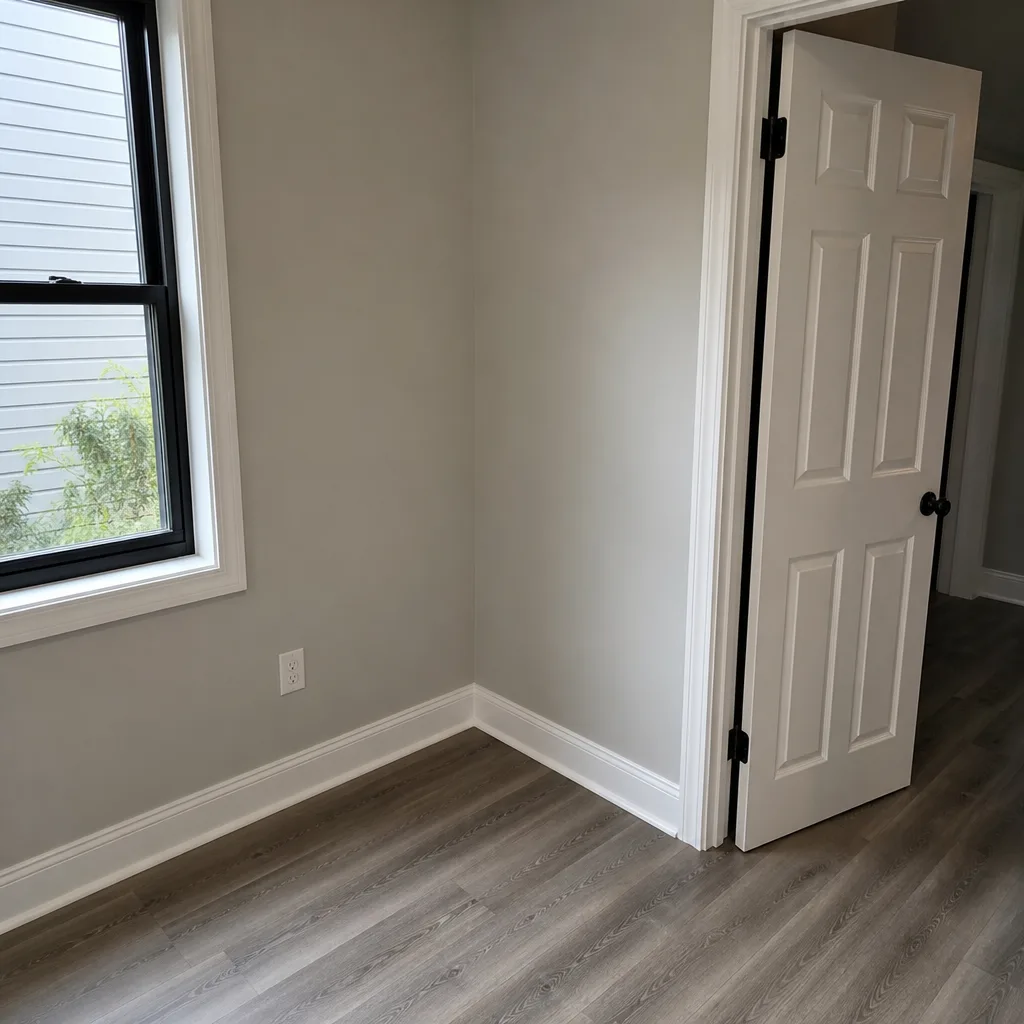 After
After24/7 Emergency Mold Remediation in Newark
Mold remediation in Newark typically costs $1,800-$6,500 depending on contamination extent, and crews can be on-site within 45 minutes for active emergencies. Call (862) 298-5256 any hour - a live person answers, never a voicemail tree, and we dispatch to the Ironbound, Forest Hill, Weequahic, and every Newark neighborhood without next-business-day delays.
The first hour after water intrusion determines whether you’re looking at drying or full gut-out remediation. In Newark’s pre-WWII housing stock, moisture wicks into plaster lath and balloon-framed wall cavities fast. Surface dryness means nothing when mold colonies are establishing behind intact paint. We provide free visual inspections, document moisture readings with calibrated hygrometers, and deliver a written scope and price before any containment goes up - Haven Standard, Clause 1.
Understanding Mold Remediation Severity in Newark Properties
Mold contamination breaks into three practical categories. Category 1 covers limited surface growth on non-porous materials - tile, sealed concrete, metal studs - typically addressable with HEPA vacuuming, antimicrobial application, and targeted drying. Category 2 involves porous materials: drywall, carpet, ceiling tile, insulation. These materials must be removed when mold penetration exceeds surface level, which our moisture meters and borescope cameras determine before we cut. Category 3 is gross contamination: HVAC system involvement, structural timber decay, or Category 3 water source (sewage or river floodwater) - requiring full containment, negative air pressure, air scrubbing, and often lead-paint or asbestos abatement protocols.
Newark’s building stock makes Category 2 and 3 the routine, not the exception. The 1880-1940 wood-frame and brick row houses that dominate the Ironbound, North Ward, and South Ward have plaster-and-lath walls, unsealed crawl spaces, and decades of layered modifications that create vapor traps. NJ DEP and EPA RRP rules mandate lead-paint and asbestos testing before any disturbance of pre-1978 surfaces. We build this into every scope. Skip it, and the job stops when the inspector arrives.
Why Newark Property Owners Choose DryMark Restoration Jersey City
- 45-minute response commitment to any Newark address, with crews staged for the Passaic River corridor flood pattern.
- 24/7 live answer - a real person, never an automated system, on every call to (862) 298-5256.
- IICRC-certified crews holding WRT (Water Damage Restoration Technician) and AMRT (Applied Microbial Remediation Technician) credentials.
- Free visual inspection with moisture mapping and documented photo record, delivered before any work authorization.
- Direct insurance billing with adjuster coordination from our New York City office; we speak the language of claims documentation.
- One team from microbial remediation through reconstruction - no handoffs that lose the moisture history.
BeforeAfterOur Mold Remediation Process
Inspection & Assessment
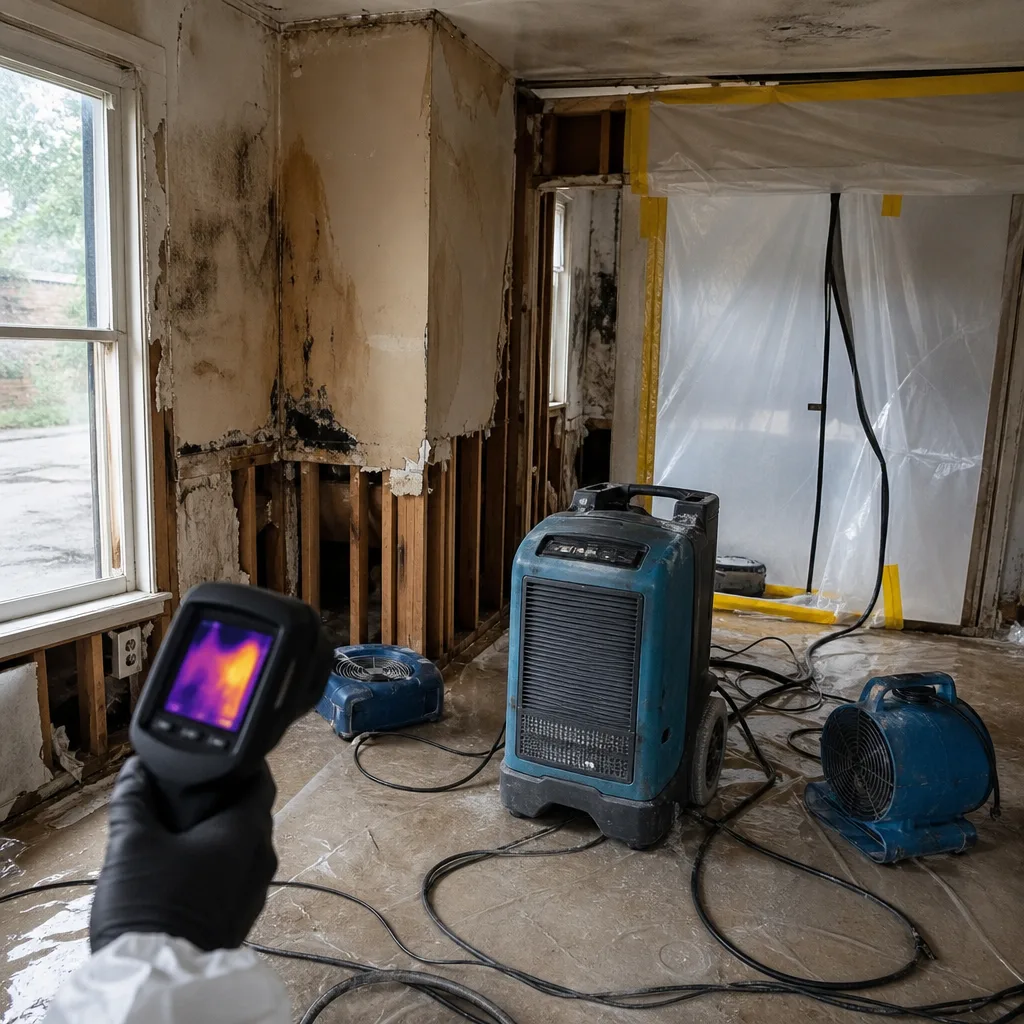
We map moisture with thermal imaging and penetrating probes, identify the water source, classify the contamination level, and test for lead and asbestos where pre-1978 materials are present. Every reading is logged.
Containment & Air Scrubbing
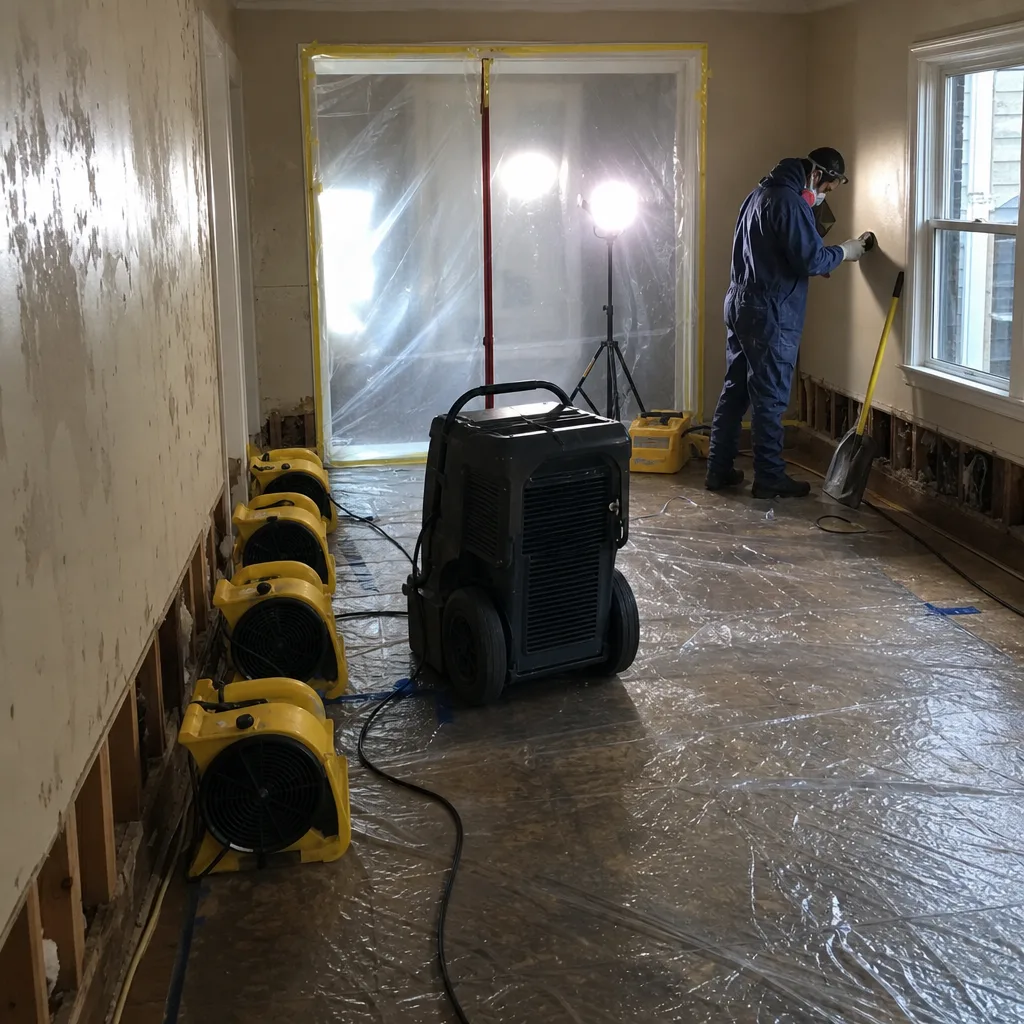
Polyethylene barriers seal the work zone. Negative air machines with HEPA filtration maintain pressure differential, preventing spore migration to clean areas. We document containment integrity with manometer readings.
Removal of Contaminated Materials
Porous materials with confirmed mold penetration are removed and bagged per NJ solid waste regulations. Structural elements with salvageable integrity receive abrasive or soda blasting, then antimicrobial treatment.
Cleaning & Antimicrobial Treatment
HEPA vacuuming precedes EPA-registered antimicrobial application on all surfaces. We treat not just visible areas but the full cavity depth, using borescope verification that framing faces are clean before closure.
Drying & Dehumidification
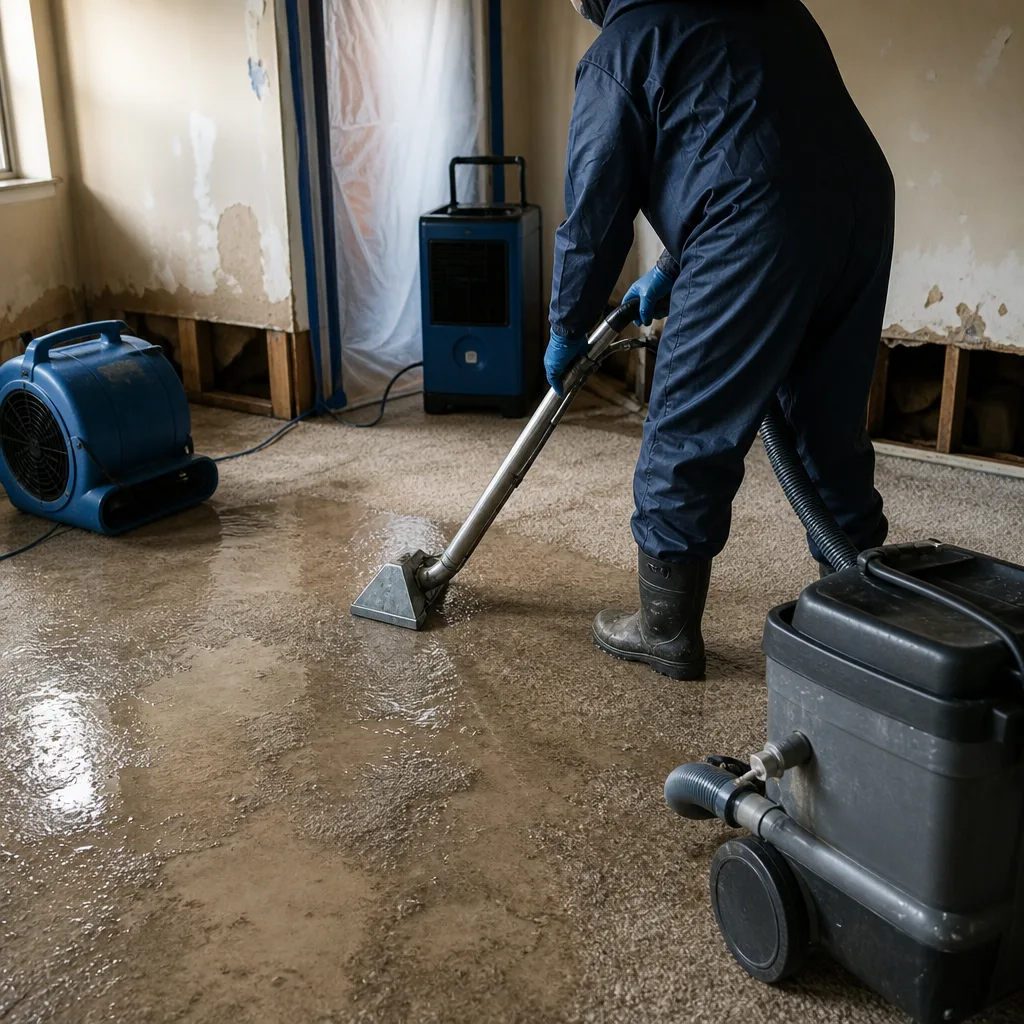
Dri-Eaz and Phoenix LGR dehumidifiers pull vapor pressure below 60% RH. XPOWER and B-Air air movers create controlled airflow across wet substrates. Daily psychrometric data - temperature, relative humidity, specific humidity, vapor pressure - goes into your drying log.
Clearance Testing & Restoration
Third-party or in-house air sampling confirms spore counts at or below outdoor baseline. Only then do we close cavities and begin reconstruction. The 365-Day Done Right Promise covers all work under The Haven Standard.
Need Emergency Mold Remediation in Newark Now?
Crews minutes away, answering live 24 hours a day. The sooner we start, the less it costs.
Working With Your Insurance Company
Insurance claims succeed or fail on documentation. We begin building your file from the first moisture reading. Our estimates follow industry-standard pricing with line-item detail that adjusters recognize. Direct communication with your carrier eliminates the telephone game that delays payment. We know what documentation gap costs a homeowner their claim - our founder built this company on that exact problem after years as a claims adjuster.
What We Provide Your Insurer
- Thorough documentation of the loss
- Photos of all damage, room by room
- Moisture readings and drying logs
- A detailed, line-item scope of work
- Direct coordination with your carrier
Built for Newark’s Loss Calendar
January and February deliver burst-pipe and ice-dam calls from the dense, underinsulated older housing stock. Hard freeze-thaw cycles split copper and galvanized supply lines in exterior walls. Ice dams back water under shingles into soffits and top-floor ceilings.
March through May brings the spring thaw and basement seepage. Snowmelt meets saturated ground. Sump systems in 1920s foundations fail predictably.
June through September is tropical system season. Remnant hurricanes and slow-moving thunderstorms dump rain faster than Newark’s combined sewer system can move it. The Passaic River basin, at near-sea-level elevation in the Ironbound and South Ward, converts heavy rain into basement flooding within hours.
October through December delivers Nor’easters with wind-driven rain finding every gap in century-old mortar and flashing. The loss calendar never stops. Our 24-hour live answer exists because mold doesn’t wait for business hours.
Mold Remediation Across Newark’s Neighborhoods
The Ironbound, east of Penn Station and bound by the Passaic River, is our highest-frequency mold remediation zone. Century-old multi-family brick and frame buildings, many converted from original single-family use, sit directly in the floodplain. Chronic river backups mean Category 3 water, not Category 1 plumbing leaks, is the default trigger. Experienced techs probe behind finished basement walls on every first-time claim - hidden mold colonies behind paneling are the rule, and prior-event staining on foundation walls is often the first diagnostic tool on any new job.
Forest Hill’s larger detached homes, built 1890-1930, present different challenges. Slate and tile roofs, ornamental plaster, and original window assemblies create complex moisture pathways. Ice dams in January. Steam heating system failures in February. Slow leaks from vintage plumbing in summer. Mold here often establishes in attic sheathing and third-floor ceiling cavities before anyone smells it.
Weequahic and the South Ward’s 1960s urban-renewal concrete-frame towers introduce their own pattern. Flat-roof membrane failures, window-wall seal degradation, and centralized HVAC systems with decades of deferred maintenance distribute spores floor-to-floor before localized remediation can contain them.
North Ward neighborhoods like Broadway and Mount Pleasant see the full range: pre-war frame houses with balloon framing that lets fire and moisture travel vertically, post-war brick row houses with common wall issues, and the occasional mid-century split-level with crawl space vapor problems. Each building type demands different containment strategy and equipment selection.
Specialized Mold Remediation Services We Offer in Newark
Mold Inspection & Testing
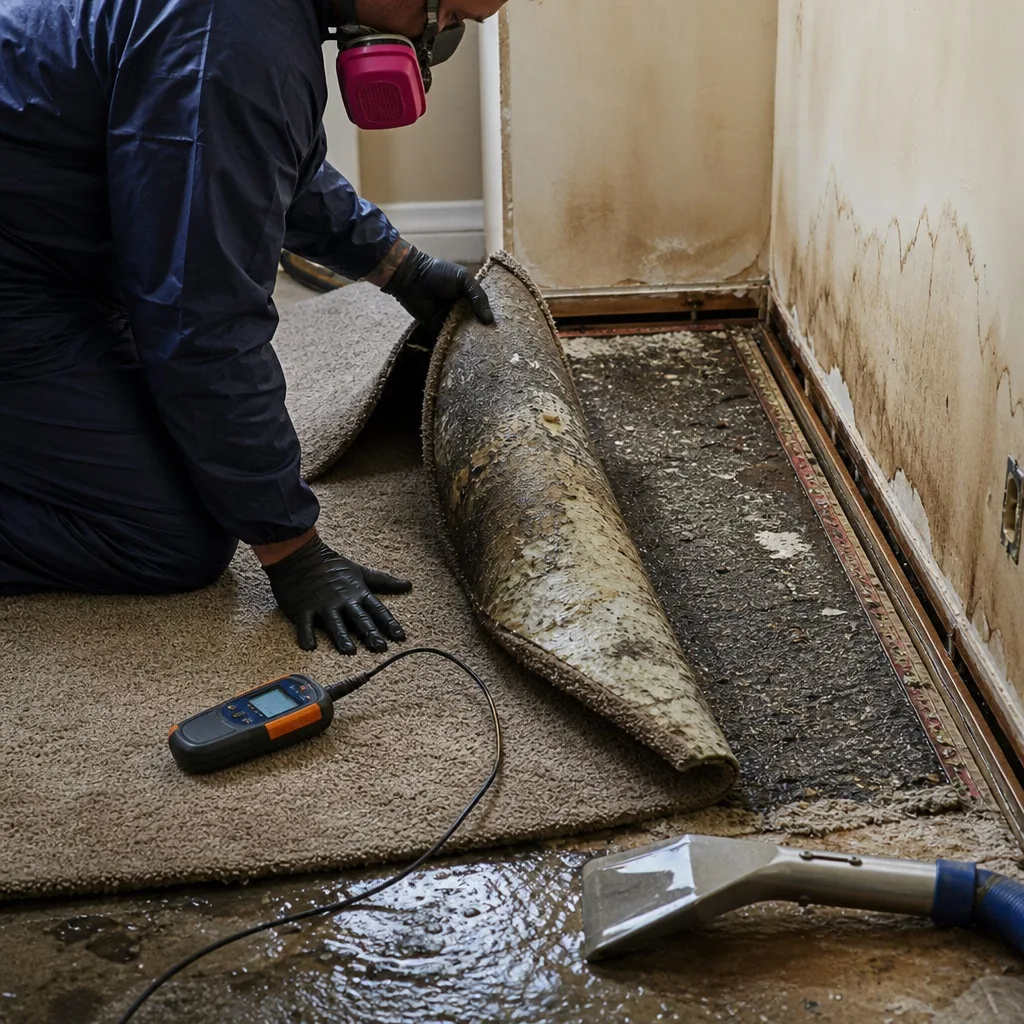
We don’t guess. Air sampling, surface tape lifts, and ERMI dust analysis identify species and concentration. In Newark’s pre-1940 housing, we add lead-paint and asbestos testing before any invasive inspection - NJ DEP rules make this non-negotiable, and skipping it turns a $400 inspection into a $15,000 stop-work order.
Mold Removal
Removal follows containment, not before. We establish negative pressure, remove contaminated porous materials, treat structural elements with antimicrobial, and verify clearance before reconstruction. On a two-and-a-half-story brick row house off Ferry Street in the Ironbound, our tech probed behind the finished basement paneling after a first-time flood claim and found active mold colonies that moisture readings at the surface had missed entirely. We set containment, ran water extraction and antimicrobial treatment on the framing, then rigged Dri-Eaz dehumidification and air movers for structural drying - documenting the whole scope of work in drying logs for the adjuster.
Black Mold Remediation
Stachybotrys chartarum and other toxigenic species require enhanced PPE, strict containment, and specialized disposal. We don’t use scare tactics - we use spore identification and medical-grade documentation. If your insurer or physician needs species-level reporting, we provide it.
Air Quality Restoration
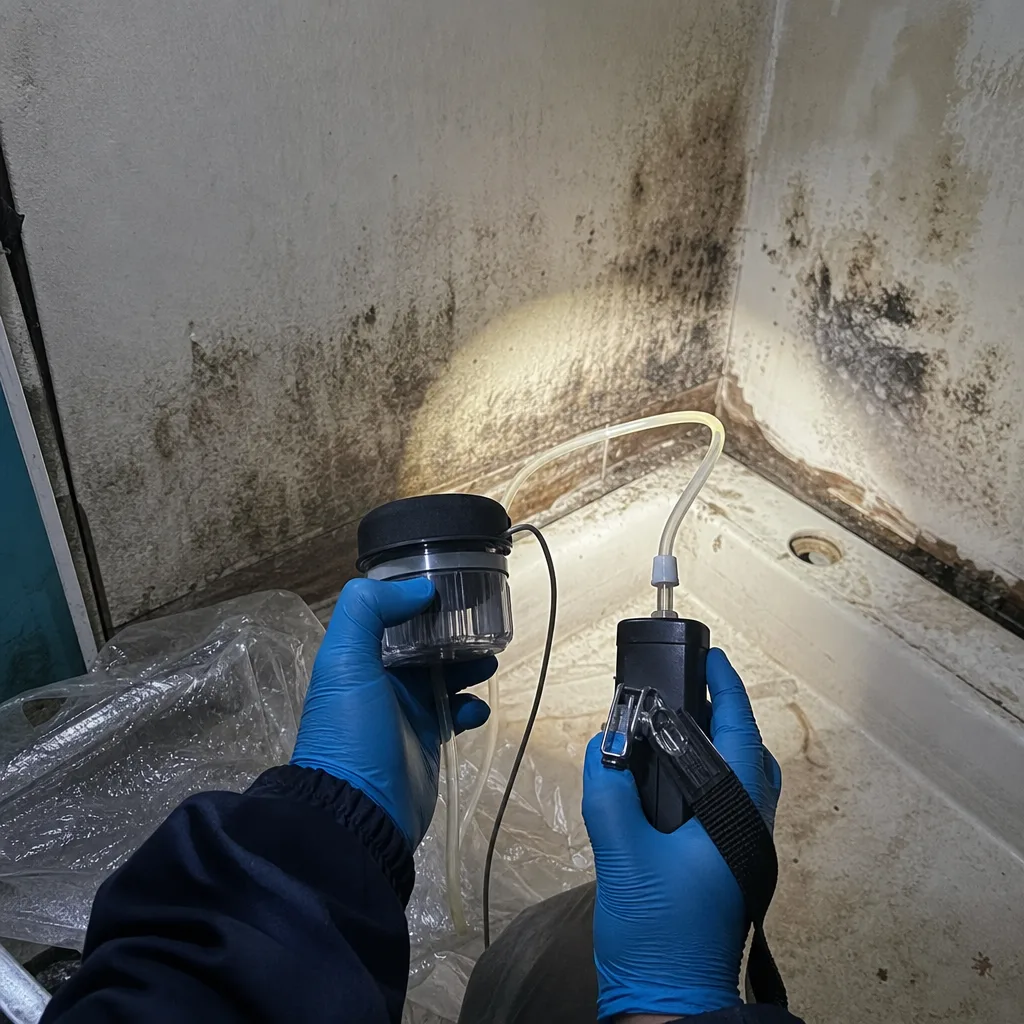
Post-remediation, HEPA air scrubbers run through clearance testing. For HVAC-involved contamination, we coordinate duct cleaning and filter replacement with mechanical contractors. The goal is verified breathable air, not just visible cleanup.
Crawl Space Treatment
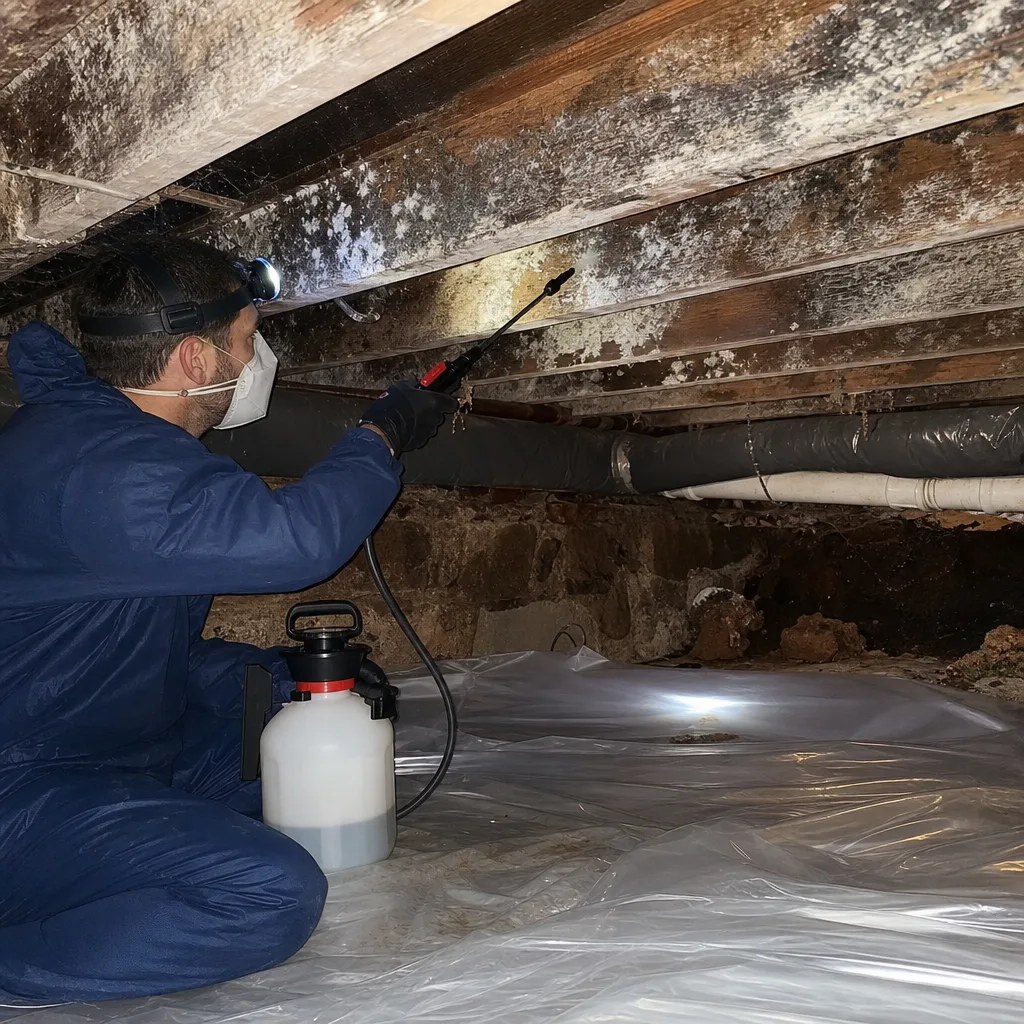
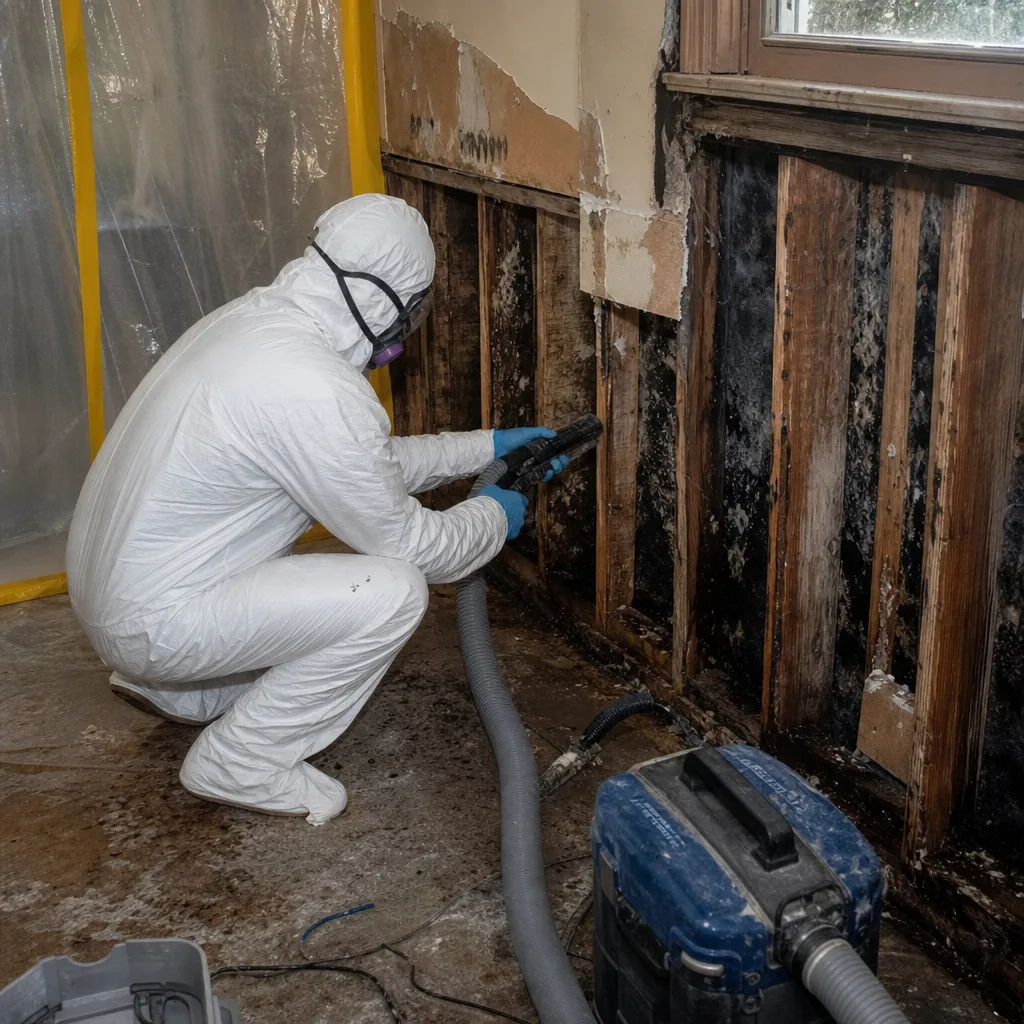
Newark’s older homes with dirt or unsealed crawl spaces - common in Ironbound and South Ward basements that were never fully excavated - need vapor barrier installation, dehumidification, and sometimes sump pump addition. We treat the crawl space as a connected atmospheric zone with the living space above; sealing one without conditioning the other creates new moisture problems.
Moisture & Humidity Control
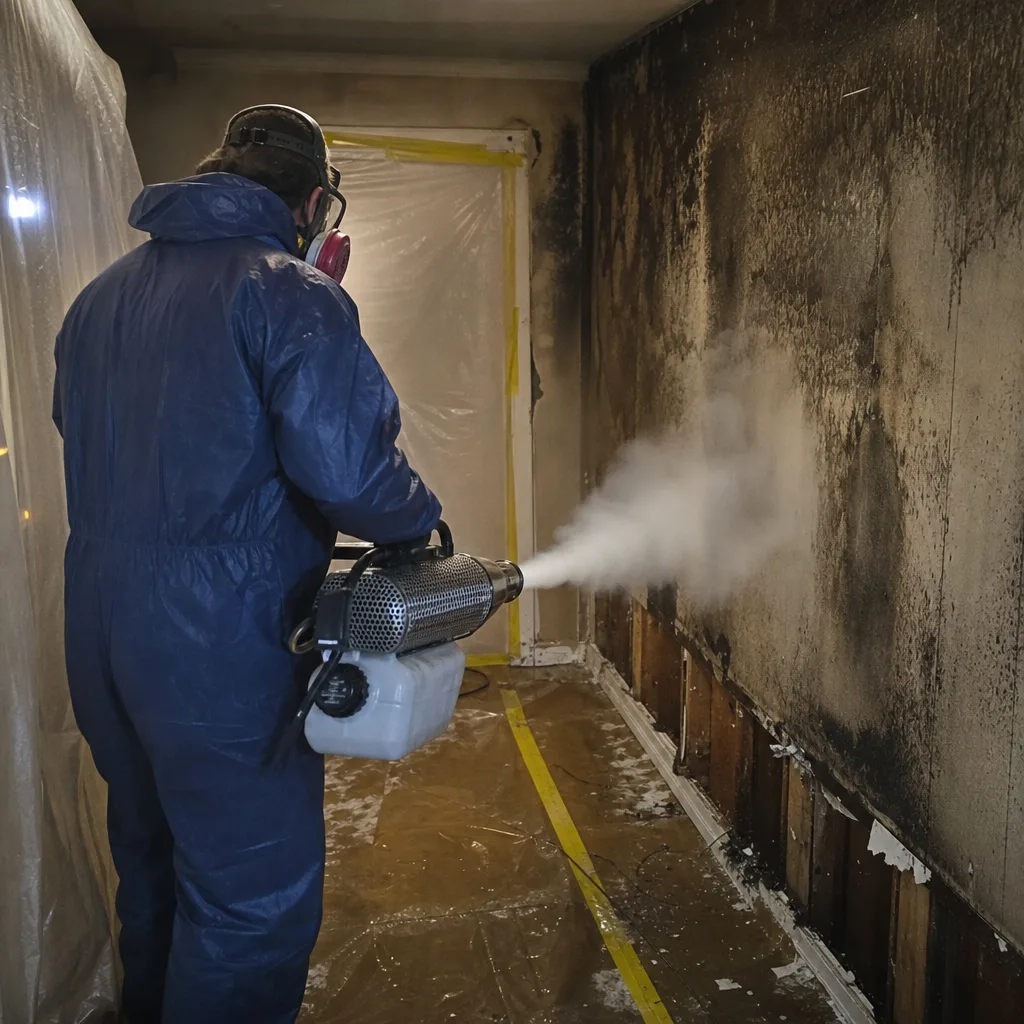
Remediation without moisture control guarantees recurrence. We install permanent dehumidification, improve ventilation, and specify building envelope repairs. The Haven Standard requires we document the moisture source elimination, not just the mold removal.
What happens when you call
- 1
A real person answersNo phone trees - you reach a local pro.
- 2
You get an upfront price rangeHonest numbers before anyone is dispatched.
- 3
A background-checked tech heads outLicensed & insured, dispatched right away.
- 4
You approve before work beginsNothing starts until you say go.
Mold Remediation Costs in Newark, NJ
Small contained areas - a bathroom ceiling, a single closet - typically run $1,800-$3,200. Medium projects involving multiple rooms or basement areas with finished wall removal range $3,500-$6,500. Large-scale whole-basement gut-outs with Category 3 water history, lead-paint abatement, and structural timber treatment can exceed $8,000-$15,000.
What moves the price: square footage of contamination, Category 1 versus Category 3 water source, lead and asbestos testing and abatement requirements (standard in pre-1978 Newark properties), accessibility for containment setup, and whether HVAC systems are involved. Insurance typically covers sudden and accidental water damage with resulting mold, but not long-term maintenance neglect. We review your policy language and document the loss origin to support coverage.
Every job starts with a free visual inspection and written scope. Bring a competitor’s written estimate and we’ll provide a Free Second Opinion - no charge, no obligation. Call (862) 298-5256 for an exact quote on your specific situation.
We Also Serve Cities Near Newark
Our crews respond throughout the immediate Passaic River corridor: Newark properties are served directly, with Harrison and Kearny to the west, Bayonne to the southeast, and Jersey City to the east all within our standard dispatch radius. Same documentation standards, same written-price guarantee, same live-answer phone coverage apply to every address.
Serving Newark, NJ - Our Local Coverage Area
We’re based in the Newark area and know this community well. Use the map below to see our service coverage - if you’re nearby, we can almost certainly help.
Newark Mold Remediation Questions, Answered
Does a flood backup in my Newark basement mean I need full mold remediation, or just drying?
If the source is Passaic River backup or sewer overflow, it’s Category 3 water and porous materials must be removed - drying in place is not an option under IICRC S500 standards.
Category 3 water carries bacteria, viruses, and rapid mold spore loading. We remove contaminated drywall, insulation, and carpeting, then treat structural framing with antimicrobial before drying. A written scope with line-item pricing is delivered before work starts. Call (862) 298-5256 for a free inspection to determine your contamination category.
Why do contractors keep finding mold behind my basement paneling when the surface looks dry?
In Newark’s Ironbound, chronic Passaic River flooding means prior saturation events have established mold colonies in wall cavities that surface readings miss.
Our field protocol requires borescope inspection behind finished basement walls on every flood claim in the floodplain. Moisture meters read the surface; they don’t see the 14% moisture content on the backside of paneling where Aspergillus and Penicillium colonize. We document cavity findings with photos for your adjuster. Call (862) 298-5256 to schedule probing with visual documentation.
Does mold remediation on my century-old Newark row house require special abatement?
Yes - pre-1978 properties trigger mandatory lead-paint and often asbestos testing under NJ DEP and EPA RRP rules before any disturbance.
Newark’s housing stock is overwhelmingly pre-WWII, so we build abatement protocol into every scope. Skip it, and the job halts when the inspector arrives. We coordinate certified abatement contractors and document compliance for your insurer. The cost is included in your written scope, never added after work begins. Call (862) 298-5256 for a scope that includes proper abatement planning.
How do you keep mold from coming back after a Newark flood event?
We eliminate the moisture source, not just the visible mold.
This means identifying and repairing the water entry point - failed sump pump, foundation crack, improper grading, or sewer backup - then installing permanent dehumidification and ventilation. Our drying logs track psychrometric data to confirm structural materials are below 16% wood moisture content before we close cavities. The Haven Standard, 365-Day Done Right Promise covers recurrence from our work. Call (862) 298-5256 to discuss moisture control for your specific building.
Is crawl space treatment different in Newark than in the suburbs?
Newark’s older homes often have partial basements with dirt crawl spaces that were never fully excavated or sealed - a pattern rare in post-1950s suburban construction.
These spaces share air with the living area above through floor penetrations. We install vapor barriers, mechanical dehumidification, and sometimes sump systems to condition the crawl space as a sealed, dry zone. Suburban crawl space protocols assume different construction. We assess your specific foundation type before specifying treatment. Call (862) 298-5256 for crawl space inspection with moisture mapping.
How fast can your crew get to my Newark property?
Our commitment is 45 minutes to any Newark address for active emergencies.
Crews are staged for the Passaic River corridor flood pattern, with direct routes to the Ironbound, Forest Hill, Weequahic, and North Ward. A live person answers (862) 298-5256 24 hours a day - no voicemail, no next-business-day callback while mold is actively sporulating. Call now for dispatch timing to your specific address.
Will my insurance cover mold remediation in Newark?
Most policies cover mold resulting from sudden and accidental water damage, but exclude long-term maintenance issues.
We document the loss origin - burst pipe, storm backup, appliance failure - with photos, moisture readings, and written scope to support your claim. Direct adjuster coordination from our New York City office streamlines approval. We also offer direct insurance billing. Bring your policy declaration page to our free inspection and we’ll review coverage specifics. Call (862) 298-5256 to schedule.
What should I do in the first 30 minutes after discovering mold?
Stop the water source if it’s active, don’t disturb the area (disturbance releases spores), and call (862) 298-5256 for immediate guidance and dispatch.
Do not run HVAC systems that may distribute spores. Do not apply bleach - it kills surface growth but leaves viable roots and adds moisture. Document with photos for your insurer, then wait for our containment setup before any further action. Our live answer operator will walk you through immediate steps specific to your situation. Call (862) 298-5256 now.
Written by Alicia Brennan, Owner at Back to Dry Restoration, serving Newark since 2011 under The Haven Standard.
Mold Remediation in Nearby Areas