
Last updated September 22, 2026
Free visual inspection and a written scope of work before any mitigation begins - photos, moisture readings, and drying logs go in your claim file
The scope we write is the scope we bill. Anything new gets shown to you, in writing, before we touch it.
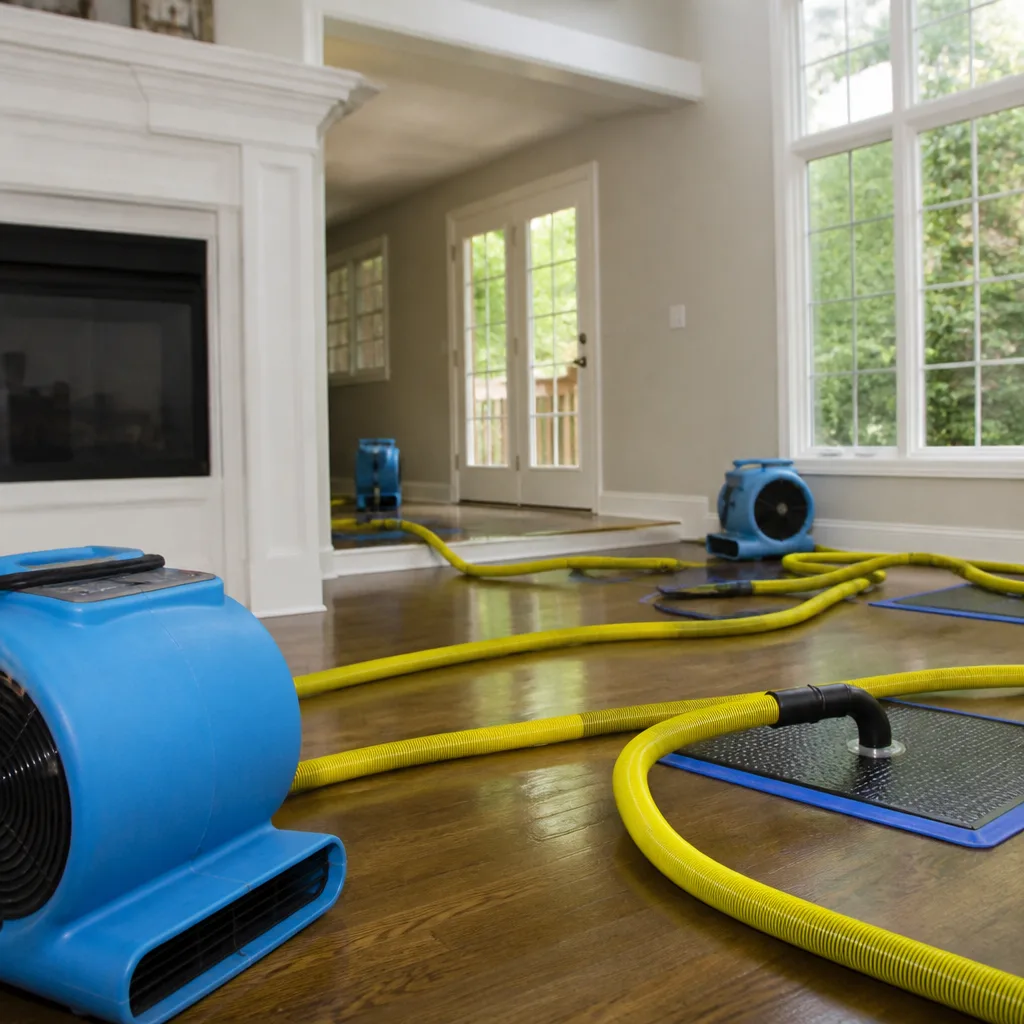

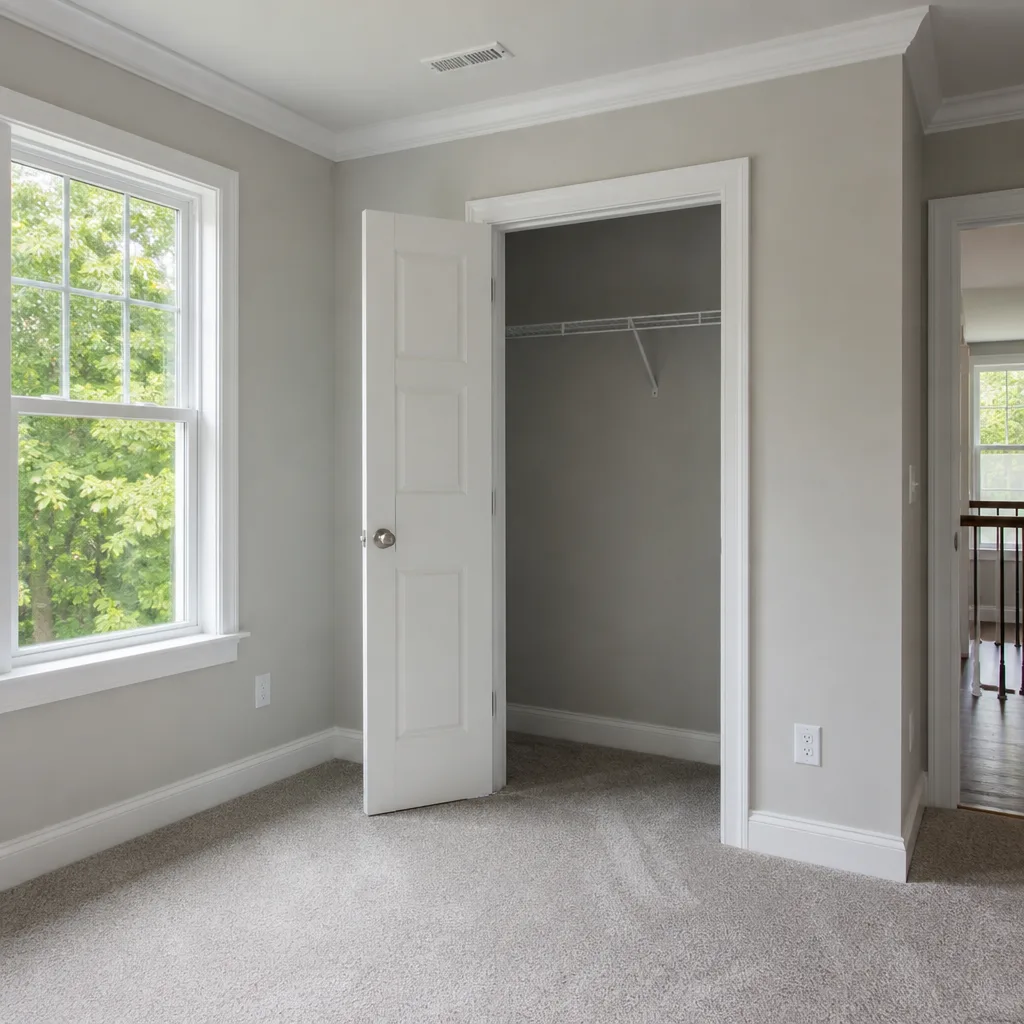

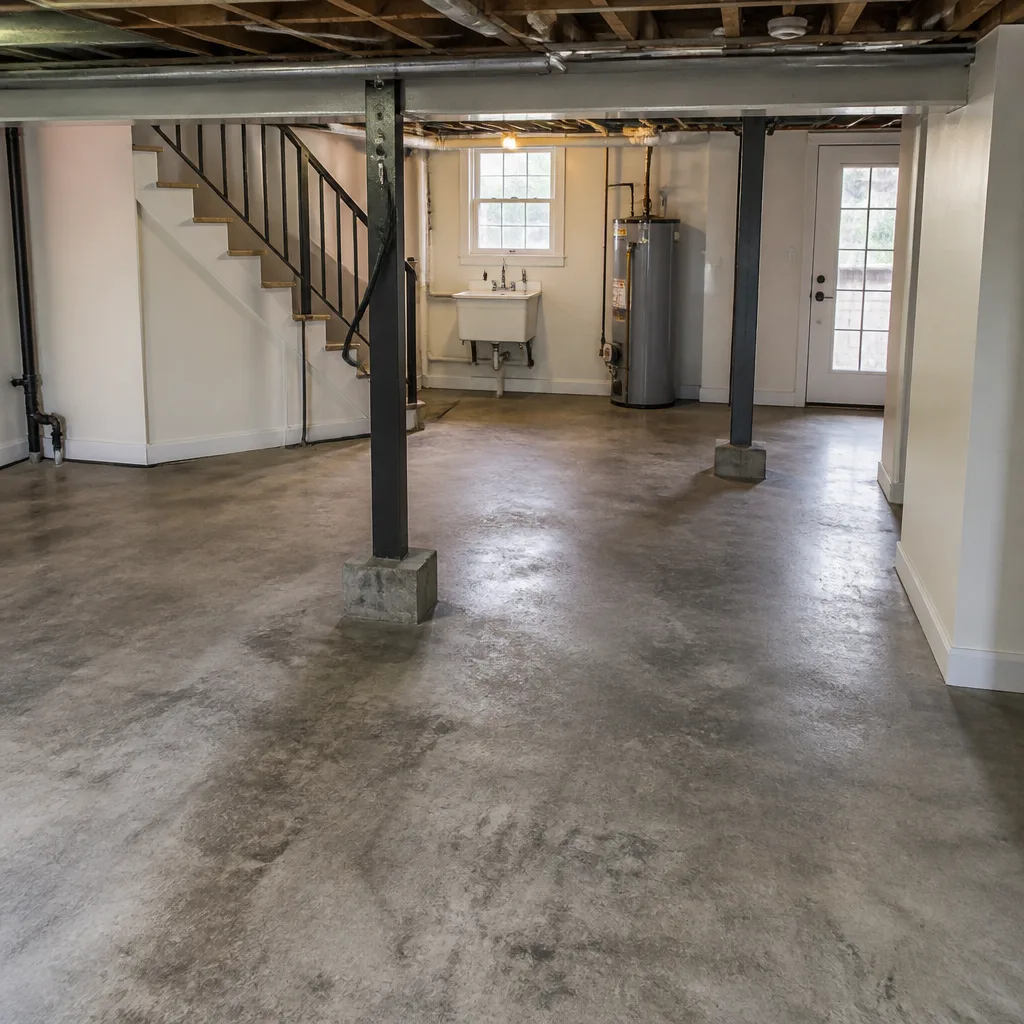

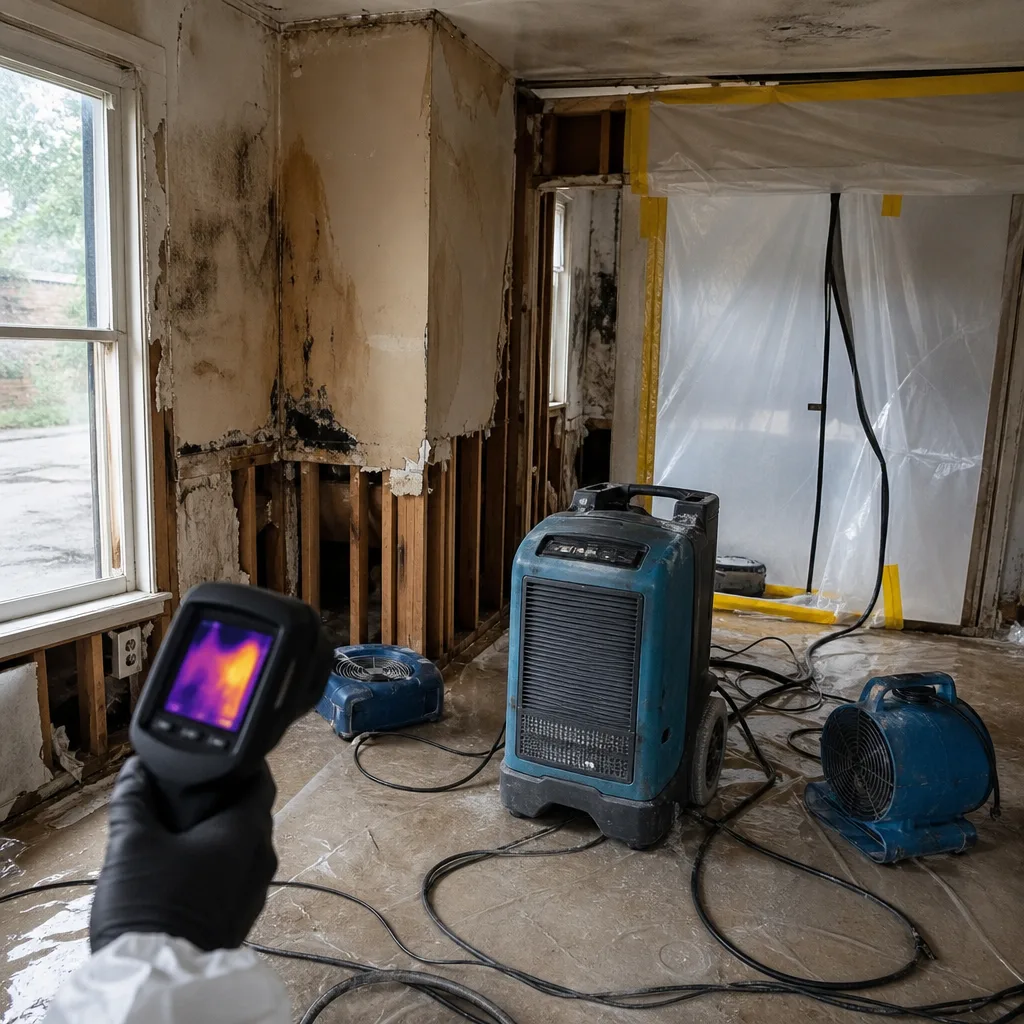 Before
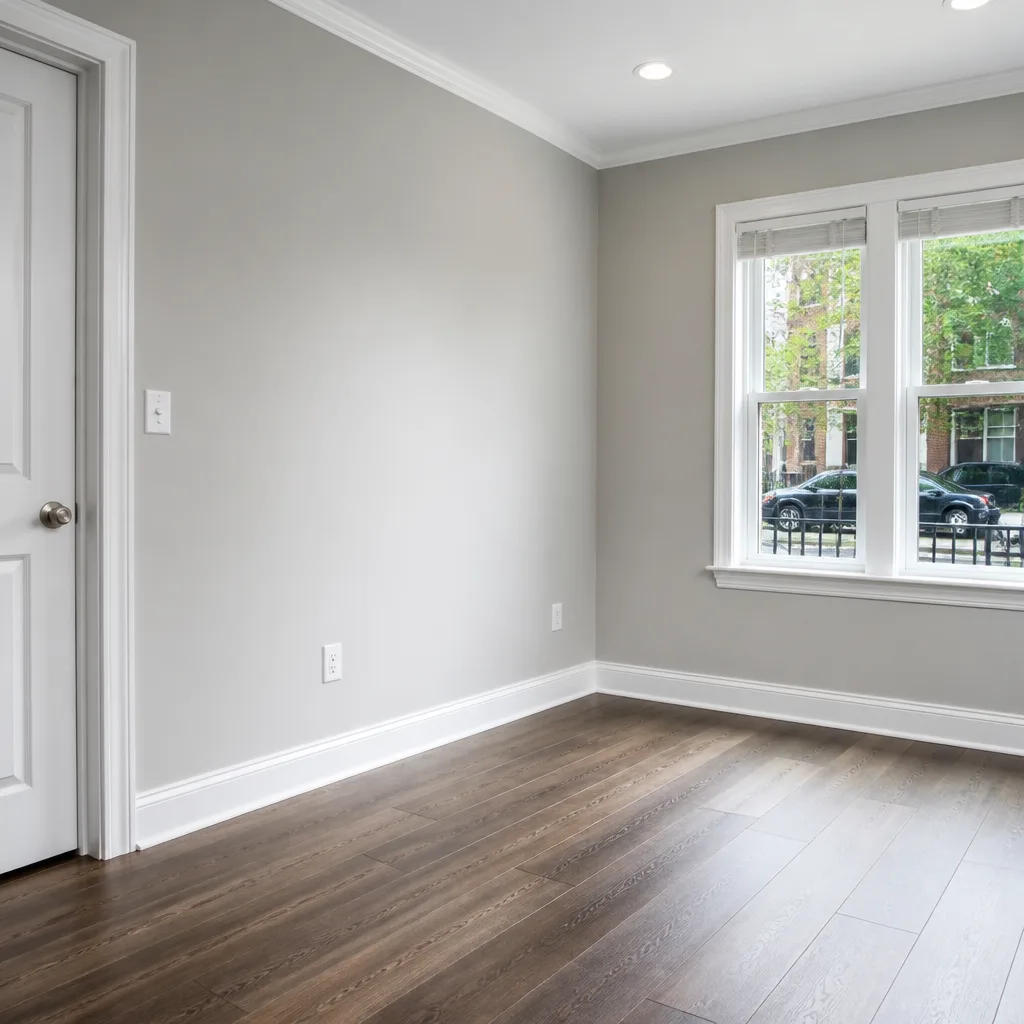 After
After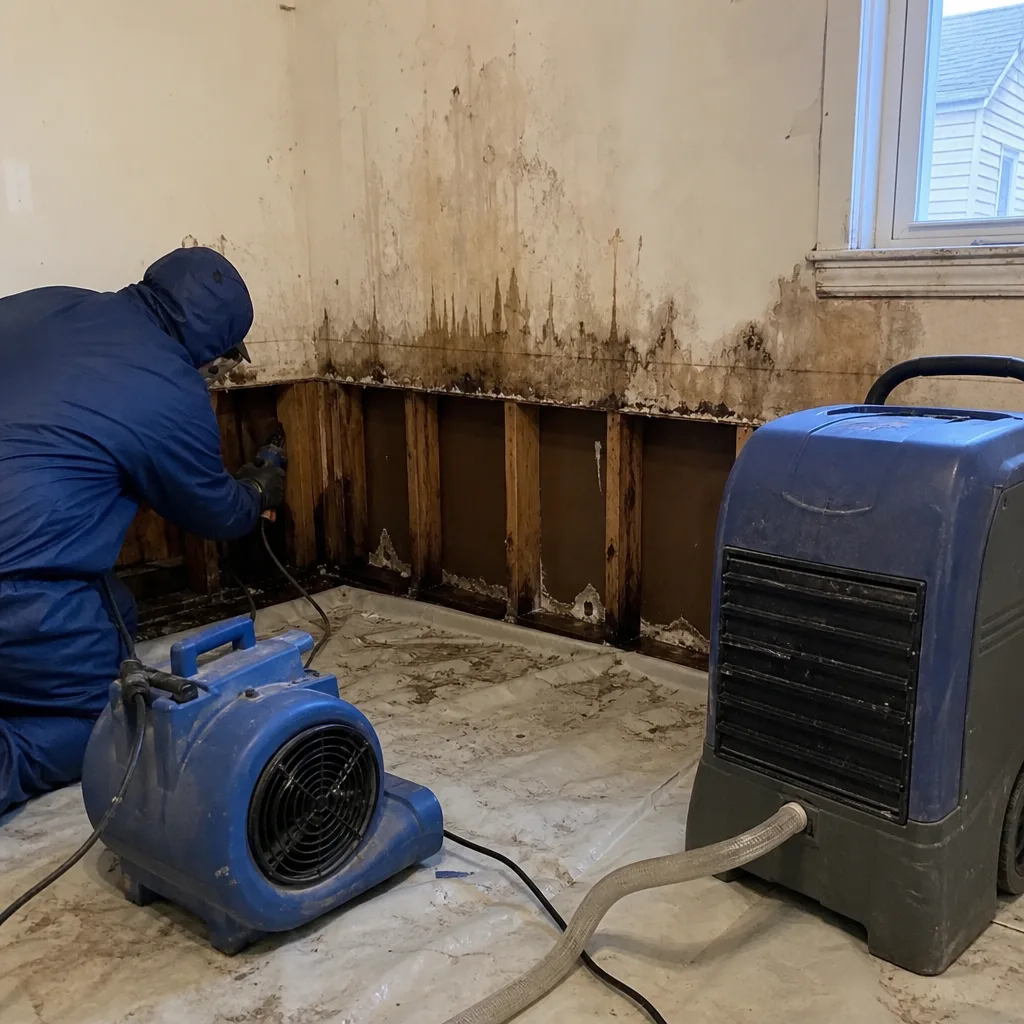 Before
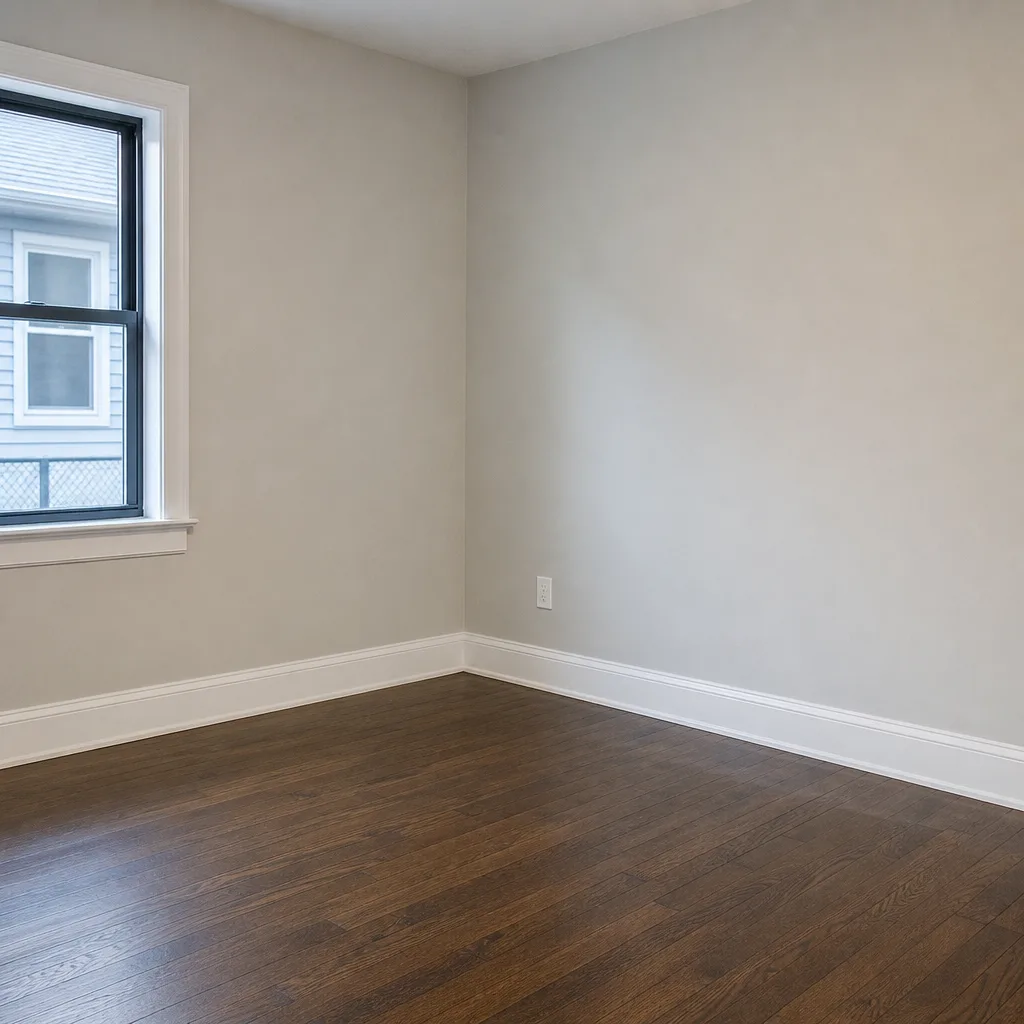 After
After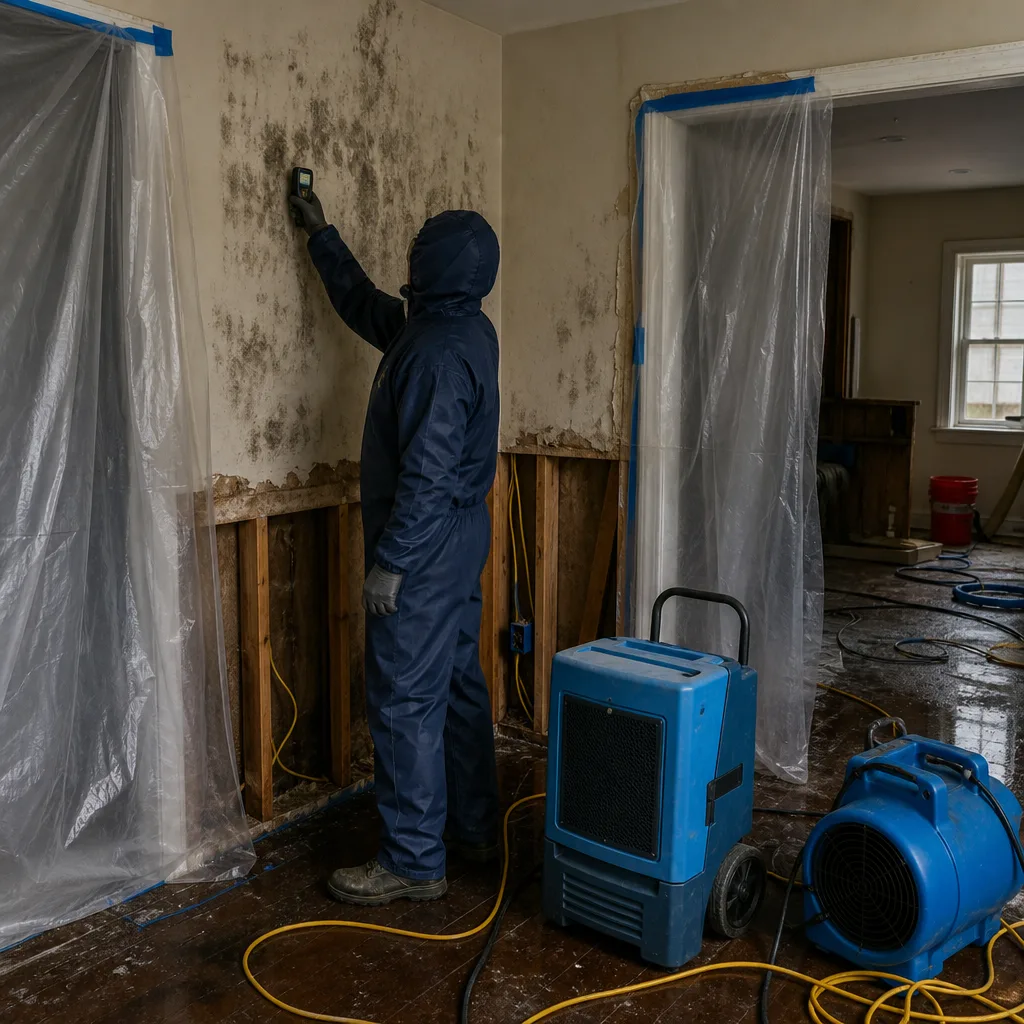 Before
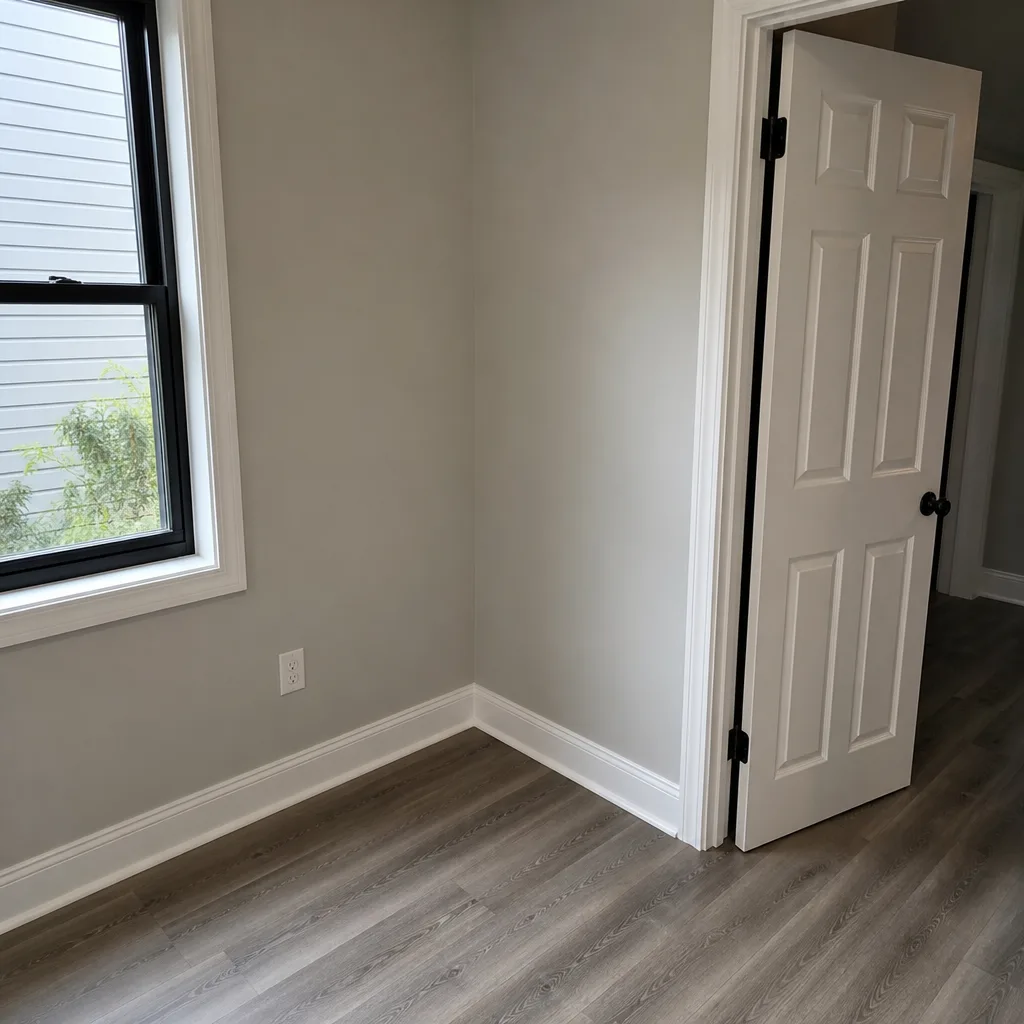 After
AfterSeasonal Damage Restoration Care for Jersey City: Year-Round Homeowner’s Guide
Jersey City recorded water intrusion events in every month of 2023. The risk isn’t seasonal in the way homeowners assume. What changes by season is the mechanism of damage, and so does the documentation that proves your loss was sudden rather than accumulated over years of neglect. In our experience restoring over 12,000 homes since 2011, the claims that get paid without dispute are the ones with a paper trail that started before the damage occurred. This guide maps Jersey City’s four distinct risk windows to the inspection protocols and written records that protect your property value and your coverage, and you can explore more guides & resources for year-round maintenance planning.
Quick Answer
Jersey City homeowners should run four distinct seasonal protocols: winter pipe-freeze baselines for pre-war plumbing, spring sewer-overflow perimeter checks, summer flat-roof drain documentation, and fall envelope inspections that produce a written pre-loss condition record. Each protocol generates documentation that insurers accept as proof of sudden loss rather than deferred maintenance, as detailed in our Complete Guide to Damage Restoration in Jersey City.
Table of Contents
- Winter: Pipe Freeze Risk in Jersey City’s Pre-War Building Stock
- Spring: Combined Sewer Overflow and Basement Entry Points
- Summer: Flat-Roof Drain Inspection for High-Density Housing
- Fall: Building Envelope Inspections and Pre-Loss Documentation
- How to Build a Four-Season Property Log That Insurers Accept
- Common Mistakes to Avoid
- When to Call a Professional
- Frequently Asked Questions
BeforeAfterWinter: Pipe Freeze Risk in Jersey City’s Pre-War Building Stock
Jersey City’s housing stock is among the oldest in the metro area. Pre-war row houses, brownstones, and converted industrial lofts dominate neighborhoods like Paulus Hook, Hamilton Park, and the Heights. These buildings share wall configurations that create predictable freeze exposure most post-1950 construction avoids.
The highest-risk configuration is the exterior plumbing wall in row houses with uninsulated brick party walls. In our work across Jersey City, we’ve documented freeze bursts in walls where copper supply lines run within 4 inches of exterior masonry with no thermal break. The freeze-thaw cycle in January and February 2023 produced a cluster of claims in the Bergen-Lafayette area where 1920s-era plumbing had been partially updated, leaving original galvanized branches in exterior walls while newer PEX runs were routed through interior spaces.
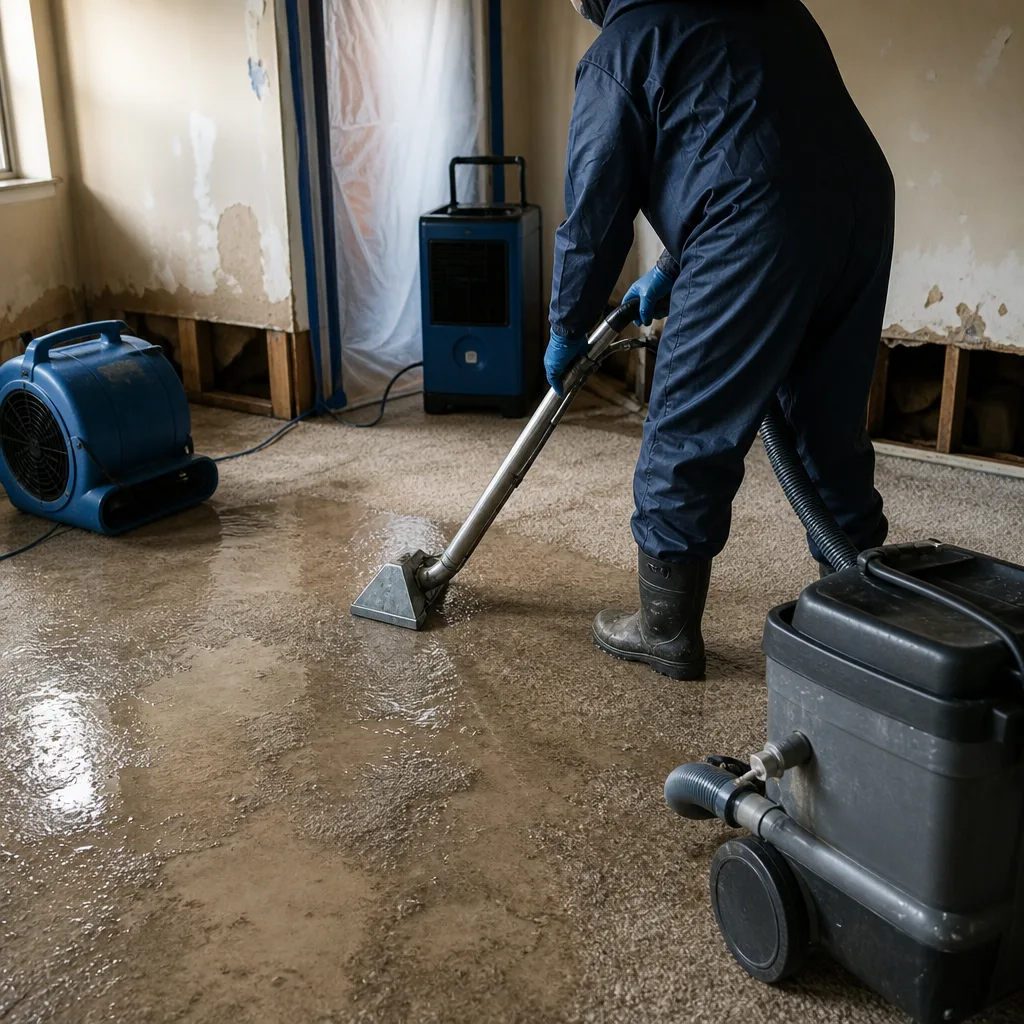
A pre-freeze moisture baseline reading should document three measurements per at-risk wall: ambient relative humidity, surface temperature of the plumbing chase, and moisture content of adjacent framing members. We use non-penetrating meters and thermal imaging to establish these baselines in October, before heating systems change the building’s thermal profile. A reading of 18% wood moisture content or higher in an exterior wall cavity indicates conditions where freeze damage is more likely, and where insulation upgrades should precede cold weather.
The written record should include:
- Date and outdoor temperature at time of inspection
- Meter type and calibration date (we document to IICRC standards)
- Photographs of each reading location with measurement visible
- Noted deficiencies: missing insulation, visible corrosion, prior repair patches
- Recommended interventions with cost range
When a pipe does burst, this baseline becomes evidence that the wall was inspected and found within normal parameters, shifting the loss classification from “long-term maintenance failure” to “sudden and accidental.” We’ve seen insurers deny claims where the homeowner could not produce any pre-loss documentation of wall condition.
Specific to Jersey City’s climate: the Hudson River moderates temperatures compared to inland Essex County, but the urban heat island effect creates microclimates. Buildings on east-facing blocks in Downtown Jersey City experience faster temperature drops when river winds strip heat from brick facades. Our drying logs from winter 2022-2023 show freeze events concentrated in buildings with this exposure, particularly where original cast-iron radiators had been removed without updating pipe routing.
Spring: Combined Sewer Overflow and Basement Entry Points
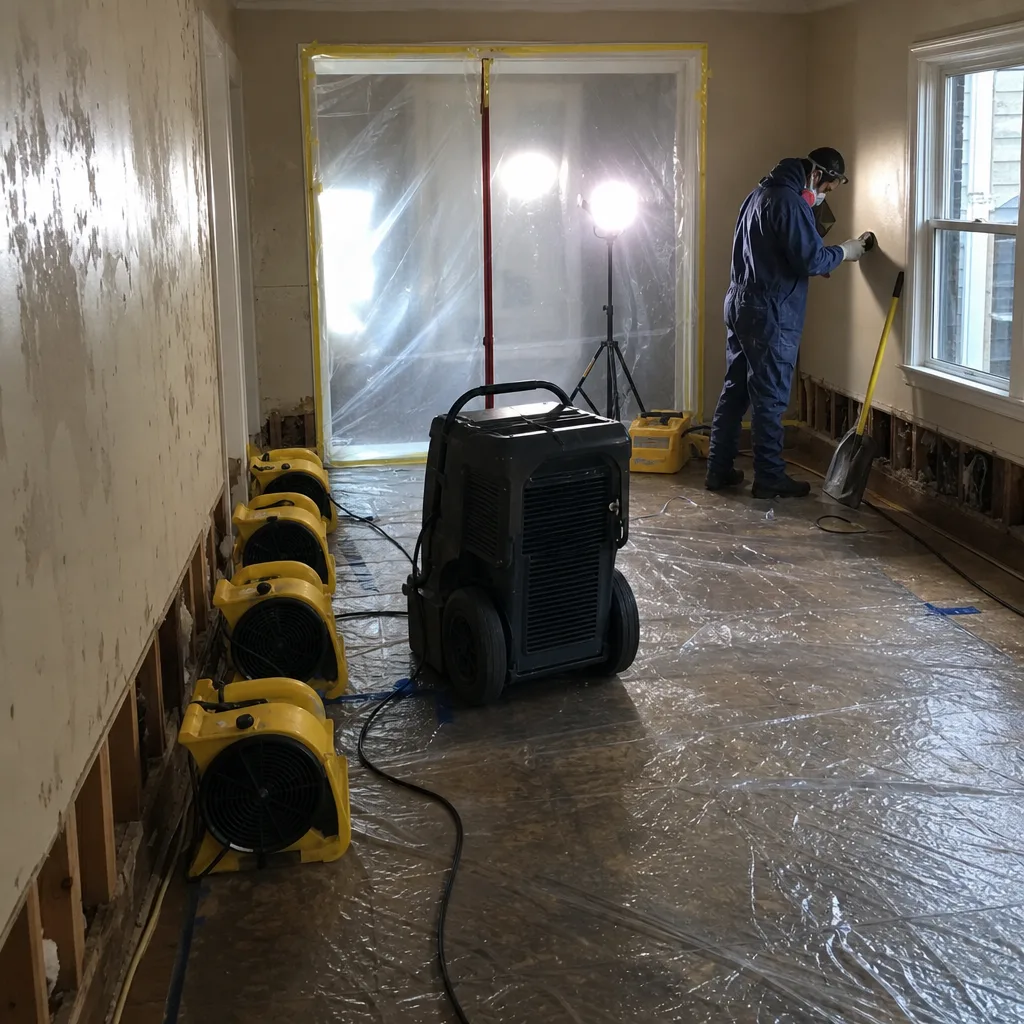
Jersey City operates a combined sewer system. Stormwater and sanitary sewage share pipes that overflow during heavy rain events, typically 6 to 8 times per spring season. The New Jersey Department of Environmental Protection tracks these Combined Sewer Overflow (CSO) events, and the data matters for your coverage.
Here’s why: when water enters through a floor drain, ejector pit, or window well during a CSO event, insurers frequently classify the loss as sewer backup rather than storm damage. Sewer backup coverage is often capped at $10,000 or excluded entirely on standard Jersey City homeowner policies. The difference in classification can mean tens of thousands of dollars in uncovered remediation costs, particularly when mold remediation in Jersey City becomes necessary after contaminated water sits for more than 24 hours.
The entry points that generate the most disputed claims:
- Floor drains in below-grade utility rooms. In Jersey City’s older housing stock, these often connect directly to sanitary laterals without backflow prevention. A drain that accepts water during normal conditions becomes an inlet during CSO pressure reversal.
- Sewage ejector pits with failed check valves. The check valve is the only barrier between your basement and the municipal sewer main. When it fails, the pit becomes a direct connection to overflow conditions.
- Window wells without dedicated drains or with drains tied to foundation perimeter systems. During saturated soil conditions, these become pressurized and force water through frame gaps.
Our documentation protocol for spring includes a perimeter inspection that produces dated photographs of each entry point, valve test results, and a written assessment of backflow prevention status. We recommend Jersey City homeowners request their municipal sewer lateral inspection record from the Jersey City Municipal Utilities Authority, which maintains documentation of known CSO outfalls by neighborhood.
In the Journal Square area, we’ve documented repeated CSO-related losses in buildings where basement apartments were converted without updating drainage. The 2018 flood insurance rate maps don’t capture this risk because they’re focused on fluvial flooding, not sewer system capacity. A property owner with a written spring inspection record showing functional backflow prevention has a stronger position when negotiating claim classification with an adjuster.
Psychrometric data collected during spring drying jobs shows higher initial contamination indicators in CSO events compared to clean water intrusion. Vapor pressure differential measurements help us determine whether decontamination protocols are necessary before structural drying begins. We document these readings to RIA standards so the remediation scope is defensible.
Summer: Flat-Roof Drain Inspection for High-Density Housing
Jersey City’s residential density produces an unusually high concentration of flat roofs. Tar-and-gravel built-up roofing and modified bitumen systems cover most multi-family buildings constructed between 1900 and 1980, including the converted warehouse stock in the Powerhouse Arts District and much of the Heights. These systems fail predictably when drains clog during summer storm events.
The inspection protocol we recommend runs from late May through early June, before the peak storm season. It produces a dated photo log that serves two purposes: preventive maintenance scheduling, and evidence of drain condition before a loss occurs.
Step-by-step flat-roof drain inspection:
- Photograph each drain from above, showing the strainer condition and any debris accumulation
- Remove the strainer and photograph the drain bowl interior, noting corrosion, coating failure, or standing water marks
- Run water through each drain at a measured flow rate (we use 5 gallons per minute for 60 seconds) and photograph the discharge point below
- Document the roof membrane condition in a 24-inch radius around each drain, where ponding stress concentrates
- Record the date, weather conditions, and inspector identification in a written log
A drain that holds standing water for more than 30 minutes after flow testing has a partial blockage that will become complete under summer storm intensity. In 2023, we responded to 14 Jersey City properties where drain failure during July thunderstorms caused interior damage that could have been prevented with June inspection.
The photo log’s legal function is establishing pre-loss condition. When a modified bitumen roof fails at a drain location and an insurer’s engineer claims the membrane was deteriorated before the storm, dated photographs showing intact membrane and functional drainage shift the burden of proof. We’ve used summer 2022 inspection records to support water damage restoration in Jersey City claims that otherwise would have been attributed to “wear and tear.”
Specific to Jersey City’s building stock: many flat roofs in the Downtown area have been retrofitted with photovoltaic panels. The panel mounting systems create new drainage obstructions and penetrations that original roof warranties didn’t anticipate. Our inspection protocol includes documentation of panel skirt clearance above the membrane, typically 4 to 6 inches minimum, and any signs of abrasion at contact points.
Fall: Building Envelope Inspections and Pre-Loss Documentation
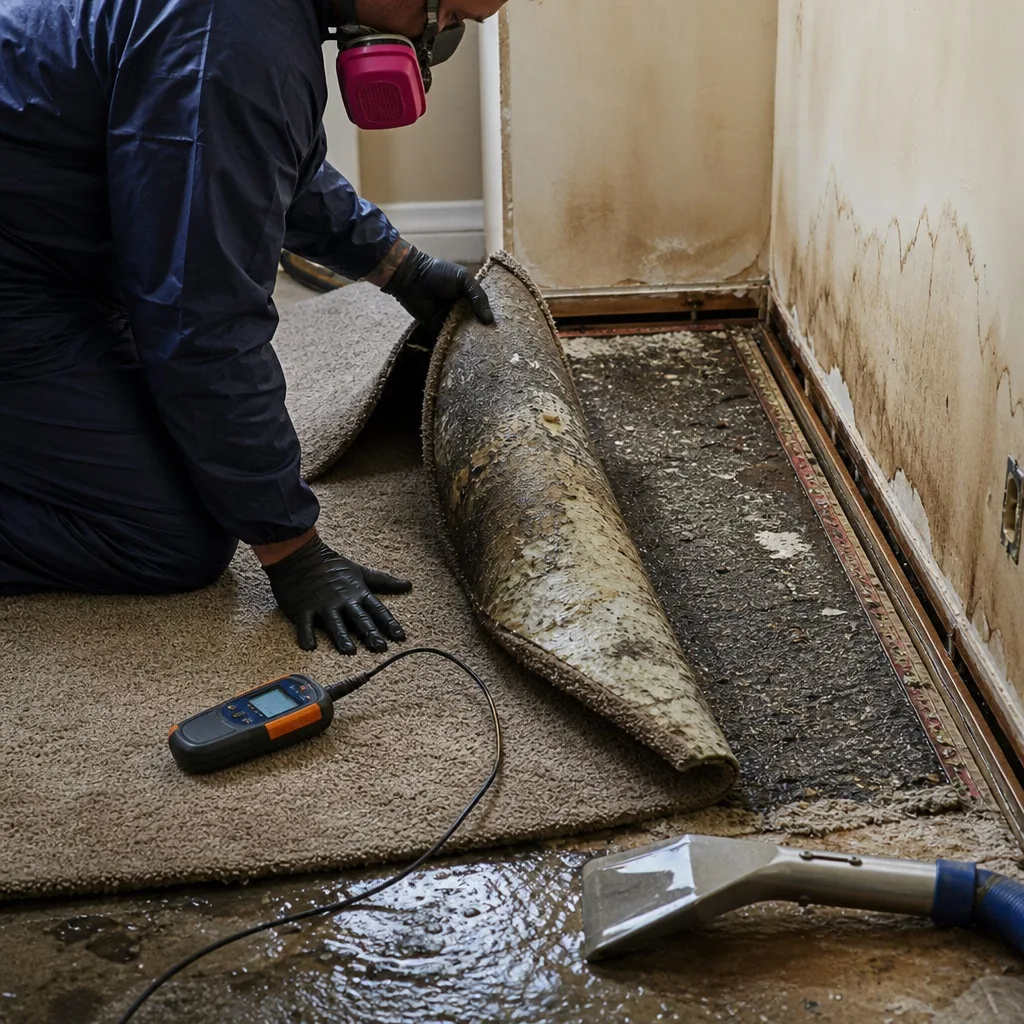
The fall inspection is the most important documentation event in the annual cycle. It produces a written record of pre-winter condition that functions as evidence if a winter loss occurs. Without it, an insurer’s engineer will assess damage against a theoretical “well-maintained” standard rather than your building’s actual condition before the event.
We structure Jersey City fall inspections around the building envelope elements most commonly disputed in winter claims:
- Roof-to-wall transitions. In Jersey City’s row houses, these are often concealed by cornice details that make visual inspection difficult. We use pole cameras and document any visible gaps, failed flashing, or biological growth that indicates chronic moisture.
- Window and door perimeters. Caulk failure at brick-mold junctions is common in buildings with painted wood trim. We photograph each perimeter and note the sealant type and condition grade.
- Foundation wall penetrations. Utility entries, former window openings converted to vents, and deteriorated mortar joints create cold-air infiltration that accelerates pipe freeze risk.
- Gutter and leader condition. Jersey City’s mature tree canopy produces leaf load that overwhelms undersized gutters. We document capacity, slope, and downspout connection integrity.
The written record should be stored in a format you can produce after a loss. We recommend cloud storage with date-stamped upload verification, plus a physical copy in a fire-resistant container. The record should include the inspector’s name, license number, and the equipment used for any measurements.
In Paulus Hook and Hamilton Park, we’ve seen fall inspection records from previous owners become valuable when current owners file claims. The chain of documentation demonstrates maintenance diligence across ownership changes. For condominium associations in Jersey City’s converted industrial buildings, the fall inspection should be association-funded and distributed to all unit owners, as common-element damage frequently affects multiple units simultaneously.
The Haven Standard requires that our fall inspection reports include a written price for any recommended interventions before work begins, Haven Standard Clause 1. This gives property owners the documentation to schedule repairs before winter, or to demonstrate that recommended maintenance was identified and priced if a loss occurs before repairs are completed.
How to Build a Four-Season Property Log That Insurers Accept
A property log that insurers accept as evidence of maintenance diligence has specific characteristics. We’ve reviewed thousands of claims files, and the logs that survive scrutiny share a common format.
Format requirements:
- Chronological entries with dates and times
- Named inspector or property owner performing the observation
- Weather conditions at time of inspection
- Specific locations described by room, wall orientation, and floor level
- Measurable observations, not general impressions
- Photographs with embedded metadata or separate index
- Recommended actions with completion dates
Content by season:
Winter entries document pipe exposure conditions, heating system performance, and any ice dam formation on roof edges. Spring entries track CSO event dates from municipal reporting, basement moisture readings, and backflow device test results. Summer entries record flat-roof drain condition, photovoltaic system clearance checks, and exterior sealant condition after heat exposure. Fall entries compile the envelope inspection detailed above.
Storage recommendations:
Primary storage should be cloud-based with version history, using a service that provides upload timestamps. Google Drive, Dropbox, and Microsoft OneDrive all provide this function. Secondary storage on a physical drive in a fire-resistant container protects against account compromise. We recommend against relying solely on insurance company portals or property management software that may become inaccessible after a loss.
For Jersey City condominium associations, the four-season log should be maintained at the association level with unit owner access. Common-element damage claims require association documentation, and individual unit owners cannot produce records for roofs, facades, or foundation systems they don’t control.
Our documentation protocol uses equipment from Dri-Eaz and Phoenix for moisture readings, with calibration certificates maintained and available on request. The daily drying logs we produce during active restoration are formatted to match the four-season log structure, creating continuity between maintenance records and loss documentation that adjusters recognize as professional standard.
Common Mistakes to Avoid
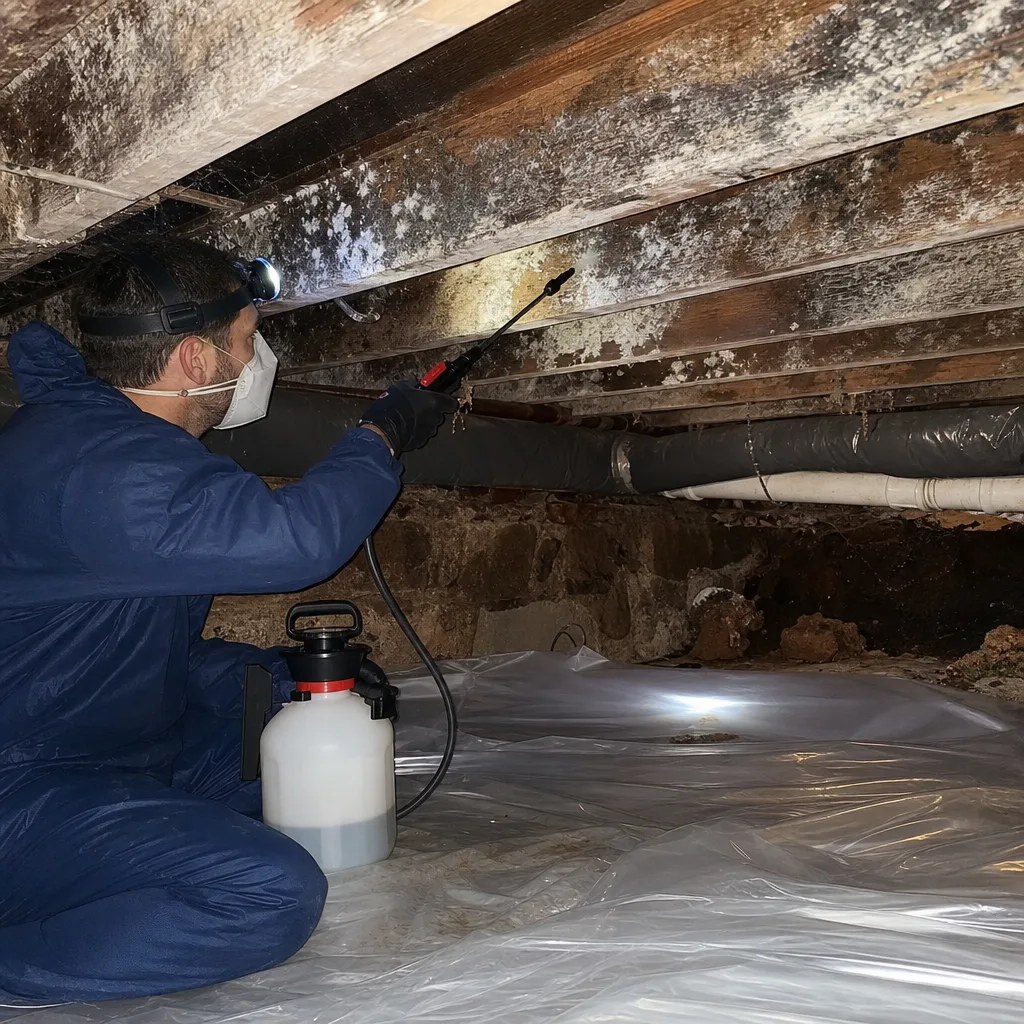
- Relying on verbal assurances from contractors. Every inspection should produce a written report. We’ve seen Jersey City homeowners lose claims because a contractor’s “yeah, it looks fine” couldn’t be produced in a dispute.
- Photographing without context. A photo of a wall doesn’t prove which wall, which building, or when. Each photograph needs a reference object, location description, and date.
- Ignoring the CSO distinction. Jersey City homeowners frequently assume all basement water is “flooding” for insurance purposes. The sewer backup classification can eliminate coverage entirely if you haven’t documented the entry mechanism.
- Storing records only in the damaged building. Water and fire damage destroys paper records. Cloud storage with off-site backup is essential.
- Using uncalibrated moisture meters. An inaccurate reading is worse than no reading. Professional-grade equipment from recognized manufacturers, with annual calibration, produces data that insurers accept.
- Waiting for visible damage before documenting. The purpose of seasonal documentation is to establish condition before damage occurs. Post-loss documentation only captures the aftermath.
- Neglecting to document previous repairs. A patched pipe, repaired roof, or replaced window creates a discontinuity in the building’s history. Insurers scrutinize these locations for recurring failure. Documentation of the repair scope and materials protects against “deferred maintenance” attributions.
When to Call a Professional
Call a professional when your seasonal inspection reveals moisture readings above 16% in wood framing, visible mold growth of any size, backflow prevention devices that fail testing, or roof drains that don’t clear within 30 minutes of flow testing. These conditions indicate active or imminent damage that documentation alone won’t prevent.
Call immediately when water is actively entering your property. Every hour of delay increases the affected square footage, the contamination category, and the documentation burden required to support your claim. Our live phone coverage means a person answers every call, 24 hours a day, 7 days a week, with no voicemail on emergency lines.
DryMark Restoration Jersey City home offers free estimates in Jersey City. Call (862) 298-5256. Every job is quoted in writing before work begins, documented with a photo record on every visit, and covered by the 365-Day Done Right Promise under The Haven Standard. We also provide a Free Second Opinion on any competitor’s written estimate at no charge.
Frequently Asked Questions
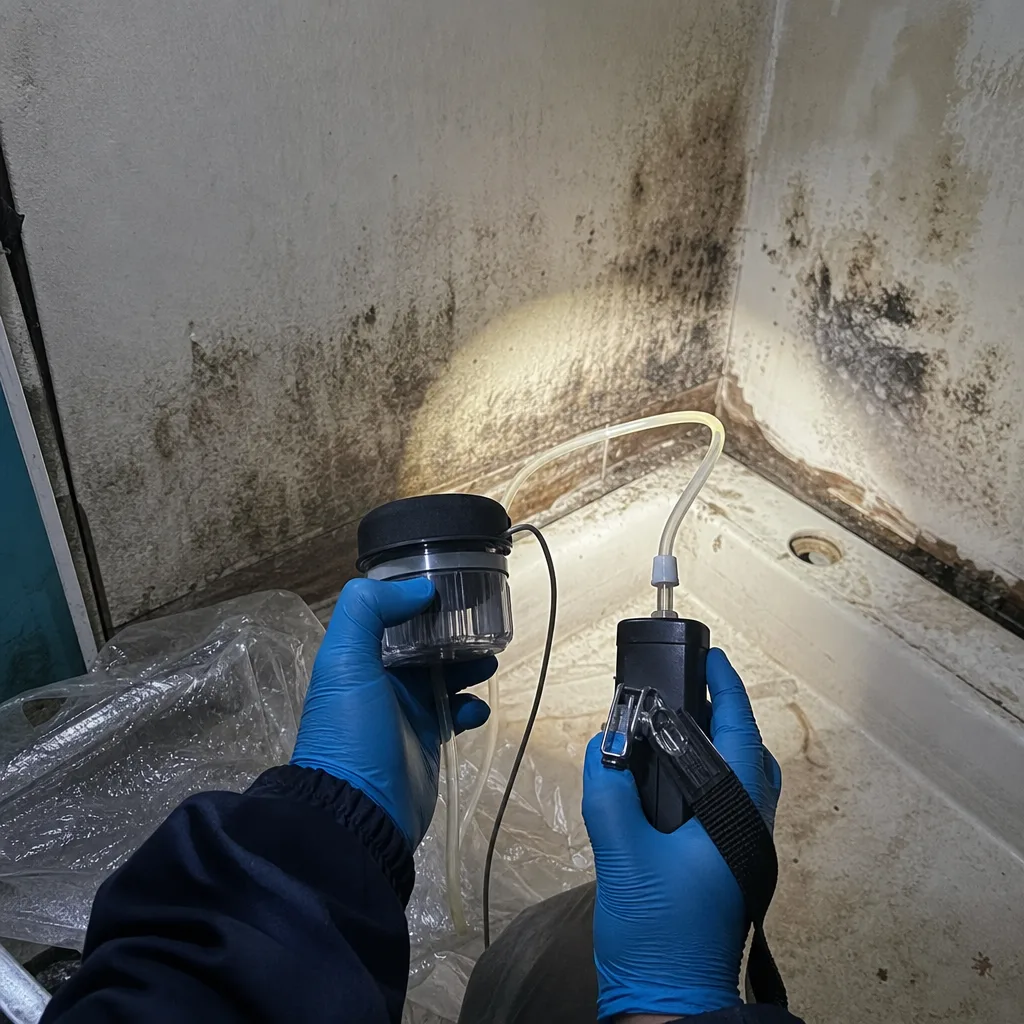
Professional seasonal inspection and documentation for a typical Jersey City row house or brownstone ranges from $350 to $800 per inspection, depending on building size and access complexity; see our Damage Restoration Cost Breakdown: The Jersey City Homeowner’s Reference for 2026 for detailed pricing context. This includes moisture baseline readings, thermal imaging, written report with photographs, and cloud storage setup. The cost is typically recoverable if it prevents a single disputed claim. Call (862) 298-5256 for an exact quote - estimates are free.
Sometimes, but you’ll face harder scrutiny. Insurers apply a “maintenance diligence” standard, and without documentation, they assess your property against a theoretical well-maintained condition. We’ve seen Jersey City claims reduced by 40% or denied entirely when the homeowner couldn’t produce inspection records. Documentation doesn’t guarantee coverage, but it shifts the burden of proof.
Our live dispatch operates 24 hours a day, 7 days a week. Emergency response teams are deployed with equipment from XPOWER, B-Air, and Injectidry systems, documented to IICRC standards. For active water intrusion in Jersey City, typical on-site arrival is under 90 minutes. Call (862) 298-5256 for immediate dispatch.
Contaminated water from a CSO event is Category 3 water under IICRC standards, requiring professional remediation regardless of visible mold. The bacterial load and potential for pathogen growth means surface cleaning is insufficient. We document contamination category with laboratory-supported testing when necessary, producing the evidence insurers require to approve full remediation scope. Call (862) 298-5256 for assessment - estimates are free.
We coordinate directly with your adjuster, providing the documented photo record, daily drying logs, and written scope that adjusters need to approve payment. Our documentation protocol was designed by a former claims adjuster specifically to close the documentation gap that delays or denies claims. You receive copies of all documentation for your records.
Document everything before cleanup begins. Photograph the burst location, water distribution pattern, and any visible damage to finishes or contents. Note the outdoor temperature and when you discovered the damage. Then call for professional assessment - secondary damage from incomplete drying develops over 48 to 72 hours, and fire & smoke damage restoration in Jersey City sometimes becomes necessary when homeowners use improper heating devices to accelerate drying. Call (862) 298-5256 - estimates are free.
The Bottom Line
Jersey City’s seasonal damage risk is measurable, mappable, and documentable. The homeowners who protect their property value and their coverage are those who treat each season as a distinct risk event with its own inspection protocol and written record. Winter pipe freeze, spring sewer overflow, summer flat-roof drain failure, and fall envelope deterioration each produce specific documentation that insurers recognize as evidence of sudden loss. The four-season property log is not a marketing concept - it’s a claims file that starts before the loss occurs. Build it methodically, store it redundantly, and update it annually. The investment in documentation is recovered many times over in claims that pay without dispute.
Written by Alicia Brennan, Owner at DryMark Restoration Jersey City, serving Jersey City since 2011.