
Last updated September 22, 2026
Free visual inspection and a written scope of work before any mitigation begins - photos, moisture readings, and drying logs go in your claim file
The scope we write is the scope we bill. Anything new gets shown to you, in writing, before we touch it.
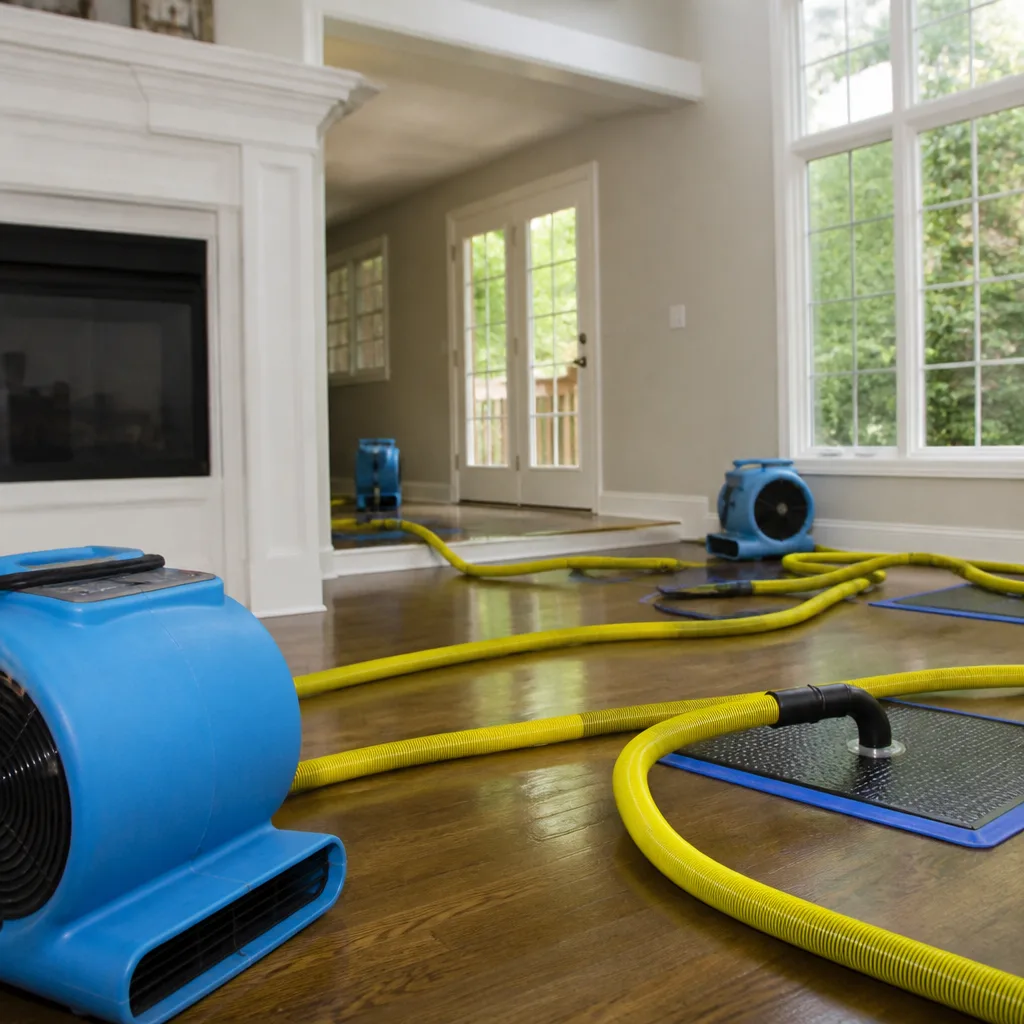



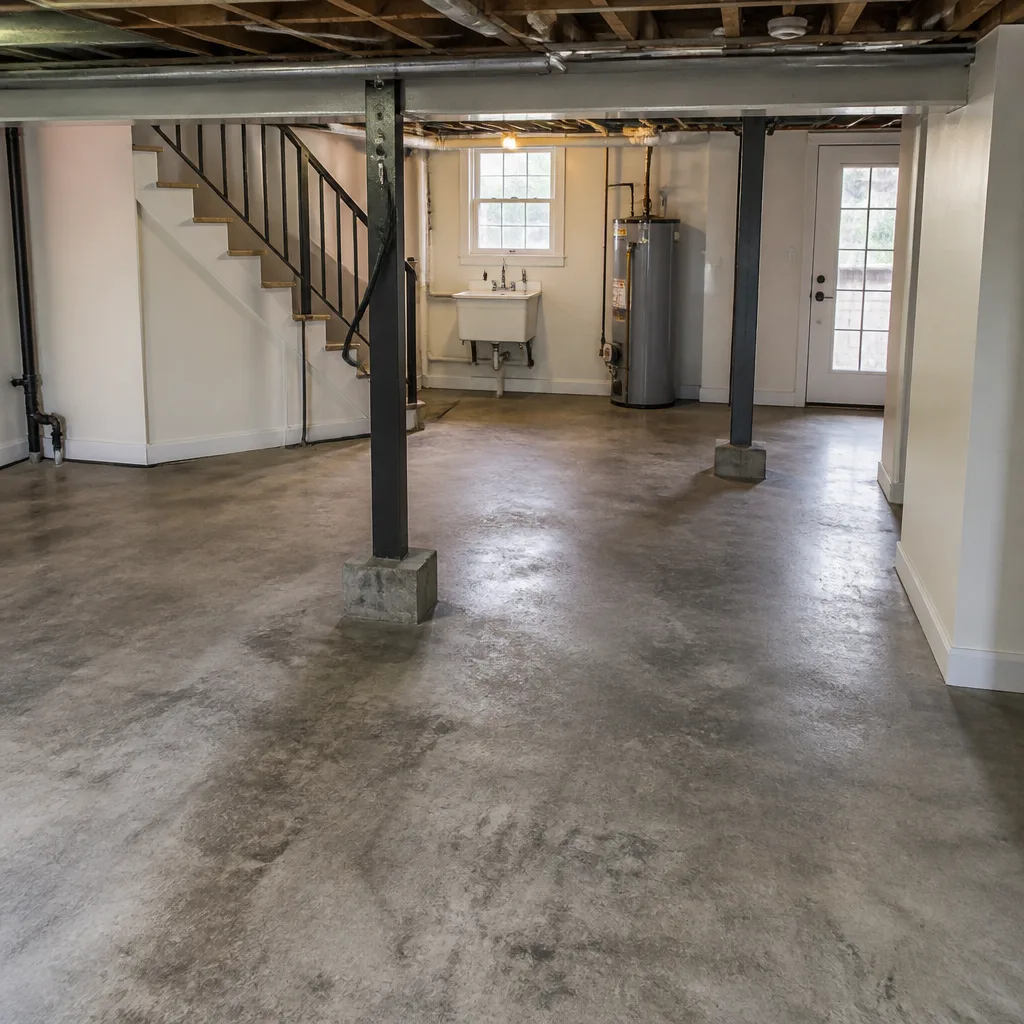

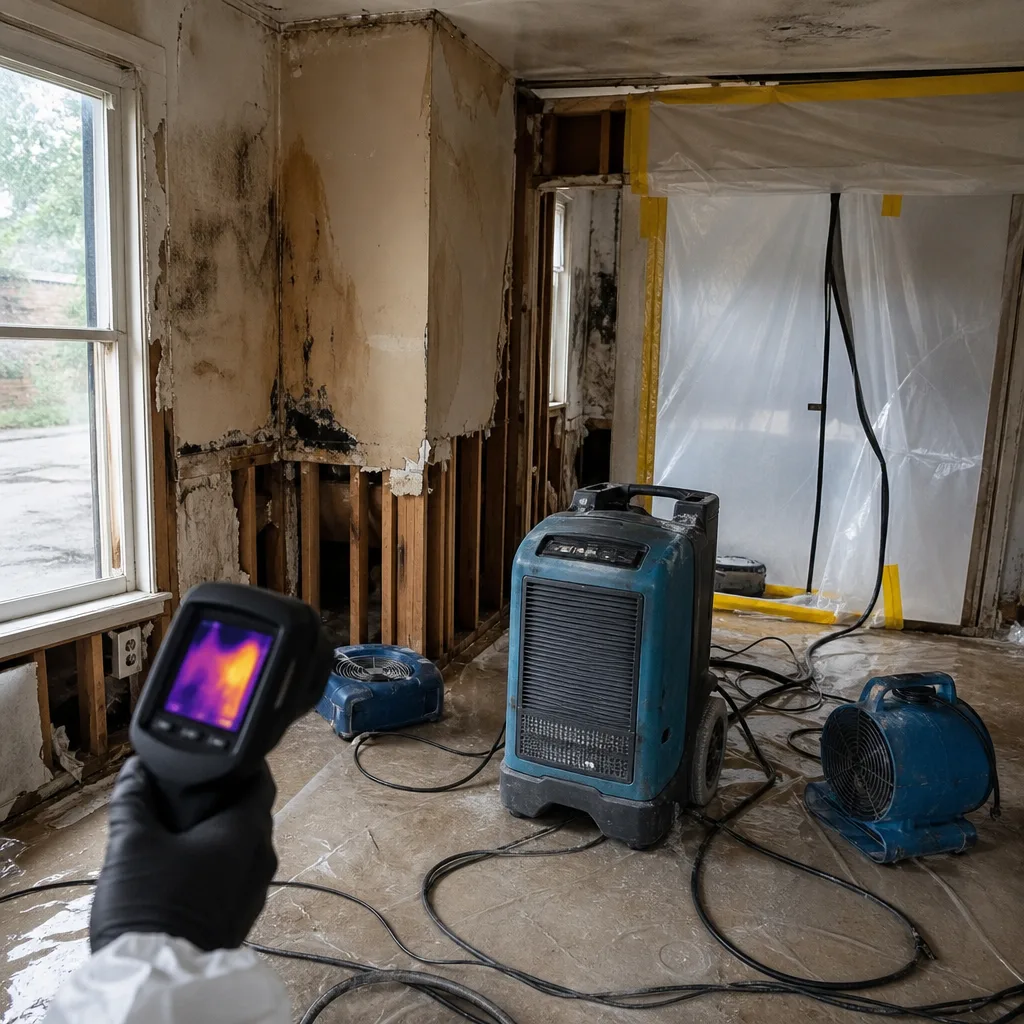 Before
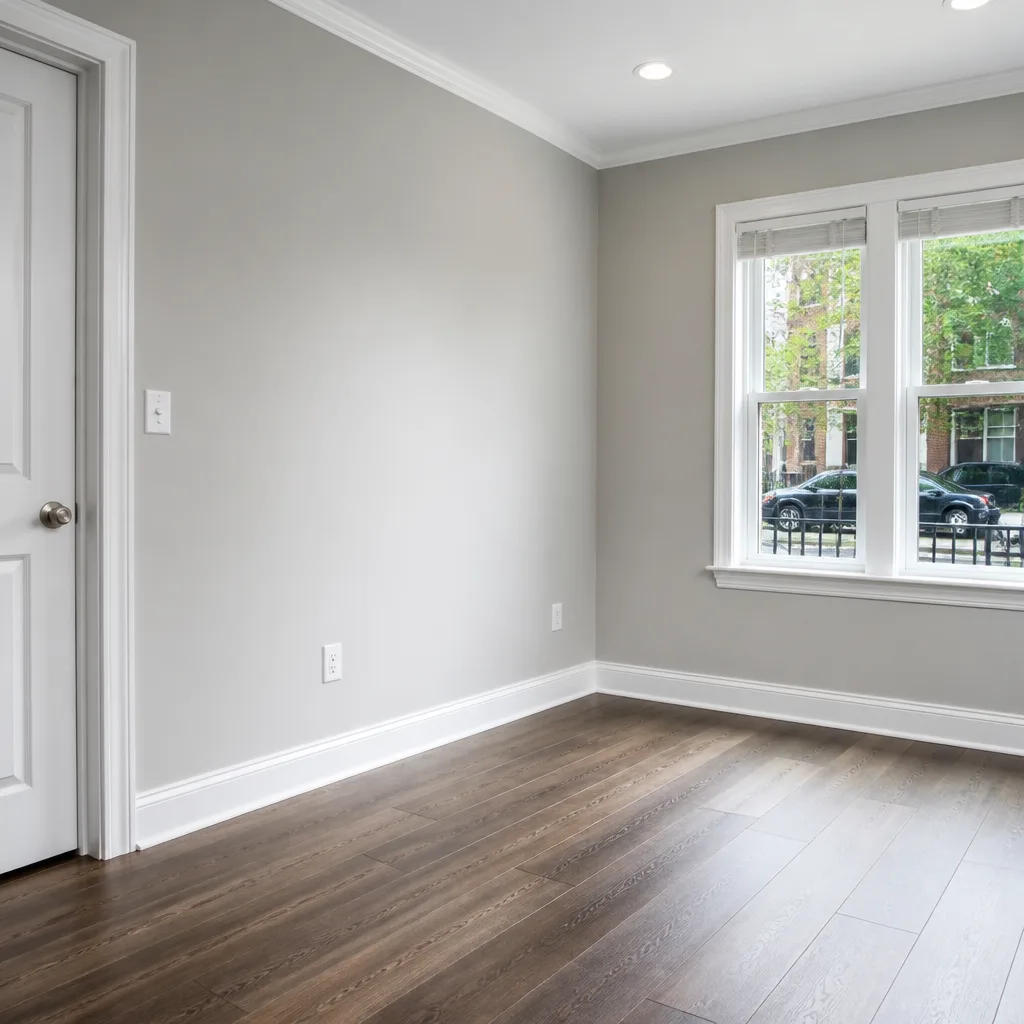 After
After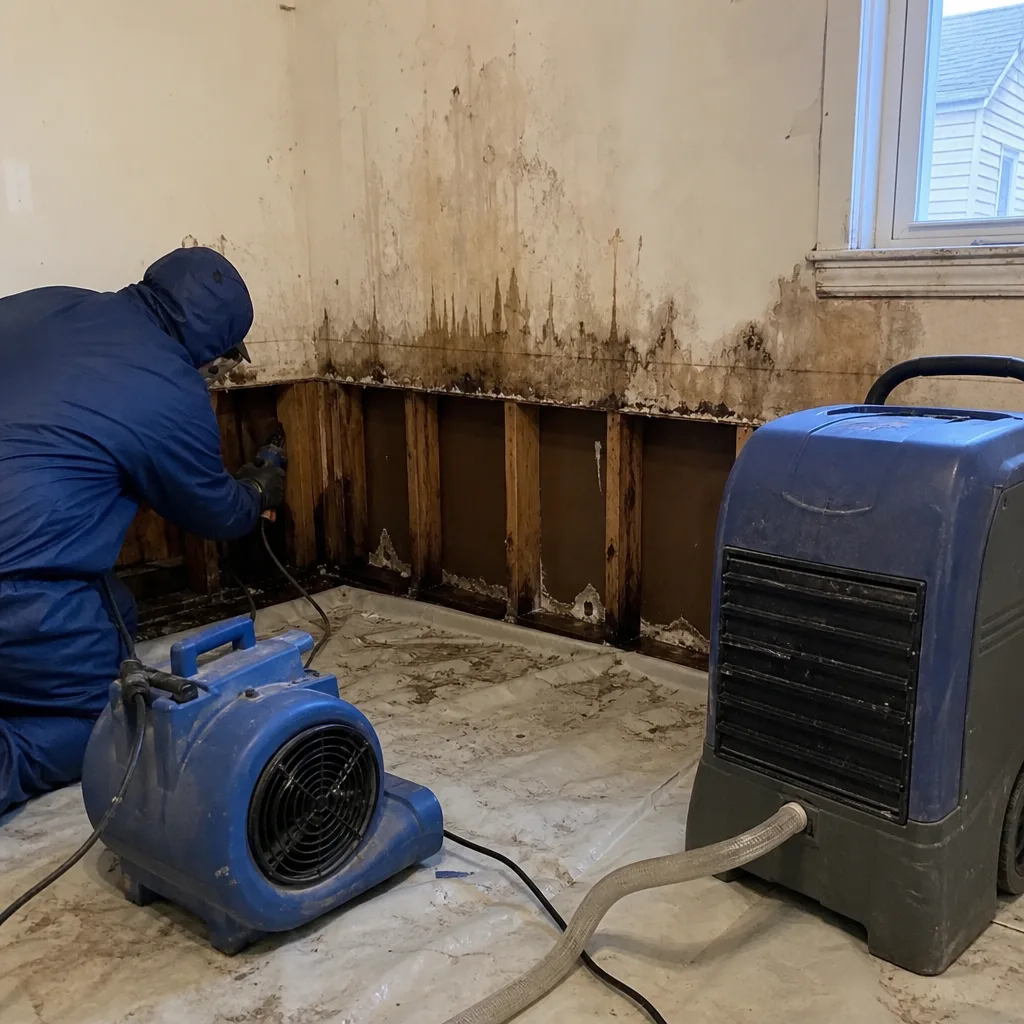 Before
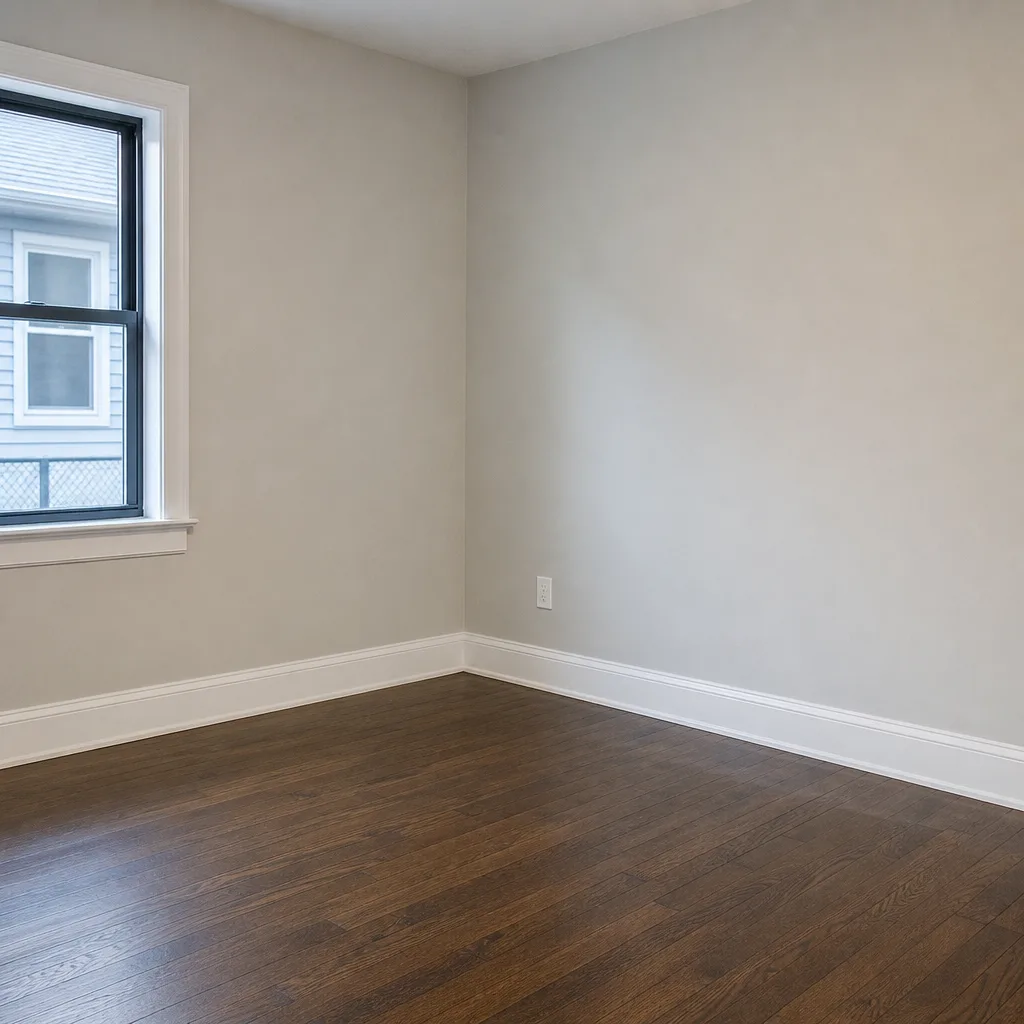 After
After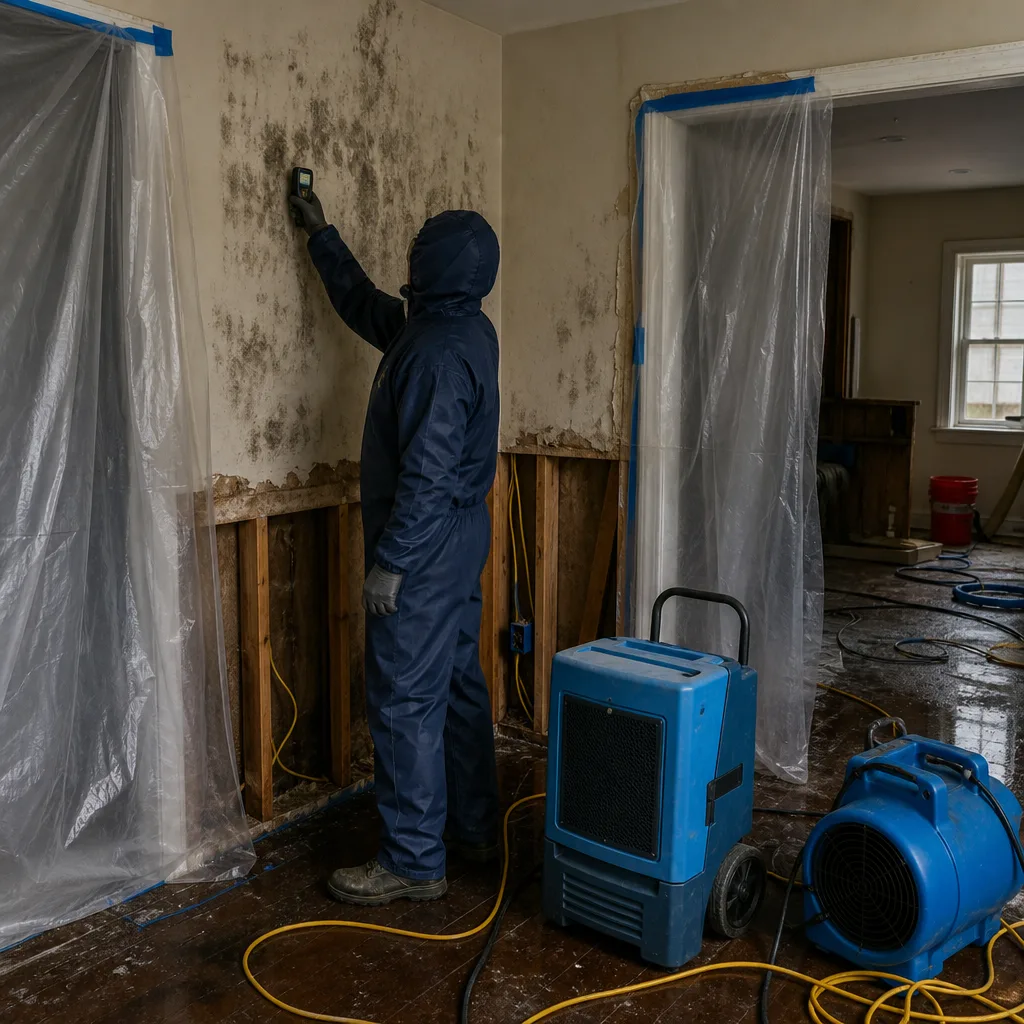 Before
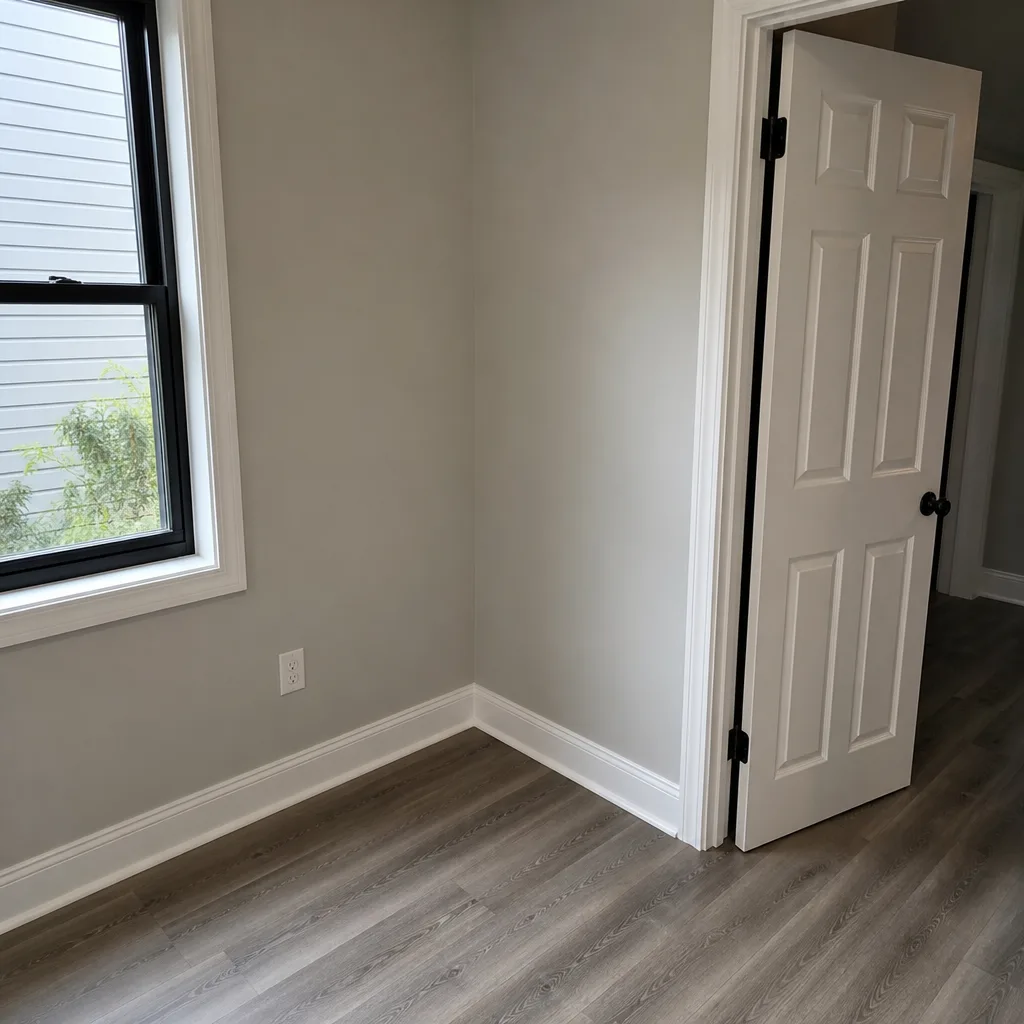 After
AfterWater Damage Restoration Maintenance Checklist for Jersey City Homeowners
Most Jersey City water damage claims that get denied aren’t denied because the water wasn’t real. They’re denied because the homeowner can’t prove the loss was sudden. A sump pump with no test date, a roof with no inspection record, a basement with no baseline moisture reading - these documentation gaps let insurers reclassify a burst pipe as “long-term neglect.” Since 2011, we’ve restored over 12,000 homes, and the pattern is consistent: the homeowners who get paid are the ones who treated maintenance as a record-keeping practice, not a chore. Our Water Damage Restoration services team built this guide to give you a checklist that produces evidence, not just peace of mind.
Quick Answer
A water damage restoration maintenance checklist for Jersey City homeowners should include monthly sump pump tests with dated photos, quarterly HVAC condensate line checks, biannual roof and gutter inspections with written condition notes, annual baseline moisture readings in every below-grade space, and a single home maintenance log that an adjuster can review in under three minutes - for Damage Restoration Cost Breakdown: The Jersey City Homeowner’s Reference for 2026 readers, these records also protect resale value. Without dated documentation, these tasks won’t support an insurance claim.
Table of Contents
- Why Insurers Deny Claims for “Maintenance Failures”
- Monthly Checklist: Sump Pumps, Drains, and Appliances
- Quarterly Checklist: HVAC, Exterior Seals, and Basements
- Biannual Checklist: Roofs, Gutters, and Foundation
- Annual Baseline Moisture Readings: Your Forensic Comparison Point
- Jersey City-Specific Risks: CSO Events, Brownstones, and Party Walls
- How to Build a Two-Page Home Maintenance Log
- The 48-Hour Rule: Maintenance vs. Restoration Actions
BeforeAfterWhy Insurers Deny Claims for “Maintenance Failures”
Insurance covers sudden and accidental water damage. It does not cover damage from maintenance neglect. The distinction sounds simple until you’re standing in three inches of basement water, trying to prove which category applies to your loss - a scenario we cover in depth in The Complete Guide to Damage Restoration in Jersey City.
Adjusters look for specific documentation patterns. A sump pump that failed during a storm is a sudden loss - if you can show it was tested and functional before the event. A roof leak after a rainstorm is sudden - if you have inspection records showing the roof was intact. Without that documentation, the same events become “gradual deterioration” or “failure to maintain,” both excluded perils in standard HO-3 and HO-5 policies.
We’ve reviewed thousands of claim files. The denied ones almost always share this feature: the homeowner did the maintenance but kept no record. The pump was tested, but there’s no date. The gutters were cleaned, but no photo. The basement seemed dry, but there’s no moisture reading to prove it.
The checklist below frames every task around producing a dated, locatable record. Not because we’re pessimistic about your home’s condition, but because we’ve seen what happens when a careful homeowner meets an adjuster who needs evidence, not assurances.
Monthly Checklist: Sump Pumps, Drains, and Appliances
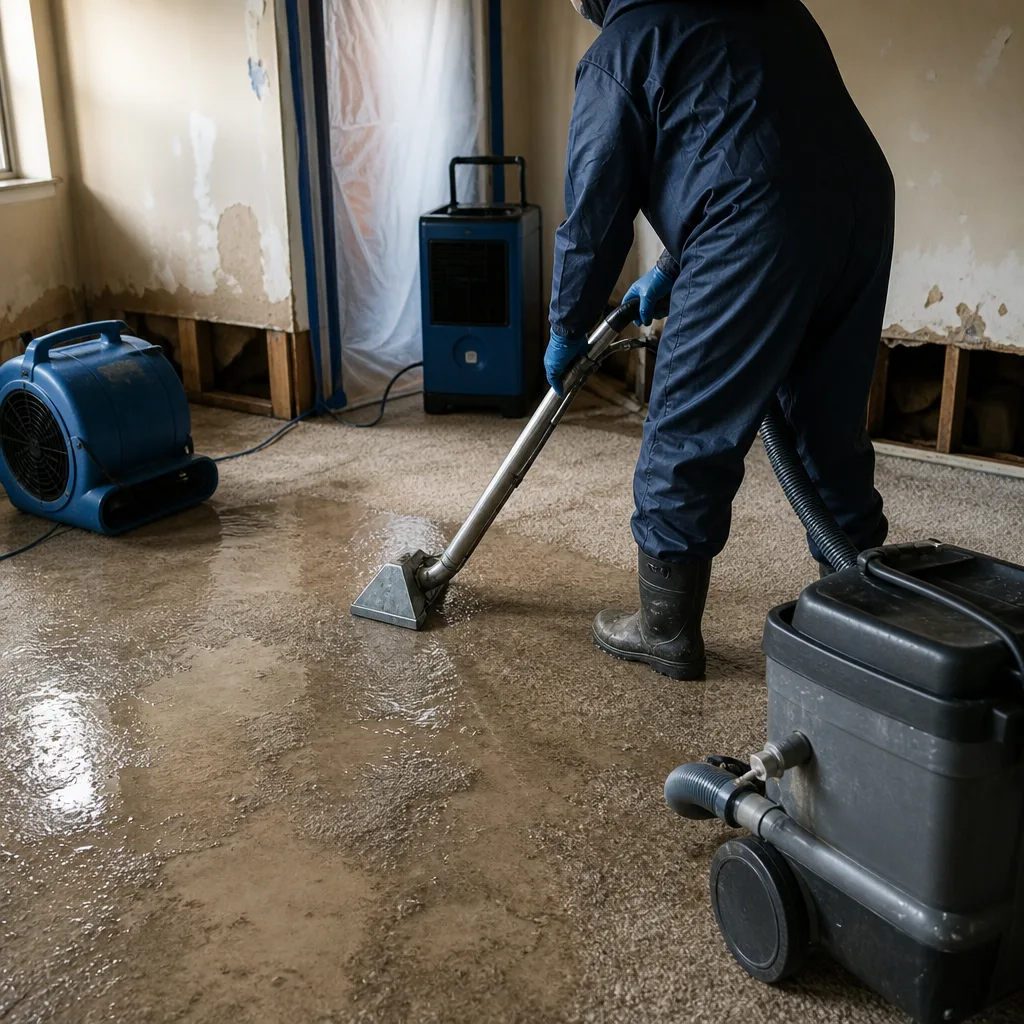
Monthly tasks are your first line of defense against the water events that move fastest: appliance failures, sump pump outages, and drain backups. Each task below includes the specific documentation to create.
Sump Pump Test
Pour five gallons of water into the sump pit until the float activates the pump. Verify the pump evacuates water completely and the check valve prevents backflow. Time the cycle: a healthy pump should clear the pit in under 30 seconds.
Document: Photo of the running pump with timestamp, cycle time in seconds, and any unusual noise or vibration noted. Store in your maintenance log with the date.
Washing Machine Supply Hoses
Inspect braided stainless steel or reinforced polymer hoses for bulging, cracking, or corrosion at the coupling points. If you still have rubber hoses, replace them immediately - they’re responsible for more indoor floods than any other single component.
Document: Photo of hose condition, date of installation or replacement, and brand/model. Note the pressure rating (typically 150 PSI for quality braided hoses).
Dishwasher and Refrigerator Water Lines
Check compression fittings and copper or PEX supply lines for moisture, mineral deposits, or corrosion. Run your hand along the line - slow leaks often reveal themselves as cold spots or slight dampness before visible water appears.
Document: Photo of connection points, any replacement parts noted, and date.
Floor Drains and Basement Drains
Pour a gallon of water into each drain to verify flow and maintain the water seal that blocks sewer gas. In Jersey City’s older neighborhoods, particularly downtown and the Heights, original cast iron drains can develop bellies or scale buildup that slows evacuation.
Document: Flow rate observation (fast, slow, standing water), any odor noted, and date.
Hot Water Heater Relief Valve
Lift the T&P valve lever briefly to verify it opens and reseats without dripping. This valve prevents tank rupture from pressure buildup. A failed valve is a documented maintenance item; a failed tank with a known-bad valve is a denied claim.
Document: Test result (opened/did not open, reseated/leaked), date, and tank age from the manufacturer label.
Key Takeaways for Monthly Tasks:
- Every test needs a timestamped photo or it didn’t happen, in adjuster terms
- Replace rubber appliance hoses with braided stainless steel - the cost is $15-$40, the failure cost is $3,000-$15,000 in water damage
- Jersey City’s combined sewer system means basement drains are your first warning of street-level backup pressure
Quarterly Checklist: HVAC, Exterior Seals, and Basements
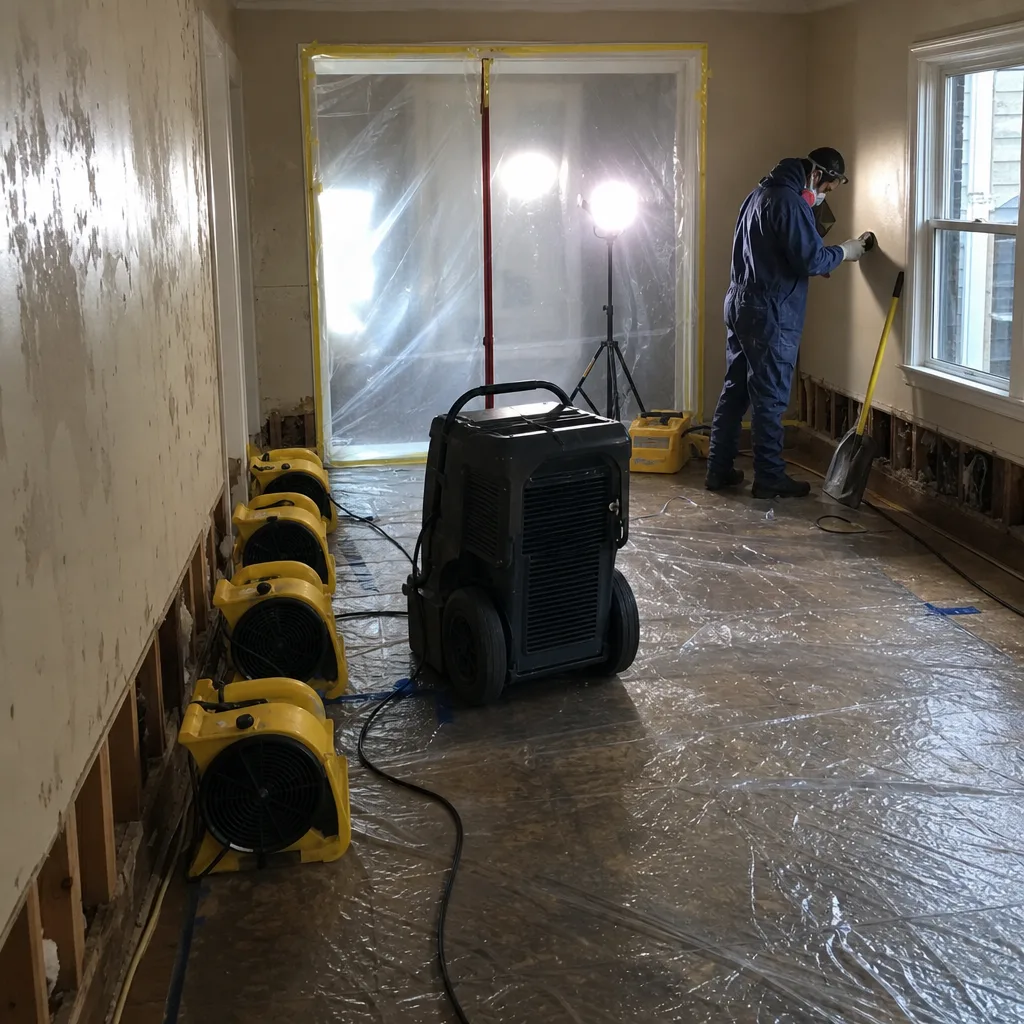
Quarterly tasks catch the slower-moving problems that monthly checks miss: condensate line blockages, seal degradation, and early moisture accumulation in hidden spaces.
HVAC Condensate Line and Drain Pan
Inspect the primary and secondary condensate drains for algae, slime, or blockage. In Jersey City’s humid summers, condensate production can exceed two gallons per day per ton of cooling capacity. A blocked line dumps that water into your ductwork or ceiling.
Pour a cup of white vinegar through the line to inhibit biological growth. Verify the drain pan is intact, not cracked, and that the float switch (if present) is unobstructed.
Document: Photo of clean drain outlet, float switch test result, and any biological growth noted. Record the HVAC system’s age and last professional service date.
Window and Door Seal Inspection
Check caulk and weatherstripping on all openings. In Jersey City’s coastal climate, salt air accelerates seal degradation, particularly on east and south-facing exposures. Look for gaps, hardening, or separation from the substrate.
Document: Photo of worst-condition seal, location noted, and repair date if addressed.
Exterior Hose Bibs and Irrigation
Test shutoff valves for positive closure. In freeze-prone periods, verify interior shutoff valves are closed and lines are drained. Jersey City’s frost line is approximately 36 inches, but shallow-buried lines and hose bibs on uninsulated walls remain vulnerable.
Document: Shutoff test result, any leaks noted, and winterization date.
Basement and Crawl Space Visual Inspection
With lights off, scan for daylight penetration through foundation cracks. With lights on, check for efflorescence (white mineral deposits), musty odor, or discoloration on concrete or block walls. These indicate moisture vapor transmission even without liquid water.
Document: Photo of any cracks or efflorescence with measuring tape for scale, odor presence/absence, and date.
Gutter Downspout Function
Verify downspouts discharge at least six feet from foundation walls and that splash blocks or extensions are in place. In Jersey City’s dense neighborhoods, downspouts often terminate too close to foundation walls or connect directly to overwhelmed municipal drains.
Document: Photo of discharge point, distance from foundation, and any pooling noted after rain.
Biannual Checklist: Roofs, Gutters, and Foundation
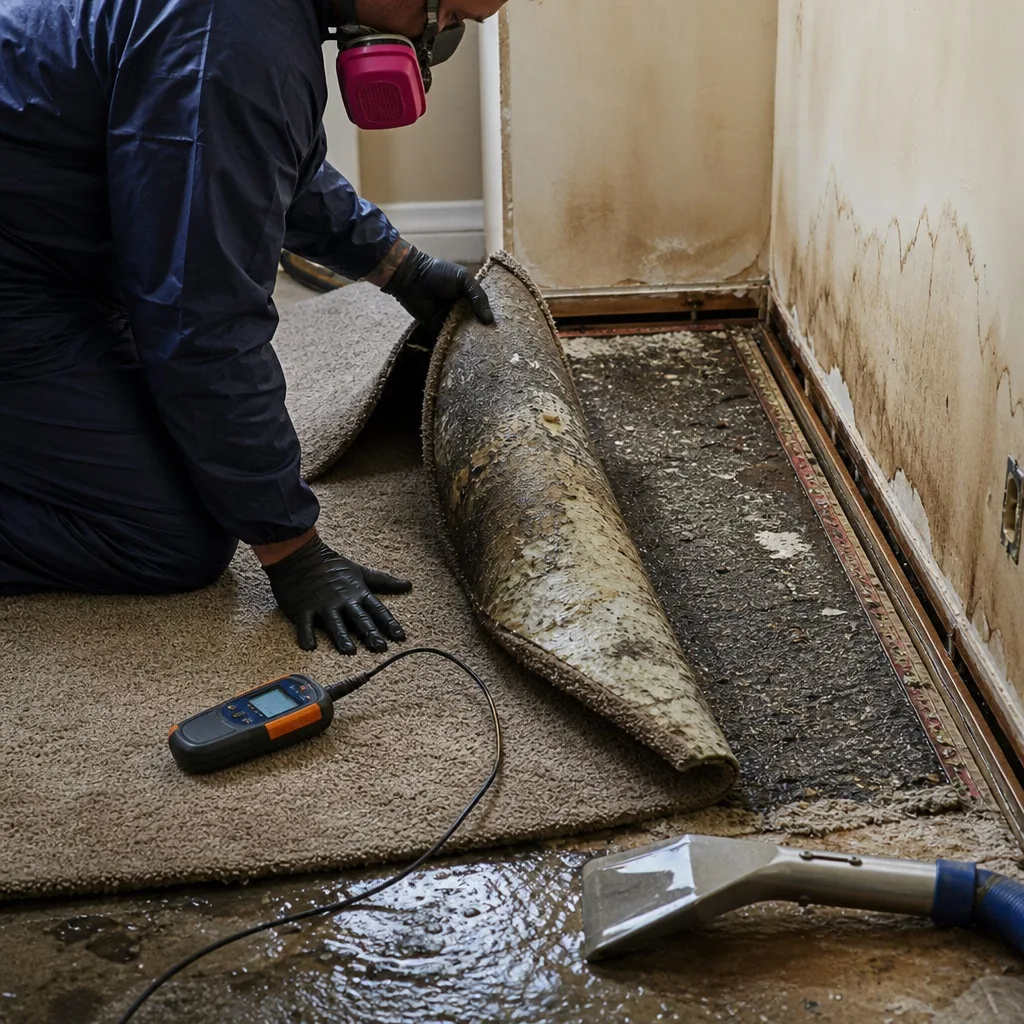
Biannual tasks - spring and fall - address the building envelope where most slow leaks originate. These inspections require ladder work or roof access; if you’re not comfortable, hire a professional and request their written report for your log.
Roof Surface and Flashing
Inspect shingles, membrane, or tar for cracking, lifting, or wear at penetration points (vents, chimneys, skylights). On flat-roof brownstones common in Jersey City’s historic districts, check for ponding water, blisters in built-up roofing, and deteriorated parapet coping.
Flashing at wall and chimney junctions is the most common leak source we document. Look for separated seams, missing sealant, or corrosion on metal flashings.
Document: Photo of roof condition from multiple angles, any repair recommendations from professional inspection, and date. Note the roof age and last replacement date.
Gutter and Downspout Cleaning
Remove debris and verify free flow. Check for sagging, separated joints, or damage from ice or ladders. In Jersey City’s tree-canopied neighborhoods like Van Vorst Park and Hamilton Park, gutter clogging accelerates dramatically in autumn.
Document: Photo of cleaned gutters, any repairs made, and date. Note if professional cleaning was hired and the contractor’s name.
Foundation Crack Mapping
Measure and photograph any foundation cracks. Mark crack ends with pencil and date - this reveals if movement is ongoing. Hairline cracks in poured concrete are common; step cracks in block walls, widening cracks, or cracks with displacement indicate structural movement that may compromise waterproofing.
Document: Crack dimensions (length, width at widest point), location sketch, photo with scale, and date. Re-measure at next biannual inspection.
Exterior Grade and Drainage
Verify soil slopes away from foundation at minimum 6 inches of drop over 10 feet. In Jersey City’s compact lots, neighboring hardscaping or altered grades often reverse drainage toward your foundation. Note any new construction, paving, or landscaping changes on adjacent properties.
Document: Grade observation, any drainage problems noted, and date.
Annual Baseline Moisture Readings: Your Forensic Comparison Point
This is the maintenance step almost no homeowner takes, and it’s the one that most often determines whether a water damage claim succeeds or fails - find more guides & resources on building a defensible maintenance record.
A baseline moisture reading documents what “dry” looks like in your specific home, on your specific materials, in normal conditions. Without it, every post-loss moisture reading is just a number. With it, you have proof of change.
What to Measure
Using a pinless moisture meter (available for $40-$150 from hardware retailers), take readings in every below-grade space: basement walls at multiple heights, slab floor in multiple locations, sill plates, and any finished materials in contact with concrete or masonry. Also measure main-level readings at exterior walls and around plumbing fixtures as reference points.
Record: location, material type, reading in percentage moisture content (wood scale for framing, reference scale for masonry), date, temperature, and relative humidity.
Why This Matters for Claims
When we arrive at a water loss, our first documentation is moisture mapping - a room-by-room record of affected materials. If you have a baseline reading from six months prior showing your basement slab at 8% and our post-loss reading shows 28%, that’s objective evidence of sudden water intrusion. If you have no baseline, the insurer can argue your basement “always ran damp,” and the burden shifts to you to disprove it.
We’ve seen this single document change claim outcomes. A homeowner in the Heights produced a three-year baseline log showing consistent 6-9% readings; when a water main break flooded her basement to 34%, the insurer paid the full mitigation and rebuild without dispute. Her neighbor, same building, same loss, no baseline - his claim was delayed six weeks while engineers debated whether the moisture was pre-existing.
Document: A simple spreadsheet or table with date, location, material, reading, temperature, humidity, and any observations. Store digitally and in printed form.
| Location | Material | Reading (%) | Temp (°F) | RH (%) | Date |
|---|---|---|---|---|---|
| Basement N wall, 12″ up | Concrete block | 11 | 68 | 52 | 10/15/2024 |
| Basement slab, center | Concrete | 8 | 67 | 52 | 10/15/2024 |
| Basement sill plate, E end | Spruce framing | 9 | 68 | 52 | 10/15/2024 |
Update annually, ideally in the same season each year. Spring or fall avoids the extreme humidity variations of Jersey City’s July and January.
Jersey City-Specific Risks: CSO Events, Brownstones, and Party Walls
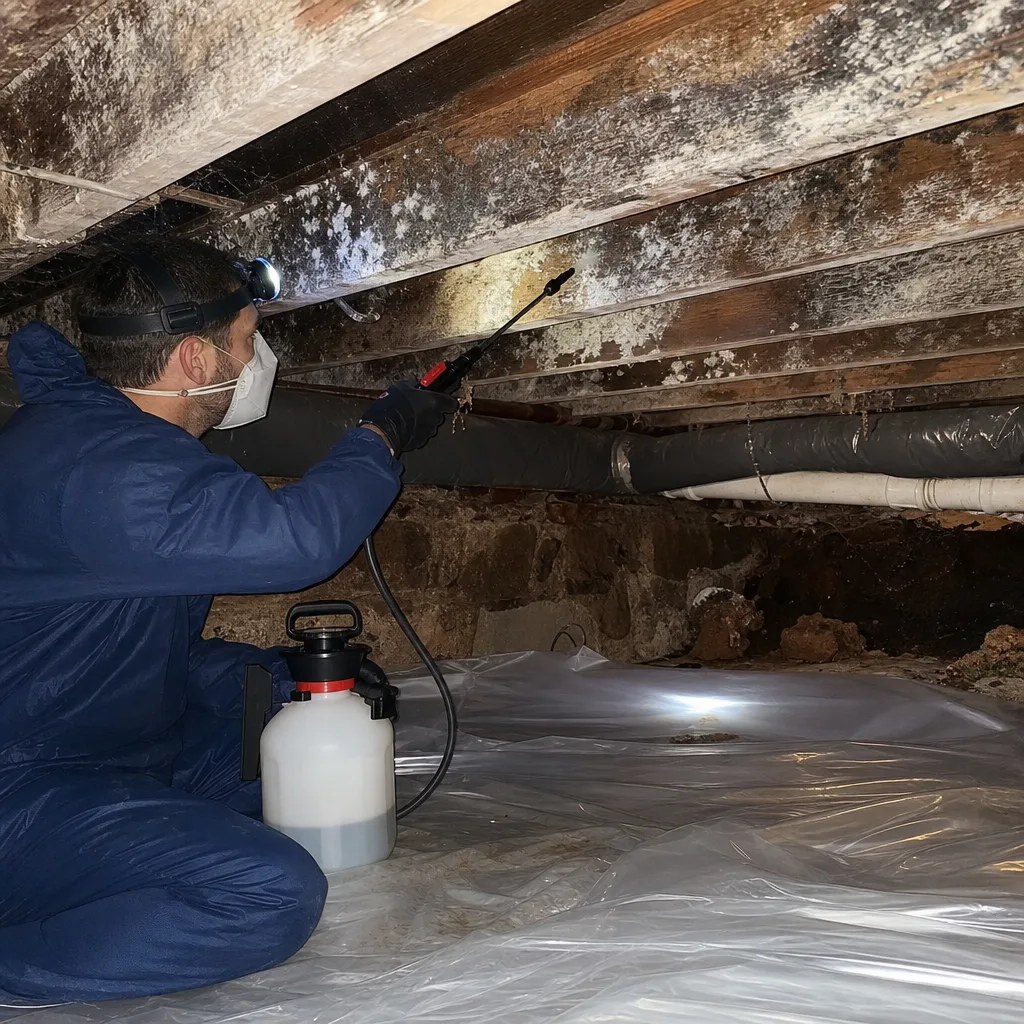
Jersey City’s geography, infrastructure, and housing stock create water damage risks that standard national checklists miss. These items belong in your maintenance practice specifically because of where you live.
Combined Sewer Overflow (CSO) Events
Jersey City’s older neighborhoods operate on combined sewer systems that handle both stormwater and sanitary waste. During intense rainfall - increasingly common with regional climate patterns - the system can be overwhelmed, causing street flooding and basement backups through floor drains and lowest fixtures.
Maintenance response: Install a backwater valve on your main sewer line if not present (required in new construction, often absent in pre-1980 buildings). Test quarterly by simulating backup pressure per manufacturer instructions. Maintain a plug or standpipe for floor drains as emergency backup. Know your CSO outfall zone - Jersey City publishes this data, and properties near outfalls face higher risk.
Document: Backwater valve installation date, test results, manufacturer, and any CSO event observations (date, depth, duration).
Flat-Roof Brownstone Drains
Historic brownstones with flat or low-slope roofs depend on interior drains and scuppers rather than gutters. These clog with debris, freeze, or corrode. A blocked drain on a flat roof doesn’t overflow gracefully - it pools until the structure fails or water finds an interior path.
Maintenance response: Inspect roof drains before and after leaf season. Verify strainers are intact. Check that scupper openings are clear and flashings are sealed. In winter, monitor for ice damming at parapet walls.
Document: Drain condition photos, cleaning dates, and any professional roofing inspection reports.
Shared Party Walls
Attached row houses and brownstones share structural walls with variable maintenance histories. Your neighbor’s deferred gutter repair becomes your moisture problem when water migrates through the party wall. We’ve documented losses where the source of water was three properties away, traveling through masonry party walls and emerging as damage in our client’s home.
Maintenance response: Document your side of party walls during interior inspections. Note any moisture signs, and if visible, photograph the neighbor’s exterior condition from your property or the street. If you observe active damage on an adjacent property, notify the owner in writing - this creates a record that you’ve exercised reasonable care.
Document: Party wall condition photos, any neighbor notifications with dates, and observations from adjacent property exteriors.
Street-Level Retail and Mixed-Use Properties
Many Jersey City homeowners live above ground-floor commercial spaces. The commercial tenant’s grease trap, sprinkler system, or HVAC equipment may be your ceiling. Maintenance leases in mixed-use buildings are often ambiguous about who maintains what.
Maintenance response: Obtain and review your building’s maintenance agreement. Document any visible commercial equipment above your space. Note any prior leaks or repairs with dates and responsible parties.
Document: Maintenance agreement excerpt, equipment inventory with photos, and repair history.
How to Build a Two-Page Home Maintenance Log
The goal is a document an adjuster can read in three minutes and use to establish pre-loss condition. Not a binder. Not a shoebox of receipts. Two pages, structured, complete.
Page One: Property and Systems Inventory
- Property identification: Address, construction year, square footage, foundation type (slab, basement, crawl space), and number of stories.
- Roof: Type, age, last professional inspection date, contractor name, and next scheduled inspection.
- Plumbing: Pipe material (copper, PEX, galvanized), approximate age, water heater age and T&P valve date, sump pump age and model, backwater valve presence and date.
- HVAC: System type, age, last service date, condensate line material and last cleaning date.
- Insurance: Carrier, policy number, agent contact, deductible amount, and date of last policy review.
Page Two: Maintenance Record Summary
- Annual baseline moisture readings: Date, locations, readings, and reference to full spreadsheet location.
- Last 12 months of maintenance tasks: Date, task, result, and whether documented with photo (Y/N).
- Professional inspections: Date, type (roof, plumbing, HVAC, foundation), contractor, and key findings.
- Notable conditions or repairs: Any active concerns, scheduled work, or neighbor notifications.
- Storage location of full documentation: Where photos, receipts, and detailed records are kept (cloud service, physical location, shared with whom).
Update Page Two quarterly. Print and store the current version with your insurance documents. Email a copy to yourself or a trusted contact.
This log transforms maintenance from a private habit into a transferable record. When water enters your home, you hand this to your restoration contractor, who adds it to the documentation package that accompanies your claim. The adjuster sees a homeowner who maintained the property systematically, not reactively.
The 48-Hour Rule: Maintenance vs. Restoration Actions
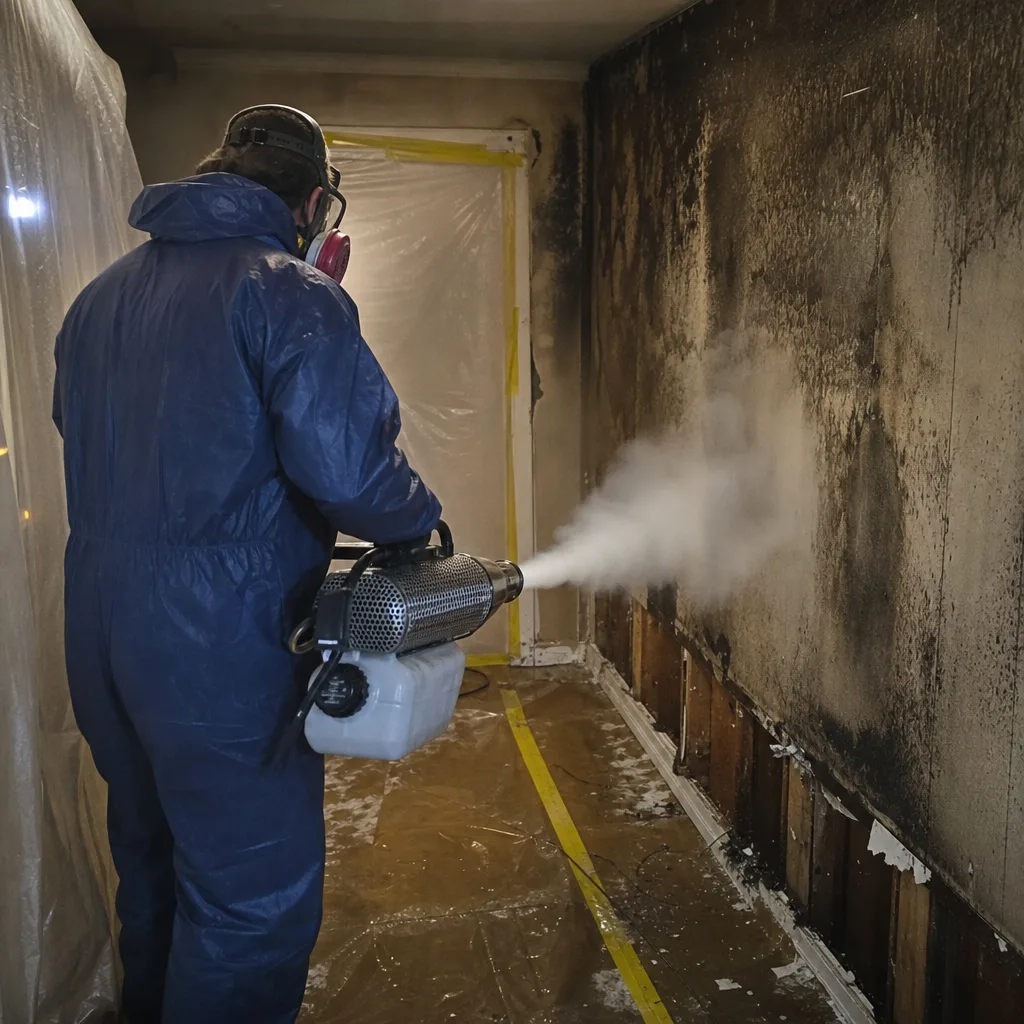
The first 48 hours after water intrusion are critical for two reasons: moisture migration accelerates exponentially, and your actions during this window determine whether your insurer classifies the response as reasonable maintenance or requires professional restoration.
Hour 0-8: Emergency Actions (Maintenance)
These are actions any reasonable homeowner takes to limit damage. They don’t require professional certification and won’t complicate your claim:
- Stop the water source if safely possible (shutoff valve, breaker for electrical equipment)
- Remove standing water with available means (wet/dry vacuum, mopping, towels)
- Move unaffected valuables and furniture from the wet area
- Document with photos before moving anything - the pre-mitigation condition matters for claims
- Increase ventilation if outdoor humidity permits (fans, open windows)
Hour 8-48: Transition Zone
This is where most homeowners make expensive mistakes. Continuing DIY extraction beyond superficial water, cutting into walls, or applying heat without understanding moisture content can:
- Spread contamination if Category 2 or 3 water is present (gray water from appliances, black water from sewage or flooding)
- Drive moisture deeper into structural cavities, making professional drying more extensive and costly
- Create conditions for mold growth that your insurer may classify as secondary damage from delayed professional response
- Void warranties or coverage by altering the loss scene before adjuster inspection
The Decision Point
If water has affected drywall, insulation, flooring substrates, or originated from an unclear source, professional assessment is warranted. The cost of evaluation is minor compared to the cost of undetected moisture. Our Water Damage Restoration in Jersey City includes documented moisture mapping that establishes the full scope for your insurer.
Document everything you do in the first 48 hours: times, actions, photos, and why you stopped. This record protects you from accusations of neglect and demonstrates reasonable homeowner response.
Common Mistakes to Avoid
- Testing the sump pump without documenting the test. A functional pump with no record is, in claim terms, an unverified pump. The photo with timestamp is the proof.
- Assuming new construction doesn’t need maintenance. Jersey City’s recent high-density builds have complex plumbing manifolds and packaged HVAC systems that fail faster than older, simpler systems if not maintained. We’ve documented major losses in buildings under five years old.
- Ignoring musty odors as “just basement smell.” Musty odor indicates active microbial growth at some concentration. Document it, investigate it, and if it persists, test for it. Early mold intervention is maintenance; delayed response becomes remediation.
- Letting the landscaper handle drainage without understanding the implications. Regrading that directs water toward your foundation, or hardscaping that eliminates permeable surface, can void coverage for resulting damage if not disclosed to your insurer.
- Throwing away failed components before the adjuster sees them. The failed sump pump, the burst hose, the damaged section of roof - these are evidence. Photograph them in place, then retain them if possible until the claim is resolved.
- Failing to notify your insurer promptly. Most policies require “prompt” or “as soon as practicable” notice. In Jersey City’s competitive insurance market, delayed reporting is increasingly cited as a basis for reservation of rights or denial.
- Accepting a verbal scope from any contractor. Haven Standard, Clause 1 exists because verbal scopes lead to disputes. Every restoration contractor should provide a written price before work begins. If they won’t, that’s information about their business practices.
When to Call a Professional
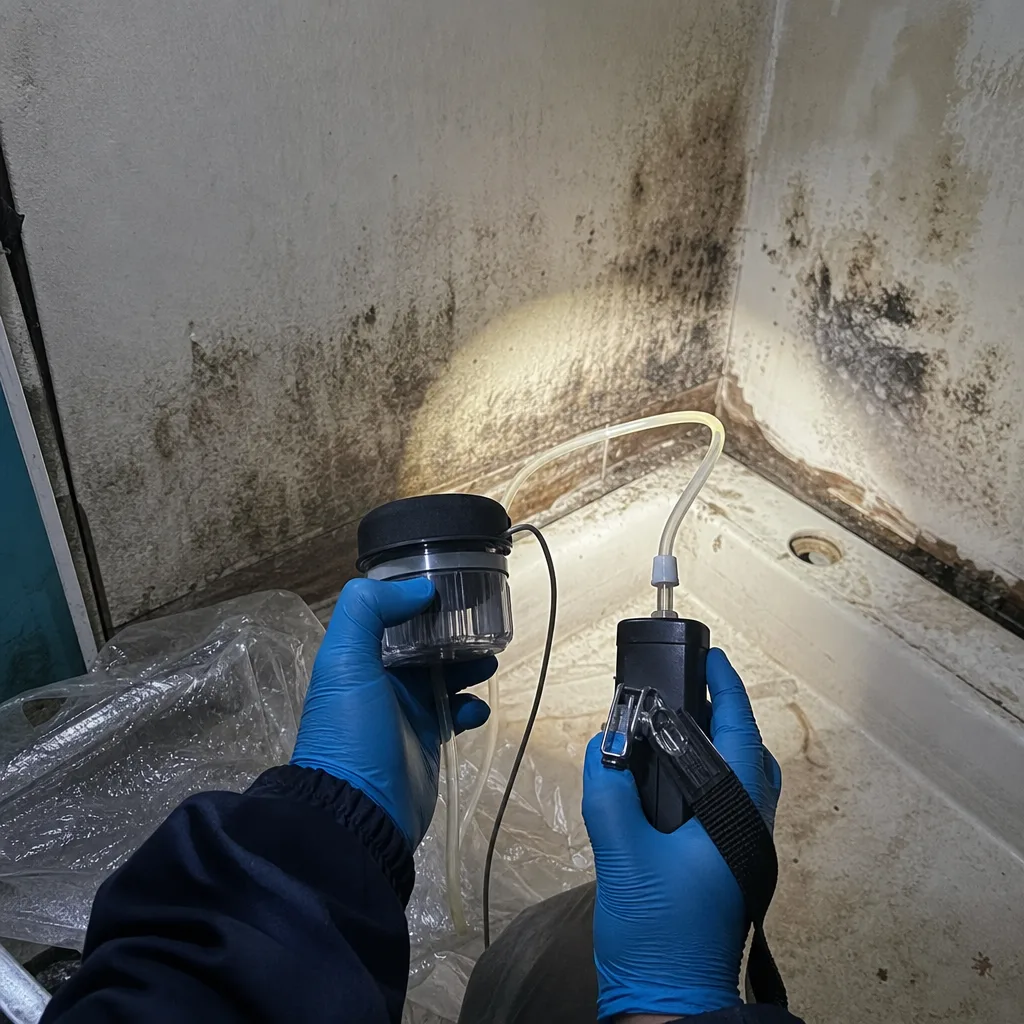
Call for professional assessment when water has affected materials you can’t see through, when the source is unknown, when Category 2 or 3 water is suspected, when electrical systems are involved, or when mold odor or visible growth is present. In Jersey City’s older housing stock, what appears to be a simple leak often reveals multiple contributing factors - outdated plumbing, compromised waterproofing, or structural movement - that require documented evaluation.
DryMark Restoration Jersey City offers free estimates in Jersey City. Our assessments include moisture mapping, photo documentation, and a written scope with pricing before any work begins, per Haven Standard, Clause 1. Call (862) 298-5256 to schedule.
Frequently Asked Questions
Water damage restoration in Jersey City typically ranges from $3,500 for limited Category 1 cleanup with minimal material removal to $15,000+ for Category 3 losses with extensive drywall, flooring, and substrate replacement. The specific cost depends on water category, affected square footage, material types, and whether structural drying or reconstruction is required. DryMark Restoration Jersey City provides a written price before any work starts - call (862) 298-5256 for an exact quote; estimates are free.
Insurance may cover sump pump failure if you can demonstrate the pump was maintained and the failure was sudden, not gradual deterioration. Coverage varies by policy - some require specific sump pump rider coverage, while standard HO-3 policies may exclude sump overflow entirely. Your maintenance log with dated test records is the primary evidence that distinguishes sudden failure from neglect. Review your policy’s water damage endorsements and maintain documentation accordingly.
Response time depends on the event scope and current demand. For active water intrusion affecting living spaces, same-day response is standard for professional restoration companies with local capacity. DryMark Restoration Jersey City maintains live phone coverage 24 hours a day, 7 days a week with no voicemail on emergency lines. The critical factor is not just arrival time but what the crew brings: moisture detection equipment, extraction capability, and documentation practices that begin building your claim file from the first contact.
Surface water you can see is rarely the full problem. Water migrates through capillary action into wall cavities, under flooring, and into insulation - areas where DIY extraction cannot reach. Professional restoration includes moisture mapping to identify hidden saturation, psychrometric calculations to determine drying requirements, and documented proof that materials have returned to pre-loss moisture content. Without this documentation, insurers may dispute the scope of necessary repairs or deny subsequent mold claims.
You remain the policyholder and primary contact, but a documentation-focused restoration company coordinates directly with your adjuster as your authorized representative. This includes submitting moisture logs, photo records, drying logs, and written scopes that meet IICRC, RIA, and IFA standards. The quality of this documentation often determines claim resolution speed. At DryMark Restoration Jersey City, we produce daily drying logs and photo-documented assessments as standard deliverables, not upsells.
Water damage restoration addresses the water source, extracts moisture, and dries affected materials to prevent secondary damage. Mold remediation addresses fungal growth that has already occurred, requiring containment, air filtration, removal of contaminated materials, and clearance testing. The two services overlap when water damage has been present for more than 24-48 hours, the typical window for mold colonization. If you suspect mold, our Mold Remediation in Jersey City provides assessment and documented remediation protocols.
Jersey City’s combined sewer system handles both sanitary waste and stormwater in the same pipes. During heavy rainfall, system capacity can be exceeded, causing street flooding and basement backups through floor drains and lowest fixtures. This is a Category 3 water source (sewage-contaminated) requiring professional remediation. Maintenance steps include backwater valve installation, drain plug availability, and awareness of CSO event frequency in your specific neighborhood. Document any backup events with photos, depth measurements, and duration - this supports both insurance claims and municipal reporting.
The Bottom Line
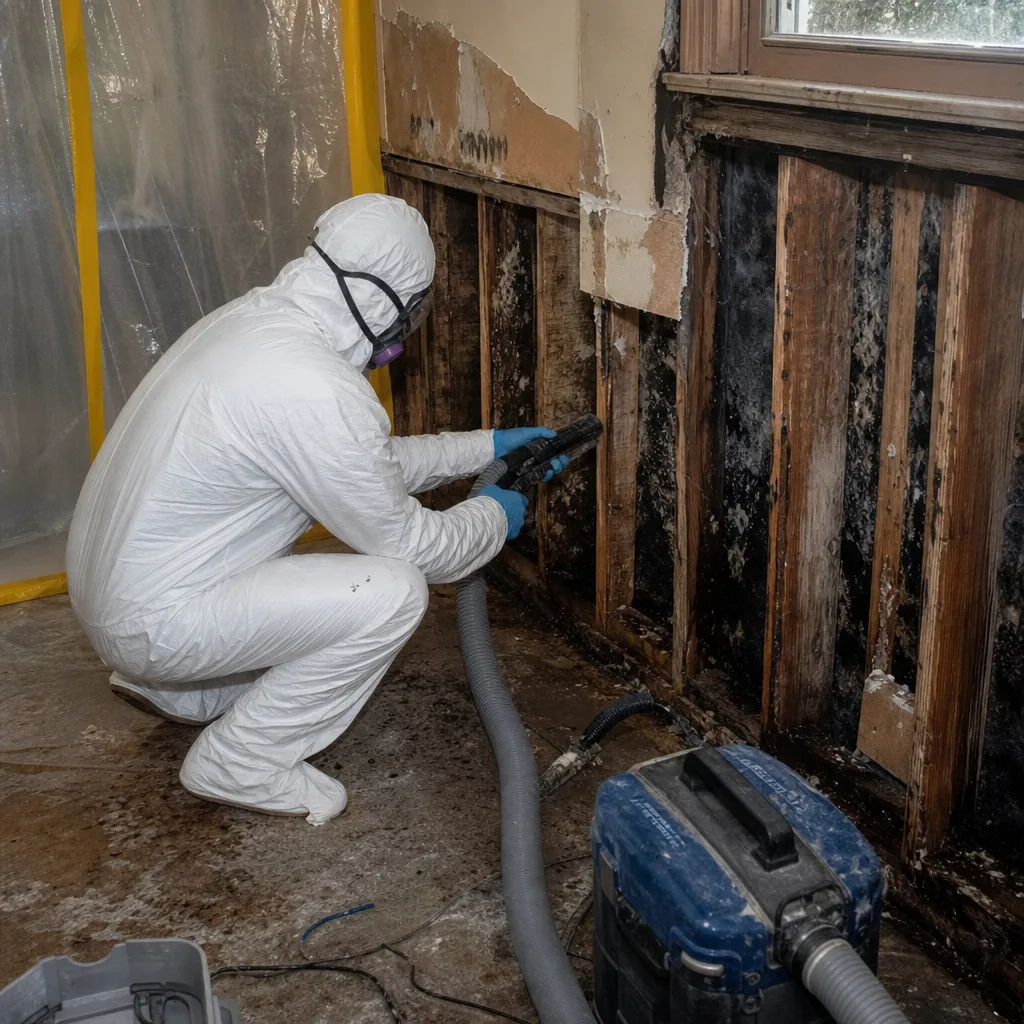
Water damage prevention in Jersey City is not a list of tasks to complete and forget. It’s a documentation practice that produces evidence of your home’s condition before loss occurs. The homeowners who fare best in claims are those who can hand an adjuster a dated record: this pump was tested, this roof was inspected, this basement was dry. The checklist above gives you the tasks; the logging practice gives you the protection. Start with the annual baseline moisture reading - it’s the single most powerful document you can create. Maintain the two-page log quarterly. And when water does enter your home, you’ll have more than hope. You’ll have proof.
Written by Alicia Brennan, Owner at DryMark Restoration Jersey City, serving Jersey City since 2011.