Free visual inspection and a written scope of work before any mitigation begins - photos, moisture readings, and drying logs go in your claim file
The scope we write is the scope we bill. Anything new gets shown to you, in writing, before we touch it.
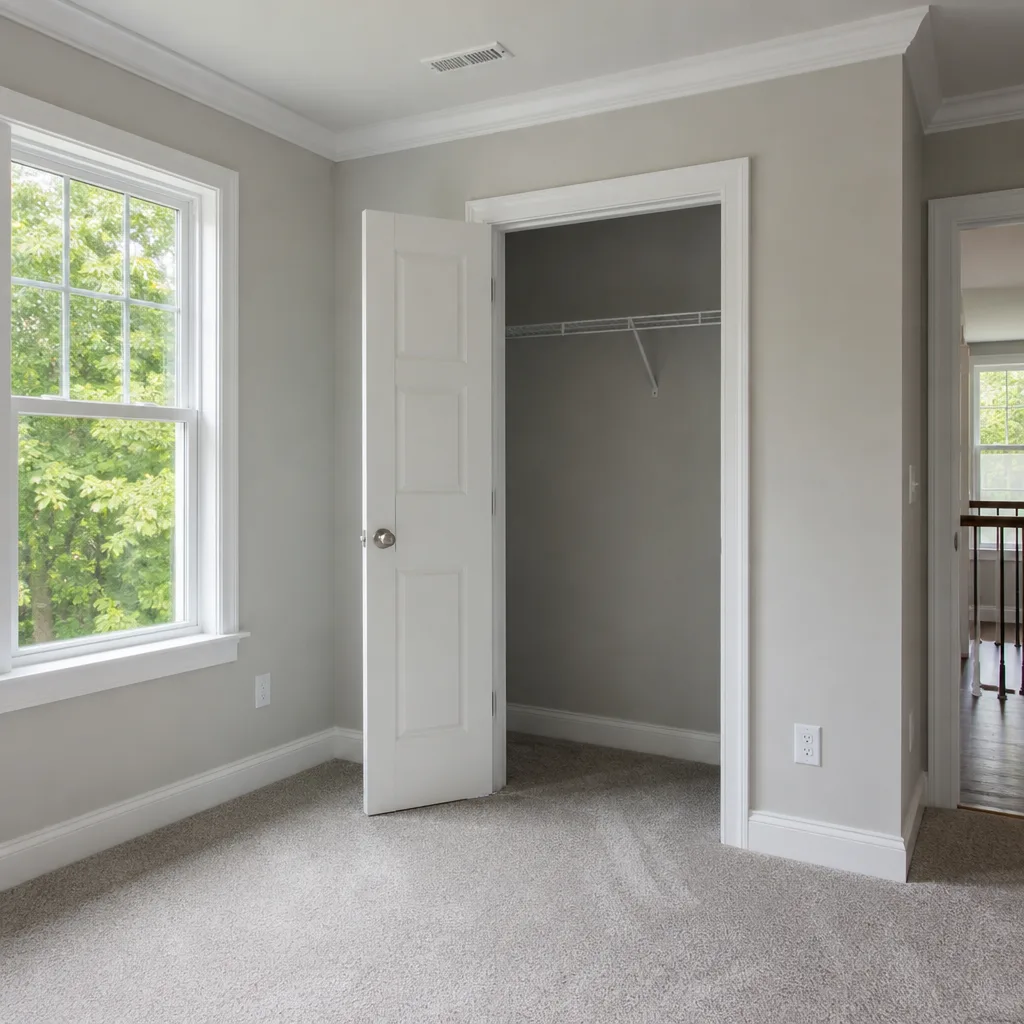
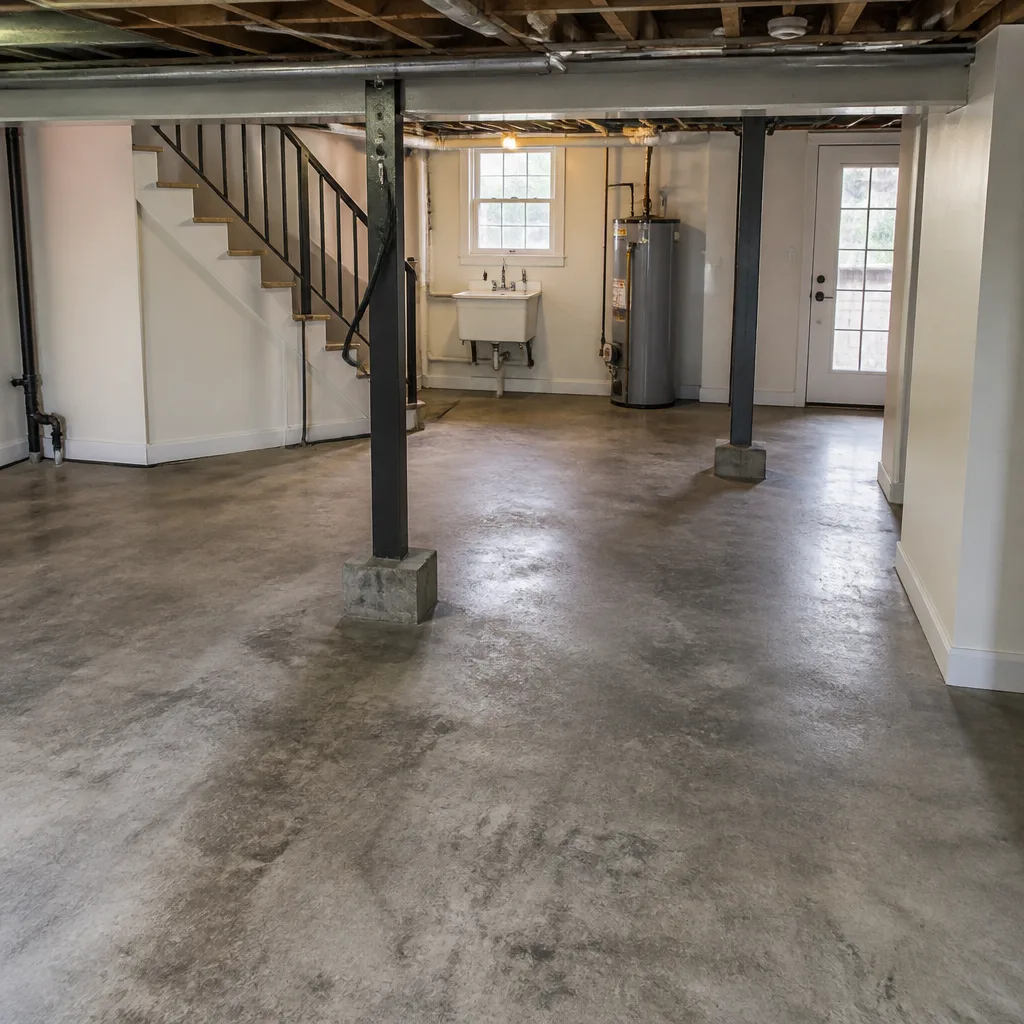
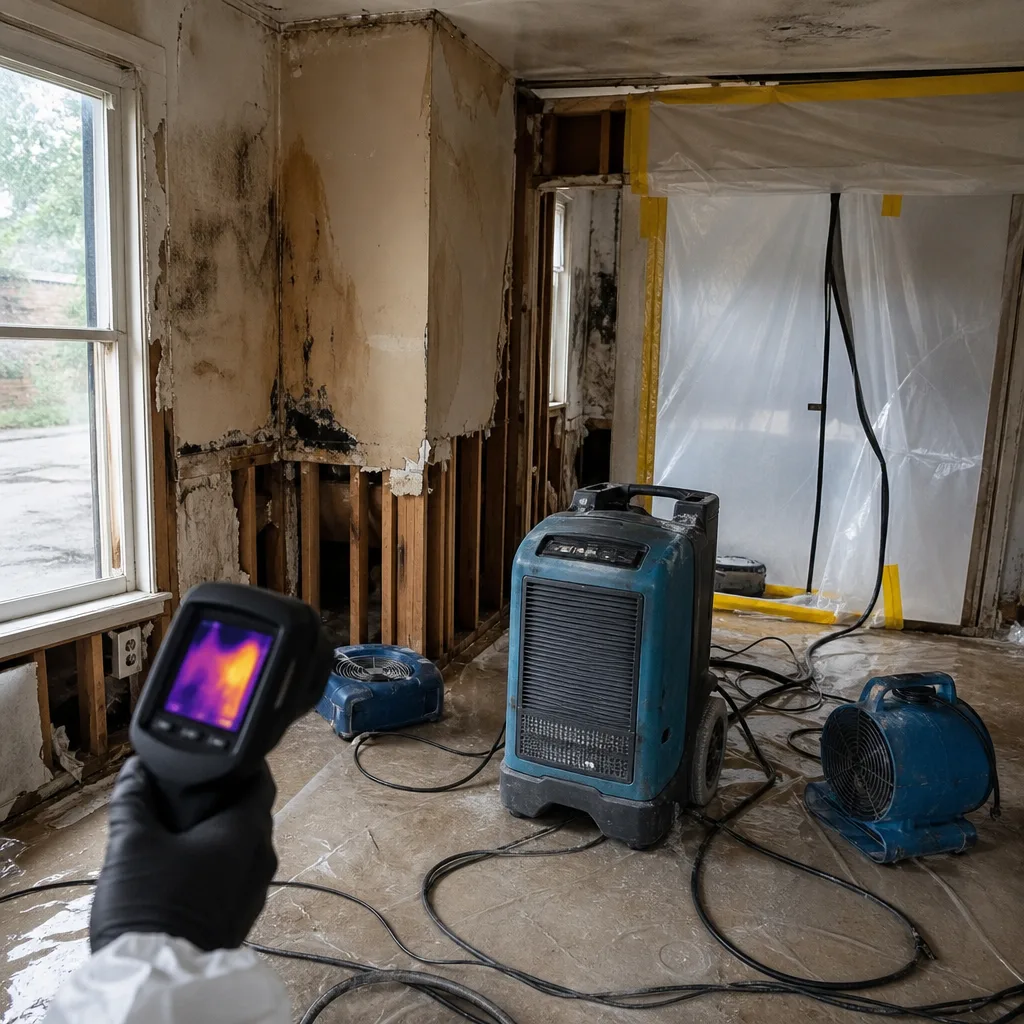 Before
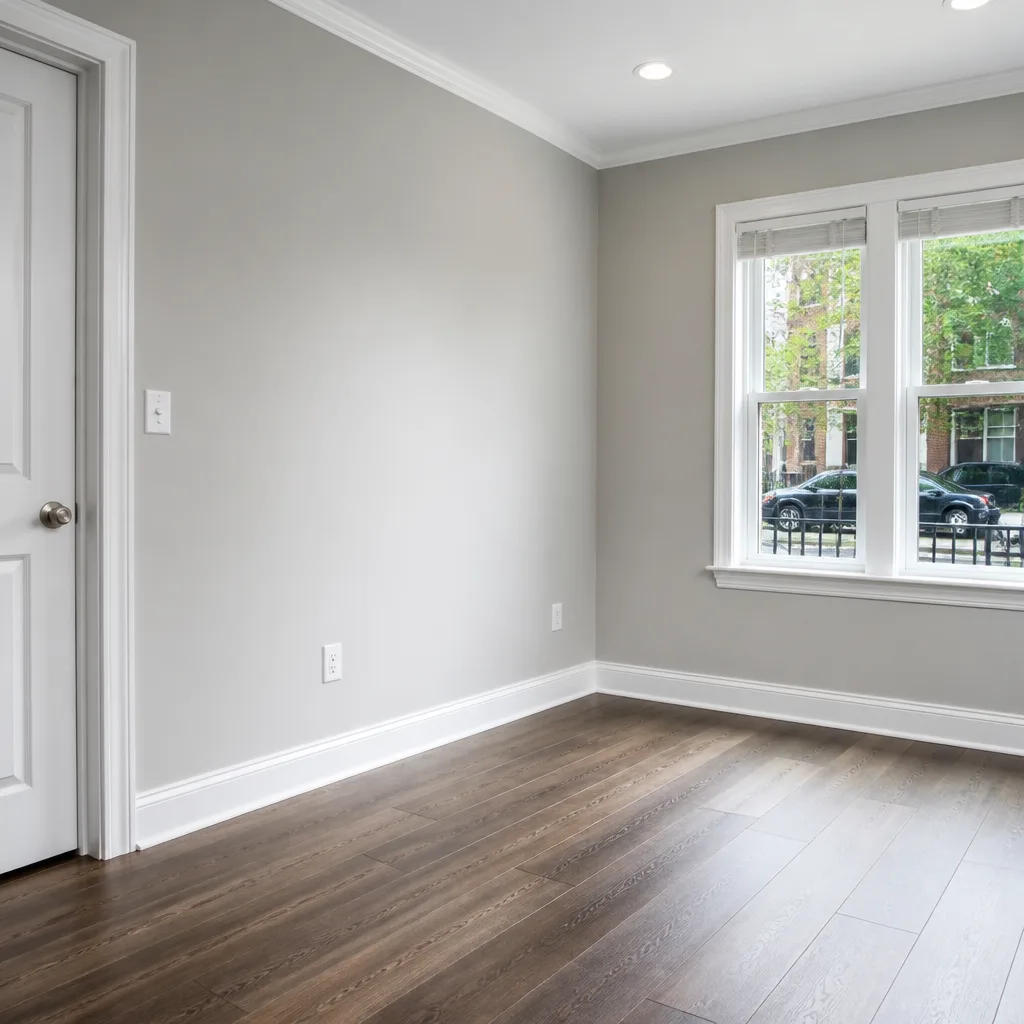 After
After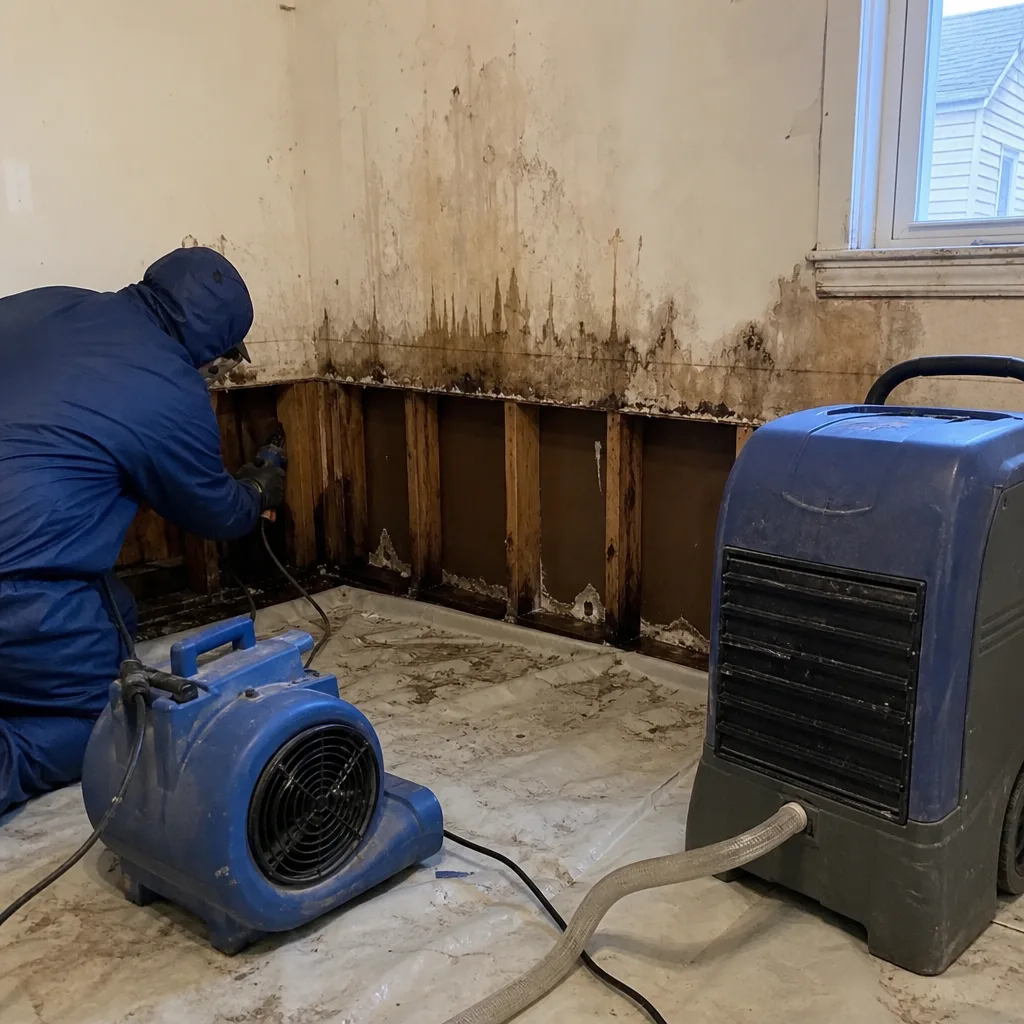 Before
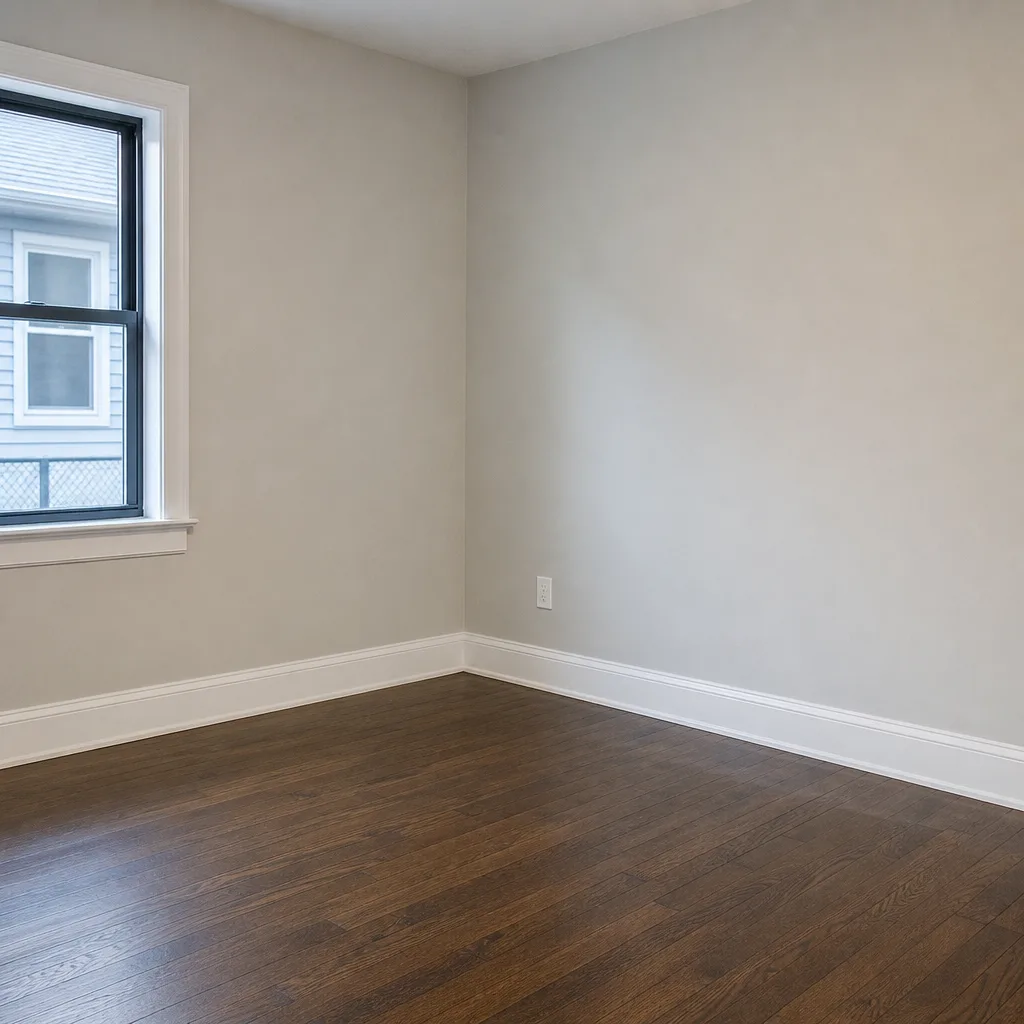 After
After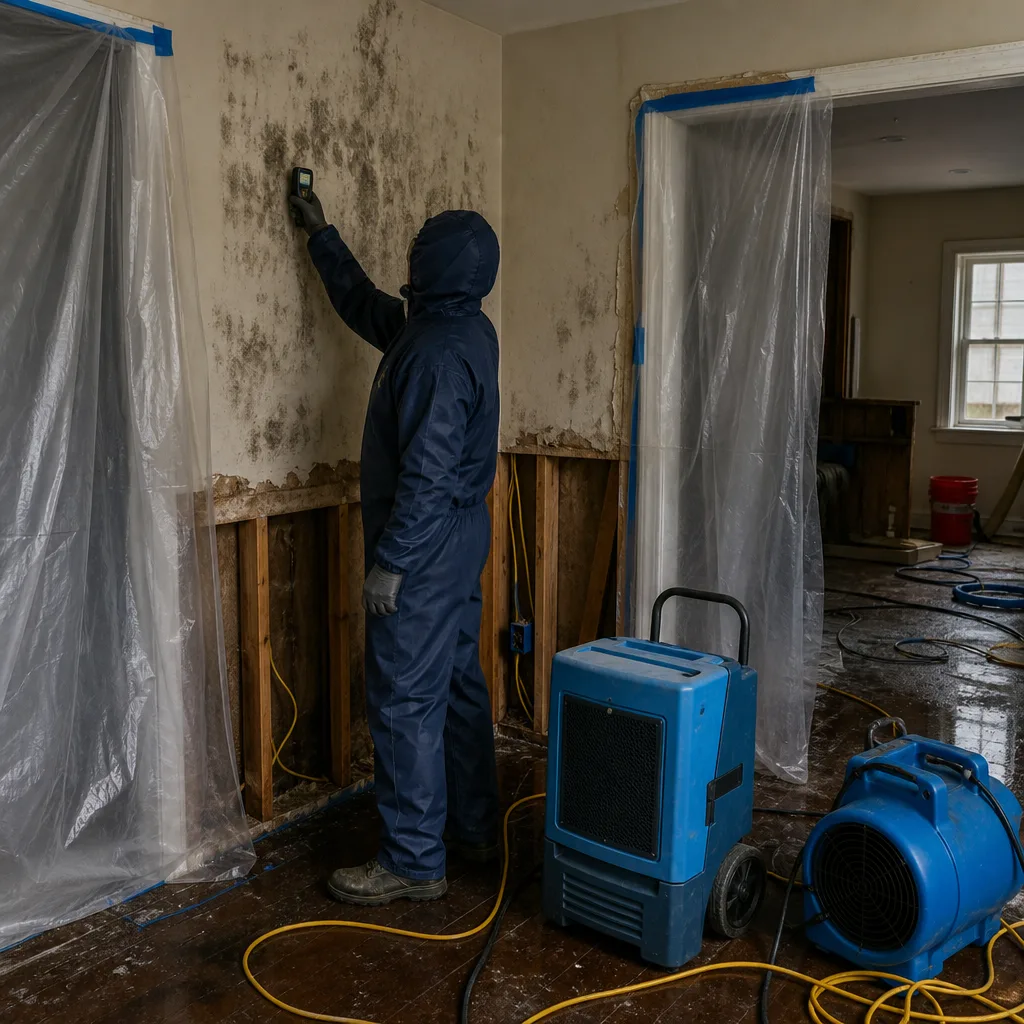 Before
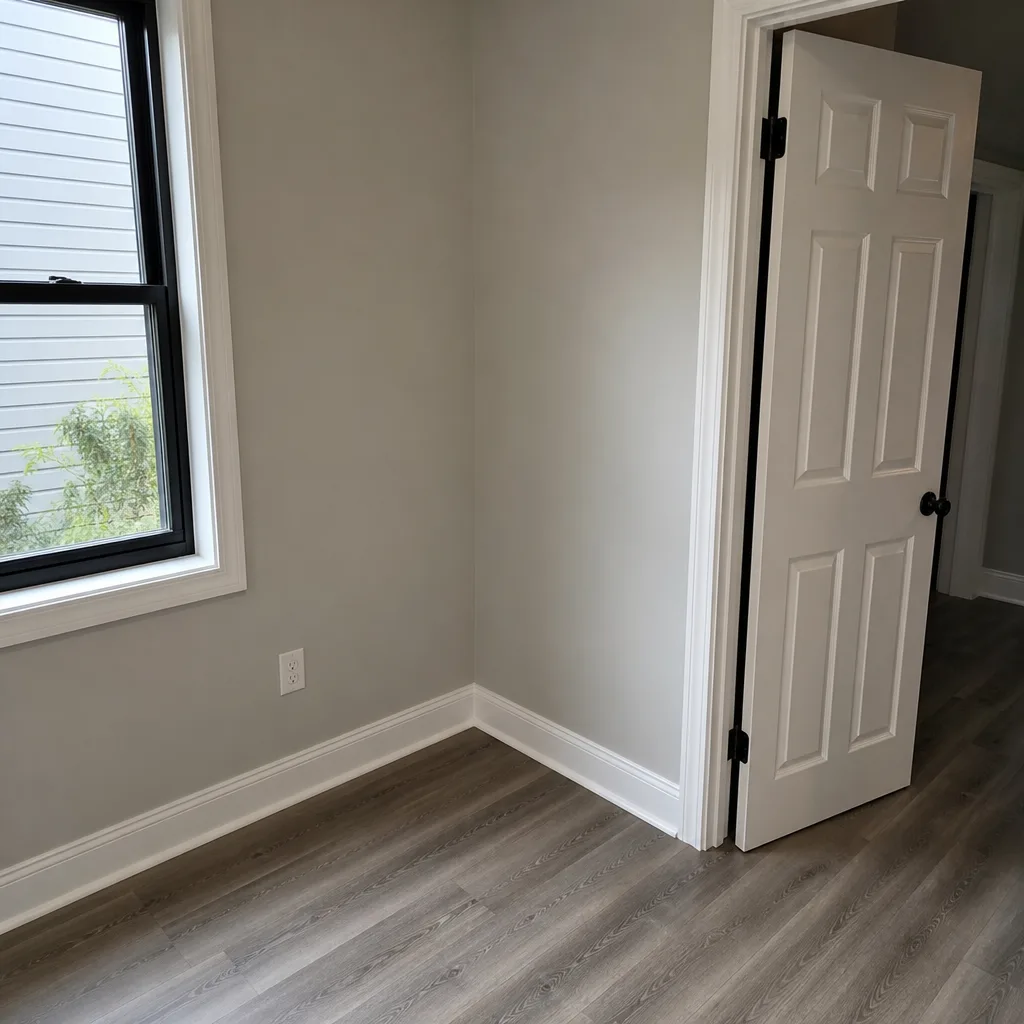 After
After24/7 Emergency Water Damage Restoration in Union City
Water damage restoration in Union City typically costs $2,800-$6,500 for a standard residential extraction and drying job, with Category 3 sewer backup jobs running $4,200-$9,000 due to antimicrobial treatment and contents disposal requirements. Crews from our Water Damage Restoration in Union City operation answer live 24 hours a day at (862) 298-5256 and can be on-site in Union City within 45 minutes. The first hour determines whether a water loss becomes a mold loss; every minute standing water sits in a pre-WWII plaster-and-lath wall, the vapor pressure differential drives moisture deeper into the assembly, expanding the scope and the invoice. We start with a free visual inspection, deliver a written price before any equipment runs, and document every moisture reading from day one.
Understanding Water Damage Restoration Severity in Union City Properties
Water damage in Union City does not behave like water damage in a suburban colonial. The city’s housing stock, built almost entirely between 1900 and 1940, consists of 3-to-6-story brick tenements with plaster-and-lath walls, shared party walls, and original or minimally-updated galvanized or cast-iron plumbing. When a supply line bursts on the fourth floor of a Bergenline Avenue walk-up, water does not simply pool and drain; it tracks through gravity, finds the path of least resistance in century-old wall cavities, and saturates multiple units before anyone on the lower floors notices staining.
We classify water damage by category, not by inconvenience. Category 1 is clean water from a broken supply line. Category 2 is gray water with chemical or biological contamination, think dishwasher discharge or sump pump failure. Category 3 is black water: sewage, ground water, or any water that has passed through the building envelope or drainage system. In Union City, because the city sits atop the Palisades escarpment with nearly 100% impervious surface coverage and an aging combined sewer system, heavy rain routinely pushes Category 3 black water back into ground-floor apartments and basement units. A contractor who assumes basement water is Category 1 and dries it in place has just contaminated a living space and written an indefensible drying log.
Moisture mapping with thermal imaging and pinless moisture meters lets us trace the true extent of migration through plaster, lath, and party walls. Structural drying then requires calculating the specific humidity, vapor pressure, and grains per pound for each affected cavity to set equipment loads correctly. Tenement construction means we often deploy Injectidry systems for wall cavity drying rather than relying on surface air movers that cannot penetrate dense plaster assemblies.
Why Union City Property Owners Choose DryMark Restoration Jersey City
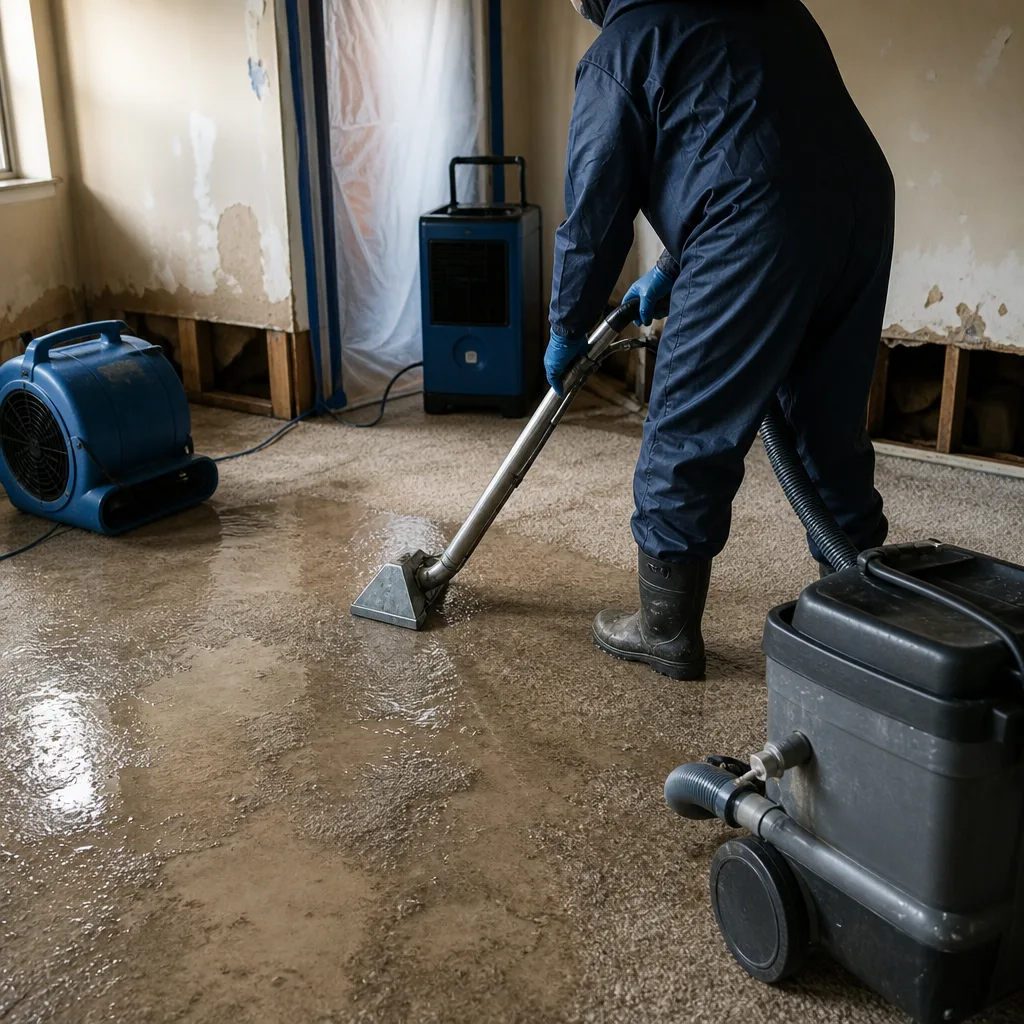
- 45-minute response commitment to Union City addresses, because water moves faster in stacked multi-family buildings than in detached homes.
- 24/7 live answer - a real person picks up every call, never an automated system or voicemail tree, so you can describe the loss while water is still spreading.
- IICRC-certified crews holding WRT (Water Damage Restoration Technician) and AMRT (Applied Microbial Remediation Technician) certifications, with license numbers documented on every job file.
- Free visual inspection and moisture assessment before any work begins or any price is quoted.
- Direct insurance billing with photo-documented estimates formatted to carrier standards, plus direct adjuster coordination so your claim does not stall for documentation.
- One team from extraction to reconstruction - the same crew that sets the drying plan returns to verify completion, eliminating handoff errors between mitigation and rebuild contractors.
BeforeAfterOur Water Damage Restoration Process
1. Inspection & Assessment
We arrive with thermal imaging cameras, pin and pinless moisture meters, and hygrometers to map the full extent of water migration. In Union City’s tenements, this means checking party walls, floor cavities, and adjacent units - not just the room with visible staining. You receive a written scope and price before any work begins, per Haven Standard, Clause 1.
2. Extraction & Stabilization
Standing water is removed with truck-mounted extraction systems and portable submersible pumps. For Category 3 losses, we establish containment barriers and negative air pressure with HEPA scrubbers before touching the water to prevent cross-contamination into common hallways and neighboring units.
3. Drying & Dehumidification
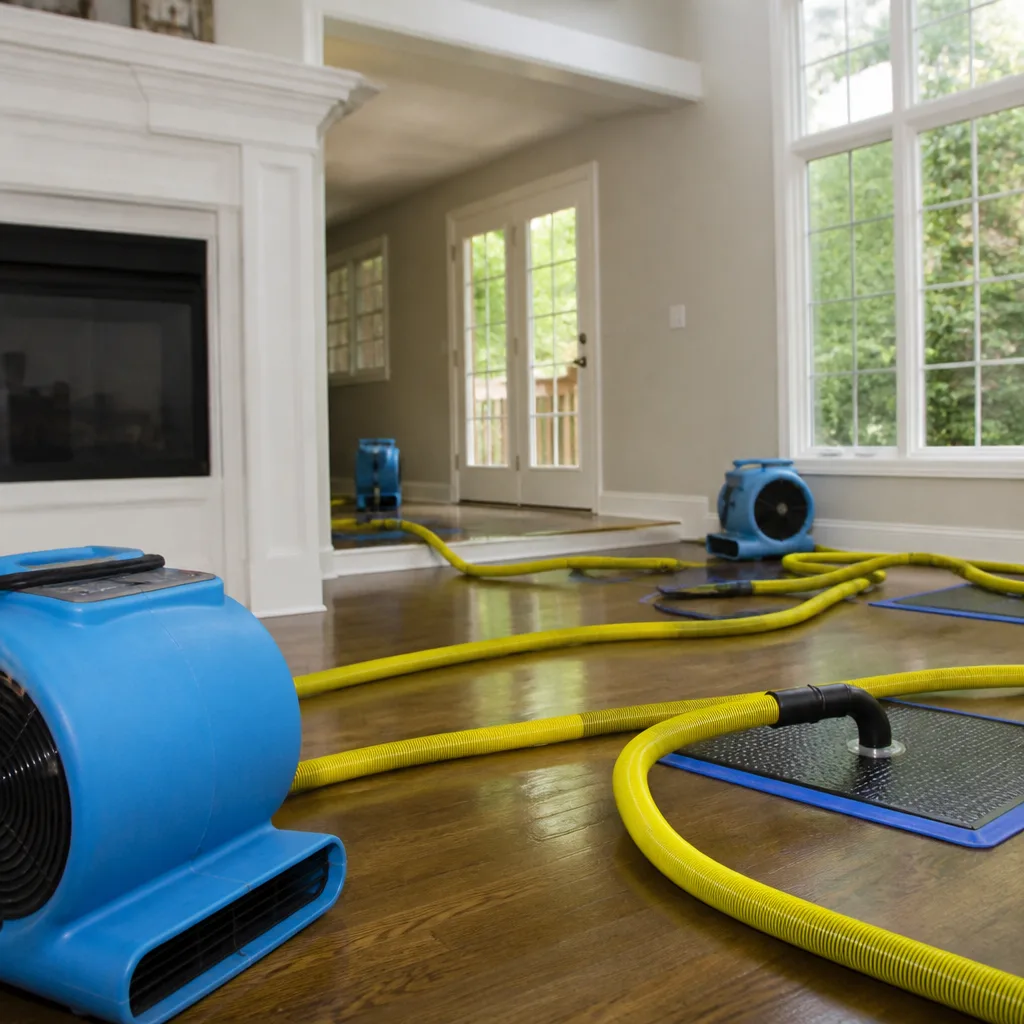
We deploy Dri-Eaz and Phoenix LGR dehumidifiers sized to the specific humidity load, plus air movers and Injectidry cavity-drying systems for dense plaster walls. Daily moisture logs track every reading by room and material, producing the documentation that turns restoration invoices into payable claims.
4. Cleaning & Sanitization
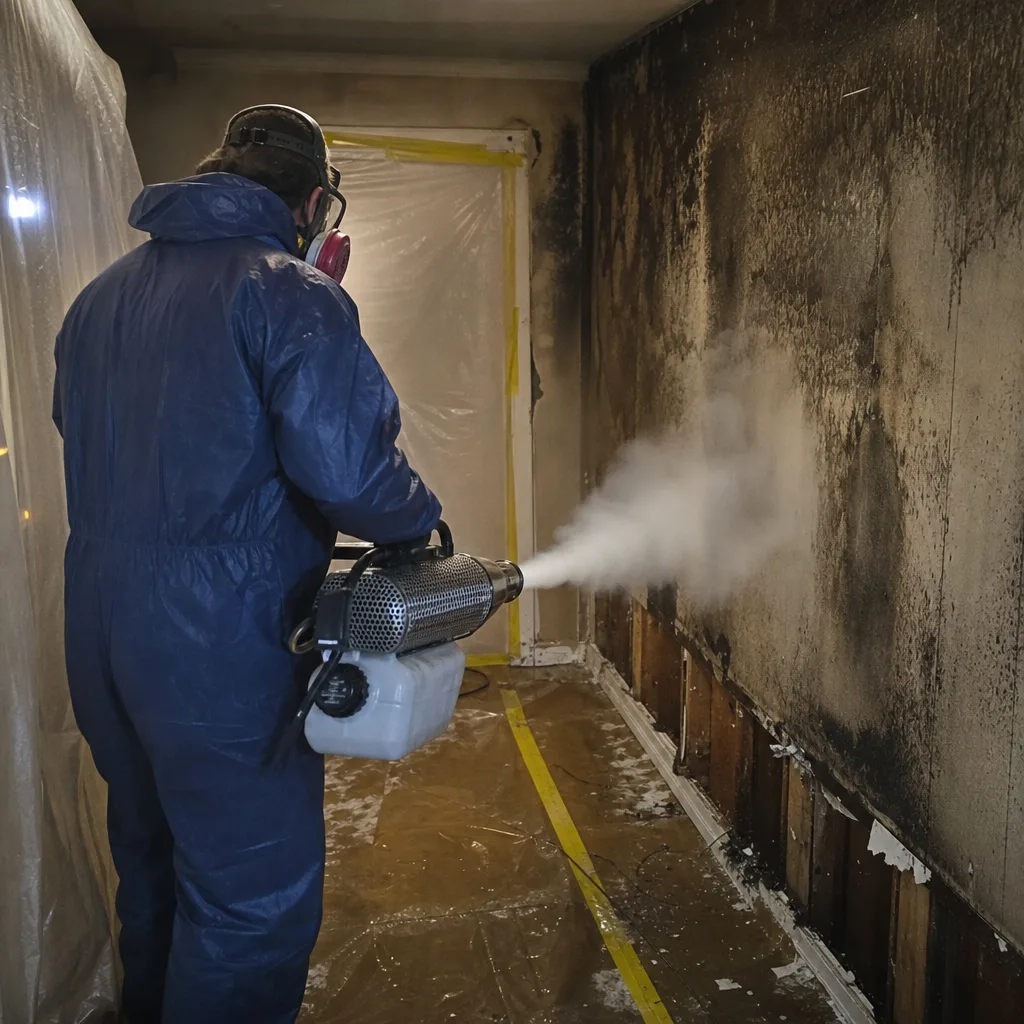
Category 2 and 3 losses receive antimicrobial treatment of all affected surfaces, with EPA-registered disinfectants applied to salvageable materials and full disposal of porous contents that cannot be restored to pre-loss condition. We document every treated surface and every discarded item with photos.
5. Multi-Unit Coordination & Documentation
Union City’s stacked tenements mean one leak often affects multiple policyholders. We maintain separate drying logs, photo records, and written scopes for each unit and each landlord, with moisture readings tied to specific apartment numbers so no claim is undermined by mixed documentation.
6. Repairs & Restoration
Once moisture readings confirm the structure has reached dry standard, our crew repairs or replaces damaged plaster, drywall, flooring, and trim. The 365-Day Done Right Promise under The Haven Standard covers all work; if it’s not done right, we make it right.
Need Emergency Water Damage Restoration in Union City Now?
Crews minutes away, answering live 24 hours a day. The sooner we start, the less it costs.
Working With Your Insurance Company
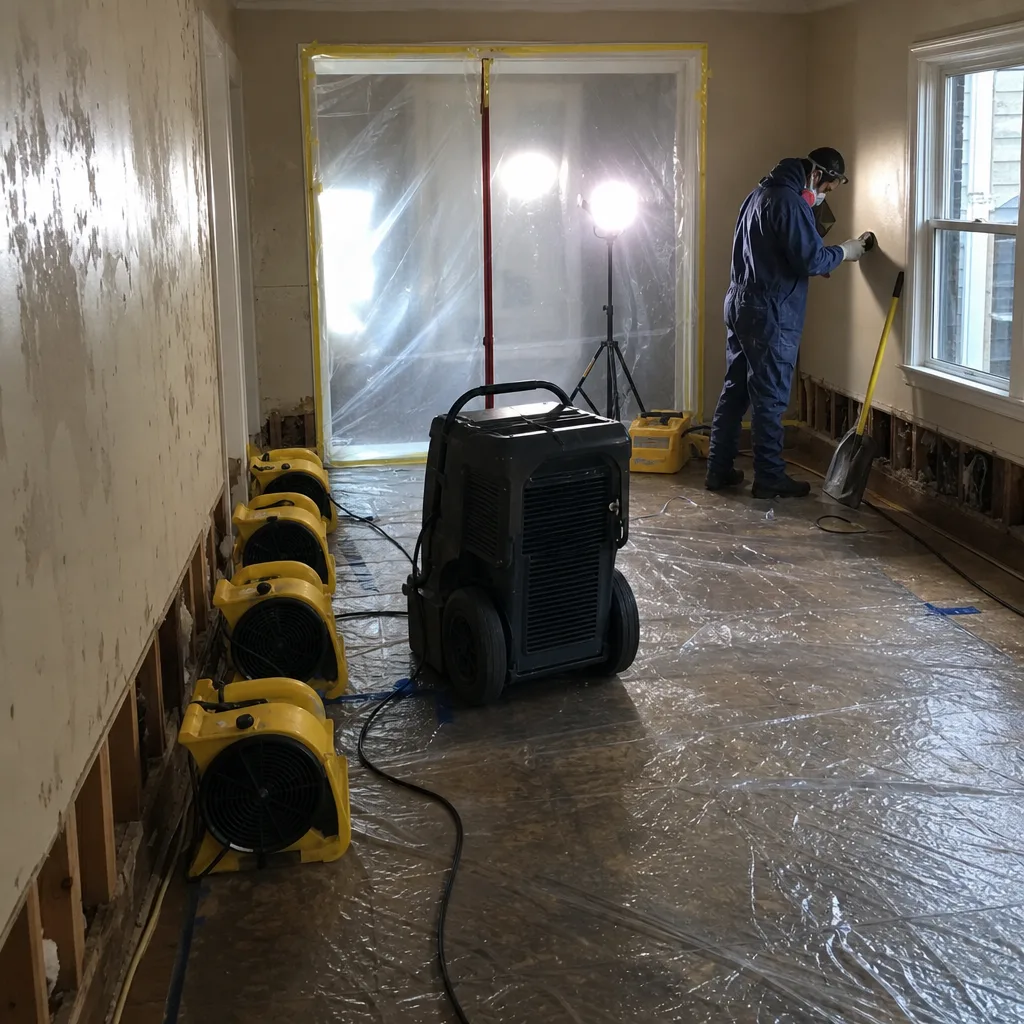
Insurance claims fail for two reasons: insufficient documentation at the start, and scope disputes at the end. We solve both by treating documentation as a deliverable, not an afterthought. From the first hour on-site, we photograph every affected room, record moisture readings for every material, and maintain daily drying logs that track specific humidity, temperature, and vapor pressure differential. Our estimates follow Xactimate or Symbility formats depending on your carrier’s preference, and we communicate directly with your adjuster rather than handing you a stack of paper to interpret.
The photo record is included as standard on every visit, never sold as an upsell. The drying logs are formatted to IICRC and RIA standards so they withstand scrutiny. And because every job starts with a written price before work begins, there are no surprise additions once the crew is inside your building to trigger a coverage dispute.
What We Provide Your Insurer
- Thorough documentation of the loss
- Photos of all damage, room by room
- Moisture readings and drying logs
- A detailed, line-item scope of work
- Direct coordination with your carrier
Built for Union City’s Loss Calendar
Union City’s water damage season runs year-round, but the causes shift with the calendar. January deep freezes split copper supply lines in unheated vestibules and crawl spaces of Bergenline Avenue tenements where original construction included minimal insulation. Spring thaw brings basement seepage through century-old foundations, but in Union City the bigger threat is rain-on-snow events overwhelming the combined sewer system and pushing black water back through floor drains. Summer thunderstorms deliver flash volume that the impervious streets cannot absorb, and every August we see a cluster of calls from ground-floor units near Summit Avenue where the sewer main backs up into apartments within minutes of peak rainfall.
Fall nor’easters are less about tidal surge here - the Palisades escarpment protects Union City from the Hudson River flooding that devastated lower Hoboken and Jersey City during Hurricane Sandy - and more about sustained rainfall volume that keeps the combined sewer at capacity for days. The real threat is not storm surge; it is sewer backup. Contractors who prepare for tidal flooding and miss the sewer dynamic have misunderstood Union City’s geography entirely.
Water Damage Restoration Across Union City’s Neighborhoods
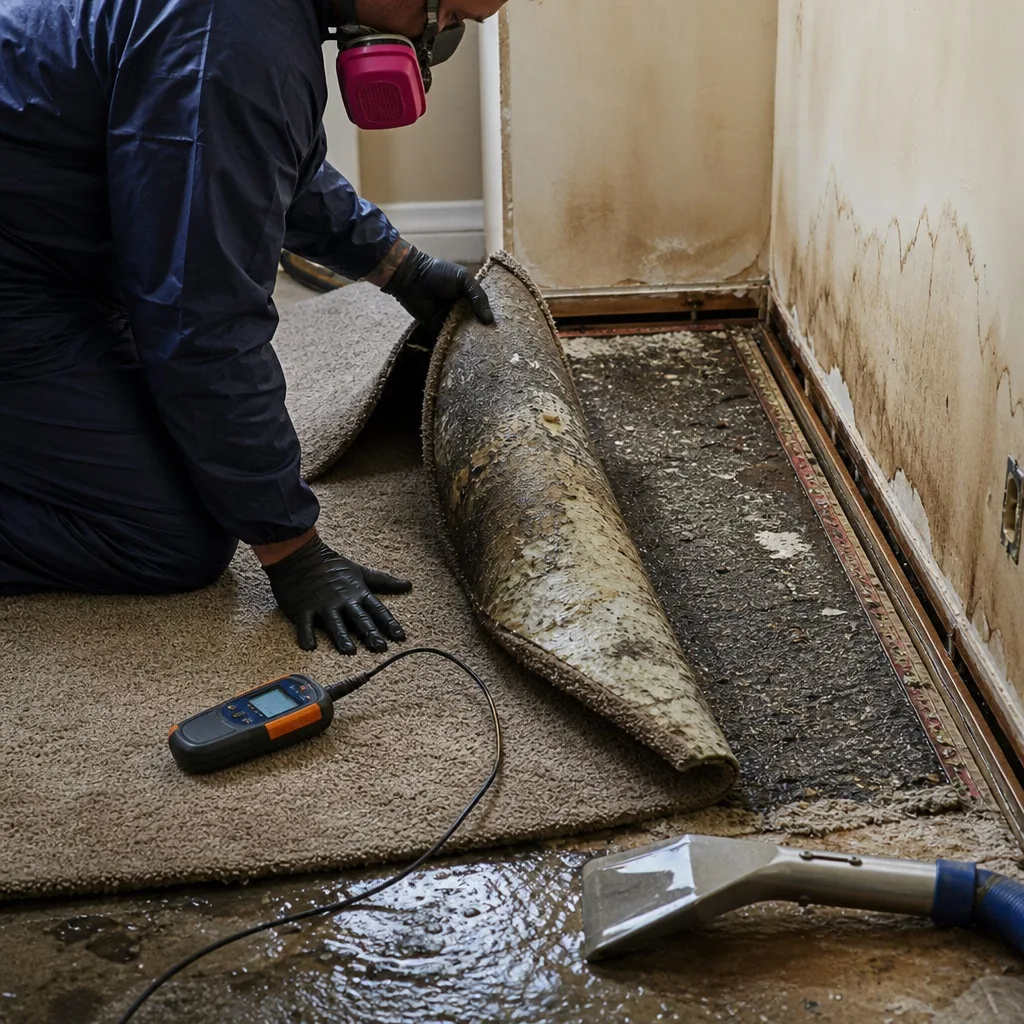
Union City’s density means response routes and building conditions vary block by block, not just neighborhood by neighborhood. In the Bergenline Avenue corridor, the densest commercial-residential mix in the city, we respond to repeated calls in 4-to-6-story brick tenements above ground-floor retail. Water losses here typically involve aging galvanized risers in common walls, with leaks tracking into multiple apartments before the super notices. The West New York border zone near Palisade Avenue sits highest on the escarpment, which means less sewer backup risk but more exposure to frozen pipe bursts in unheated upper-floor units with original windows.
The Summit Avenue and Kerrigan Avenue area, closer to the Meadowlands slope, collects more groundwater intrusion and sees the highest concentration of basement water removal calls after heavy rain. These are almost always Category 3 losses requiring full extraction and antimicrobial treatment, not simple drying. Near Union City High School and the 30th Street corridor, the housing stock shifts slightly newer - some 1940s and 1950s brick apartments - but the infrastructure underneath is the same combined sewer system, so the backup pattern holds. We dispatch crews with containment equipment and HEPA scrubbers pre-loaded because we know the building type before we arrive.
We got a call from a 4-story brick walk-up on Palisade Avenue in Union City where a second-floor bathroom wax ring had been weeping for weeks; by the time our techs arrived, moisture mapping showed the subfloor and the first-floor ceiling cavity were saturated and the party wall had wicked water into the adjacent apartment. We set containment and air movers in both units, logged moisture readings for each policyholder’s drying logs, and pulled the swollen tile back to the joists before running Dri-Eaz dehumidification overnight - three separate insurance claims, one scope of work.
Specialized Water Damage Restoration Services We Offer in Union City
Emergency Water Extraction
Standing water in a Union City tenement does not stay put. Our truck-mounted extraction systems remove thousands of gallons per hour from flooded basements and ground-floor apartments, with portable units deployed to upper floors where truck access is impossible. For Category 3 losses, extraction happens inside established containment with technicians in PPE; no one moves water without knowing what’s in it.
Structural Drying & Dehumidification
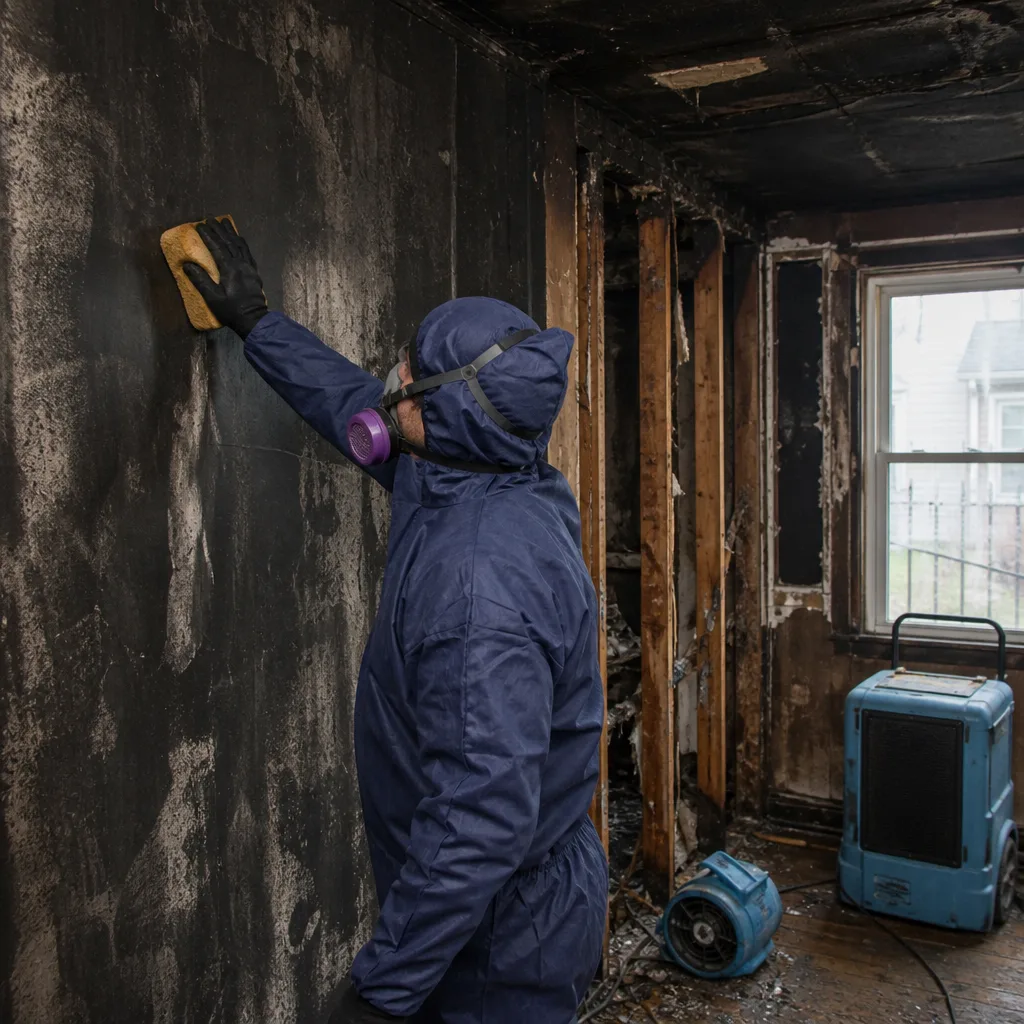
Plaster-and-lath walls in 1900-1940 Union City buildings hold moisture differently than modern drywall. We calculate equipment loads using psychrometric data - temperature, relative humidity, and grains per pound - then deploy LGR dehumidifiers and Injectidry cavity systems to pull moisture from dense assemblies without demolition where possible. Daily drying logs document progress by specific moisture content percentage.
Flood Cleanup
In Union City, “flood” usually means sewer backup, not river overflow. Our flood cleanup protocol assumes Category 3 contamination until proven otherwise: full extraction, antimicrobial treatment of all affected surfaces, disposal of porous materials, and HEPA air scrubbing during the process. We have handled this exact loss type on Summit Avenue, Bergenline Avenue, and throughout the Kerrigan Avenue corridor.
Burst Pipe Restoration
January freezes split pipes in exterior walls and unheated common areas of Union City’s older tenements. We extract the water, dry the assembly, and document whether the pipe failure resulted from building envelope deficiency or maintenance lapse - a distinction that matters for coverage. The repair scope includes opening the wall, replacing the failed section, and restoring the finish to match existing plaster.
Basement Water Removal
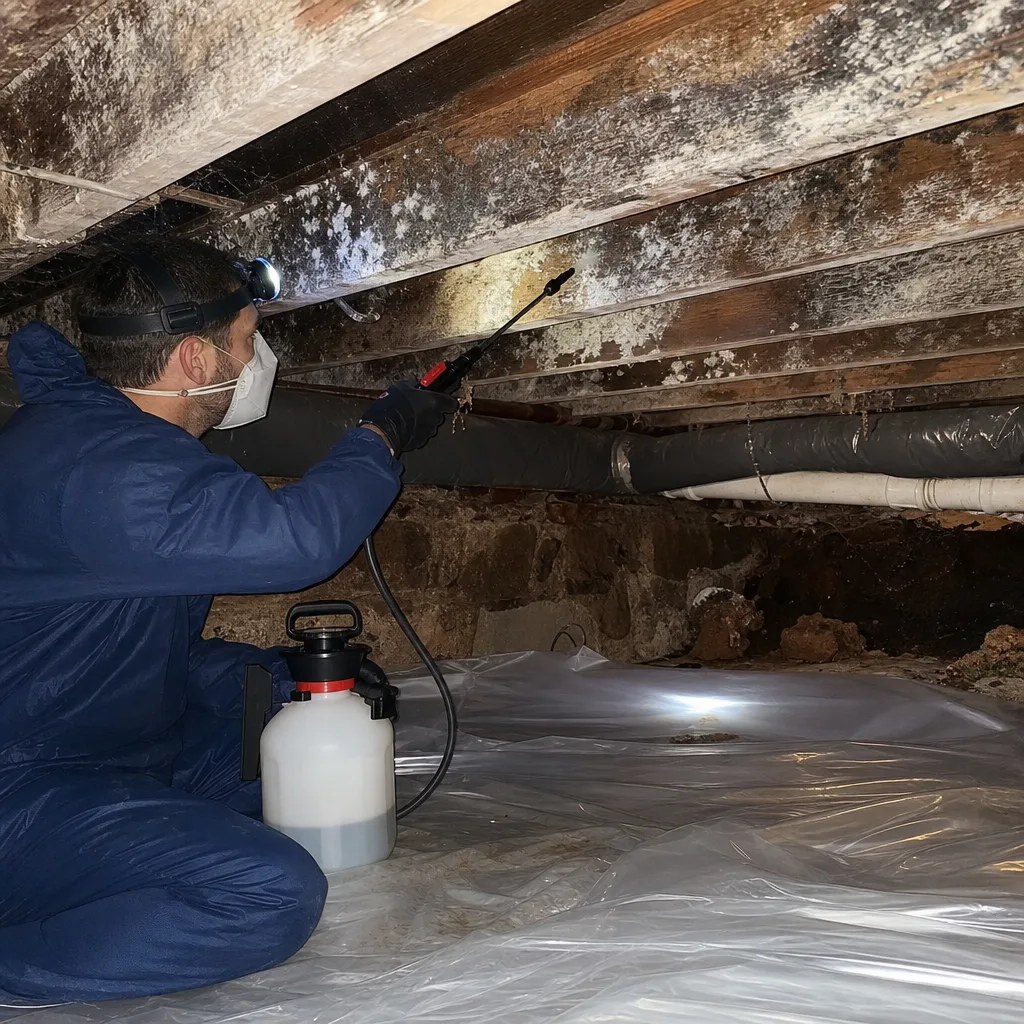
Union City basements are not storage space; they are often occupied apartments or commercial units. When the combined sewer backs up, we treat these as Category 3 living spaces requiring full remediation, not just pumping and drying. Contents are inventoried, disposed, or cleaned depending on contamination level, and the space does not return to use until clearance testing confirms safe air quality.
What happens when you call
- 1
A real person answersNo phone trees - you reach a local pro.
- 2
You get an upfront price rangeHonest numbers before anyone is dispatched.
- 3
A background-checked tech heads outLicensed & insured, dispatched right away.
- 4
You approve before work beginsNothing starts until you say go.
Water Damage Restoration Costs in Union City, NJ
Actual pricing for Union City’s market, delivered in writing before work begins on every job:
| Service | Typical Range in Union City |
|---|---|
| Emergency water extraction (single room) | $850 - $1,800 |
| Structural drying & dehumidification (per day) | $450 - $950 |
| Category 1 cleanup (clean water, limited area) | $2,800 - $4,500 |
| Category 3 sewer backup remediation | $4,200 - $9,000 |
| Multi-unit tenement coordination (per additional unit) | $1,200 - $2,800 added scope |
| Basement water removal with contents disposal | $3,500 - $7,500 |
What moves the price: the water category (Category 3 requires antimicrobial treatment and PPE protocols that Category 1 does not), the number of affected units in a tenement, whether plaster-and-lath demolition is needed, and whether asbestos-containing floor tile or lead-painted surfaces require abatement coordination. Insurance typically covers sudden and accidental water damage, including sewer backup if the policy includes that rider; gradual leaks and maintenance-related failures often fall to the property owner. We review your coverage with you and coordinate directly with your adjuster. Call (862) 298-5256 for a free inspection and written scope - estimates are free, and Haven Standard, Clause 1 applies to every Union City property we serve.
We Also Serve Cities Near Union City
Our crews respond throughout the immediate Hudson County area, including Hoboken (where tidal flooding, not sewer backup, is the primary water threat), Secaucus (with its mix of commercial and residential properties near the Meadowlands), Jersey City (where we coordinate multi-claim jobs in high-rise and brownstone stock), and Kearny (with its own combined sewer challenges and pre-war housing). Dispatch and scheduling are coordinated from our metro office; crews serve Union City locally with no cross-county delay.
Serving Union City, NJ - Our Local Coverage Area
We’re based in the Union City area and know this community well. Use the map below to see our service coverage - if you’re nearby, we can almost certainly help.
Union City Water Damage Restoration Questions, Answered
Why does water in a Union City basement almost always test as Category 3 rather than just clean water?
Because Union City’s nearly 100% impervious surface and aging combined sewer system mean heavy rain pushes sewage back through floor drains, not clean groundwater. The Palisades escarpment protects the city from Hudson River tidal flooding, so basement water here is almost always black water requiring full antimicrobial remediation, not simple structural drying. Call (862) 298-5256 for a free inspection and written scope.
A bathroom leak in my second-floor Union City apartment seems small - why would a restoration company pull in the neighbor’s unit too?
Union City’s tenements share party walls and floor cavities; water wicks laterally through plaster-and-lath assemblies and migrates down through subfloors into the unit below. Moisture mapping the full cavity prevents a secondary claim from emerging two weeks later. We document both units from day one to protect all policyholders. Call (862) 298-5256 for a free inspection.
How fast does mold become a real risk after a leak in a Union City tenement?
In Union City’s dense, poorly ventilated tenements with original plaster and minimal modern air circulation, mold colonization can begin in 48 to 72 hours after water intrusion. The Haven Standard requires we begin drying within that window or escalate to antimicrobial treatment. Delayed response is the single biggest driver of scope expansion in multi-family buildings. Call (862) 298-5256 for immediate response.
Does the Palisades location mean Union City buildings are safe from the flooding that hit Hoboken and Jersey City?
Safe from tidal surge, yes; safe from water damage, no. The Palisades escarpment blocks Hudson River flooding, but Union City’s combined sewer system backs up into ground-floor units during heavy rain with no storm surge required. The flood threat here is infrastructure failure, not coastal inundation, and it requires a different mitigation protocol. Call (862) 298-5256 to assess your property’s specific risk profile.
When multiple units and landlords are affected by one leak, how do you keep the paperwork straight?
We maintain separate drying logs, photo records, and written scopes for each unit and each insurance policy, with moisture readings tagged by apartment number and landlord. Our Water Damage Restoration team has coordinated ten-unit, five-policyholder jobs in Union City tenements without a single documentation dispute. Every record is available to your adjuster on request. Call (862) 298-5256 for details.
How long does structural drying take in a Union City tenement?
Three to five days for standard Category 1 losses in plaster-and-lath construction, five to ten days for Category 3 with antimicrobial treatment, and longer if dense masonry or multiple cavity systems are involved. We do not guess at completion; daily moisture logs show when specific materials reach dry standard. Call (862) 298-5256 for a timeline based on your specific loss.
Can we stay in the apartment during water damage restoration?
Sometimes, for contained Category 1 losses in a single unit with no demolition. For Category 3 losses, multi-unit jobs, or any work requiring containment barriers and HEPA air scrubbers, temporary relocation is usually necessary and often covered by insurance. We document the habitability determination in writing for your claim file. Call (862) 298-5256 to discuss your specific situation.
What certifications do your technicians hold for water damage work?
Our technicians hold IICRC WRT (Water Damage Restoration Technician) and AMRT (Applied Microbial Remediation Technician) certifications, with additional RIA training in structural drying documentation. License numbers are recorded on every job file, and all work follows IICRC S500 standards for water damage restoration. Call (862) 298-5256 to verify current credentials.
Water damage in Union City demands a contractor who understands that the threat is sewer backup in stacked tenements, not tidal surge in detached homes. The documentation requirements are stricter, the multi-party coordination is more complex, and the building stock demands trade-specific equipment and protocols. We have handled these losses on Bergenline Avenue, Palisade Avenue, Summit Avenue, and throughout every neighborhood in Union City since 2011.
Call (862) 298-5256 now. A live person answers every call, 24 hours a day. We will dispatch a crew, conduct a free visual inspection, and deliver a written price before any work begins - Haven Standard, Clause 1, every time.
Written by Alicia Brennan, Owner at Back to Dry Restoration, serving Union City since 2011.
Water Damage Restoration in Nearby Areas