
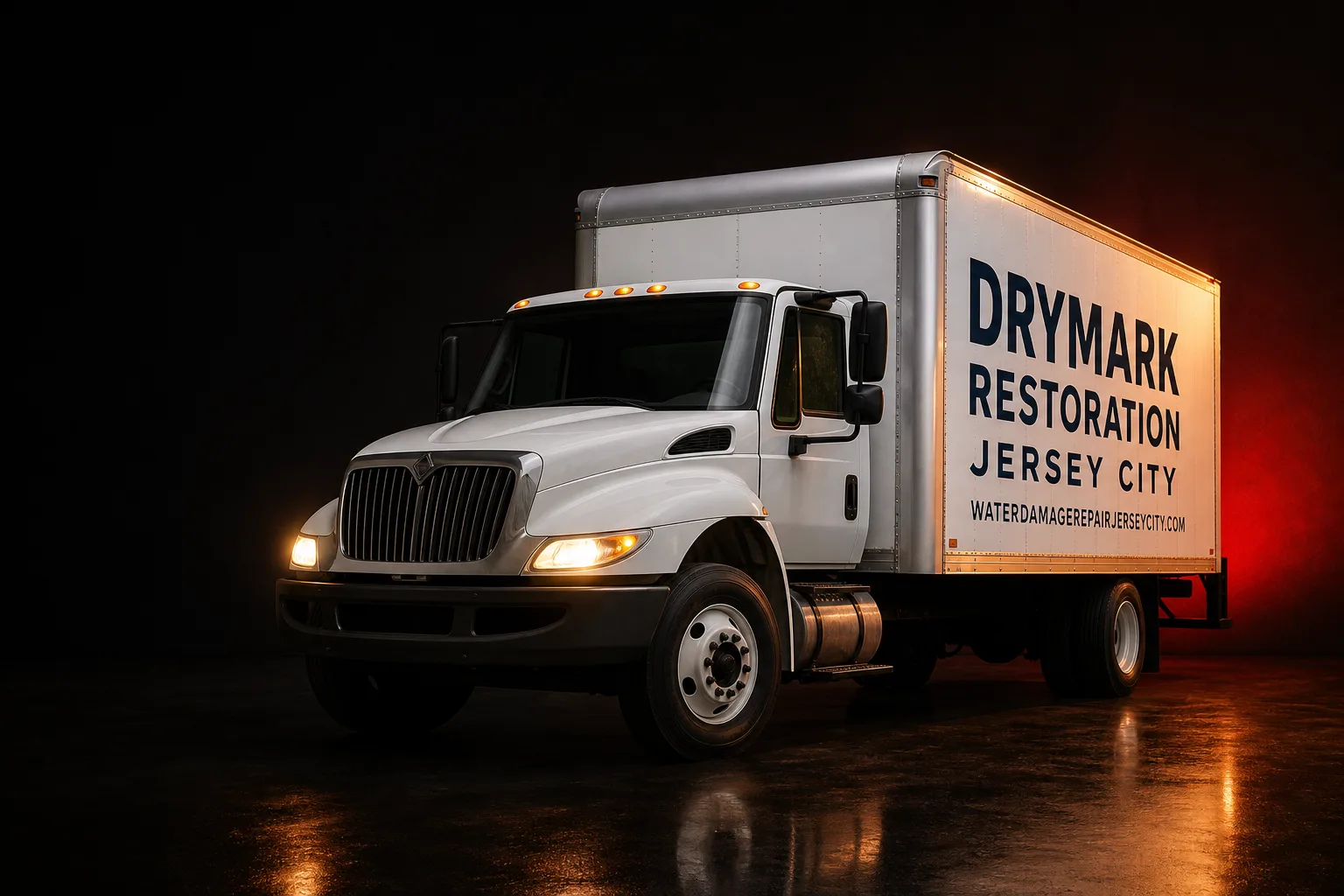
Free visual inspection and a written scope of work before any mitigation begins - photos, moisture readings, and drying logs go in your claim file
The scope we write is the scope we bill. Anything new gets shown to you, in writing, before we touch it.
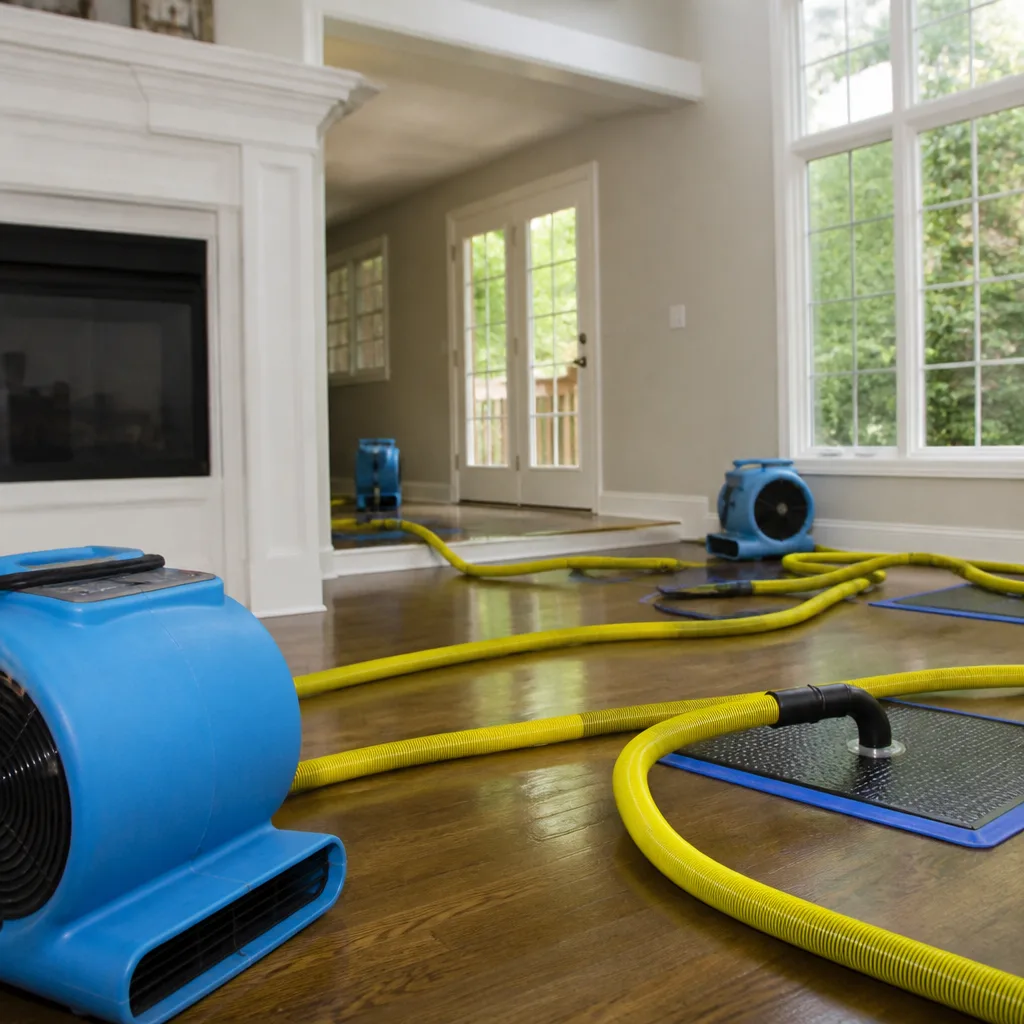
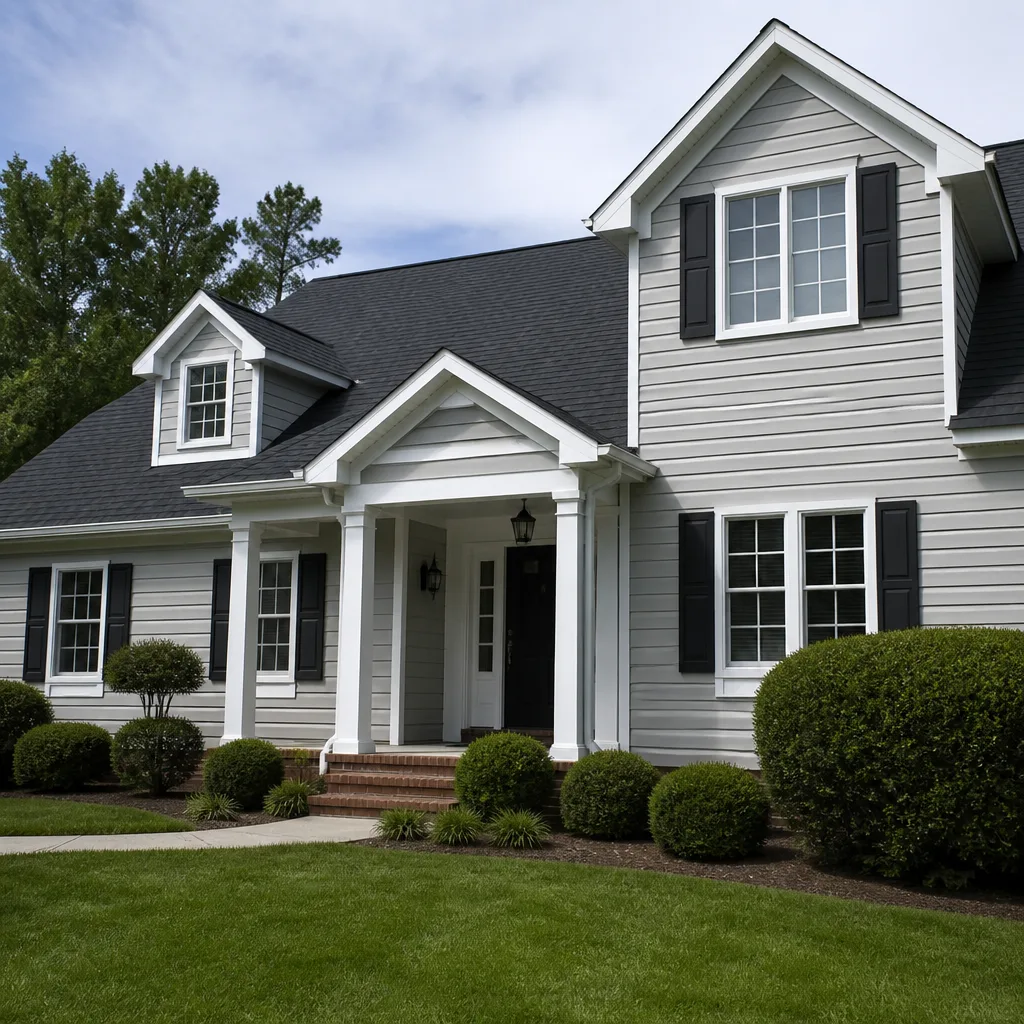
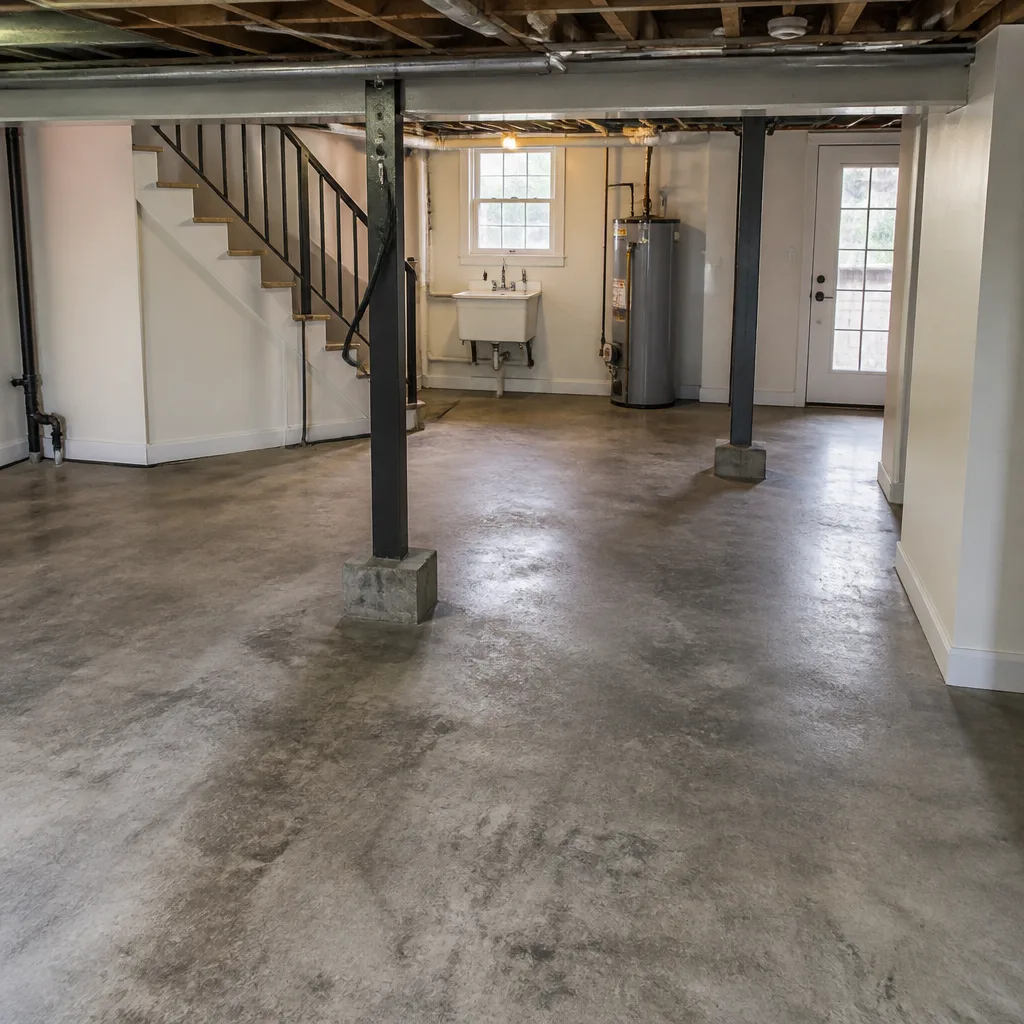
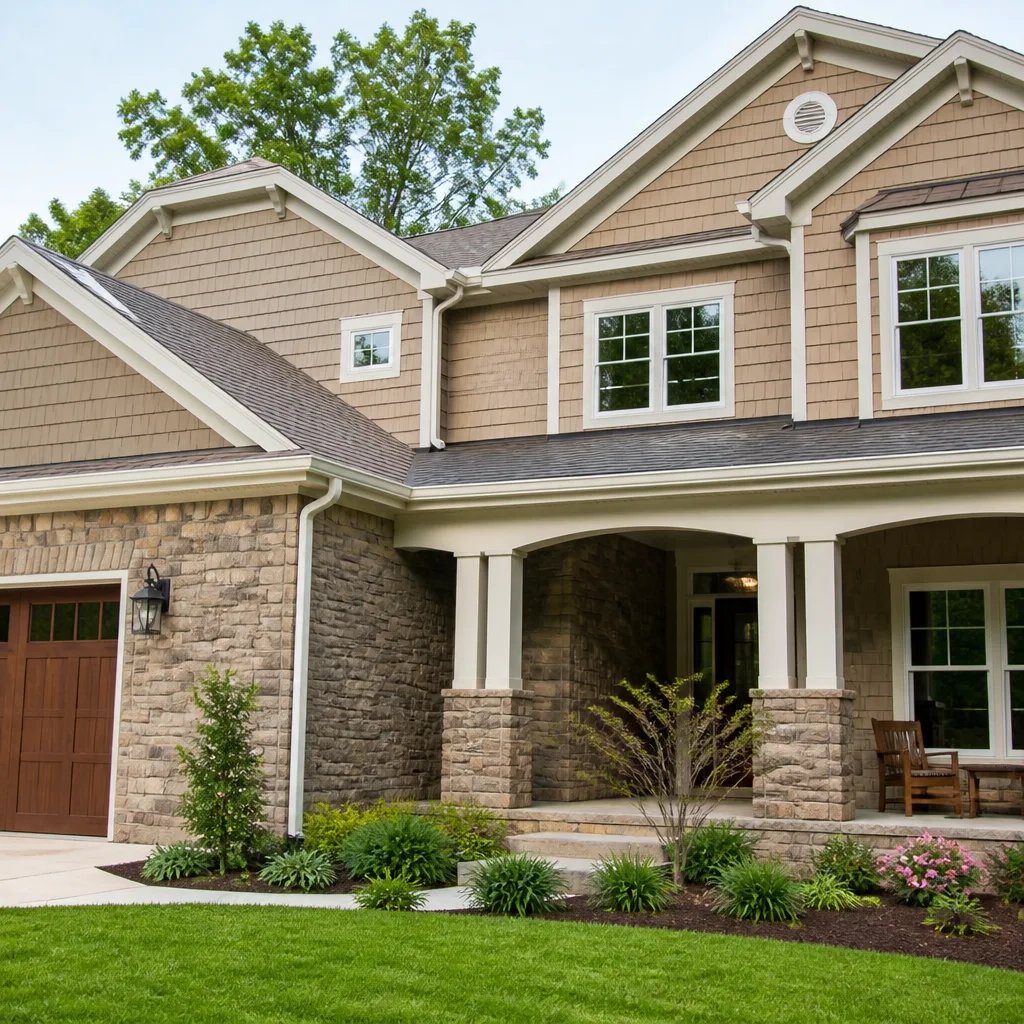
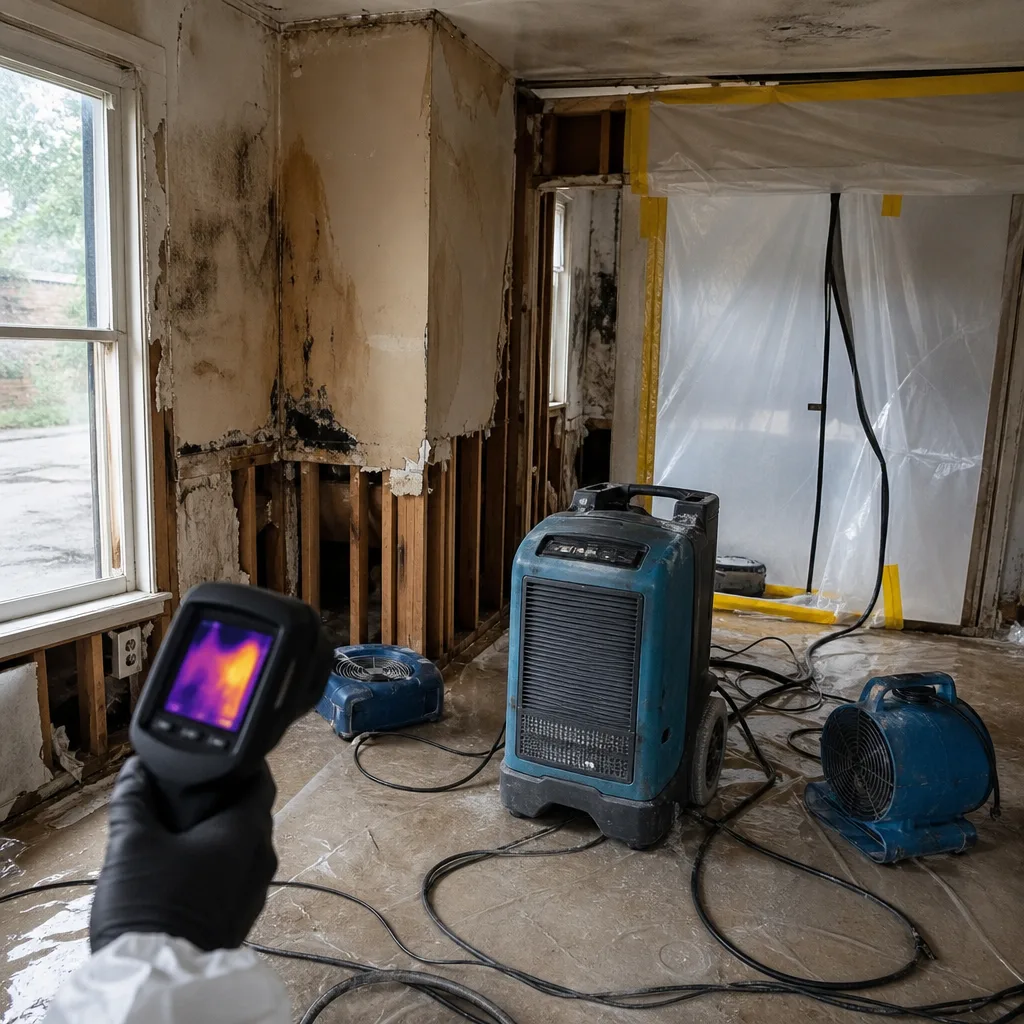 Before
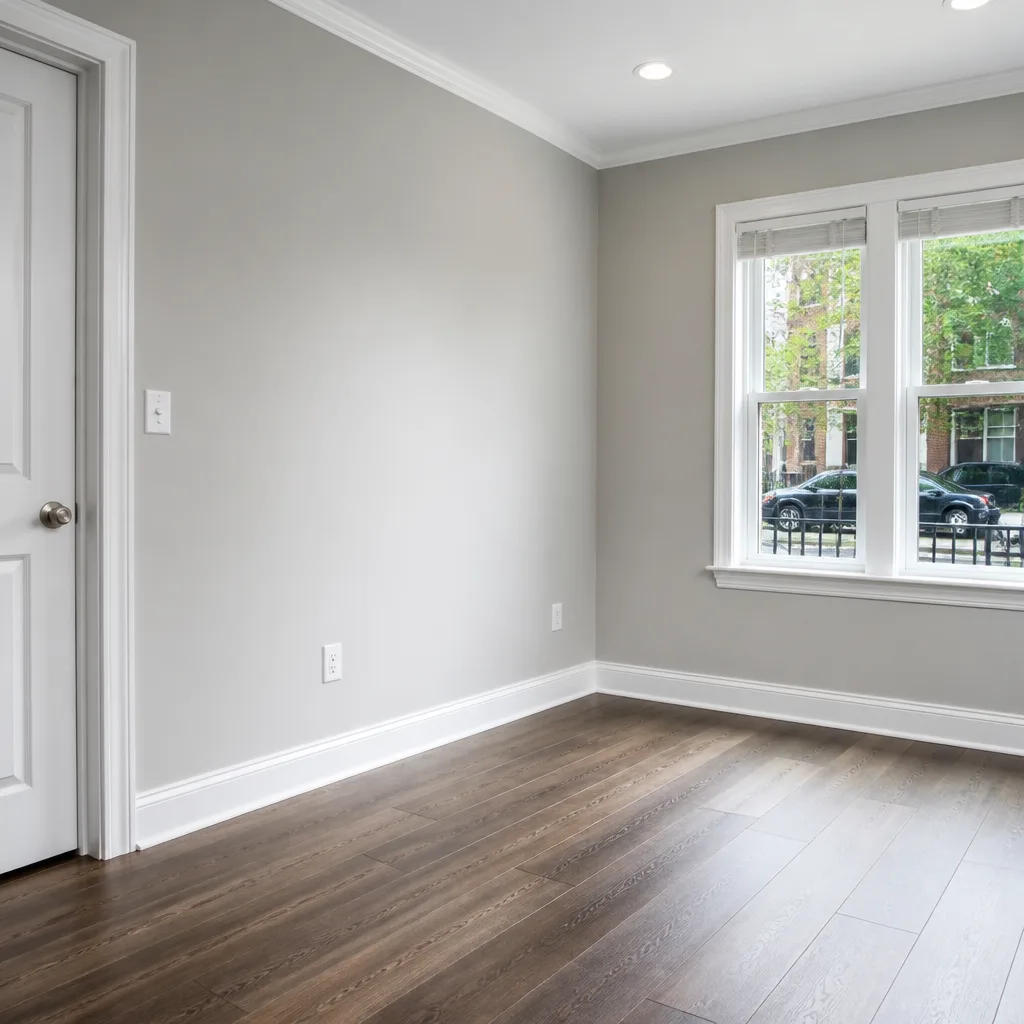 After
After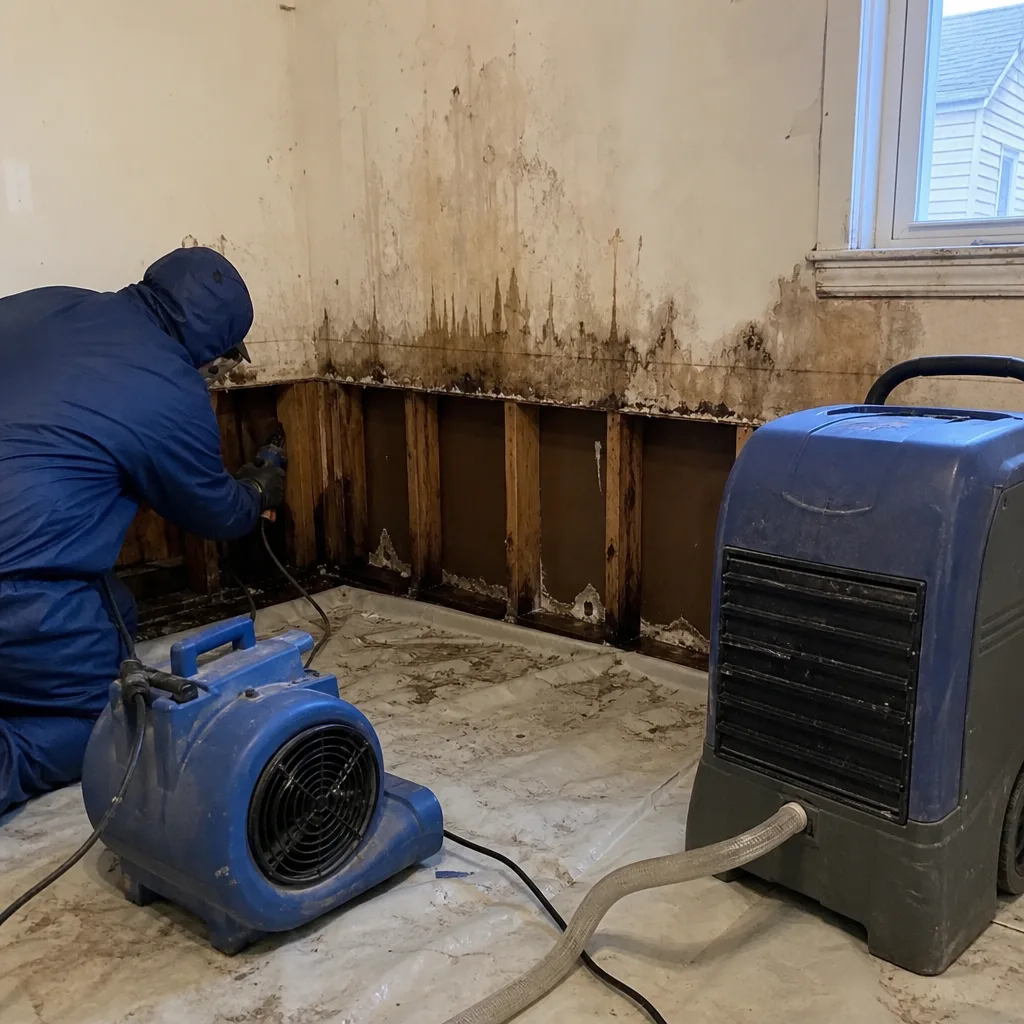 Before
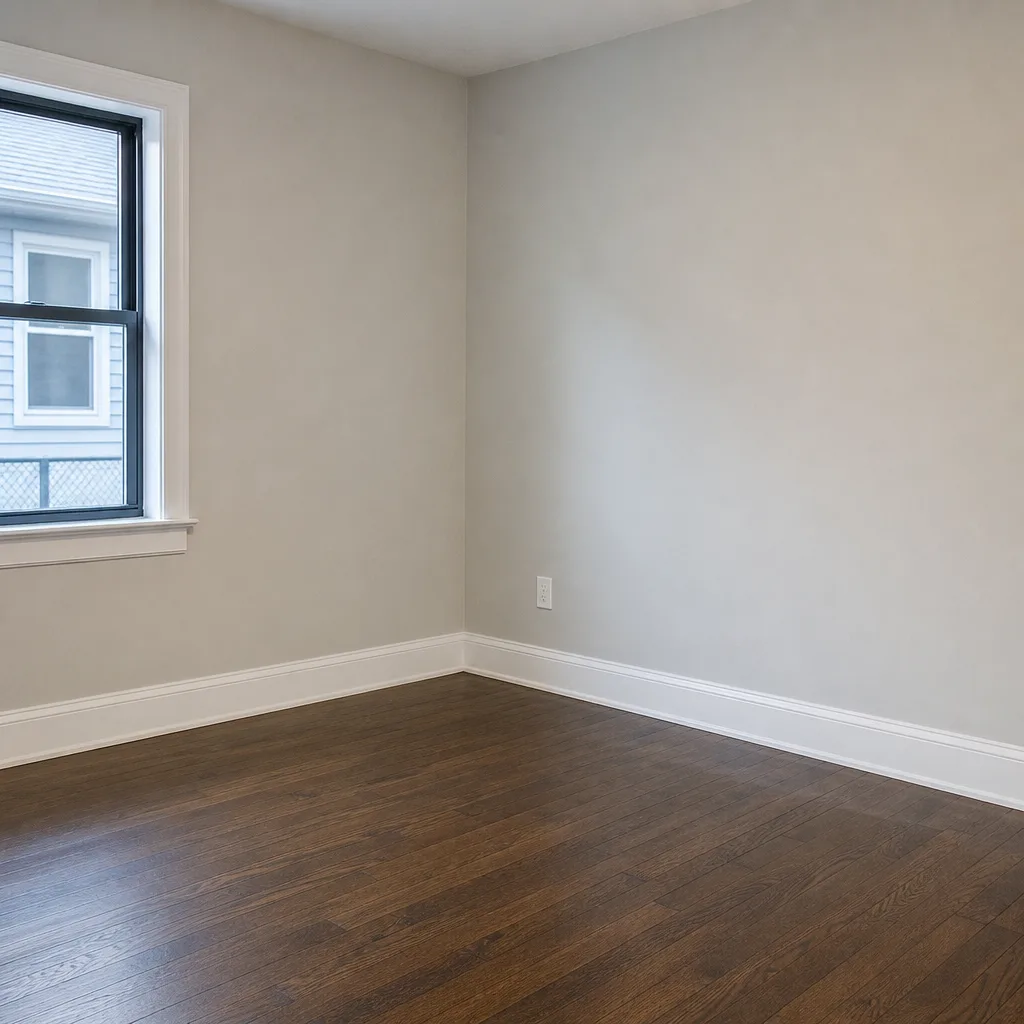 After
After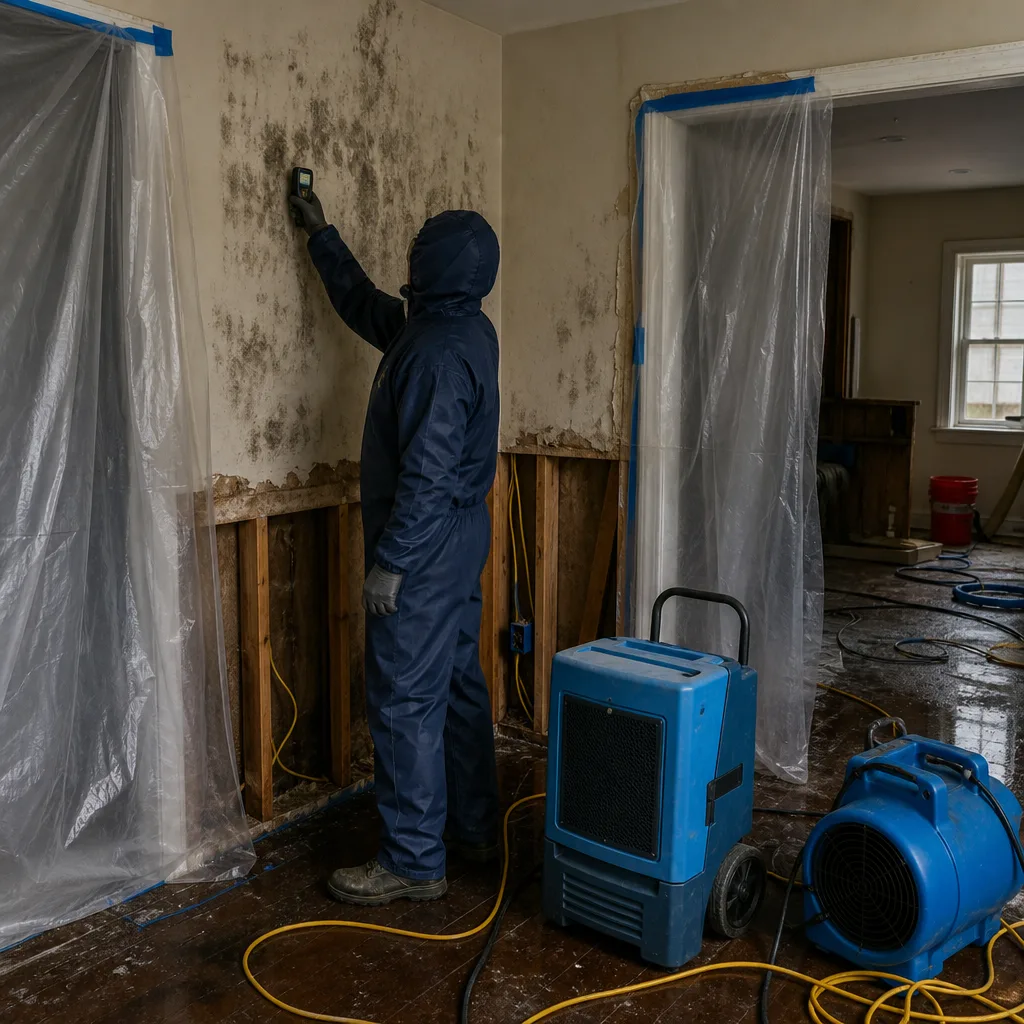 Before
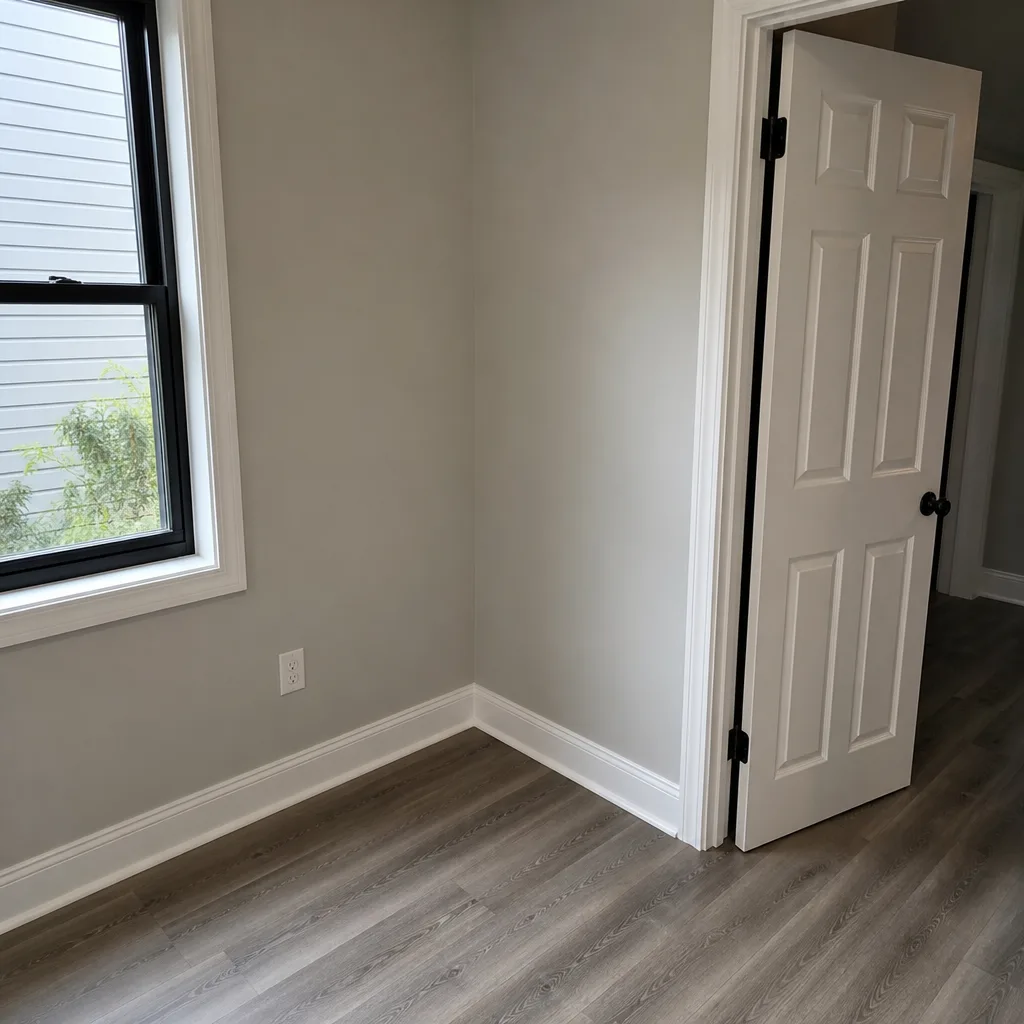 After
After24/7 Emergency Fire & Smoke Damage Restoration in Hoboken
A fire in a Hoboken row house can spread smoke and soot through shared party walls before the flames are out. If you’re facing fire or smoke damage in Hoboken right now, call (862) 298-5256. Our live dispatcher answers 24 hours a day, and crews are staged for response across Hudson County. We arrive with thermal imaging cameras, HEPA air scrubbers, and moisture meters to assess what the fire broke and what the water used to fight it is still breaking. The first hour determines whether smoke odor becomes a permanent fixture in your building’s brickwork. We provide a free visual inspection on arrival and a written scope before any work begins.
Hoboken’s 1880-1925 attached brick buildings, shared walls, and combined-sewer infrastructure create fire-loss patterns you won’t find in detached suburban homes. Our crews know the difference.
Understanding Fire & Smoke Damage Restoration Severity in Hoboken Properties
Fire damage in Hoboken isn’t graded by flame alone. Restoration severity depends on soot residue type, smoke migration path, and the water volume used in suppression. Protein fires from kitchen grease leave nearly invisible, pungent residues that etch painted surfaces. Synthetic fires from plastics and modern furnishings produce thick, acidic soot that corrodes metal within hours. Natural substance fires from wood or paper create dry, powdery residues that smear when wiped improperly.
Smoke migrates through pressure differentials, traveling far beyond the burn zone into HVAC ducts, wall cavities, and upstairs units through shared structural channels. In Hoboken’s attached row houses, we’ve traced smoke odor three units away from the original fire through continuous brick party walls with compromised mortar joints.
The water used to extinguish the fire introduces secondary damage: Category 1 clean water becomes Category 2 within 24 hours as it mixes with soot and household chemicals, and Category 3 when Hoboken’s combined sewer system backflows into the same basement. Our assessment protocol tests for all three simultaneously, because in Hoboken’s bowl topography, they often coexist.
Why Hoboken Property Owners Choose DryMark Restoration Jersey City
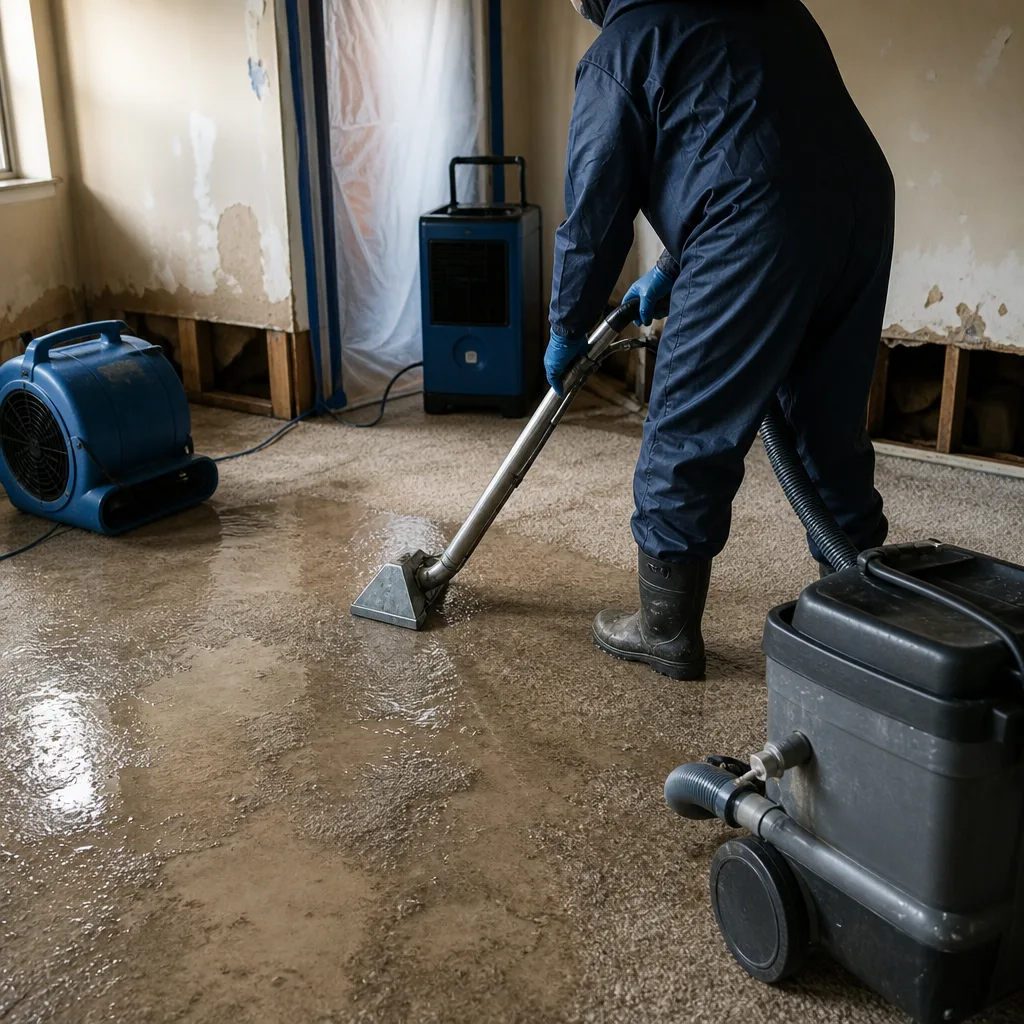
- 45-minute response commitment to Hoboken addresses, with crews crossing the river via dedicated routes to avoid PATH-area congestion.
- 24/7 live answer - a real person, never an automated system or voicemail tree, on every call at any hour.
- IICRC-certified crews holding WRT (Water Damage Restoration Technician) and FSRT (Fire & Smoke Restoration Technician) credentials, with AMRT (Applied Microbial Remediation Technician) certification for the Category 3 black-water events common in Hoboken basement fires.
- Free visual inspection on every emergency call, with moisture readings and thermal imaging included at no charge.
- Direct insurance billing with photo-documented estimates formatted to carrier specifications, plus direct adjuster coordination.
- One team from emergency response through reconstruction - no handoffs to unknown contractors mid-project.
BeforeAfterOur Fire & Smoke Damage Restoration Process
1. Inspection & Assessment
We arrive with thermal imaging cameras, hygrometers, and combustible gas indicators to map the fire’s full footprint, including hidden smoke migration through Hoboken’s shared brick walls. We test any standing water for contamination category and document everything with timestamped photos before anything is moved.
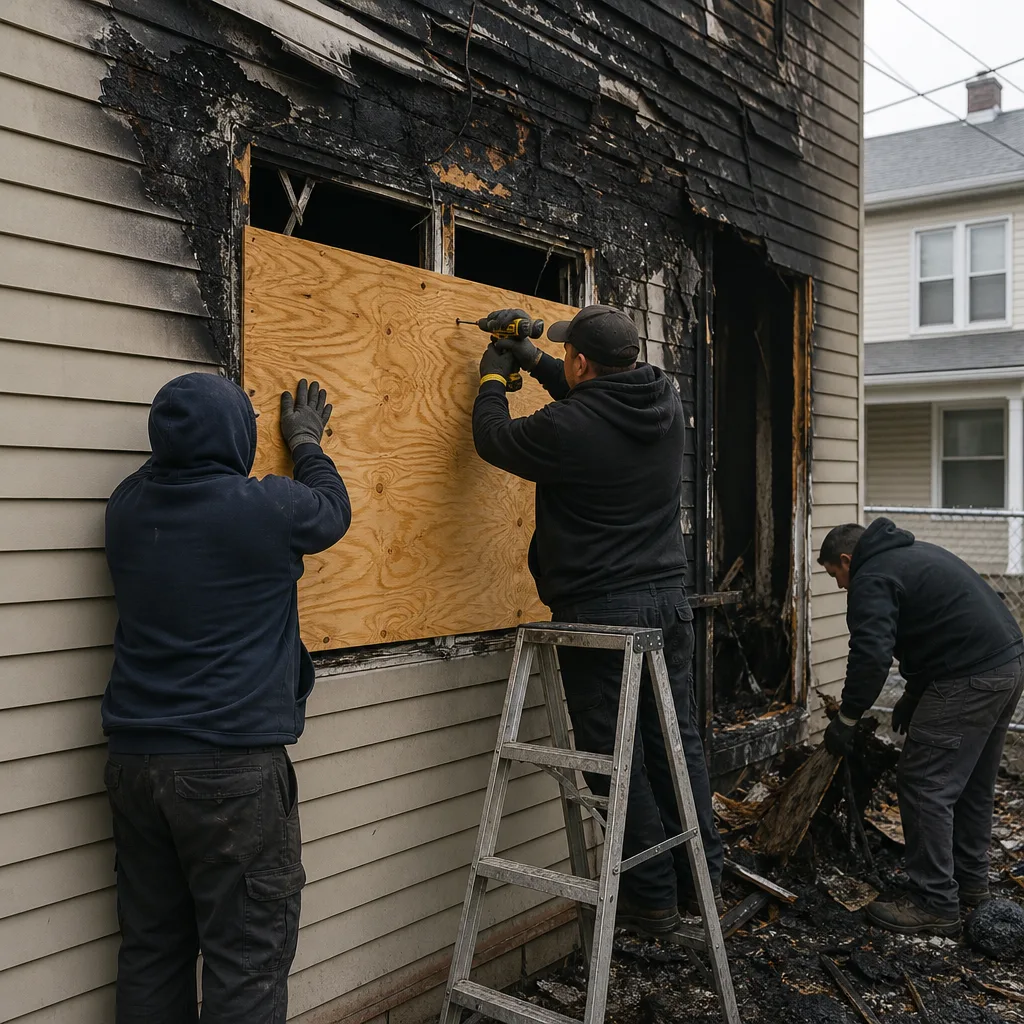
2. Emergency Board-Up & Tarping
Broken windows, compromised roofing, and damaged entry points are secured immediately to prevent weather intrusion and unauthorized access. In Hoboken’s dense streetscapes, we coordinate with Hoboken Fire Department and building management to maintain sidewalk safety and code compliance.
3. Water Extraction & Structural Drying
Fire suppression leaves thousands of gallons in floors and walls. We deploy truck-mounted extractors, Dri-Eaz and Phoenix dehumidifiers, and Injectidry cavity-drying systems to pull moisture from behind plaster and lath before microbial growth begins. Daily moisture logs track progress to IICRC standards.
4. Smoke & Soot Removal
Soot is chemically removed, not merely wiped. We match cleaning agents to residue type: dry sponges for natural smoke, alkaline cleaners for synthetic soot, enzyme digester for protein fires. HEPA air scrubbers run continuously to capture airborne particulate during this phase.
5. Odor Removal & Deodorization
Thermal fogging, ozone treatment, and hydroxyl generators neutralize odor at the molecular level. In Hoboken’s porous brick buildings, we often need to seal affected masonry with odor-blocking primers when smoke has penetrated too deeply for surface treatment alone.
6. Repairs & Restoration
Reconstruction follows a written scope with line-item pricing approved before work begins. We replace fire-damaged drywall, flooring, and trim; restore electrical and HVAC systems; and rebuild to pre-loss condition under our 365-Day Done Right Promise.
Need Emergency Fire & Smoke Damage Restoration in Hoboken Now?
Crews minutes away, answering live 24 hours a day. The sooner we start, the less it costs.
Working With Your Insurance Company
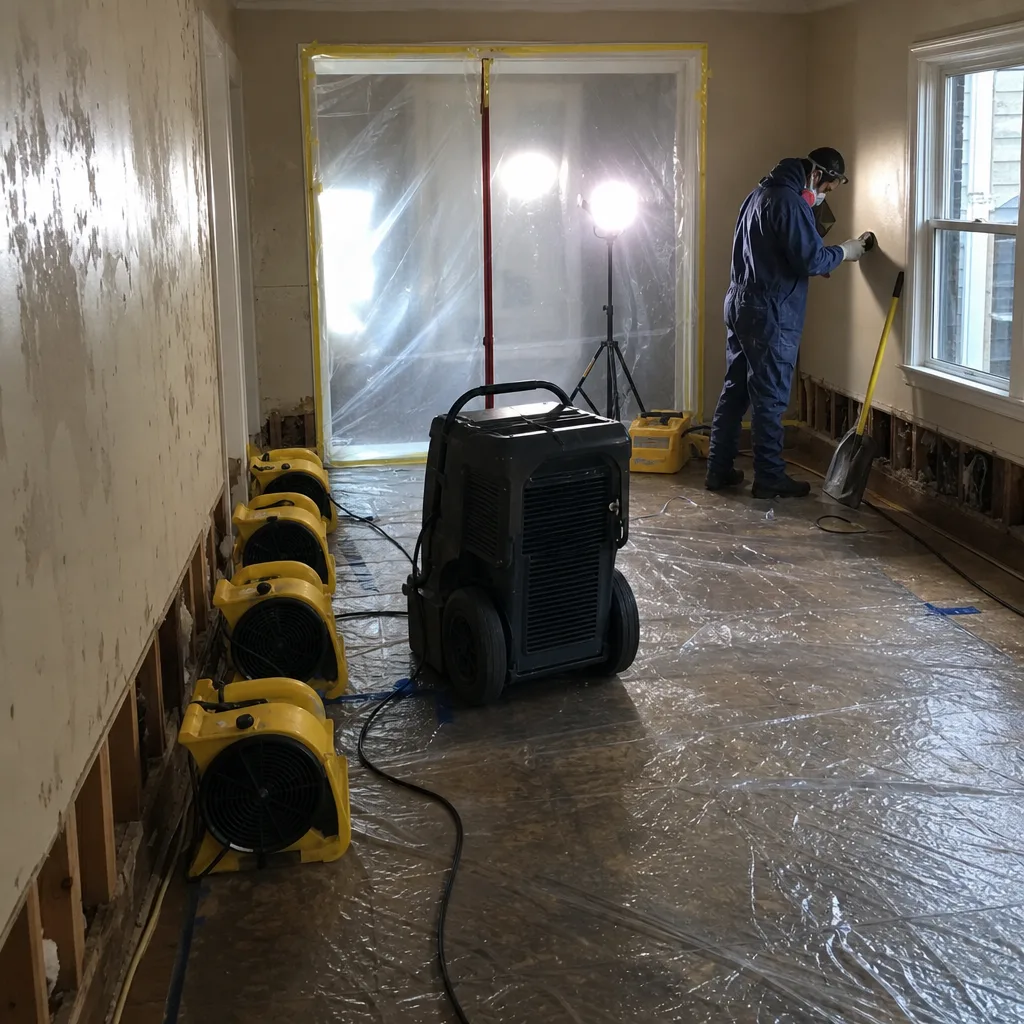
Insurance claims for fire damage succeed or fail on documentation quality. We begin building your file from the first photo on arrival. Our estimates follow Xactimate or Symbility industry standards, formatted to your carrier’s specifications. We speak directly with adjusters, provide supplemental documentation when scope expands, and never ask you to front costs for covered losses.
Hoboken’s dense housing stock means many claims involve multiple units, condo associations, or landlord-tenant disputes. We document unit-by-unit damage separately, identify shared-wall impacts for association claims, and maintain distinct photo records for each party’s insurer.
What We Provide Your Insurer
- Thorough documentation of the loss
- Photos of all damage, room by room
- Moisture readings and drying logs
- A detailed, line-item scope of work
- Direct coordination with your carrier
Built for Hoboken’s Loss Calendar
Hoboken’s fire and smoke damage follows distinct seasonal patterns tied to its building stock and coastal climate. January and February bring the highest frequency of space-heater fires in converted basement apartments and aging row house units with inadequate electrical service. Residents plug 1500-watt heaters into 1920s knob-and-tube circuits. March and April nor’easters drive combined-sewer backflow into basement-level electrical panels, causing short fires that produce heavy synthetic soot from modern appliances.
July and August heat waves strain window air conditioners in buildings never designed for central cooling; overloaded circuits in shared-wall structures can ignite in one unit while neighbors remain unaware until smoke penetrates party walls. October through December holiday lighting and cooking surges produce Hoboken’s highest kitchen fire volume, often in fourth-floor walkup units where evacuation complicates suppression and smoke travels downward through stairwells.
The common thread: Hoboken’s attached brick buildings mean no fire is truly contained to one unit. Our Fire & Smoke Damage Restoration protocols assume multi-unit impact until proven otherwise.
Fire & Smoke Damage Restoration Across Hoboken’s Neighborhoods
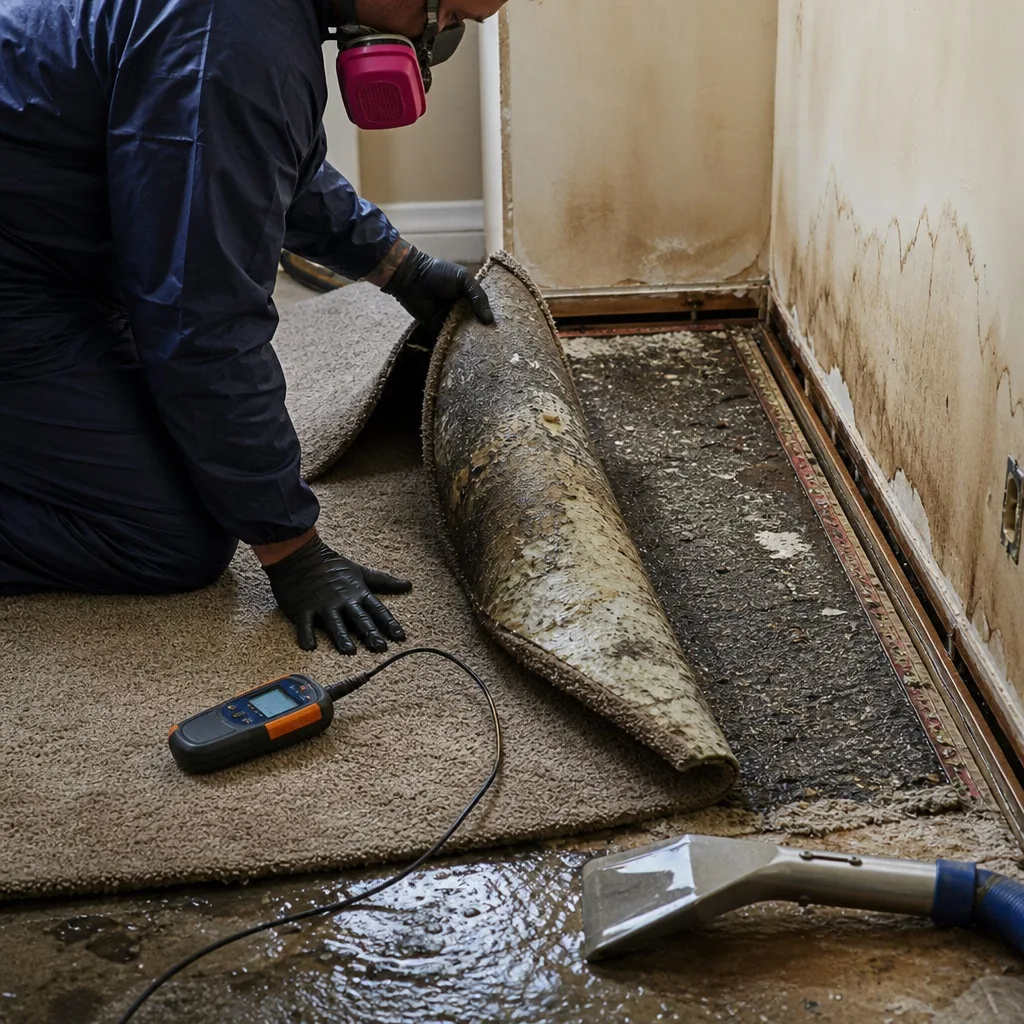
We respond across Hoboken’s full grid, but building type and fire-loss patterns vary sharply by area.
Downtown Hoboken - the blocks between Washington Street and the Hudson River waterfront - contains the city’s newest construction alongside its oldest. High-rise condos with modern fire suppression systems see contained, single-unit smoke events. The 19th-century walkups between them experience the opposite: shared-wall fires where our crews must coordinate with multiple condo boards and the Hoboken Fire Bureau simultaneously.
The Observer Highway corridor and blocks immediately west sit at the bowl’s lowest point. Basement fires here almost always involve Category 3 black water from combined-sewer backflow. We pre-stage antimicrobial agents and full PPE before arrival, not after assessment, because veteran local techs know the test results before they run them.
Uptown Hoboken - north of 14th Street toward Weehawken - has slightly higher elevation and newer building stock from the 1920s-1950s. Fires here trend toward kitchen grease and electrical origin in owner-occupied brownstones. The attached-wall risk remains, but basement flooding is less severe, allowing faster transition from water extraction to smoke remediation.
The PATH station vicinity and central commercial blocks see mixed-use buildings with residential above retail. Fires in ground-floor restaurants produce protein and synthetic soot combinations that require specialized cleaning protocols for both the business and upstairs apartments. We coordinate with Hoboken’s Building Department on occupancy questions during restoration.
Specialized Fire & Smoke Damage Restoration Services We Offer in Hoboken
Fire Damage Cleanup
Complete removal of fire-damaged materials, from charred structural elements to destroyed contents. In Hoboken’s masonry buildings, we test mortar integrity after thermal shock and document whether heat has compromised the structural capacity of load-bearing brick walls.
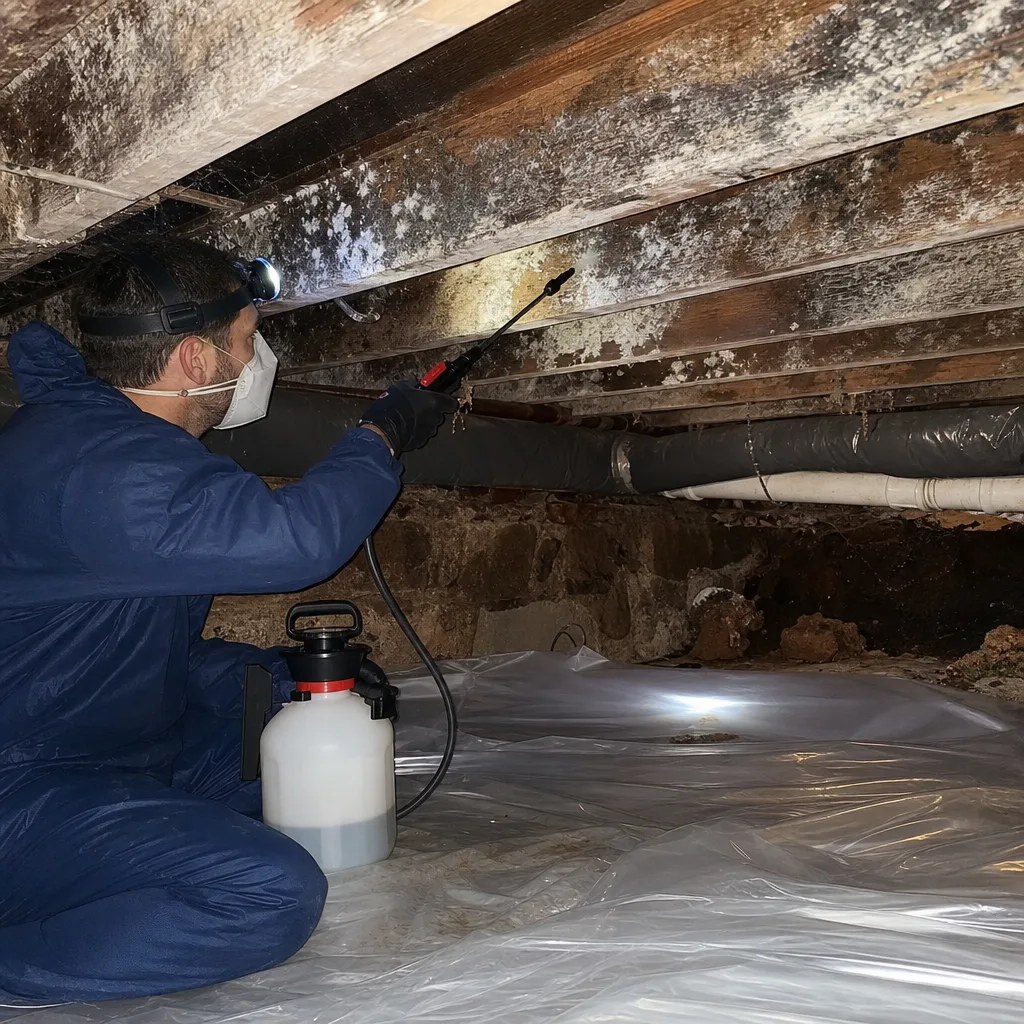
Smoke & Soot Removal
Different soot types demand different chemistry. We identify residue type on-site and select cleaning agents accordingly. In Hoboken’s dense housing, we extend assessment to adjacent units when smoke migration is suspected through shared party walls or common HVAC risers.
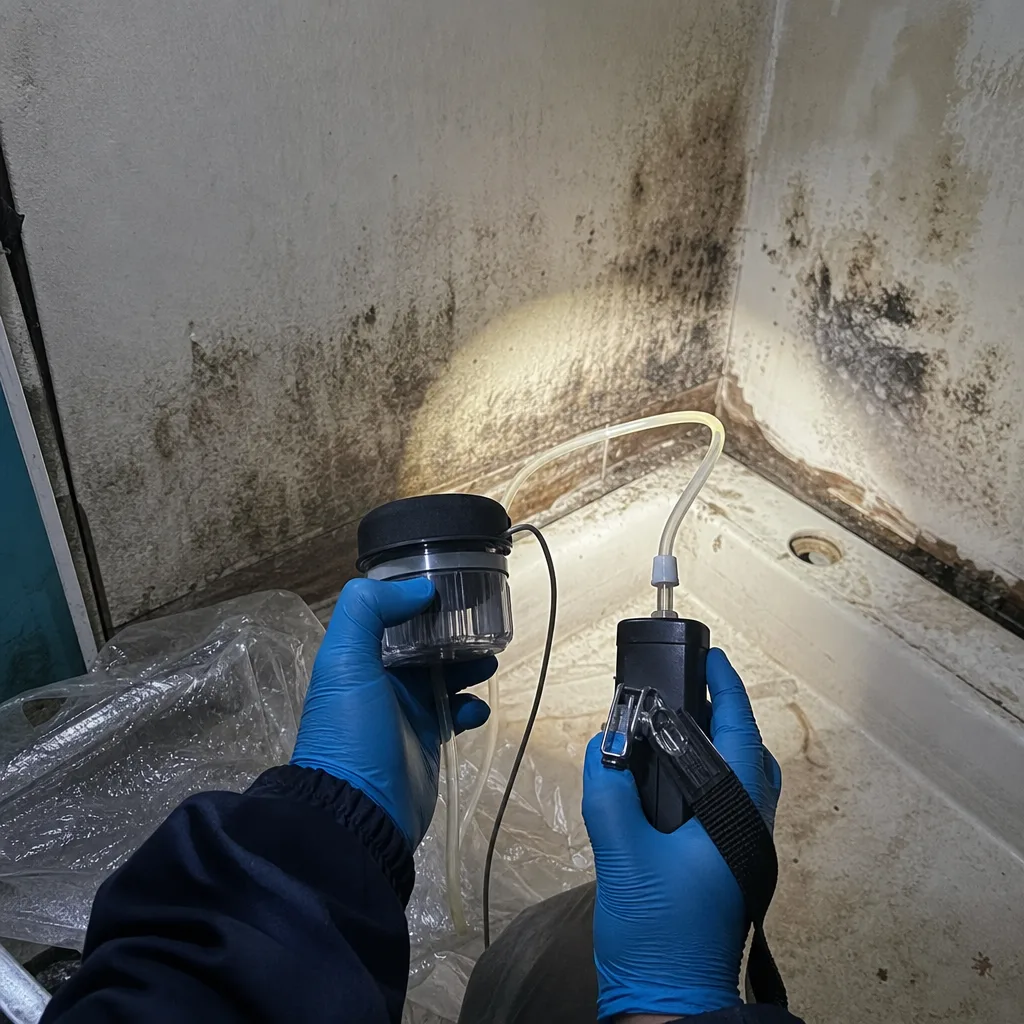
Odor Removal & Deodorization
Smoke odor in porous brick and plaster doesn’t respond to surface cleaning. We deploy thermal fogging, ozone generators, and hydroxyl machines, then seal deeply affected masonry with odor-blocking primers when necessary. This is often the longest phase in Hoboken restorations.
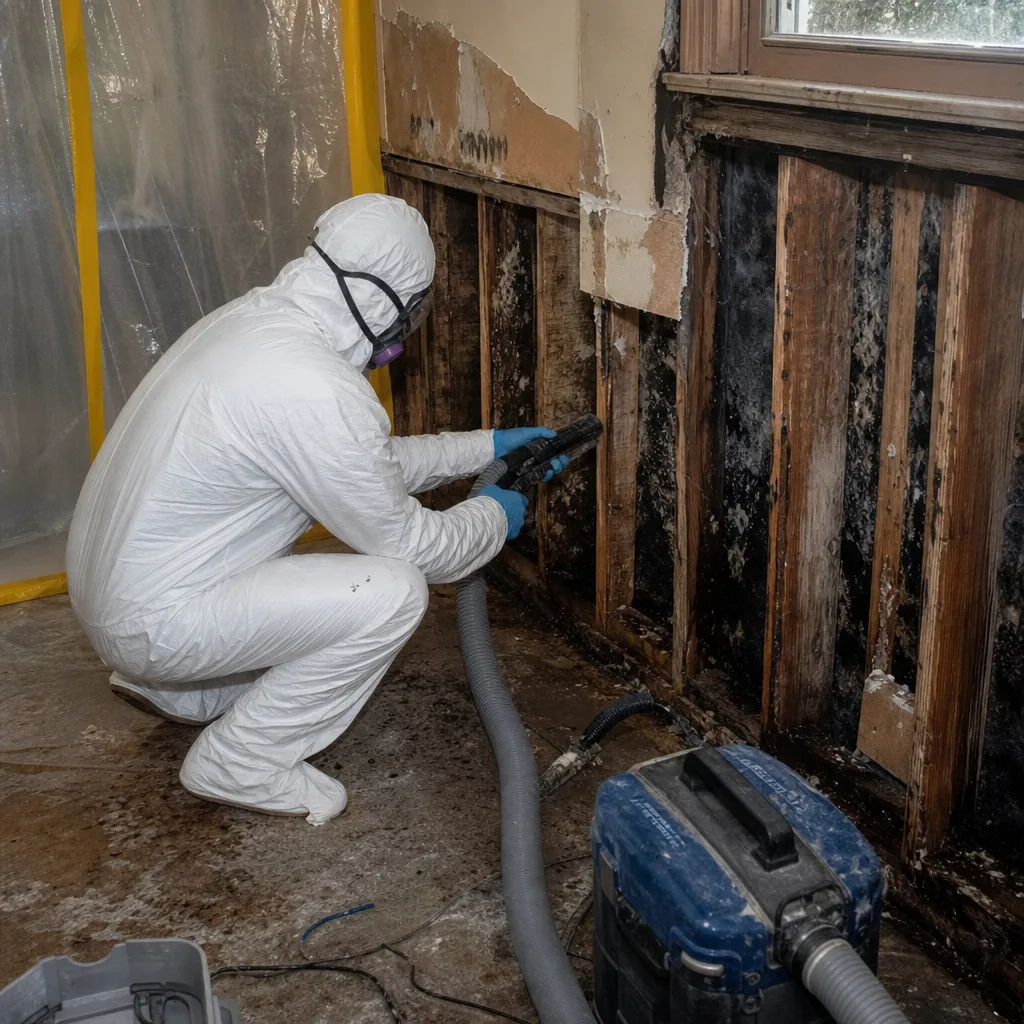
Contents Cleaning & Pack-Out
Salvageable items are inventoried, photographed, and transported to our facility for ultrasonic cleaning, ozone treatment, and specialized textile restoration. Non-salvageable items are documented for insurance replacement value with itemized lists.
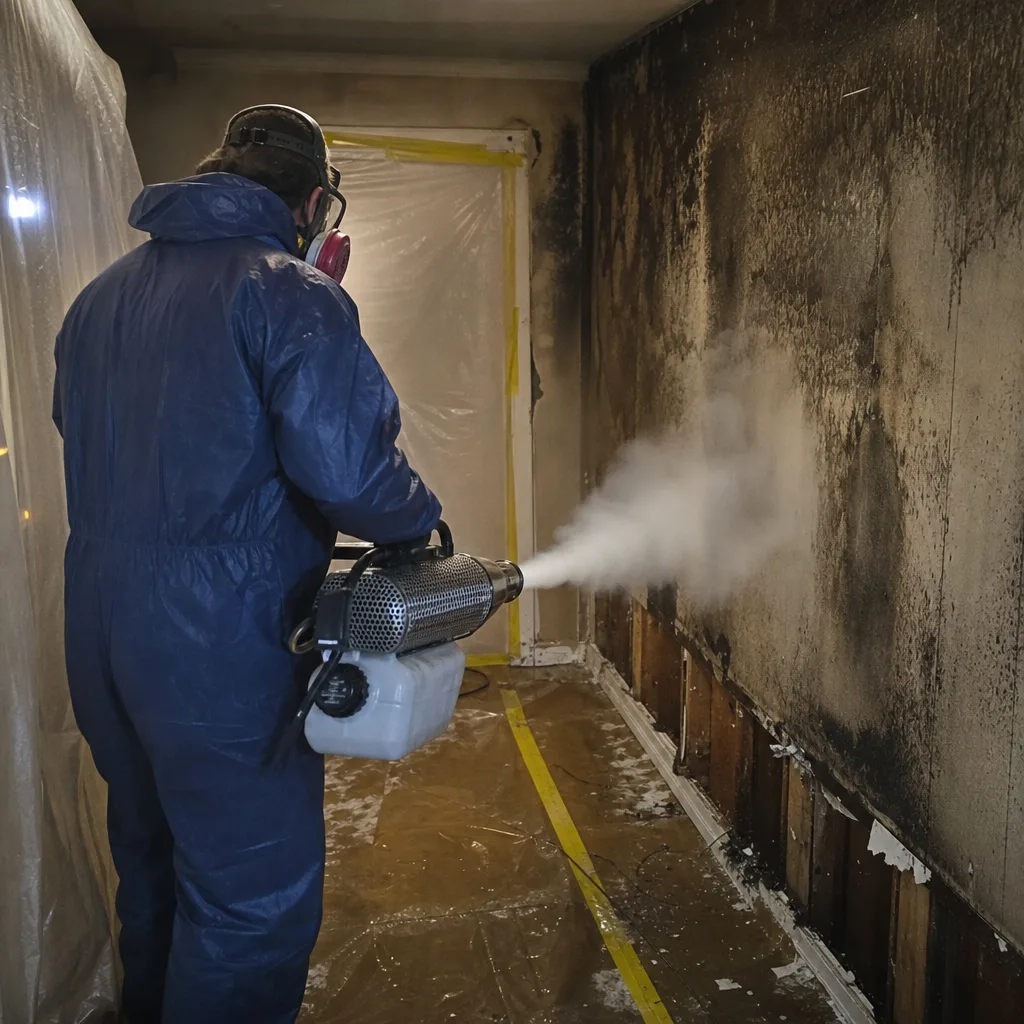
Emergency Board-Up & Tarping
Immediate securing of compromised structures to prevent weather damage and unauthorized entry. In Hoboken’s tight streetscapes, we coordinate sidewalk sheds and pedestrian protection with municipal requirements, maintaining safe passage for neighbors during multi-week restorations.
What happens when you call
- 1
A real person answersNo phone trees - you reach a local pro.
- 2
You get an upfront price rangeHonest numbers before anyone is dispatched.
- 3
A background-checked tech heads outLicensed & insured, dispatched right away.
- 4
You approve before work beginsNothing starts until you say go.
Fire & Smoke Damage Restoration Costs in Hoboken, NJ
Fire and smoke restoration pricing in Hoboken reflects the complexity of attached multi-unit buildings and the frequency of combined water-and-fire losses. Typical ranges for our market:
| Service | Typical Range in Hoboken |
|---|---|
| Emergency board-up and tarping | $800-$2,400 |
| Smoke and soot cleanup, single room | $1,200-$3,500 |
| Full-unit smoke remediation with odor removal | $4,500-$12,000 |
| Structural drying after fire suppression (water damage) | $2,800-$7,500 |
| Contents pack-out and cleaning | $1,500-$5,000 per room |
| Full reconstruction, fire-damaged unit | $15,000-$65,000+ |
What moves the price: square footage affected, soot type (protein fires require more labor), whether water damage accompanies the fire, and whether adjacent units require assessment. Insurance typically covers direct fire and smoke damage plus water damage from suppression; our written scope identifies every line item for your adjuster. Haven Standard, Clause 1: your written price before any work starts. Call (862) 298-5256 for a free inspection and firm scope.
We Also Serve Cities Near Hoboken
Our crews respond throughout Hudson County from our New York City coordination office, including Hoboken and neighboring Union City, Jersey City, Secaucus, and Kearny. Each city has distinct building stock and loss patterns; our protocols adapt accordingly.
Serving Hoboken, NJ - Our Local Coverage Area
We’re based in the Hoboken area and know this community well. Use the map below to see our service coverage - if you’re nearby, we can almost certainly help.
Hoboken Fire & Smoke Damage Restoration Questions, Answered
Does a basement fire in a Hoboken row house need Category 3 black-water protocol?
Yes, almost always. Hoboken’s combined sewer system backflows into basement spaces during fire suppression or independently during the same weather event that strains infrastructure. We test every basement fire scene for fecal coliform and run full Category 3 protocol including antimicrobial treatment and PPE until cleared. Call (862) 298-5256 if you’re unsure about your specific situation.
How does Hoboken’s coastal salt air affect fire-damaged garage hardware?
Salt air accelerates corrosion of springs, hinges, rollers, tracks, and opener chains by years compared to inland locations. Any fire-damaged hardware we touch gets replaced with galvanized or coated springs, stainless fasteners, and nylon rollers rated for coastal exposure. Standard untreated hardware fails prematurely in Hoboken’s damp, saline environment.
Can smoke odor wick from one unit to another through Hoboken’s shared brick party walls?
Yes, and it does regularly. Unreinforced masonry from the 1880-1925 building period is porous, with mortar joints that degrade over time. Smoke pressure differentials drive odor compounds through these channels into adjacent units. We assess neighboring units in every attached-building fire and run moisture mapping and air quality testing across shared walls.
Why do Hoboken fire losses take longer to dry than nearby towns?
Three factors: the high water table and bowl topography slow natural drainage; combined-sewer backflow introduces Category 3 contamination requiring extended antimicrobial protocols; and thick masonry walls with plaster finishes hold moisture longer than modern drywall. A typical Hoboken structural drying runs 5-8 days versus 3-5 in inland Hudson County.
What should I do while waiting for a restoration crew after a fire near Washington Street?
Ensure everyone is safely evacuated and accounted for. Do not re-enter until Hoboken Fire Department clears the structure. If safe from outside, shut off electricity at the main breaker to prevent secondary electrical fire. Do not attempt to clean soot yourself - improper cleaning sets stains permanently. Call (862) 298-5256 and our live dispatcher will guide you through immediate steps while crews respond.
Will my insurance cover smoke damage to my apartment if the fire started next door?
Typically yes, under your renter’s or homeowner’s policy as a covered peril, regardless of fire origin. The key is documentation proving smoke impact in your specific unit. We provide independent moisture readings, air quality tests, and photo documentation for your claim, plus direct adjuster coordination. Call (862) 298-5256 for a free inspection and written scope for your carrier.
How long does full fire and smoke restoration take in a typical Hoboken row house unit?
Light smoke damage with no structural impact: 3-5 days. Moderate damage with water suppression and multi-room soot: 2-3 weeks. Major fire with structural drying, odor remediation, and reconstruction: 6-16 weeks. Hoboken’s shared-wall buildings add coordination time with adjacent owners and condo associations. We provide a written timeline with your scope before work begins.
Are your technicians certified for fire and water damage specifically?
Yes. Our lead technicians hold IICRC FSRT (Fire & Smoke Restoration Technician) and WRT (Water Damage Restoration Technician) certifications, with AMRT (Applied Microbial Remediation Technician) for the Category 3 events common in Hoboken. Background checks and license verification are completed before any technician enters your property. Call (862) 298-5256 to request credential documentation.
Written by Alicia Brennan, Owner at Back to Dry Restoration, serving Hoboken since 2011 under The Haven Standard.
Fire & Smoke Damage Restoration in Nearby Areas