Free visual inspection and a written scope of work before any mitigation begins - photos, moisture readings, and drying logs go in your claim file
The scope we write is the scope we bill. Anything new gets shown to you, in writing, before we touch it.
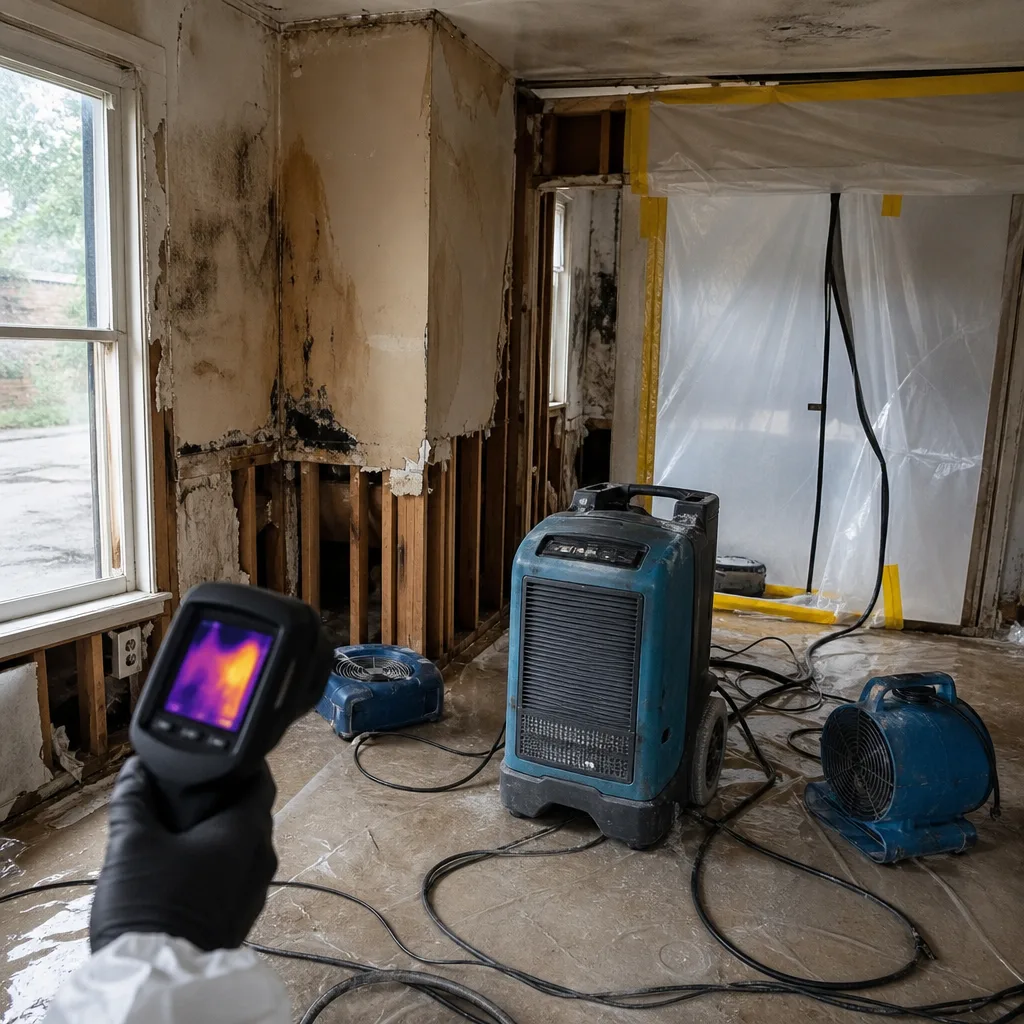 Before
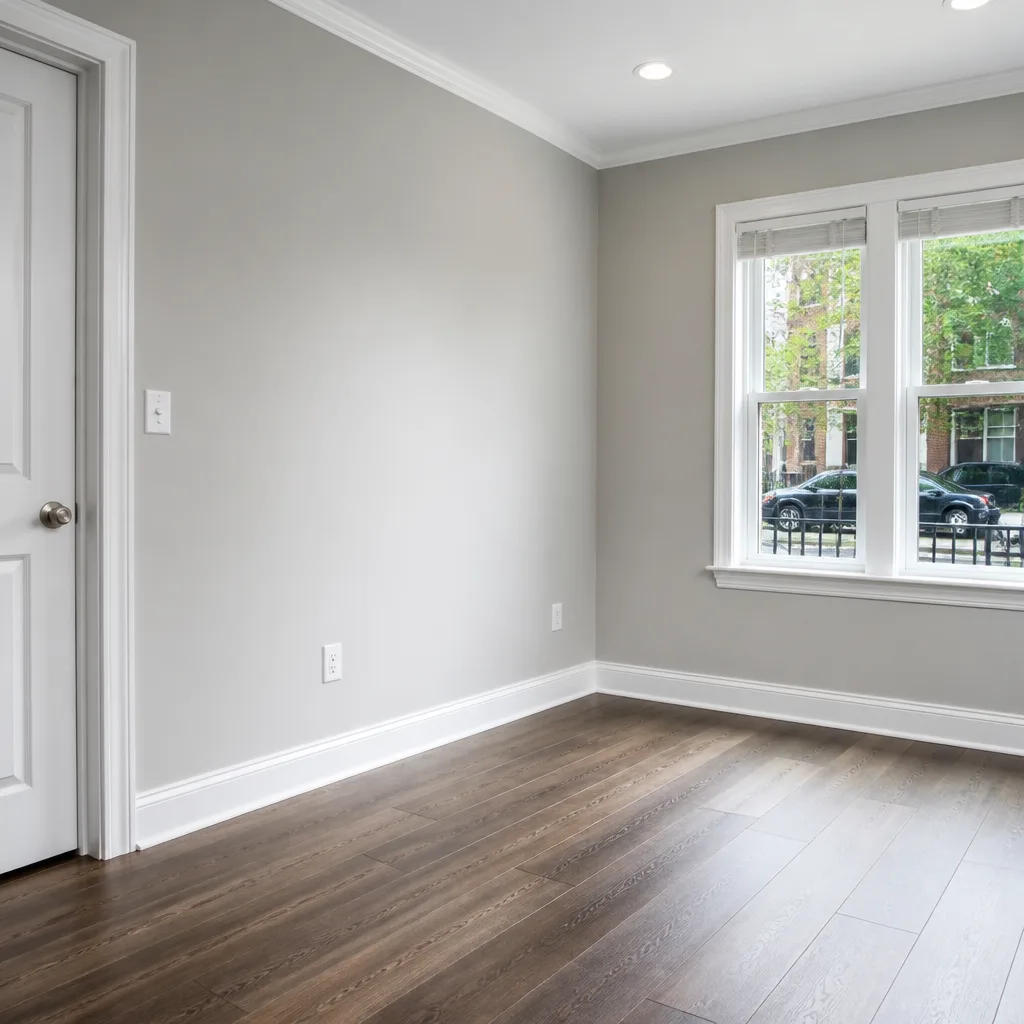 After
After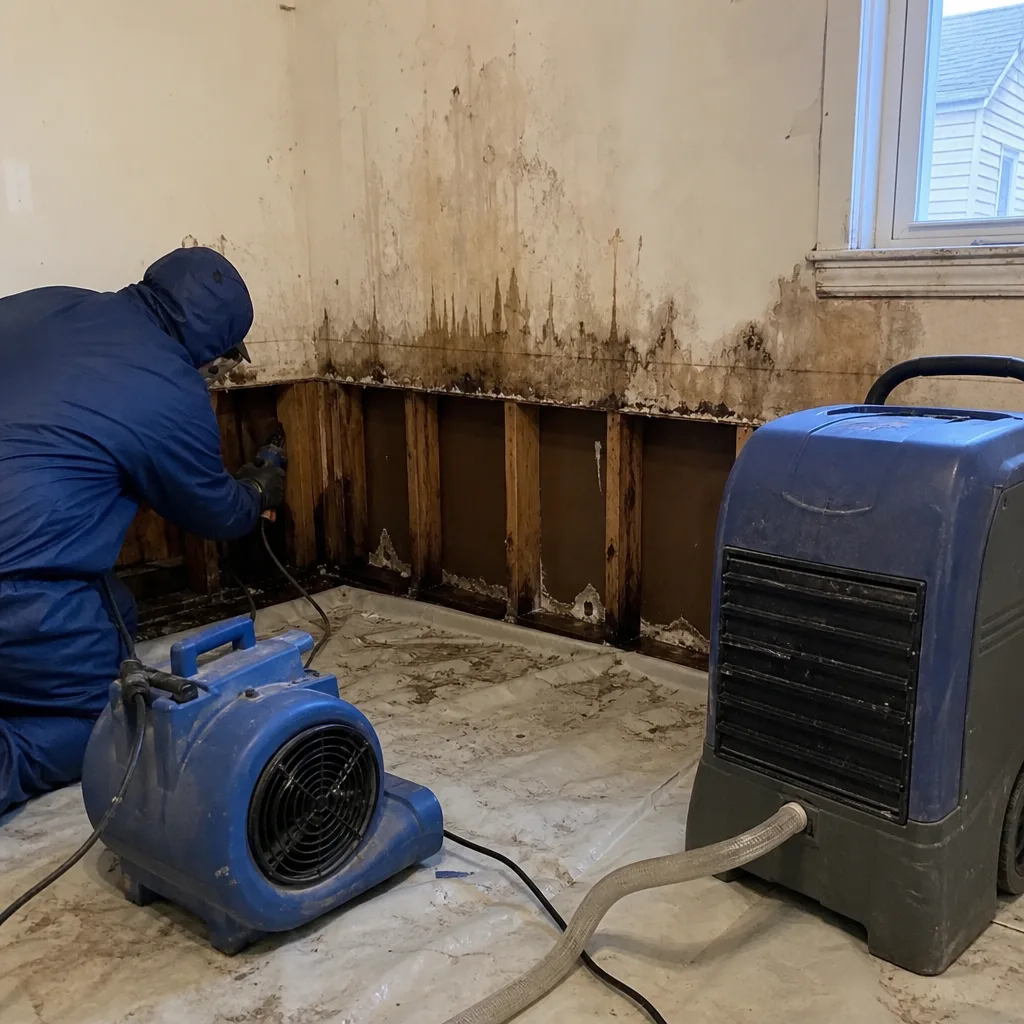 Before
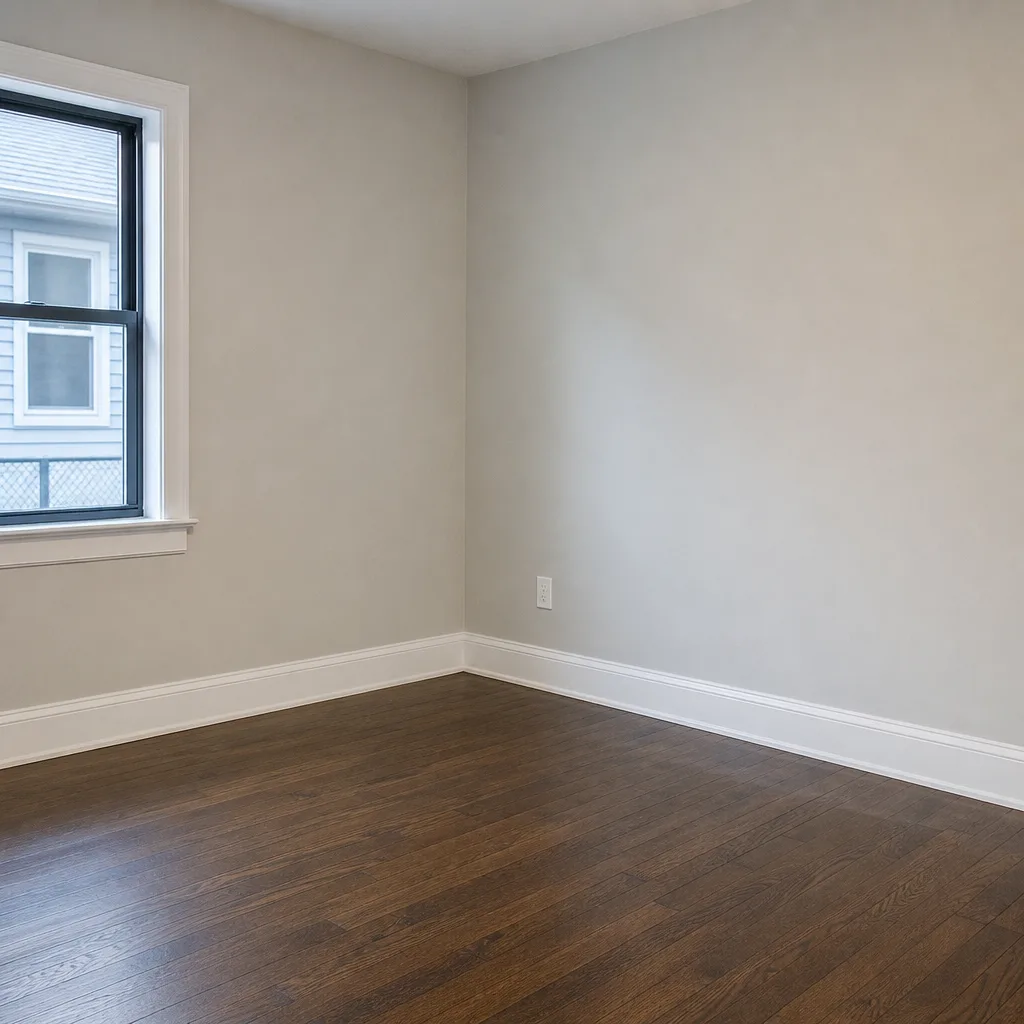 After
After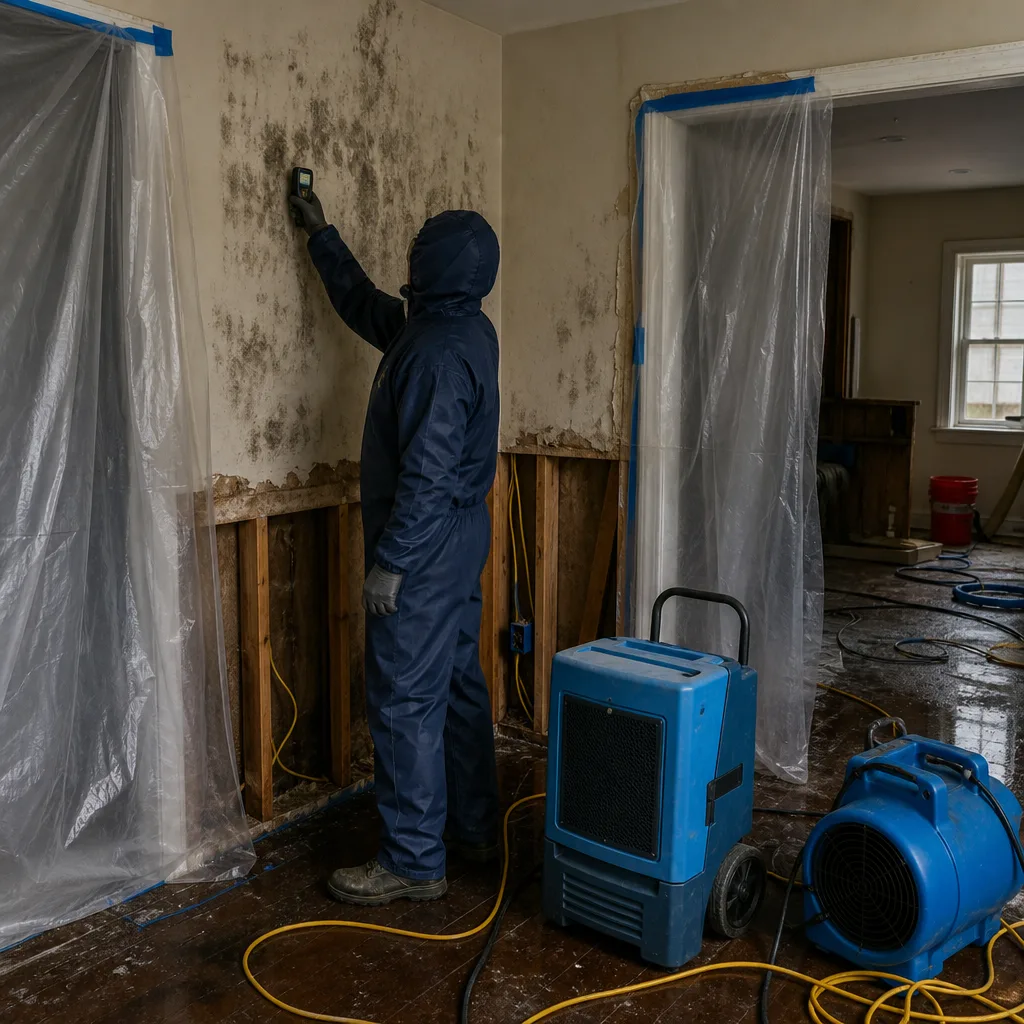 Before
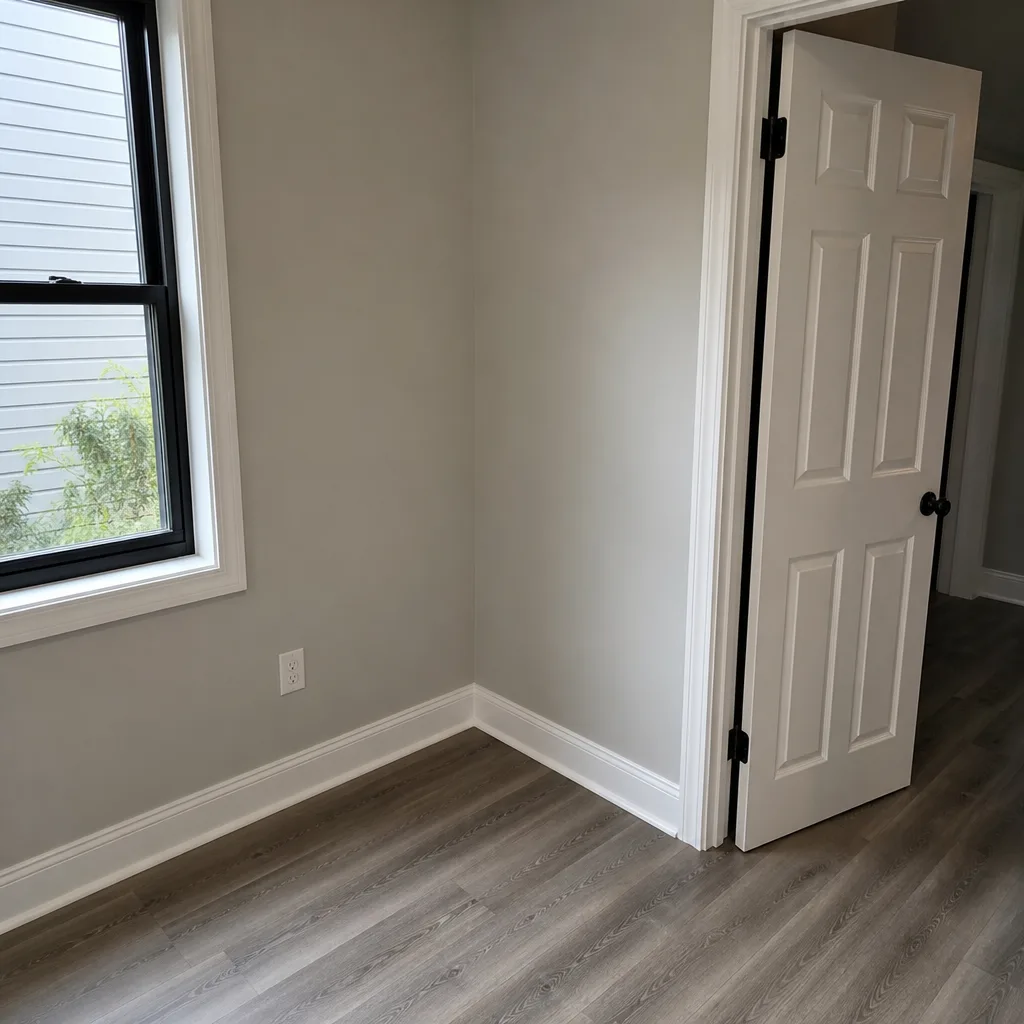 After
After24/7 Emergency Fire & Smoke Damage Restoration in Financial District
A fire in a Financial District building rarely stays contained to one unit. Between suppression water, smoke migration through legacy HVAC risers, and the neighborhood’s deep sub-basement mechanical systems, a small kitchen flare-up on Pearl Street can shut down elevator banks and electrical switchgear three floors below. That’s why our crews carry both fire remediation and water extraction equipment on every Financial District dispatch. Call (862) 298-5256 and you’ll reach a live person, not a voicemail tree. We arrive within 45 minutes, perform a free visual inspection, and deliver a written price before any work begins. The first hour determines whether smoke odor returns in two weeks or stays gone for good.
Our Fire & Smoke Damage Restoration team dispatches from our New York City office, with crews already staged for the narrow streets and loading-dock logistics of lower Manhattan. We document every step, from the initial moisture reading to the final clearance photo, because Haven Standard, Clause 1 requires a written price before work starts, and because your adjuster will need that paper trail to approve the claim.
Understanding Fire & Smoke Damage Restoration Severity in Financial District Properties
Fire damage in Financial District buildings follows a pattern you won’t find in newer construction. The dominant housing stock here is pre-war commercial high-rises, largely built between 1900 and 1950, then converted to luxury residential starting in the late 1990s. Many are landmarked. These conversions kept the original deep sub-basements, often three to five levels below grade, with mechanical systems installed at or below sea level. When a fire suppression sprinkler discharges, or when firefighters’ hoses add to the load, that water doesn’t pool in a basement slab. It finds the lowest point of a building that sits in FEMA Zone AE, sometimes filling utility corridors that were already compromised during Hurricane Sandy’s 2012 surge.
We classify the resulting damage in tiers. A contained kitchen fire with minimal suppression water is a Category 1 water event with dry smoke residue, the easiest to remediate. A sprinkler discharge in a sub-basement mechanical room, where water contacts electrical switchgear and elevator machinery, becomes Category 3 black water with oily soot and potential PCB contamination from old transformers. Smoke migration complicates both: wet smoke from slow-burning synthetic materials clings to porous original plaster, while dry smoke from fast, hot fires drifts through legacy chases into adjacent units and the HVAC riser. Tertiary smoke damage, the odor that returns days later, happens when containment and sealing stop at the fire floor instead of extending to the full vertical stack. Our crews map each type with thermal imaging and document it to IICRC S500 and S700 standards.
Why Financial District Property Owners Choose DryMark Restoration Jersey City
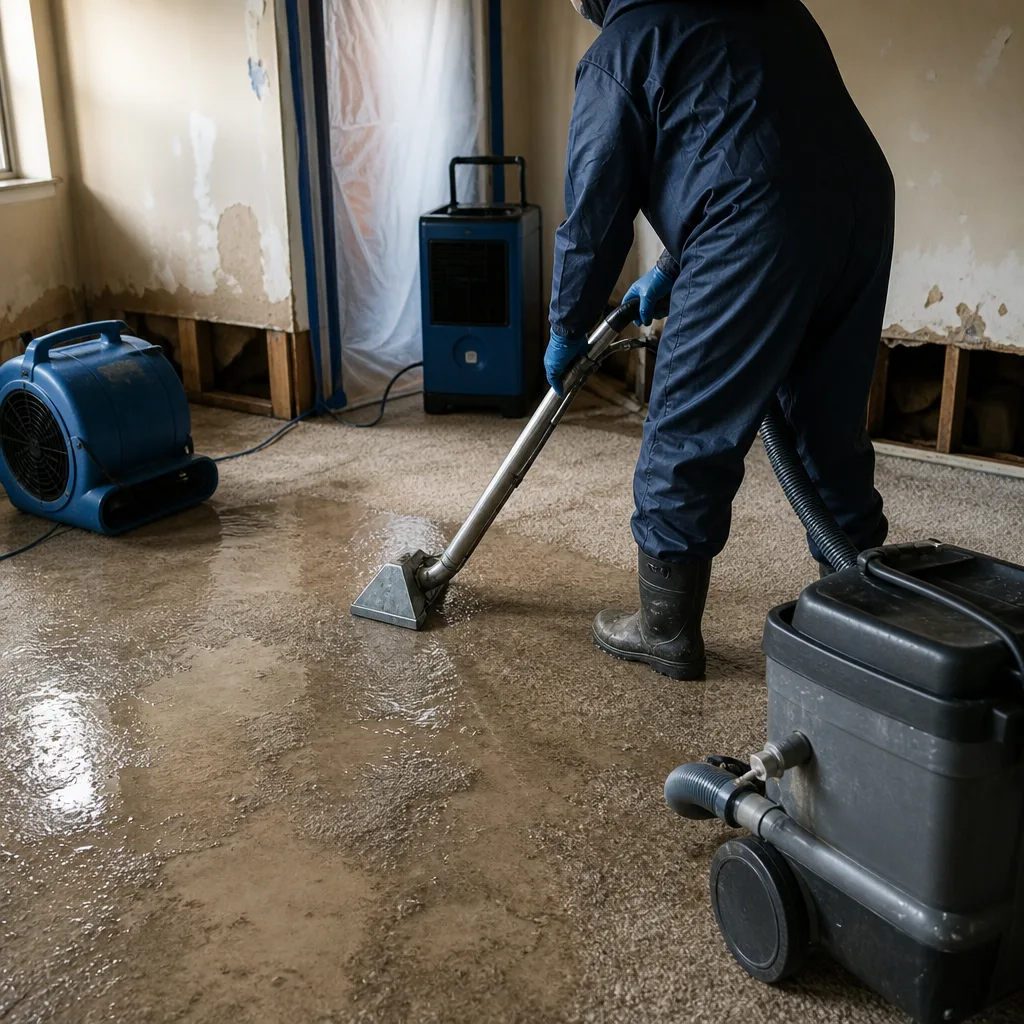
- 45-minute response commitment to Financial District addresses, with crews carrying both fire remediation and water extraction equipment because the two almost always overlap here.
- 24/7 live answer - a real person picks up every call, every hour, with no voicemail trees or next-business-day callbacks while smoke residue is still settling into porous plaster.
- IICRC-certified crews holding WRT (Water Damage Restoration Technician), FSRT (Fire and Smoke Restoration Technician), and AMRT (Applied Microbial Remediation Technician) certifications, with license numbers documented on every job.
- Free visual inspection and a written scope delivered on-site, before any equipment is unloaded or any demolition begins.
- Direct insurance billing with photo-documented estimates, daily drying logs, and adjuster coordination handled by staff who used to write claims from the other side of the desk.
- One team from extraction to reconstruction - the same crew that boards up your windows on Saturday handles the final paint touch-up three weeks later, with no handoff gaps in documentation.
BeforeAfterOur Fire & Smoke Damage Restoration Process
1. Inspection & Assessment
We arrive with thermal imaging cameras, hygrometers, and moisture meters to map the full extent of fire, smoke, and water damage. In Financial District buildings, this includes an immediate audit of sub-basement mechanical room elevations, because a single sprinkler discharge in an unretrofitted building can trigger a full-building shutdown. Every reading is logged.
2. Emergency Board-Up & Stabilization
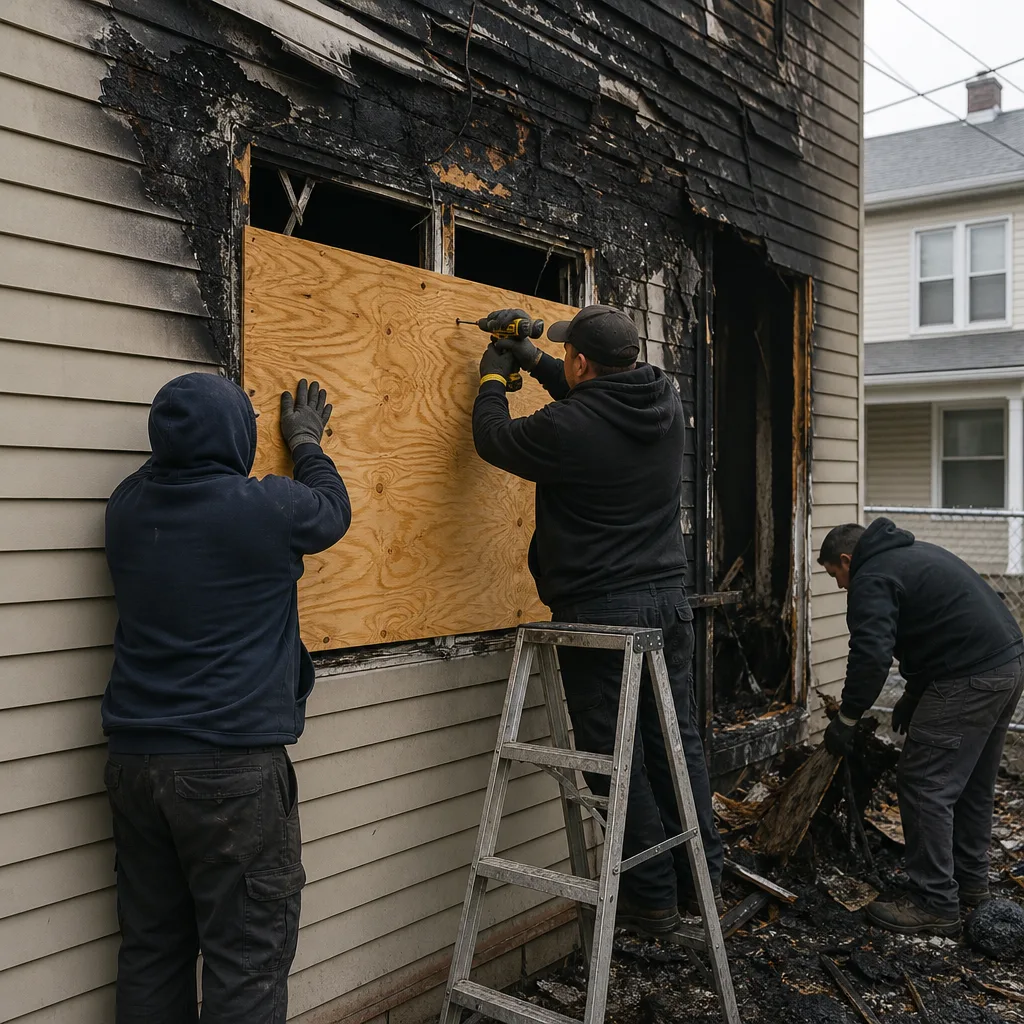
Broken windows, compromised doors, and exposed roof sections get secured with plywood and weatherproof tarps to prevent secondary damage. We also establish containment barriers with negative air pressure to stop smoke migration through legacy HVAC risers and plaster chases.
3. Water Extraction & Structural Drying
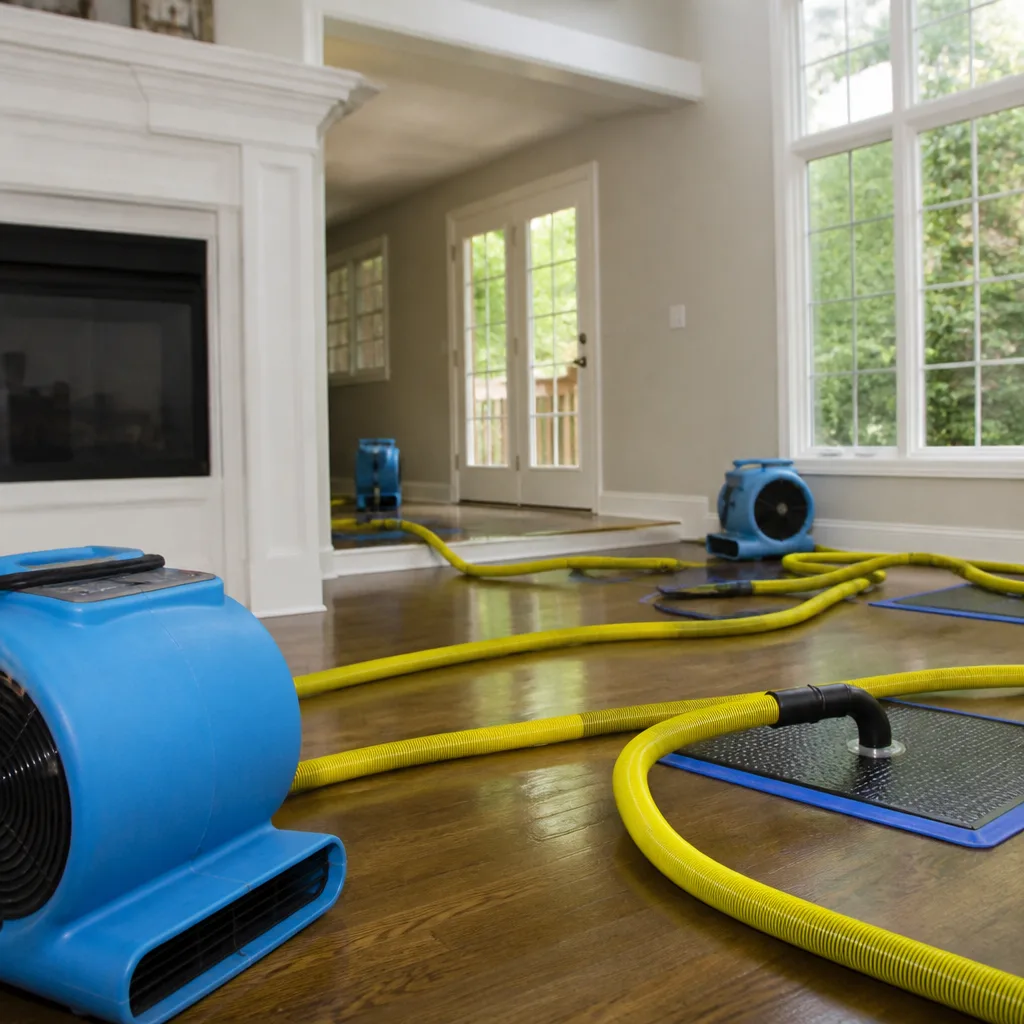
Suppression water and firefighting runoff are extracted with truck-mounted systems, then dried with Dri-Eaz and Phoenix dehumidifiers and XPOWER air movers. In FiDi’s deep sub-basements, we monitor vapor pressure differential - the force that drives moisture into apparently dry materials - until psychrometric data confirms the structure is truly dry, not just surface-dry.
4. Smoke & Soot Removal
Dry smoke, wet smoke, and protein residue each require different cleaning chemistry. We use HEPA vacuums and chemical sponges on non-porous surfaces, while porous original plaster and exposed brick in landmarked units may need soda blasting or dry-ice cleaning to remove embedded soot without destroying the substrate.
5. Odor Removal & Deodorization
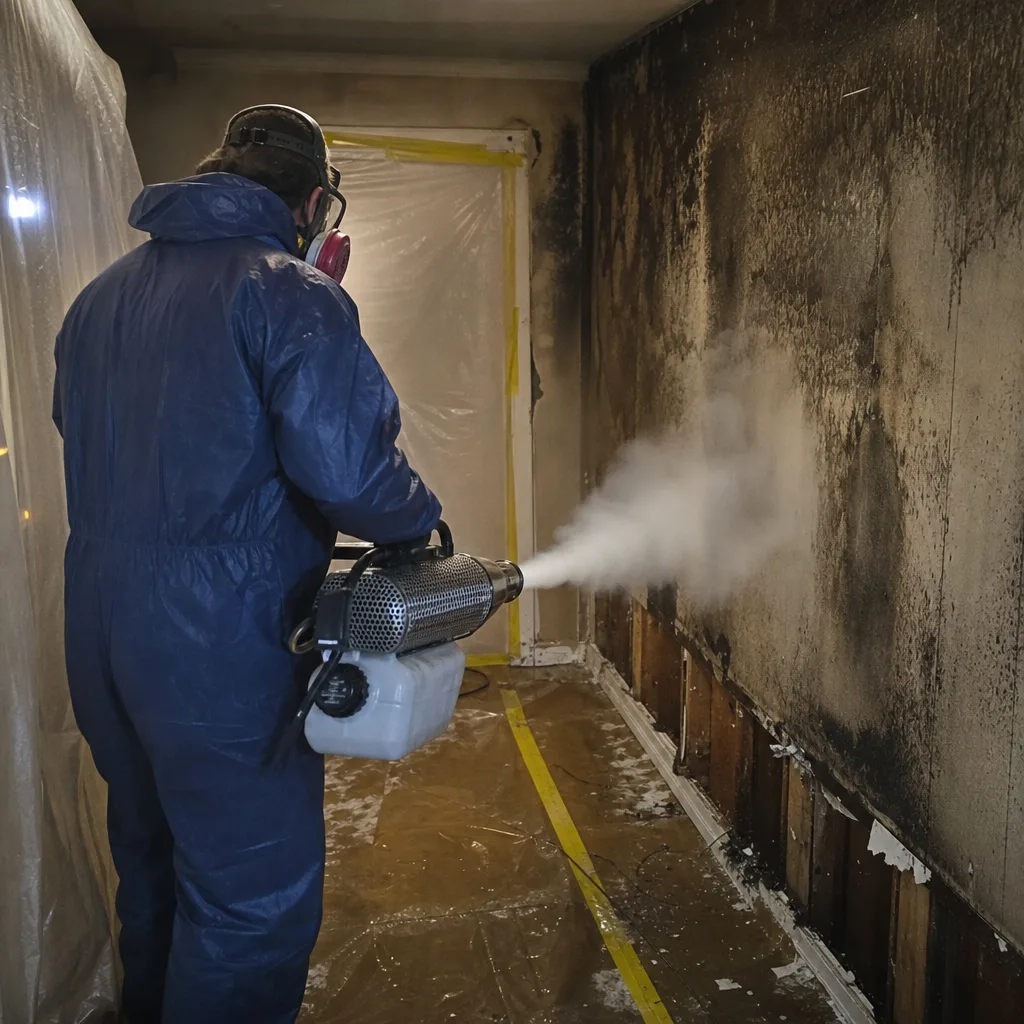
Thermal fogging, ozone treatment, and hydroxyl generators break odor molecules at the source. In Financial District buildings with layered Sandy-era moisture behind post-2012 drywall patches, we extend treatment to those hidden reservoirs, because smoke odor will keep returning if it has a damp substrate to reactivate.
6. Repairs, Reconstruction & Documentation
Charred joists, compromised drywall, and damaged flooring are rebuilt to pre-loss condition. Every phase is photo-documented, every moisture reading logged, and the full record delivered to your adjuster with a signed 365-Day Done Right Promise under The Haven Standard.
Need Emergency Fire & Smoke Damage Restoration in Financial District Now?
Crews minutes away, answering live 24 hours a day. The sooner we start, the less it costs.
Working With Your Insurance Company
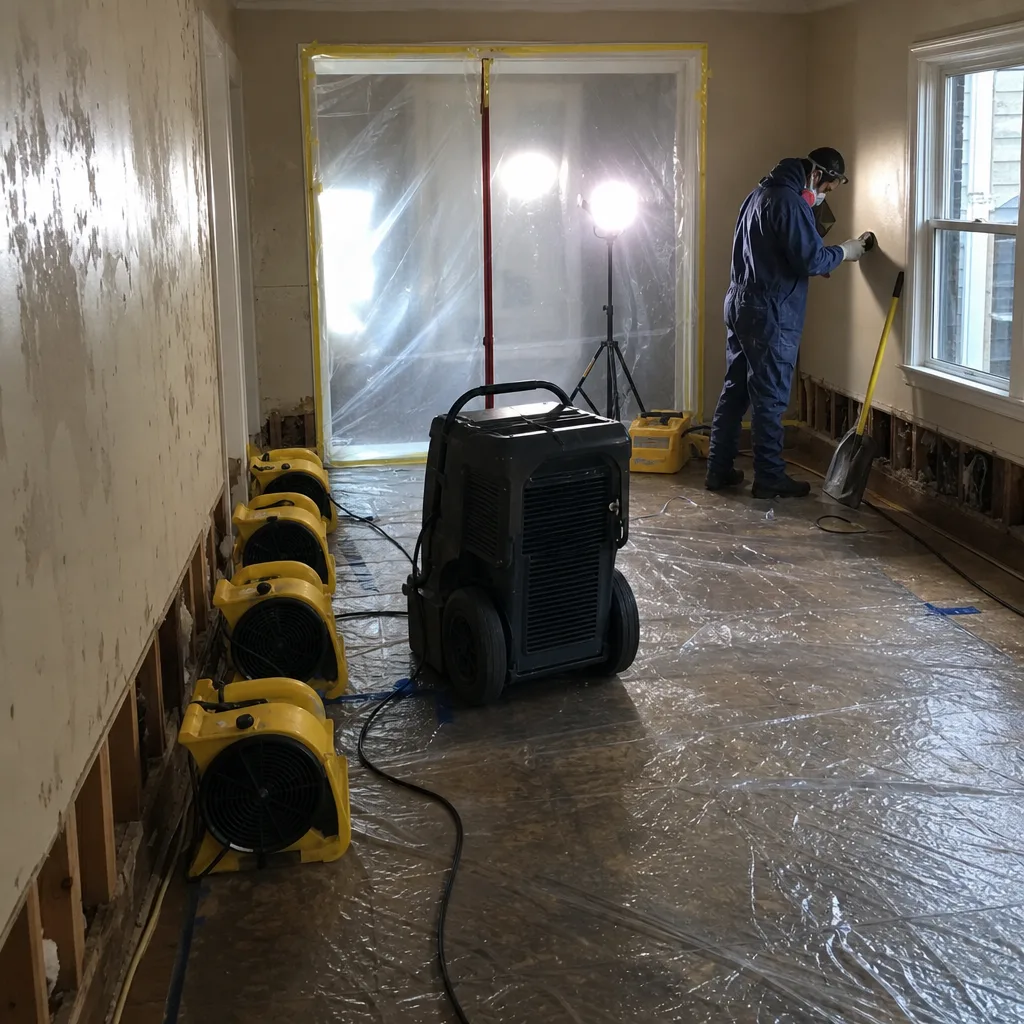
Fire claims in Financial District buildings generate complex invoices: smoke damage to multiple units, water damage to sub-basement mechanical systems, and sometimes business interruption for mixed-use buildings. Adjusters have seen too many restoration bills rejected for insufficient documentation. We solve that problem at the source.
From the first hour, we photograph every affected room, surface, and material. We record moisture readings at standard intervals, producing daily drying logs that show psychrometric progress, not just equipment runtime. Our estimates follow industry-standard Xactimate pricing, line-itemed so your adjuster can verify each charge. We coordinate directly with your carrier, submitting documentation through their preferred portals, and we provide a Free Second Opinion on any competitor’s written estimate if you want to compare.
What We Provide Your Insurer
- Thorough documentation of the loss
- Photos of all damage, room by room
- Moisture readings and drying logs
- A detailed, line-item scope of work
- Direct coordination with your carrier
Built for Financial District’s Loss Calendar
January deep freezes crack sprinkler mains in unheated mechanical rooms, and when those pipes let go in a sub-basement, the water is Category 3 by the time it reaches electrical equipment. Spring nor’easters push tidal surge into ground-floor retail and parking decks, compounding any fire damage with floodwater that carries harbor sediment and fuel residue. Summer’s high humidity, amplified by Financial District’s peninsula geography and ambient moisture from the Hudson and East Rivers, accelerates mold colonization in water-damaged wall cavities, compressing the safe remediation window from 72 hours to 48 or less.
Fall brings the highest fire risk: heating systems kick on for the first time in buildings where old wiring and legacy sprinkler mains have degraded through another summer of salt-air corrosion. The buildings that didn’t fully comply with post-Sandy resilience retrofits, those that left switchgear and boilers in flood-vulnerable sub-basements, are the ones where a standard fire call becomes a multi-week emergency. Our crews know the calendar because we’ve restored more than 12,000 homes since 2011, and we’ve learned that Financial District losses almost always layer fire, water, and storm history into a single job.
Fire & Smoke Damage Restoration Across Financial District’s Neighborhoods
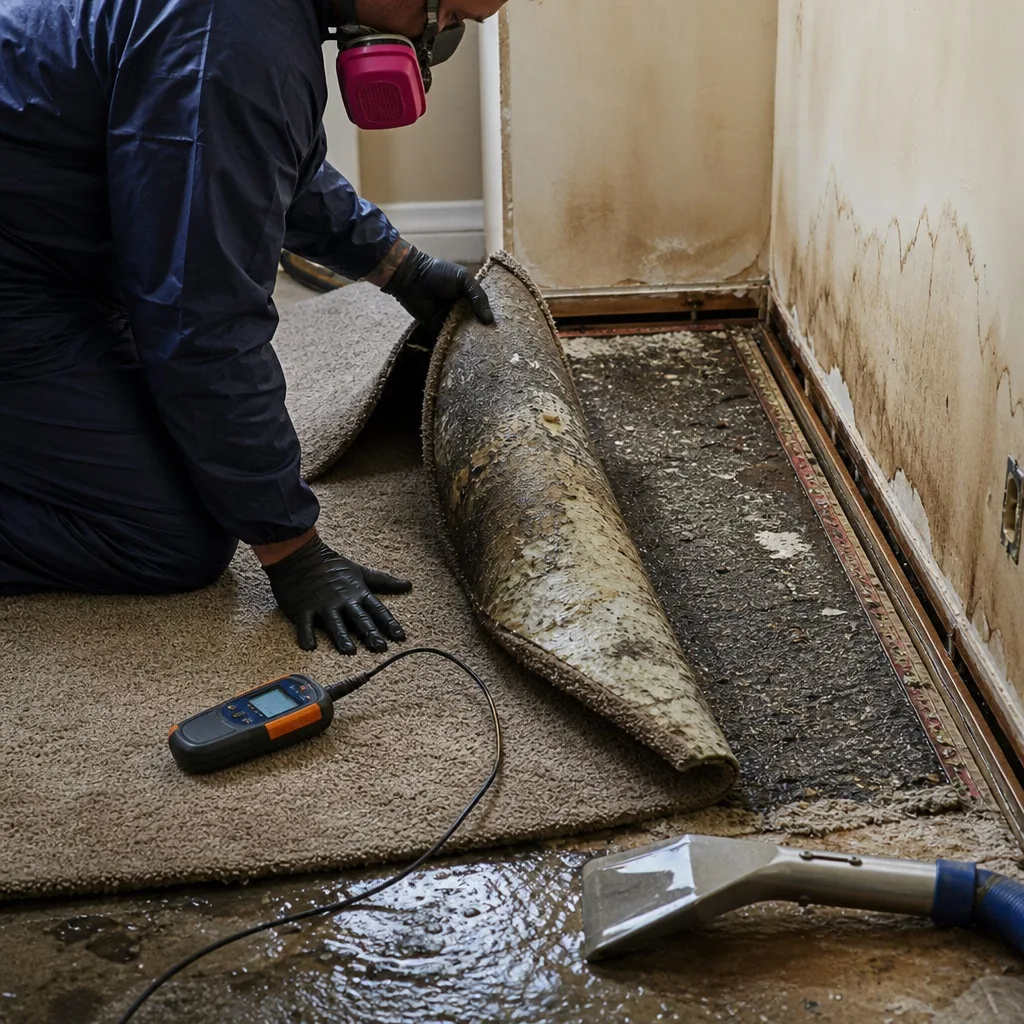
Stone Street’s narrow colonial-era corridor presents access challenges: our trucks stage on Pearl Street while crews hand-carry equipment through alleys to landmarked buildings with original plaster and no service elevators. The response route matters here, and we pre-plan it.
Water Street’s converted 1920s office towers have the deepest sub-basements in the neighborhood, five levels in some buildings, with elevator machinery that was never relocated post-Sandy. A fire call on Water Street always includes a mechanical room audit in the first 15 minutes.
Wall Street’s mixed-use buildings, residential above ground-floor banking, require containment that separates commercial and residential HVAC systems. Smoke migration through shared risers is common, and our crews seal the full vertical stack, not just the fire floor.
Battery Park City’s newer construction presents a different profile: better flood resilience, but the same peninsula humidity and the same risk of storm surge through the Hudson River bulkhead. Even here, we check for pre-existing Sandy remediation layers before declaring a structure dry.
Specialized Fire & Smoke Damage Restoration Services We Offer in Financial District
Fire Damage Cleanup
From contained kitchen fires to full-structure events, we remove charred debris, stabilize compromised structures, and document every removed material for your adjuster. In FiDi’s landmarked buildings, we separate original features from later additions, preserving what can be saved.
Smoke & Soot Removal
Dry smoke, wet smoke, and protein residue each behave differently on pre-war plaster, exposed brick, and modern drywall. We match the cleaning chemistry to the substrate, and in landmarked units, we test every product on an inconspicuous area before full application.
Odor Removal & Deodorization
Smoke odor returns when it finds a damp reservoir to reactivate. In Financial District buildings with layered Sandy-era moisture, we extend deodorization to those hidden patches, using thermal fogging and hydroxyl generators until the substrate is dry and the odor is gone.
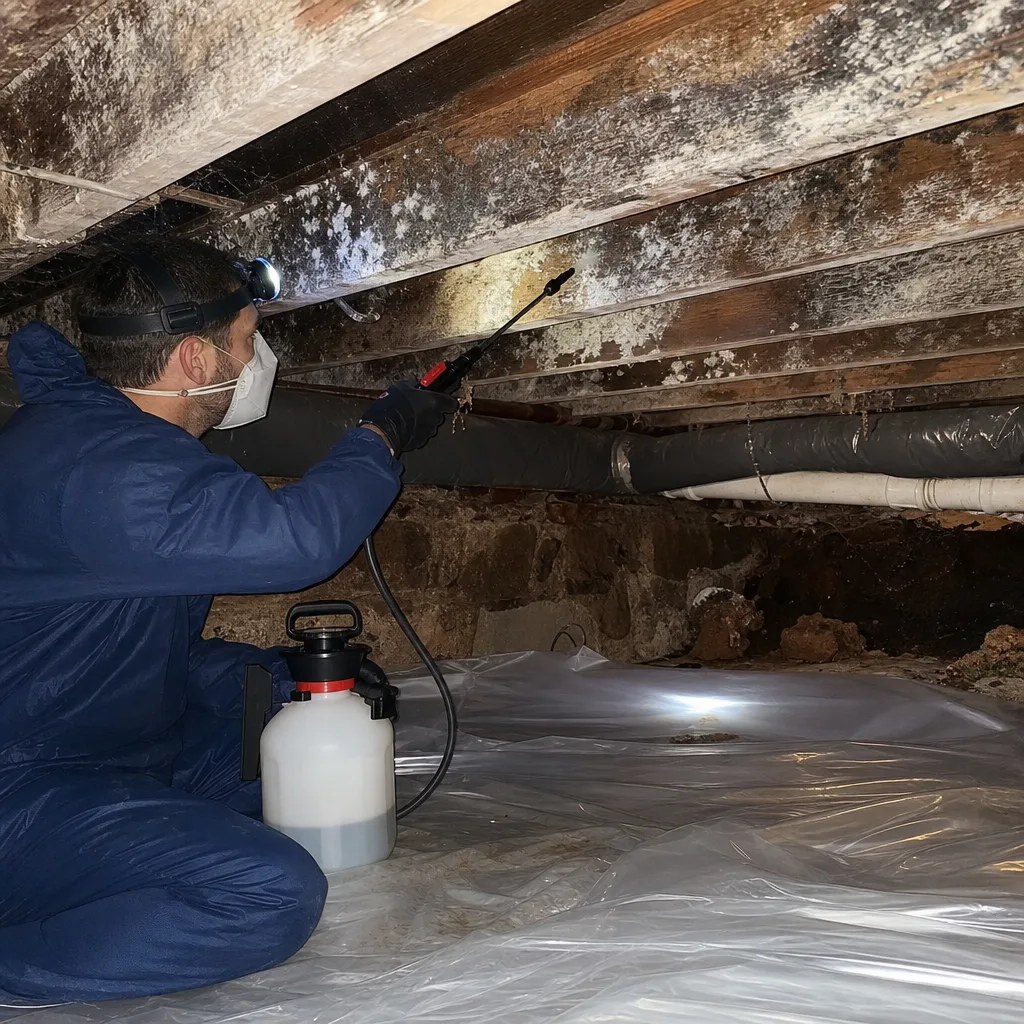
Contents Cleaning & Pack-Out
Your belongings are inventoried, photographed, and transported to our climate-controlled facility for ultrasonic cleaning, ozone treatment, and specialized textile restoration. We deliver a room-by-room inventory to your adjuster and return items only when they’ve passed odor clearance testing.
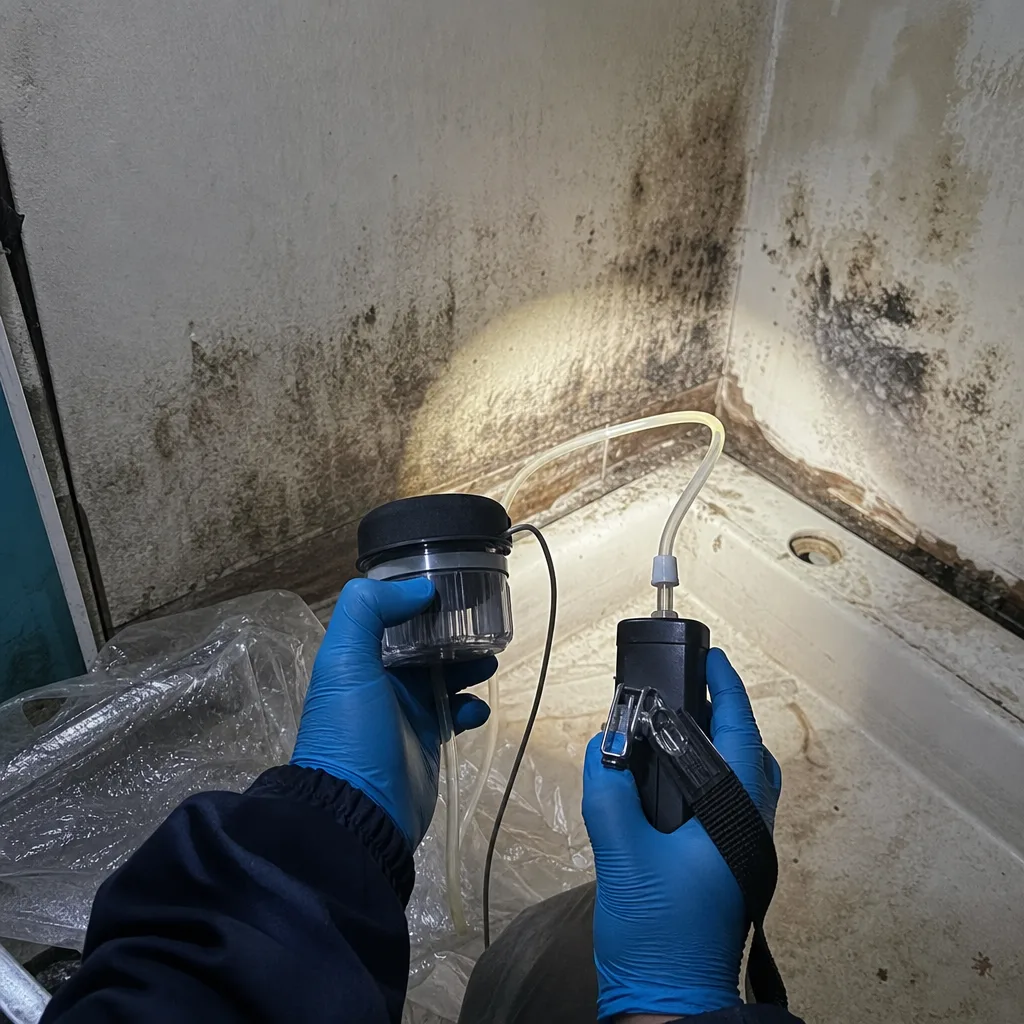
Emergency Board-Up & Tarping
Broken windows and compromised roofs are secured within hours of our arrival, with materials that meet co-op board and landmark commission requirements for temporary protection.
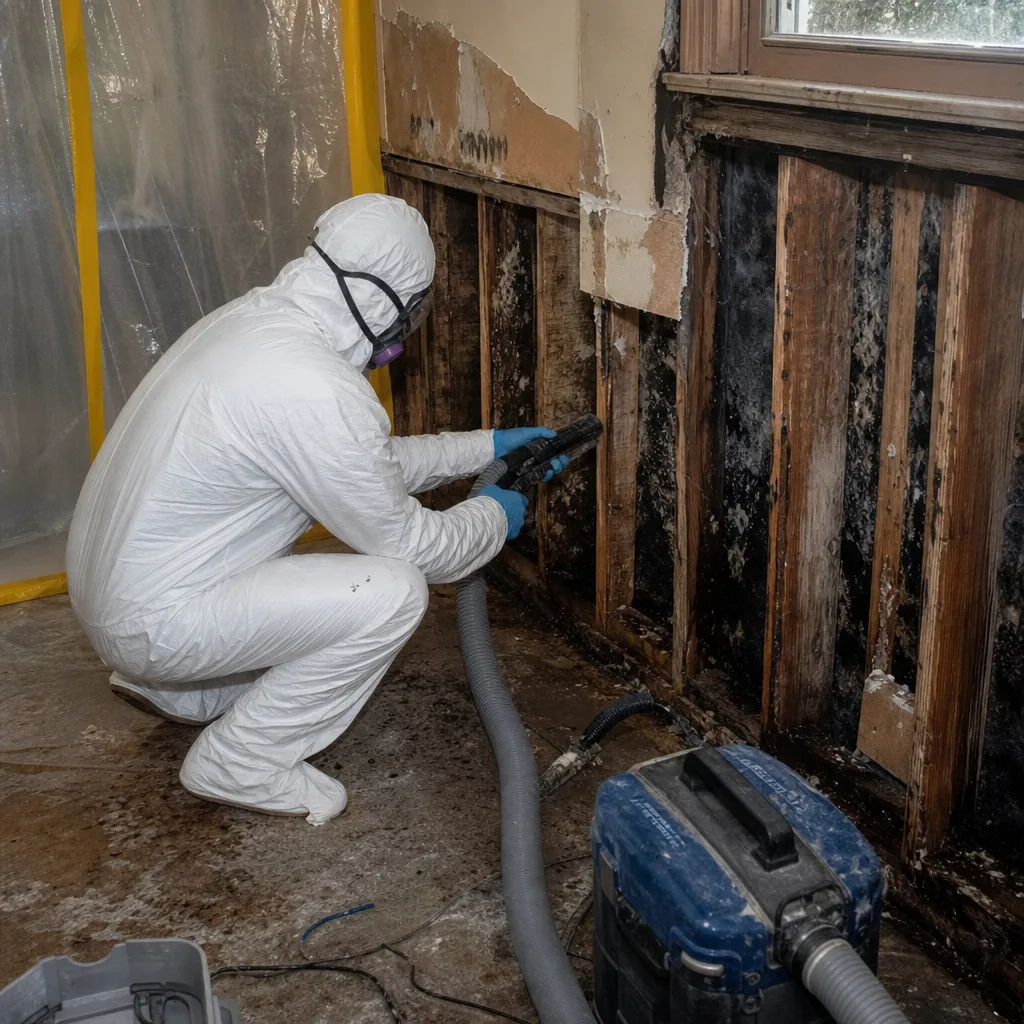
What happens when you call
- 1
A real person answersNo phone trees - you reach a local pro.
- 2
You get an upfront price rangeHonest numbers before anyone is dispatched.
- 3
A background-checked tech heads outLicensed & insured, dispatched right away.
- 4
You approve before work beginsNothing starts until you say go.
Fire & Smoke Damage Restoration Costs in Financial District, NY
Fire and smoke restoration in Financial District runs higher than the national average because of building complexity, access constraints, and the frequency of multi-system damage. Here’s what we typically see:
| Service | Typical Range in Financial District |
|---|---|
| Smoke & soot removal, single room | $1,800 - $4,500 |
| Odor removal & deodorization, apartment unit | $2,200 - $5,800 |
| Contents cleaning & pack-out, 2-bedroom unit | $3,500 - $8,500 |
| Water extraction & structural drying, sub-basement mechanical room | $5,500 - $18,000 |
| Full reconstruction after major fire | $25,000 - $95,000+ |
What moves the price: the type of smoke residue (dry smoke cleans faster than wet or protein), the extent of water damage from suppression systems, whether sub-basement mechanical systems are involved, and whether landmark preservation requirements limit demolition methods. Most fire and smoke damage is covered by standard homeowners or co-op building insurance, less your deductible. We deliver a written scope and firm price before work begins, every time, with no additions once the crew is inside. Call (862) 298-5256 for a free visual inspection and exact quote.
We Also Serve Cities Near Financial District
Our crews respond regularly to Brooklyn Heights, with its similar pre-war brownstone stock and flood-exposure concerns; Midtown Manhattan, where high-rise fire calls require different vertical logistics; Murray Hill, with its mix of pre-war and post-war residential; and Williamsburg, where converted industrial buildings present their own smoke migration challenges. Dispatch and scheduling are coordinated from our New York City office.
Serving Financial District, NY - Our Local Coverage Area
We’re based in the Financial District area and know this community well. Use the map below to see our service coverage - if you’re nearby, we can almost certainly help.
Financial District Fire & Smoke Damage Restoration Questions, Answered
A small kitchen fire in my FiDi apartment left a smoke smell that keeps coming back after cleaning. What’s happening?
Smoke odor returns because residue has migrated into porous materials, original plaster, or hidden cavities, and reactivates when humidity rises. In Financial District buildings, we often find the odor is anchored to damp substrate behind post-Sandy drywall patches that were never fully dried. We locate the reservoir with moisture mapping, dry it with dehumidification, then treat with thermal fogging or hydroxyl generators until clearance testing confirms the odor source is eliminated. Call (862) 298-5256 for a free inspection.
Why do you check the sub-basement mechanical room first on a FiDi fire call?
Because many converted pre-war buildings never relocated electrical switchgear, elevator machinery, or boilers to upper floors after Sandy. A single sprinkler discharge can flood these rooms with Category 3 water, triggering a full-building shutdown that turns a standard fire call into a multi-week emergency extraction and drying project. Our first 15 minutes on site include a mechanical room elevation audit. Call (862) 298-5256 and we’ll explain what we look for.
Does my FiDi building’s flood history change how you handle fire and smoke damage?
Yes. Buildings with Sandy-era remediation layers often have latent moisture behind drywall patches, compromised vapor barriers, and mold colonization that a standard fire remediation would miss. We test for pre-existing moisture on every Financial District job, and we extend containment and drying protocols when we find it. The fire damage and the flood history are treated as a single system. Call (862) 298-5256 for documentation that addresses both.
My landmarked co-op needs smoke and soot removal - can you work around original features?
Yes. We test every cleaning product on an inconspicuous area before application, and we use methods like soda blasting or dry-ice cleaning on original plaster and exposed brick that can’t tolerate aqueous solutions. Our scope notes which features are original, which are later additions, and what preservation constraints apply. Call (862) 298-5256 for a written plan your co-op board can review.
After a fire, what’s the first step if water from suppression is sitting in our building?
Stop the source if it’s safe to do so, then call us immediately. Don’t enter flooded sub-basements or touch electrical equipment. We extract standing water, establish containment to prevent smoke migration, and begin moisture mapping within the hour. The first 24 hours determine whether the building returns to normal operation in days or weeks. Call (862) 298-5256 for immediate dispatch.
How fast can your crew actually get to Financial District?
We commit to 45 minutes from call to arrival for Financial District addresses, with crews staged for lower Manhattan’s access constraints. Live answer 24 hours a day, no voicemail. Call (862) 298-5256 and a real person will confirm current dispatch status.
Will insurance cover fire and smoke damage, or will I pay out of pocket?
Standard homeowners and co-op building policies almost always cover fire and smoke damage, including suppression water, less your deductible. We document every phase from the first photo to the final drying log, produce line-item estimates in Xactimate format, and coordinate directly with your adjuster. Our documentation-first approach is designed to turn restoration invoices into payable claims. Call (862) 298-5256 to review your coverage specifics.
What certifications do your technicians hold for this work?
Our lead technicians hold IICRC WRT (Water Damage Restoration Technician), FSRT (Fire and Smoke Restoration Technician), and AMRT (Applied Microbial Remediation Technician) certifications. All work is documented to IICRC, RIA, and IFA standards, with license numbers recorded on every job file. Call (862) 298-5256 to verify current credentials.
Written by Alicia Brennan, Owner at Back to Dry Restoration, serving Financial District since 2011 under The Haven Standard.
Fire & Smoke Damage Restoration in Nearby Areas