
Free visual inspection and a written scope of work before any mitigation begins - photos, moisture readings, and drying logs go in your claim file
The scope we write is the scope we bill. Anything new gets shown to you, in writing, before we touch it.
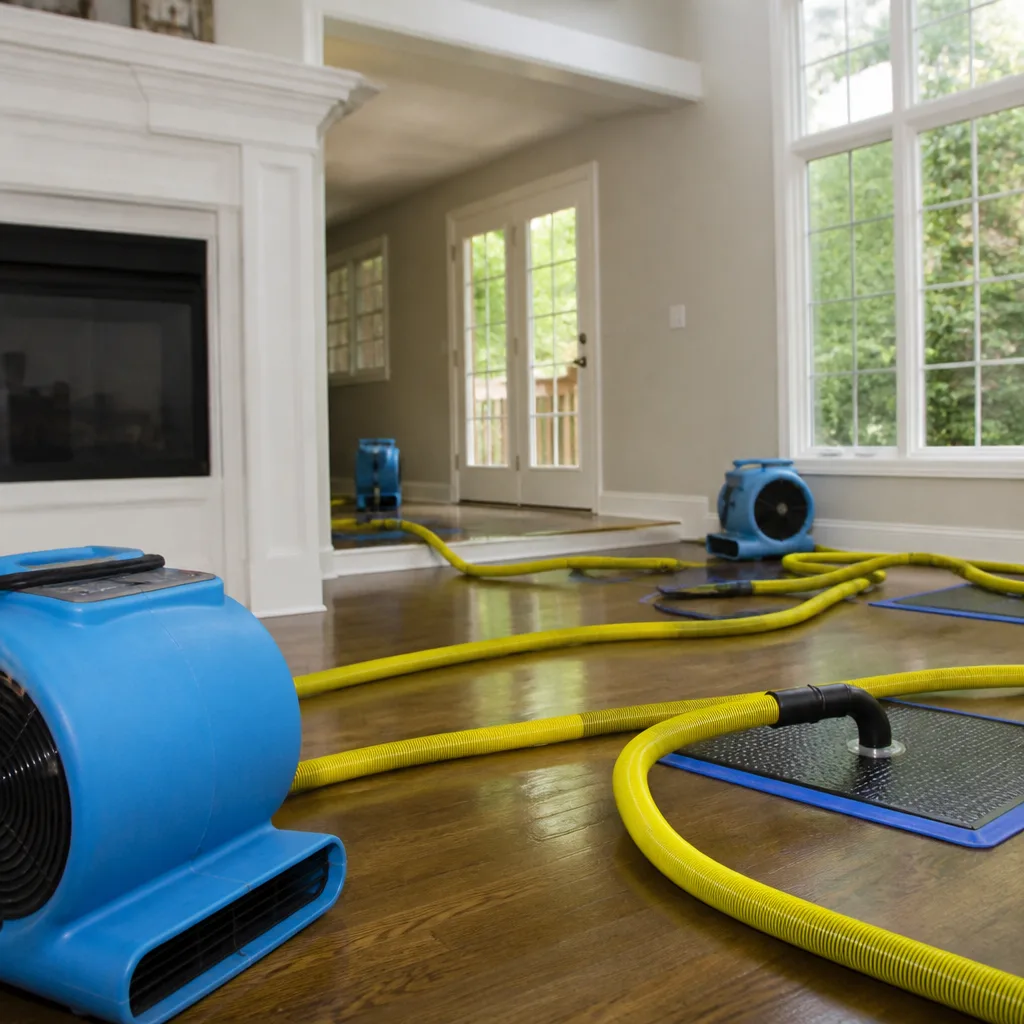
 Before
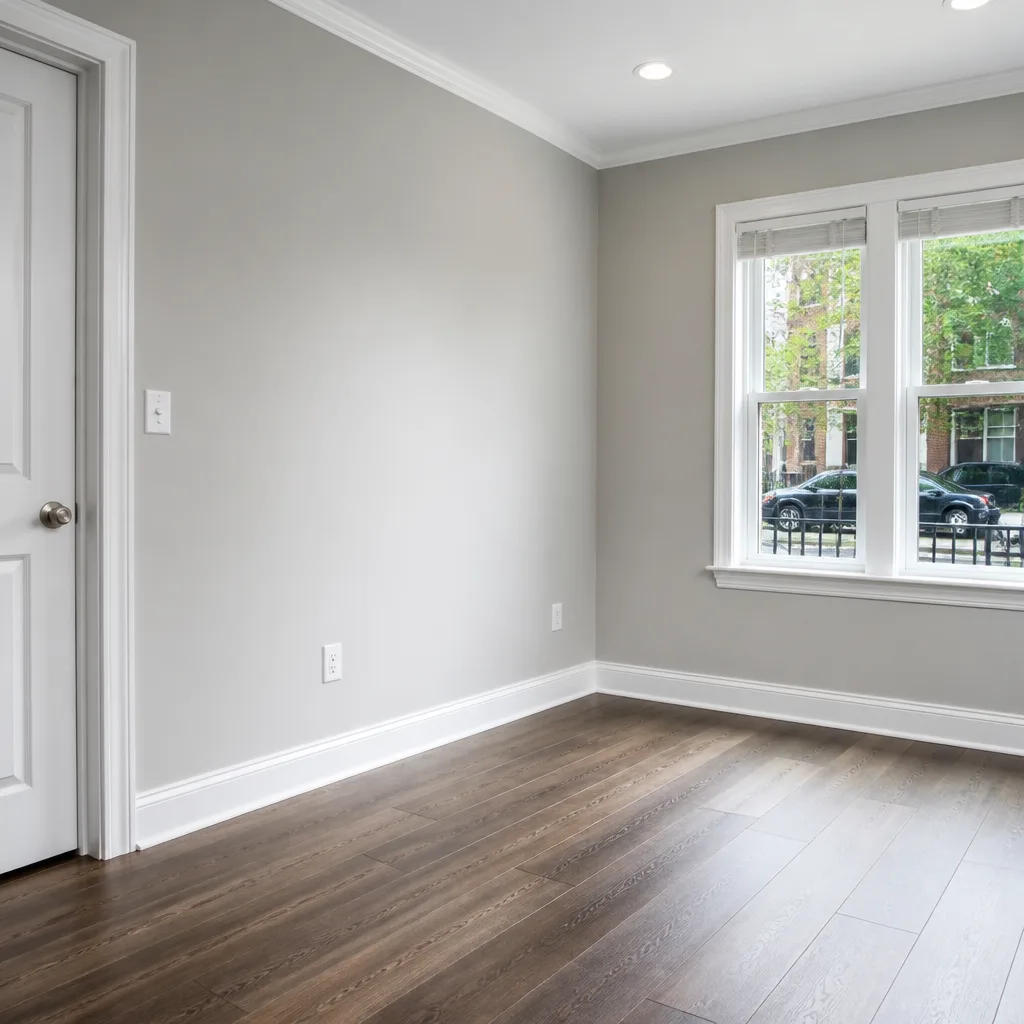 After
After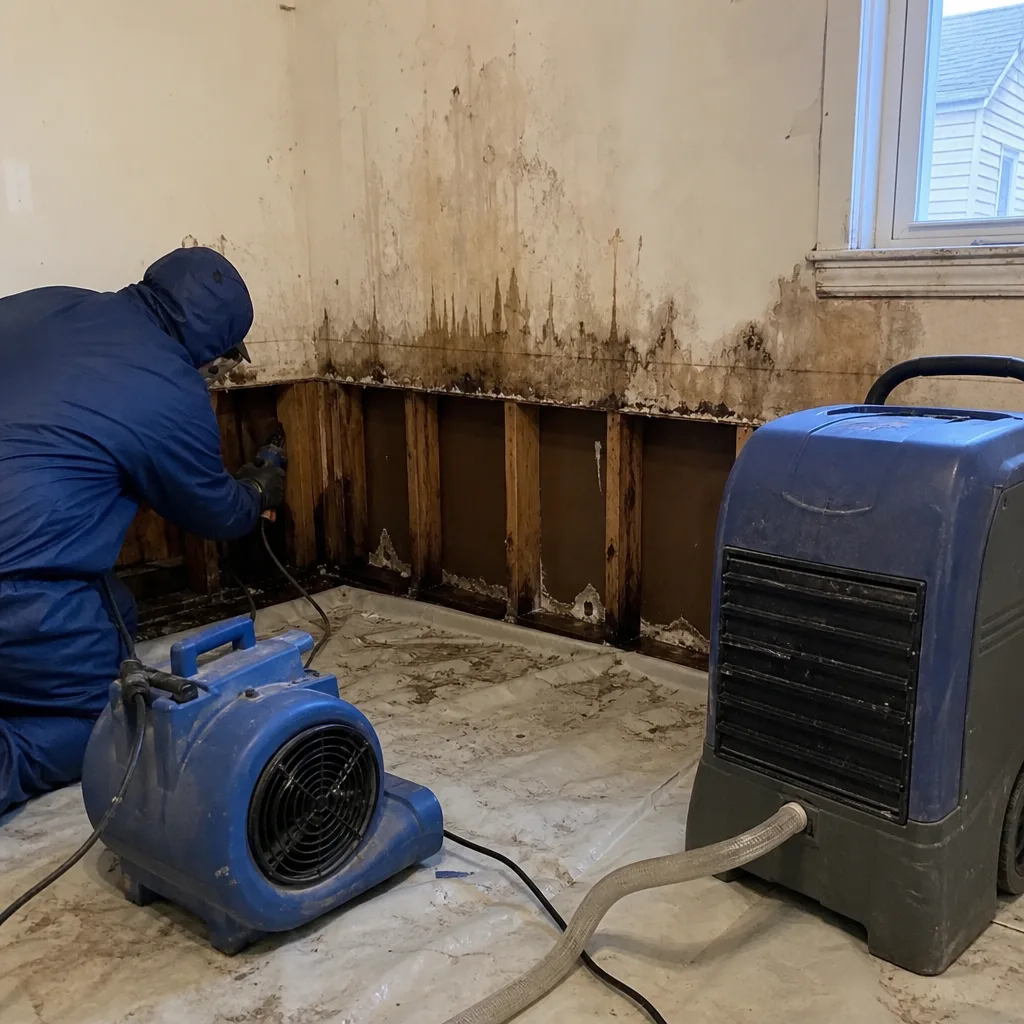 Before
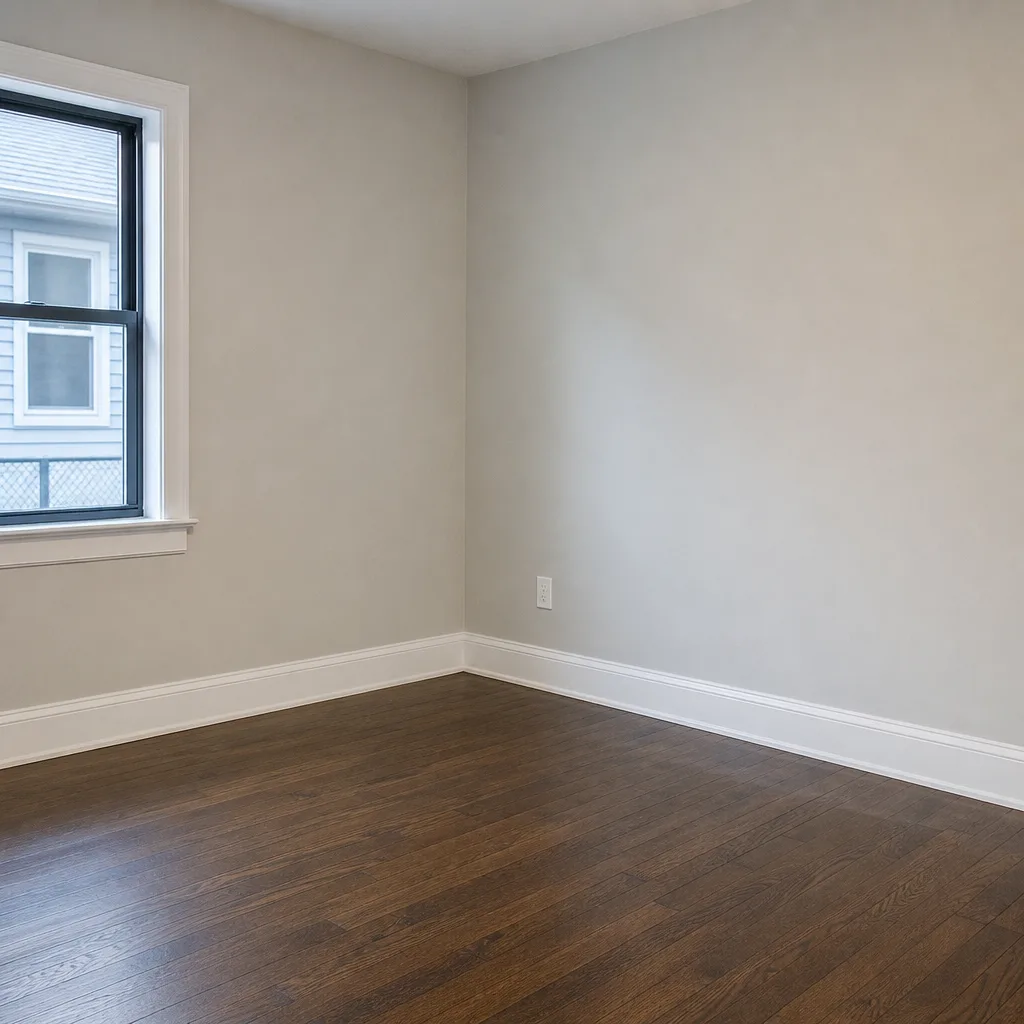 After
After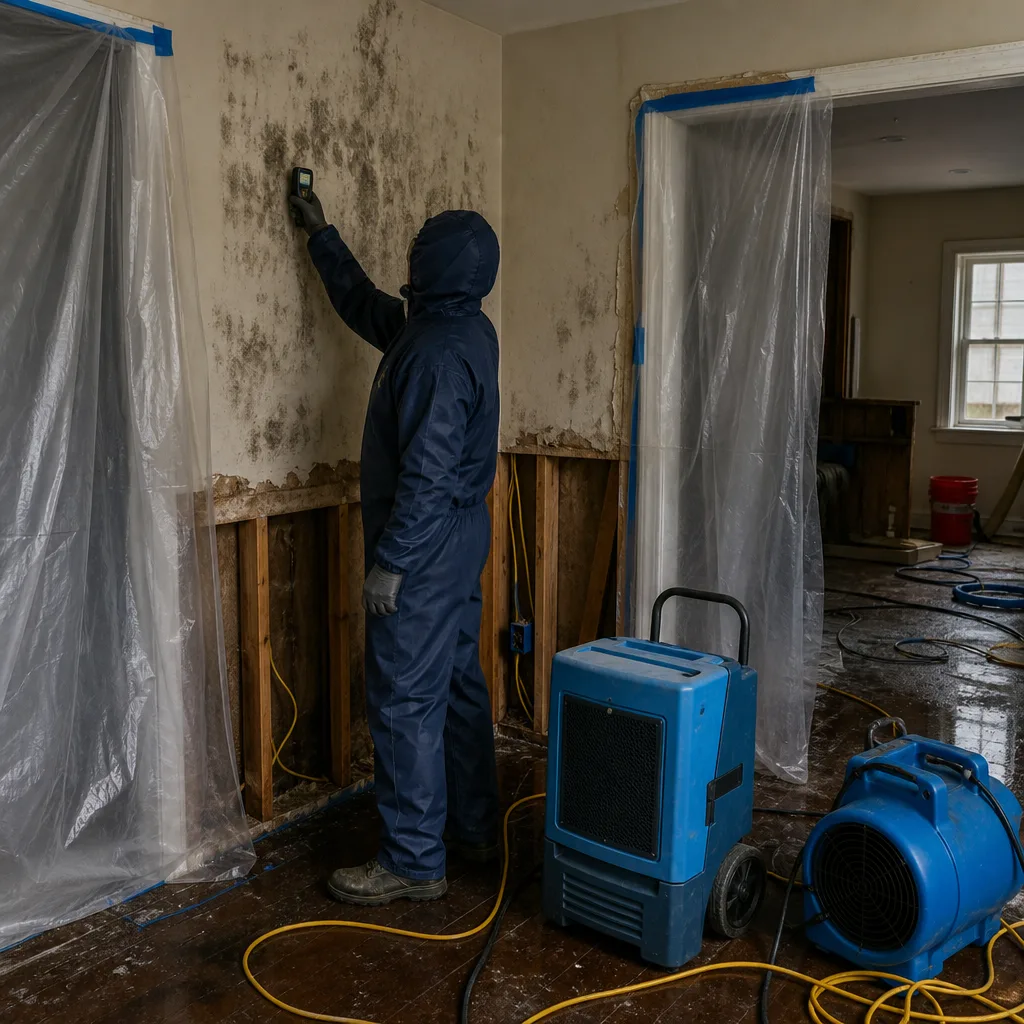 Before
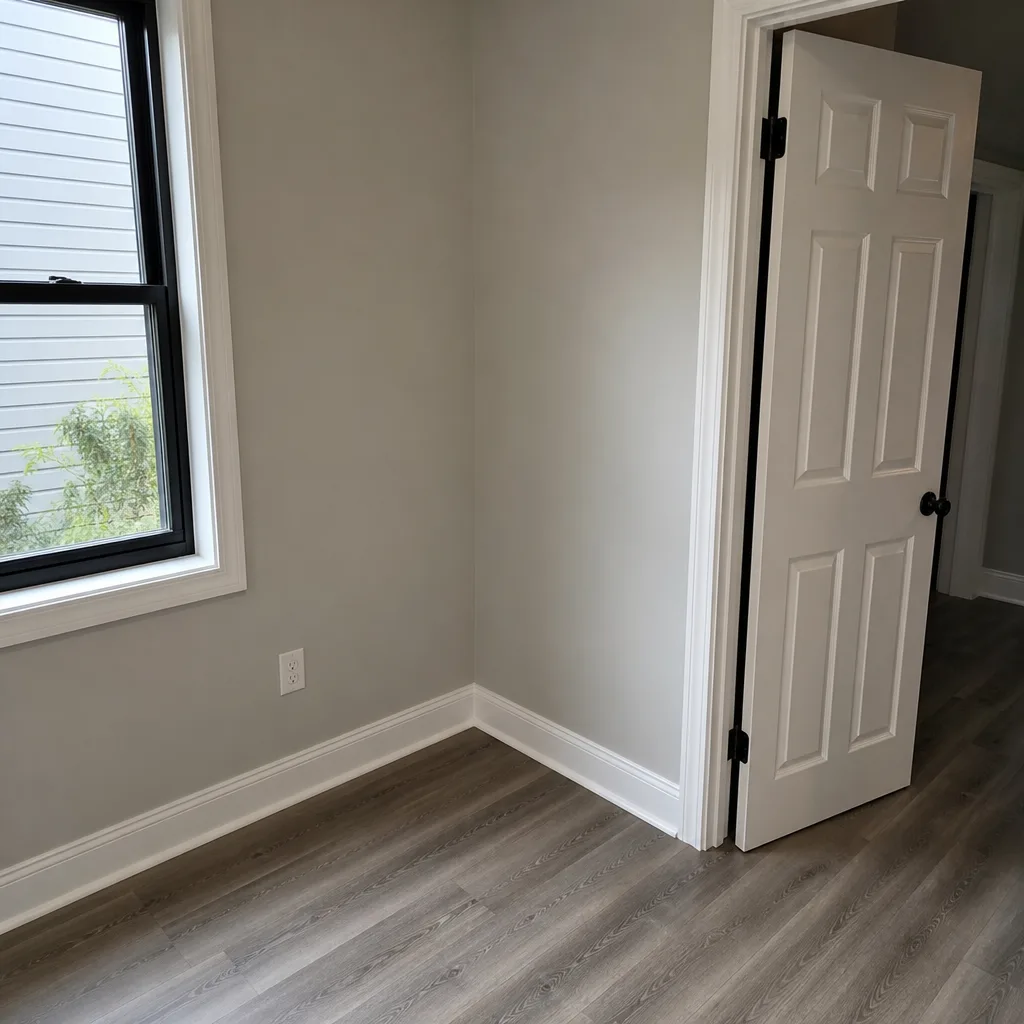 After
After24/7 Emergency Fire & Smoke Damage Restoration in Newark
Fire and smoke damage restoration in Newark typically runs $3,200-$18,500 depending on the affected square footage, with smoke odor removal in old row houses often at the higher end. Our crews answer live at (862) 298-5256 24 hours a day, 7 days a week, and we’re usually on-site in Newark within 45 minutes of your call. The first hour after a fire is out matters more than most property owners realize: smoke particles are still acidic, still settling into porous surfaces, and still migrating through shared walls and HVAC chases in the dense multi-family housing that makes up most of Newark’s stock.
We don’t ask you to “call for a quote.” Haven Standard, Clause 1: a written price before any work starts, every time, with no exceptions. Our free visual inspection gives you that written scope, and our photo-documented record starts the moment we arrive.
Understanding Fire & Smoke Damage Restoration Severity in Newark Properties
Fire damage in Newark isn’t graded by what burned. It’s graded by what the smoke touched, how hot the fire got, and what the building is made of. Dry smoke residue, from fast-burning, high-heat fires above 1,000°F, powders and wipes off hard surfaces but drives deep into unfinished wood and plaster. Wet smoke residue, from slow, smoldering fires under 200°F, is sticky, odorous, and nearly impossible to remove without solvent-based cleaning. Protein residue, common in kitchen fires like the ones we see constantly in Ironbound three-families, is nearly invisible but carries an intense, penetrating odor that standard cleaning won’t touch.
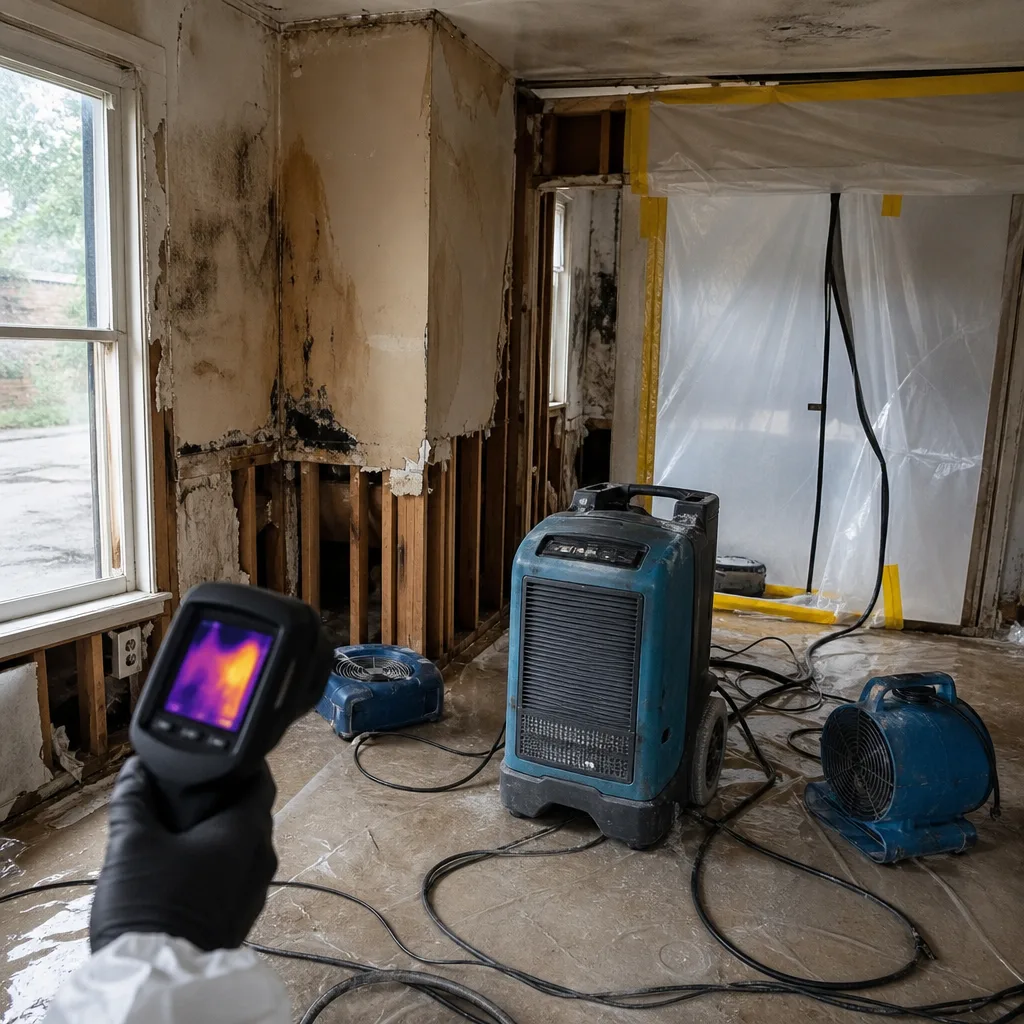
Smoke migration follows pressure differentials and temperature gradients, traveling through plumbing chases, electrical conduits, and the balloon-frame construction common in pre-1940 Newark wood-frame housing. Tertiary smoke damage, the odor that re-emerges months later, happens when smoke particles embed in cool, porous materials behind walls and under floors. In Newark’s century-old row houses, that means the finished basement paneling in the Ironbound, the lath-and-plaster walls in Forest Hill, and the shared attic spaces in University Heights are all potential reservoirs. Our crews use thermal imaging to map migration paths and document them in the photo record your insurer receives.
Why Newark Property Owners Choose DryMark Restoration Jersey City
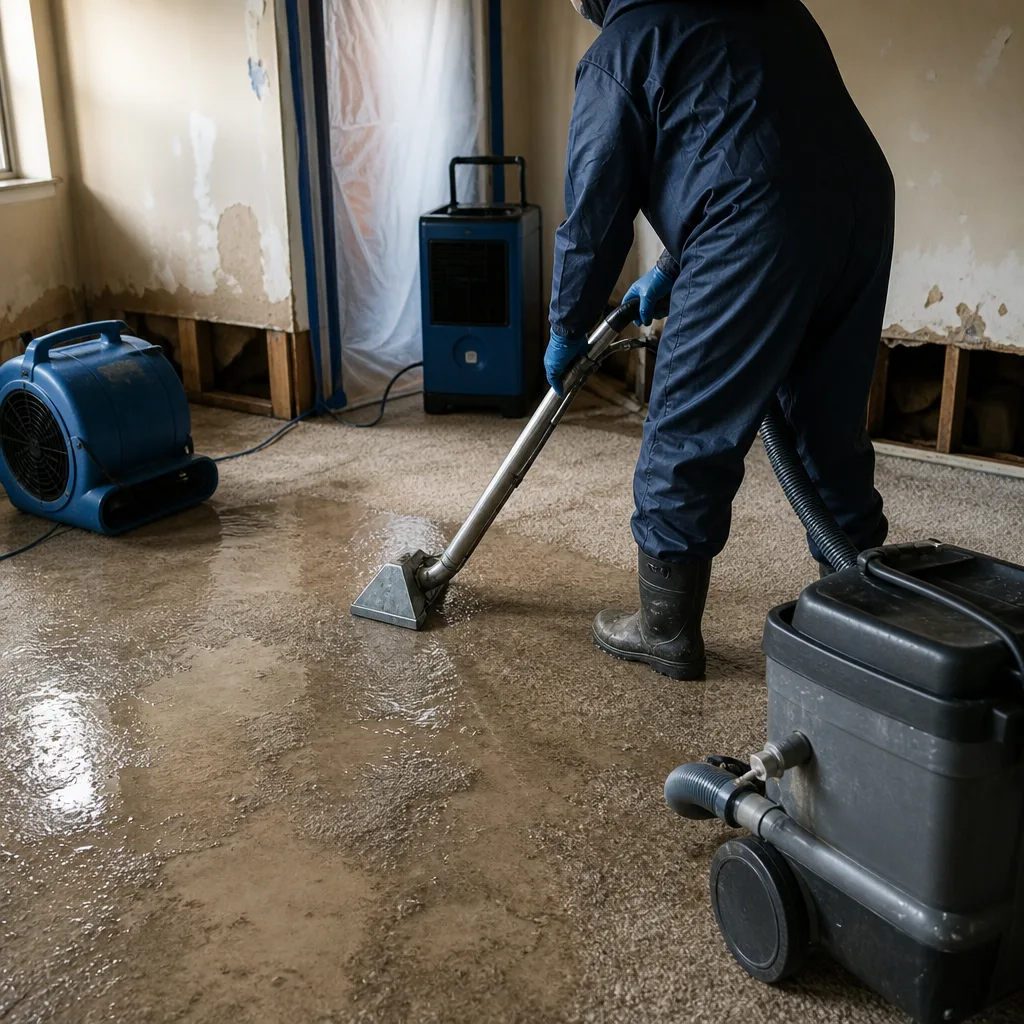
- 45-minute response commitment to Newark addresses, with crews staged for the Ironbound, Downtown, and North Ward corridors.
- 24/7 live answer - a real person picks up, never an automated system or voicemail tree, because fire damage doesn’t wait for business hours.
- IICRC-certified crews holding FSRT (Fire and Smoke Restoration Technician) and WRT (Water Damage Restoration Technician) certifications, with AMRT (Applied Microbial Remediation Technician) credentials for the mold we routinely find behind Ironbound basement walls.
- Free visual inspection with a written price before any work starts, per Haven Standard, Clause 1.
- Direct insurance billing and adjuster coordination - we document to RIA and IFA standards so your claim processes without dispute.
- One team from board-up through reconstruction, so no handoff gaps and no blame-shifting between contractors.
BeforeAfterOur Fire & Smoke Damage Restoration Process
1. Inspection & Assessment
We document the full extent of fire, smoke, and water damage from suppression efforts, using thermal imaging to trace smoke migration through shared walls and chases. In Newark’s older housing, we immediately probe for pre-existing moisture behind basement paneling, especially in the Ironbound where Passaic River flooding is chronic.
2. Emergency Board-Up & Stabilization
We secure the structure against weather, vandalism, and secondary damage, working around alley-load access, rolling-code security gates, and permitted street parking that constrain equipment staging in dense Newark neighborhoods.
3. Water Extraction & Structural Drying
Fire suppression leaves thousands of gallons in a structure. We deploy XPOWER air movers, Dri-Eaz dehumidifiers, and Injectidry cavity-drying systems to pull moisture from wall cavities and subfloors, logging psychrometric data daily to prove drying progress to your insurer.
4. Smoke & Soot Removal
Dry, wet, and protein residues each demand specific cleaning agents and methods. We HEPA-vacuum loose particulate, apply solvent or alkaline cleaners per residue type, and agitate embedded particles from porous surfaces without driving them deeper.
5. Odor Removal & Deodorization
Thermal fogging, ozone treatment, and hydroxyl generation each address different odor scenarios. In Newark’s old row houses with decades of layered occupancy, we often combine methods and seal affected framing with odor-blocking primers when particle penetration is too deep for surface treatment alone.
6. Repairs & Restoration
We rebuild to pre-loss condition with the same crew that handled mitigation, documenting every phase. Pre-1940 Newark housing triggers mandatory lead-paint and asbestos abatement under NJ DEP and EPA RRP rules; we build these protocols into the scope from day one, never as a surprise add-on.
Need Emergency Fire & Smoke Damage Restoration in Newark Now?
Crews minutes away, answering live 24 hours a day. The sooner we start, the less it costs.
Working With Your Insurance Company
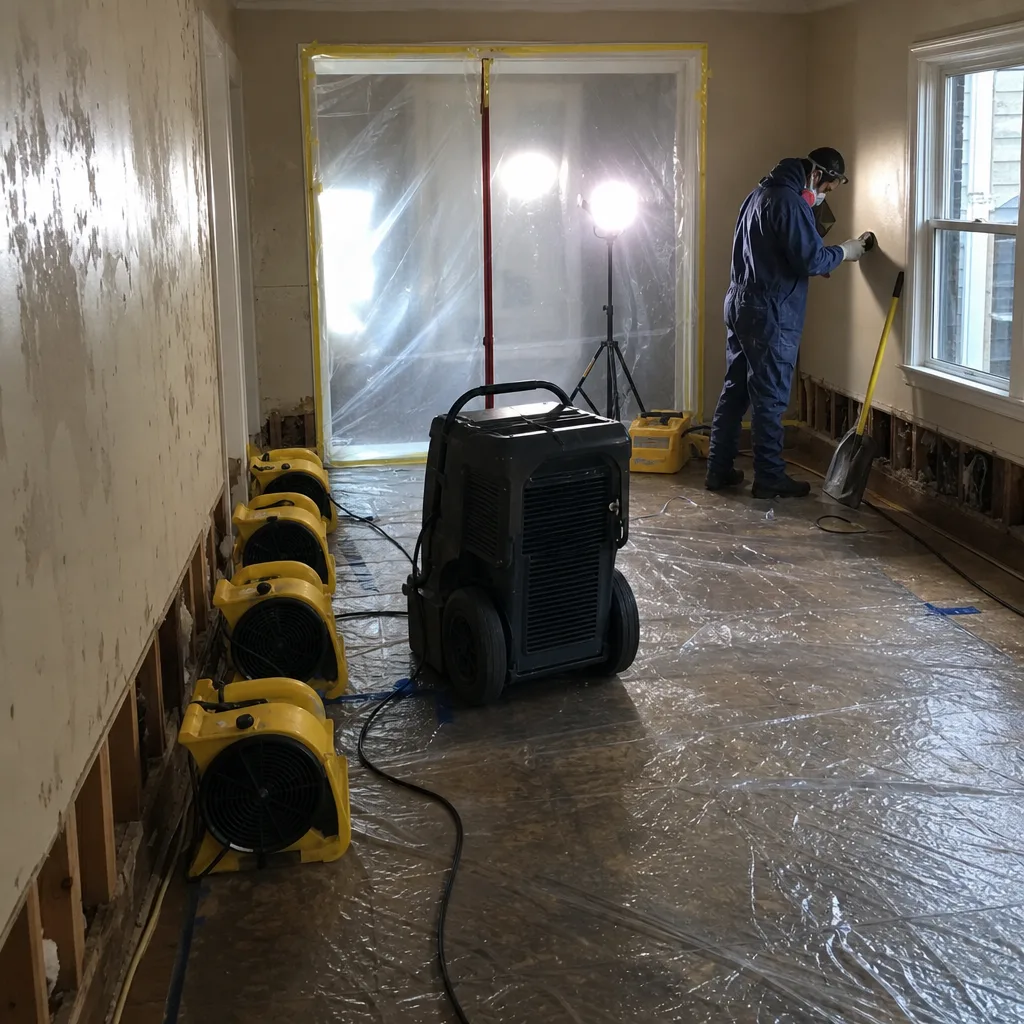
Insurance adjusters in the Newark metro have seen enough restoration invoices to spot documentation gaps that delay payment. We eliminate those gaps by producing the record they need from hour one: dated photos of every room, moisture readings with equipment serial numbers, daily drying logs with psychrometric data, and a line-item scope tied to industry-standard pricing. Our estimates are built to Xactimate or Symbility formats that carriers recognize, and we coordinate directly with your adjuster so you’re not translating between contractors and claims departments.
Haven Standard, Clause 1 applies here too: the written price we give you before work starts is the same price your insurer sees. No scope-creep additions once the crew is inside. If a competitor’s estimate seems incomplete, our Free Second Opinion reviews it at no charge.
What We Provide Your Insurer
- Thorough documentation of the loss
- Photos of all damage, room by room
- Moisture readings and drying logs
- A detailed, line-item scope of work
- Direct coordination with your carrier
Built for Newark’s Loss Calendar
Newark’s fire damage calendar doesn’t follow the seasons the way water damage does, but the conditions that shape fire severity absolutely do. January and February bring the highest incidence of space-heater and overloaded-circuit fires in the city’s underinsulated pre-war housing, when tenants in drafty three-families supplement inadequate steam heat with electric resistance units on aging wiring. Spring’s warming temperatures increase kitchen fire calls as windows-open cooking ventilation interacts with grease buildup in exhaust systems that haven’t been cleaned since fall. Summer’s humidity complicates odor removal, as porous materials in old row houses absorb and re-release smoke particles at higher vapor pressure. And the fall return to closed windows traps smoke odor that might otherwise dissipate, sending more Newark property owners calling us in October and November with complaints of “something that won’t go away.”
The underlying constant is the building stock itself. Newark’s housing was built before modern firestopping, before interconnected smoke alarms were required, and before kitchen suppression systems were common. That age isn’t a footnote. It’s the primary variable in every scope we write.
Fire & Smoke Damage Restoration Across Newark’s Neighborhoods
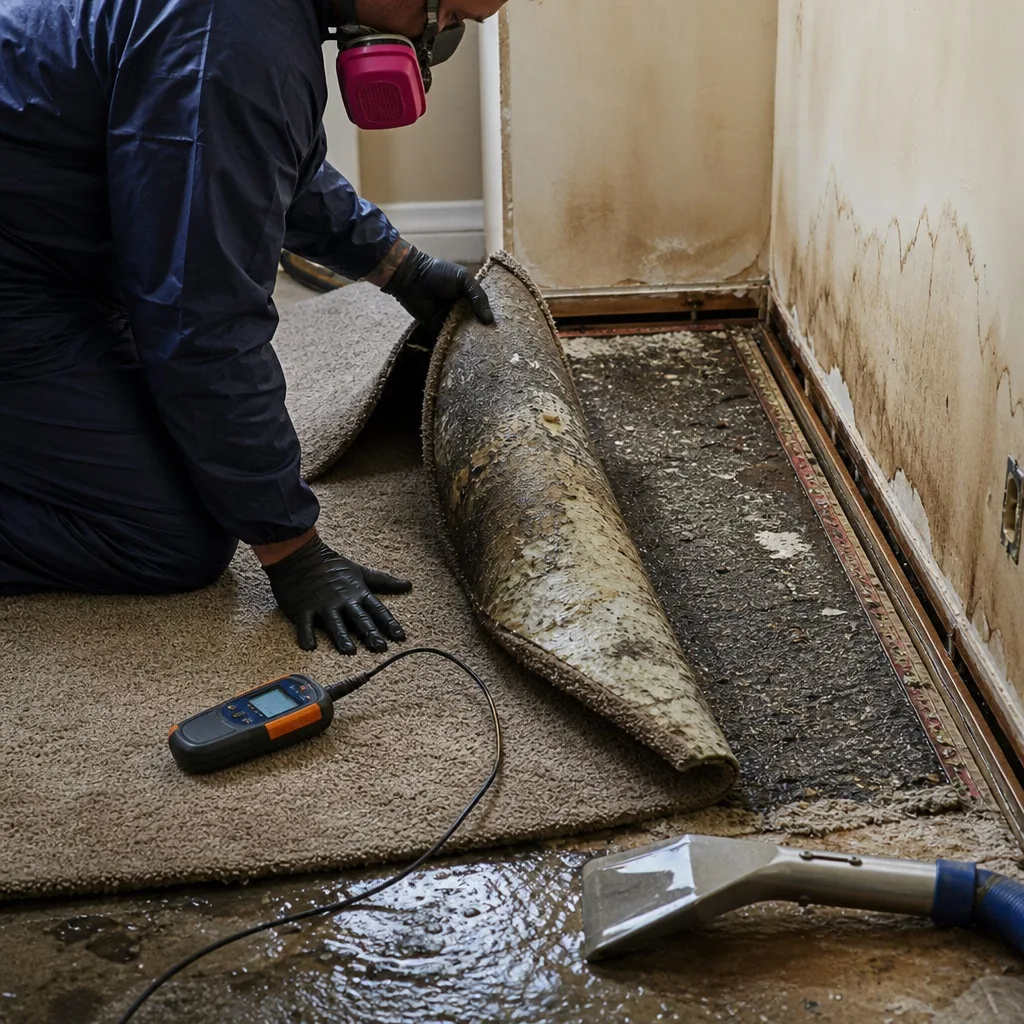
The Ironbound demands our most specialized fire response. Dense Portuguese and Brazilian immigrant housing, three-family brick row houses built 1890-1920, alley-load access only, and that chronic Passaic River floodplain mean we’re always probing behind finished basement walls even when the fire was two floors up. We’ve found hidden mold colonies behind paneling on jobs where the visible damage was limited to a kitchen, and prior-event staining on foundation walls is often our first diagnostic clue.
Downtown Newark’s 1960s-era urban renewal towers present the opposite problem: concrete construction limits flame spread but traps smoke in HVAC systems serving multiple units. One apartment kitchen fire can contaminate a vertical stack. We coordinate with building management and the Newark Fire Department to isolate affected zones and document air-handler contamination.
Forest Hill’s grander pre-war singles and doubles, many converted to professional offices or multi-family, have balloon-frame construction and original plaster that holds smoke odor for months if not properly treated. The wide porches and setbacks that make the neighborhood attractive also mean longer hose runs and equipment staging challenges.
University Heights, with its mix of owner-occupied brownstones and Rutgers-affiliated rental housing, sees frequent turnover and deferred maintenance. We often encounter disabled or removed smoke detectors, blocked egress windows, and amateur electrical work that complicates both the fire origin investigation and the restoration scope.
Specialized Fire & Smoke Damage Restoration Services We Offer in Newark
Fire Damage Cleanup
We remove charred debris, evaluate structural integrity, and document salvageable versus total-loss materials. In Newark’s old housing, this almost always includes testing for lead paint and asbestos before disturbance, per NJ DEP requirements.
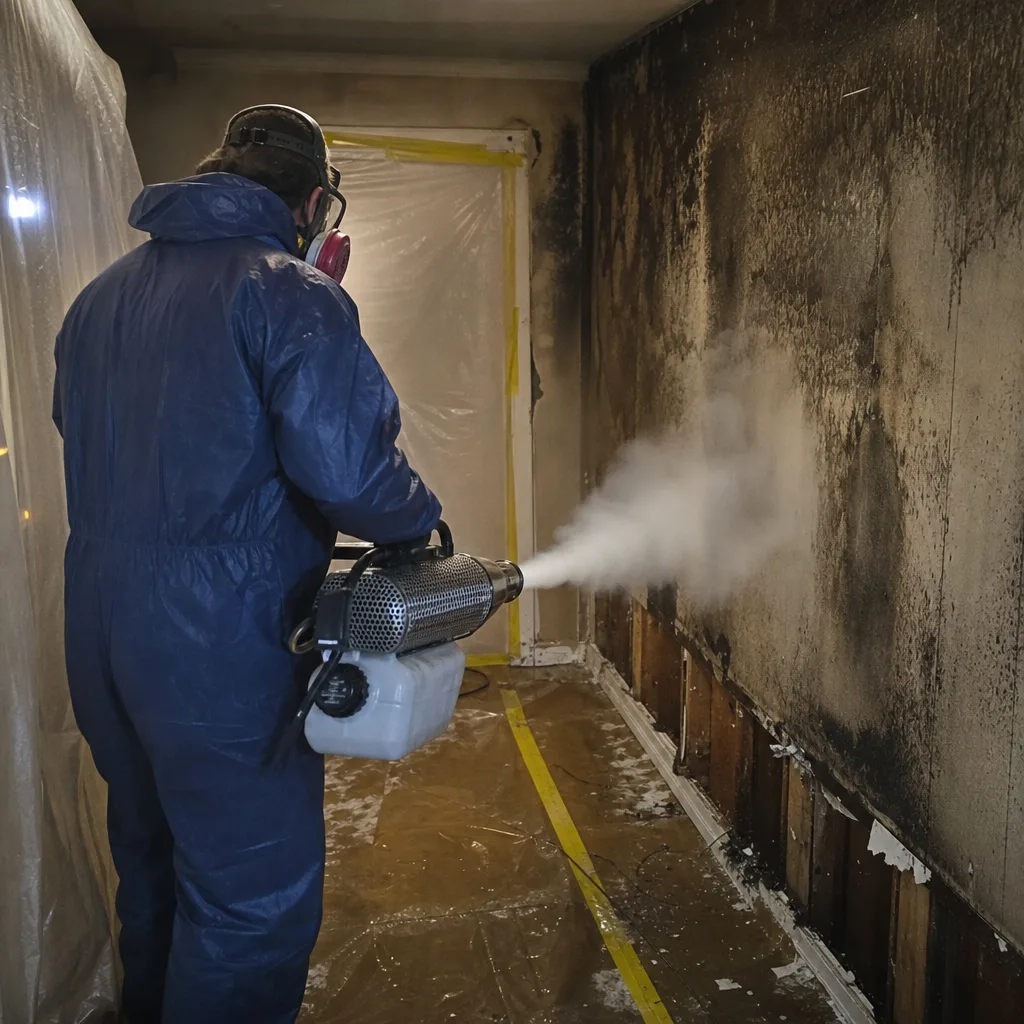
Smoke & Soot Removal
Different residues demand different chemistry. We identify dry smoke, wet smoke, or protein residue on-site and match the cleaning protocol, using HEPA vacuums, solvent cleaners, and ultrasonic treatment for contents where appropriate.
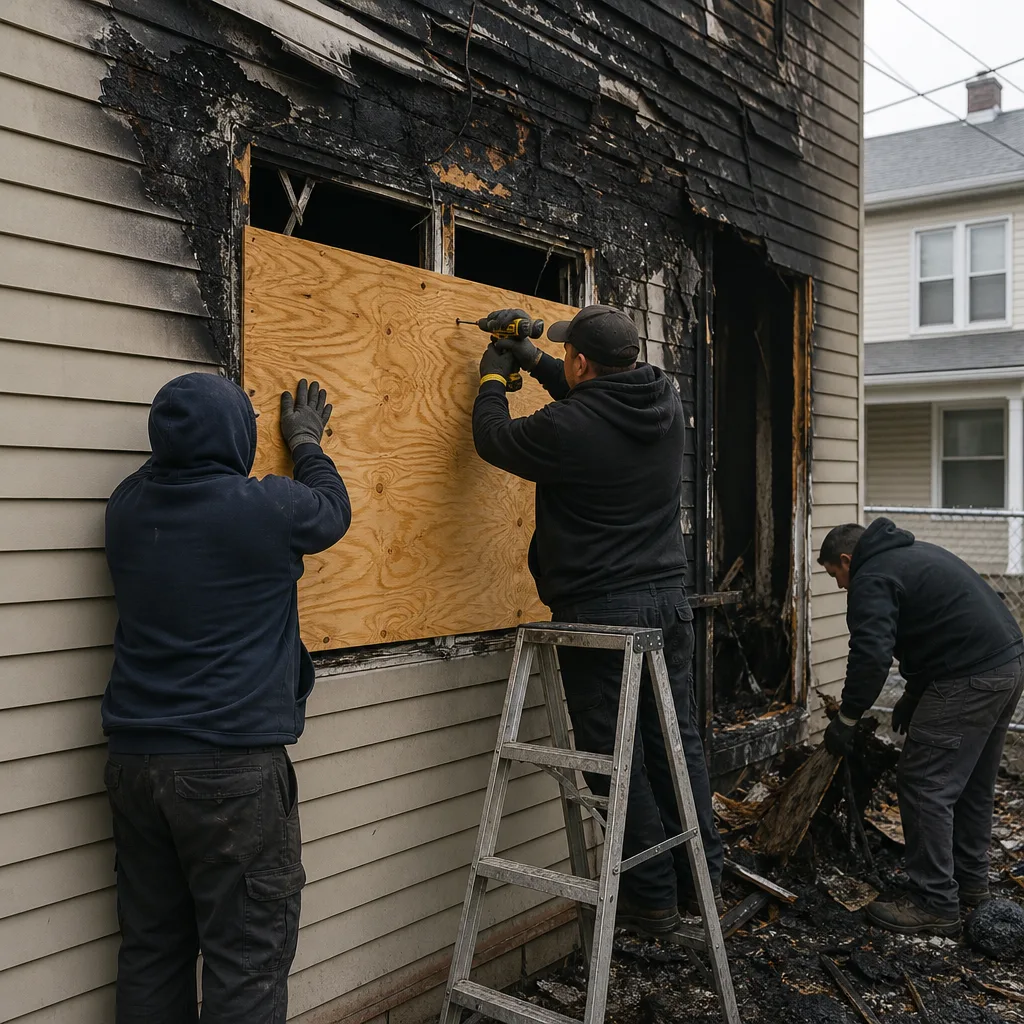
Odor Removal & Deodorization
Smoke odor in Newark row houses doesn’t respond to surface cleaning alone. We deploy thermal fogging, ozone generators, and hydroxyl machines, often in sequence, and seal deeply penetrated framing with odor-blocking primers when extraction isn’t feasible.
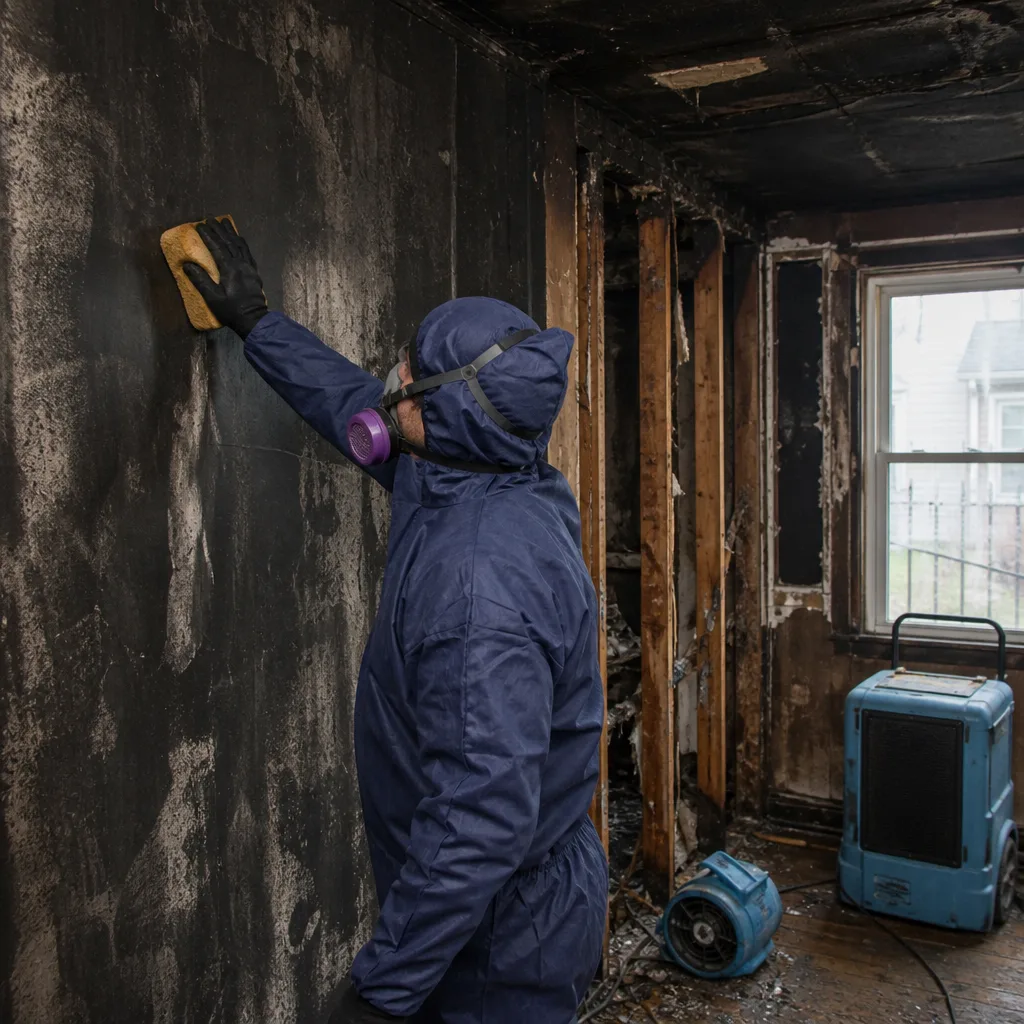
Contents Cleaning & Pack-Out
We inventory, photograph, and transport salvageable contents to our controlled cleaning facility, documenting pre-loss condition for your insurer. In dense Newark housing with limited on-site storage, pack-out is often the only practical path to thorough restoration.
Emergency Board-Up & Tarping
We secure structures against weather and unauthorized entry, working around the alley-load access, rolling-code security gates, and permitted street parking that constrain every Newark job. Board-up isn’t an afterthought; it’s the first documented step in your claim record.
What happens when you call
- 1
A real person answersNo phone trees - you reach a local pro.
- 2
You get an upfront price rangeHonest numbers before anyone is dispatched.
- 3
A background-checked tech heads outLicensed & insured, dispatched right away.
- 4
You approve before work beginsNothing starts until you say go.
Fire & Smoke Damage Restoration Costs in Newark, NJ
Fire damage cleanup in Newark typically runs $3,200-$8,500 for limited kitchen or single-room fires with no structural compromise. Smoke and soot removal across multiple rooms in a row house runs $4,500-$12,000, with odor removal and deodorization adding $1,800-$5,500 depending on the penetration depth and methods required. Contents cleaning and pack-out runs $2,200-$6,500 for a typical three-family unit. Emergency board-up and tarping in Newark averages $850-$2,400, with tight-access jobs at the higher end.
What moves the price: square footage affected, residue type, whether lead or asbestos abatement is triggered, access constraints, and whether hidden mold is found behind Ironbound basement walls. Insurance typically covers direct fire and smoke damage, plus water damage from suppression, under standard homeowner policies. Our written scope, delivered before work starts, separates insurance-covered items from potential out-of-pocket costs so there’s no surprise.
We Also Serve Cities Near Newark
Our crews respond throughout the immediate metro from our New York City coordination office, including Newark and neighboring Harrison, Kearny, Bayonne, and Jersey City. Each city’s building stock and access patterns shape how we stage equipment and write scopes, but Haven Standard, Clause 1 applies everywhere: written price before work starts, every time.
Serving Newark, NJ - Our Local Coverage Area
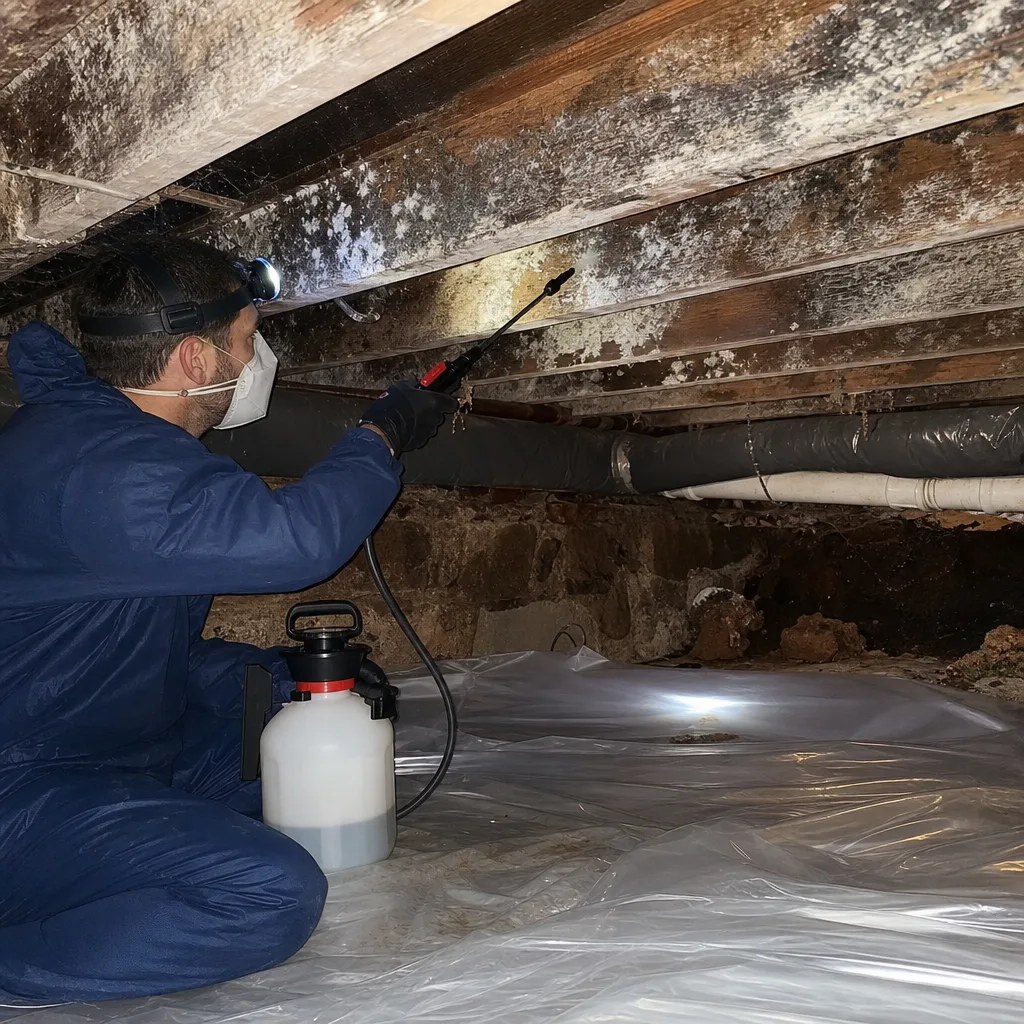
We’re based in the Newark area and know this community well. Use the map below to see our service coverage - if you’re nearby, we can almost certainly help.
Newark Fire & Smoke Damage Restoration Questions, Answered
Why does fire and smoke restoration in Newark’s Ironbound district take longer than in nearby suburbs?
Ironbound restoration takes longer because chronic Passaic River flooding means we routinely find hidden mold and prior water damage behind finished basement walls, even on first fire claims. NJ DEP lead-paint and asbestos protocols add mandatory abatement steps on pre-1940 housing that newer suburban markets rarely trigger. Alley-load access and rolling-code security gates slow equipment staging. Call (862) 298-5256 for a free inspection and written timeline.
Does a Newark fire claim automatically trigger lead-paint and asbestos abatement?
Not automatically, but practically always on pre-1940 housing, which is most of Newark’s residential stock. Disturbance of painted surfaces requires EPA RRP lead-safe practices; asbestos testing is mandatory before demolition of suspect materials. We build these protocols into every Newark scope from day one so the job doesn’t stall mid-process. Call (862) 298-5256 to review your property’s specific requirements.
How do you handle tight alley-load and security gates during a Newark board-up?
We carry portable board-up materials sized for pedestrian access and coordinate with property managers or tenants for rolling-code gate access in advance. Our crews are background-checked and uniformed, with license numbers provided on request, so gate codes aren’t shared with unidentified personnel. We document the secured condition with timestamped photos for your insurer. Call (862) 298-5256 for emergency board-up.
Can smoke odor really be removed from an old Newark row house, or will it linger?
Smoke odor can be fully removed in most cases, but old row houses with layered occupancy, porous plaster, and unfinished basements demand more aggressive treatment than newer construction. We combine HEPA vacuuming, solvent cleaning, thermal fogging, ozone or hydroxyl treatment, and odor-blocking primer on deeply penetrated framing. The 365-Day Done Right Promise covers odor recurrence; if it comes back, we make it right. Call (862) 298-5256 for an assessment.
What is the first thing your crew checks on a Newark fire job after the flames are out?
Structural stability and safety hazards first, then the extent of water damage from suppression efforts, then smoke migration paths through shared walls and chases. In the Ironbound specifically, we immediately probe behind finished basement walls for pre-existing mold and flood staining, because chronic Passaic River backups make hidden contamination the rule, not the exception. Call (862) 298-5256 for immediate response.
How fast can someone actually get to my Newark property?
We answer live 24/7 and commit to 45-minute response times within Newark city limits. Crews are staged for the Ironbound, Downtown, and North Ward corridors. The first hour after a fire is out is when smoke particles are most active and suppression water is still spreading. Call (862) 298-5256 now.
Will insurance cover fire and smoke restoration, or just the fire damage?
Standard homeowner policies typically cover direct fire damage, smoke damage, and water damage from suppression efforts, plus debris removal and temporary housing if the property is uninhabitable. Our documentation package, including room-by-room photos, moisture readings, and line-item scopes built to industry-standard formats, is designed for clean claim processing. We coordinate directly with your adjuster. Call (862) 298-5256 to review your coverage specifics.
Do I need full fire restoration or just smoke cleaning?
The answer depends on what burned, how hot it got, and what the smoke touched. A contained kitchen grease fire with quick suppression might need only localized cleaning and odor treatment. A fire that reached the structure, or one that sent smoke through HVAC or shared walls, demands full restoration with documented drying logs and rebuild. Our free visual inspection gives you a written scope that separates must-do from optional, with no pressure to proceed. Call (862) 298-5256 to schedule.
When fire or smoke damage hits your Newark property, you need a crew that understands the building stock, the access constraints, and the documentation your insurer will demand. Our Fire & Smoke Damage Restoration team brings FSRT-certified technicians, equipment from Dri-Eaz and XPOWER, and the Haven Standard’s written-price guarantee to every job. We’ve restored 12,000+ homes since 2011, every one with a photo record, daily drying logs, and a 365-Day Done Right Promise backed by Alicia Brennan’s founding commitment to the documentation that turns restoration invoices into paid claims.
Call (862) 298-5256 now for 24/7 live answer, free visual inspection, and a written price before any work starts.
Written by Alicia Brennan, Owner at DryMark Restoration Jersey City, serving Newark since 2011.
Fire & Smoke Damage Restoration in Nearby Areas