
Last updated September 22, 2026
Free visual inspection and a written scope of work before any mitigation begins - photos, moisture readings, and drying logs go in your claim file
The scope we write is the scope we bill. Anything new gets shown to you, in writing, before we touch it.
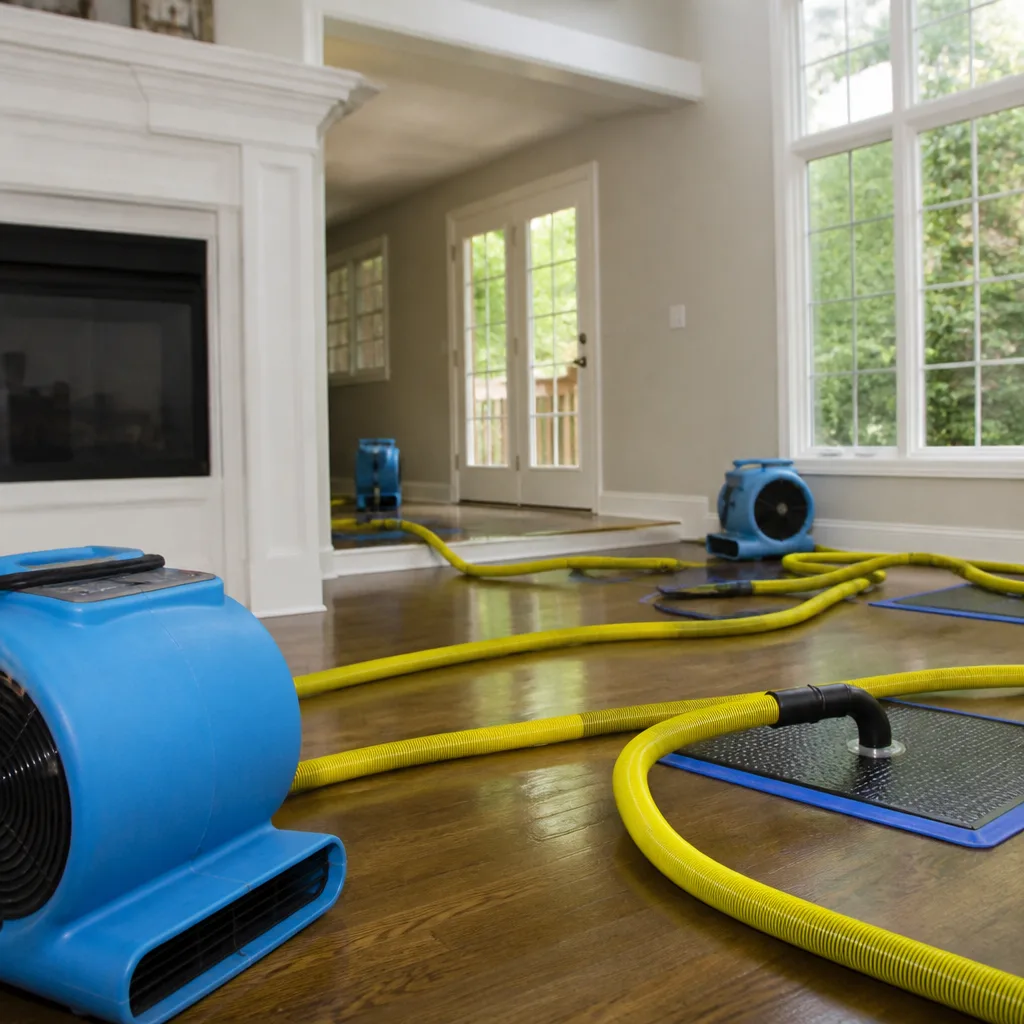
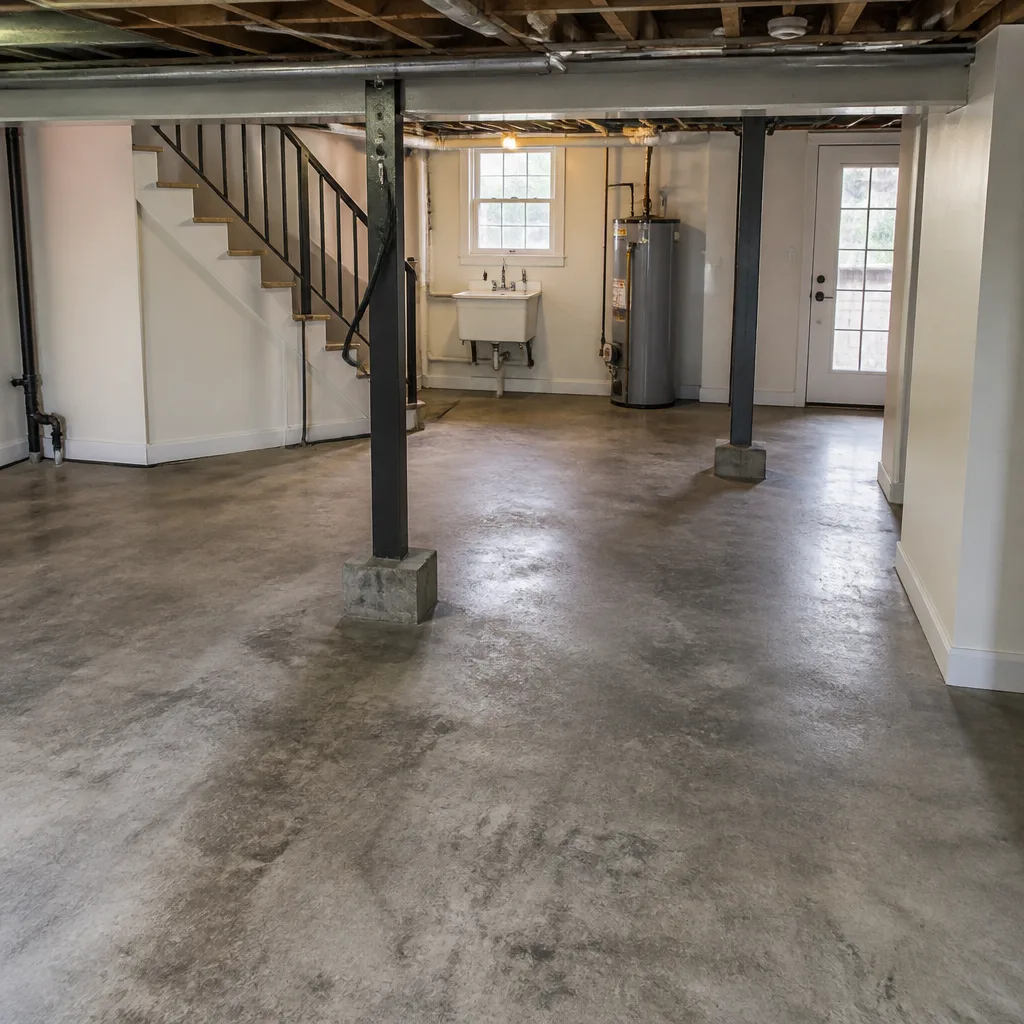

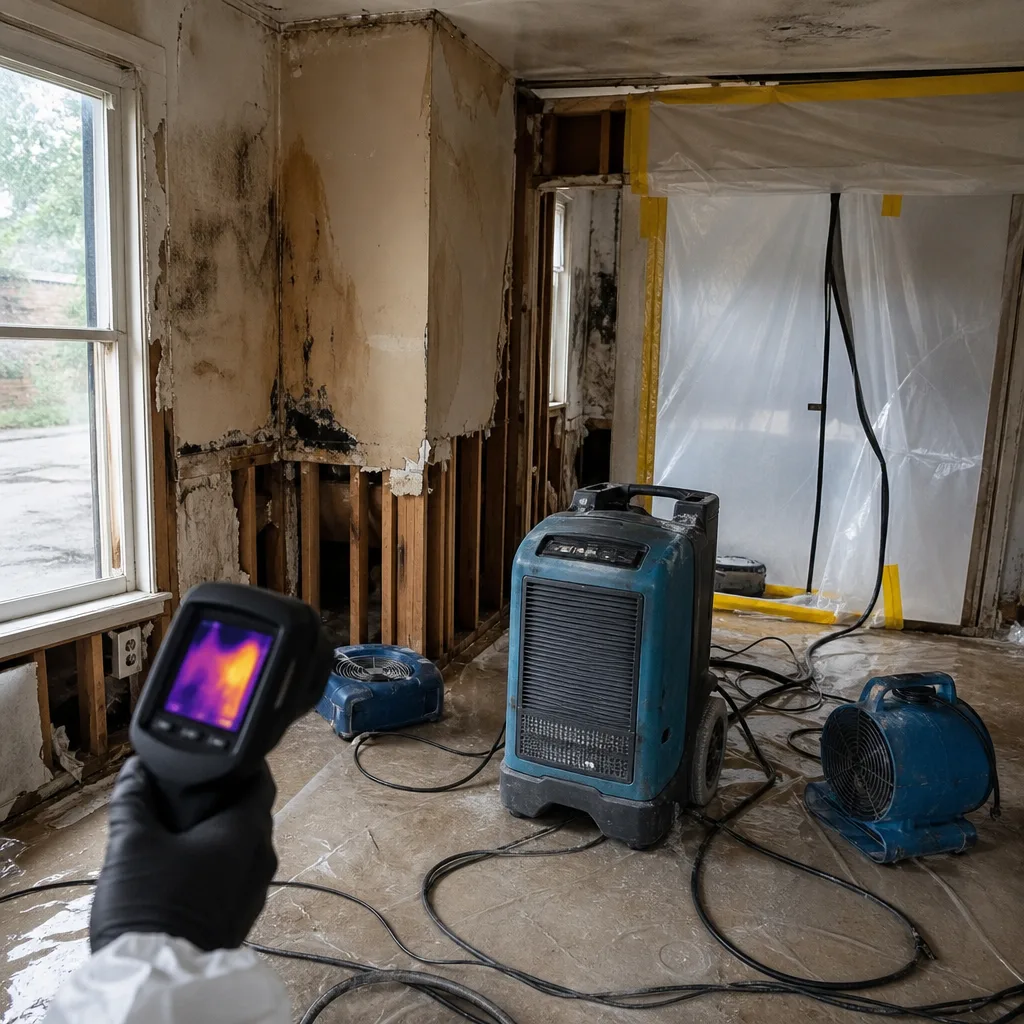 Before
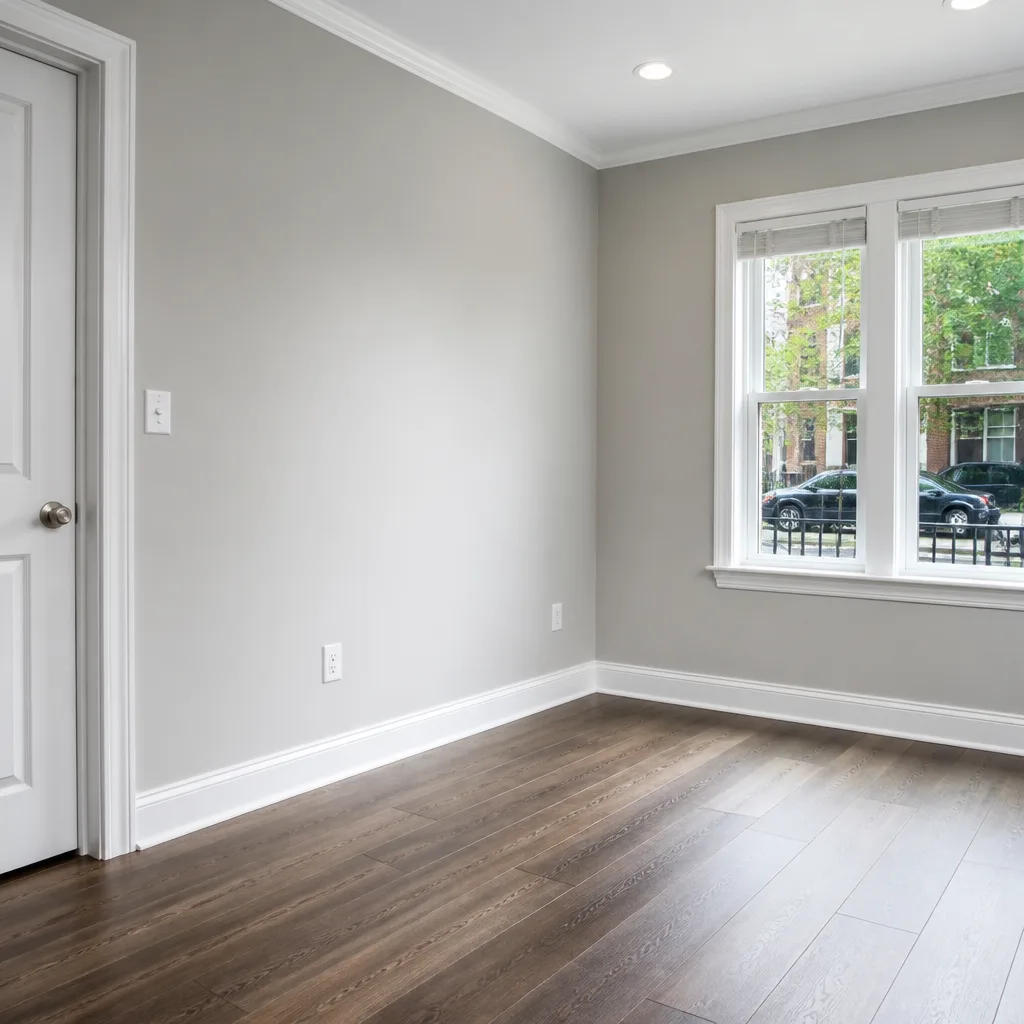 After
After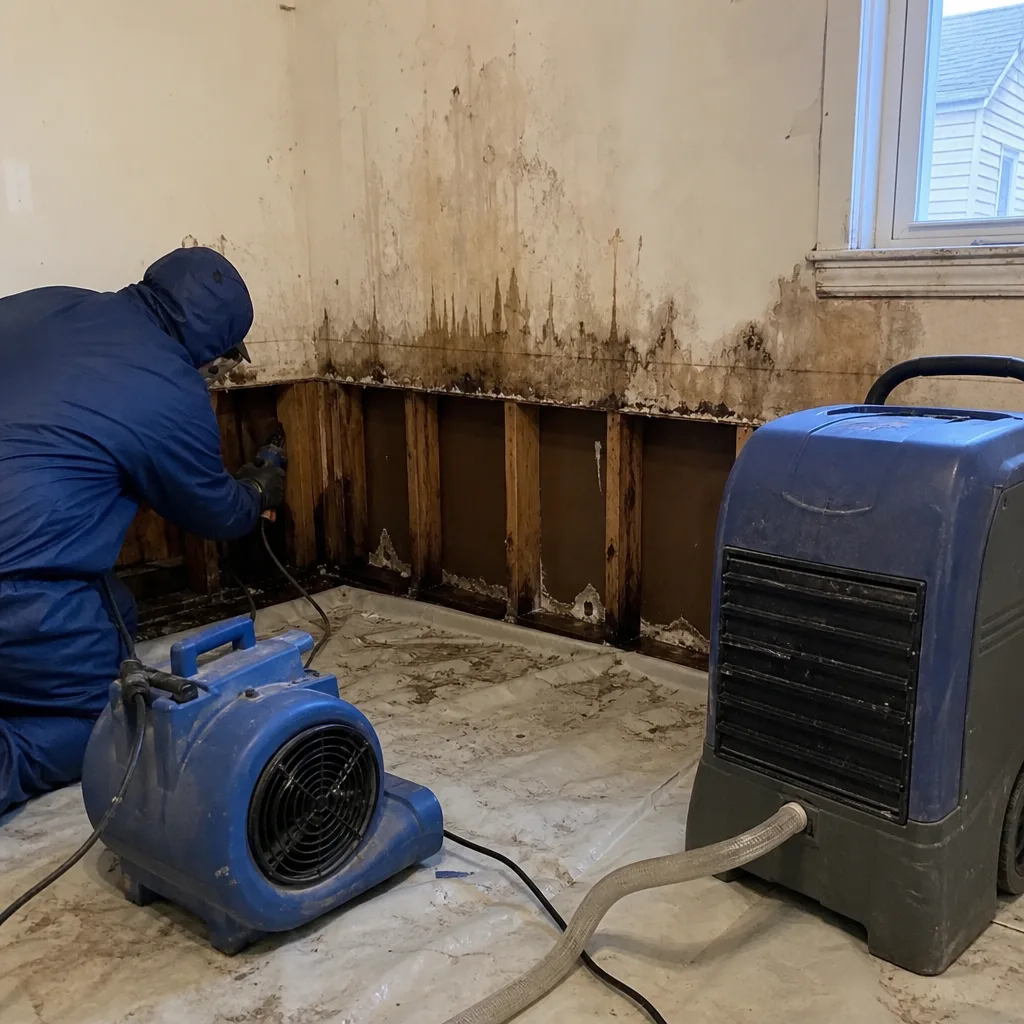 Before
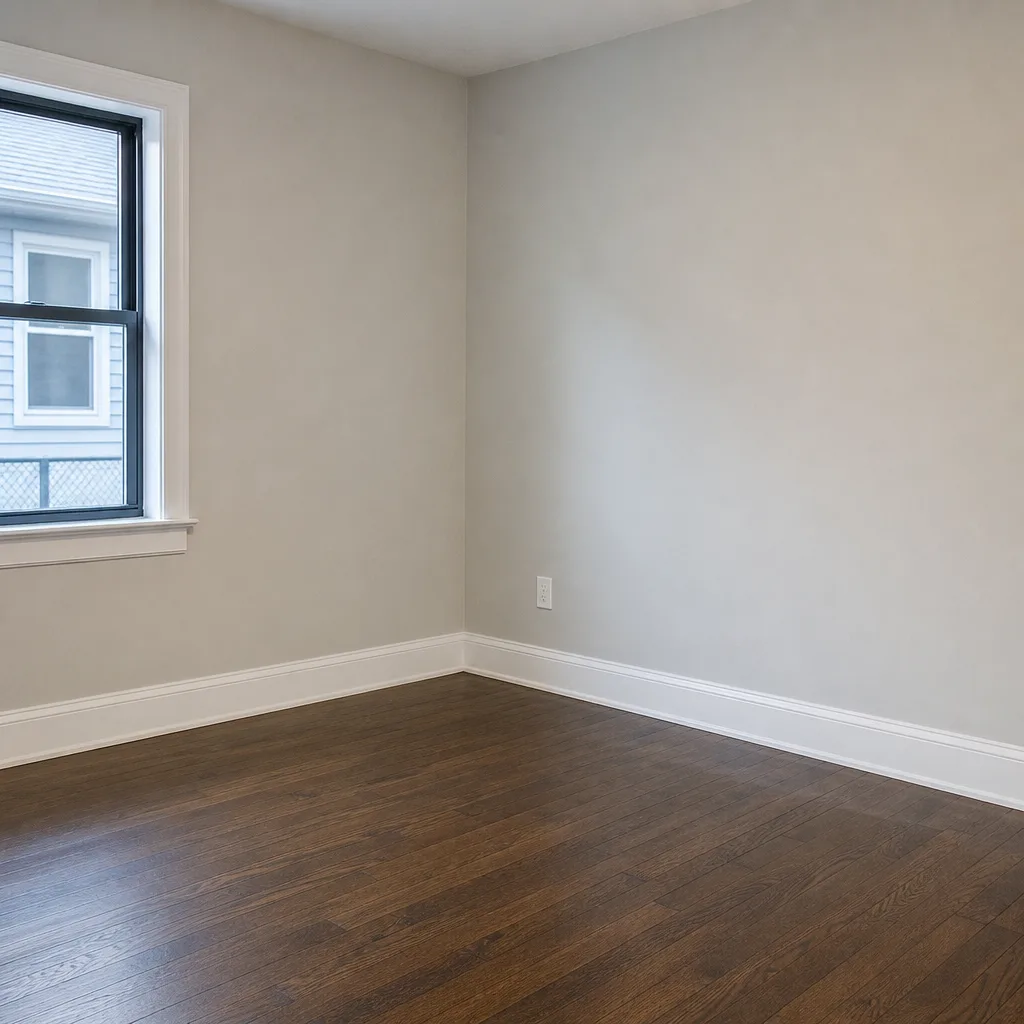 After
After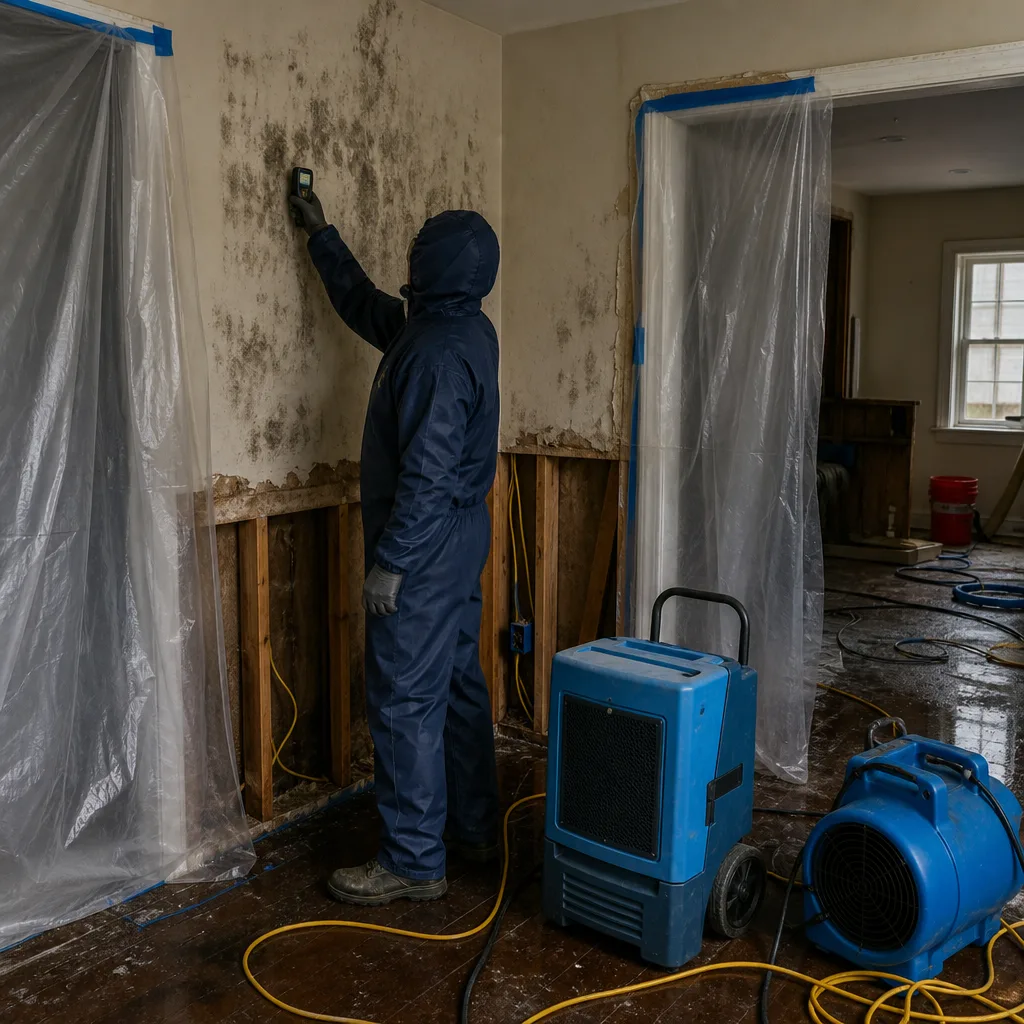 Before
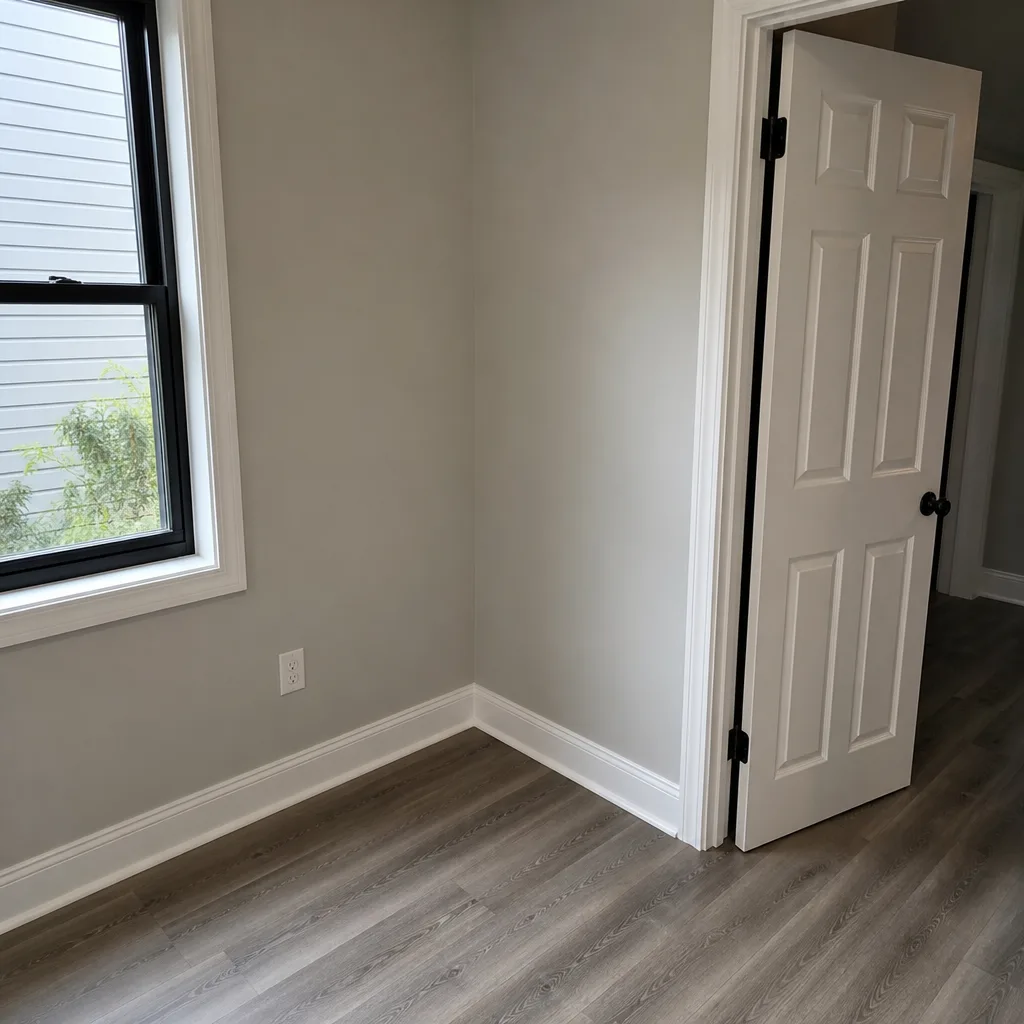 After
AfterHow to Hire a Damage Restoration Contractor in Jersey City: A Step-by-Step Guide
The contractor who arrives fastest and speaks most confidently is statistically likely to be the one who hands you a vague invoice after the fact and leaves you to fight with your adjuster alone. In Jersey City, where water damage from Hudson River tidal surges, aging pre-war plumbing, and summer storm flooding are routine events, we’ve seen this pattern repeat across neighborhoods from Paulus Hook to Journal Square. The standard advice - get three quotes and check reviews - selects for the contractor who sounds most reassuring during a stressful call, not the one whose documentation will actually satisfy an insurer. This guide replaces soft criteria with specific, testable questions and document requests.
Quick Answer
To hire a damage restoration contractor in Jersey City, request four documents before signing anything: a written scope of work, a line-item price estimate, proof of NJ Home Improvement Contractor registration, and a sample drying log from a prior job. Verify their extraction and drying protocol against IICRC S500 standards, confirm they’ve worked with New Jersey-licensed adjusters, and never authorize work without a defined scope in writing. In Jersey City, where storm-chasing crews target flood-prone areas after every major weather event, a local address and documented equipment inventory separate legitimate operators from fly-by-night outfits.
Table of Contents
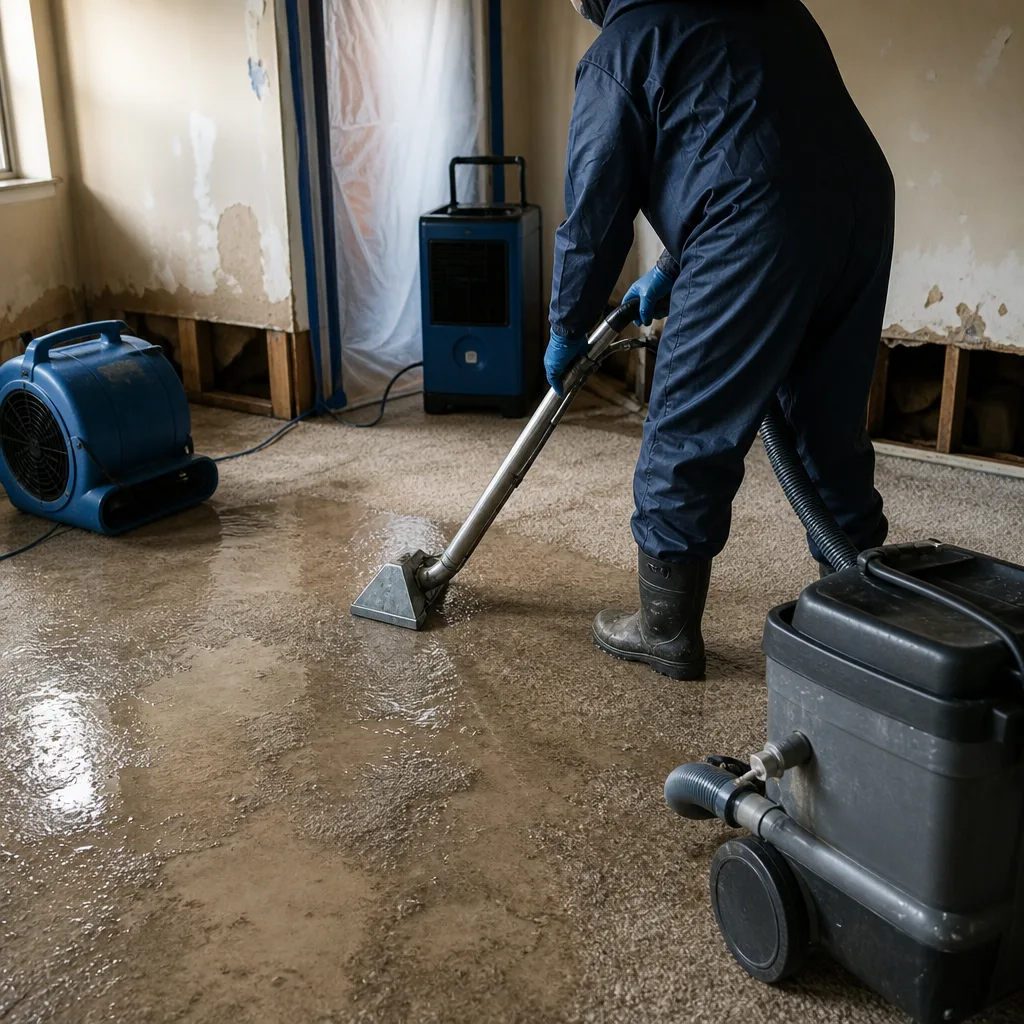
- Why the Standard Advice Fails Jersey City Homeowners
- The Four Documents to Request Before Signing Anything
- How to Verify IICRC S500 Compliance (Without Being an Expert)
- Why “Handling the Insurance Company” Can Harm Your Claim
- Red Flags Specific to Post-Storm Jersey City
- Questions That Reveal Real Adjuster Experience
- Pricing in Jersey City: What to Expect and What to Reject
- Common Mistakes to Avoid
- When to Call a Professional
- Frequently Asked Questions
- The Bottom Line
BeforeAfterWhy the Standard Advice Fails Jersey City Homeowners
Every insurance blog tells you to get three quotes, check Google reviews, and pick the contractor who seems most responsive. This advice was written for kitchen remodels, not for a Category 2 water loss at 2 a.m. in a Jersey City brownstone while your drywall is wicking moisture upward at a rate of inches per hour.
The problem is selection bias. When you’re standing in an inch of water, the contractor who answers on the first ring, promises to be there in twenty minutes, and speaks with absolute certainty feels like the right choice. But confidence during a sales call correlates poorly with documentation quality. We’ve reviewed competitor invoices that listed “dry out basement: $4,200” with no moisture readings, no equipment specifications, no drying duration, and no material removal line items. An adjuster denies that claim every time. The homeowner pays the gap.
Jersey City compounds this problem. Our housing stock spans 150 years: wood-frame Victorians in Bergen-Lafayette, brick row houses in the Heights, post-war apartment blocks near Journal Square, and new construction on the waterfront. Each building type presents different moisture migration patterns. A contractor who dried a ranch house in Bergen County may have no experience with the plaster-and-lath assemblies common in downtown Jersey City, or with the humidity dynamics of a Hudson River flood event where tidal pressure forces water through foundation seams that would stay dry in inland flooding.
The three-quote method also fails because emergency restoration is not a commodity service. If your roof is compromised during a nor’easter, you cannot wait three days for competing estimates while rain continues entering the structure. The correct process is to pre-qualify contractors before disaster strikes, follow a Water Damage Restoration Maintenance Checklist for Jersey City Homeowners, or use a rapid documentation protocol that lets you authorize emergency mitigation immediately while preserving your right to dispute reconstruction pricing later.
What actually protects you: a contractor who can show you, in writing, exactly what they will do, exactly what it will cost, and exactly how they will prove the work was done to standard.
The Four Documents to Request Before Signing Anything
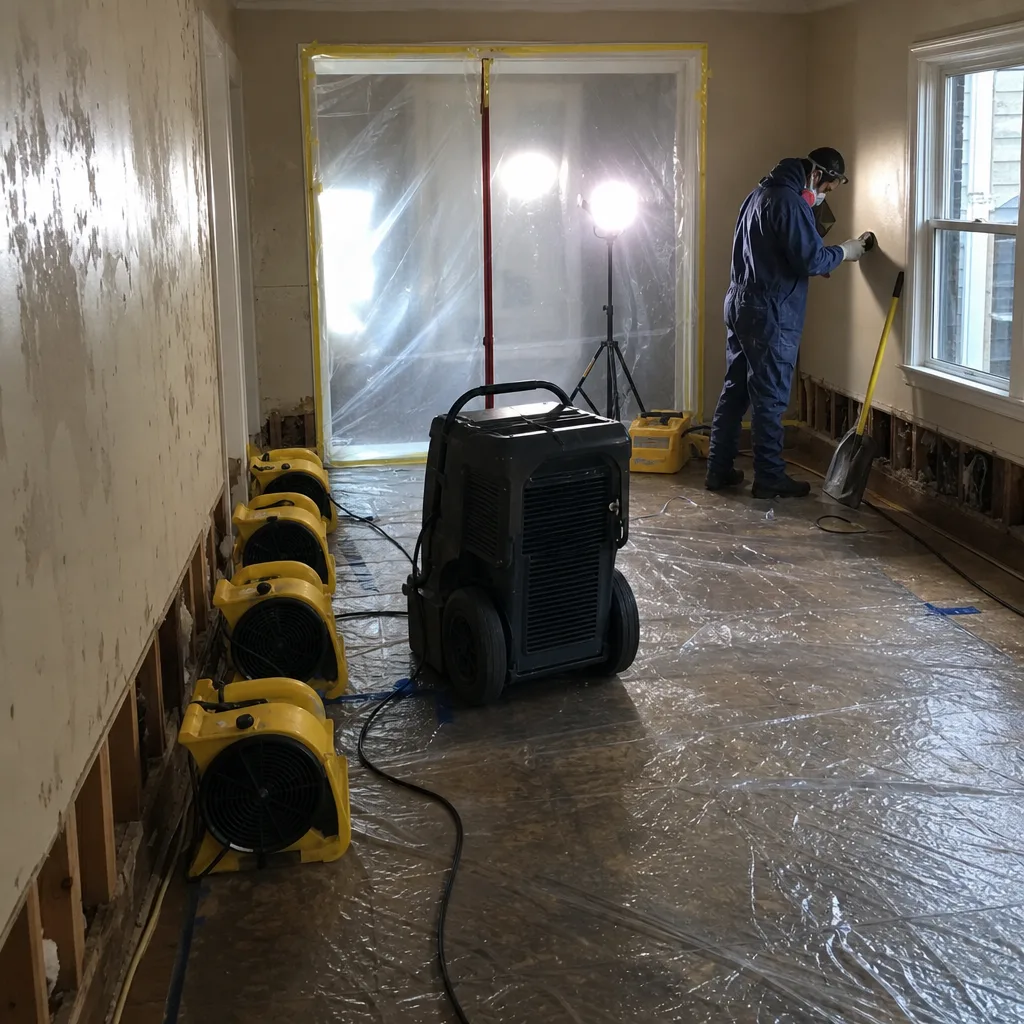
Before any equipment enters your property, request these four documents. A contractor who cannot produce them is not ready to perform work that will satisfy your insurer.
1. Written Scope of Work
This document defines the boundary of what the contractor will and will not do. It should specify:
- Rooms or areas affected, measured in square feet
- Materials to be removed (drywall, insulation, flooring, baseboard) with classifications by type
- Equipment to be deployed, including manufacturer and model
- Drying targets expressed as moisture content percentages or equilibrium moisture content relative to ambient conditions
- Frequency of monitoring visits with dates or intervals
- Criteria for determining when drying is complete
A scope that reads “dry out affected areas” is not a scope. A scope that reads “deploy Phoenix 200HT dehumidifier and two Dri-Eaz Air Movers in basement (420 sq ft), remove 24″ of wet drywall from north and east walls, monitor daily with penetrating moisture meter until wood framing reads ≤16% moisture content, estimated 3-5 days” is a scope you can verify and an adjuster can approve.
2. Line-Item Price Estimate
Haven Standard, Clause 1: written price before work begins. Every legitimate restoration contractor should be able to produce this. The estimate should align with standard pricing databases used in the industry, with each line item carrying a unit cost, quantity, and extended price. Common line items include:
- Emerergency service call / after-hours response
- Water extraction (per square foot or per hour of technician time)
- Equipment rental (dehumidifier, air mover, air scrubber) per day
- Demolition and removal of affected materials
- Antimicrobial application
- Contents manipulation or pack-out
- Monitoring visits
Jersey City pricing typically ranges from $3.50-$6.50 per square foot for Category 1 water extraction and drying in residential properties, with after-hours emergency calls adding $150-$350. Category 2 or 3 losses, or losses involving sewage or contaminated water, run higher due to PPE, disposal, and antimicrobial requirements. Reconstruction is priced separately after drying completion.
3. Proof of NJ Home Improvement Contractor Registration
New Jersey requires home improvement contractors to register with the Division of Consumer Affairs. The registration certificate should show:
- The contractor’s legal business name
- A registration number beginning with 13VH
- An address in New Jersey (not a P.O. box or out-of-state location)
Storm-chasing operations frequently use temporary local phone numbers forwarded to out-of-state call centers while maintaining no physical New Jersey presence. Verify the registration independently at the NJ Consumer Affairs website. A Jersey City contractor should have a Jersey City or Hudson County address, or a legitimate explanation for operating from a nearby municipality with a local crew.
4. Sample Drying Log from a Prior Job
This is the document most contractors cannot produce on demand, and it is the single best predictor of whether your claim will be paid without dispute. A proper drying log includes:
- Date and time of each visit
- Technician name and certification number
- Ambient temperature and relative humidity
- Specific humidity or vapor pressure readings
- Moisture content readings for each affected material, with meter type and calibration date
- Equipment operating status and any changes
- Photographs with date stamps
Ask to see a redacted log from a completed job. If the contractor claims this is confidential, they are wrong - drying logs contain no personal information beyond address, which can be redacted. What they are actually telling you is that they do not produce drying logs, which means they cannot prove their work met IICRC S500 standards, which means your adjuster can deny portions of your claim.
How to Verify IICRC S500 Compliance (Without Being an Expert)
The IICRC S500 Standard and Reference Guide for Professional Water Damage Restoration is the document that governs whether your contractor’s work is defensible to an insurer. You do not need to read all 400 pages. You need to know which claims to test.
What the S500 Actually Covers
The standard defines three categories of water loss and four classes of destruction, each requiring different equipment configurations and drying durations. A contractor who cannot articulate these distinctions is not following the standard, regardless of what their website claims.
Water Categories:
- Category 1: Clean water from a broken supply line or overflowing sink
- Category 2: Gray water with contamination, such as dishwasher discharge or washing machine overflow
- Category 3: Black water, including sewage, seawater, or river flooding
Destruction Classes:
- Class 1: Minimal absorption, affects less than 5% of combined floor, wall, and ceiling surface area
- Class 2: Significant absorption, 5-40% of surface area affected
- Class 3: Greatest absorption, more than 40% of surface area affected, or water overhead
- Class 4: Specialty drying situations with low porosity materials (plaster, hardwood, concrete)
Test Questions to Ask
- “What category and class is my loss, and how does that affect your equipment calculation?” A correct answer names the category and class, then explains the dehumidification capacity required in pints per day, derived from the affected cubic footage. An evasive answer mentions “we’ll assess when we get there” - which may be true for initial response, but a qualified contractor can estimate category and class from your description and should explain their reasoning.
- “What is your target moisture content for the materials affected, and how do you measure it?” Correct answers specify a percentage for wood framing (typically 16% or below) or a percentage relative to dry standard for drywall, measured with a calibrated penetrating or non-penetrating moisture meter. Wrong answers: “until it feels dry” or “we just know.”
- “How do you document psychrometric data?” Correct answers reference specific humidity, vapor pressure, or dew point measurements recorded on each visit. Psychrometric data is the atmospheric measurement that proves your drying environment was controlled. Without it, an adjuster can argue that high humidity prolonged the job unnecessarily.
At Water Damage Restoration in Jersey City, we document every job to IICRC, RIA, and IFA standards, producing the daily moisture logs that turn restoration invoices into payable insurance claims. The equipment deployed - Dri-Eaz, Phoenix, XPOWER, B-Air, and Injectidry systems - is specified in the written scope and verified on each drying log.
Why “Handling the Insurance Company” Can Harm Your Claim
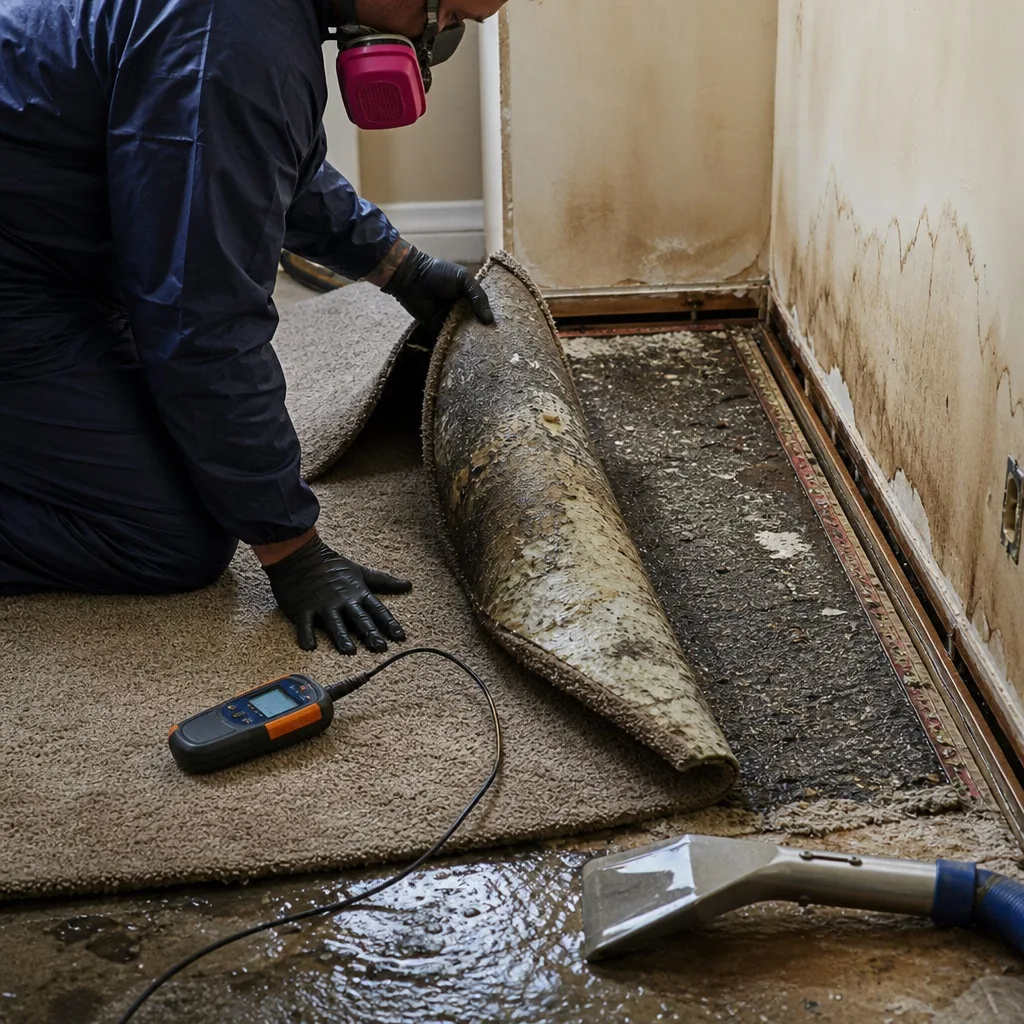
This is the most expensive promise in restoration. A contractor who offers to “handle everything” with your insurer, who asks you to sign an assignment of benefits, or who tells you “don’t worry about the estimate, we’ll work it out with the adjuster” is removing your ability to dispute a claim denial later.
Here’s how the documentation chain works. Your insurance policy is a contract between you and your insurer. The restoration contractor is a vendor you hire. When the contractor provides documentation - moisture logs, photographs, scope of work - that documentation supports your claim. If the contractor keeps that documentation, or if they negotiate directly with the adjuster without copying you on every communication, you lose visibility into what was claimed on your behalf.
We’ve seen Jersey City homeowners discover, months after a loss, that their contractor submitted an estimate with line items they never authorized, or failed to document water migration into adjacent rooms that later developed mold. The insurer denied the secondary damage. The contractor was long gone. The homeowner had no documentation to appeal because they’d signed it all over.
The correct arrangement: the contractor works for you, documents everything to standards you can verify, and provides you with complete copies of all records. You submit those records to your insurer, or the contractor submits them with you copied on every transmission. Direct insurance billing is common and acceptable, but only when you retain copies of every document.
At DryMark Restoration Jersey City, we provide the photo record and drying log as standard deliverables, never as upsells. You receive the same documentation we provide to your adjuster. Haven Standard, Clause 1 applies here too: the written price before work begins protects you from scope creep that an adjuster might later dispute.
Red Flags Specific to Post-Storm Jersey City
Jersey City’s geography makes it a predictable target for storm-chasing restoration crews. The Hudson River waterfront, low-lying areas near Liberty State Park, and the combined sewer overflow zones in older neighborhoods flood with regularity during coastal storms and heavy rain events. After every major weather event, a specific pattern emerges.
The Out-of-State License Plate
Legitimate Jersey City contractors live here. Their crews drive vehicles with New Jersey registration. Their business address is verifiable on NJ Consumer Affairs. Storm chasers arrive with trucks bearing Florida, Texas, or Georgia plates, set up temporary lodging, and leave when the work dries up. They have no local reputation to protect and no incentive to warranty their work.
The Verbal-Only Price Agreement
This is automatic disqualification. New Jersey law does not prohibit verbal contracts for home improvement work, but no insurer will pay a claim supported only by a verbal agreement. If a contractor tells you “we’ll figure out the price after we start” or “the insurance company sets the rates anyway,” you are being set up for a disputed claim. Haven Standard, Clause 1 exists precisely to end this practice.
The Authorization-Without-Scope Contract
Some contractors present a document titled “Authorization to Perform Services” or “Direction to Pay” that grants them broad rights to perform undefined work and receive payment from insurance proceeds. Read these carefully. If the document does not define the scope of work, the equipment to be used, the drying targets, and the maximum authorized cost, do not sign it. You are authorizing an open-ended commitment.
The Pressure to Sign Immediately
Emergency mitigation sometimes requires rapid authorization to prevent further damage. But emergency mitigation - extracting standing water, removing wet materials, setting initial drying equipment - can be authorized separately from full-scope restoration. A contractor who will not separate emergency services from reconstruction scope, or who insists you commit to their company for all phases before any work begins, is structuring the deal for their benefit, not yours.
No Local Equipment Inventory
A legitimate Jersey City restoration company maintains dehumidifiers, air movers, and air scrubbers in local inventory. Ask where their equipment is stored. If they are renting equipment after your call, or if their “warehouse” is a self-storage unit in another state, they are not equipped to respond to multiple simultaneous losses, which is exactly what happens during regional weather events.
Questions That Reveal Real Adjuster Experience
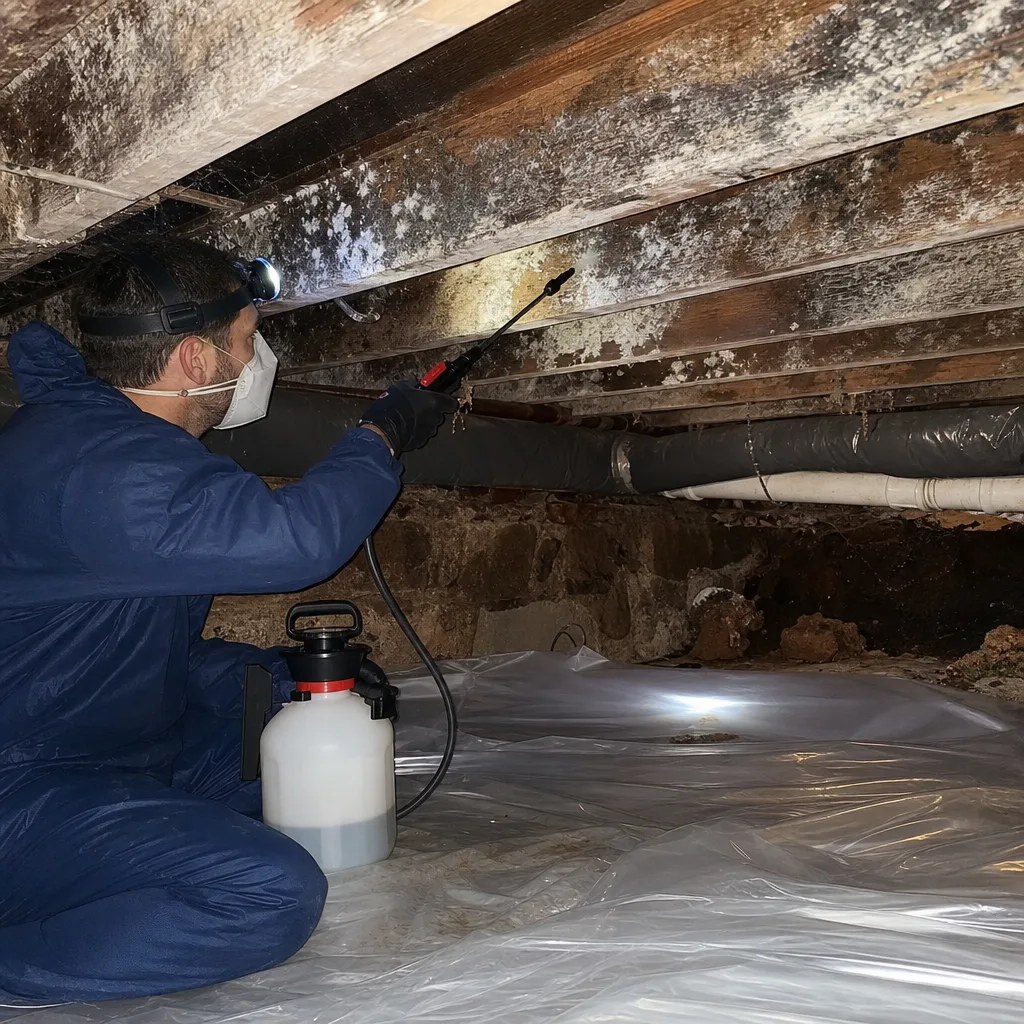
A contractor who has worked with New Jersey-licensed adjusters speaks differently from one who has only dealt with homeowners. The difference matters because insurance claims in New Jersey follow specific practices, and a contractor unfamiliar with them will create documentation that adjusters cannot process efficiently.
Question 1: “How do you handle supplemental claims when hidden damage is found?”
Right answer: “We document the concealed damage with photographs, moisture readings, and a written amendment to the scope. We provide that documentation to you and to the adjuster simultaneously, with a revised line-item estimate. The supplement is processed before additional work proceeds, or we separate emergency mitigation from reconstruction so mitigation can continue while the supplement is reviewed.”
Wrong answer: “We’ll take care of it. Don’t worry, the insurance company always pays for hidden damage.” (They do not. Hidden damage requires documentation and approval.)
Question 2: “What depreciation method do New Jersey insurers typically apply to water-damaged materials?”
Right answer: “Most policies in New Jersey use replacement cost value with recoverable depreciation, meaning you receive actual cash value initially and recover the withheld depreciation upon proof of replacement. We document replacement with dated photographs and invoices.”
Wrong answer: A blank stare, or “depreciation is between you and your insurance company.” (A contractor who has processed claims knows how depreciation affects their payment and yours.)
Question 3: “How do you coordinate with a public adjuster if I hire one?”
Right answer: “We provide all documentation directly to your public adjuster in the format they request. We attend joint inspections when requested. We do not negotiate pricing with public adjusters behind your back - all communications are copied to you.”
Wrong answer: “We don’t work with public adjusters” or “you don’t need one, we’ll handle everything.” (This is a red flag for claim control, not claim support.)
Question 4: “What is your experience with NJ PLIGA claims?”
The New Jersey Property-Liability Insurance Guaranty Association handles claims against insolvent insurers. Most contractors have never filed one. A contractor who has - or who knows what PLIGA is - has depth of experience that will matter if your insurer becomes insolvent, which has happened to regional carriers after catastrophic weather events.
Pricing in Jersey City: What to Expect and What to Reject
Restoration pricing in Jersey City reflects our specific market conditions: high cost of living, limited parking and access in dense neighborhoods, older building stock requiring specialized techniques, and the prevalence of high-value properties where insurers scrutinize claims closely.
Typical Price Ranges for Common Services
| Service | Typical Range | What Affects Price |
|---|---|---|
| Category 1 water extraction and drying, residential | $3.50-$6.50 per sq ft | Class of destruction, ceiling height, material types, after-hours response |
| Category 2 water loss (gray water) | $4.50-$8.00 per sq ft | Contamination level, PPE requirements, antimicrobial application |
| Category 3 water loss (black water/sewage) | $7.00-$15.00 per sq ft | Sewage classification, disposal requirements, health department notification |
| Mold remediation, contained area | $15-$30 per sq ft | Containment complexity, air scrubber days, post-remediation verification |
| Fire and smoke damage, initial mitigation | $4.00-$7.50 per sq ft | Soot type (wet vs. dry), odor complexity, contents involvement |
| Emergency service call, after hours | $150-$350 | Time of day, holiday surcharge, travel distance |
| Equipment rental, dehumidifier | $85-$150 per day | Capacity (pints per day), refrigerant vs. desiccant type |
| Equipment rental, air mover | $25-$45 per day | Axial vs. centrifugal, speed settings |
These ranges reflect Jersey City’s market as of 2024-2025. Prices below these ranges suggest corner-cutting: unlicensed labor, inadequate equipment, or undocumented work. Prices significantly above without justification suggest padding or unfamiliarity with standard pricing databases.
What to Reject
- Any estimate that is not line-itemed
- Any estimate that does not specify equipment manufacturer and model
- Any “package price” that bundles mitigation and reconstruction without separation
- Any requirement to pay the full estimate before work completion
- Any estimate that exceeds standard pricing databases by more than 20% without written justification
At DryMark Restoration Jersey City, we deliver a written price before anyone starts work, every time, with no scope-creep additions once the crew is inside. Haven Standard, Clause 1. We also offer a Free Second Opinion on any competitor’s written estimate - bring their quote and we will review it at no charge.
Common Mistakes to Avoid
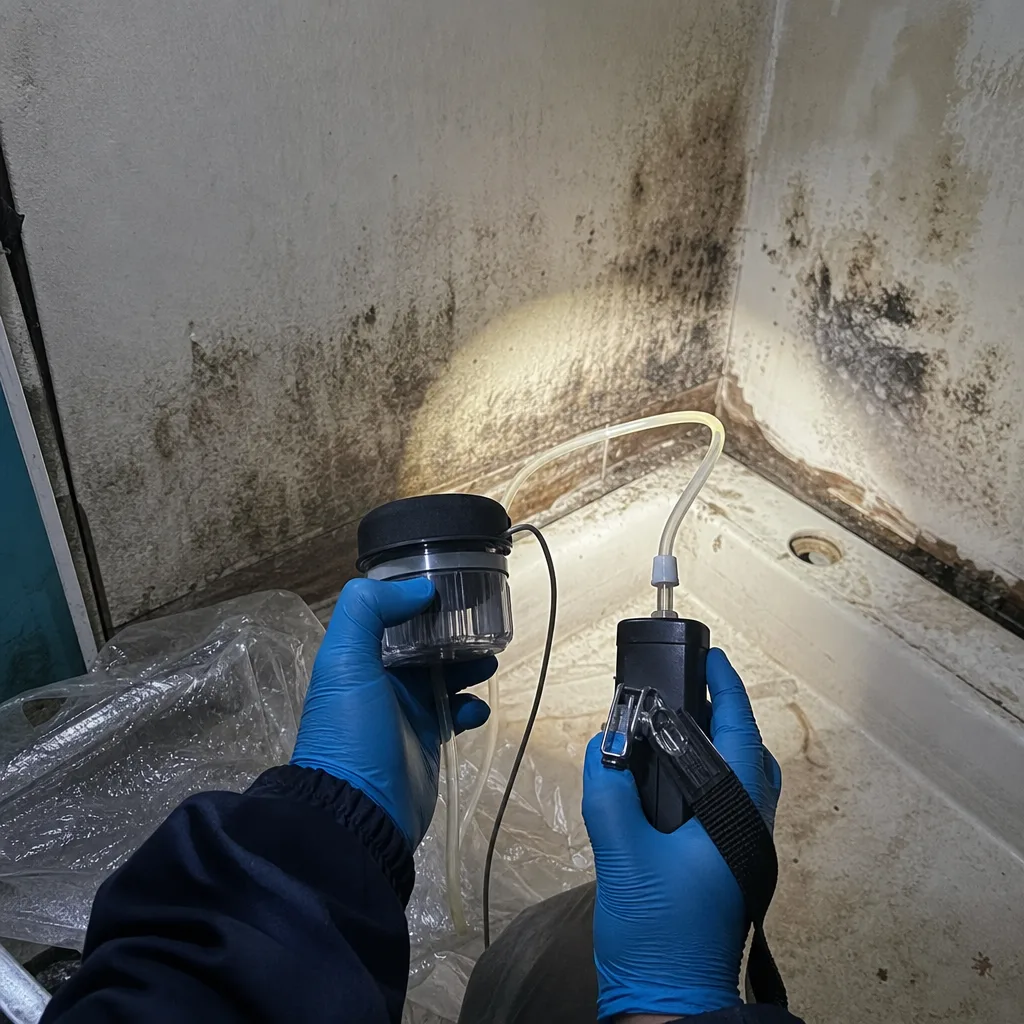
- Waiting for the insurance adjuster before calling a contractor. In Jersey City, where humidity averages 65-75% in summer, a 48-hour delay between water intrusion and mold growth is typical, not theoretical. Emergency mitigation protects your property and your claim. Document everything, but do not wait.
- Signing an assignment of benefits without legal review. New Jersey law permits assignments of benefits, but they transfer your contractual rights to the contractor. If the contractor overbills or underperforms, you may lack standing to dispute the claim directly with your insurer.
- Accepting a contractor who cannot name their last three jobs in Jersey City. Local experience matters for building type, permit requirements, and adjuster relationships. A contractor who “serves the tristate area” may have never worked on a Hudson County brownstone.
- Ignoring the moisture meter reading. “It looks dry” is not dry. We have found wall cavities reading 80% relative humidity behind visually dry surfaces, with mold growth established but invisible. Demand numerical proof.
- Authorizing reconstruction before drying verification. Rebuilding over damp substrates guarantees future mold and structural damage. The drying log must show attainment of target moisture content before reconstruction begins.
- Not requesting a written warranty. The 365-Day Done Right Promise at DryMark Restoration Jersey City is a signed guarantee, not a verbal assurance. Any contractor unwilling to warranty their work in writing should not perform it.
- Choosing based on speed of arrival alone. A contractor who arrives in fifteen minutes with no equipment inventory, no written process, and no documentation system will cost you more in denied claims than a contractor who arrives in ninety minutes prepared to do defensible work.
When to Call a Professional
Call a professional immediately when: water has affected finished surfaces or penetrated wall cavities; you smell musty odors after any water event; visible mold exceeds ten square feet; sewage or contaminated water is present; fire damage has occurred regardless of apparent size; or structural elements show warping, staining, or softening. In Jersey City, where many buildings share common walls and utilities, delaying response can damage neighboring units and expose you to liability.
DryMark Restoration Jersey City offers free estimates in Jersey City - call (862) 298-5256. A live person answers every call, 24 hours a day, 7 days a week, with no voicemail on emergency lines. Every job is quoted in writing before work begins, documented with a photo record on every visit, and covered by the 365-Day Done Right Promise under The Haven Standard.
Frequently Asked Questions
Verify their Home Improvement Contractor registration at the NJ Division of Consumer Affairs website using their 13VH registration number. The registration should show a New Jersey address, not an out-of-state location or P.O. box. Ask to see their certificate and verify it independently.
Most homeowners policies cover sudden and accidental water damage from sources like burst pipes or appliance failures. Flood damage from external sources typically requires separate flood insurance. Coverage depends on your specific policy, the water category, and the documentation quality your contractor provides. Call (862) 298-5256 for an exact assessment of your situation - estimates are free.
Legitimate local contractors typically arrive within 60-120 minutes for emergency calls, depending on traffic, weather, and current call volume. Anyone promising arrival in “20 minutes” from outside your immediate neighborhood is likely estimating optimistically or operating without a real-time dispatch system. Ask where their crew is departing from and whether they have equipment loaded.
For water affecting only hard, non-porous surfaces in a small area with no penetration into walls or subflooring, self-removal with proper drying may be adequate. For any water affecting drywall, insulation, carpeting, or finished wood, or any Category 2 or 3 water, professional extraction and documented drying is necessary to prevent mold and to support an insurance claim. Call (862) 298-5256 to discuss your specific situation - estimates are free.
You retain control. The contractor provides documentation; you or the contractor submits it to the adjuster, with you copied on all communications. Be wary of any contractor who asks you to sign over communication authority or who will not copy you on adjuster correspondence. You need the documentation for your records regardless of who submits it.
A proper drying log shows date and time of each visit, technician name and certification, ambient conditions (temperature, relative humidity), moisture content readings for each affected material with meter type and calibration date, equipment status and changes, and dated photographs. It should be provided to you as a standard deliverable, not offered as an upsell. At DryMark Restoration Jersey City, this documentation is included on every job.
The Bottom Line
Hiring a damage restoration contractor in Jersey City is not about finding the most reassuring voice on the phone. It is about finding a professional who can produce documentation that satisfies your insurer, protects you from scope disputes, and proves the work was done to verifiable standards. Request the four documents before signing anything. Test their knowledge of IICRC S500, NJ adjuster practices, and local building conditions. Reject verbal-only agreements, out-of-state operators, and any contractor who will not separate emergency mitigation from reconstruction pricing. The contractor who arrives prepared with evidence - written scope, line-item price, drying logs, and a local address - is the one who will still be accountable when the emergency is over and the claim is being reviewed.
Written by Alicia Brennan, Owner at DryMark Restoration Jersey City, serving Jersey City since 2011.