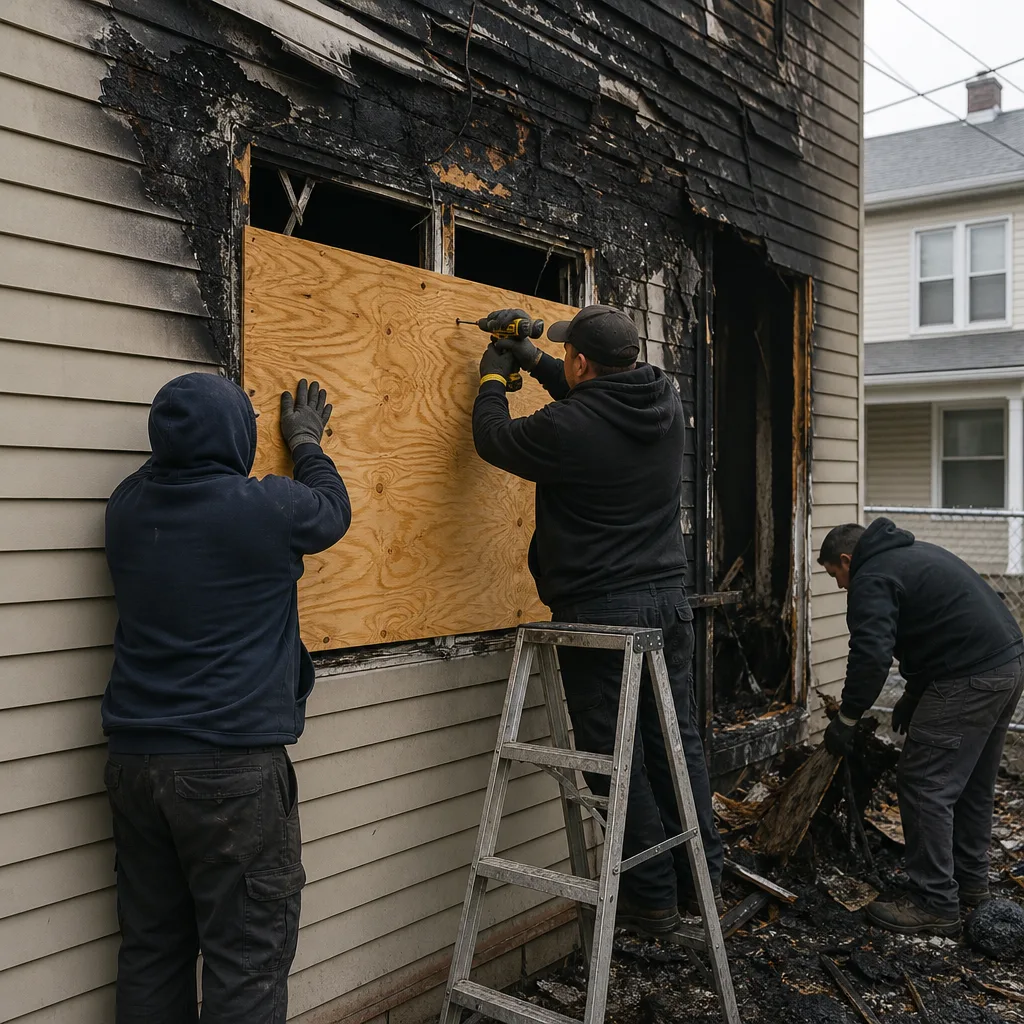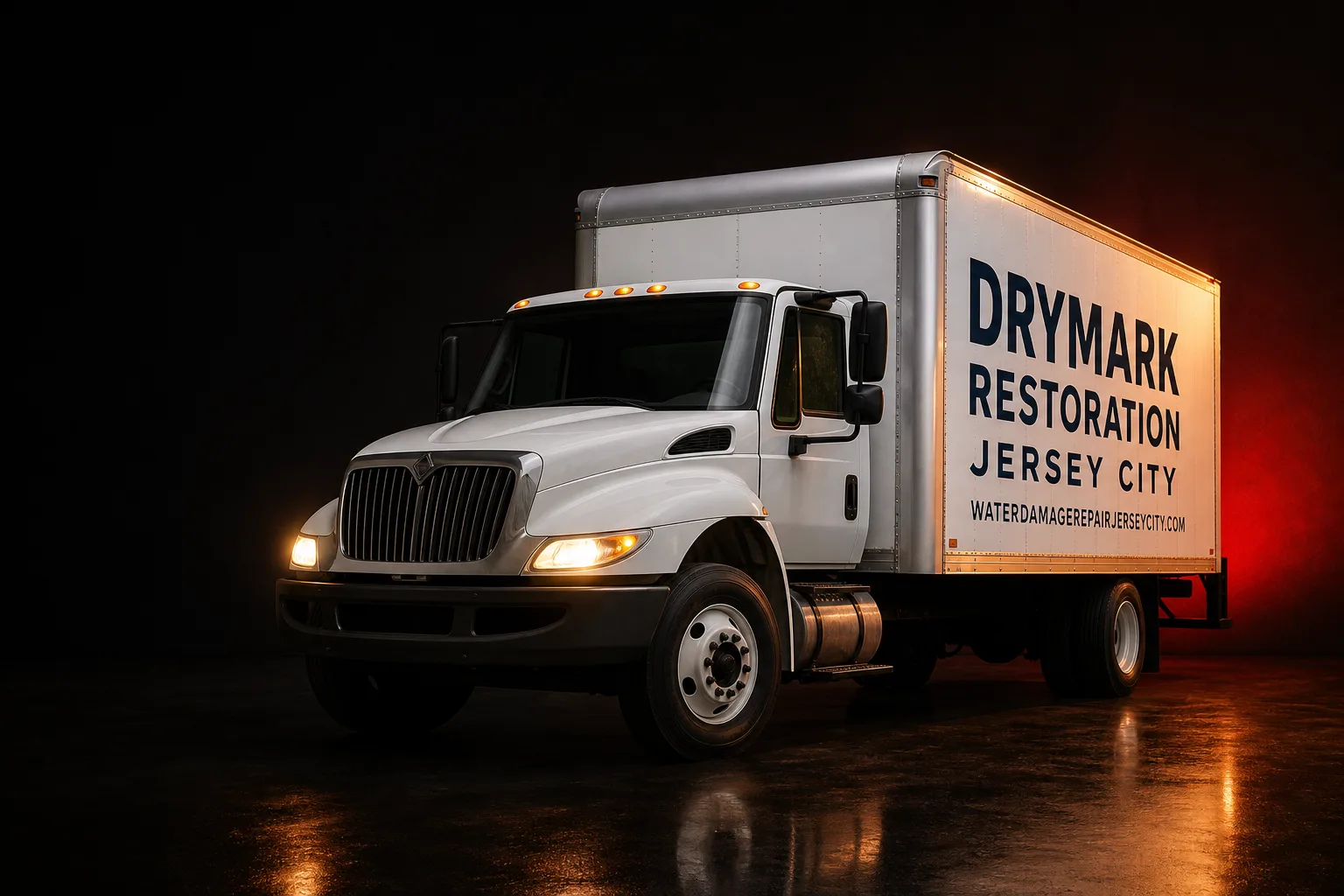
Free visual inspection and a written scope of work before any mitigation begins - photos, moisture readings, and drying logs go in your claim file
The scope we write is the scope we bill. Anything new gets shown to you, in writing, before we touch it.
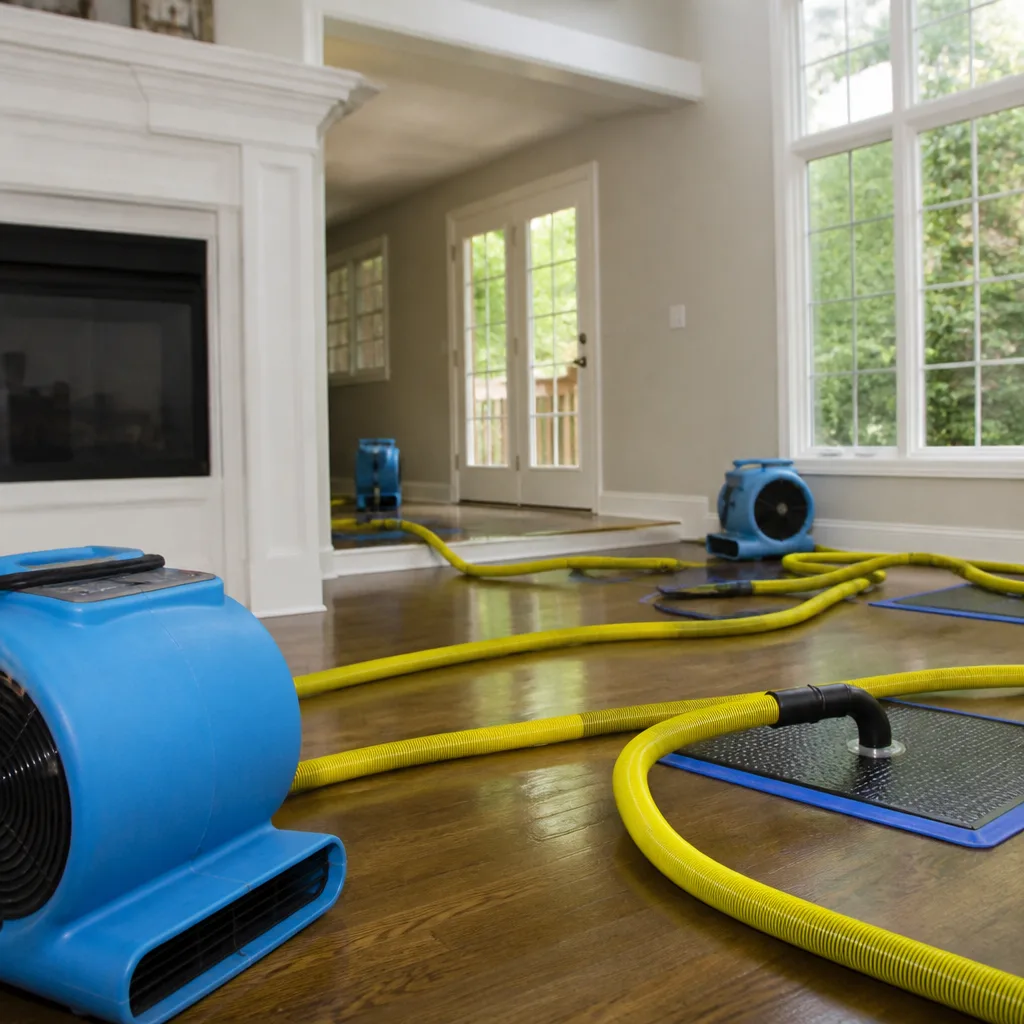
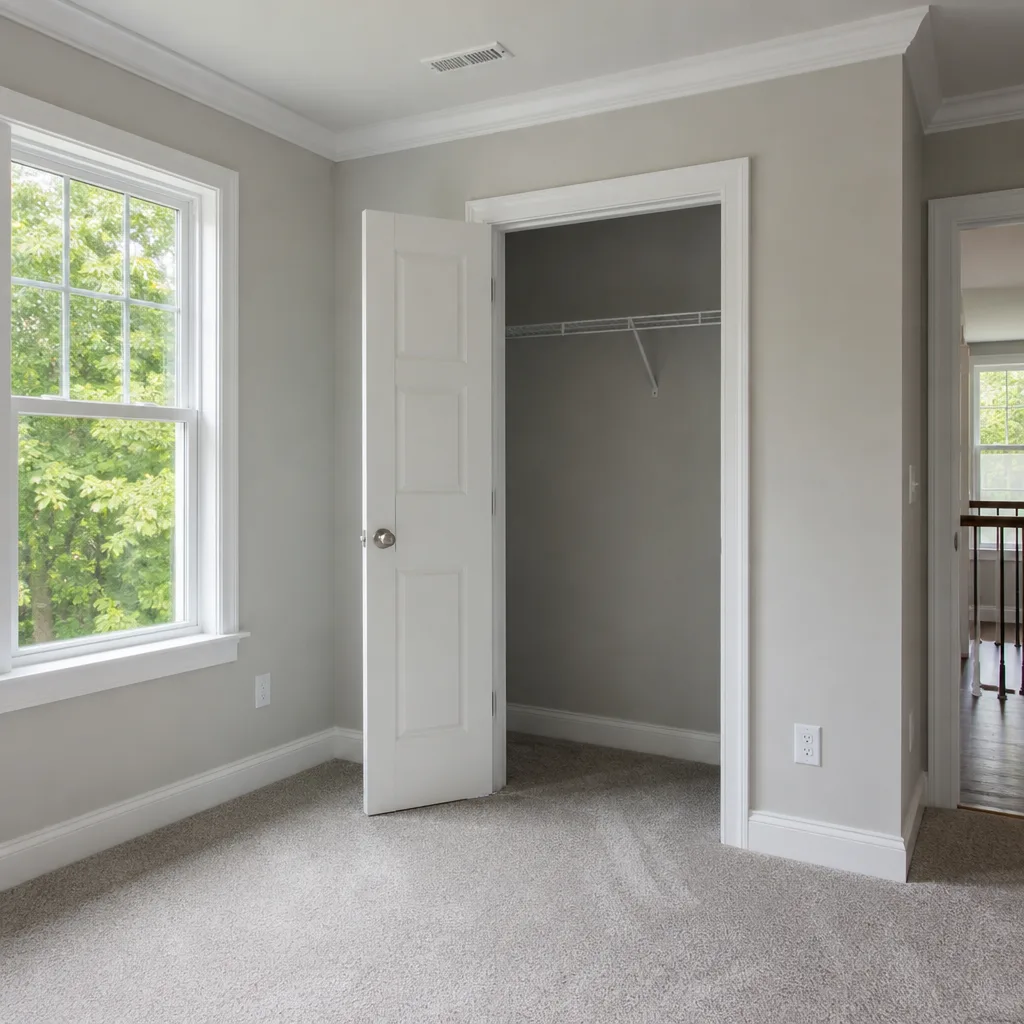
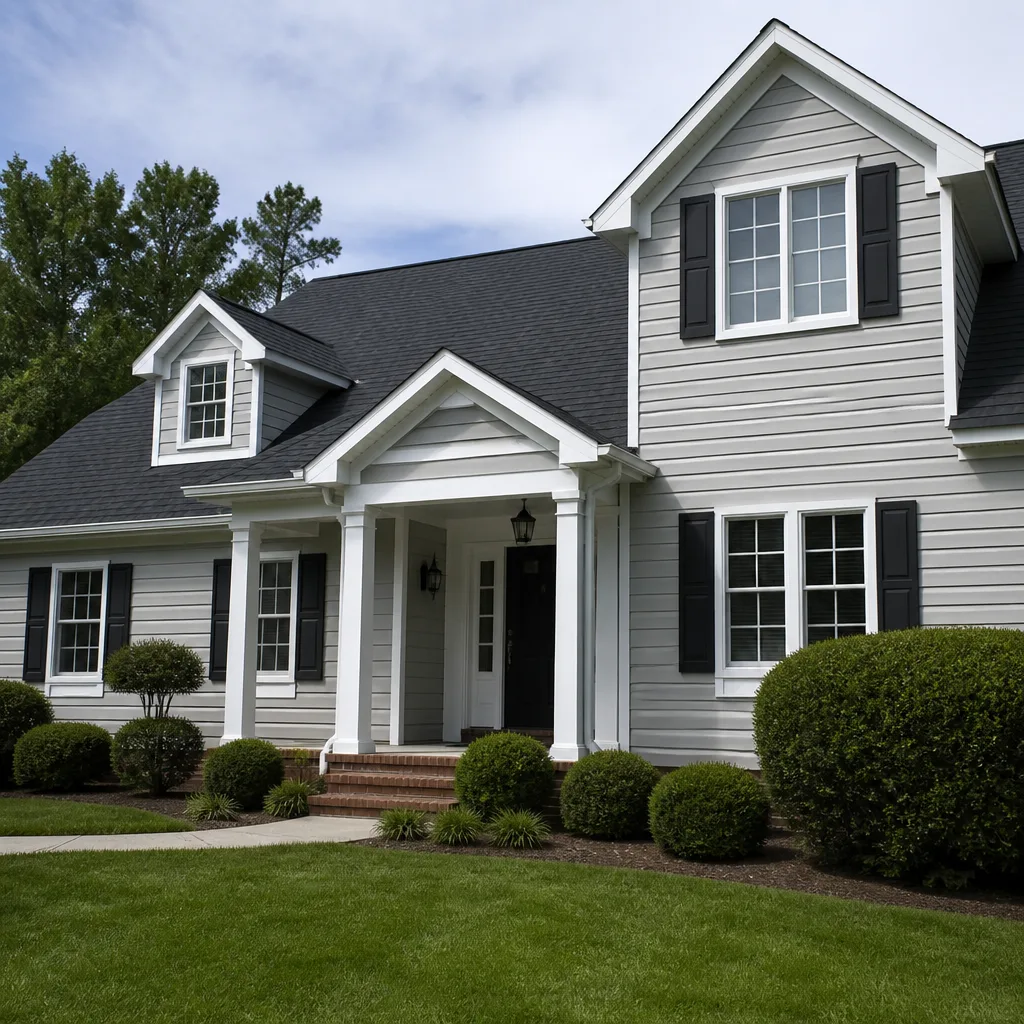
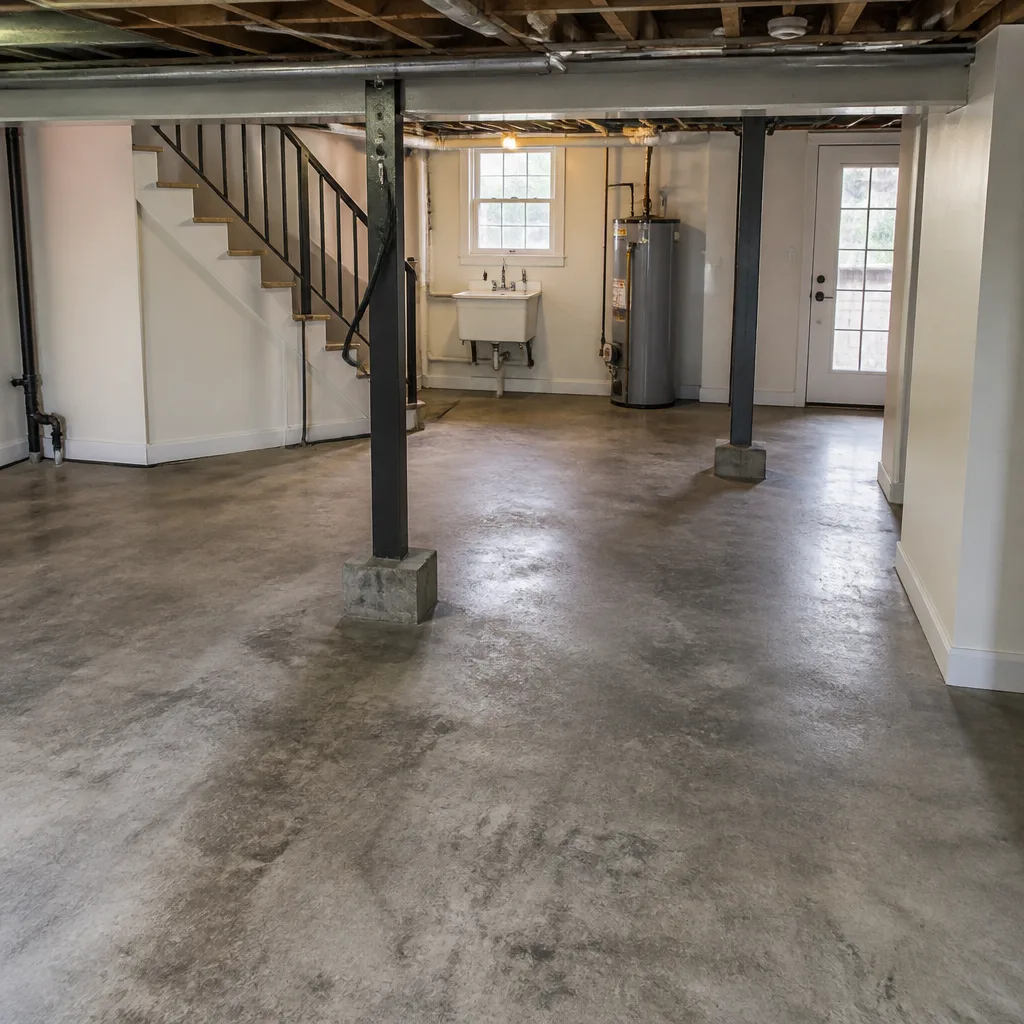
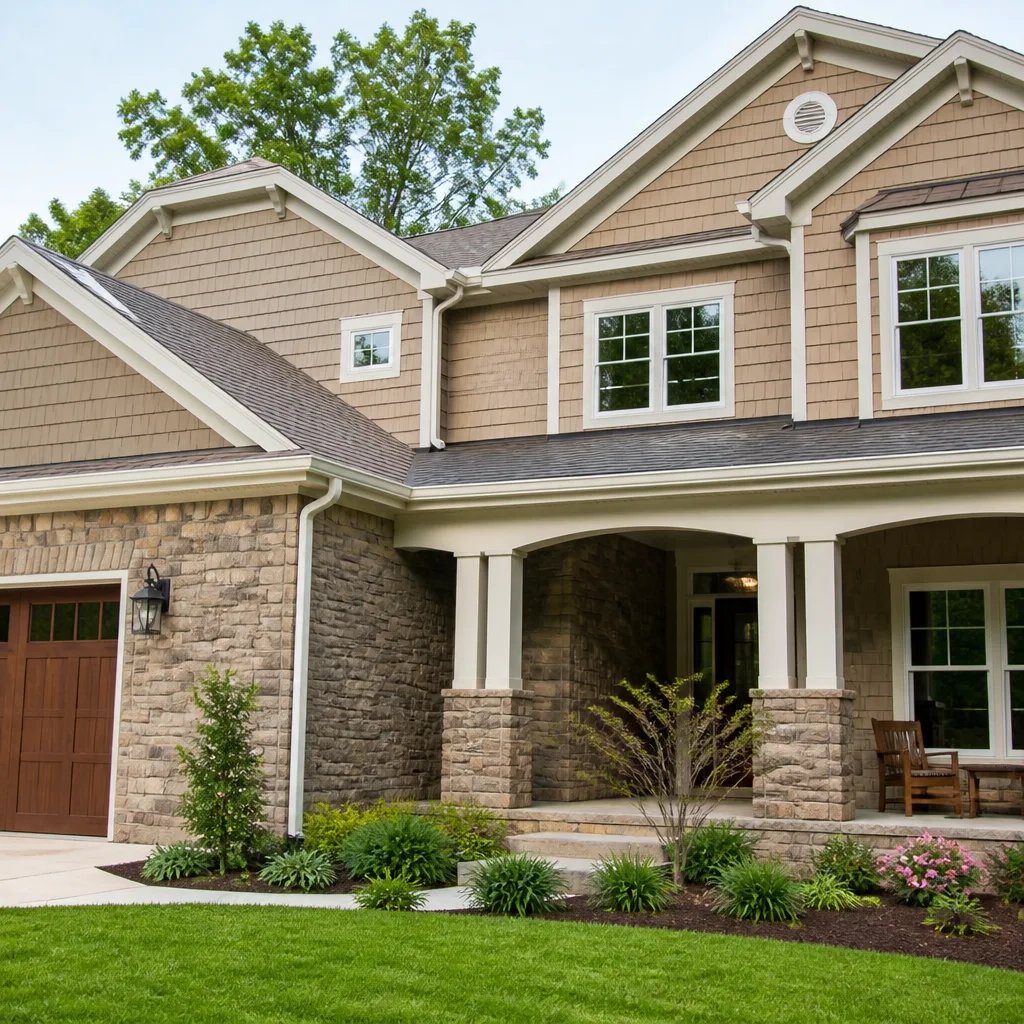
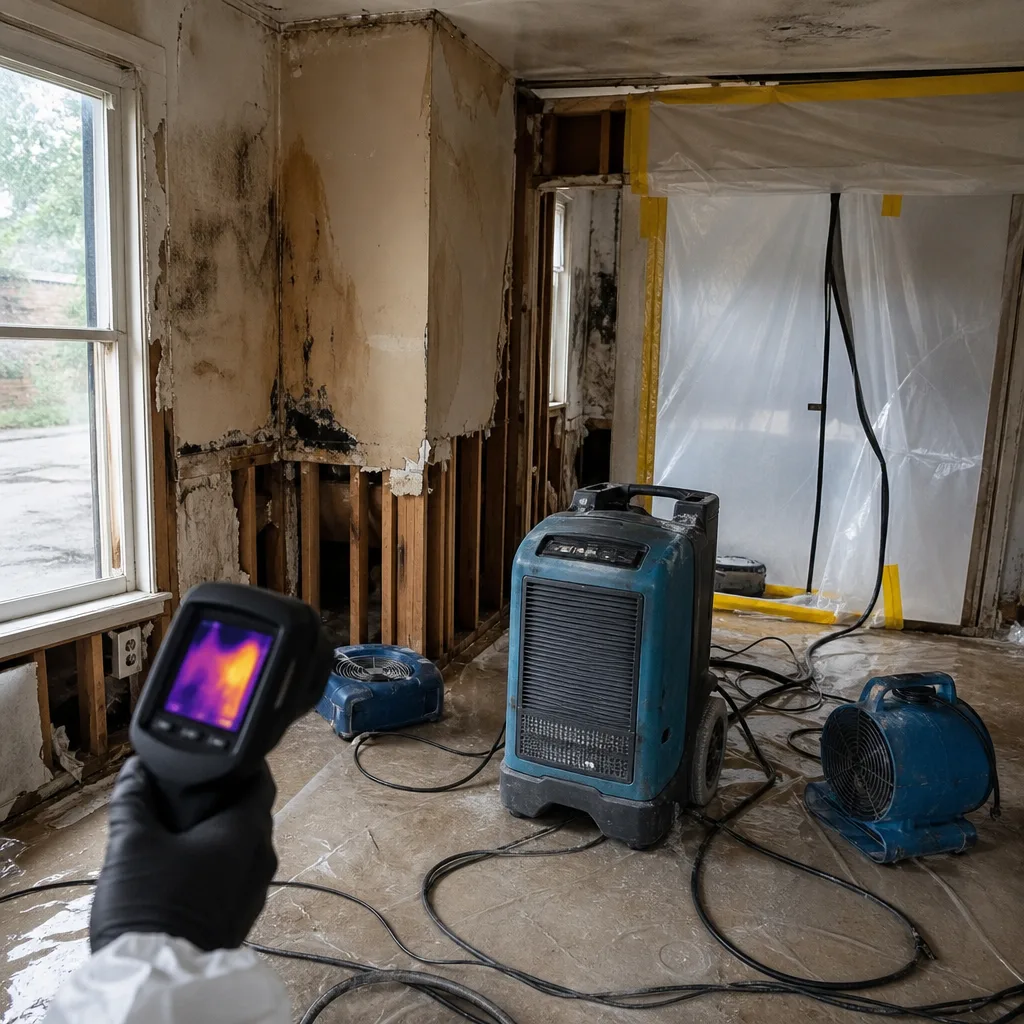 Before
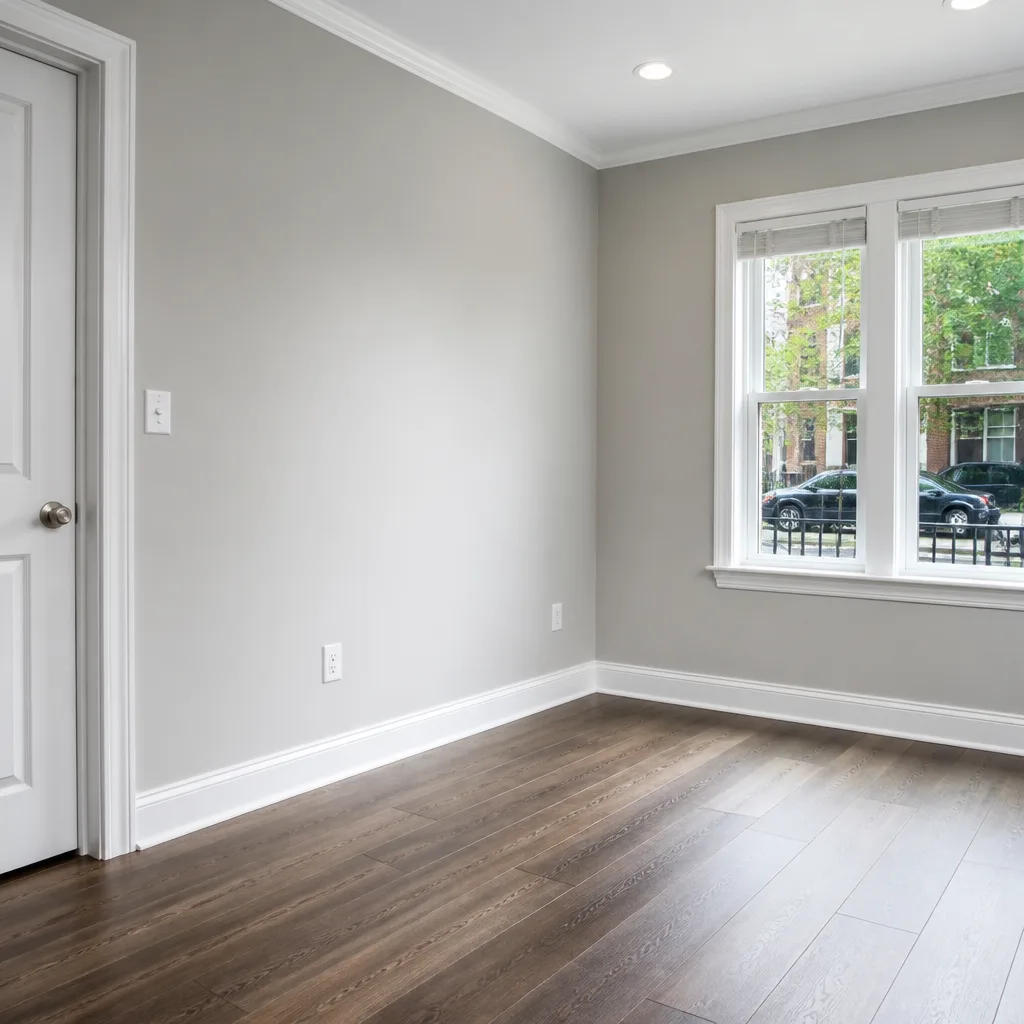 After
After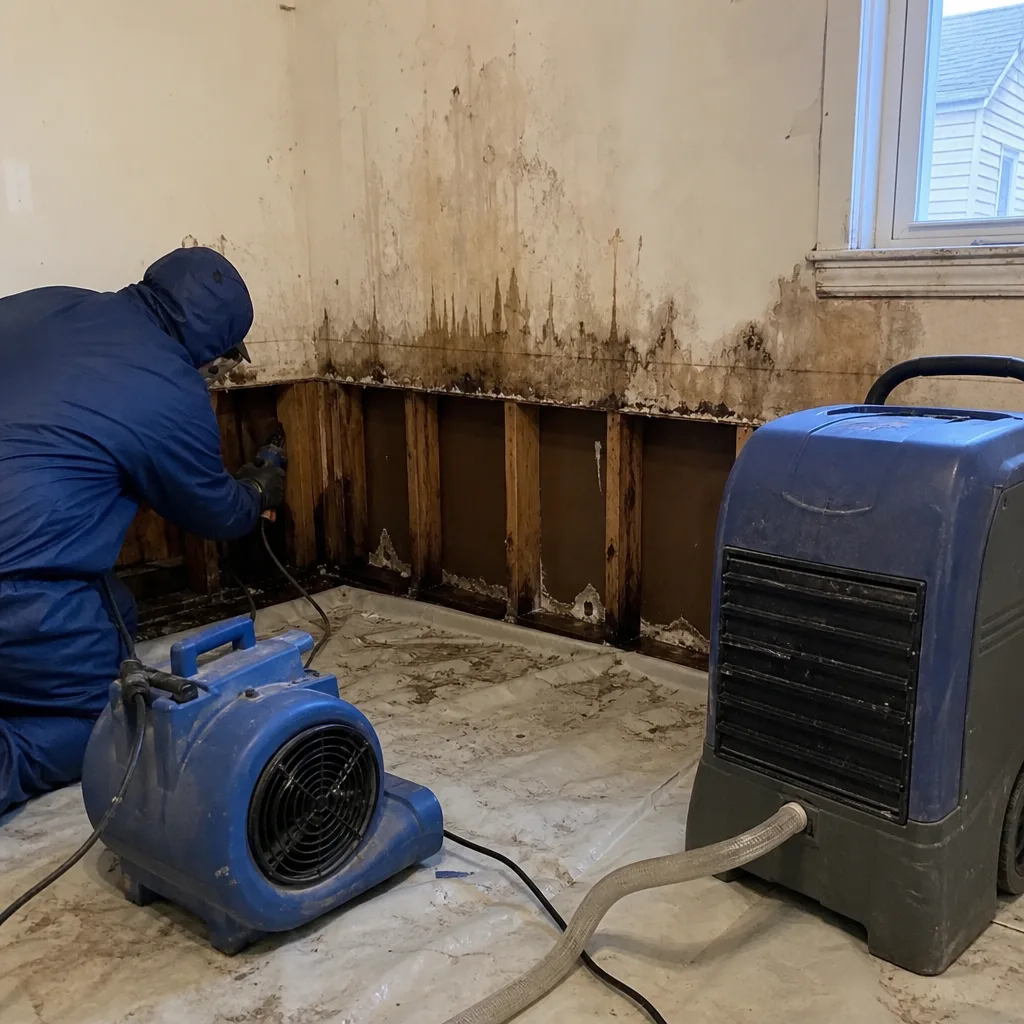 Before
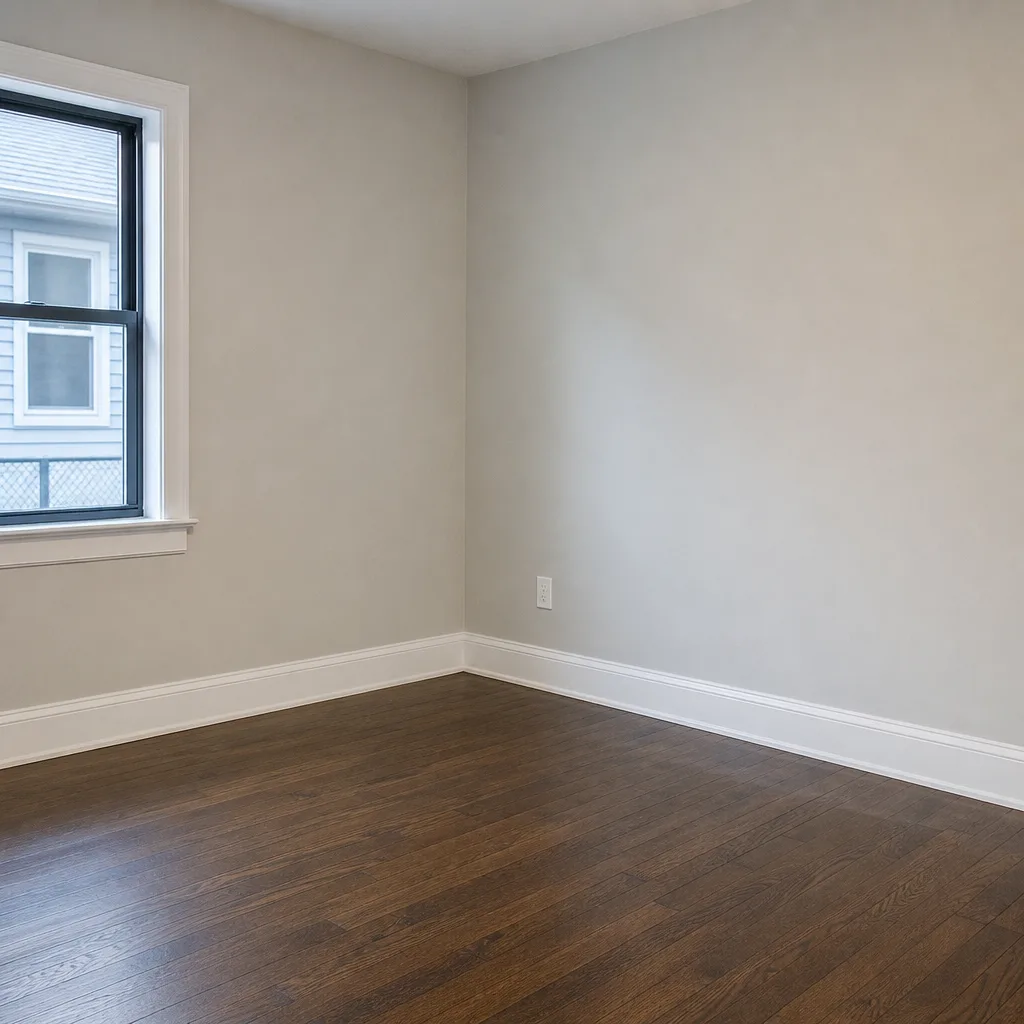 After
After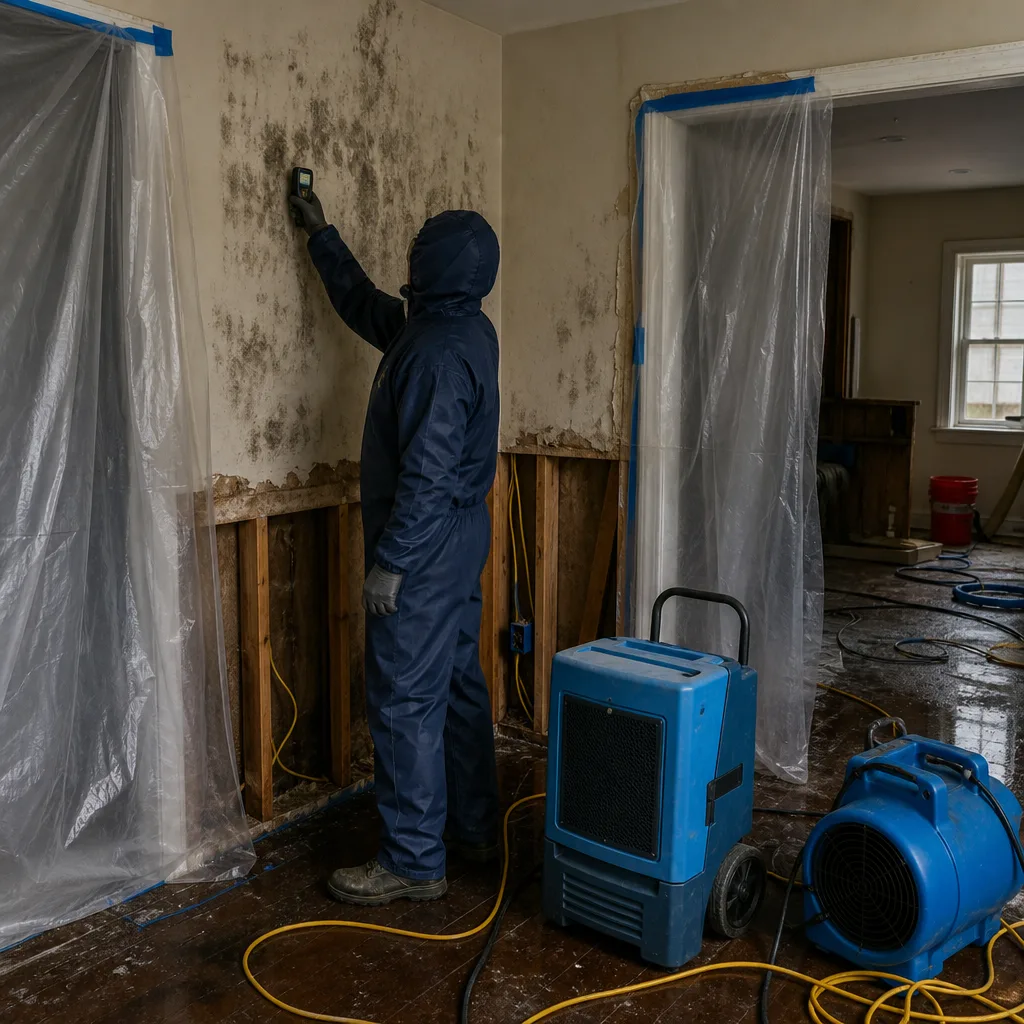 Before
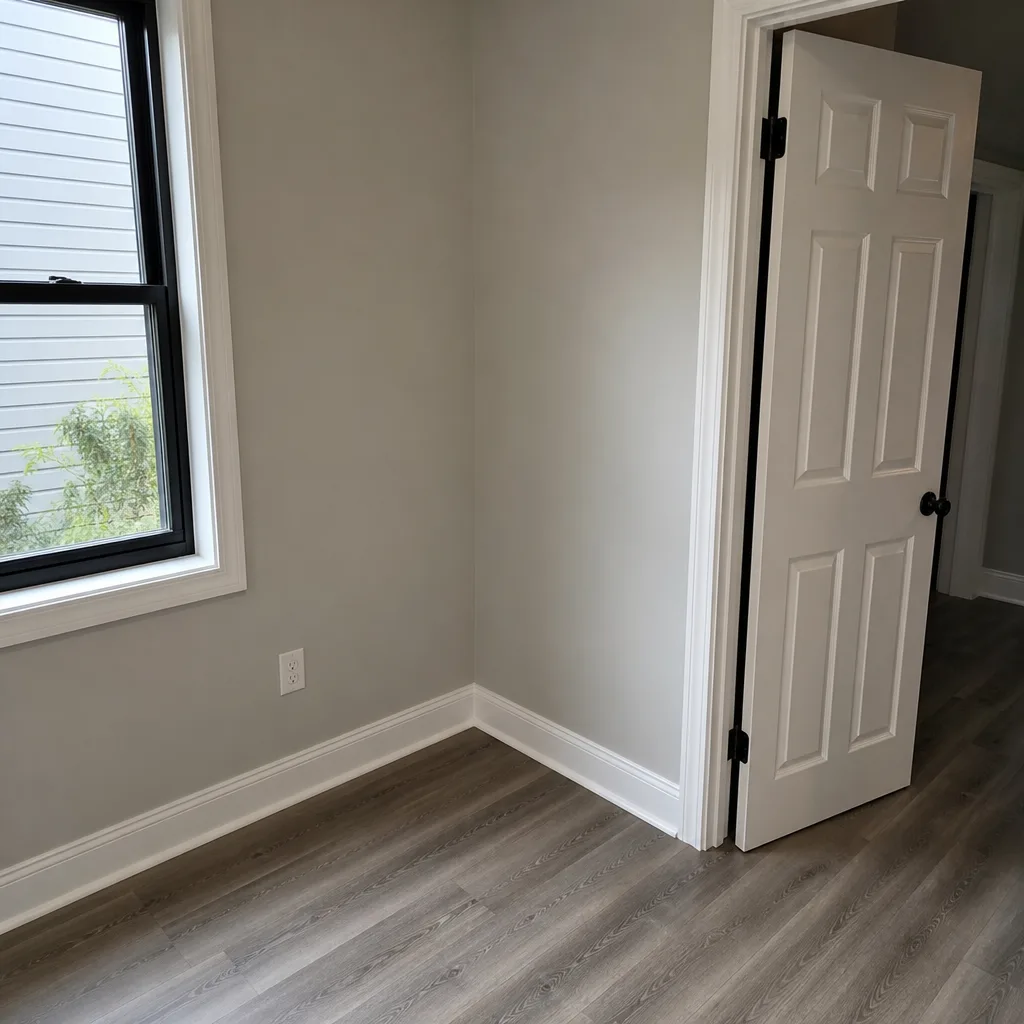 After
After24/7 Emergency Water Damage Restoration in Kearny
Water damage restoration in Kearny typically costs $2,800-$7,500 for a standard residential dry-out, with Category 3 sewage-contaminated flood jobs running $5,200-$12,000 due to mandatory tearout and antimicrobial treatment. Most emergency calls in Kearny reach a live person in under 60 seconds, and our crews are dispatched to Kearny properties within 45 minutes. Call (862) 298-5256 now - every minute water sits, it migrates through plaster-over-lath walls and wicks up masonry foundations, turning a contained loss into a structure-wide problem.
We answer live 24 hours a day, 7 days a week. No voicemail trees. No “leave a message and we’ll call back tomorrow” while your basement fills with combined sewer surcharge. Our Water Damage Restoration team coordinates dispatch from our metro office and arrives with moisture meters, thermal imaging, and extraction equipment already loaded. The first hour determines whether we dry and save materials or demolish and replace them. In Kearny’s 1890-1930 housing stock, that hour is especially costly to waste.
Understanding Water Damage Restoration Severity in Kearny Properties
Water damage breaks into three categories under IICRC S500 standards. Category 1 is clean water from a broken supply line. Category 2 is gray water with chemical or biological contamination. Category 3 is black water - sewage, groundwater flooding, or any water leaving its source and picking up contaminants. In Kearny, most basement flood jobs are Category 3 from the start.
Kearny’s aging combined sewer infrastructure was built to handle a smaller population and less impervious surface. When heavy rain hits, the system surcharges. Wastewater backs up through floor drains and basement fixtures. That water carries bacteria, viruses, and chemical contaminants. It is not rainwater. It cannot be dried in place. Porous materials - drywall, insulation, carpet, padding, and original plaster-over-lath - must be removed, not dried.
Moisture mapping with thermal imaging and penetrating hygrometers tells us where water has traveled, not just where it pooled. In Kearny’s two-family rowhouses, we’ve tracked Category 3 water wicking six feet up plaster walls and migrating through shared masonry party walls into adjacent units. Structural drying, when appropriate, uses psychrometric data - temperature, relative humidity, and vapor pressure differential - to calculate exactly how much dehumidification capacity we need per cubic foot of affected space. Tertiary drying addresses bound moisture in dense materials like plaster and dimensional lumber that primary air movement cannot reach.
Why Kearny Property Owners Choose DryMark Restoration Jersey City
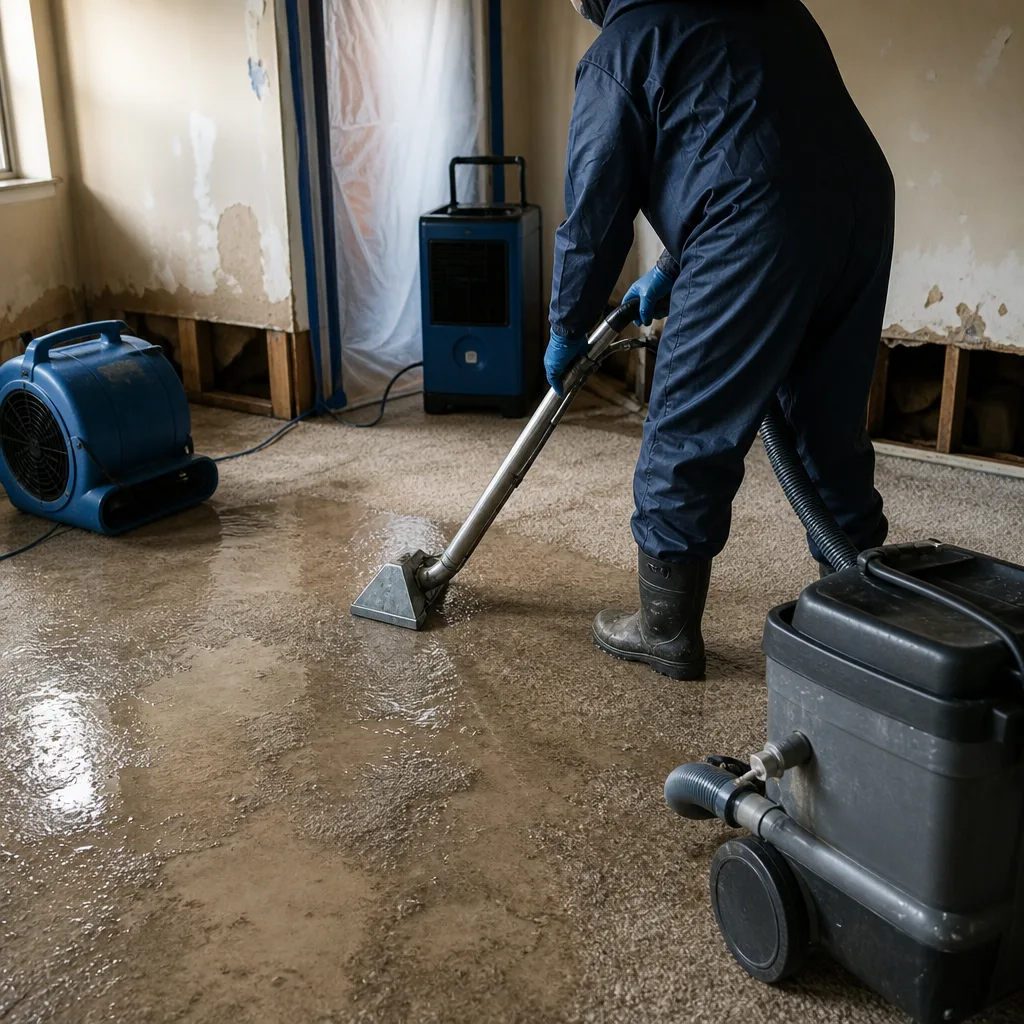
- 45-minute response commitment to Kearny addresses - measured from live answer to crew arrival, not from voicemail to callback.
- 24/7 live answer by a real person, never an automated system - emergency lines ring to our dispatch center with no hold queue longer than 90 seconds.
- IICRC-certified crews holding WRT (Water Damage Restoration Technician), FSRT (Fire & Smoke Restoration Technician), and AMRT (Applied Microbial Remediation Technician) credentials - license numbers provided on request before any crew enters your property.
- Free visual inspection and written scope - we document what we find, photograph it, and deliver a line-item price before any work begins, Haven Standard, Clause 1.
- Direct insurance billing and adjuster coordination - we speak the language of claims, because Alicia Brennan founded this company in 2011 after years of watching homeowners lose legitimate claims to sloppy documentation.
- One team from extraction to reconstruction - no handoffs between subcontractors, no “the dry-out guy doesn’t do rebuild” gaps that leave Kearny properties half-finished for months.
BeforeAfterOur Water Damage Restoration Process
1. Inspection & Assessment
We arrive with FLIR thermal cameras, Tramex moisture meters, and penetrating probes to map the full extent of water migration. In Kearny’s plaster-over-lath construction, we test multiple wall cavities per room - surface dryness means nothing when lath behind holds trapped moisture from a 2012 flood that was never properly addressed.
2. Extraction & Stabilization
Standing water comes out first with XPOWER and Dri-Eaz extraction units, whether it’s two inches in a basement or wicking through carpet in a first-floor rental. For Category 3 losses, we establish containment with 6-mil poly sheeting and negative air pressure before touching anything - protecting unaffected areas from cross-contamination.
3. Drying & Dehumidification
We calculate dehumidification capacity using psychrometric charts, then deploy Dri-Eaz Revolution LGR dehumidifiers and Phoenix 200 MAX units sized to the space. Air movers create controlled airflow across wet surfaces. Daily moisture logs track specific humidity, grain depression, and material moisture content - the documentation that turns restoration invoices into payable insurance claims.
4. Cleaning & Sanitization
Category 3 losses in Kearny receive full antimicrobial treatment with EPA-registered disinfectants applied to exposed framing, concrete, and masonry. We clean and test salvageable hard surfaces. No porous material that contacted sewage is “cleaned” in place - it is removed, documented, and replaced.
5. Mold Assessment & Remediation
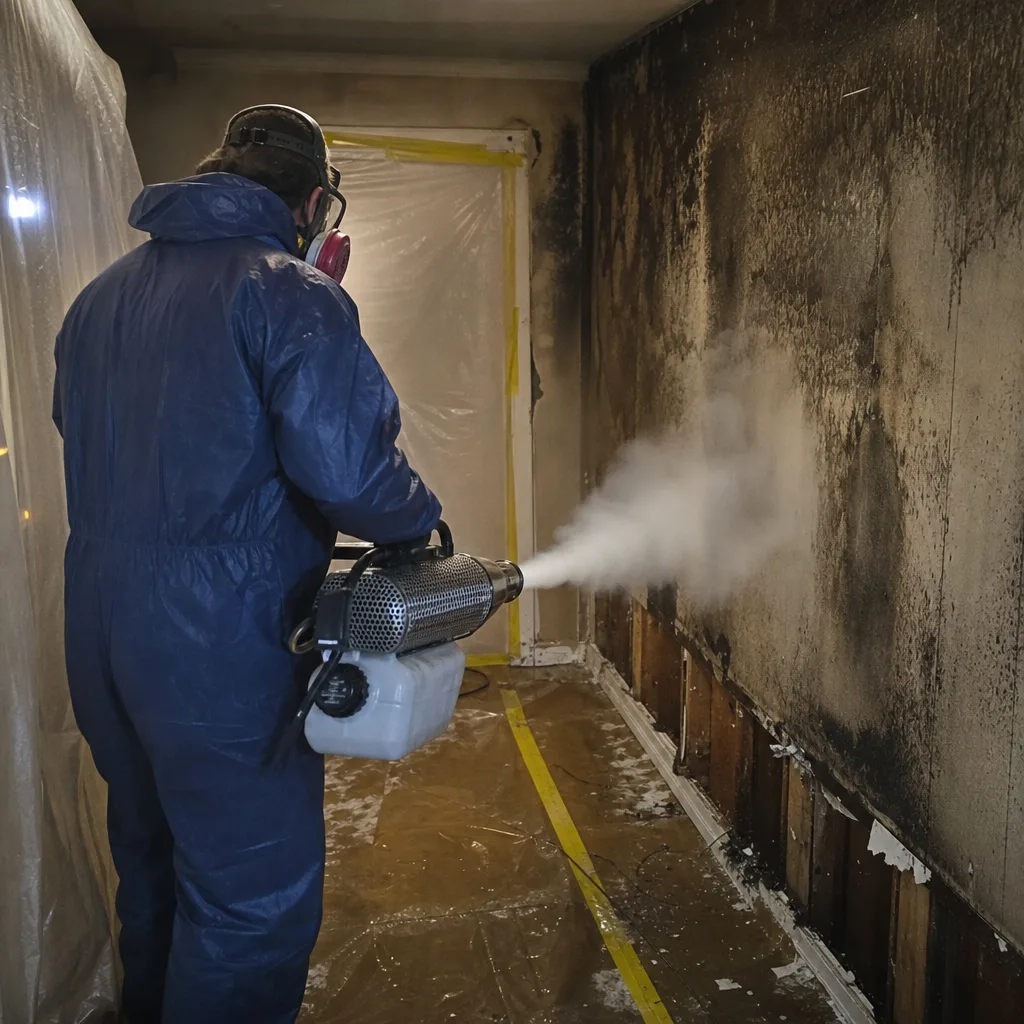
On Kearny’s repeat-flood blocks, we test for pre-existing mold inoculants before declaring a structure dry. If original plaster-and-lath walls were never demolished to studs after Sandy, we find Aspergillus or Stachybotrys colonies established years earlier. Containment, HEPA air scrubbing, and controlled demolition follow before reconstruction begins.
6. Repairs & Restoration
Our crew replaces removed materials with moisture-resistant equivalents - cement board below grade, closed-cell spray foam in rim joists, modern drywall with mold inhibitors above. We match existing finishes and deliver a photo-documented final walkthrough with a signed 365-Day Done Right Promise under The Haven Standard.
Need Emergency Water Damage Restoration in Kearny Now?
Crews minutes away, answering live 24 hours a day. The sooner we start, the less it costs.
Working With Your Insurance Company
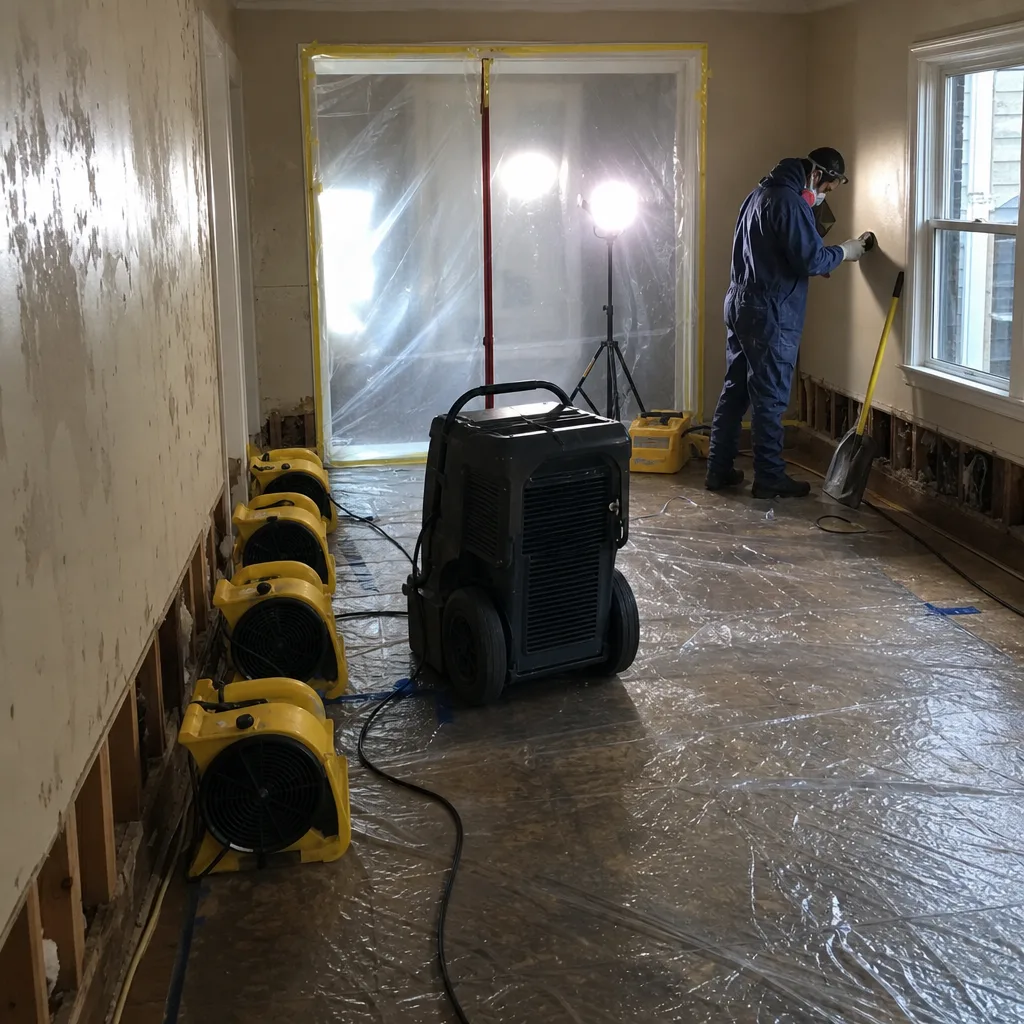
Insurance claims fail on documentation gaps. We close those gaps from the first hour. Every photo, moisture reading, and drying log is uploaded to your claim file in real time. Our estimates follow Xactimate pricing standards, and we coordinate directly with your adjuster - no phone tag, no “you handle your side, we’ll handle ours” silos.
Alicia Brennan built this company in 2011 after watching homeowners lose legitimate claims because restoration contractors couldn’t produce evidence. We don’t repeat that mistake. Our daily drying logs show grain depression trends that prove the structure reached dry standard. Our photo records show pre-loss condition, damage progression, and post-restoration completion. Our written scopes are line-item detailed, not lump-sum guesses.
What We Provide Your Insurer
- Thorough documentation of the loss
- Photos of all damage, room by room
- Moisture readings and drying logs
- A detailed, line-item scope of work
- Direct coordination with your carrier
Built for Kearny’s Loss Calendar
January deep freezes burst copper supply lines in Kearny’s unheated basements and crawl spaces, especially in converted below-grade rental units where landlords minimize utility costs. The damage shows as Category 1 initially, but if the property sits for 48 hours while owners wait for a callback, it degrades to Category 2.
March through May brings snowmelt and spring rains. The Passaic River watershed drains slowly through the Meadowlands peat soils. Flood crests can arrive 12-24 hours after the storm passes, catching property owners who thought they dodged it. Basement seepage through porous brick and stone foundations accelerates - chronic hydrostatic pressure separate from any acute event.
June through September thunderstorms dump inches in hours. Kearny’s combined sewers surcharge. Basement backups spike. Every Category 3 job peaks in these months.
October through December nor’easters and residual hurricane tracks bring coastal flooding pushed up the Passaic. Properties that flooded in Sandy and Ida face their third or fourth event. The question is never “if” but “whether prior restoration was done to standard or shortcut.”
Water Damage Restoration Across Kearny’s Neighborhoods
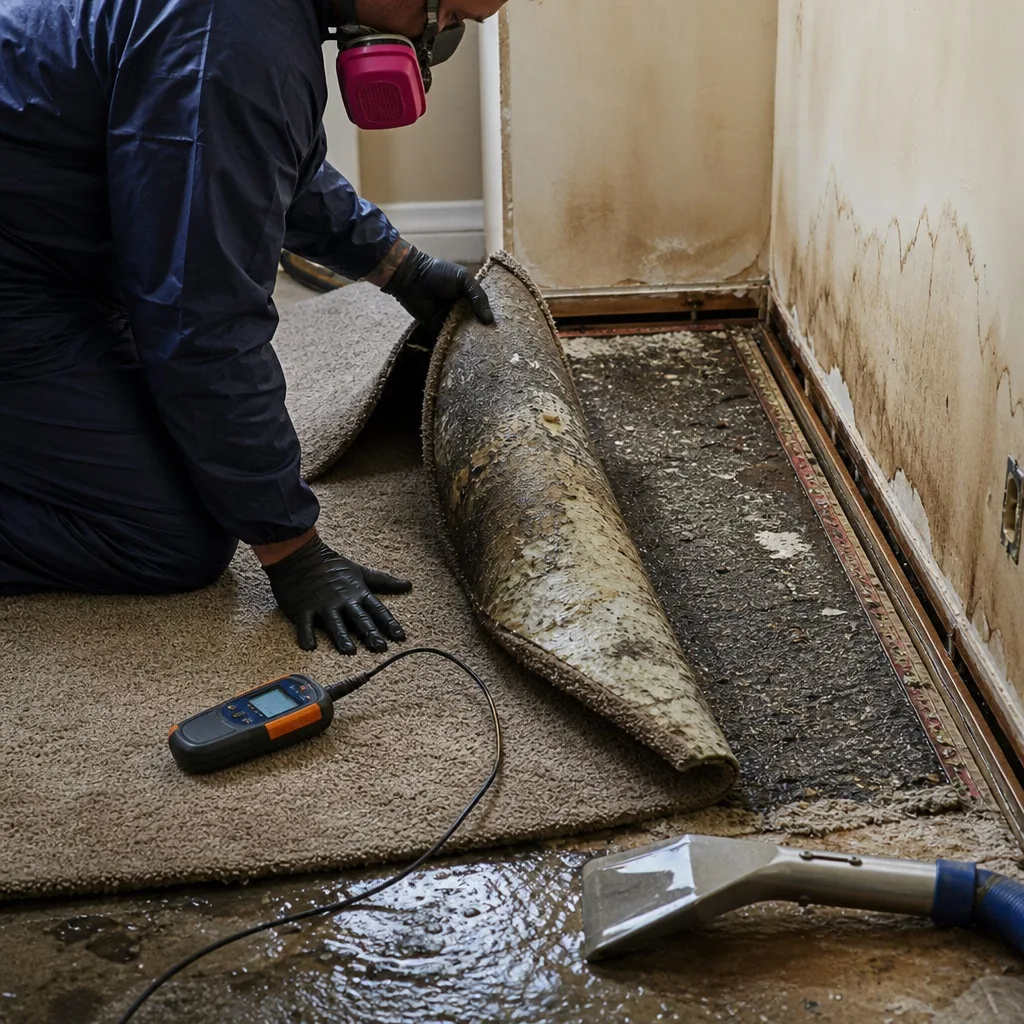
We serve the full Kearny grid, and each corridor presents distinct loss patterns.
The Passaic River waterfront blocks - along Belgrove Drive and adjacent streets - carry the repeat-flood history. Properties here flooded in Sandy and Ida, and our moisture mapping regularly finds 2012 mold inoculants behind original plaster that was “dried” but never demolished. These jobs are never simple dry-outs. They are tearouts with full Category 3 containment from day one.
Kearny Avenue and the central business corridor mix commercial basements with converted residential units above. Grease trap backups, sprinkler line breaks, and old galvanized supply lines create Category 1 and 2 losses in buildings with shared walls and limited access. We coordinate with multiple unit owners and commercial tenants simultaneously, documenting each space separately for their respective carriers.
The Manor section and hillside areas above the Meadowlands floodplain see less acute flooding but more chronic foundation seepage. Porous stone and brick foundations wick groundwater continuously. Homeowners call for “a little dampness” and we find moisture content readings above 20% in rim joists and sill plates - conditions that support mold growth even without a dramatic flood event.
Near the Hackensack River boundary with North Arlington, tidal influence and marsh proximity create high water table conditions year-round. Sump pumps run constantly. When they fail, the basement fills fast. These are typically Category 2 or 3 depending on whether the failure coincides with sewer surcharge.
Specialized Water Damage Restoration Services We Offer in Kearny
Emergency Water Extraction
Standing water removal within the first hour prevents migration into unaffected areas. In Kearny’s dense rowhouse blocks, we extract from multiple units simultaneously when party walls have transmitted water. XPOWER and Dri-Eaz extraction units handle everything from inch-deep basement floods to saturated carpet and pad.
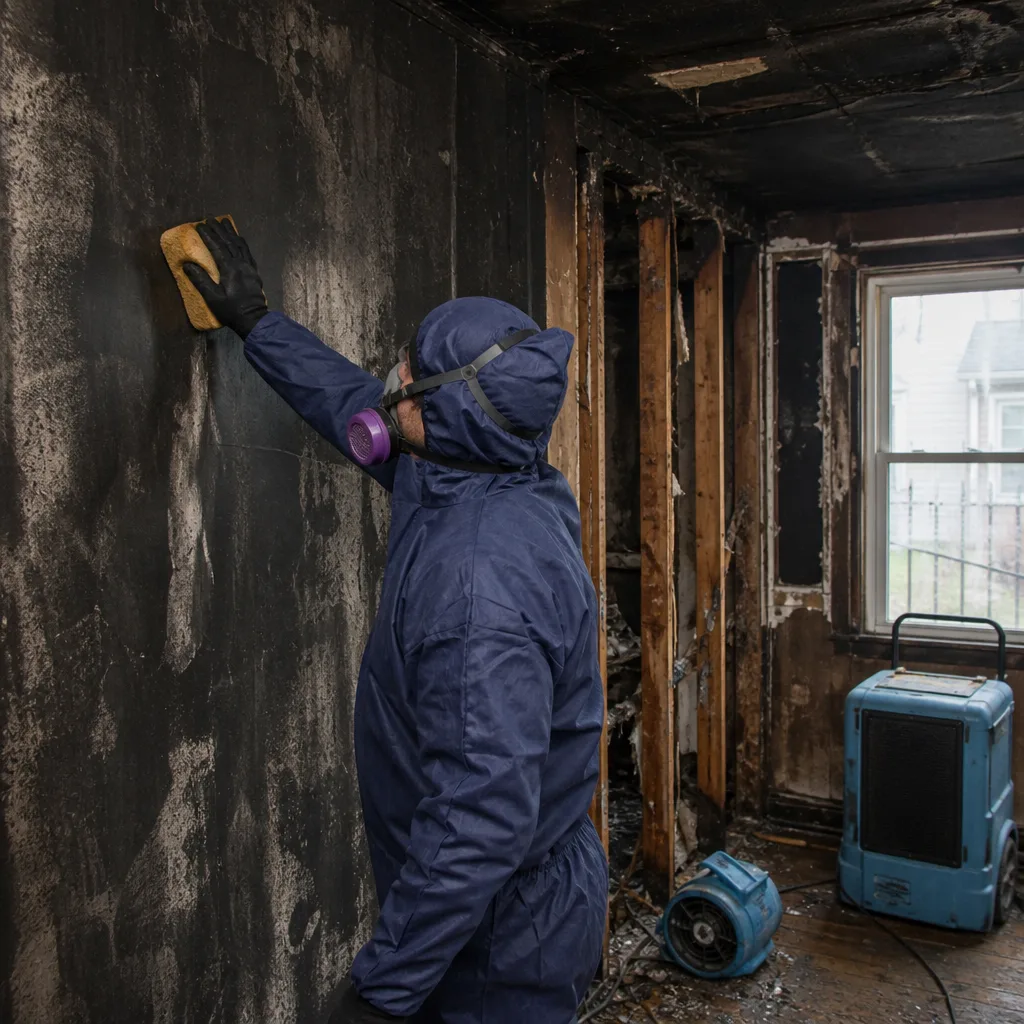
Structural Drying & Dehumidification
We size dehumidification using psychrometric calculations, not guesswork. A typical Kearny basement dry-out runs 3-5 days with daily moisture logs. Tertiary drying with Injectidry systems addresses bound moisture in plaster and dimensional lumber that standard air movement cannot reach. Every log is documented to IICRC S500 and delivered to your insurer.
Flood Cleanup
Kearny flood cleanup is almost always Category 3. Combined sewer surcharge means full PPE, containment, removal of porous materials, antimicrobial treatment, and air scrubbing with HEPA filtration. We do not “clean” sewage-soaked carpet or drywall. We remove it, document it, and replace it - the only protocol that protects occupants and satisfies insurers.
Burst Pipe Restoration
January freezes split copper and old galvanized lines in Kearny’s unheated basements. We extract, dry, and document - but we also photograph the pipe condition for your adjuster, because pipe failures in properties with documented maintenance gaps can become coverage disputes. Our photo record protects your claim.
Basement Water Removal
Kearny basements are often converted living units, storage for rental properties, or mechanical rooms with furnaces and water heaters. We pump, extract, and assess whether the foundation requires long-term waterproofing recommendations separate from the acute restoration. Chronic hydrostatic wicking through 1890-1930 masonry is a Kearny-specific problem we address in our written scope.
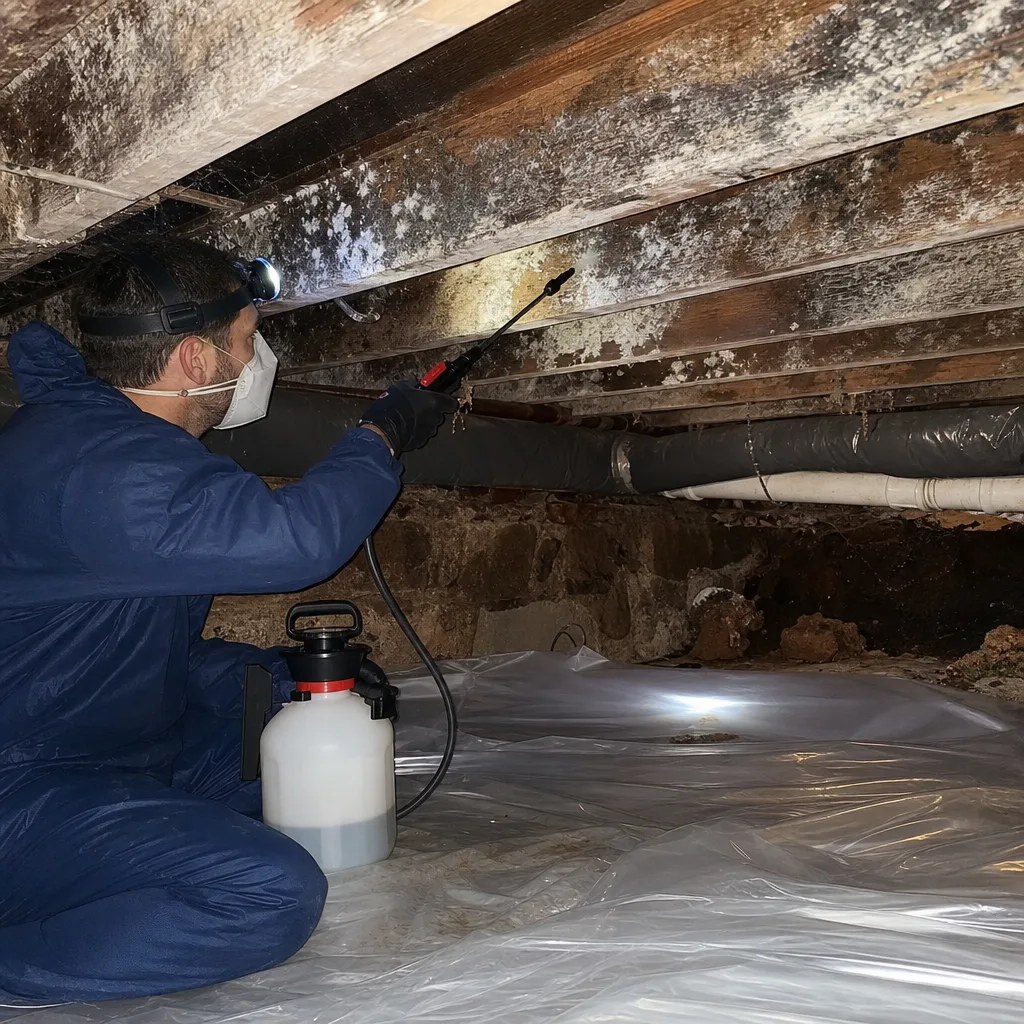
Ceiling & Roof Leak Water Damage
Flat roofs on Kearny’s older commercial and mixed-use buildings pool water at drains and seams. Interior damage shows as ceiling stains in upper units, often with multiple layers of previous repair hiding the true extent. We trace the leak path, document each affected layer, and scope full replacement rather than cosmetic patch jobs that fail at the next rain.
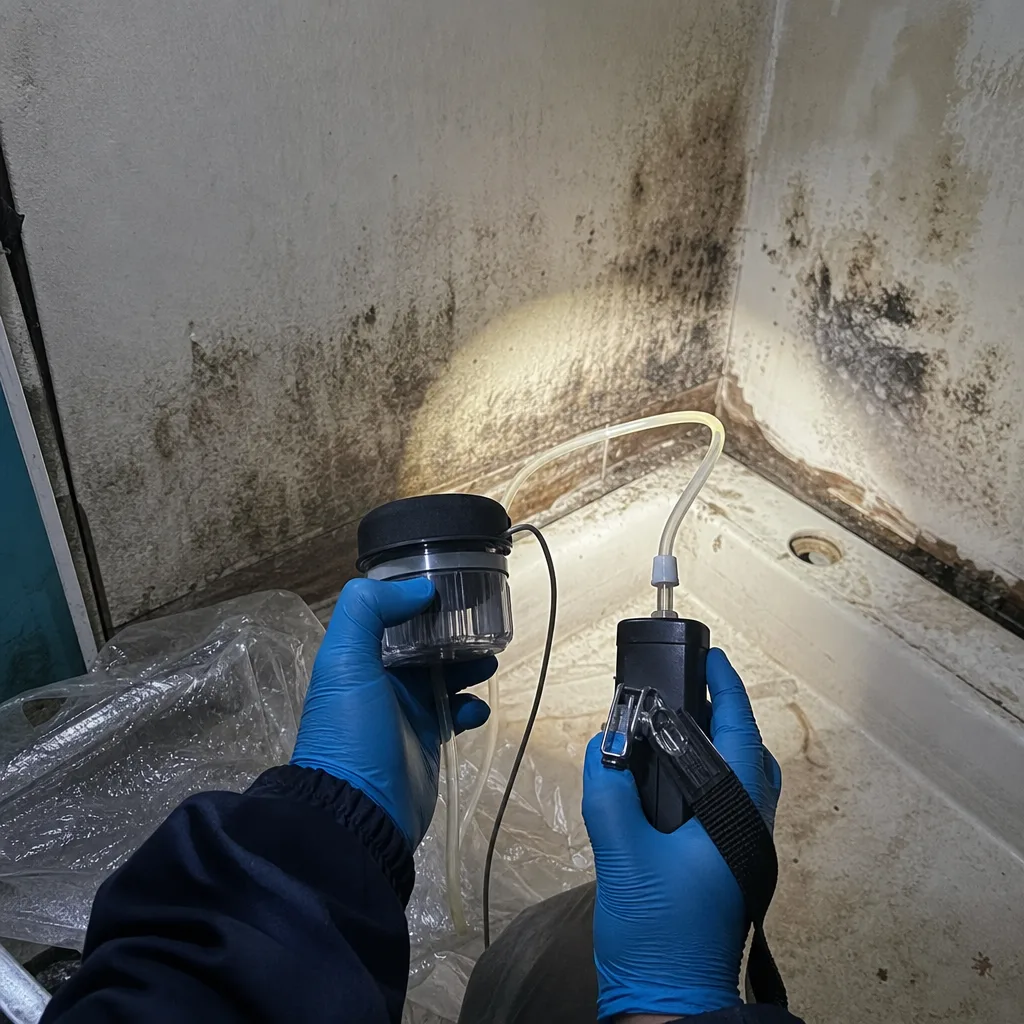
What happens when you call
- 1
A real person answersNo phone trees - you reach a local pro.
- 2
You get an upfront price rangeHonest numbers before anyone is dispatched.
- 3
A background-checked tech heads outLicensed & insured, dispatched right away.
- 4
You approve before work beginsNothing starts until you say go.
Water Damage Restoration Costs in Kearny, NJ
These are actual ranges for Kearny’s market, based on 12,000+ jobs since 2011. Every job receives a written price before work begins, Haven Standard, Clause 1 - no exceptions.
| Service | Typical Range in Kearny |
|---|---|
| Category 1 clean water extraction and dry-out (small basement) | $2,800-$4,200 |
| Category 1 clean water extraction and dry-out (full basement or multiple rooms) | $4,500-$7,500 |
| Category 3 sewage flood - extraction, containment, removal, antimicrobial treatment, structural drying | $5,200-$12,000 |
| Plaster-and-lath tearout to studs with mold remediation (repeat-flood properties) | $8,500-$18,000 |
| Basement water removal with sump pump failure (extraction only, no reconstruction) | $1,800-$3,400 |
| Ceiling leak - water damage restoration (extraction, drying, limited repair) | $2,200-$5,600 |
What moves the price: square footage affected, category of water, whether materials can be dried in place or must be removed, and whether pre-existing mold from prior floods is discovered. Insurance typically covers sudden and accidental water damage, including most Category 3 losses, but coverage disputes arise around maintenance-related failures and undocumented prior damage. Our photo record and written scope protect your position. Call (862) 298-5256 for a free inspection and firm written estimate.
We Also Serve Cities Near Kearny
Our crews respond throughout the immediate metro area. We regularly handle Water Damage Restoration in Kearny and surrounding cities including Harrison, Jersey City, Newark, and Secaucus. Each city carries distinct building stock and flood risk profiles - Harrison’s industrial conversions, Jersey City’s high-rise water line failures, Newark’s aging infrastructure, Secaucus’s Meadowlands-adjacent commercial basements - and our documentation protocols adapt to each.
Serving Kearny, NJ - Our Local Coverage Area
We’re based in the Kearny area and know this community well. Use the map below to see our service coverage - if you’re nearby, we can almost certainly help.
Kearny Water Damage Restoration Questions, Answered
Why does my Kearny basement flood with sewage instead of just rainwater?
Your basement floods with sewage because Kearny’s combined sewer system handles both sanitary waste and storm runoff in the same pipes. When heavy rain surcharges the system, wastewater backs up through your floor drain and basement fixtures. This is Category 3 black water, not rainwater, and requires full biohazard remediation including removal of porous materials and antimicrobial treatment. Call (862) 298-5256 for immediate response - every hour of delay increases contamination spread.
Can you dry my original plaster-and-lath walls instead of tearing them out?
We can only dry plaster-and-lath walls if they have not contacted Category 3 water and show no pre-existing mold. In Kearny’s repeat-flood properties, we regularly find 2012 mold inoculants behind plaster that was “dried” after Sandy but never demolished. Moisture mapping with penetrating probes reveals the truth. When we find hidden mold or Category 3 saturation, Haven Standard protocols require removal to studs - drying in place would leave contaminants that endanger occupants and void insurance coverage. We document our findings with photos and deliver a written scope before any demolition begins.
Why does flooding in Kearny sometimes happen hours after the storm passes?
The Passaic River’s expansive upstream watershed drains through Meadowlands peat soils slowly. Flood crests can arrive 12-24 hours after rainfall ends, especially when multiple tributaries synchronize their peak flows. This delayed crest catches property owners who stopped monitoring, and it can miss the critical 24-48 hour window for mold prevention if response was delayed. Our 24/7 live dispatch means we start work the moment you call, not the next business day.
How do you know if water is clean or contaminated before you start?
We test on arrival using visual indicators, source tracing, and ATP bioluminescence testing where needed. In Kearny, if the water came through a floor drain, basement fixture, or foundation crack during heavy rain, we assume Category 3 until proven otherwise. The combined sewer system makes this the safe and correct default. We document our classification rationale with photos and written notes for your insurer. Call (862) 298-5256 and we’ll assess on site at no charge.
Do the brick and stone foundations in Kearny cause ongoing water problems?
Yes. Kearny’s 1890-1930 masonry foundations are porous and sit in naturally elevated water table conditions from surrounding Meadowlands peat soils. Capillary action wicks groundwater through brick and stone continuously, creating chronic moisture even without a flood event. We address this in our written scope by documenting hydrostatic pressure evidence and recommending long-term waterproofing solutions separate from the acute restoration. Ignoring chronic wicking while fixing only the flood damage guarantees repeat calls.
How fast can your crew actually get to my Kearny property?
We commit to 45 minutes from live answer to crew arrival in Kearny. Our dispatch coordinates from the metro office and routes crews already equipped with extraction gear, moisture meters, and containment materials. No “we’ll call you back with an ETA.” No waiting for equipment to be loaded. The clock starts when a real person answers your call, 24 hours a day. Call (862) 298-5256 now.
Will my insurance cover water damage restoration in Kearny?
Most sudden and accidental water damage is covered, including Category 3 sewage backups if you have sewer backup endorsement. Coverage disputes typically involve maintenance-related failures, undocumented prior damage, or claims that lack photo evidence and moisture logs. Our documentation - room-by-room photos, daily drying logs, written scope, and direct adjuster coordination - is designed specifically to prevent disputes and accelerate payment. We provide a Free Second Opinion on any competitor’s written estimate if you want comparison documentation for your claim.
How long does the drying and restoration process take?
A standard Category 1 dry-out takes 3-5 days of active drying plus repair scheduling. Category 3 sewage jobs in Kearny typically require 1-2 days for extraction and removal, 4-6 days for structural drying after antimicrobial treatment, and 1-3 weeks for reconstruction depending on permit requirements and material lead times. Repeat-flood properties with undiscovered 2012 mold add remediation time - containment, air scrubbing, and controlled demolition before drying can begin. We provide a day-by-day timeline in our written scope before any work starts.
Written by Alicia Brennan, Owner at DryMark Restoration Jersey City, serving Kearny since 2011 under The Haven Standard.
Water Damage Restoration in Nearby Areas