
Free visual inspection and a written scope of work before any mitigation begins - photos, moisture readings, and drying logs go in your claim file
The scope we write is the scope we bill. Anything new gets shown to you, in writing, before we touch it.
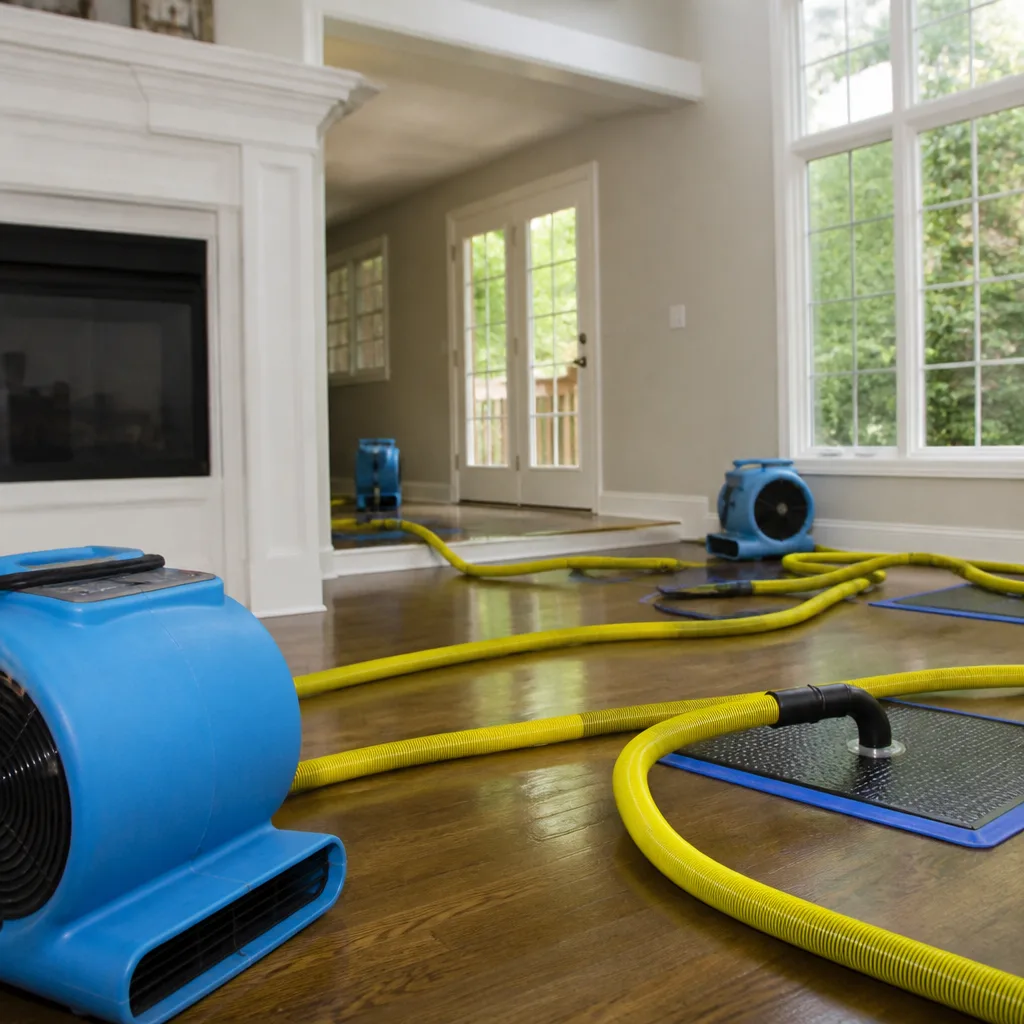
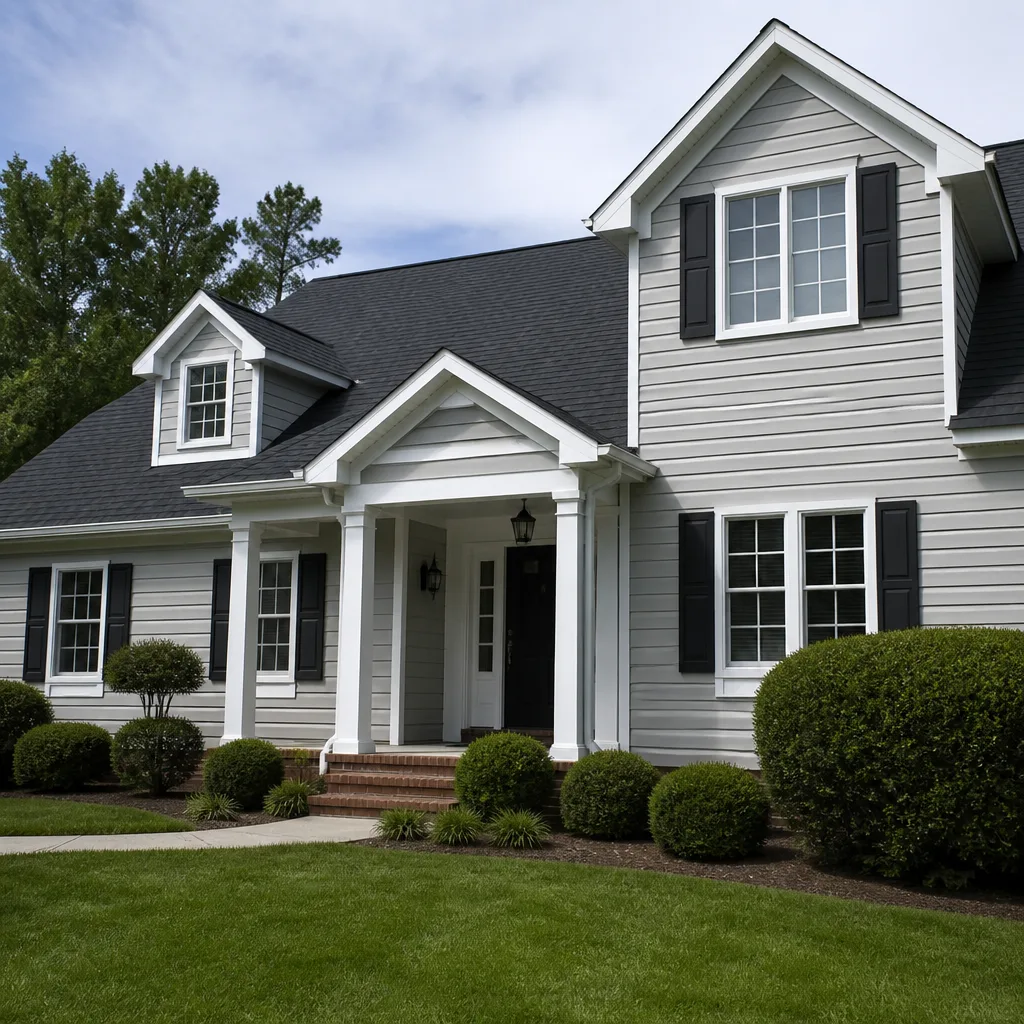
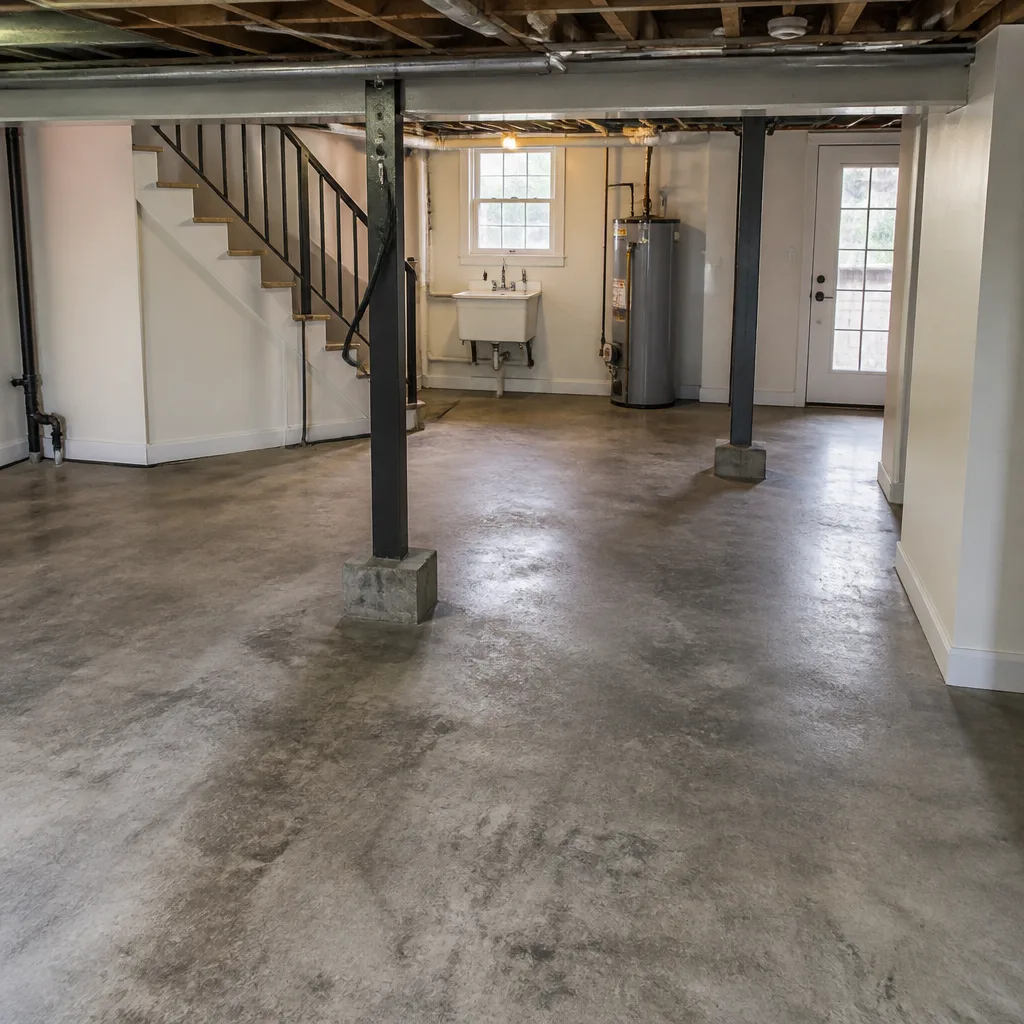
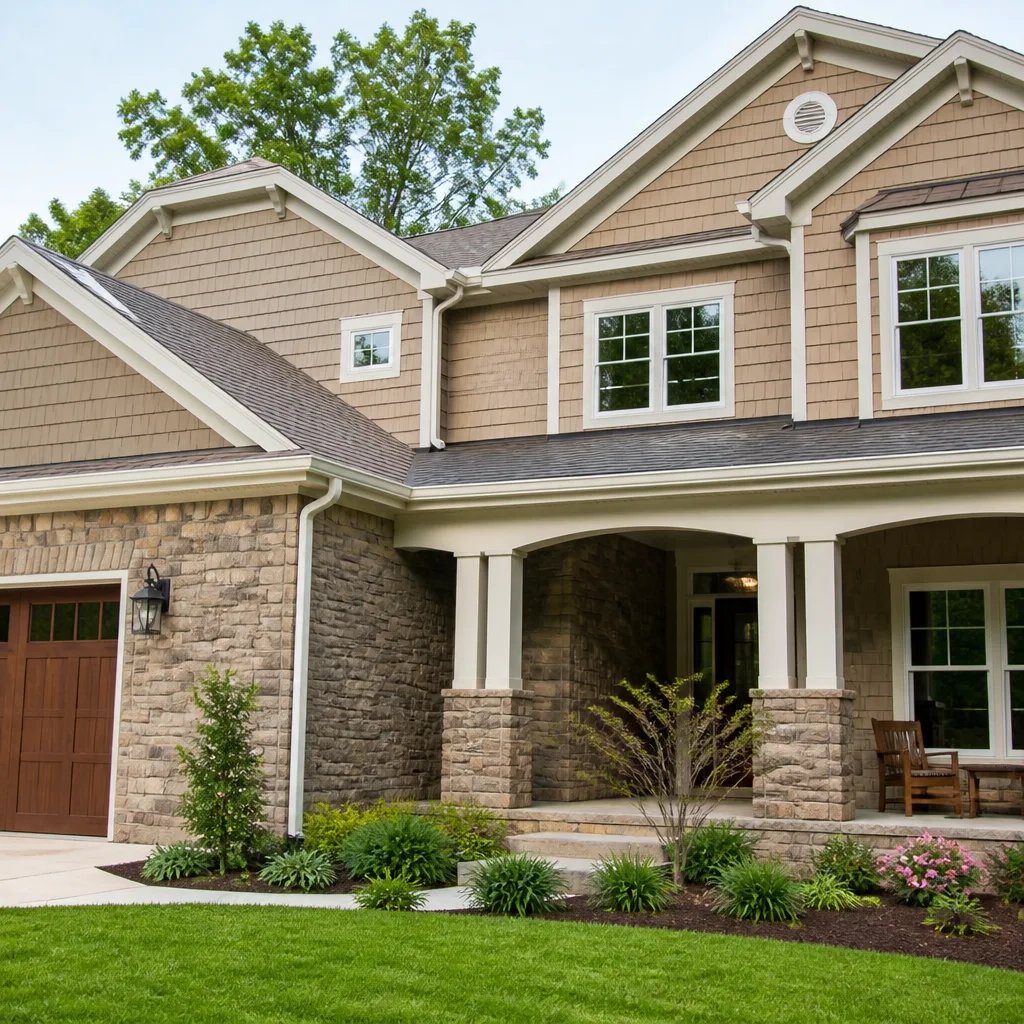
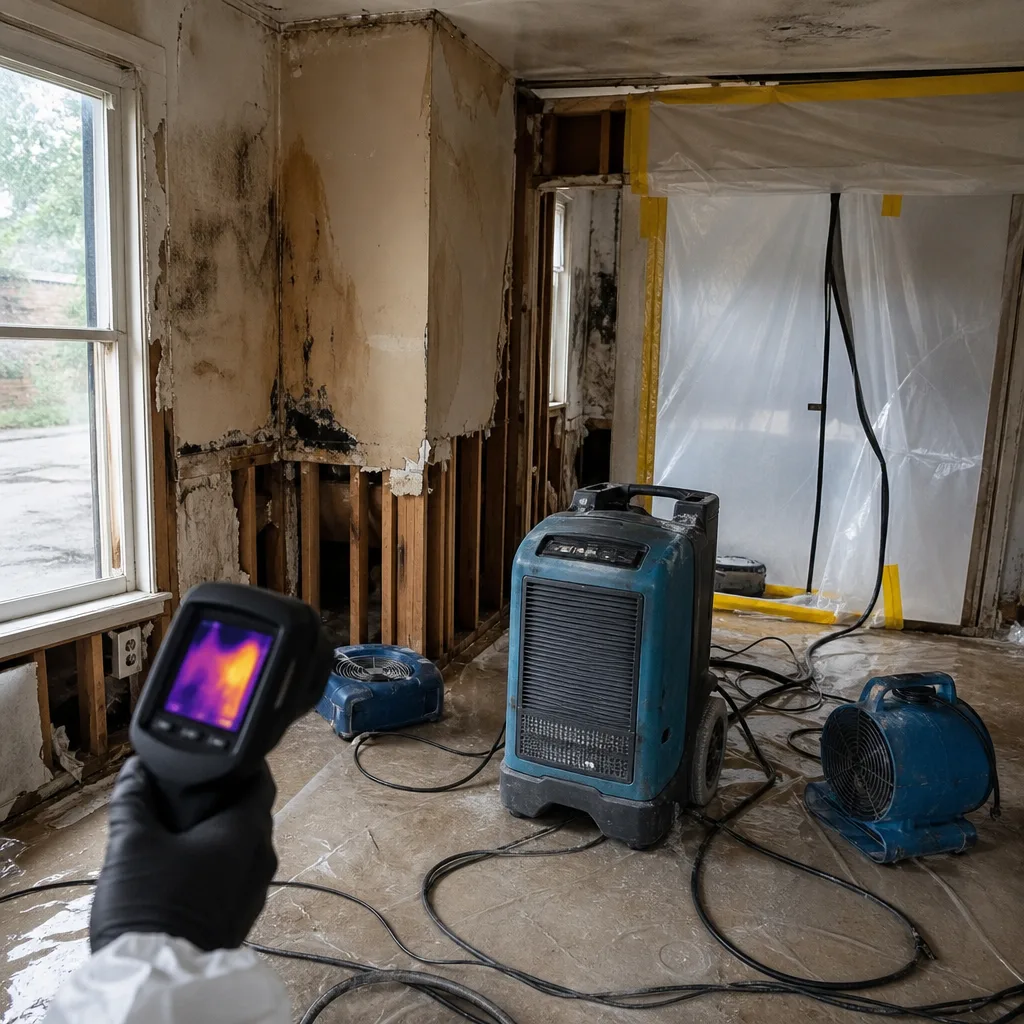 Before
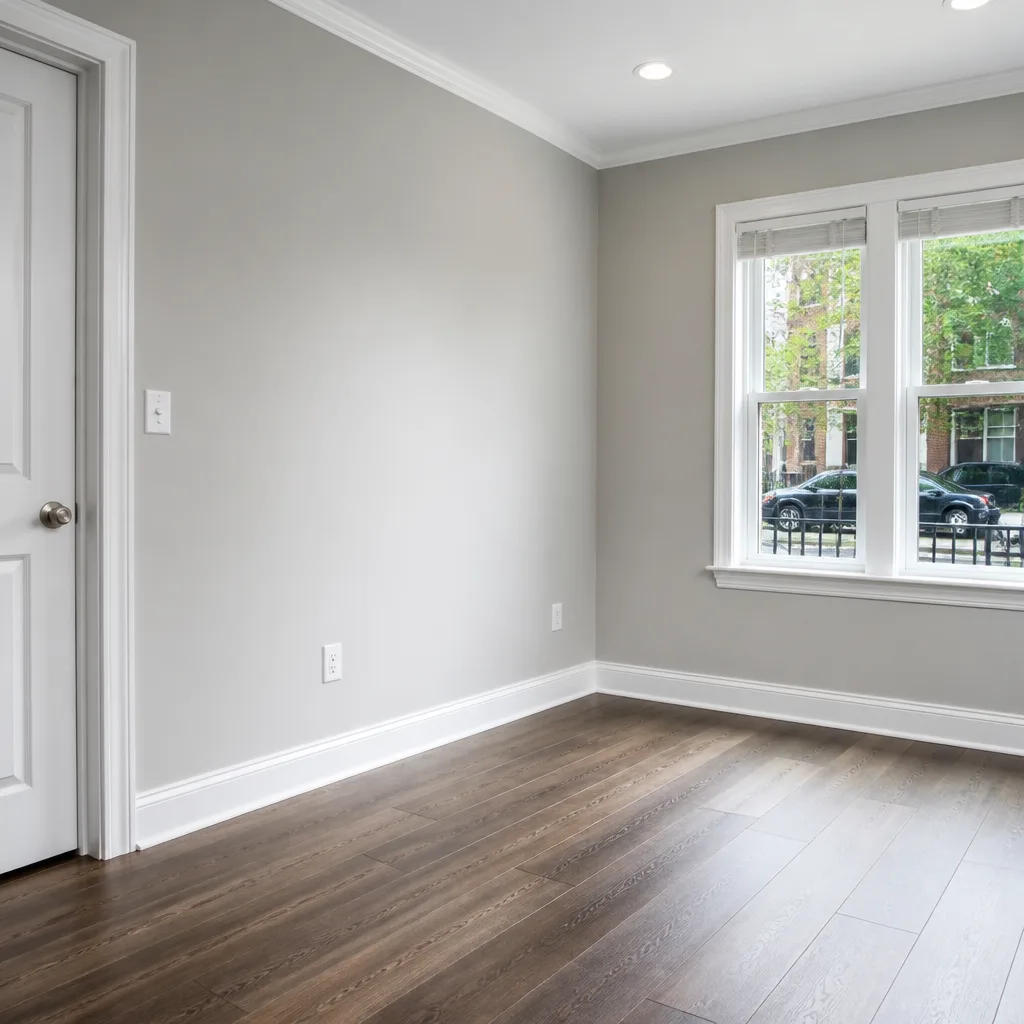 After
After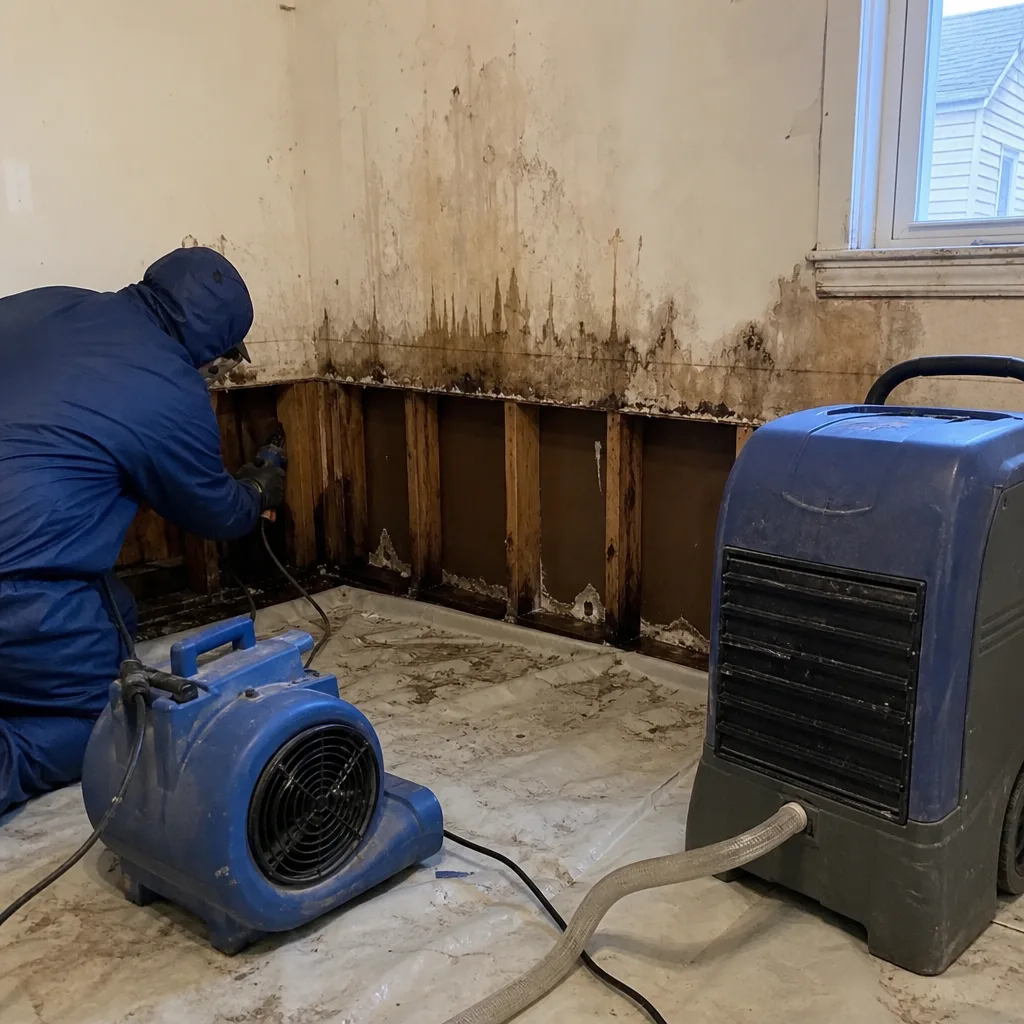 Before
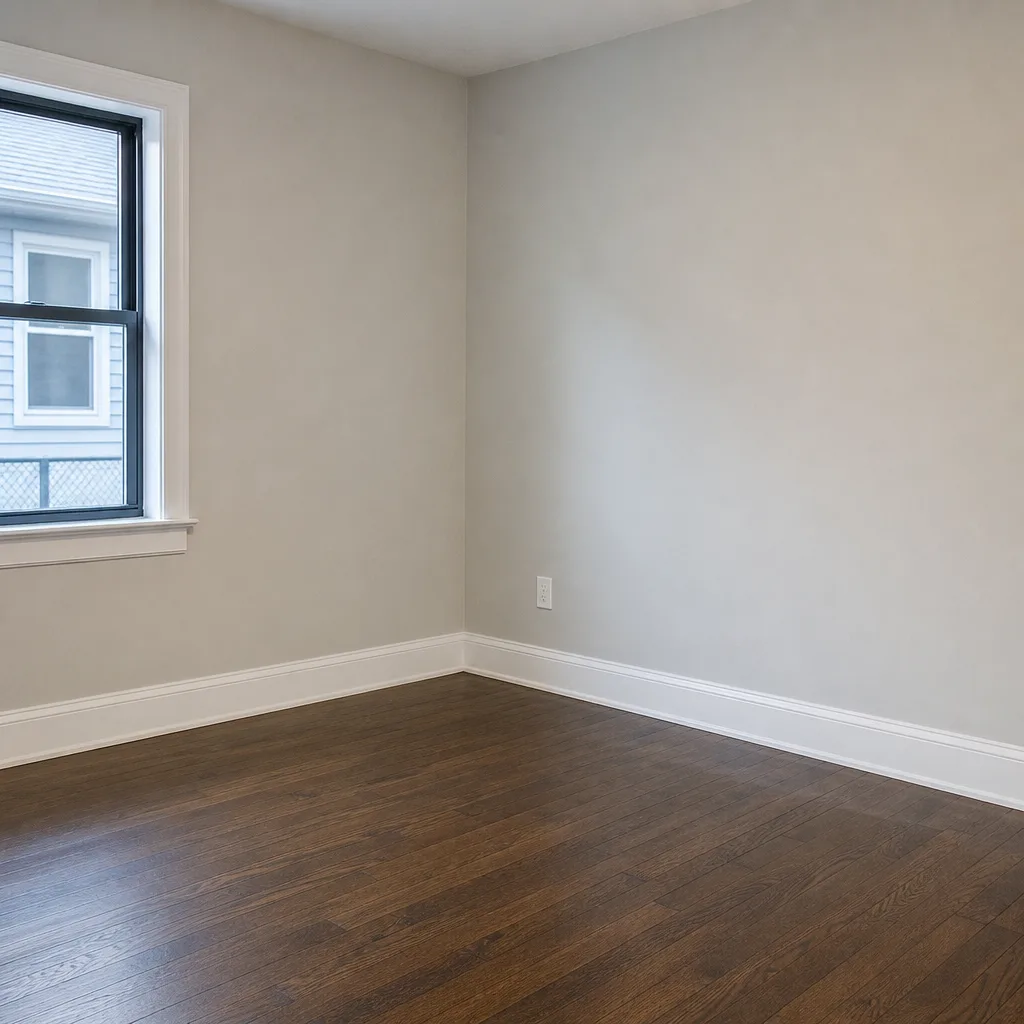 After
After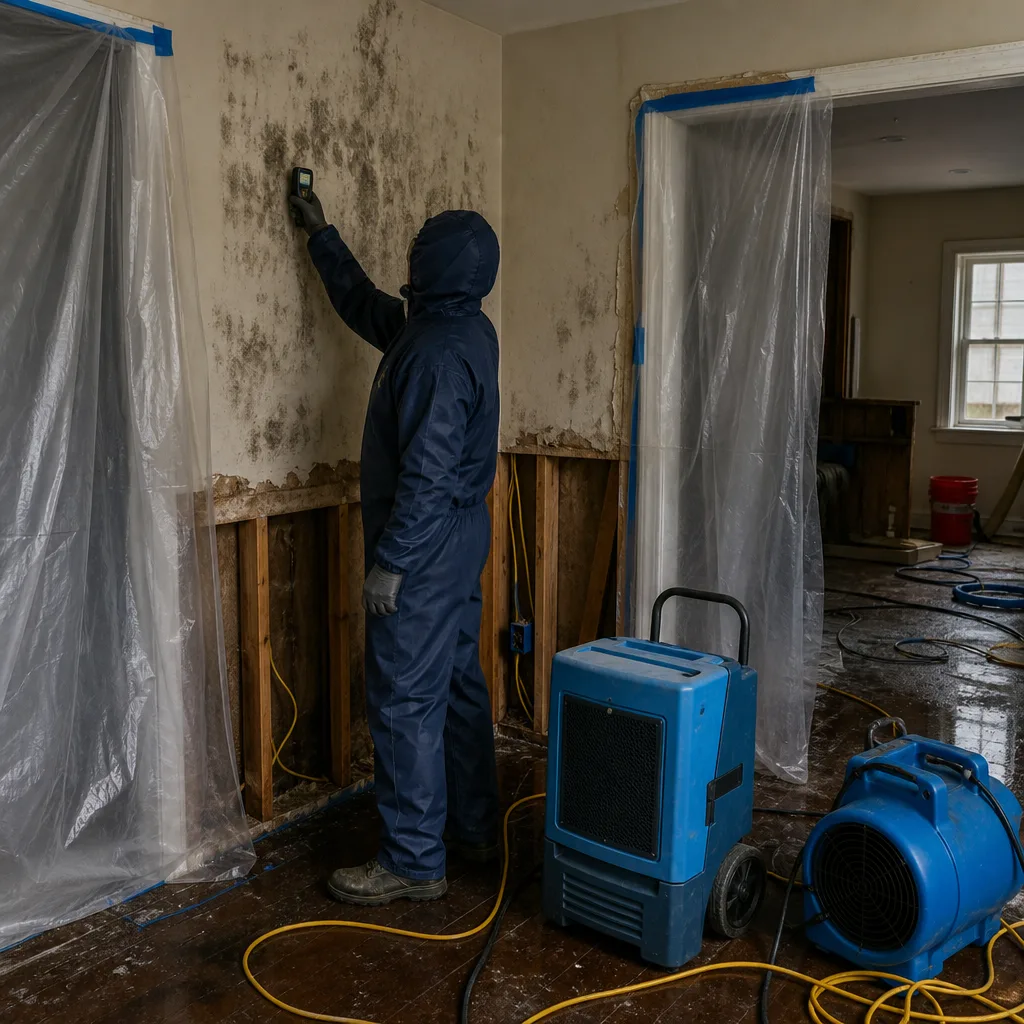 Before
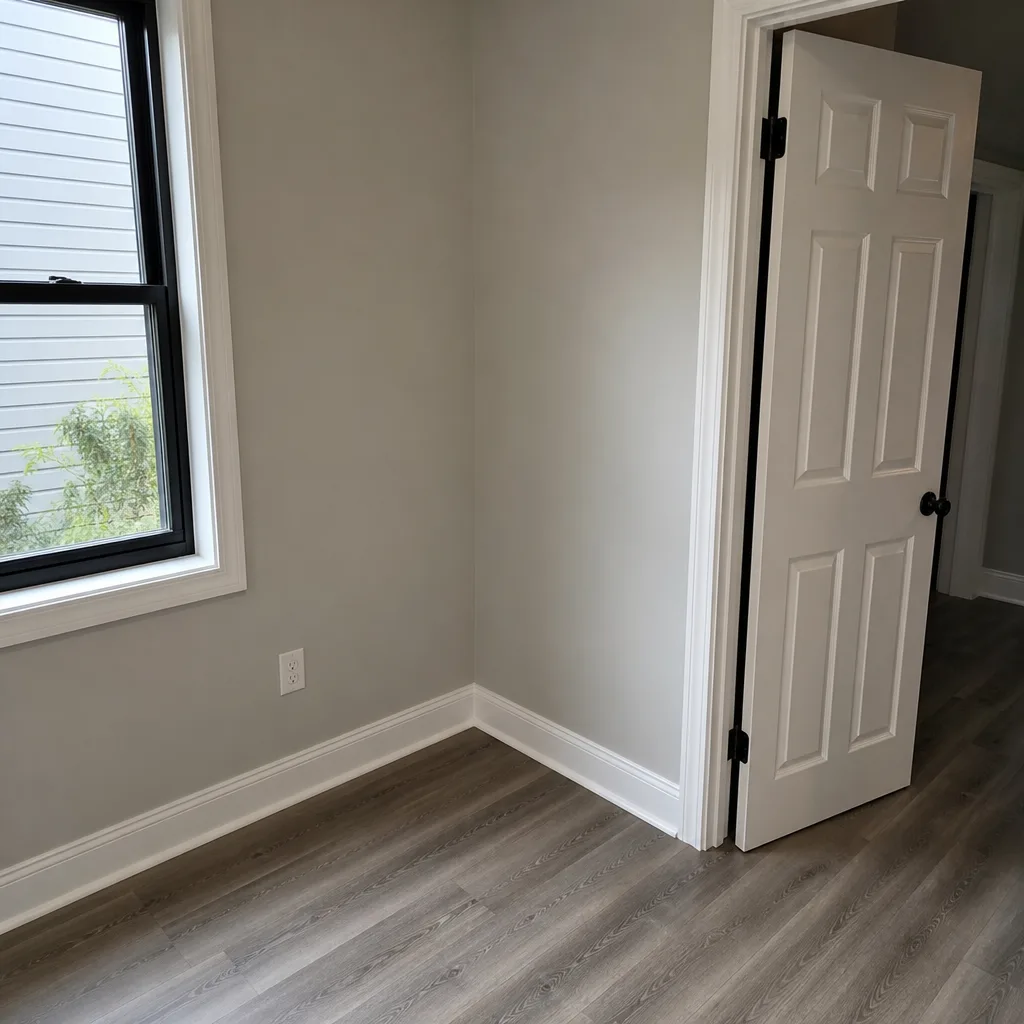 After
After24/7 Emergency Water Damage Restoration in Bayonne
Water damage restoration in Bayonne typically costs $2,800-$7,500 for a standard residential loss, with emergency extraction starting at $450-$950 and full structural drying running $1,800-$4,200 depending on affected square footage and material classification. Our crews answer live at (862) 298-5256, 24 hours a day, with no voicemail trees or next-business-day callbacks while water is still moving through your property. We dispatch from our metro coordination office and can be on-site anywhere in Bayonne within 45 minutes.
The first hour determines whether a water loss becomes a mold claim. Category 1 clean water degrades to Category 2 in 24-48 hours, and Category 3 in 72 hours. In Bayonne’s pre-WWII brick row homes with horsehair plaster and shared party walls, that timeline compresses further because plaster wicks moisture vertically and laterally into adjacent units. Our Water Damage Restoration team provides a free visual inspection, documents moisture readings with thermal imaging, and delivers a written price before any equipment runs - Haven Standard, Clause 1.
Understanding Water Damage Restoration Severity in Bayonne Properties
Water damage classification follows IICRC S500 standards: Category 1 is clean water from a supply line, Category 2 is gray water with chemical or biological contamination, Category 3 is black water from sewage or seawater. In Bayonne, we encounter Category 3 more frequently than inland contractors because tidal flooding from Newark Bay, Kill Van Kull, and Upper New York Bay introduces saltwater, petroleum residue, and industrial contaminants into basements and ground floors.
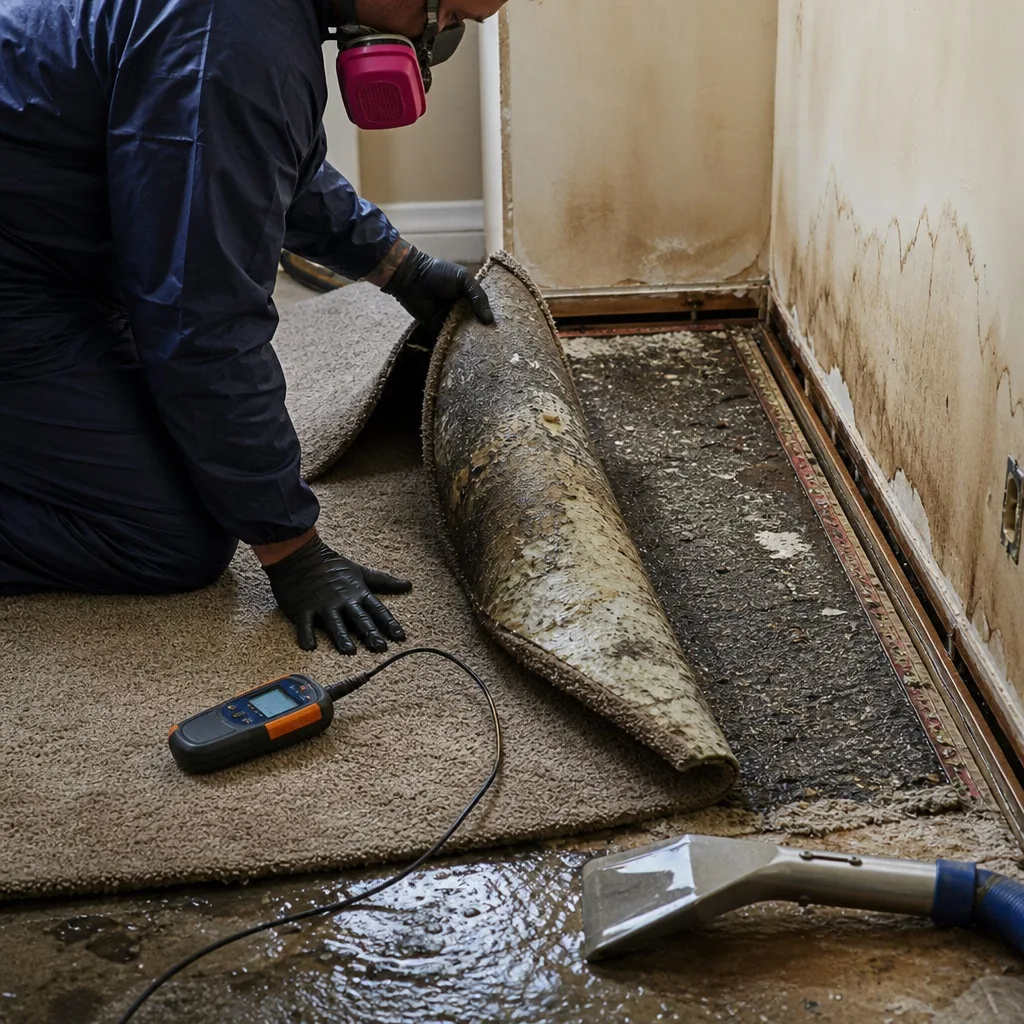
Moisture mapping with thermal imaging and penetrating hygrometers reveals what visual inspection cannot: water migration behind plaster, through brick wythes, and along shared party walls. Structural drying requires calculating vapor pressure differential - the force that drives moisture from wet materials into drier air - then matching equipment capacity to the cubic volume and material permeability. Horsehair plaster on wood lath, common in Bayonne’s 1890-1940 housing stock, holds 3-4 times more moisture per square foot than modern drywall and requires tertiary drying protocols with desiccant dehumidifiers and targeted air injection.
Saltwater intrusion carries an additional complication: chloride ions remain in masonry and framing after visible water is extracted, continuing to corrode fasteners, electrical components, and copper plumbing. Standard freshwater drying protocols fail here. We test conductivity with a soluble salts meter and apply chloride-neutralizing washes where readings exceed 500 ppm.
Why Bayonne Property Owners Choose DryMark Restoration Jersey City
- 45-minute response commitment to any Bayonne address, with crews staged for the peninsula’s unique geography and bridge access patterns.
- 24/7 live answer - a real person, never an automated system - because water losses don’t observe business hours and voicemail costs square footage.
- IICRC-certified crews holding WRT (Water Damage Restoration Technician) and AMRT (Applied Microbial Remediation Technician) credentials, with license numbers provided on request.
- Free visual inspection with documented moisture readings, thermal imaging, and a written scope - no charge to understand what you’re facing.
- Direct insurance billing with photo-documented estimates formatted to your carrier’s preferred platform, plus adjuster coordination as standard.
- One team from extraction to reconstruction - no handoffs between mitigation and rebuild contractors, no disputed scope gaps.
BeforeAfterOur Water Damage Restoration Process
1. Inspection & Assessment
We arrive with moisture meters, thermal imaging cameras, and hygrometers to map the full extent of water migration. In Bayonne’s attached row homes, we inspect adjacent units for lateral migration through party walls. You receive a written scope and firm price before any work begins - Haven Standard, Clause 1.
2. Extraction & Stabilization
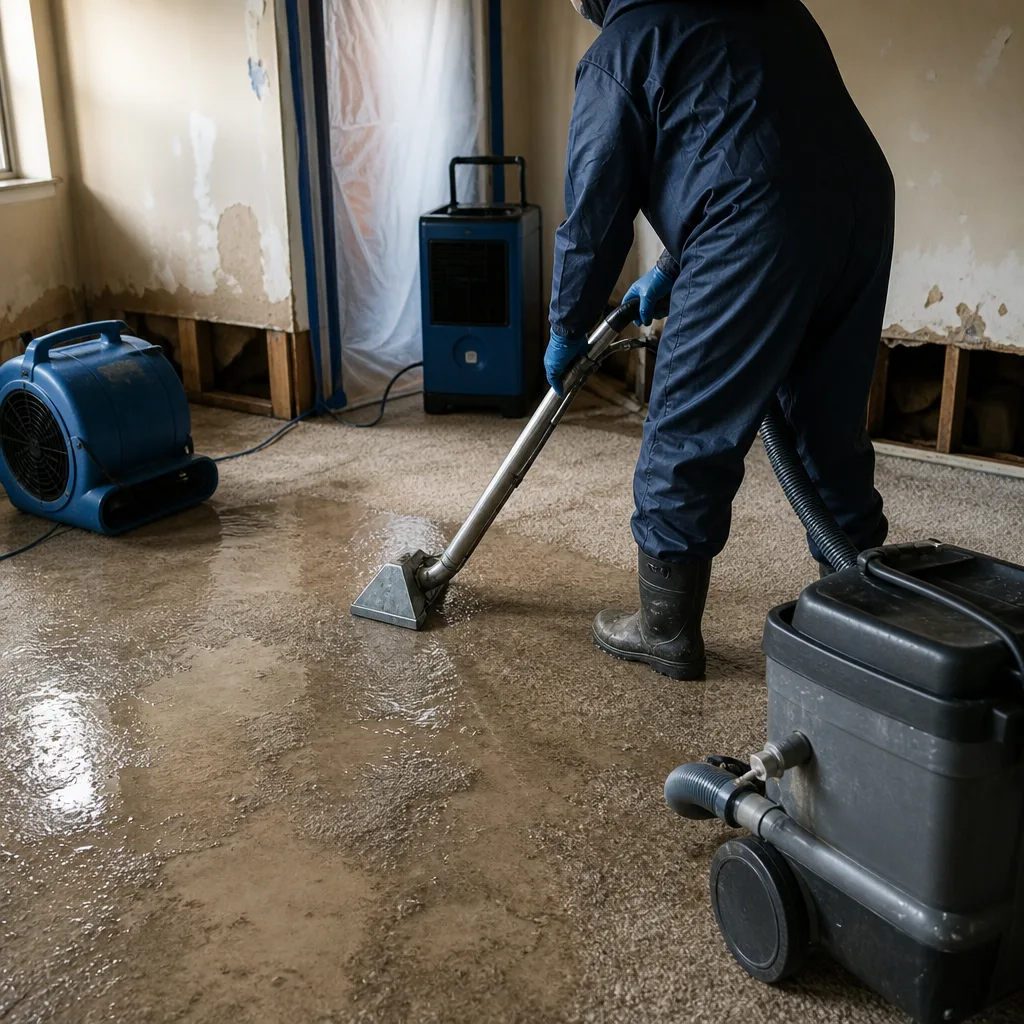
Truck-mounted extraction systems remove standing water at 25+ gallons per minute. For saltwater flooding, we apply initial antimicrobial treatment and document chloride levels. Contents are photographed, inventoried, and moved to a controlled drying chamber or disposed with photographic record per your insurance requirements.
3. Drying & Dehumidification
We deploy Dri-Eaz and Phoenix LGR dehumidifiers, XPOWER and B-Air axial air movers, and Injectidry hardwood floor drying systems sized to the psychrometric load. Daily moisture logs track specific humidity, temperature, and grain depression until materials reach established drying goals - the documentation that turns restoration invoices into payable claims.
4. Cleaning & Sanitization
All affected surfaces receive HEPA vacuuming and antimicrobial treatment appropriate to water category. For Category 3 saltwater losses, we apply chloride-neutralizing agents and document post-treatment conductivity. Air scrubbers with HEPA filtration run continuously during this phase.
5. Corrosion Assessment & Hardware Replacement
Bayonne’s salt-air environment attacks garage-door springs, hinges, rollers, and fasteners years faster than inland. We inspect all hardware for corrosion, replace compromised components with galvanized or stainless equivalents, and apply protective coatings. This step prevents the repeat failures we see when standard steel parts are reinstalled in coastal conditions.
6. Repairs & Restoration
From plaster repair and carpentry to full reconstruction, our crew completes the build-back. Every visit is photo-documented, every material specified in writing, and the 365-Day Done Right Promise applies to all work under The Haven Standard.
Need Emergency Water Damage Restoration in Bayonne Now?
Crews minutes away, answering live 24 hours a day. The sooner we start, the less it costs.
Working With Your Insurance Company
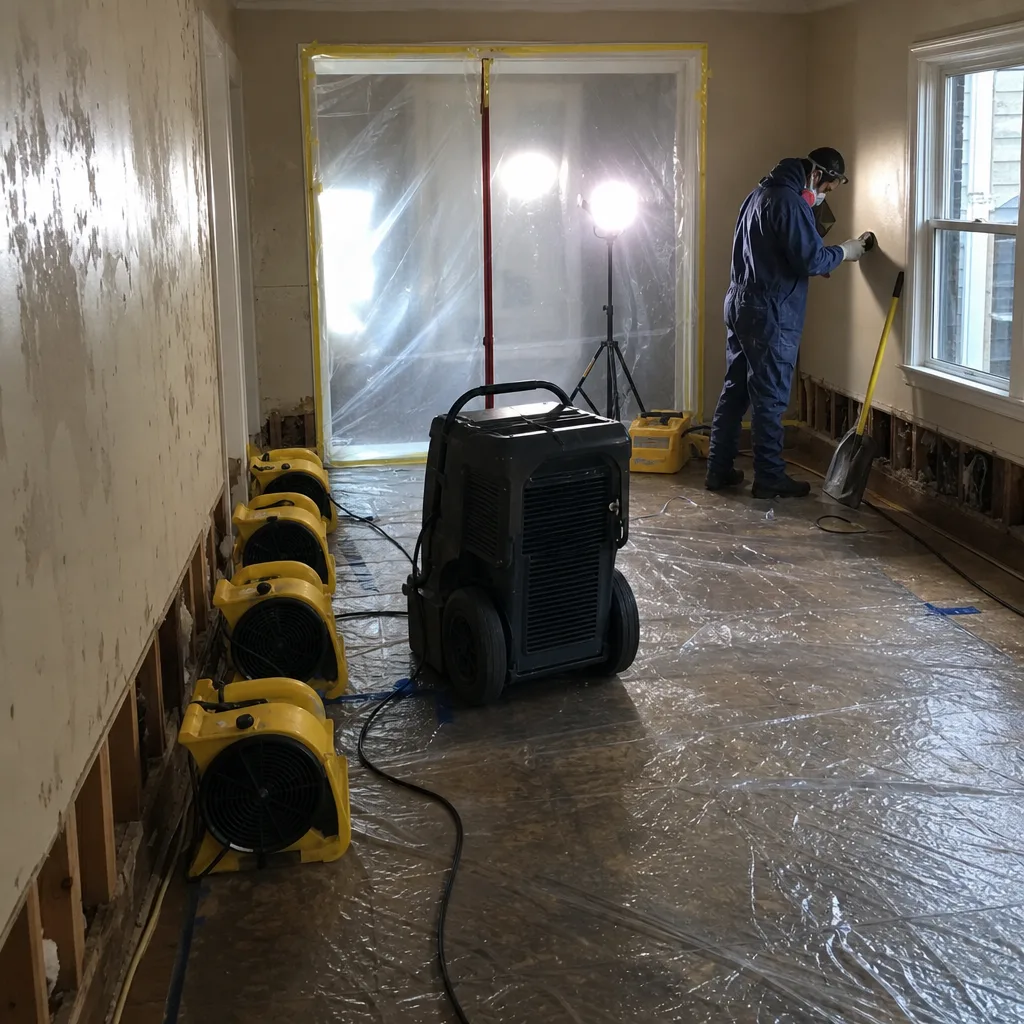
Insurance claims succeed or fail on documentation. We begin photographing and logging from the first hour, producing the moisture readings, drying logs, and room-by-room photo records that adjusters need to approve scope. Our estimates are formatted to Xactimate, the industry-standard platform, and we coordinate directly with your carrier’s assigned adjuster rather than handing you a bill to submit alone.
For Bayonne properties in FEMA AE or VE flood zones - common after post-Sandy remapping - we navigate NFIP claim requirements and elevation certificate documentation as routine. Saltwater losses require specific contamination coding that many contractors misclassify, leading to denied or reduced claims. We code correctly from the first estimate.
What We Provide Your Insurer
- Thorough documentation of the loss
- Photos of all damage, room by room
- Moisture readings and drying logs
- A detailed, line-item scope of work
- Direct coordination with your carrier
Built for Bayonne’s Loss Calendar
January deep freezes burst copper and galvanized supply lines in unheated crawl spaces and exterior walls of century-old homes. The 1890-1940 construction predates modern insulation standards, so pipes freeze at higher temperatures than in newer Jersey City high-rises. Spring thaw brings basement seepage through brick-and-mortar foundations that have degraded over 80-130 freeze-thaw cycles.
Summer thunderstorms deliver flash flooding through Bayonne’s combined sewer system, which can overwhelm during intense rainfall. But the most persistent threat is fall and winter nor’easters, which push tidal surge from multiple directions across the peninsula. The Hook neighborhood at Bayonne’s southern tip experiences nuisance flooding during high lunar tides alone, no storm required. These repeated minor events saturate foundations progressively, creating hidden mold colonies behind original plaster before any named storm makes headlines.
Water Damage Restoration Across Bayonne’s Neighborhoods
The Hook, at Bayonne’s southern tip where Kill Van Kull meets Upper New York Bay, sees the most frequent tidal flooding. Homes here are the oldest and lowest-lying, with brick foundations that wick groundwater continuously. We’ve replaced corroded garage-door hardware in this neighborhood more than anywhere else in our service area - salt air plus repeated moisture exposure destroys standard steel in 3-4 years instead of the 10-15 expected inland.
Midtown Bayonne, along Broadway and the JFK corridor, has a mix of pre-WWII row homes and mid-century construction. The row homes share the same party-wall moisture migration issues, but the commercial corridors add a layer: ground-floor businesses with basement storage that floods during sewer backups, affecting residential units above. We coordinate multi-unit scopes here regularly.
Bayonne’s eastern waterfront along the Hudson River Walk has newer construction, but even these buildings aren’t immune. Storm surge from Upper New York Bay reached second-floor units during Sandy, and the underground parking structures common in these developments require specialized sub-slab extraction and vapor barrier assessment.
The northern neighborhoods near Stephen R. Gregg Park sit slightly higher, but they’re not exempt. Aging water mains and combined sewer infrastructure cause more losses here than tidal flooding - a 12-inch cast-iron main from 1920 doesn’t warn you before it splits.
Specialized Water Damage Restoration Services We Offer in Bayonne
Emergency Water Extraction
Truck-mounted and portable extraction units remove standing water within hours of your call. For Bayonne’s frequent saltwater flooding, we apply immediate antimicrobial treatment and begin chloride testing - standard freshwater extraction protocols will leave corrosive residues that continue damaging your property.
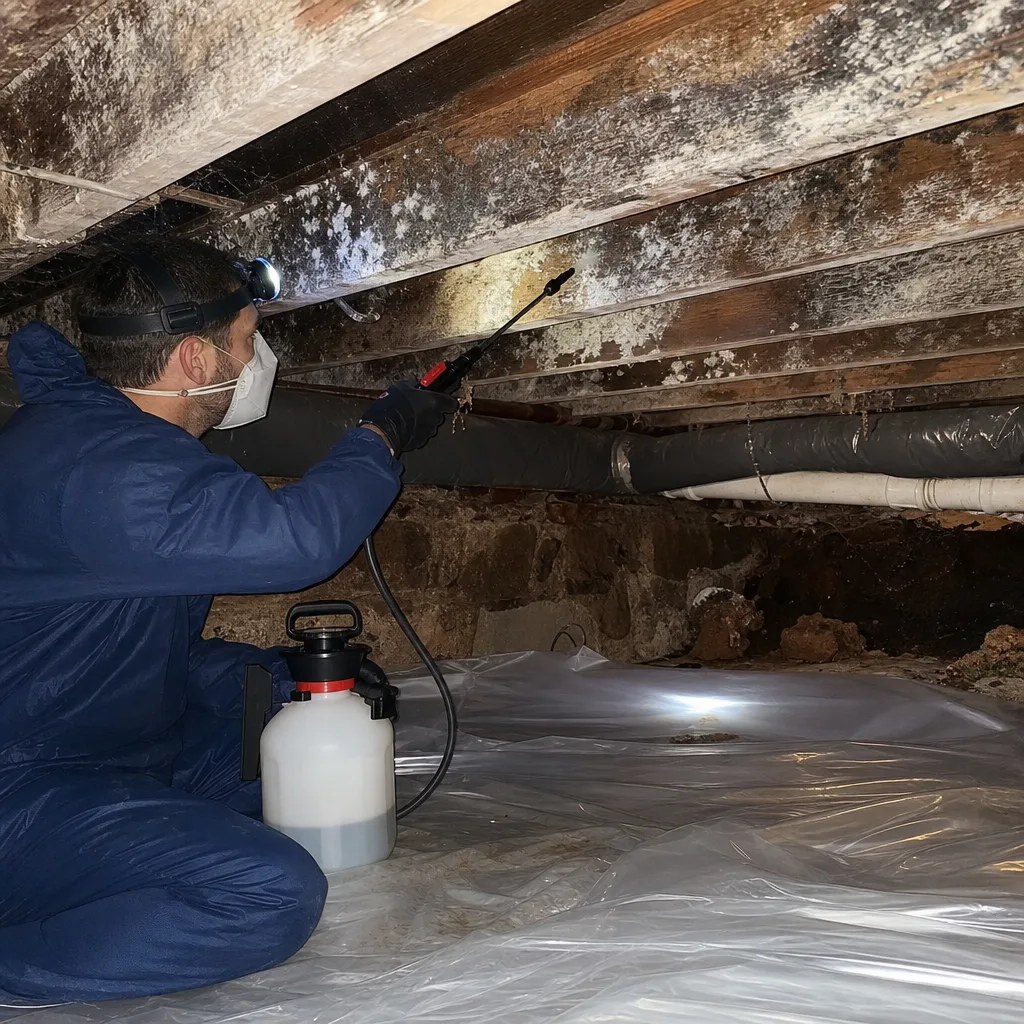
Structural Drying & Dehumidification
We size equipment to the specific psychrometric load of your structure, not a generic formula. Horsehair plaster, brick masonry, and shared party walls in Bayonne’s row homes require higher-capacity dehumidification and longer drying cycles than modern construction. Daily moisture logs document progress to your insurance carrier.
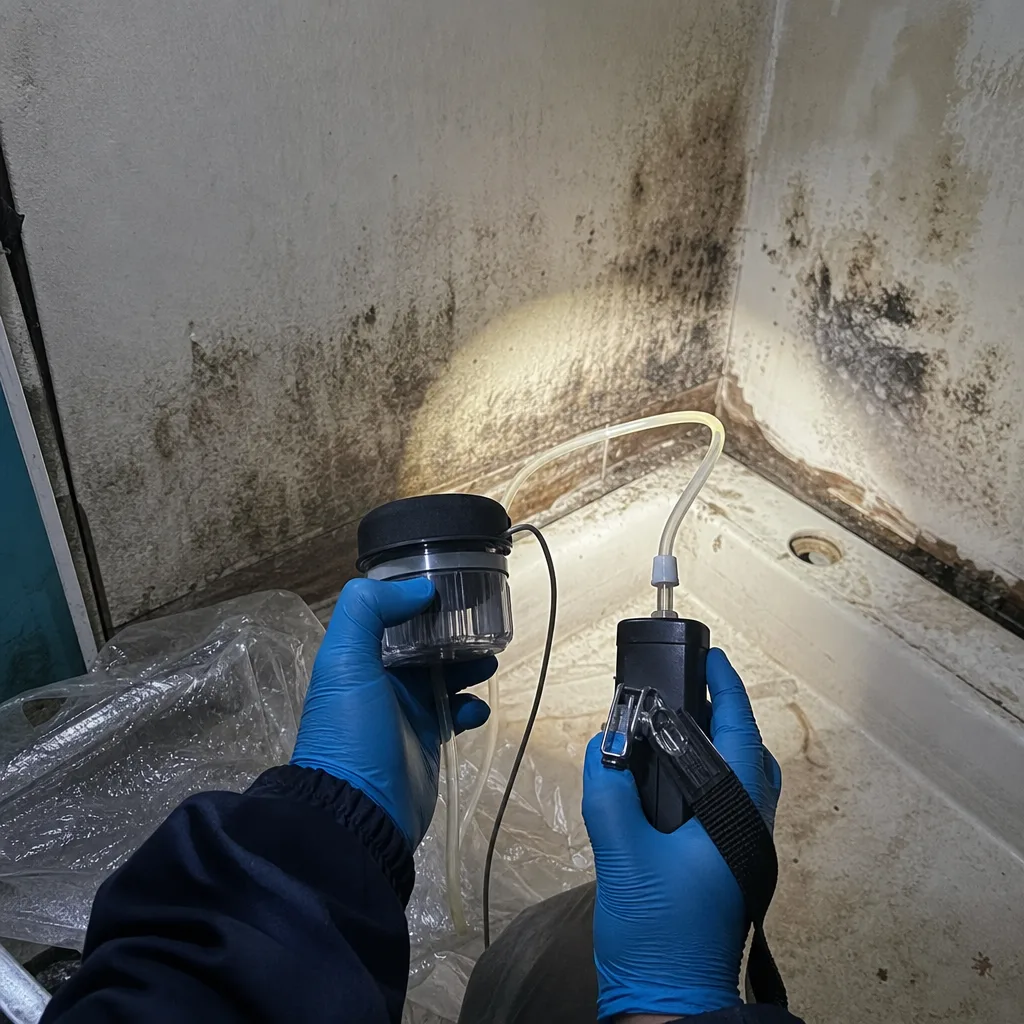
Flood Cleanup
Flood losses in Bayonne are rarely simple freshwater events. We handle NFIP claim documentation, elevation certificate verification, and contamination classification for tidal and sewer backups. Our crews are trained to distinguish storm surge from rising groundwater, which affects both coverage and remediation protocol.
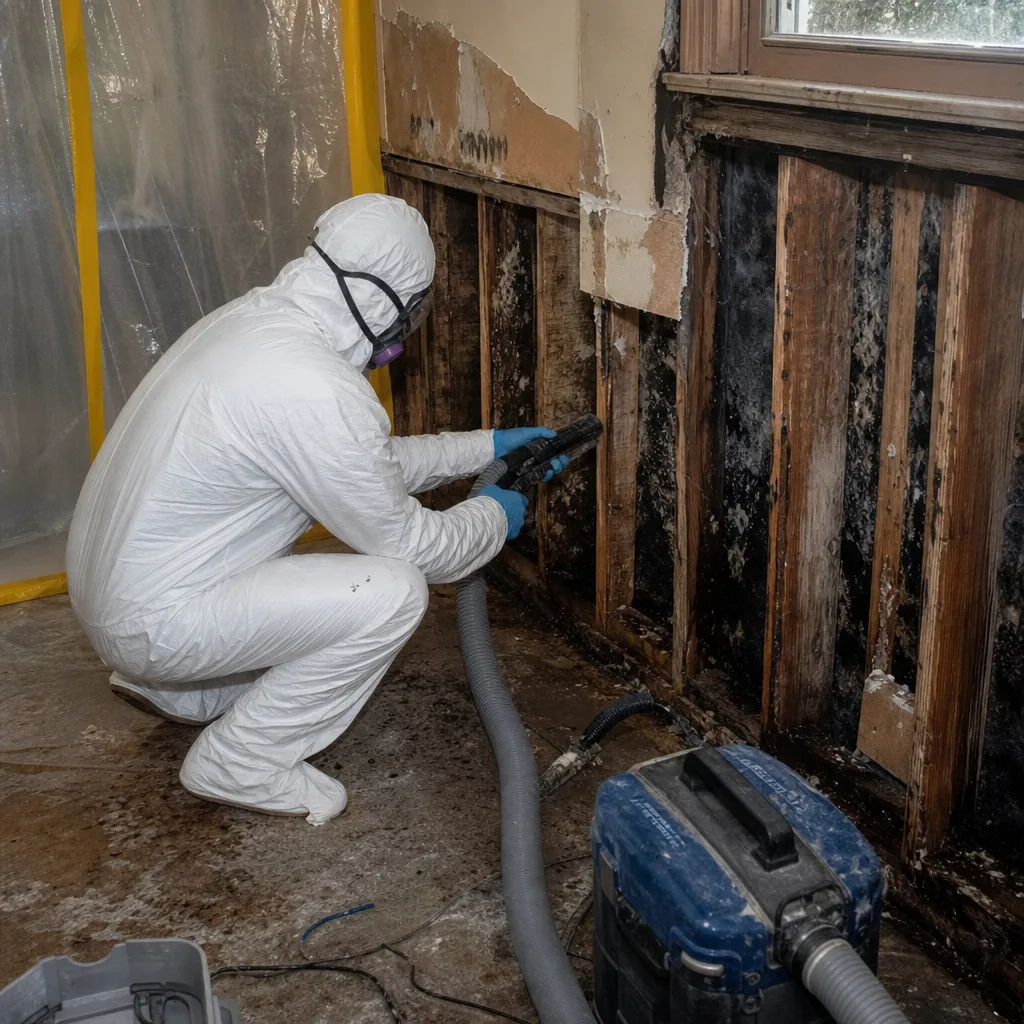
Burst Pipe Restoration
Pre-WWII galvanized and copper plumbing fails catastrophically in Bayonne’s unheated crawl spaces and exterior walls. We extract, dry, and document the full extent of migration through shared walls, then coordinate with licensed plumbers for replacement - with photo documentation at every phase.
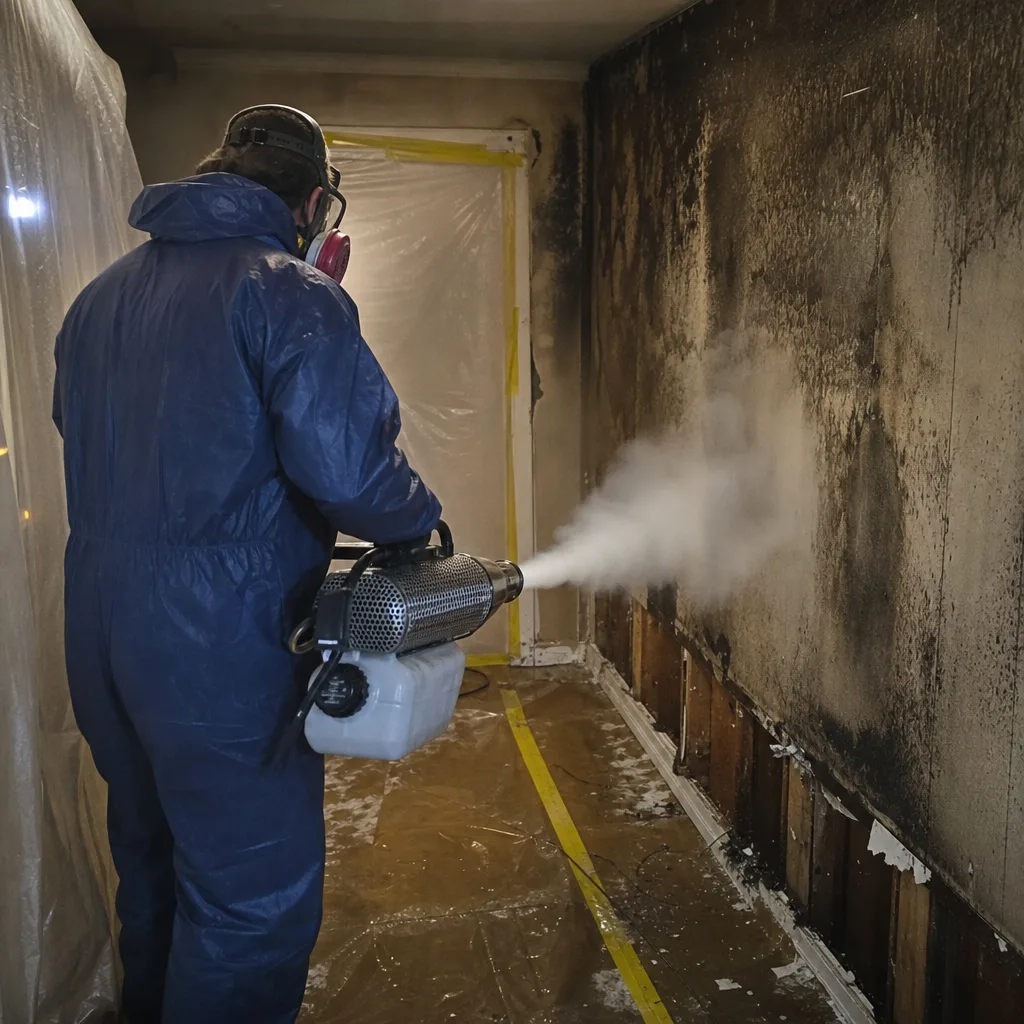
Basement Water Removal
Brick-and-mortar foundations wick groundwater continuously, and combined sewer backups add contamination. We extract, sanitize, and install vapor barriers or sump systems where indicated, with chloride-neutralizing treatment for saltwater-saturated masonry.
What happens when you call
- 1
A real person answersNo phone trees - you reach a local pro.
- 2
You get an upfront price rangeHonest numbers before anyone is dispatched.
- 3
A background-checked tech heads outLicensed & insured, dispatched right away.
- 4
You approve before work beginsNothing starts until you say go.
Water Damage Restoration Costs in Bayonne, NJ
| Service | Typical Range in Bayonne |
|---|---|
| Emergency water extraction (up to 1,000 sq ft) | $450 - $950 |
| Structural drying & dehumidification (3-5 day cycle) | $1,800 - $4,200 |
| Full flood cleanup with contamination treatment | $3,500 - $8,500 |
| Burst pipe restoration with wall/ceiling repair | $2,200 - $6,000 |
| Basement water removal with vapor barrier | $2,800 - $7,500 |
| Garage-door hardware replacement (salt-air corrosion) | $380 - $720 |
What moves the price: affected square footage, water category (saltwater/Category 3 adds 30-50%), material type (plaster vs. drywall), and whether mold remediation is required. Most Bayonne water losses are insurance claims; we bill your carrier directly and provide the documentation they require. For out-of-pocket scenarios, Haven Standard, Clause 1 applies: written price before work starts, no additions once the crew is inside. Call (862) 298-5256 for a free visual inspection and firm scope.
We Also Serve Cities Near Bayonne
Our crews respond throughout the metro area, including Bayonne and neighboring Jersey City, Harrison, Kearny, and Hoboken. Each city has distinct building stock, flood risk profiles, and insurance claim patterns - we adjust our documentation and equipment accordingly, never applying a one-size template.
Serving Bayonne, NJ - Our Local Coverage Area
We’re based in the Bayonne area and know this community well. Use the map below to see our service coverage - if you’re nearby, we can almost certainly help.
Bayonne Water Damage Restoration Questions, Answered
Why does water damage in Bayonne lead to faster corrosion of garage-door hardware than in nearby Jersey City?
Saltwater intrusion from Newark Bay, Kill Van Kull, and Upper New York Bay leaves chloride residues that accelerate corrosion of standard steel springs, hinges, and fasteners by 2-3 times compared to inland freshwater exposure. We replace compromised components with galvanized or stainless hardware and apply protective coatings to prevent repeat failures. Call (862) 298-5256 for an inspection - estimates are free.
How does the pre-WWII attached brick row home construction in Bayonne affect water damage restoration?
Shared party walls allow water and mold to migrate laterally into adjacent units, complicating scope-of-work boundaries and insurance claims. Horsehair plaster on wood lath holds 3-4 times more moisture than drywall and requires specialized drying protocols. We moisture-map party walls as standard and coordinate with neighboring property owners when migration is detected. Call (862) 298-5256 for an inspection - estimates are free.
What should Hook neighborhood homeowners know about recurring tidal flooding and mold?
Minor tidal floods in the Hook happen multiple times yearly without making news, saturating foundations and creating hidden mold behind original plaster walls. By the time a named storm prompts a call, pre-existing mold colonies often complicate both remediation scope and insurance coverage. We test for hidden mold with moisture mapping and air sampling, then document findings for your carrier. Call (862) 298-5256 for an inspection - estimates are free.
Does flood insurance cover water damage from tidal flooding in Bayonne?
Standard homeowners insurance excludes flood damage; coverage requires a separate NFIP policy or private flood insurance. After Sandy, FEMA remapped much of Bayonne into AE and VE zones, making flood insurance more common but elevation certificates mandatory for claims. We navigate NFIP documentation requirements and coordinate directly with adjusters on tidal-loss claims. Call (862) 298-5256 - we can review your policy and provide a free scope.
How quickly can mold grow after water damage in Bayonne homes?
Mold colonization begins in 24-48 hours on organic materials at moisture content above 16%. Bayonne’s horsehair plaster and wood lath provide ideal substrates, and the humid coastal climate extends the viable colonization window. We begin drying within hours of your call and apply antimicrobial treatment to prevent growth; if mold is already present, we contain, remediate, and clearance-test per IICRC S520. Call (862) 298-5256 for immediate response.
How fast can your crew actually get to Bayonne?
We dispatch from our metro coordination office and commit to 45-minute response to any Bayonne address, 24 hours a day. The peninsula’s geography means we stage crews for bridge access patterns; live phone coverage confirms ETA when you call. Call (862) 298-5256 now - we’re answering.
Can we stay in our home during water damage restoration?
Occupancy depends on water category, affected areas, and equipment noise. Category 1 losses contained to non-sleeping areas often allow partial occupancy; Category 3 saltwater contamination or whole-house drying with multiple air movers typically requires temporary relocation. We discuss this during the initial inspection and can coordinate with your insurance for displacement coverage when applicable. Call (862) 298-5256 to discuss your specific situation.
What certifications do your technicians hold?
Our lead technicians hold IICRC WRT (Water Damage Restoration Technician) and AMRT (Applied Microbial Remediation Technician) certifications, with additional training in structural drying and psychrometrics. All work is documented to IICRC, RIA, and IFA standards. License numbers are provided on request. Call (862) 298-5256 to verify credentials and schedule your free inspection.
Water damage in Bayonne doesn’t follow inland patterns. The salt air, tidal exposure, and century-old construction create restoration challenges that generic contractors miss - corroded hardware misdiagnosed as wear, hidden mold behind plaster, NFIP claims coded incorrectly. We’ve documented 12,000+ losses since 2011, every one with a written price before work started and a photo record when we left. The Haven Standard requires it.
Call (862) 298-5256 for 24/7 live answer. Free visual inspection. Written scope before any equipment runs. If it’s not done right, we make it right - 365-Day Done Right Promise, signed and stamped, not a marketing line.
Written by Alicia Brennan, Owner at DryMark Restoration Jersey City, serving Bayonne and the metro area since 2011.
Water Damage Restoration in Nearby Areas