
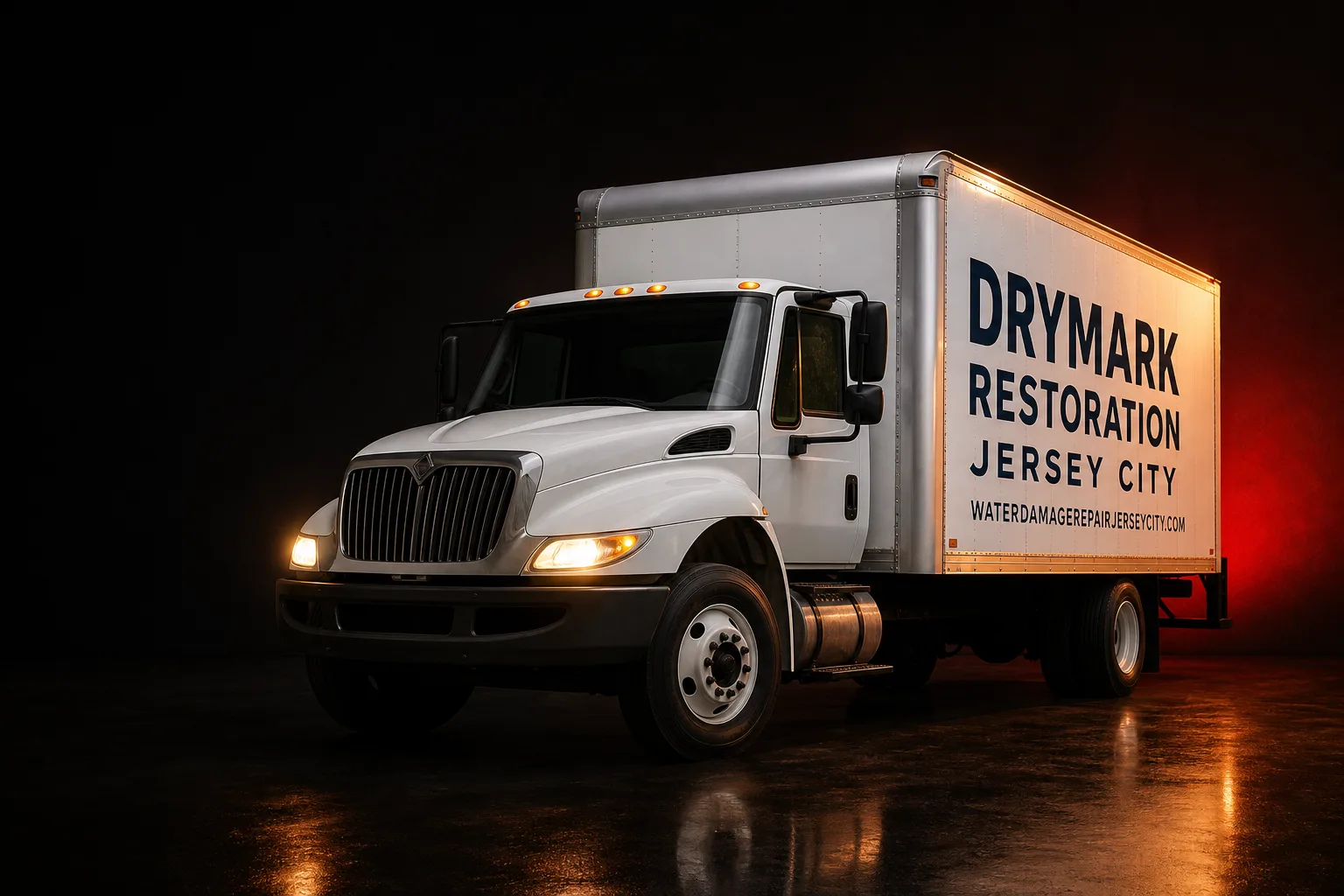
Free visual inspection and a written scope of work before any mitigation begins - photos, moisture readings, and drying logs go in your claim file
The scope we write is the scope we bill. Anything new gets shown to you, in writing, before we touch it.
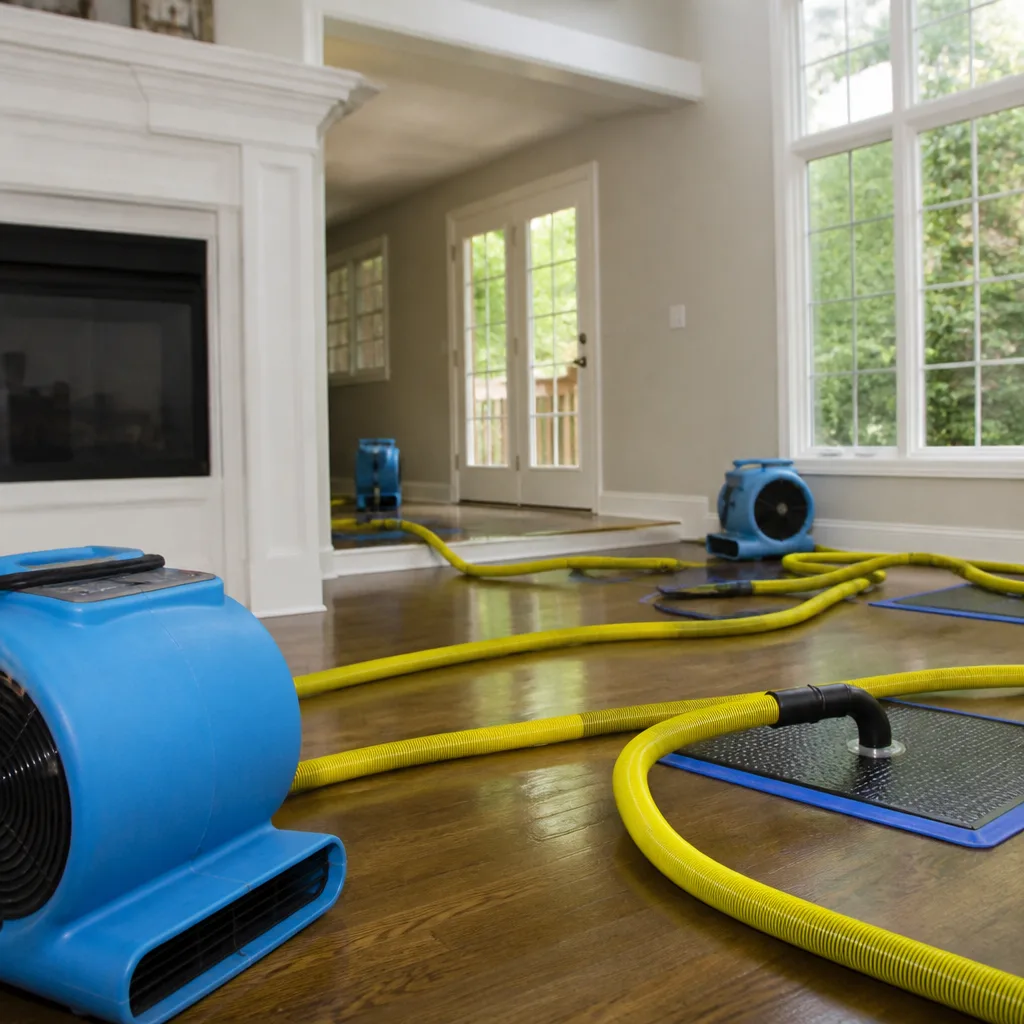
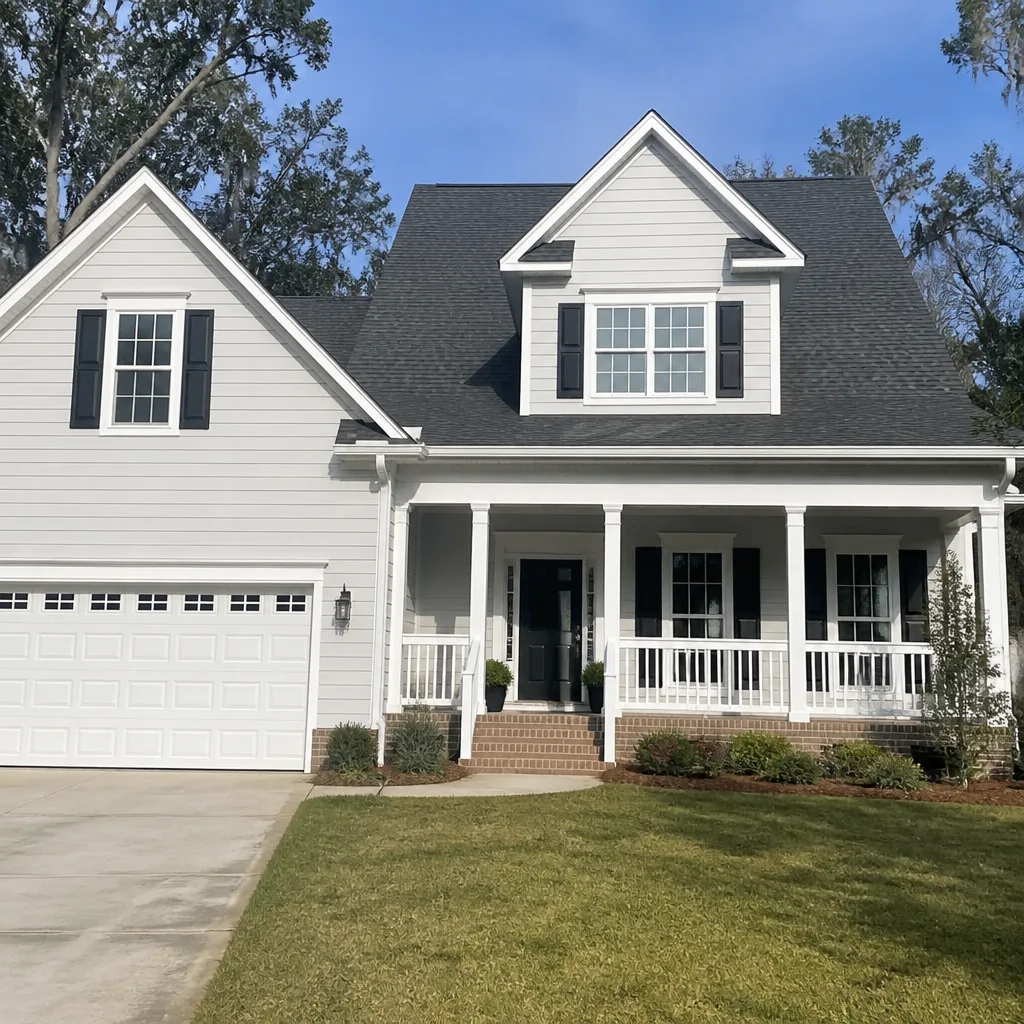
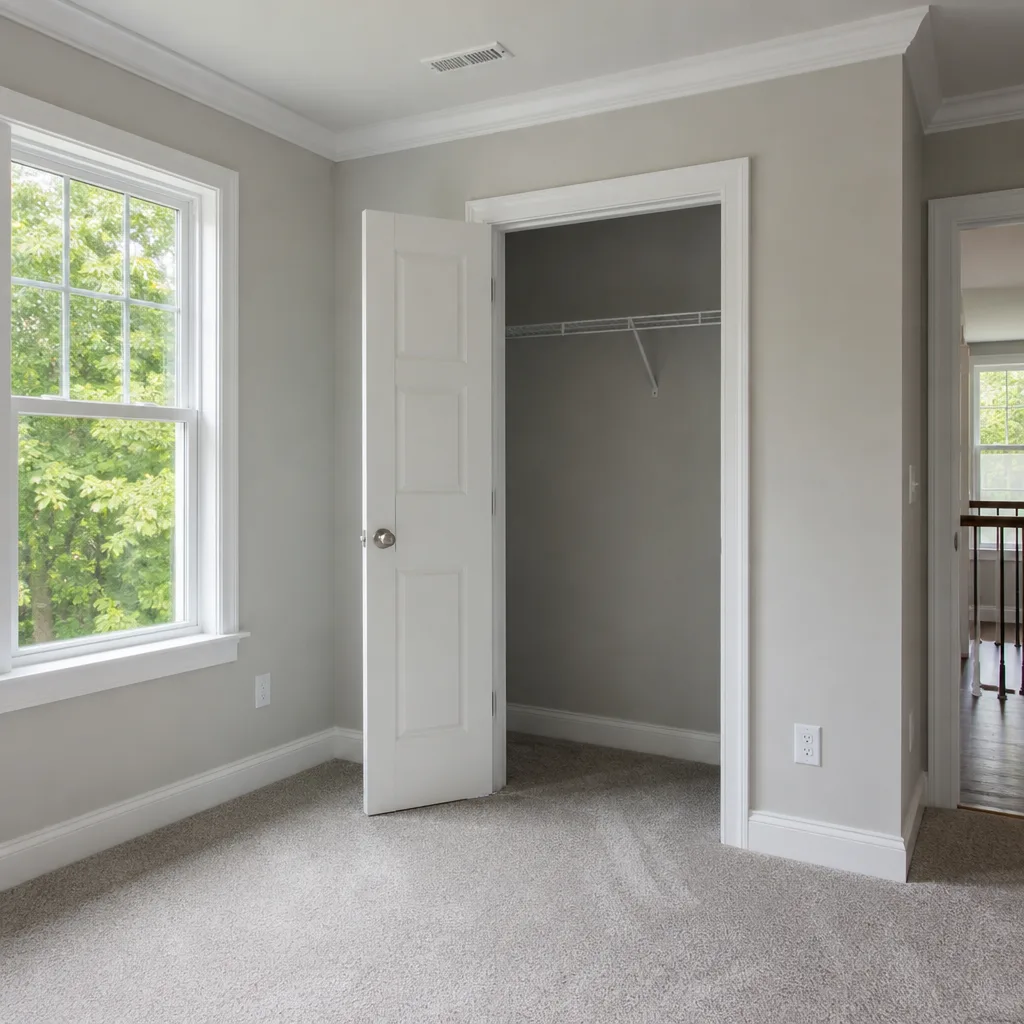
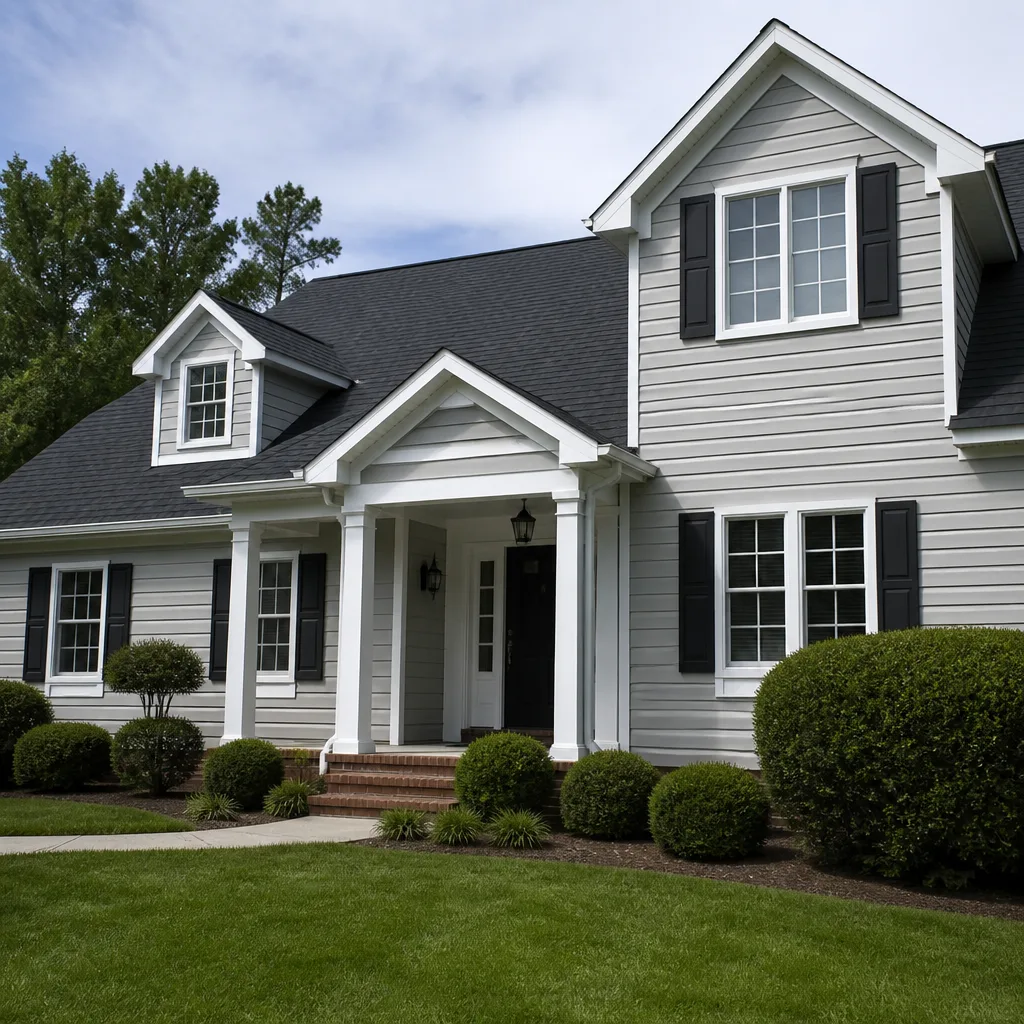
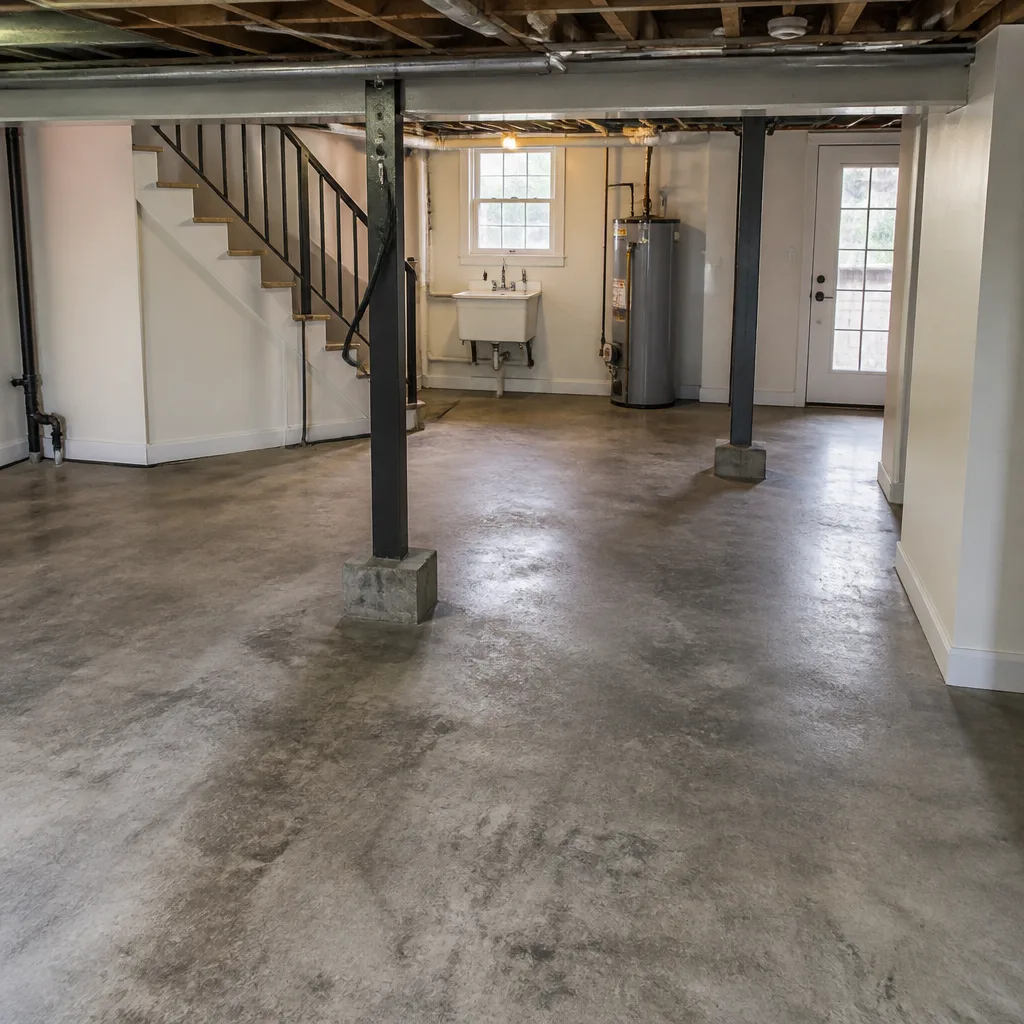
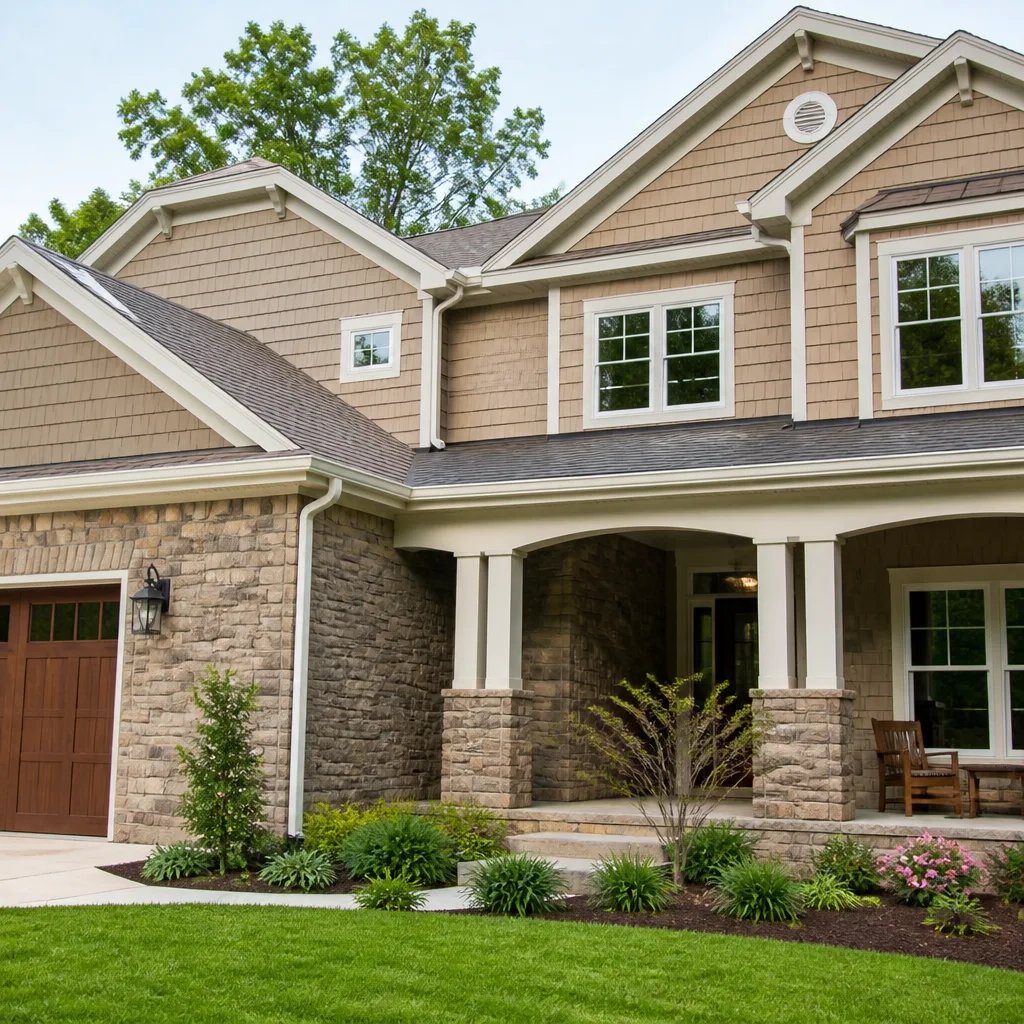
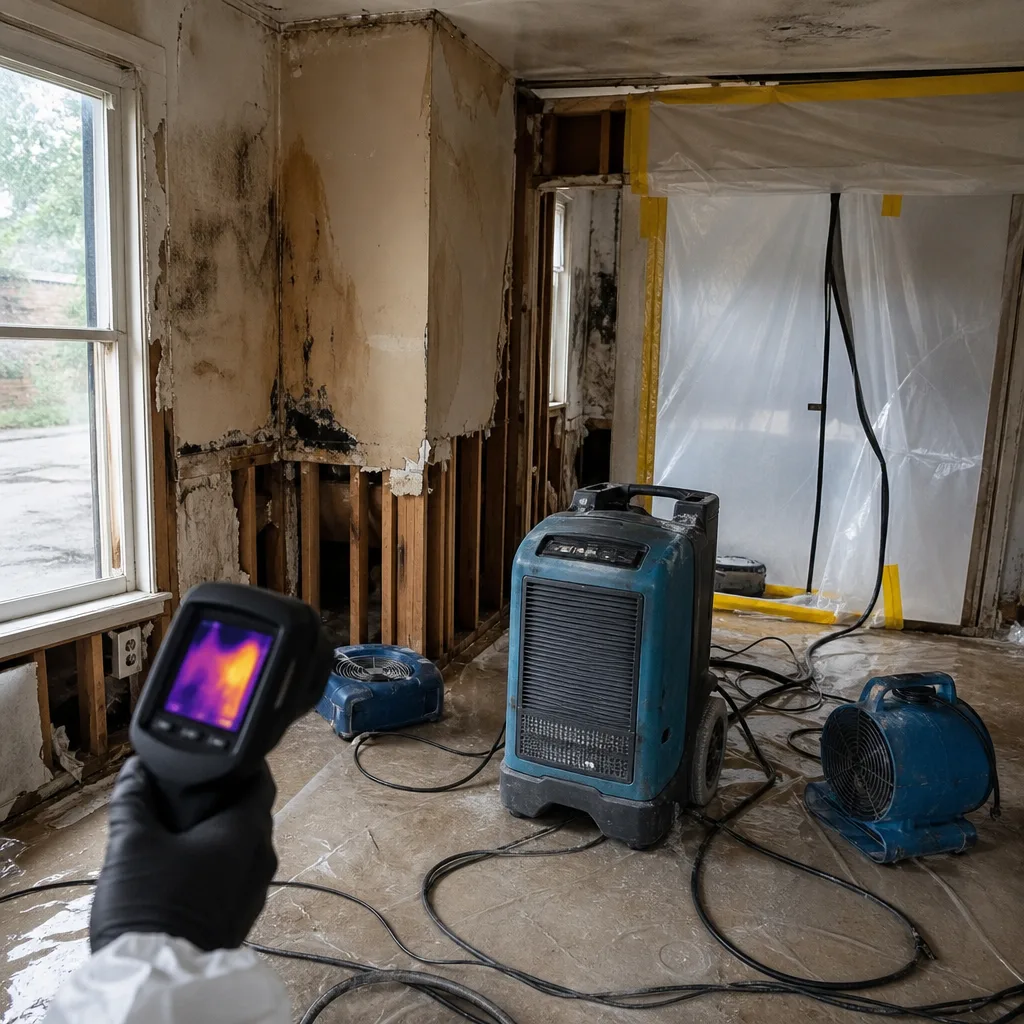 Before
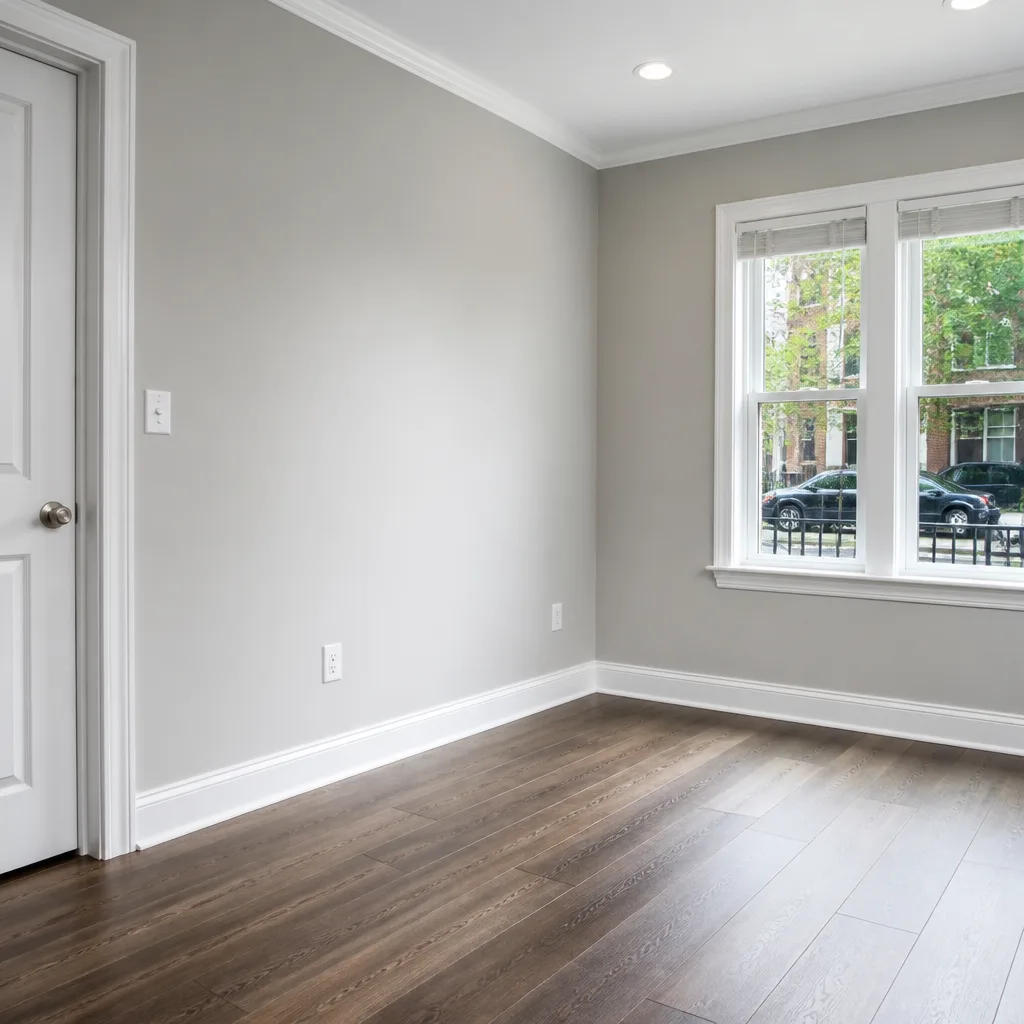 After
After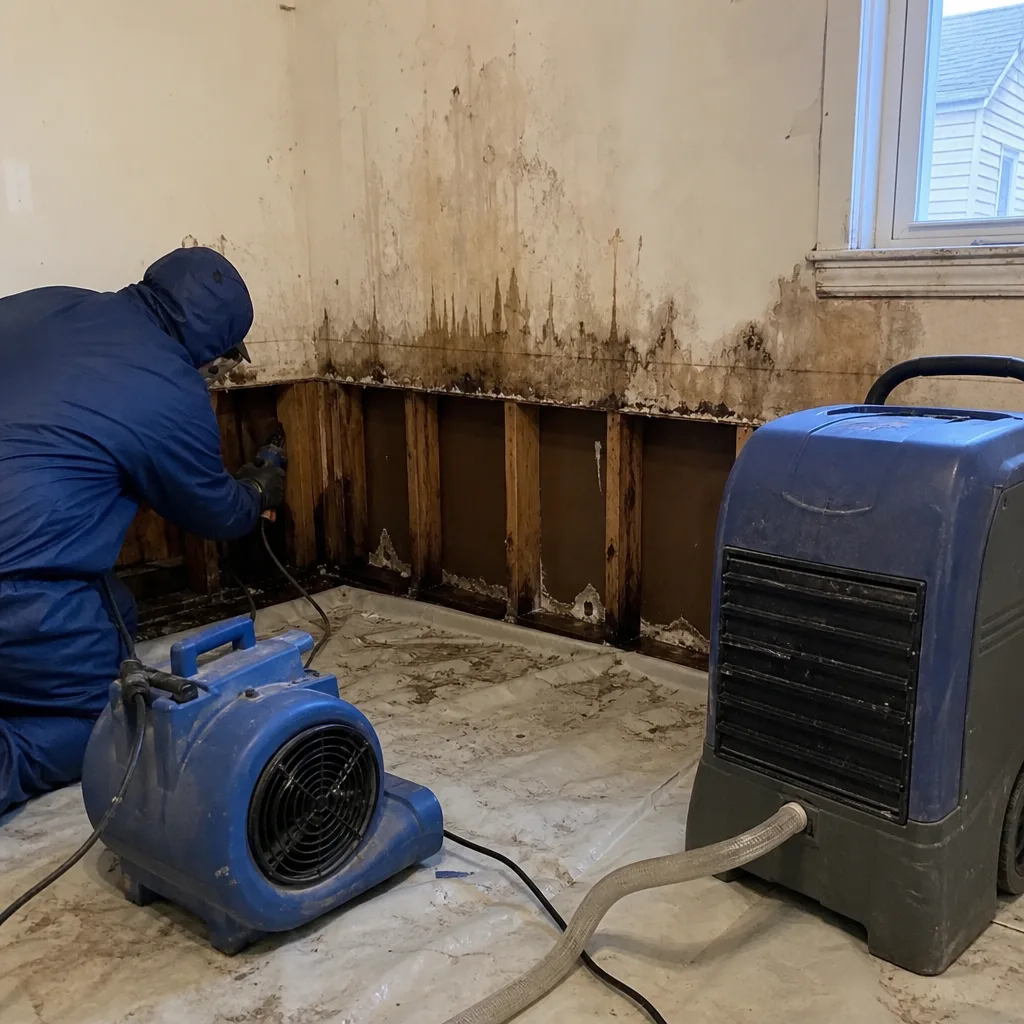 Before
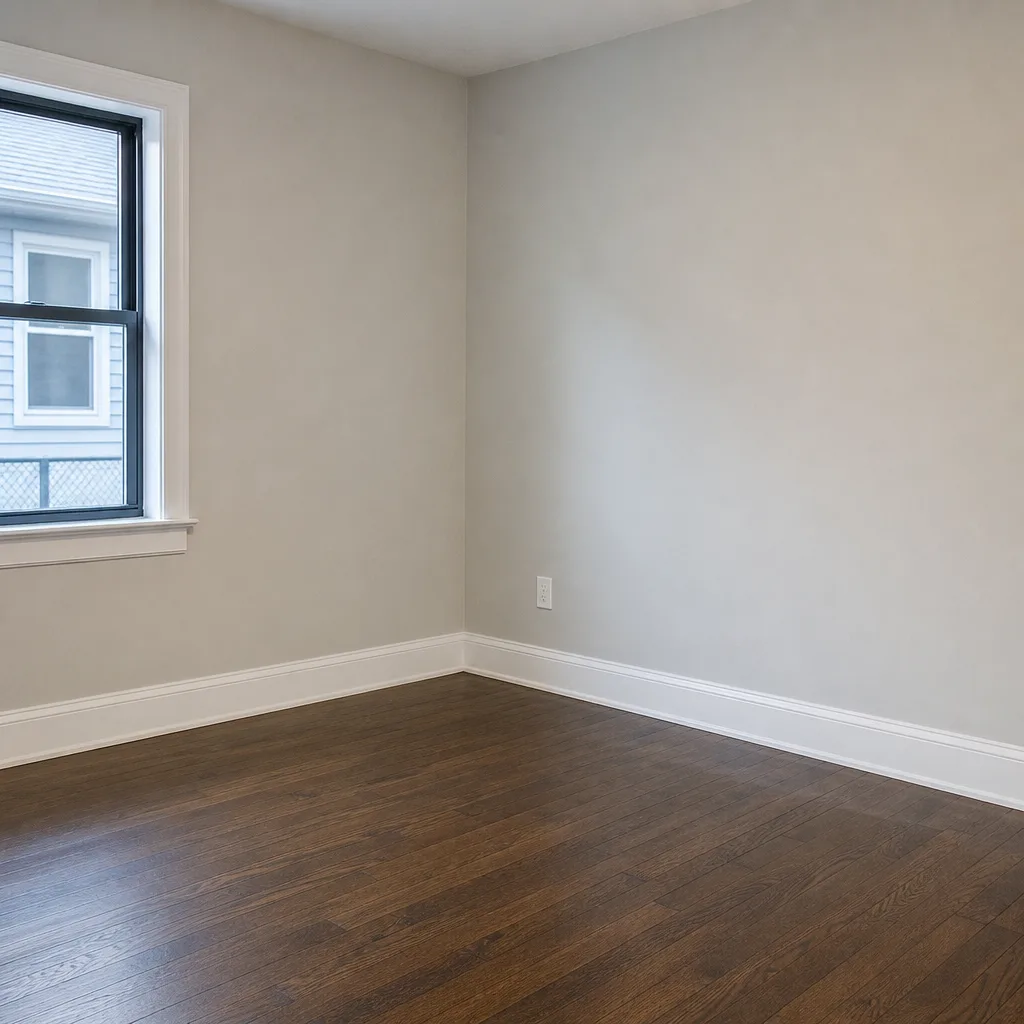 After
After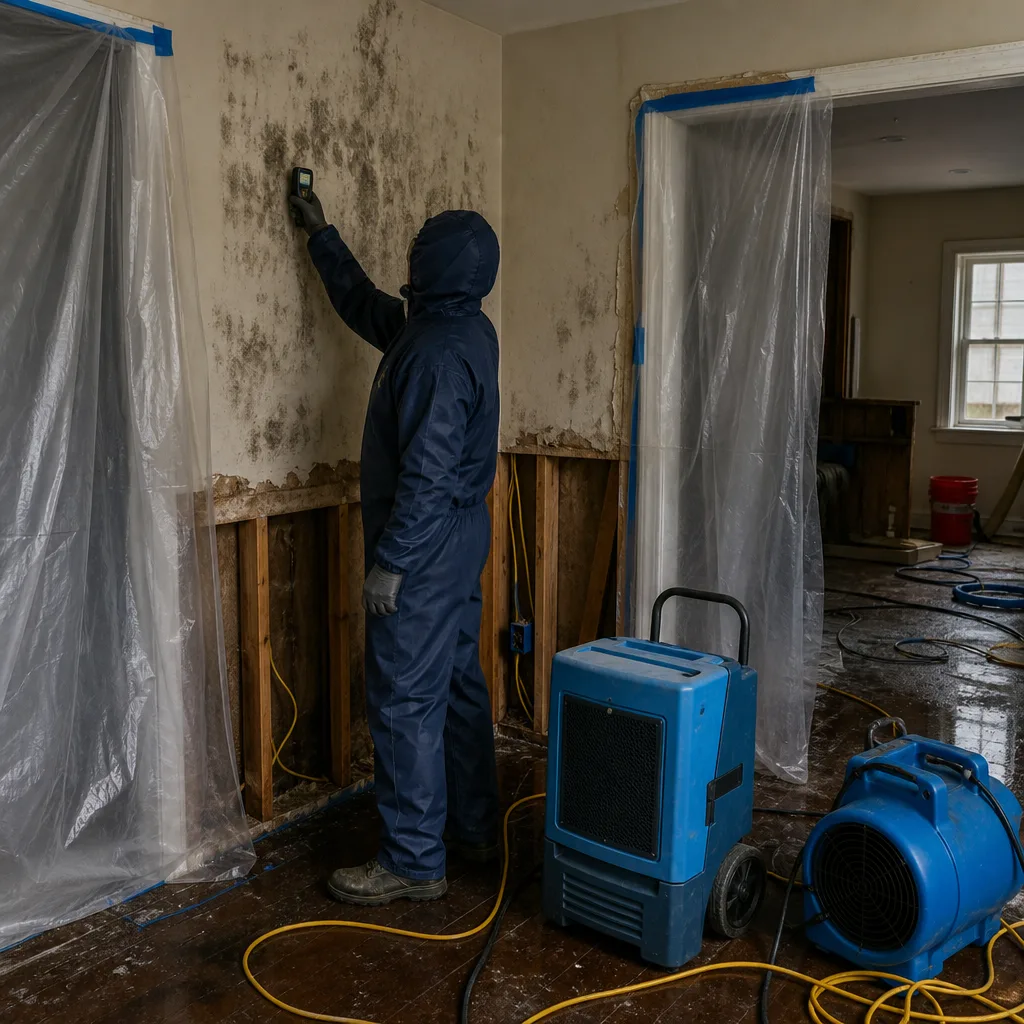 Before
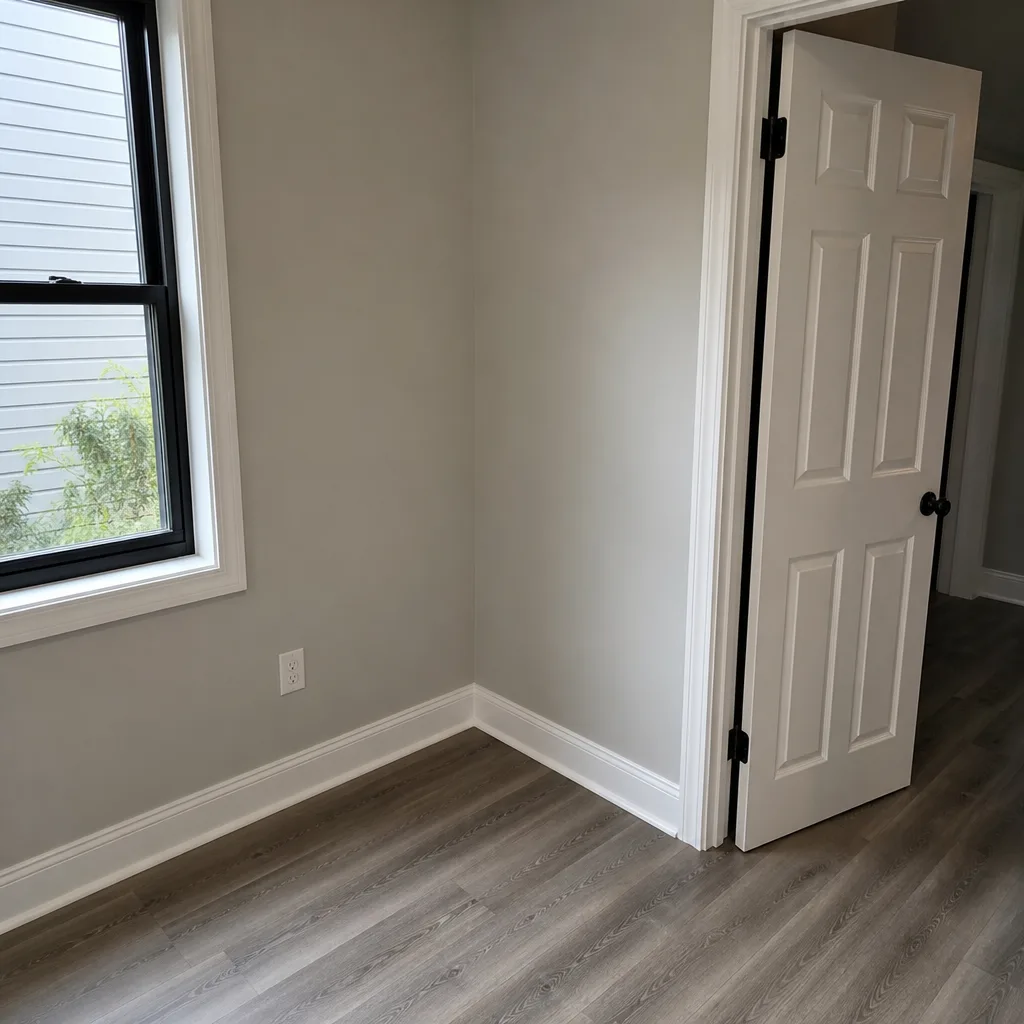 After
After24/7 Emergency Mold Remediation in Williamsburg
Mold remediation in Williamsburg typically costs $1,800-$6,500 depending on concealed damage in converted industrial spaces, and our crews answer live at (862) 298-5256 any hour of the day. When a Kent Avenue loft owner calls at 2 a.m. with a musty hallway and no visible stain, we dispatch within 45 minutes because that symptom pattern almost always means water has been traveling through an original ceiling void for weeks - the same voids we target during our Water Damage Restoration in Williamsburg. The first hour determines whether we contain a localized colony or end up stripping 30 feet of drywall chasing the source. We do not charge for the initial visual inspection, and we bring moisture meters, thermal imaging, and containment materials on every Williamsburg truck.
Understanding Mold Remediation Severity in Williamsburg Properties
Williamsburg mold severity breaks into three practical categories tied to its building stock. Category 1: surface growth on painted drywall or bathroom tile in standard 5-story brick walkups, usually from exhaust-fan failure or window condensation. Category 2: concealed colonization in converted warehouse lofts where the original concrete slab, timber frame, or masonry shell has absorbed moisture through failed vapor barriers - this is the Kent Avenue corridor pattern, where mold spreads through ceiling voids and behind new finishes for months before detection. Category 3: post-flood contamination in FEMA Zone AE waterfront blocks, where Sandy-era surge or chronic groundwater wicking introduces sediment-borne spores into industrial foundations never designed for residential moisture loads.
We classify every Williamsburg job by affected square footage, material permeability, and whether the substrate is original industrial construction or modern residential finish. A pin moisture meter reads dry on new drywall while the 1920s brick behind it registers 18% WME (wood moisture equivalent). That gap is where colonies thrive. Our containment protocols scale from single-room poly sheeting in walkups to full-unit negative-air isolation in loft conversions, with air scrubbers sized to the cubic volume of these high-ceiling spaces.
Why Williamsburg Property Owners Choose DryMark Restoration Jersey City
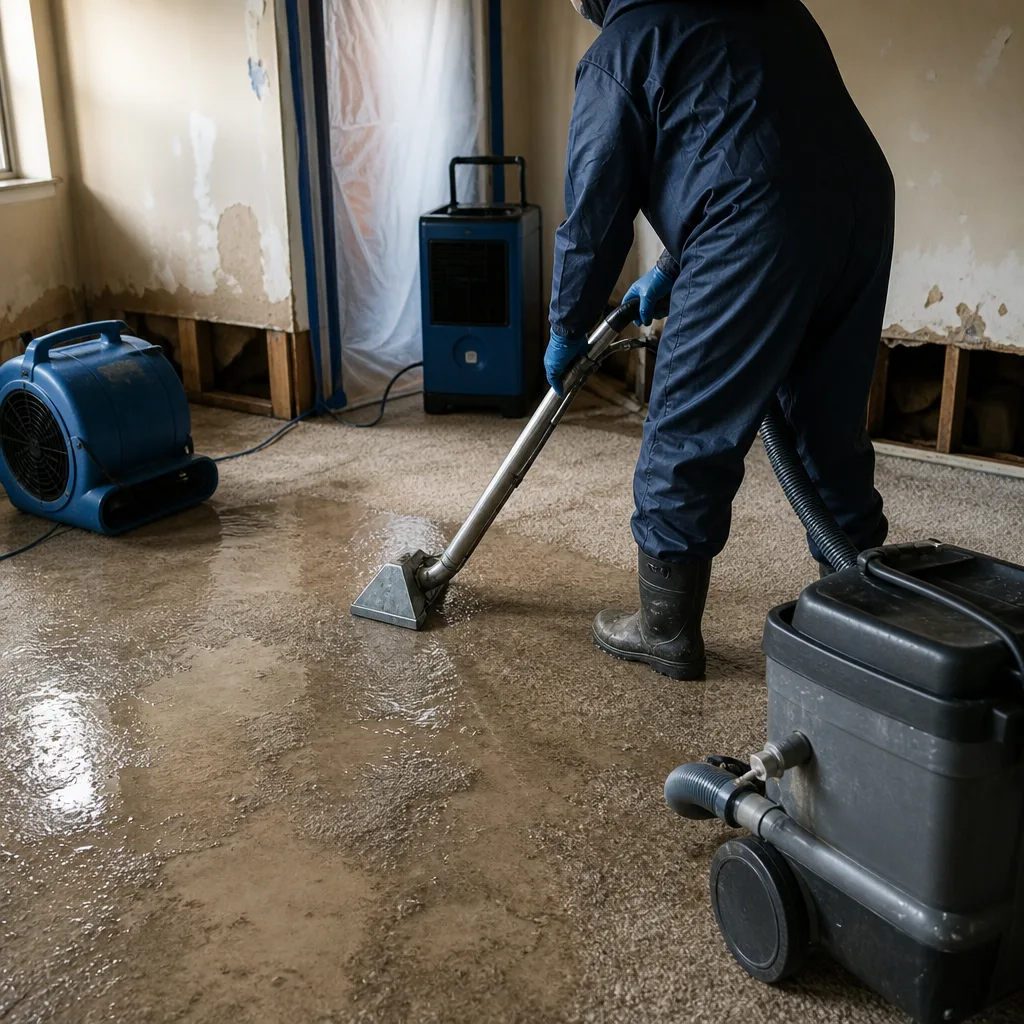
- 45-minute response commitment to Williamsburg from our New York City dispatch office, with crews carrying containment, HEPA filtration, and moisture mapping equipment on every truck.
- 24/7 live answer - a real person, never an automated system or voicemail tree, because mold in a ceiling void does not wait for business hours.
- IICRC-certified crews holding AMRT (Applied Microbial Remediation Technician) and WRT (Water Damage Restoration Technician) certifications, with license numbers documented on every work order.
- Free visual inspection and moisture assessment before any scope is written or any equipment runs.
- Direct insurance billing with photo-documented drying logs formatted for adjuster review, plus coordination with NFIP specialists on flood-zone claims.
- One team from microbial remediation through reconstruction - no handoff to a separate contractor who has not seen the original void or the daily moisture readings.
BeforeAfterOur Mold Remediation Process
1. Inspection & Assessment
We moisture-map the full unit, including original ceiling voids and slab perimeters that residential inspectors miss. Thermal imaging identifies temperature differentials where concealed water has pooled behind new finishes. In Williamsburg loft conversions, we specifically probe the gap between industrial concrete slabs and suspended drywall - the void where Kent Avenue buildings hide their leaks.
2. Containment & Air Filtration
Negative-air containment goes up before any material is disturbed. We size HEPA air scrubbers to the cubic footage of these high-ceiling industrial spaces, not to residential room calculators. Poly barriers seal the work zone; ducted exhaust prevents cross-contamination to occupied areas.
3. Structural Drying
Industrial-grade dehumidification from Dri-Eaz and Phoenix units runs at specific vapor pressure differentials calculated for thick concrete slabs and timber frames, not standard wood-framed construction. Daily psychrometric logs track specific humidity, grain depression, and material moisture content until substrates read below 12% WME.
4. Cleaning & Sanitization
HEPA vacuuming removes settled spores from all surfaces. Antimicrobial treatment follows IICRC S520 standards, with product selection matched to substrate: non-corrosive formulations for polished concrete, penetrating treatments for porous brick, and compatible agents for finished millwork.
5. Air Quality Restoration
Post-remediation air sampling verifies spore counts at or below outdoor baseline levels. We run continuous air scrubbing during this phase, with final clearance testing documented for insurance and property records. In Williamsburg’s tight loft spaces, this step protects against recontamination from residual void moisture.
6. Repairs & Moisture Control
We rebuild with vapor-barrier assessment integrated into every scope. Where groundwater wicking or roof drainage caused the original loss, we specify drainage improvements, sealant applications, or mechanical dehumidification to prevent recurrence. Every repair carries our 365-Day Done Right Promise under The Haven Standard.
Need Emergency Mold Remediation in Williamsburg Now?
Crews minutes away, answering live 24 hours a day. The sooner we start, the less it costs.
Working With Your Insurance Company
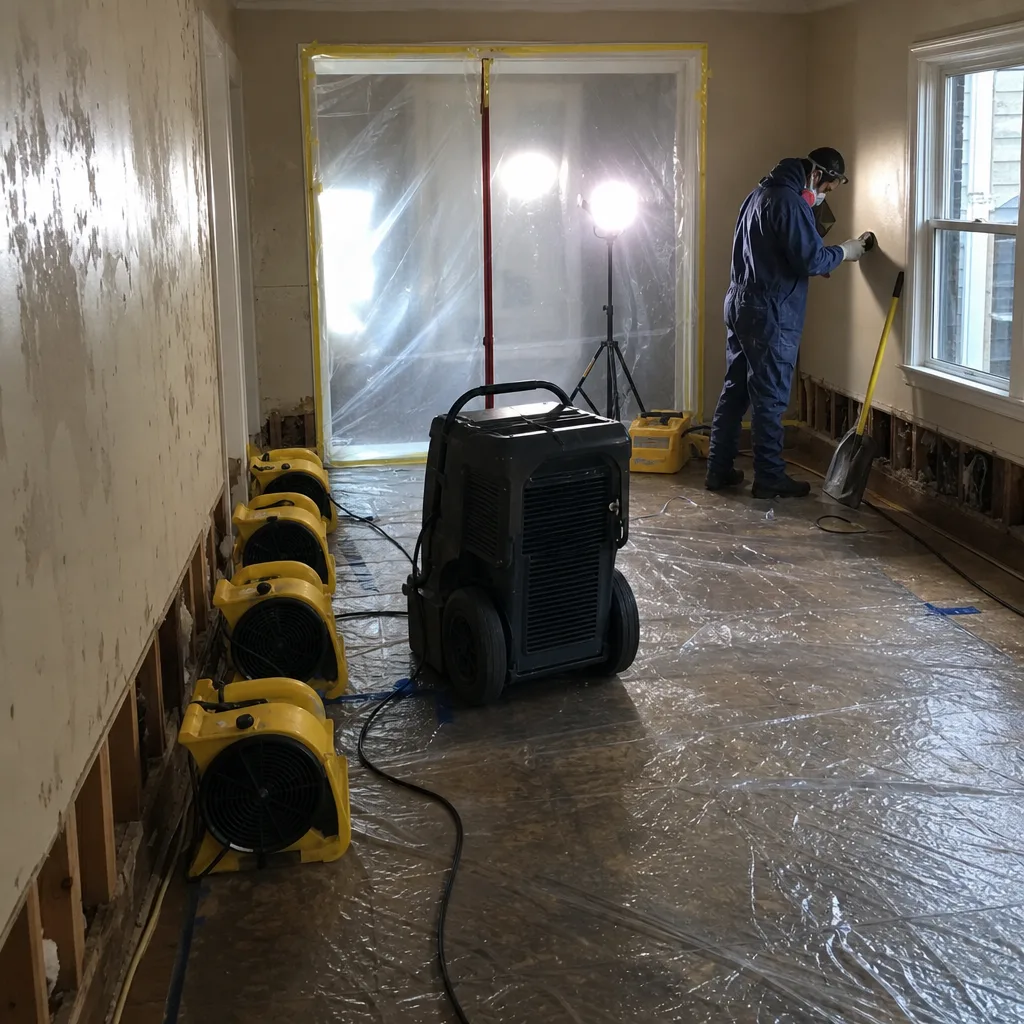
Williamsburg mold claims fail when documentation gaps let adjusters dispute whether the loss was sudden or gradual. We close those gaps from the first hour. Our technician photographs every visible surface, records moisture readings with serial-numbered meters, and timestamps each entry. The written scope we deliver before work begins uses Xactimate line-item coding that adjusters recognize, with no scope-creep additions once our crew is inside your building.
On waterfront properties in FEMA Zone AE, we coordinate directly with NFIP specialists and private flood carriers. Our drying logs, photo records, and material classifications are formatted for both standard homeowner-policy review and flood-claim documentation. Alicia Brennan built this documentation system during her years as a claims adjuster before founding Back to Dry in 2011; she designed it specifically around the disputes that deny legitimate claims.
What We Provide Your Insurer
- Thorough documentation of the loss, including origin-path analysis for concealed void leaks
- Photos of all damage, room by room, with moisture readings embedded in each image file
- Daily drying logs with psychrometric data, grain depression, and material moisture content
- A detailed, line-item scope of work with Xactimate coding, delivered before any work starts
- Direct coordination with your carrier adjuster, including NFIP claim specialists for flood-zone properties
Built for Williamsburg’s Loss Calendar
January deep freezes split supply lines in 1880s-1920s brick walkups where original cast-iron stacks have thinned at the hubs. Water cascades through shared plumbing chases, hitting multiple units before anyone calls. Spring thaw brings groundwater rise against foundations with no perimeter drainage; we see chronic wicking in basement-level units from March through May. Summer humidity peaks in July and August, when converted loft buildings without proper mechanical dehumidification hit 70% relative humidity inside those ceiling voids - perfect conditions for spore germination on residual moisture.
September nor’easters and tropical remnants drive roof leaks through aging industrial membranes, especially on Kent Avenue corridor buildings where original roofing was never designed for today’s rainfall intensity. Hurricane Sandy proved that FEMA Zone AE is not theoretical: surge penetrated several blocks inland, and we still find buildings where post-Sandy drying was incomplete, leaving dormant colonies that reactivate with any new moisture event. Year-round, the shared infrastructure of dense walkups means one owner’s leak becomes three owners’ mold in 48 hours.
Mold Remediation Across Williamsburg’s Neighborhoods
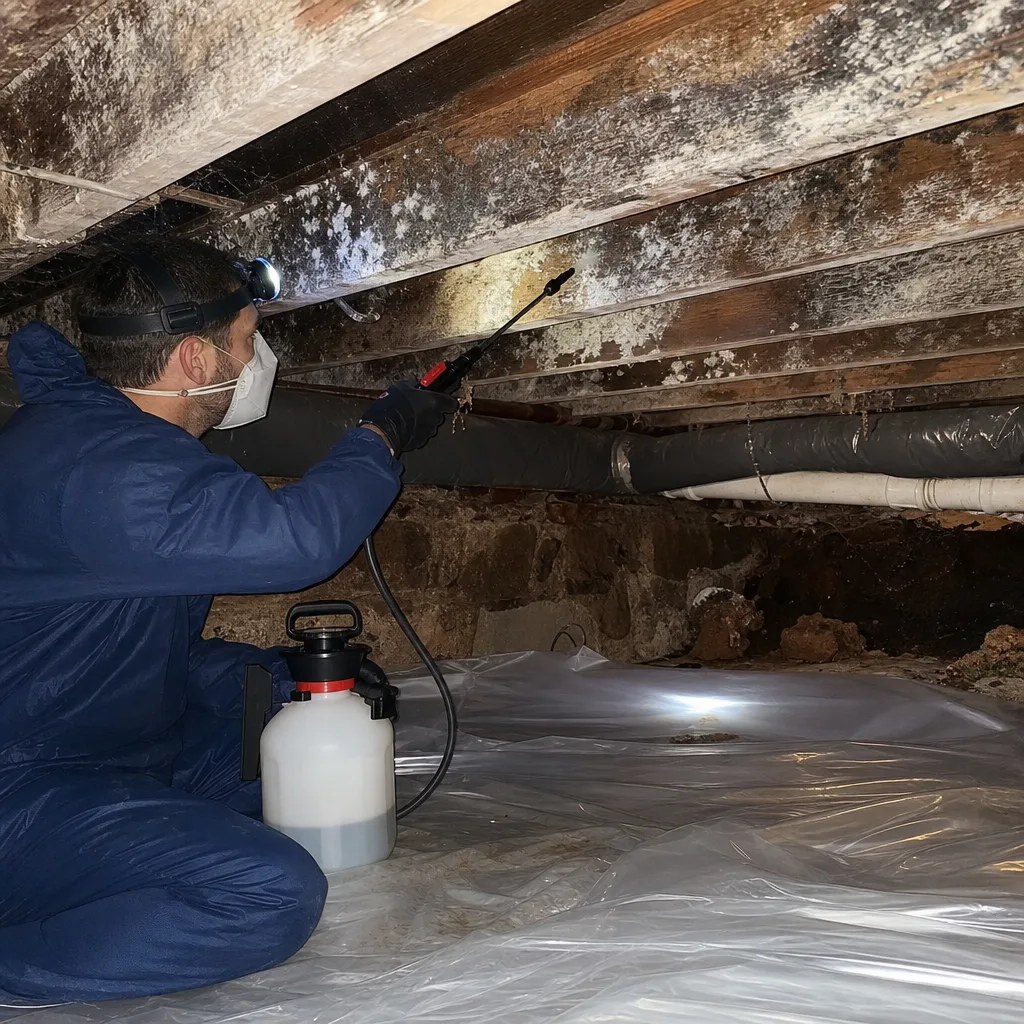
North Side waterfront, from the Domino Park stretch to the Navy Yard edge, is dominated by converted industrial lofts. These buildings demand void-chasing protocols: our crews carry extension poles for thermal imaging of 14-foot ceilings, and we maintain relationships with several Kent Avenue building managers who know which units share which original drainage paths. South Side walkups near the Williamsburg Bridge approach are denser, older, and more prone to stack leaks that travel vertically through shared walls.
East Williamsburg, toward the Bushwick border, mixes light industrial conversions with 1920s brick rowhouses. Here we see more basement seepage from shallow foundations and aging combined sewers. The Graham Avenue corridor has seen rapid renovation, and we are called frequently to inspect “flipped” units where vapor barriers were skipped behind new drywall over original masonry. Bedford Avenue’s commercial-residential mix presents its own pattern: restaurant exhaust and rooftop HVAC on mixed-use buildings create chronic humidity loads that standard residential contractors underestimate.
Near McCarren Park, the building stock is more consistently residential, but the park’s own drainage system has been known to back up into bordering basements during heavy rain. We coordinate with the building department on these jobs because the source is external infrastructure, not internal plumbing. Every Williamsburg submarket gets a different scoping approach, and our Mold Remediation team documents the specific building type on every work order.
Specialized Mold Remediation Services We Offer in Williamsburg
Mold Inspection & Testing
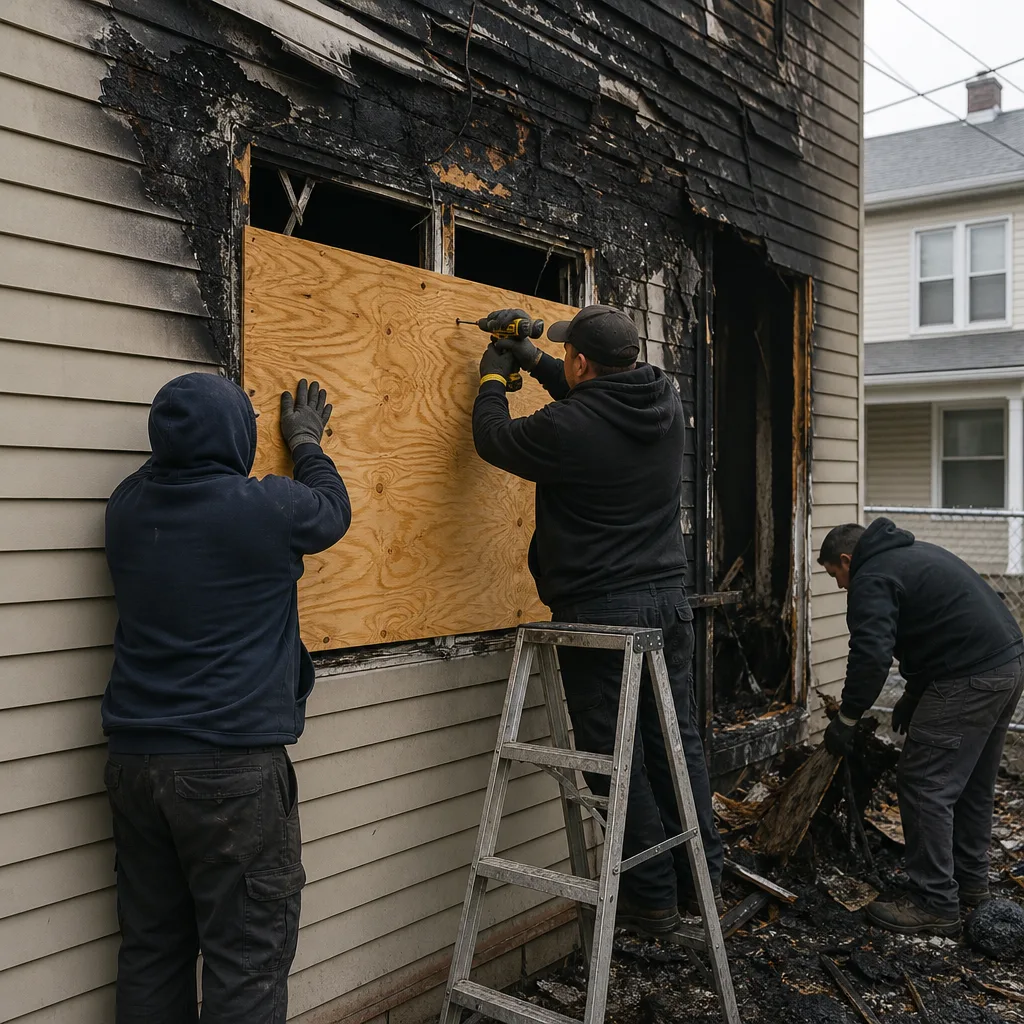
Our Williamsburg inspections start with moisture mapping, not visual guesswork. We use thermal imaging and pinless meters to trace water paths through original industrial construction, then sample air and surface spore counts for lab analysis. In Kent Avenue lofts, we specifically inspect ceiling void access points and slab perimeters that standard home inspectors cannot reach.
Mold Removal
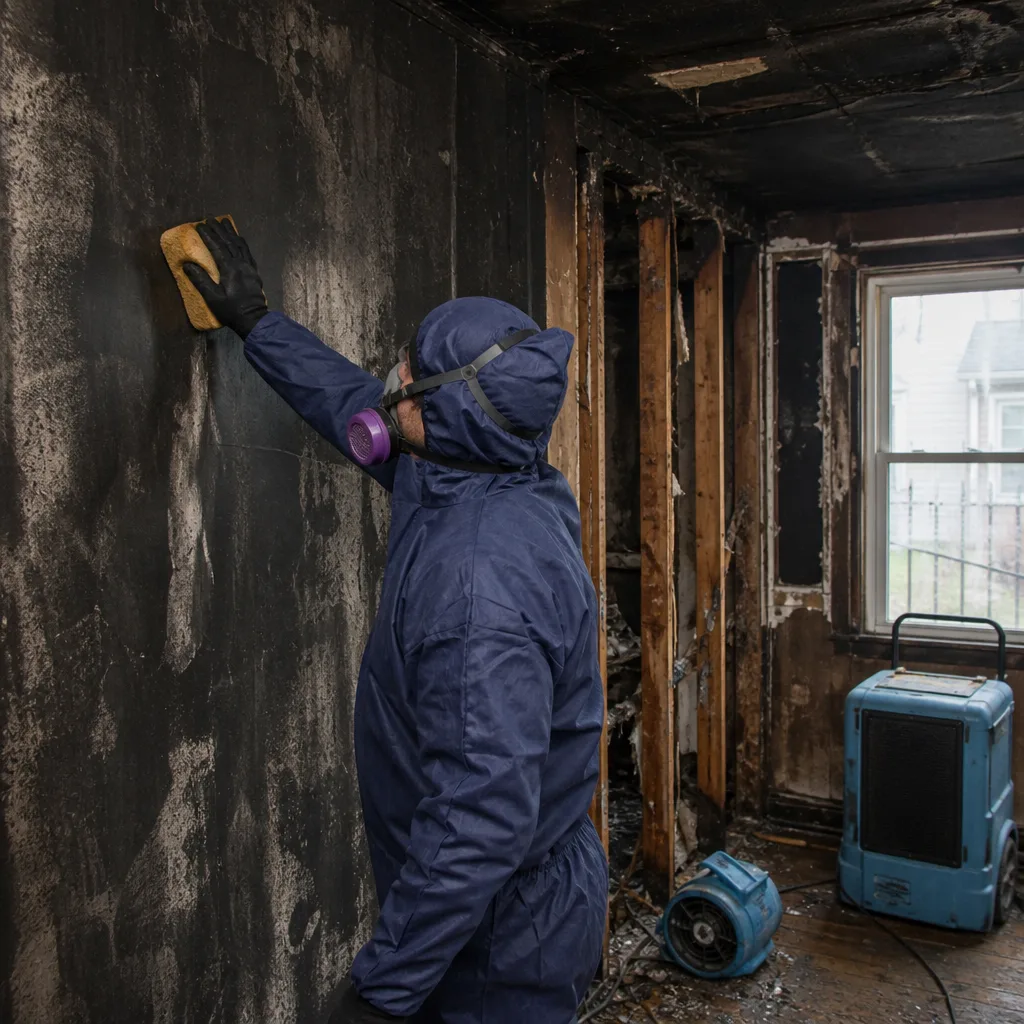
Removal follows containment and drying, never precedes it. We strip affected materials with HEPA-contained tools, clean remaining substrates to S520 standards, and verify clearance before any rebuild begins. In Williamsburg’s shared-wall walkups, our containment protects adjacent units from cross-contamination.
Black Mold Remediation
Stachybotrys and other toxigenic species require enhanced PPE, strict containment, and specialized disposal. We document every step for insurance and health-department requirements. Williamsburg’s industrial voids can harbor extensive black mold colonies that remain hidden until demolition exposes them.
Air Quality Restoration
Post-remediation air scrubbing runs on XPOWER and Phoenix HEPA units sized to loft cubic volumes. We measure particulate counts at supply and return points, then document baseline recovery for property records and insurance closeout. This service is essential in tight Williamsburg units where one contaminated void affects the whole building’s HVAC.
Crawl Space Treatment
Williamsburg’s limited crawl space inventory is concentrated in South Side and East Williamsburg additions. Where they exist, these shallow foundations suffer groundwater wicking and poor ventilation. We install vapor barriers, mechanical dehumidification, and sealed access systems where appropriate.
Moisture & Humidity Control
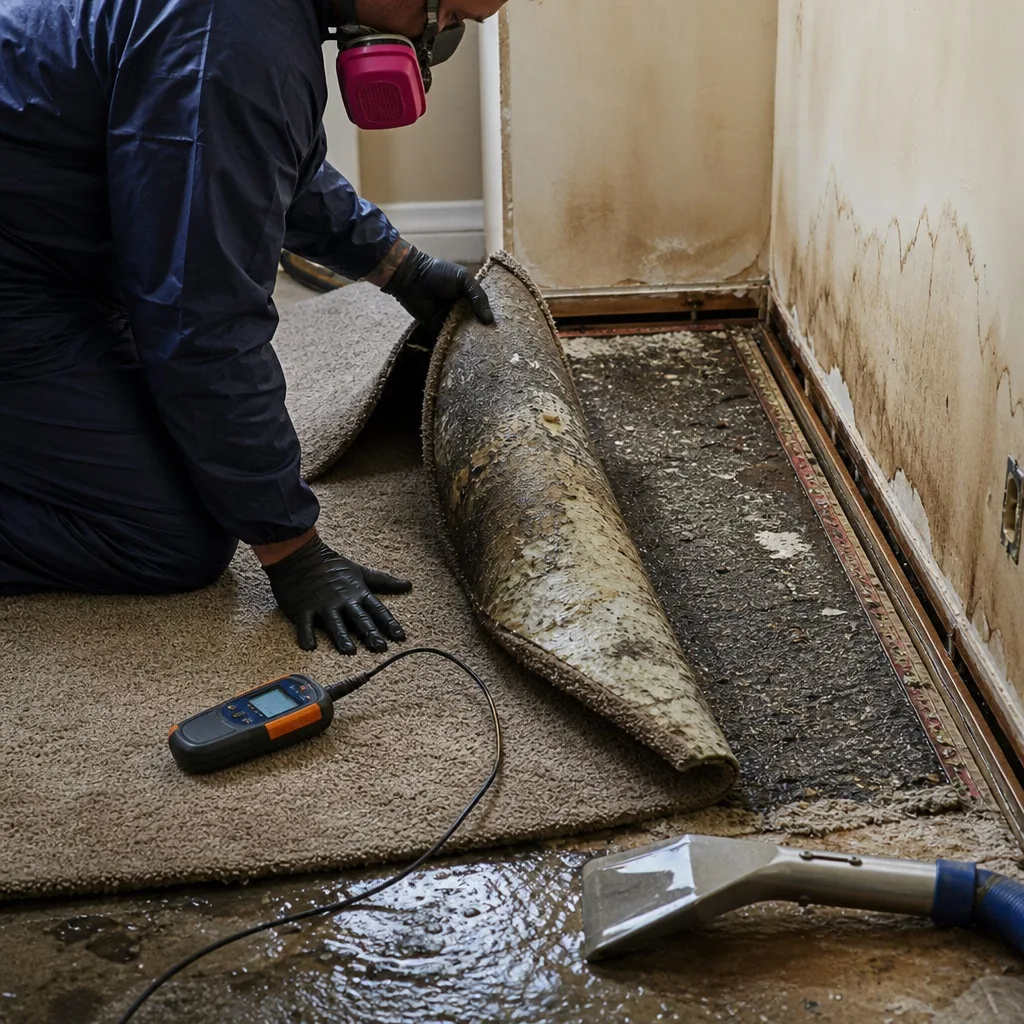
Permanent mold prevention in Williamsburg requires controlling the moisture that feeds it. We specify and install commercial-grade dehumidification for loft spaces, improve drainage on waterfront properties, and assess vapor-barrier integrity on every remediation job. Without this step, colonies return.
What happens when you call
- 1
A real person answersNo phone trees - you reach a local pro.
- 2
You get an upfront price rangeHonest numbers before anyone is dispatched.
- 3
A background-checked tech heads outLicensed & insured, dispatched right away.
- 4
You approve before work beginsNothing starts until you say go.
Mold Remediation Costs in Williamsburg, NY
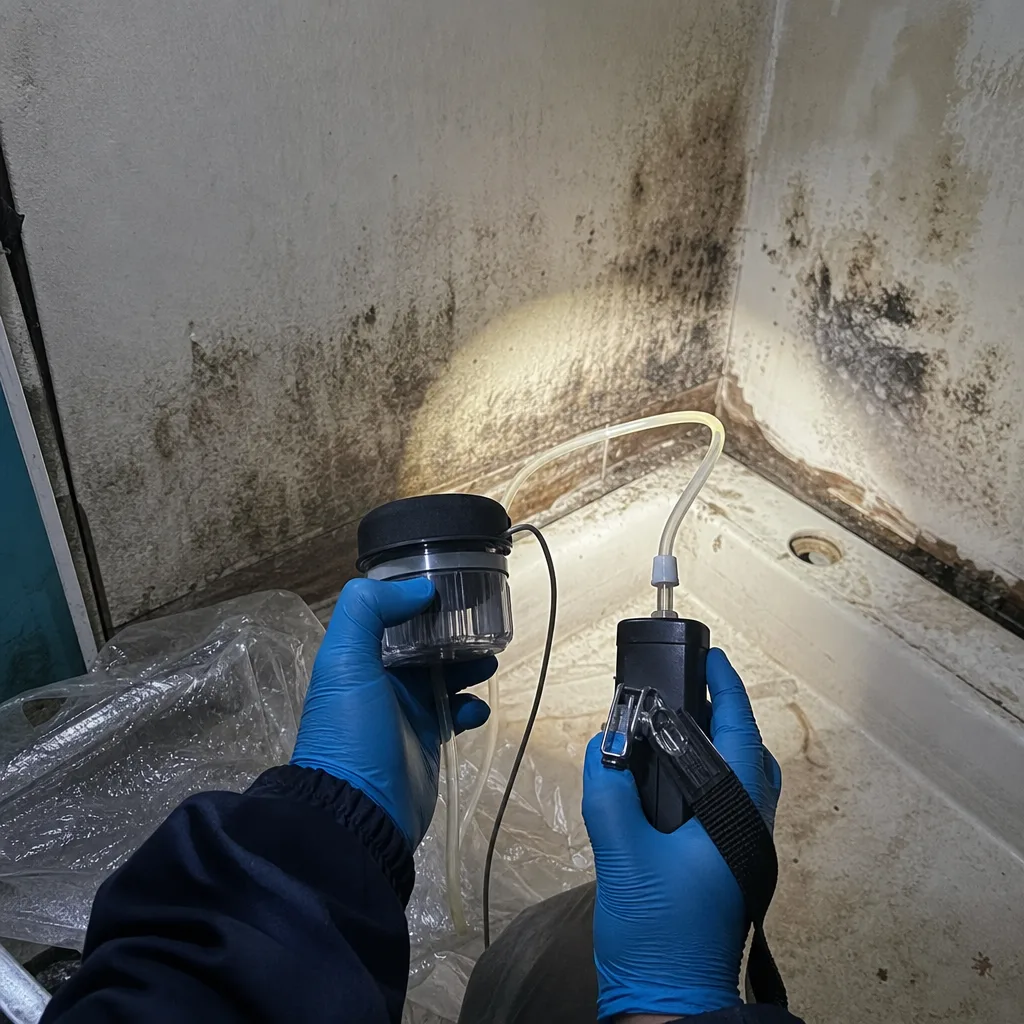
A typical contained mold removal in a standard Williamsburg walkup unit runs $1,800-$3,400. Converted loft jobs with void-chasing and industrial-substrate drying range $4,200-$6,500, with complex Kent Avenue corridor projects occasionally exceeding that when extensive ceiling demolition and extended drying cycles are required. Air quality testing and clearance documentation add $350-$650. Moisture control system installation, where needed for prevention, runs $1,200-$2,800 depending on unit size and equipment specification.
What moves the price: concealed damage extent (we find the real scope during our free inspection), material type (polished concrete and industrial timber dry slower than standard framing), and whether the job requires NFIP coordination for flood-zone properties. Insurance typically covers sudden water damage and resulting mold when documented promptly; gradual leaks and maintenance-related moisture are usually out-of-pocket. We deliver a written price before any work starts, Haven Standard, Clause 1, and we review competitor estimates at no charge if you want a second opinion. Call (862) 298-5256 for an exact quote - estimates are free.
We Also Serve Cities Near Williamsburg
Our New York City office dispatches crews throughout the metro area. We regularly handle Mold Remediation in Williamsburg and respond to losses in the Financial District’s high-rise residential towers, Brooklyn Heights’ historic brownstones with their own moisture management challenges, Midtown Manhattan’s dense commercial-residential mix, and Murray Hill’s pre-war co-op buildings with aging infrastructure.
Serving Williamsburg, NY - Our Local Coverage Area
We’re based in the Williamsburg area and know this community well. Use the map below to see our service coverage - if you’re nearby, we can almost certainly help.
Williamsburg Mold Remediation Questions, Answered
How do you find mold in a Williamsburg loft when there’s no visible water stain?
We moisture-map the full unit with thermal imaging and pinless meters, then cut access ports in ceiling drywall to inspect the original slab void above - the leak is almost always 20-30 feet from where the musty smell first appears.
In a recent Kent Avenue call, our tech found a rooftop condenser line dripping into a void 22 feet from the visible symptom. Daily drying logs and a 5-day structural cycle preceded any antimicrobial work. Call (862) 298-5256 if you smell something with no visible source - estimates are free.
Does a Category 1 pipe leak in a Williamsburg warehouse conversion ever become Category 3?
Yes, when water travels through original industrial construction that contains decades of accumulated sediment, rust, and prior contamination - the 1920s masonry and timber substrates in these buildings are not clean building materials.
We test water quality at the point of damage, not just at the source, and we classify the loss accordingly. Category 3 protocol means more extensive removal, enhanced PPE, and stricter clearance testing. Documentation supports insurance coverage disputes when carriers challenge the classification. Call (862) 298-5256 - we review competitor estimates at no charge.
How fast do you need to start drying after water damage in a Williamsburg loft?
Mold colonization begins in 24-72 hours on organic substrates, but in Williamsburg’s thick industrial slabs and timber frames, the clock runs differently - these materials hold moisture longer and release it slower than standard construction.
We aim to deploy within 45 minutes of your call, set containment immediately, and run commercial dehumidification sized to the actual substrate mass, not to residential calculators. Delay means chasing a larger void later. Call (862) 298-5256 for immediate dispatch.
Do Sandy-era flood risks on the Williamsburg waterfront change how mold remediation is scoped?
Yes. Properties in FEMA Zone AE require NFIP-aware documentation, sediment-borne spore testing, and coordination with flood-specific adjusters who understand total-loss thresholds versus repairable damage.
We maintain drying logs formatted for both standard homeowner and flood-claim review, and we assess whether groundwater wicking is an ongoing source that requires drainage improvement, not just mold removal. Waterfront scoping always includes foundation moisture mapping. Call (862) 298-5256 for flood-zone assessment - estimates are free.
What does a Williamsburg mold remediation scope actually include for a converted warehouse unit?
A complete scope covers: moisture mapping and void inspection; containment and negative-air setup; material removal to expose all affected substrate; structural drying with equipment sized for industrial construction; HEPA cleaning and antimicrobial treatment; air quality restoration and clearance testing; and rebuild with vapor-barrier assessment integrated.
Haven Standard, Clause 1: the written price covers all of this with no additions once work begins. We deliver that scope before any equipment runs. Call (862) 298-5256 to schedule inspection.
Can we stay in the unit during mold remediation?
Usually not during active removal in a Williamsburg loft, because these open-plan spaces lack the compartmentalization that allows partial occupancy. Negative-air containment and HEPA scrubbing protect adjacent units in shared buildings, but the work zone itself is sealed.
For small, contained walkup jobs with isolated bathrooms or kitchens, limited occupancy may be possible. We specify this in the written scope before work starts. Call (862) 298-5256 to discuss your specific layout.
Are your technicians certified for microbial remediation?
Yes. Our lead technicians hold IICRC AMRT (Applied Microbial Remediation Technician) and WRT (Water Damage Restoration Technician) certifications, with license numbers documented on every work order. All are background-checked, uniformed, and verified before arriving at your property.
We also document to IFA and RIA standards, producing the daily logs and photo records that turn restoration invoices into payable claims. Equipment includes Dri-Eaz, Phoenix, and XPOWER systems specified to IICRC drying standards. Call (862) 298-5256 to verify credentials on your specific job.
What should I do in the first 30 minutes after discovering mold?
Do not disturb the area - agitating a colony releases spores into the air and HVAC system. Turn off any fans or HVAC that might circulate air through the space. Note the location, any recent water events, and whether the area feels damp to touch.
Then call (862) 298-5256. We answer live 24 hours a day, dispatch within 45 minutes to Williamsburg, and conduct a free visual inspection with moisture mapping before writing any scope. The information you provide helps our tech bring the right containment and equipment on the first trip.
Back to Dry Restoration has operated under The Haven Standard since 2011, delivering written prices before work starts, photo-documented records on every visit, and the 365-Day Done Right Promise on every job. Our Mold Remediation team serves Williamsburg from our New York City dispatch office, with crews minutes away from Kent Avenue, the Domino Park corridor, and the full North Side waterfront.
Written by Alicia Brennan, Owner at Back to Dry Restoration, serving Williamsburg since 2011.